Tag: politics latest

  • ECP rejects Nawaz Sharif’s application for recounting in NA-15

    ECP rejects Nawaz Sharif’s application for recounting in NA-15

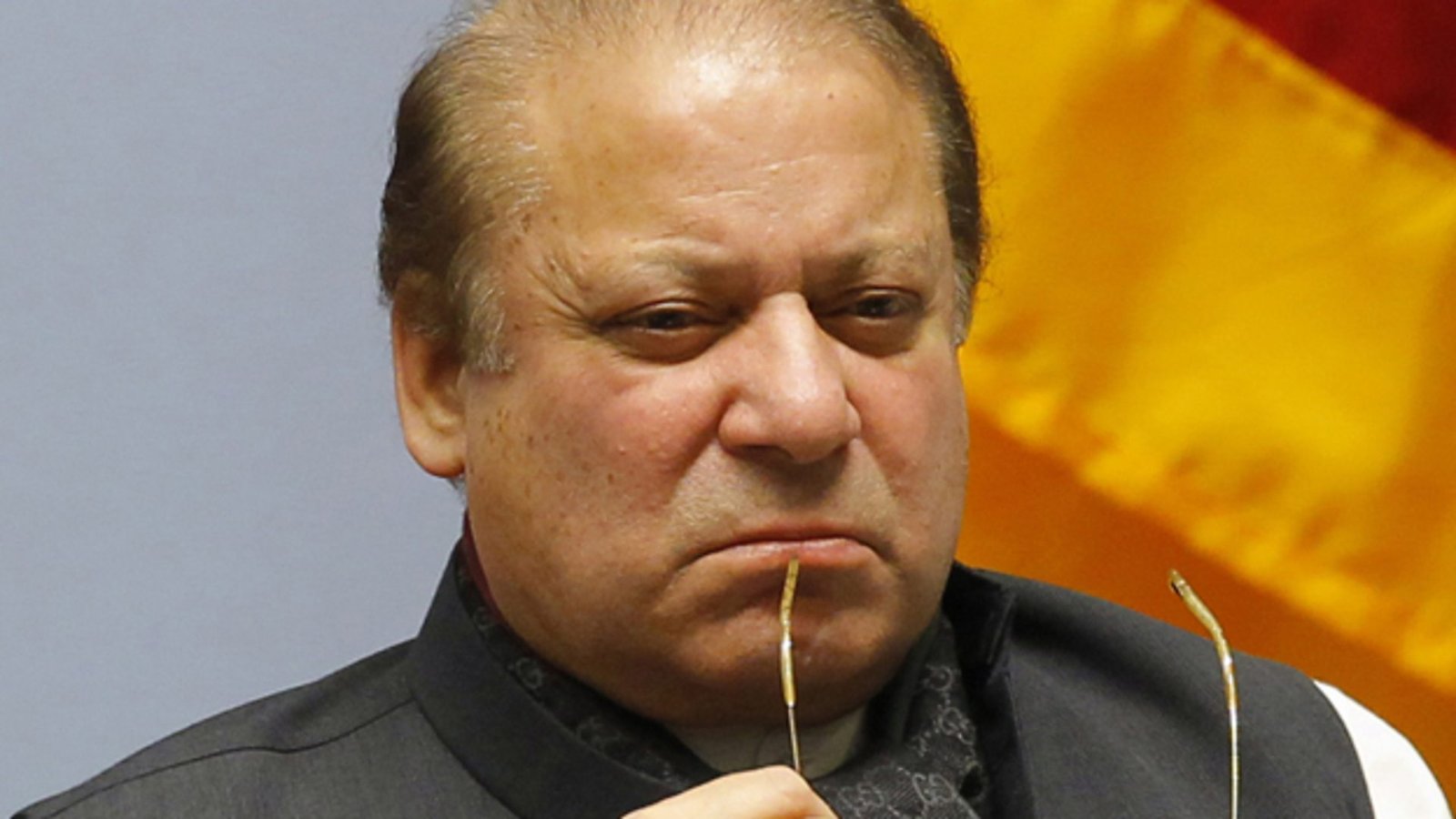
    The Election Commission of Pakistan (ECP) has rejected an application filed by Pakistan Muslim League-Nawaz (PML-N) supremo Nawaz Sharif for the recounting of votes in the National Assembly constituency of NA-15, Mansehra.

    “The petitioner may approach the Election Tribunal,” the verdict said.

    ECP ordered the returning officer to submit the complete results in three days.

    Nawaz Sharif’s lawyer said that the elections were unconstitutional, illegal, and against the election rules.

    Pakistan Tehreek-e-Insaf (PTI)-supported candidate Shahzada Gustasap Khan won the election in NA-15 by getting 105,249 votes.

    The PML-N supremo was in second position with 80,382 votes in the same constituency.

  • ‘PPP pressurising PML-N to sideline MQM,’ alleged MQM’s Kamran Tessori audio leak sparks new debate

    ‘PPP pressurising PML-N to sideline MQM,’ alleged MQM’s Kamran Tessori audio leak sparks new debate

    Muttahida Qaumi Movement-Pakistan (MQM-P) is facing challenges in talks with Pakistan Muslim League-Nawaz (PML-N) as another alleged audio of Governor Sindh Kamran Tessori goes viral on social media.

    Earlier, an audio clip went viral in which MQM-P leader Mustafa Kamal revealed to the party’s Rabita Committee that PML-N “doesn’t want to talk to us”. He accused the Pakistan Peoples Party (PPP) of trying to corner them.

    Kamal has confirmed that the audio is genuine.

    In the latest audio, Kamran Tessori can be heard saying that MQM-P is paying the cost of becoming part of the Pakistan Democratic Movement (PDM) coalition government.

    “We were part of the Pakistan Tehreek-e-Insaf (PTI) government when PML-N and the PPP were in opposition. We supported the PDM, which angered our voter,” Tessori said in the audio, which could not be independently verified.

    “MQM-P got seven seats despite all the hurdles [in 2018 elections] which was our vote bank. We didn’t get the vote today [in the 2024 polls]. The party is being offered one ministry [Information Technology] as part of government and they are bringing their own governor in Sindh as well.”

  • Do you know how Speaker, Deputy Speaker, Prime Minister, and Leader of Opposition are elected in assembly?

    Do you know how Speaker, Deputy Speaker, Prime Minister, and Leader of Opposition are elected in assembly?

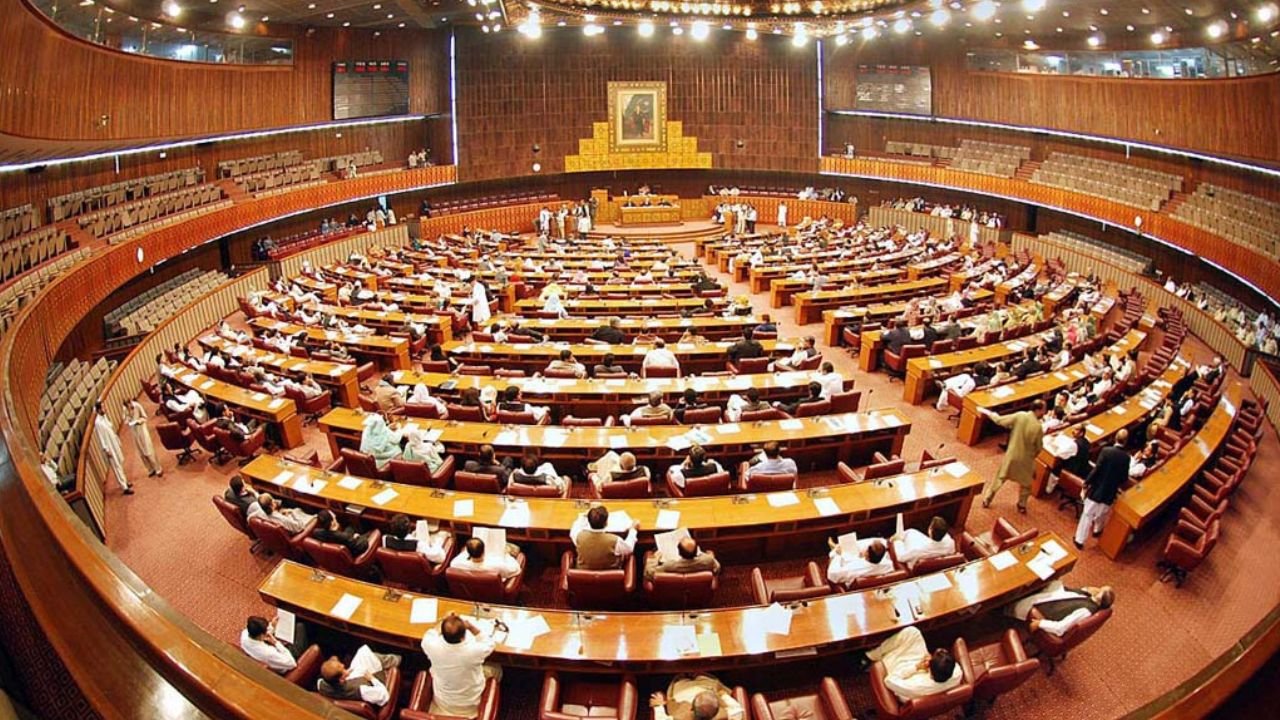
    By constitutional obligation, Speaker Raja Pervaiz Ashraf has convened a session of the newly elected National Assembly, scheduled for February 29th, following the general elections on February 8th. President Arif Alvi’s reluctance to fulfill this duty prompted Speaker Ashraf to take matters into his own hands, ensuring the timely commencement of parliamentary proceedings.

    Oath-Taking Ceremony for Newly Elected Members

    The inaugural session of the new assembly will first see all the lawmakers take oath. In the 336-member house, 60 seats are reserved for women and 10 for minorities.

    Allocation of Reserved Seats

    The Election Commission of Pakistan (ECP) has already allocated 40 reserved women seats to different political parties. These include 20 out of 32 of Punjab, two out of 10 of Khyber Pakhtunkhwa, all 14 of Sindh and all four of Balochistan.

    Seven out of 10 seats reserved for minorities have also been allocated. The ECP is yet to allot reserved minority and women seats to the Sunni Ittehad Council (SIC), which has allied with the PTI.

    Election of Speaker and Deputy Speaker

    Speaker Ashraf, continuing in his role until a successor is elected, will preside over the session’s proceedings.

    “At the first meeting of the Assembly, following a general election, after the members have made oath and before the transaction of any other business, the Assembly shall proceed to elect a Speaker under clause (1) of Article 53, by secret ballot,” states Rules of Procedure and Conduct of Business in the National Assembly, 2007.

    Article 53 of the Constitution of Pakistan says, “After a general election, the National Assembly shall, at its first meeting and to the exclusion of any other business, elect from amongst its members a Speaker and a Deputy Speaker and, so often as the office of Speaker or Deputy Speaker becomes vacant, the Assembly shall elect another member as Speaker or, as the case may be, Deputy Speaker.”

    “At any time before 12:00 noon on the day preceding the day on which the election is to be held, any member may propose another member for election as Speaker by delivering to the Secretary a nomination paper signed by him and accompanied by a statement by the member whose name is proposed that he is willing to serve as Speaker, if elected,” states the official procedure.

    The voting process will be conducted through a secret ballot, and whoever receives more votes will be elected the new speaker of the house. In case the speaker’s election ends in a tie, the election will be held again.

    Subsequently, the new speaker will announce the schedule for the deputy speaker’s election. In the same manner, through a secret ballot, the deputy will be elected.

    Prime Ministerial Election Process

    Once the Speaker and Deputy Speaker are elected, the schedule for the Prime Minister’s election, also known as the leader of the house, will be announced. This process, outlined in Section 91(3) of the Constitution, involves nominations and an open vote by division, requiring a simple majority for victory.

    Section 91(3) of the Constitution says: “After the election of the speaker and the deputy speaker, the National Assembly shall, to the exclusion of any other business, proceed to elect without debate one of its Muslim members to be the Prime Minister.”

    In the same way, nomination papers for the prime minister’s election will be submitted to the assembly’s secretariat.

    While the election for the speaker, his deputy, and the leader of the opposition are free from any religious limitation, the prime minister’s election is open to only the Muslim members of the house.

    “Before voting commences, the Speaker shall direct that the bells be rung for five minutes to enable members not present in the chamber to be present. Immediately after the bells stop ringing, all the entrances to the lobby shall be locked and the assembly staff posted at each entrance shall not allow any entry or exit through those entrances until the voting has concluded,” according to the official procedure for recording of votes in the Second Schedule.

    Under the supervision of the speaker, an open vote will take place — by division.

    For instance, if there are two candidates, the speaker would say that ‘whoever wants to vote for candidate A can go to lobby A’ and ‘whoever wants to vote for candidate B, can go to lobby B’.

    At the entrance of the said lobbies, there will be an member of the assembly secretariat staff who will record every MNAs name in their register. This whole process will be open and people sitting in the galleries will be able to see who votes for whom.

    Here, the political parties have to vote collectively and every member has to vote for the candidate that their party is voting for.

    After every member has picked their lobby and registered their vote, the speaker will call them back and announce the result. To be selected as the prime minister, one needs a simple majority — more than half of the votes in the house i.e. 169 votes out of the total 336.

    Section 91(4) of the Constitution states, “The Prime Minister shall be elected by the votes of the majority of the total membership of the National Assembly: Provided that, if no member secures such a majority in the first poll, a second poll shall be held between the members who secure the two highest numbers of votes in the first poll and the member who secures a majority of votes of the members present and voting shall be declared to have been elected as Prime Minister: Provided further that, if the number of votes secured by two or more members securing the highest number of votes is equal, further poll shall be held between them until one of them secures a majority of votes of the members present and voting.”

    This means that the two most-voted candidates will contest another round of elections till one ultimately gets 51 percent of votes or more, and wins.

    Selection of Leader of the Opposition

    After the Prime Minister’s election, the Speaker will facilitate the nomination of candidates for the Leader of the Opposition, a position crucial for parliamentary balance. The selection process entails the submission of candidate names along with signatures, with the individual garnering the most support from opposition members being appointed.

    “After the [election of the Prime Minister] the Speaker shall inform the members about the date, time and place for submission of a name for the Leader of the Opposition under their signatures,” says the official procedure in Chapter V 39(2).

    The third point of the same section adds, “The Speaker shall declare a member as Leader of the Opposition having the greatest numerical strength after verification of the signatures of the members: Provided that any member who is not signatory to the proposal, if he presents himself before the count, and signs the proposal, shall be included in the count.”

    This announcement will be made right after the prime minister’s election but submission of these lists can take time.

    Changes in Selection Procedures

    Before the implementation of the 18th Amendment to the Constitution, the designation of the opposition leader rested solely with the discretion of the speaker.

    During the era of Parvez Musharraf, this discretionary power was perceived to be misused, notably when Fazlur Rehman was appointed as the opposition leader despite the clear majority held by the PPP and PML-N.

    However, the process has transformed now. In the current scenario, if multiple candidates are contending for the position, they are required to submit lists of opposition members, along with their signatures, to the speaker. The candidate who garners greater support from opposition members will be conferred the title of the leader of the opposition.

    Furthermore, it’s worth noting that in each of the aforementioned elections, the votes of the candidates themselves will also be taken into account.
  • PM Kakar appears before Islamabad High Court in Baloch missing students case

    PM Kakar appears before Islamabad High Court in Baloch missing students case

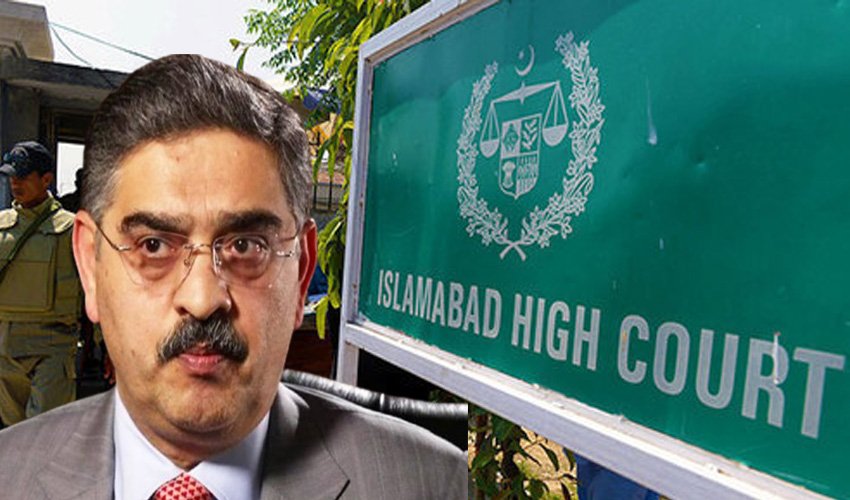
    Caretaker Prime Minister Anwarul Haq Kakar has appeared before the Islamabad High Court (IHC) on Wednesday in a case related to the recovery of Baloch missing students.

    Justice Mohsin Akhtar Kayani of the IHC heard the case related to Baloch missing students when PM, Anwarul Haq Kakar appeared before the court after skipping the last two hearings.

    During the last hearing, the IHC had instructed the caretaker prime minister, ministers, and secretaries to attend the next one. Additionally, they formed a three-member committee involving intelligence institutions to help find missing Baloch students.

    Apart from the caretaker prime minister, the interior secretary and caretaker federal Interior Minister Gohar Ijaz have also appeared in the high court.

  • President Alvi made the right decision not to call assembly session: Imran Khan

    President Alvi made the right decision not to call assembly session: Imran Khan

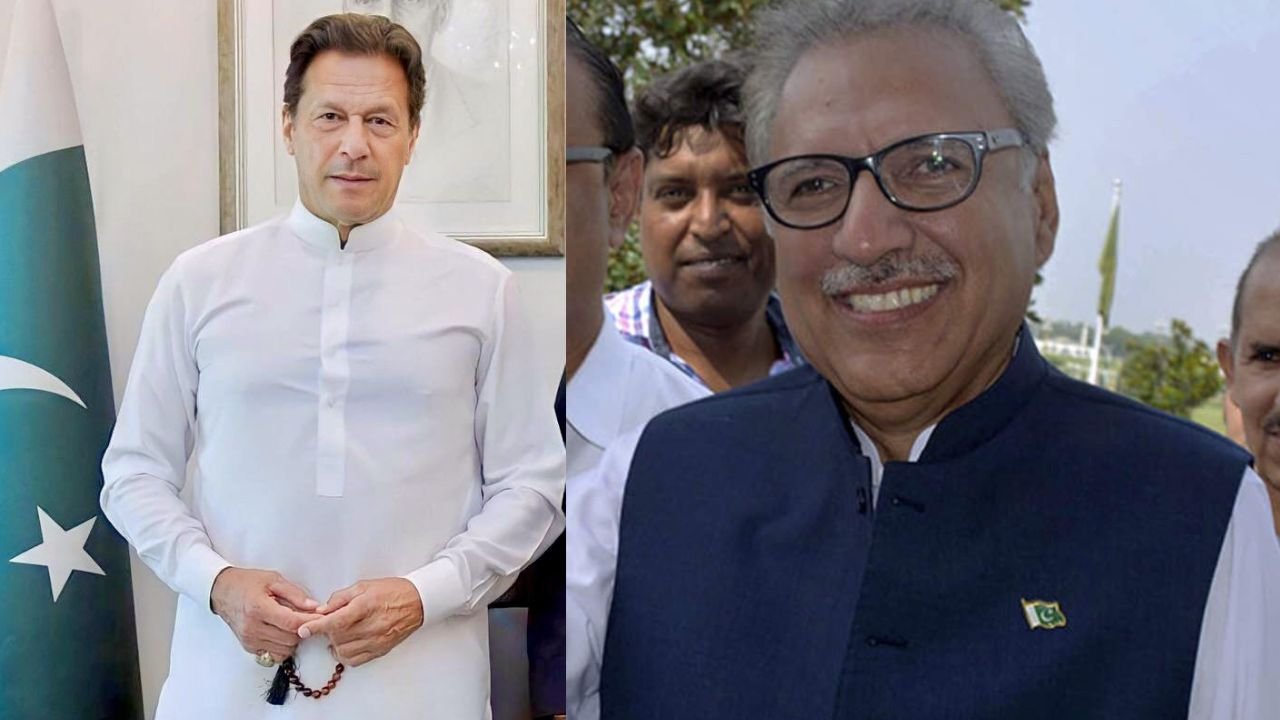
    Imran Khan, the founder chairman of Pakistan Tehreek-e-Insaf (PTI) and former Prime Minister, has endorsed President Arif Alvi’s choice to abstain from calling the session of the National Assembly.

    Imran conveyed these sentiments during an informal exchange with journalists at Adiala Jail on Tuesday.

    First and foremost, he said, he had personally dictated the letter addressed to the International Monetary Fund (IMF).

    He clarified that, following the drafting of the letter, there have been no meetings with other party leaders.

    However, he said that after consultations with the party’s leadership, the letter would be dispatched to the IMF today (Tuesday). In his discussion on the prevailing political climate, Imran Khan reiterated his call for the resignation of the chief election commissioner, citing concerns over impartiality during elections.

    He accused the Election Commission of Pakistan (ECP) of engaging in rigging even after the conclusion of elections, stressing the imperative of fair and transparent electoral processes.

    Commenting on the recent developments, the former prime minister lauded the decision of President Arif Alvi to refrain from convening a meeting of the National Assembly. He reiterated concerns about the allocation of specific seats despite the PTI’s electoral victories, alleging efforts to undermine the party’s success.

    “Every attempt was made during the elections to eliminate the PTI,” he alleged.

    “We are gathering all the parties that have been made to lose through rigging. and will hold country-wide protests against rigging,” Imran announced.

    Amidst ongoing challenges and political tensions, the founder of PTI remains steadfast in advocating for fair governance and democratic principles, vowing to address electoral irregularities and promote accountability across all levels of government.

  • ‘Lost diamond in search for gold,’ Pakistani Twitter missing Buzdar is a hilarious must-see

    ‘Lost diamond in search for gold,’ Pakistani Twitter missing Buzdar is a hilarious must-see

    Social media in Pakistan never lets go of a chance to have a meme fest, and the appointment of a new Chief Minister in Punjab proved to be the fuel the meme machine needed to churn out hilarious content.

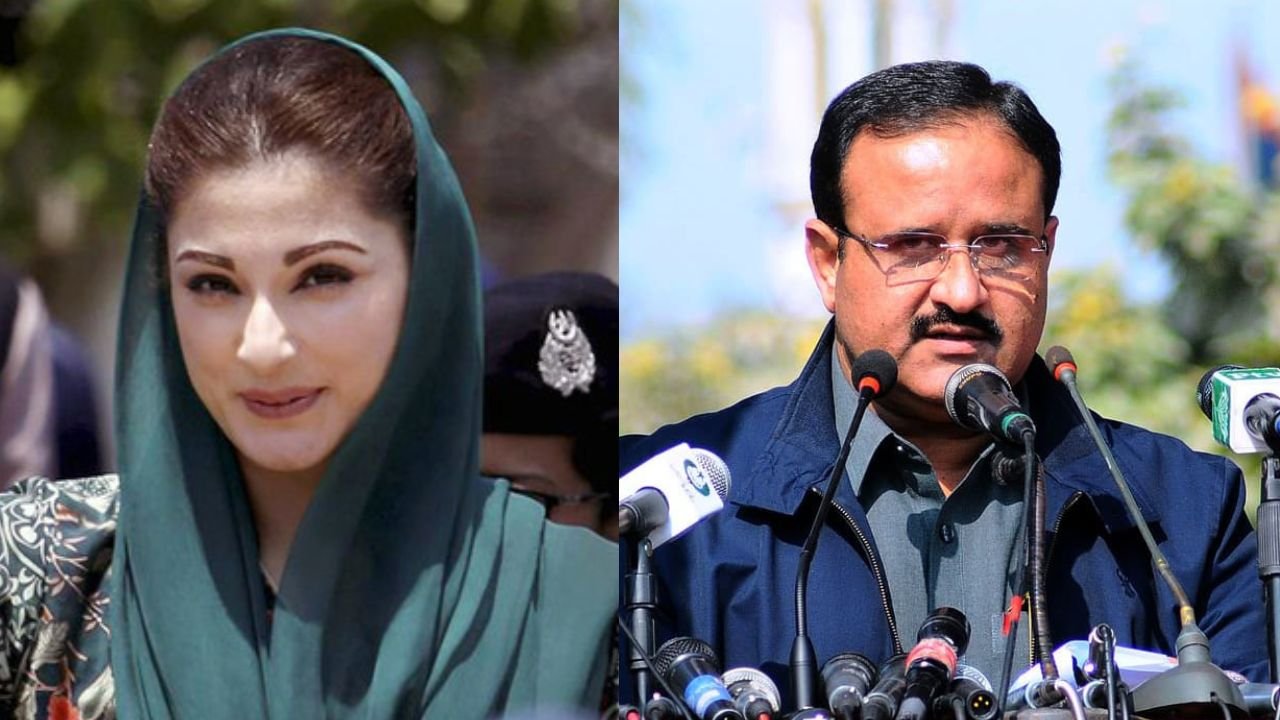
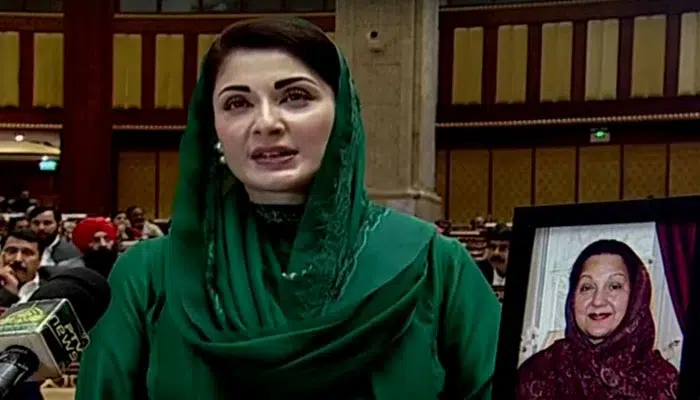
    The newly-elected Chief Minister (CM) of Punjab, Maryam Nawaz, took the oath of office on Tuesday at Punjab Governor House with Muhammad Baligh Ur Rehman, Governor of Punjab, administering the oath.

    During the oath ceremony, chief minister Maryam Nawaz was with her father and former prime minister of Pakistan, Nawaz Sharif. The president of Pakistan Muslim League-Nawaz (PML-N) Shehbaz Sharif was also present in the oath ceremony.

    Netizens immediately started reminiscing about former chief minister, Sardar Usman Buzdar, CM of Punjab from 2018 to 2023. Buzdar remained a point of contention for Imran Khan, who’s party, Pakistan Tehreek-e-Insaf (PTI) appointed him as the Chief Executive of the most populous province.

    At one point, Imran Khan referred to the beleaguered Buzdar as ‘Wasim Akram Plus’, implying that the unassuming South Punjab politician was a better version of the greatest left-arm bowler in history.

    Here are the best Twitter reactions, as people remember Sardar Usman Buzdar:

  • VIDEO: Maryam Nawaz pushes off fellow PMLN member, social media reacts

    VIDEO: Maryam Nawaz pushes off fellow PMLN member, social media reacts

    Pakistan Muslim League-Nawaz (PML-N) Maryam Nawaz on Monday was elected as Punjab’s chief minister amid a boycott by the Sunni Ittehad Council (SIC) of the polls.

    Maryam, who has become the first-ever female chief minister in Pakistan’s history, won the election after receiving the backing of 220 MPAs in the provincial assembly.

    In a video, currently viral on social media, Uzma Kardar, who recently joined PMLN, can be seen hugging Maryam Nawaz to congratulate her and Maryam pushes her off. Social media users seem to think that this was a “rude” gesture.

    https://twitter.com/_faridkhan/status/1762064751650099553?

    In June 2020, then-member of the Punjab Assembly (MPA), Uzma Kardar was officially removed from her positions on the Media Strategy Committee and as a spokesperson for the provincial government of Pakistan Tehreek-e-Insaf (PTI).

    This action followed the online leak of a purported audio leak where Kardar made controversial remarks regarding former Prime Minister Imran Khan’s wife, Bushra Bibi, alleging her possession of spiritual powers such as controlling jinns and exerting significant influence over affairs at Imran Khan’s residence in Bani Gala.

    Former PTI MPA Uzma Kardar joined the Pakistan Muslim League Nawaz (PML-N) in January 2023 after meeting with its senior vice president Maryam Nawaz.

    Read more: Maryam puts women first in first speech as Chief Minister

  • Maryam Nawaz elected as CM Punjab

    Maryam Nawaz elected as CM Punjab

    Pakistan Muslim League-Nawaz (PML-N) leader Maryam Nawaz has been elected as Punjab’s Chief Minister (CM) on Monday afternoon after Sunni Ittehad Council (SIC) boycotted the electoral process in the assembly.

    Maryam, who has become the first-ever female chief minister in Pakistan’s history, won the elections after receiving the backing of 220 MPAs in the provincial assembly.

    Her opponent, Sunni Ittehad Council’s (SIC) candidate Rana Aftab Ahmad, didn’t get any votes because his party boycotted the electoral process for CM.

    “The votes have been counted according to which Maryam has obtained 220 votes and SIC candidate Rana Aftab Aftab secured zero votes,” said Speaker Malik Ahmad Khan while presiding over the session.

  • Ali Amin Gandapur to contest independently for CM KP position

    Ali Amin Gandapur to contest independently for CM KP position

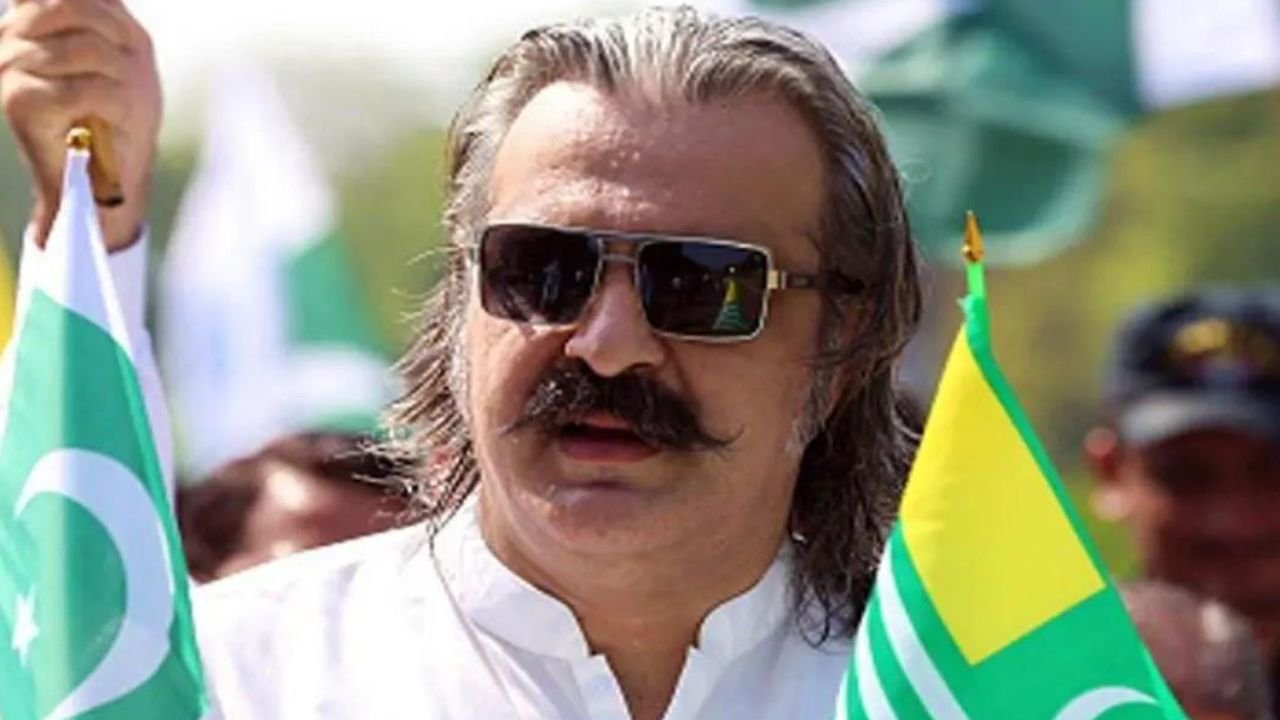
    Ali Amin Gandapur, a prominent leader of Pakistan Tehreek-e-Insaf (PTI) and perhaps the next Chief Minister of Khyber Pakhtunkhwa (KP), has opted out of joining the Sunni Ittehad Council (SIC).

    Instead, he has chosen to contest independently for the top provincial post, backed by PTI members aligned with the SIC, as reported by The News on Monday.

    Following general elections, independent winners supported by PTI from KP have affiliated themselves with the SIC to secure designated seats for women and religious minority representatives.

    However, Gandapur, who secured victory from Dera Ismail Khan, will pursue the PTI’s provincial presidency and is actively involved in the party’s intra-party elections scheduled for March 3, having submitted his nomination papers accordingly.

    In parallel, Ali Asghar, another PTI member, has submitted his papers for the position of provincial general secretary, while Aqibullah Khan, nominated by PTI and the brother of senior leader Asad Qaiser, will compete for a KP Assembly office position under the SIC banner.

    The announcement of KP cabinet members is pending final approval from PTI’s founding chairman, Imran Khan, following extensive consultations. Additionally, the PTI is deliberating over several candidates for the deputy speaker position, with the chosen individual’s identity expected to be disclosed imminently.

    On the opposition front, parties have resolved not to concede ground to PTI and have declared intentions to nominate candidates for chief minister, speaker, and deputy speaker roles. The opposition plans to finalize consensus candidates following an imminent meeting.

    Abdul Jalil Jan, the spokesperson for Jamiat Ulema-e-Islam-Fazl (JUI-F), confirmed that neither Pakistan Muslim League-Nawaz (PML-N) nor Pakistan People’s Party (PPP) have initiated talks with their party regarding the election of KP Assembly officials.

    With the inaugural session of the KP Assembly scheduled for February 28, the assembly will witness the swearing-in of newly elected members, followed by the election of the speaker, deputy speaker, and chief minister.

    Meanwhile, Ali Amin Gandapur expressed his commitment to democratic principles and serving the people during interactions with elected members, party workers, and various stakeholders.

    He expressed these views during meetings with the members-elect of the national and provincial assemblies, party workers and people from different walks of life, including scholars and lawyers, at the Speaker’s House.

    Gandapur spoke about improving the province’s law and order situation as well as adding health cards, langar khana, shelter homes and police reforms would be restored. He said that the people would be provided with a uniform education system, while the lack of resources would not be a hurdle in the completion of this great mission.

  • FIA grills Asad Toor for hours in probe into anti-judiciary campaign

    FIA grills Asad Toor for hours in probe into anti-judiciary campaign

    The Federal Investigation Agency (FIA) interrogated vlogger Asad Ali Toor for hours about a social media campaign that criticized the superior judiciary. This happened after the Supreme Court (SC) made a decision regarding the Pakistan Tehreek-e-Insaf (PTI) ‘bat’ symbol, as reported by The News on Saturday.
    A five-member joint investigation team (JIT) of the FIA has been conducting an inquiry to ascertain the facts behind an ongoing “malicious” campaign against the honourable judges of the apex court.

    JIT sources said on Friday that two bloggers, Asad Ali Toor and Imran Riaz, were found to be trolling judges of the top court, particularly Chief Justice of Pakistan (CJP) Qazi Faez Isa.

    “Asad Toor was rounded up for investigation on Friday and his statement was recorded about his motives behind the malicious campaign against the judges,” the sources said, adding that the journalist remained with the JIT at the FIA (Cybercrime Wing), along with his counsel and human rights lawyer Imaan Zainab Mazari-Hazir.

    Imaan Mazari posted on the social media platform X, formerly Twitter, saying that Toor and his legal team left the FIA Friday evening after his detention the same morning at 10:50am.