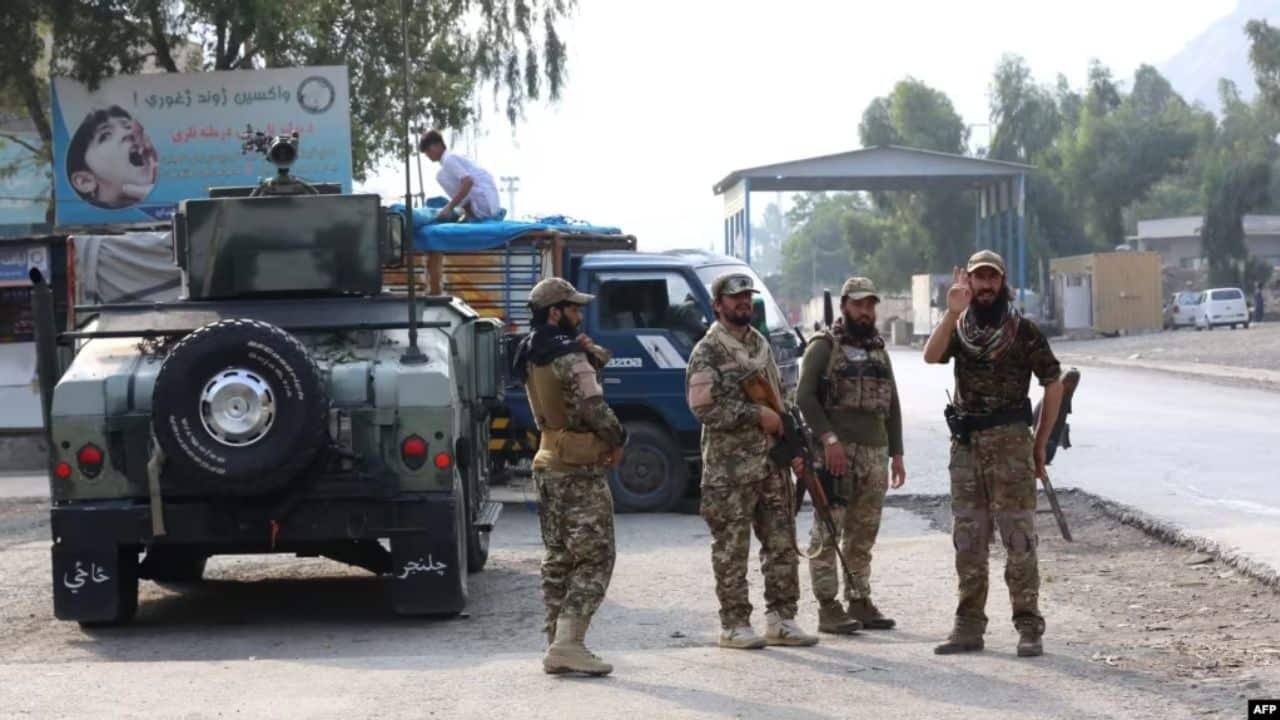
The Afghan Taliban claim to have arrested 200 suspected militants for carrying out cross-border attacks against Pakistan.
The news was reported as a delegation from Islamabad visited Kabul where the Afghan government hosted bilateral talks last week.
They expounded on the crackdown against the proscribed Tehrik-i-Taliban Pakistan (TTP).
Earlier this month, heavily armed militants attacked two Pakistani security posts in Chitral. The raid of September 6th killed four soldiers and 12 assailants for which TTP claimed responsibility.
VoA spoke with Pakistani officials who said that Taliban leader Hibatullah Akhundzada has “forbidden his forces from launching cross-border attacks against Pakistan, calling them haram or un-Islamic”.
Moreover, he has also “ordered Afghans not to collaborate with or give donations to the TTP for its so-called jihad against Pakistan and barred the militants from running donation collection campaigns in Afghanistan”.
The Pakistani officials claimed that according to their assessment, the Taliban are “consciously distancing” themselves from groups they were previously with at the time of insurgency. These groups are now involved in criminal activities in Afghanistan — extortion, kidnapping for ransom, and terrorism.
The officials highlighted that Taliban leaders are now in control and responsible for the country and must show the world that they do not function like an insurgent group.
Israeli tourism minister, Haim Katz, visited Saudi Arabia for a United Nations (UN) conference. It is said to be the first public trip of an Israeli cabinet member to Saudi Arabia.
Leading a delegation, Katz arrived in Riyadh to attend the UN event on Tuesday.
“Cooperation in the field of tourism has the potential to bring hearts together, and economic progress,” Katz stated.
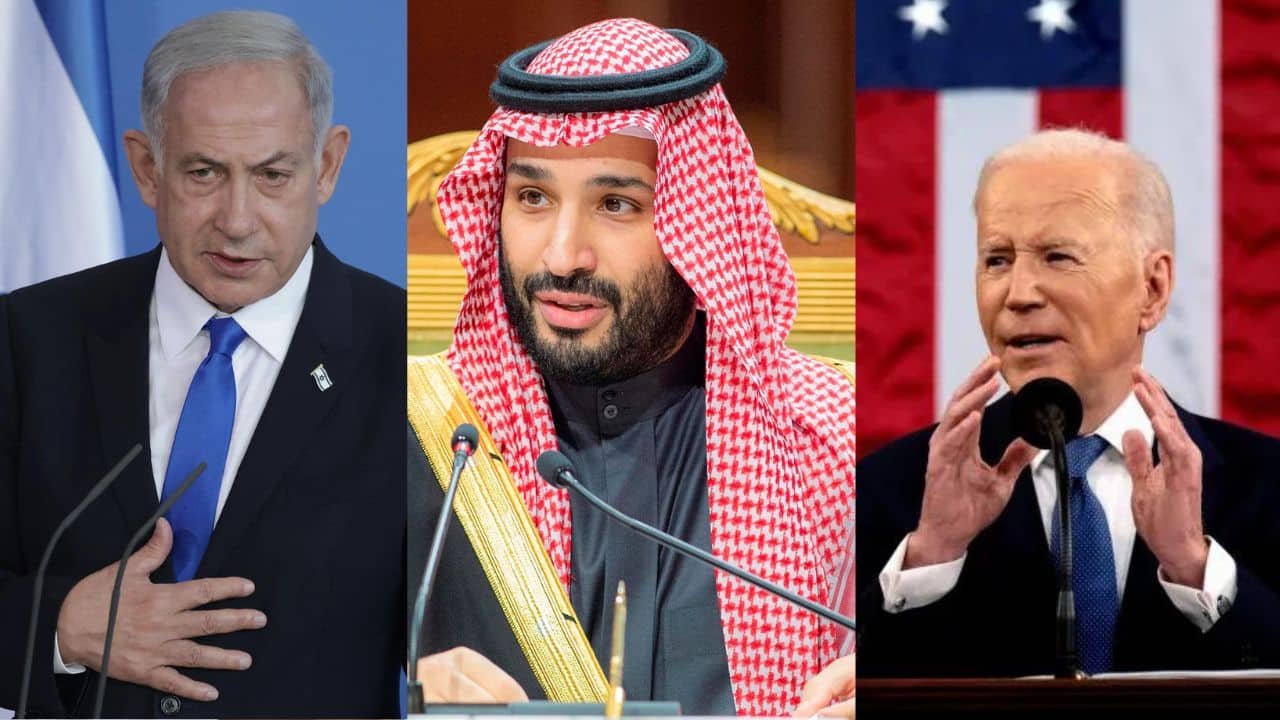
The meeting has been held a few days after US President Joe Biden urged the establishment of formal ties between Israel and Saudi Arabia.
“I think such a peace would go a long way first to advance the end of the Arab-Israeli conflict, achieve reconciliation between the Islamic world and the Jewish state, and advance a genuine peace between Israel and the Palestinians. This is something within our reach,” Israeli prime minister had said to Biden.
On Tuesday, the same day as Saudi Arabia and Israel met, a Saudi delegation went to the occupied West Bank — first in three decades — to reassure Palestinians that despite the improving relationship with Israel, Saudi Arabia will continue to stand by Palestinians.
“The Palestinian matter is a fundamental pillar,” said Naif bin Bandar Al Sudairi, head of the Saudi delegation and new ambassador to Palestine. He met with top Palestinian diplomat Riyad al-Maliki in Ramallah.
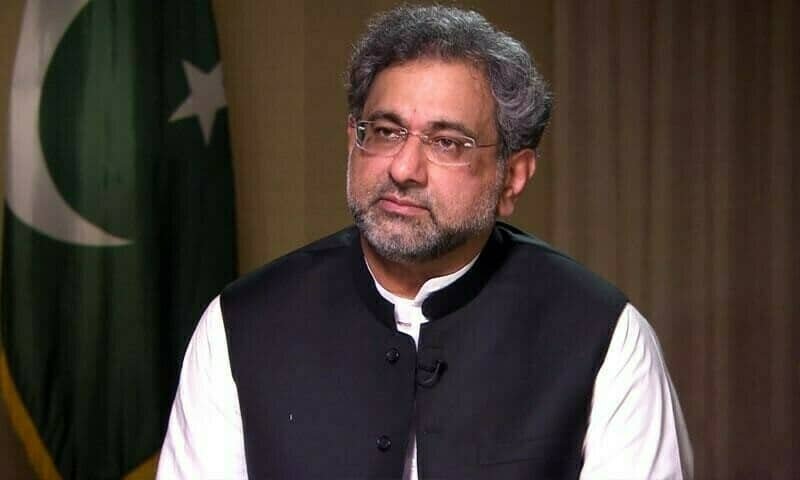
Shahid Khaqan Abbasi, a senior leader of the Pakistan Muslim League-Nawaz (PML-N), has criticised the performance of the Pakistan Democratic Movement (PDM) government, stating that there is a need for a new political party in the country.
“The ability of quick decision making was not seen in the Shehbaz-led government as it should have been,” Shahid Khaqan Abbasi said while referring to the previous coalition government.
The PML-N leader has said that the Pakistan Tehreek-e-Insaf (PTI)-led government didn’t take initiatives to give relief to the people of Pakistan. On the other hand, he also criticised the previous coalition government and his own party, PML-N, for not taking meaningful steps to resolve the issues Pakistan is facing.
Due to the current situation of the country, there is space and a need for a new political party, he remarked.
“The PDM government didn’t take the decisions that should have been taken,” he said.
Abbasi stated that PTI chief Imran Khan didn’t spend a single penny on any substantial work during his whole tenure.
The PML-N leader also observed that the decision of former Chief Justice Umar Ata Bandial regarding the National Accountability Bureau (NAB) will be problematic for political leaders.
“The little expectation I have from someone to deliver has ended after this decision,” he added.
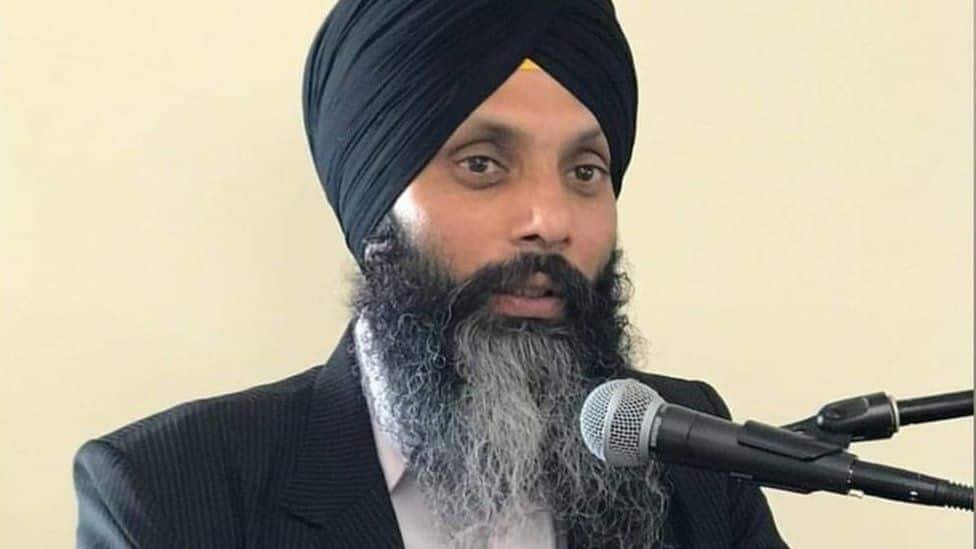
Latest CCTV evidence reveals that at least six suspects came to kill Hardeep Singh in two cars.
The Washington Post has reviewed the video and gathered accounts of witnesses that suggest that it was a “larger and more organized operation than has previously been reported”.
According to Washington Post, Nijjar’s gray pickup truck was by strewn bullets. While Bhupinderjit Singh, first person to visit the site, described the scene: “It was blood and shattered glass everywhere,”
The community members state that investigators told them that the assailants fired about 50 bullets out of which 34 hit Nijjar.
On the other hand, the Sikh community protested outside the Indian High Commission in Canada against the killing of Hardeep Singh, raising slogans against Modi. Canada’s defence minister says there are credible intelligence reports pointing towards Indian interference, and it will not back down.
Nijjar’s murder
Hardeep Singh Nijjar, a Canadian Sikh leader, was shot outside a Sikh temple on 18 June in Surrey, British Columbia, Canada. As per the police’ evaluation, it was a “targeted” attack.
The world reacted after Prime Minister Justin Trudeau’s statement citing suspicion towards India in Hardeep Singh Nijjar’s murder case.
“Any involvement of a foreign government in the killing of a Canadian citizen on Canadian soil is an unacceptable violation of our sovereignty,”, said Trudeau.
On the other hand, in a tit-for-tat move, India ordered a senior Canadian diplomat to leave the country, keeping in view the “growing concern at the interference of Canadian diplomats in our internal matters and their involvement in anti-India activities”.
India’s foreign ministry has rejected all allegations, deeming them as “absurd”.
Caretaker Foreign Minister Jalil Abbas Jilani has asserted that the establishment of a strong, independent and integrated Palestinian state is essential.
Caretaker Foreign Minister Jalil Abbas Jilani saif that Pakistan stands with Palestine and does not recognize Israel at all. The statement comes days after Pakistan’s ally Saudi Arabia confirmed that it is nearing a deal with Israel linked to normalisation of relations between the two countries.
Minister Jilani clarified Pakistan’s position in the OIC Contact Group on September 19.
Jalil Abbas Jilani said that by implementing the resolutions of the United Nations and the OIC, an independent Palestinian state should be established under international laws.
Jilani’s comments were given after Israeli Foreign Minister Eli Cohen spoke about normalisation of Israel’s relations with the Muslim states. Reported by Israeli media outlet Kan News, Cohen claimed that ‘six or seven’ Islamic nations would possibly establish ties with Israel after Saudi Arabia’s possible inclusion in the Abraham Accords. The declaration already includes the United Arab Emirates, Bahrain, Morocco, and Sudan.
Recently, Saudi Crown Prince Mohammed bin Salman talked about ‘normalisation’ of his country’s relationship with Israel.
MBS told Fox’s Special Report programme that the Palestinian issue was “very important” to Riyadh. “We need to solve that part,” he said when asked what it would take to get a normalisation agreement.
“We got to see where we go. We hope that will reach a place, that it will ease the life of the Palestinians, get Israel as a player in the Middle East,” he said.
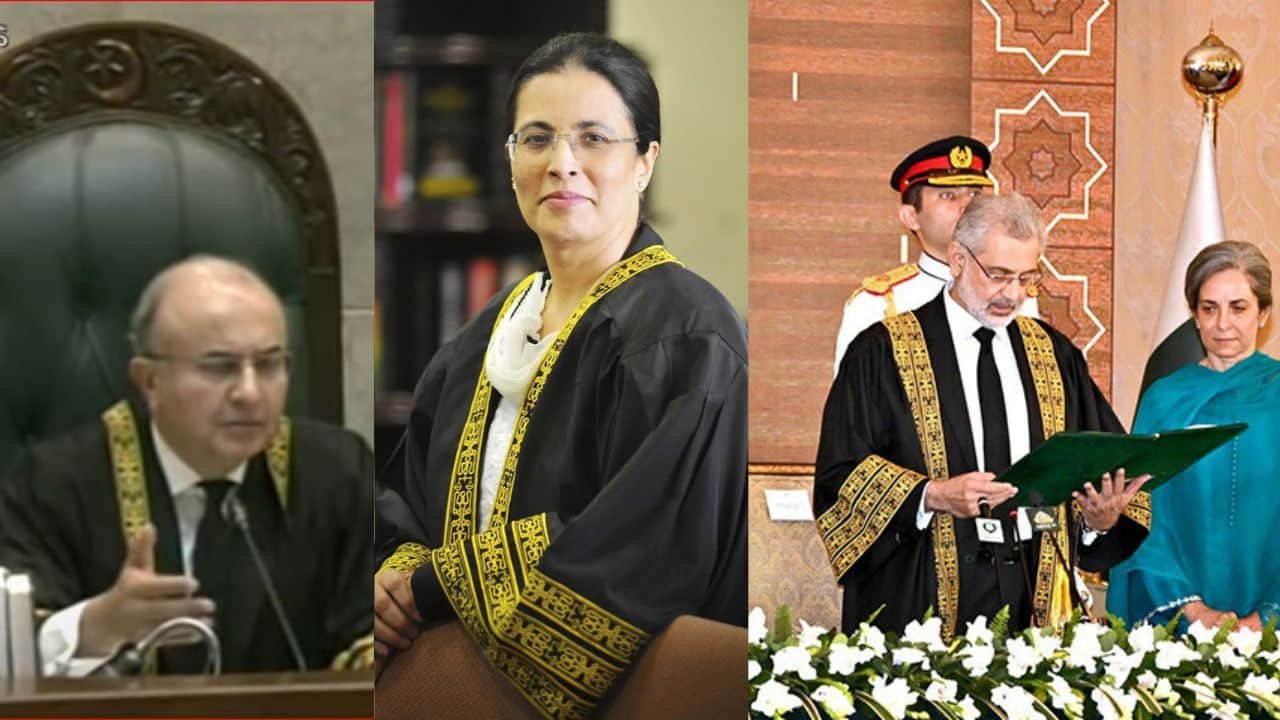
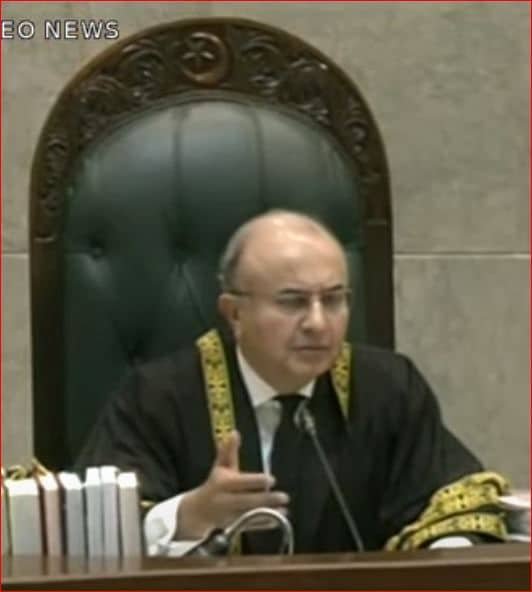
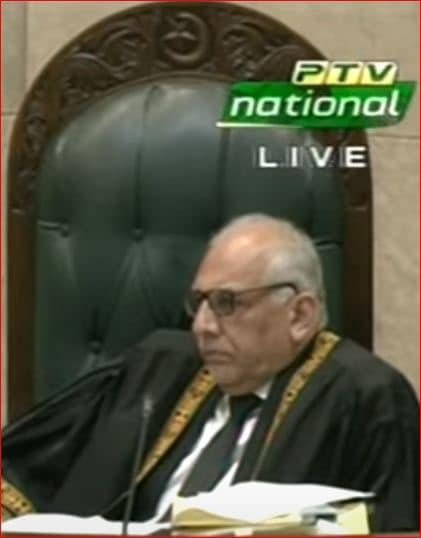
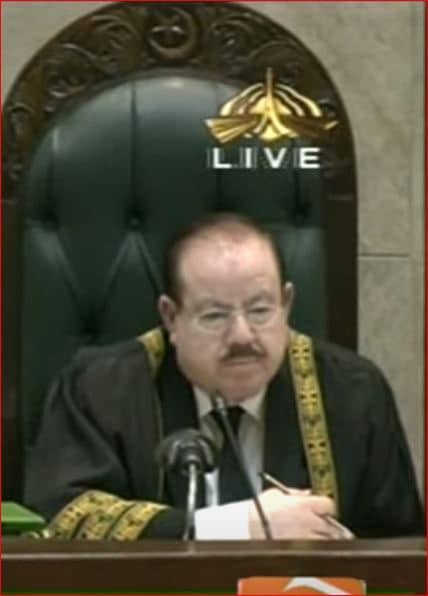
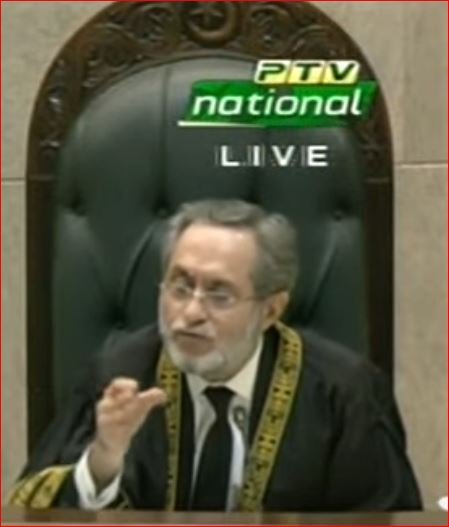
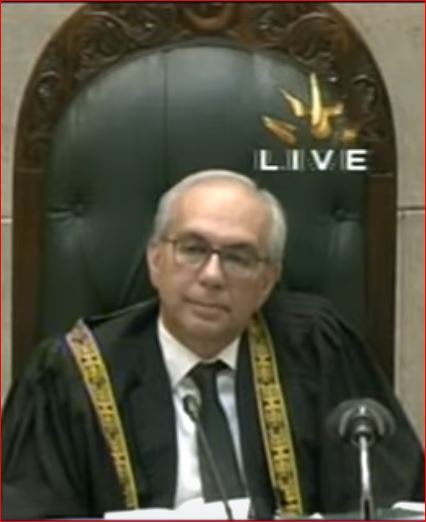
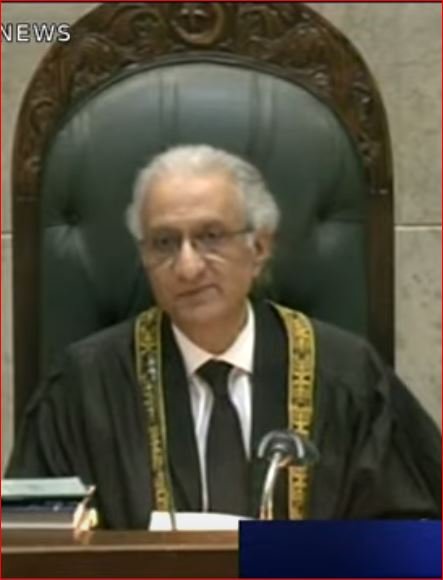
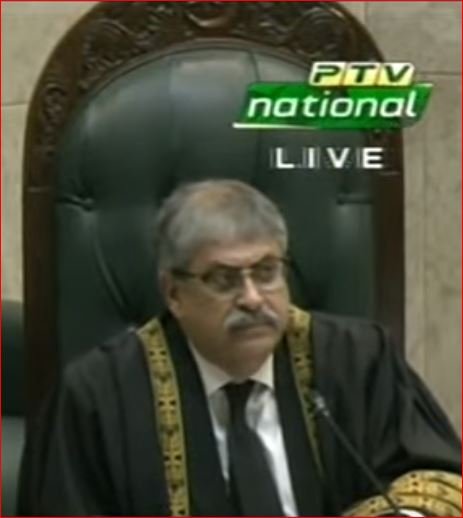
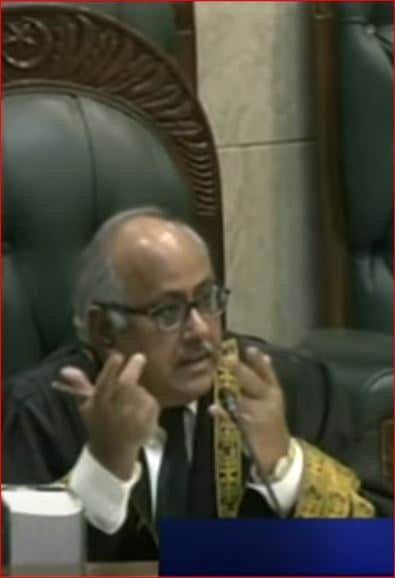
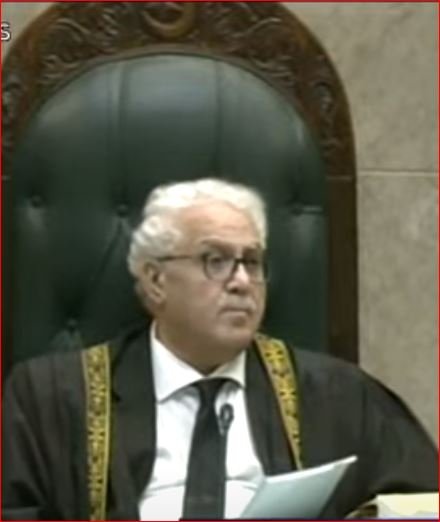
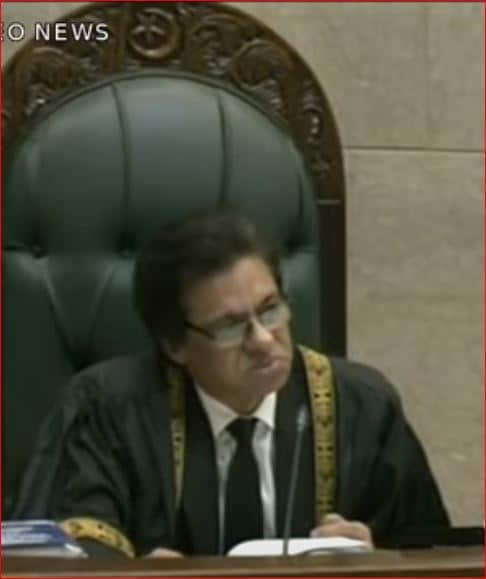
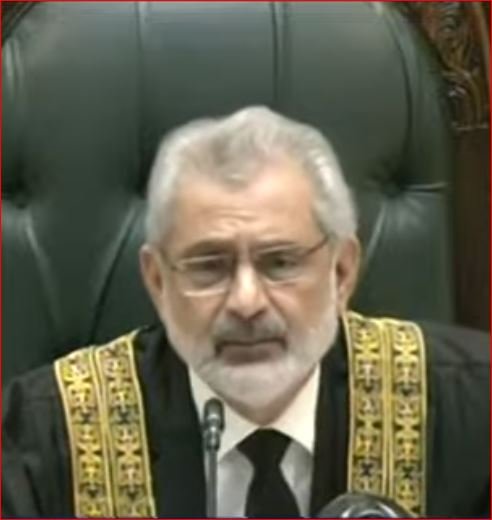
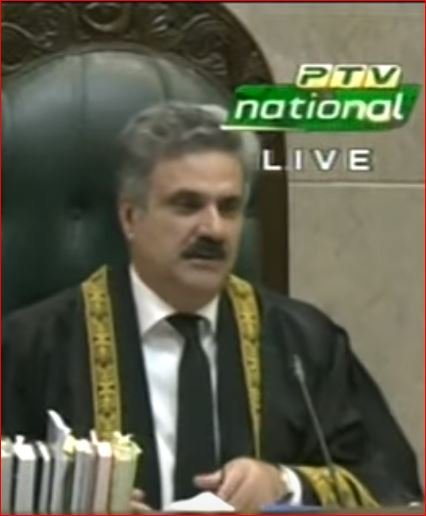
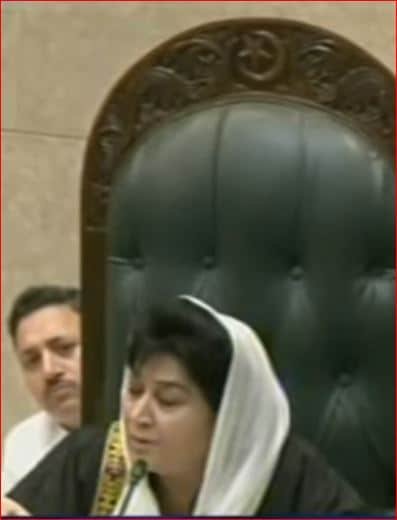
Today, for the first time in Pakistan’s history, proceedings of the full bench in the Supreme Court were broadcast on PTV. Most people were confused about who was who as they saw the 15 judges on screen for the first time.
If you’re not familiar with them, here is a short intro to each of the 15 judges.
1 Mr. Justice Syed Mansoor Ali Shah
Formerly the 45th Chief Justice of the Lahore High Court, Mr Ali Shah has been serving as a justice at the Supreme Court since 2018. He was born in Peshawar and educated at Aitchison College, University of the Punjab and then Downing College, Cambridge.
2 Mr. Justice Syed Hasan Azhar Rizvi
Mr Hasan Azhar Rizvi has been serving as a judge at the Supreme Court of Pakistan since November 2022, prior to which he was a Justice of the Sindh High Court from Febuary 2010 to November 2022.
3 Mr. Justice Sardar Tariq Masood
Mr Justice Sardar Tariq Masood has been serving as a justice at the Supreme Court of Pakistan since November 2015. He began practicing law in the Rawalpindi district in 1985 and became an Advocate of the Supreme Court in 2008.
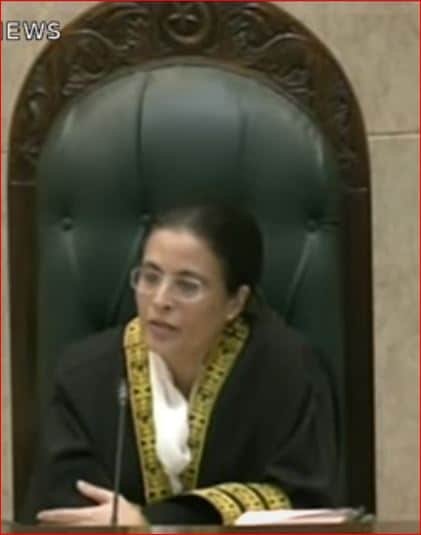
4 Mrs. Justice Ayesha A. Malik
At the age of 55, Mrs Ayesha Malik made history by becoming the first female Supreme Court judge, a victory that was celebrated by all women in Pakistan. In 2021, she outlawed the deeply misogynist virginity test which was used on survivors of rape and sexual abuse. She earned her Bachelors of Commerce from Government College of Commerce and Economics, then received her law degree from Pakistan College of Law, and her LL.M from Harvard Law School.
5 Mr. Justice Amin-Ud-Din Khan
Justice Amin-ud-Din Khan was sworn in as a Supreme Court judge in 2019. He began practicing in lower courts in 1985 after which he was issued a license. He was appointed as an Advocate of the Lahore High Court in 1987, and later of the Supreme Court in 2001.
6 Mr. Justice Jamal Khan Mandokhail
Justice Jamal Khan Mandokhail was elevated to the Supreme Court of Pakistan as a Judge on August 2021. He completed his Matriculation from the Federal Government High School, Quetta Cantonment, and then his FSc. from Government Science College, Quetta. Mr Mandokhail completed his Masters in Political Science and Economics from the University of Balochistan, and later did his LLB from University Law College Quetta in 1987.
7 Mr. Justice Munib Akhtar
Justice Munib Akhtar took oath as a Supreme Court judge in 2018. He is the son-in-law of the former law minister Khalid Anwar.
8 Mr. Justice Ijaz Ul Ahsan
Justice Ijaz Ul Ahsan was appointed as a Judge of the Supreme Court of Pakistan in 2016. He had earlier been appointed the Chief Justice of the Lahore High Court in 2015. He recieved his early education in Lahore and then graduated in 1979 from Forman Christian College with a merit scholarship.
9 Mr. Justice Athar Minallah
Justice Athar Minallah was appointed as a judge of the Supreme Court of Pakistan in November 2022. Prior to this, he served as the 5th Chief Justice of the Islamabad High Court from 2018 till 2022.
10 Mr. Justice Shahid Waheed
Justice Shahid Waheed completed his graduation from Government College Lahore in 1986, after which he did his LL.B from the University Of Punjab in 1989. He was elevated as a judge of the Lahore High Court on March 2012, and appointed as a judge of the Supreme Court of Pakistan in 2022.
11 Mr. Justice Sayyed Mazahar Ali Akbar Naqvi
Justice Sayyed Mazahar Ali Akbar Naqvi was appointed as a judge of the Supreme Court of Pakistan in March 2020, and has been a practicing Advocate of the Supreme Court of Pakistan and at the High Courts since 2001 and 1988.
12 Mr. Justice Muhammad Ali Mazhar
Justice Muhammad Ali Mazhar was appointed as a judge of the Supreme Court of Pakistan in August 2021. Before his tenure in the apex court, he became a judge of the Sindh High Court in February 2010. Born in Karachi, he completed his graduation in Commerce and later passed his LL.B examination in 1990.
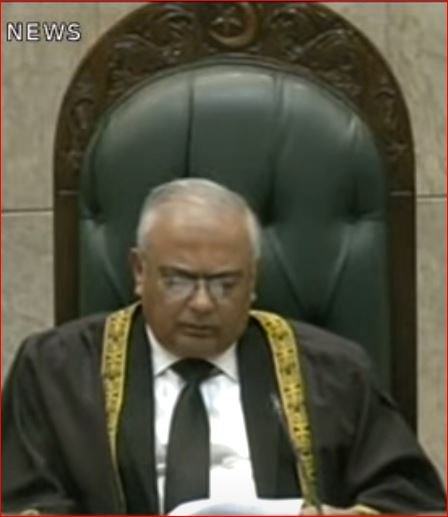
13 Mr Justice Qazi Faez Isa
Mr. Justice Qazi Faez Isa was appointed as a judge of the Supreme Court of Pakistan in September 2014, and was elevated to the position of Chief Justice on Sunday. He completed his early education from Karachi, then went on to earn a Bachelors in Law from London, where he completed his Bar Professional examination at the Inns of Court School of Law.
14 Mr. Justice Yahya Afridi
Justice Yahya Afridi was elevated as a judge of the Supreme Court in June 2018, and was previously appointed as the Chief Justice of the Peshawar High Court in December 2016.
15 Ms. Justice Mussarat Hilali
Justice Mussarat Hilali became the first woman Chief Justice to be appointed at the Peshawar High Court in March 2023, and later became the second female judge to be appointed at the Supreme Court of Pakistan.
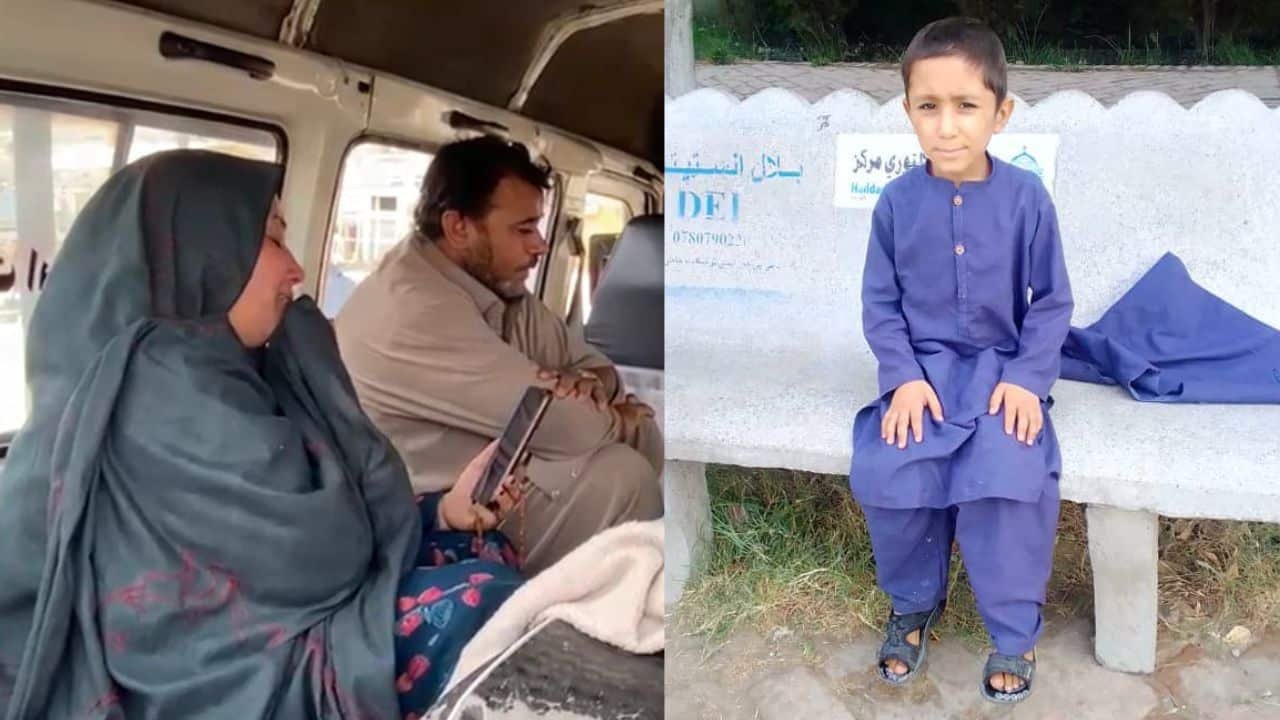
A recent post on X (formerly Twitter) about Afghan parents unable to take their son’s body back to their country for burial has gone viral. In a photo, the parents can be seen crying beside their deceased son’s body in an ambulance in Peshawar.
تقریباً 8 سال کا #افغان بچہ محمد یاسین جمعرات کو پشاور کے ایک ہسپتال میں کینسر کی وجہ سے فوت ہوئے تھے لیکن #طورخم گیٹ بند ہونے کے وجہ سے اس کی میت ابھی تک #افغانستان منتقل نہیں کی جاسکی۔ انسانی ہمدردی کی بنیاد پر بچے کی میت کو طورخم گزرنے کی اجازت دی جائے۔بچے کے والدین ایک رشتہ pic.twitter.com/gibiwmY8Lw
The family had come from Afghanistan to Peshawar for their son’s cancer treatment after he was diagnosed with a brain tumor. However, eight-year-old Muhammad Yasin passed away of the disease. The parents then wanted to return to their hometown in Afghanistan for the burial, but their route via the Torkham border had been closed due to Pak-Afghan security conflict.
The Current reached out to Tahir Khan, the journalist who posted the picture, for an update on the case.
Yaseen was the only brother to eight sisters, Tahir Khan said, adding that the child’s father, Gul Muhammad, drives a rickshaw in Jalalabad, Nangarhar province, Afghanistan.
Around a year ago, Yaseen was diagnosed with brain cancer in Jalalabad. The doctors there recommended to the parents that they take him to Peshawar for his treatment.
Despite his low income and hardships, Gul Muhammad did everything in his capacity to get his son treated.
The family frequently travelled to Peshawar and back. The son and father received a pass which made it convenient for them to cross borders.
In Peshawar they were always hosted by their hometown fellow who had been working as a farmer.
Yaseen had undergone treatment at the IRNUM cancer hospital as well as Peshawar Hayatabad Complex.
The tumor in his brain was successfully removed, with the child almost recovering. But all of a sudden, on September 4, Yaseen started feeling unwell while in Jalalabad. The parents brought him to Peshawar Hayatabad Complex where on September 7, Yaseen passed away.
Now, the parents wanted to take their son’s body back to their hometown for burial but on September 6, Pakistan closed its Torkham border with Afghanistan after two people, including a Frontier Corps (FC) official, were injured in an encounter between Pakistan and Afghan border forces.
According to the officials, Afghanistan has also started the construction of a checkpoint on their side of the border in a prohibited area “without discussing it with the Pakistani side”, despite an already existing checkpoint, the Larram Post.
The conflict between the two countries complicated the situation for the grieving family whose route back home was via the Torkham border. They went up to the border twice since the passing of their son, but were sent back.
Tahir Khan shared their concern on X (formerly Twitter) in hopes that higher authorities would take notice and help the family cross the border.
They were contacted by an unknown man a couple of days back, who called the family around 2:30 am, promising to help them cross the border, but after that one call, Gul Muhammad was never able to contact the unknown caller and potential helper again since he never picked up his call.
And so, with no help received from the officials, and with their deceased son’s body lying in the hospital since five days, the family decided to take the longer way back home.
They are currently on their way to Jalalabad via Kurram border. While Peshawar to Jalalabad takes only three hours via Torkham border, it can take the family approximately half a day or more to travel via the Kurram border.
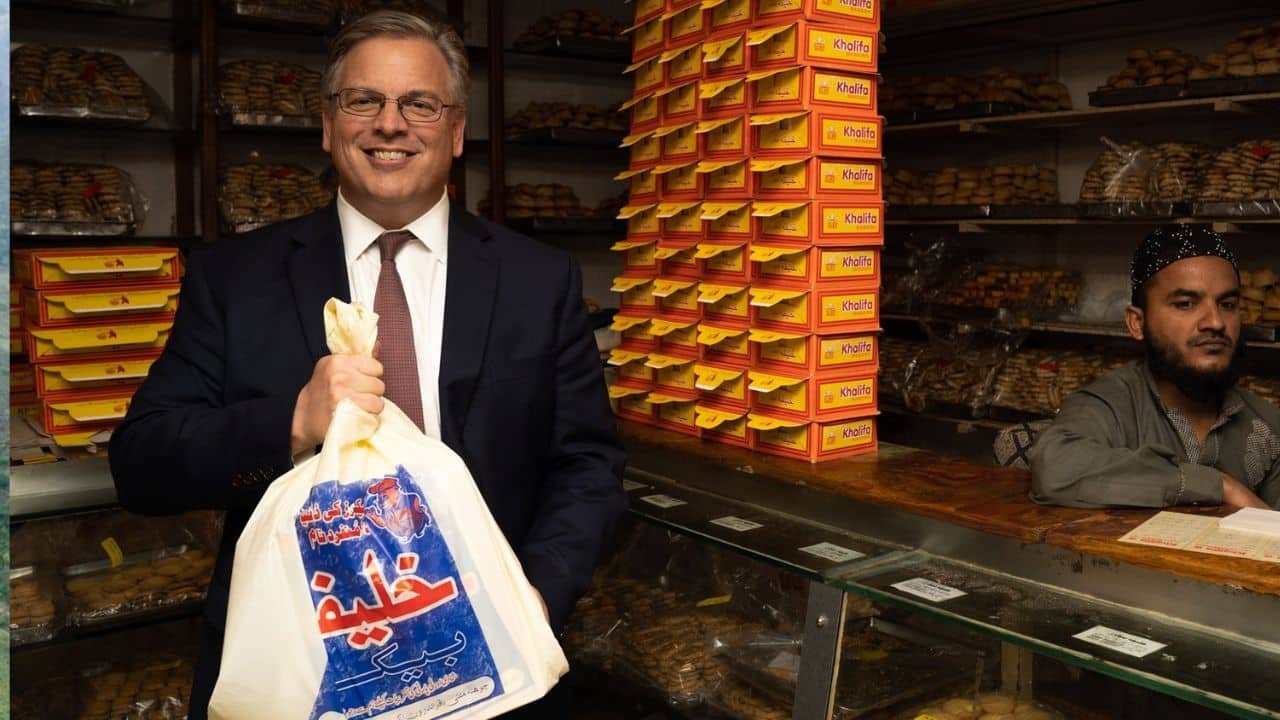
US Ambassador to Pakistan, Donald Blome, visited Lahore from September 4-6 and The Current got the opportunity to sit down with him and have a little chat.
And yes, you read it correctly. The ambassador is a lover of Khalifa nan-khatai. He told us that he discovered the biscuits last year when he came to Lahore. Later, during his February trip, he even stopped by Khalifa Bakers in the Walled City.
Visit to Lahore Over the course of his latest tour, Ambassador Blome visited PepsiCo’s FritoLay Snack plant and NetSol Technologies Ltd. While the focus of the ambassador’s trip was to foster the economic ties between the United States (US) and Pakistan, special emphasis was placed upon the importance of human rights and inclusive workspaces — particularly in regards to women.
“It is not just a matter of simply hiring — there are things you have to change, and ensure a welcoming environment for women with different needs and different requirements to excel in the workforce,” he pointed out.
Playing a leading role in corporate social responsibility, American-based companies have not only created employability in Pakistan, but they endeavour to cater to the local communities through initiatives that actively work towards women’s empowerment as well as education, health, disaster relief, and skills development.
Ambassador Blome cited a USAID programme in partnership with PepsiCo that aims its attention on women farmers of Pakistan who are working in one of the more difficult areas, toiling under a strenuous work environment.
Cultural Barriers Taking into consideration the socio-domestic constraints that often restrict women from growing in their careers, Ambassador Blome believes that practical initiatives can make workplaces more inviting for women in Pakistan.
“It is the simple things; like having child care facilities, providing safe transportation — beyond that is developing a culture that ensures that equal chance is given to women to advance within their jobs and careers, and that they are valued in the same way every other employee is valued.”
He further stated that he hopes American firms like PepsiCo, which has advanced gender parity in managerial roles globally, are exemplary models providing a leadership structure for the local businesses.
“A lot of things work through to get there. But many Pakistani companies are also trying to head in that direction,” Ambassador Blome acknowledged.
Success stories While a number of US businesses have actively countered gender inequality, Ambassador Blome particularly highlighted the digital sector as a success. He mentioned that not only more women are being employed by IT firms but certain institutes have been accommodating by providing opportunities for flexible work like allowing to work partly at home, partly in office.
NetSol Technologies, an American software company, is known for being an “equal opportunity employer with the largest concentration of female employees in Lahore”.
This year, they took an initiative to encourage women back into workspaces — women who are married or left the job after having a baby. This was carried out by creating women-exclusive jobs which catered them through on-office facilities.
Ambassador Blome, however, also hailed a number of “impressive” Pakistani women-led organisations that are in the lead when it comes to facilitating women.
“It is a whole constellation of different issues that come together,” he underlined.
“If companies are able to make that work [i.e. create inclusive workspaces], it would be incredibly effective because it brings unique talents and energy, and it is something badly needed for Pakistan. The participation of women in force is too low here and it hurts the country in many ways — to forgo this incredible resource the country has.”