Tag: pollution

  • Dhund nay kar dia safar mushkil

    Dhund nay kar dia safar mushkil

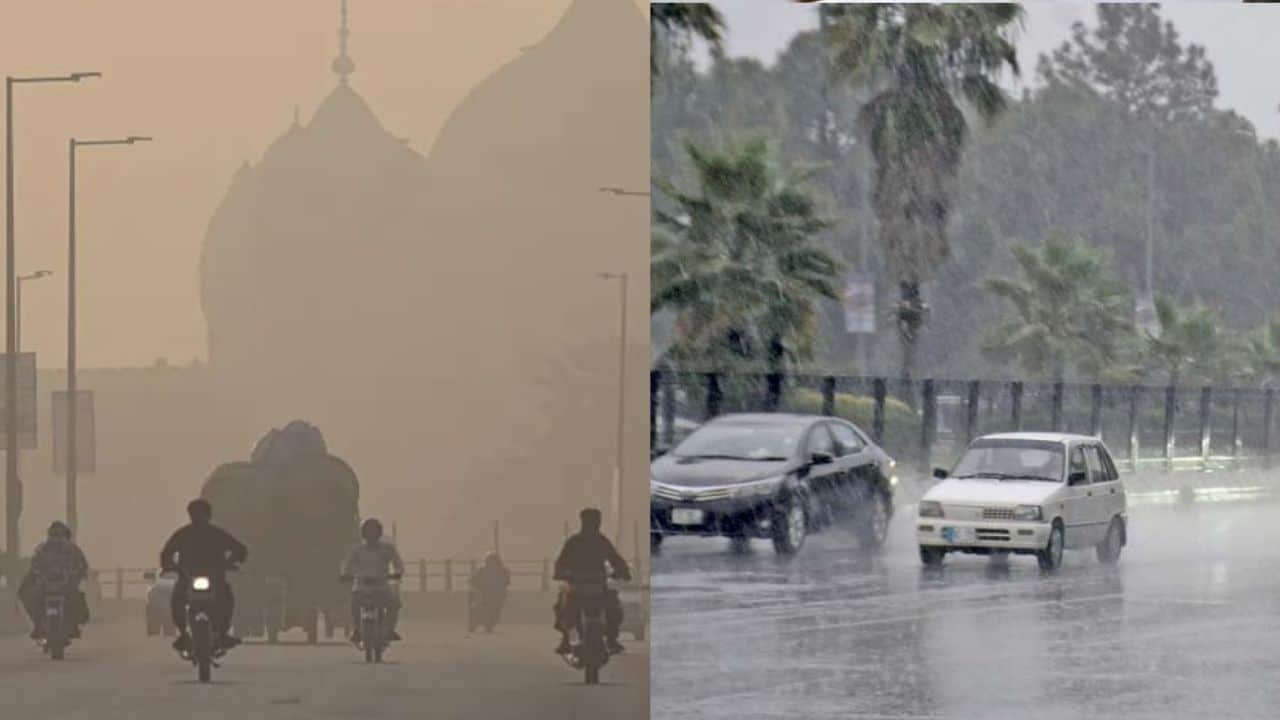
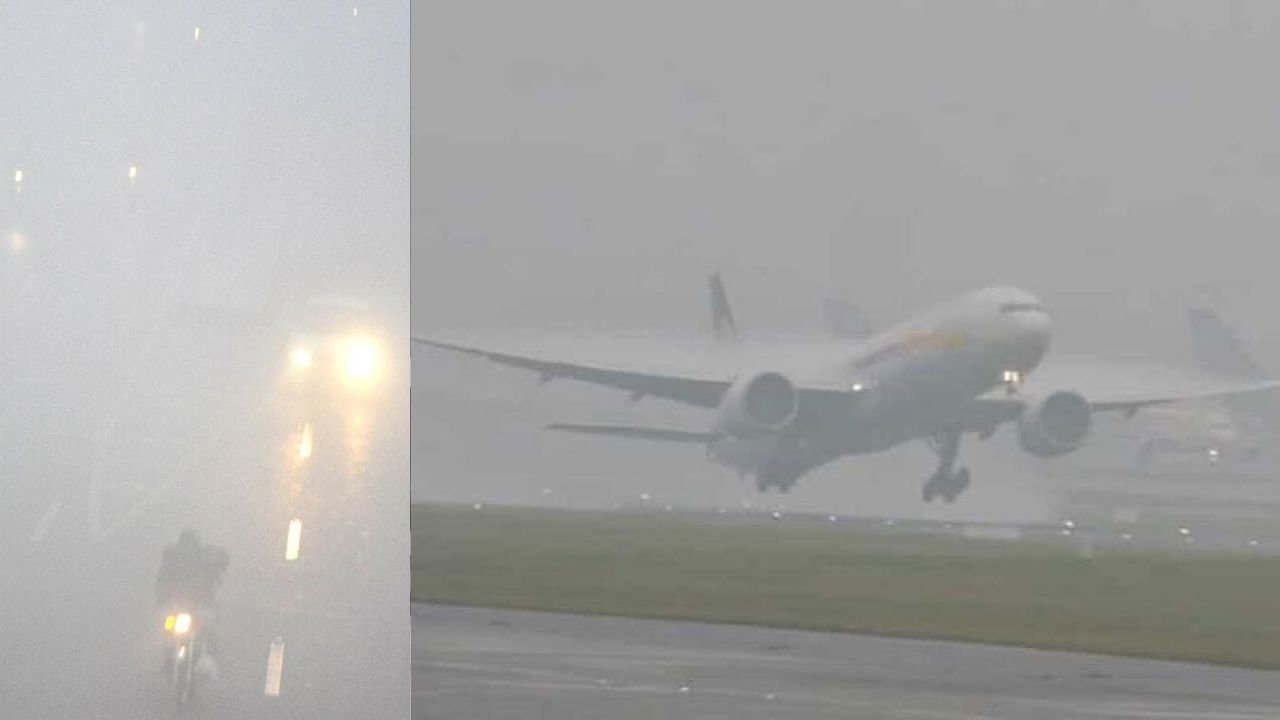
    A thick blanket of heavy fog has descended on different parts of Pakistan, severely impacting visibility and causing widespread transportation disruptions.

    Adverse weather conditions have compelled authorities to take precautionary measures, resulting in the closure of main highways and affecting air travel.

    The impact of the fog extends beyond Lahore, spreading as far as Mandi Bahauddin, Pindi Bhatian, Kot Addu, and Uch Sharif.

    Residents and commuters in these regions are urged to exercise caution and adhere to any instructions issued by local authorities.

    Sialkot and its surrounding regions, including Pasrur, Daska, and Sambrial, are grappling with reduced visibility levels, significantly disrupting traffic flow. Commuters are advised to stay informed about the latest weather updates and road closures to ensure their safety.

    The fog has not only affected ground transportation but has also disrupted air travel. Multiple flights have been canceled, and others delayed, impacting cities in Sindh and Punjab.

    The closures of major motorways, including the M2, M3, M4, M5, and M11, further compound transportation challenges.

    In addition to the transportation disruptions, the air quality in Lahore has deteriorated, earning the city the unfortunate distinction of being the most polluted in the world.

    Meanwhile, dense fog in various cities of Sindh and Punjab has led to operational challenges for flights. The Pakistan International Airliner (PIA) spokesperson emphasizes the importance of obtaining flight information from the PIA Call Centre before heading to the airport, considering the potential disruptions caused by the fog.

    Over the past week, a total of 32 flights destined for Faisalabad, Multan, Lahore, and other Punjab airports had to be redirected to Islamabad International Airport due to the prevailing fog conditions.

    “Severe fog ongoing in the country has affected PIA flights from Lahore, Multan and Sialkot airport,” the airline’s spokesperson, Abdullah Khan, said in a statement, adding the PIA apologized for any inconvenience caused due to these operational challenges.

    “Low visibility and intensity of fog pose difficulties in flight operations,” he added. “Flights from Lahore, Multan, and Sialkot may be canceled, changed or delayed due to fog.”

    Khan noted that flight operations were usually affected in these cities in winter.

    “All passengers are urged to obtain information about their flights from the PIA call center before heading to the airport,” he added.

    Unusual Winter Conditions Across Northwest India:

    Meanwhile, across Northwest India, including Punjab and Uttar Pradesh, a thick blanket of fog has descended, impacting visibility levels. Despite the fog, winter temperatures are milder than usual for this time of the year.

    The India Meteorological Department (IMD) reports that night temperatures in north-western states remain higher than normal, with at least 2-3°C above-normal readings in several regions. Delhi recorded a minimum temperature of 7.8°C, one degree above normal, with daytime temperatures reaching 22°C.

    Meteorologists attribute the warmer winter to the absence of strong western disturbances, traditionally responsible for winter rainfall over North India. Additionally, global warming is increasingly influencing weather patterns throughout the year, delaying the onset of winter and reducing the intensity of cold waves.
  • Artificial rain in Lahore; Just looking like a wow

    Artificial rain in Lahore; Just looking like a wow

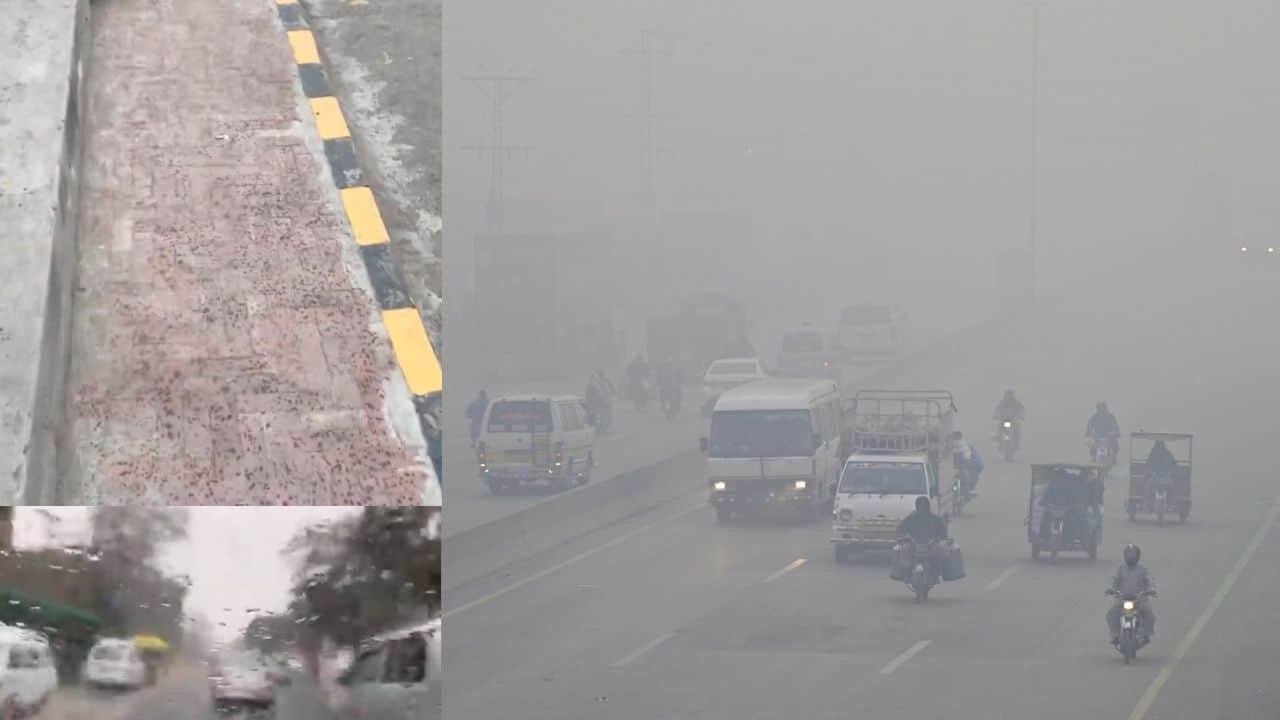
    In a historic stride, Lahore on Saturday witnessed its maiden experiment with artificial rain, revealed caretaker Chief Minister of Punjab, Mohsin Naqvi.

    Addressing the media in Lahore, the caretaker CM Punjab said that the occasion marks the first successful venture into artificial rain in the country’s history. He revealed that this morning, Lahore, previously the most polluted city, experienced artificial rain for the first time.

    Naqvi clarified that no additional funds were allocated for this initiative, however, he expressed willingness to spend money if needed to combat smog. Rainfall occurred in approximately 10 areas of Lahore, covering a planned region of 10 to 15 km.

    He expressed gratitude to the Environment Department and the UAE team for their exhaustive scrutiny of the process, culminating in the eagerly awaited results.

    Detailing the procedure, Naqvi disclosed that 48 flares were deployed for cloud seeding, specifically targeting the Shahdara area.

    Looking ahead, Naqvi mentioned the upcoming installation of smog towers. He emphasized that the artificial rain experiment, being both novel and impactful, is currently under observation for short-term and long-term effects. Results from the artificial rain are expected tonight.

    Naqvi shared insights into the cloud seeding mission, noting that it was executed some time ago, directing clouds towards Shahdara and Muridke.

  • Reuters report says smog increased paediatric patients in hospitals in Lahore

    A new report by Reuters reveals that as per estimates, there has been at least a 50 per cent rise in paediatric patients in Lahore hospitals due to respiratory issues caused by poor air quality.

    According to provincial health minister Dr. Javed Akram, hospitals are on high alert with extra beds and ventilators on standby for additional emergency cases.

    The UN children’s agency highlights that outdoor air pollution across the world contributed to 154,000 deaths of children aged below five in 2019. As for Pakistan, it is one of the top five causes of death among the entire population among whom young children and the elderly are the most vulnerable and severely affected.

    “Children are physiologically more vulnerable to air pollution than adults because their brains, lungs and other organs are still developing,” said UNICEF, further explaining that children breathe twice as fast as adults which increases their exposure to the pollutants.

  • Smart lockdown fails as Lahore remains on top in Air Quality Index

    Smart lockdown fails as Lahore remains on top in Air Quality Index

    Despite the efforts of the caretaker government of Punjab to curb smog, Lahore is still one of the most polluted cities in the world.

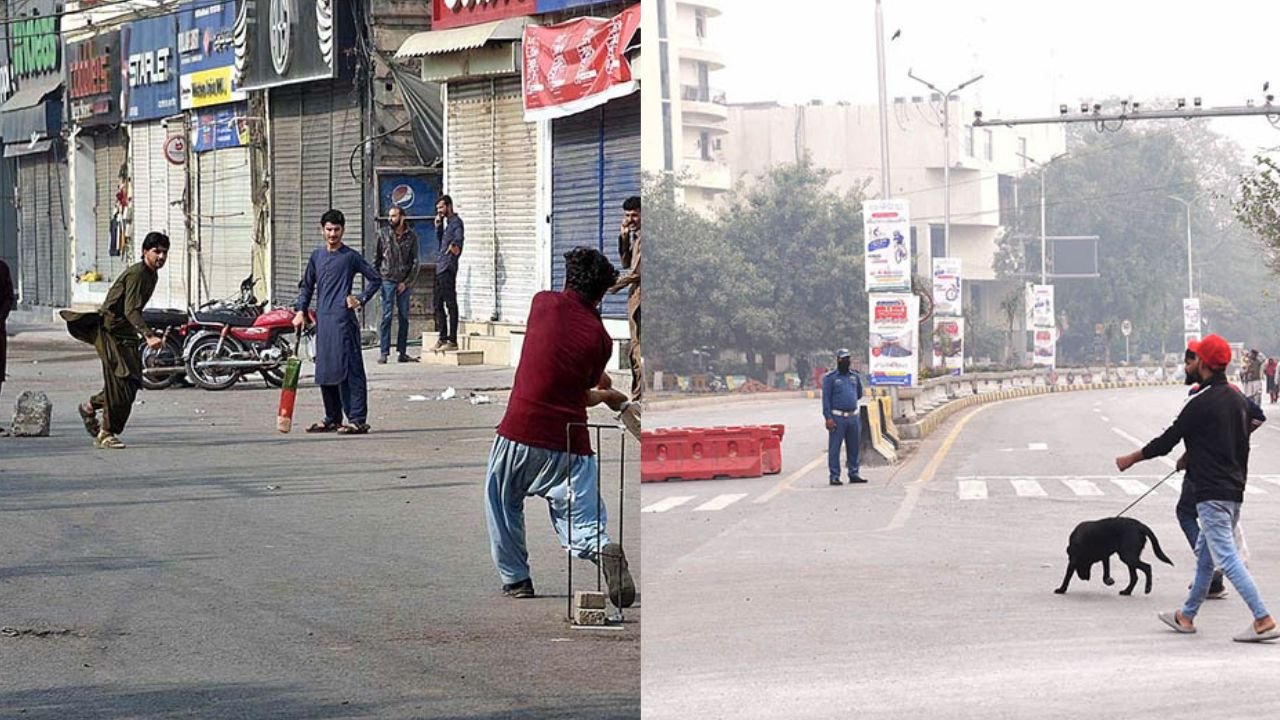
    After three days of holidays and a smart or soft lockdown, Lahore’s hazardous smog has barely dissipated.

    Caretaker Chief Minister Mohsin Naqvi posted an update on Saturday about the trend of smog tending towards healthier.

    The average air quality index (AQI) of Lahore was recorded at 356 (hazardous) on Sunday while the maximum was 444 at 3 am.

    The government completely closed vehicular traffic on Mall Road for a day but the effort seemed futile as the AQI around the road was 458 in the morning while AQI in the DHA Phase 8 was 437, in Gulberg it was 412 and in Johar Town, it stood at 402, reports Dawn.

    As of today, the air quality index of Lahore was recorded at 415 (extremely hazardous) around 10 a.m. and by the evening, when this report is being filed, it is standing at 305 (hazardous).

    While Mall Road was totally barricaded, some markets and shops were found open despite restrictions till 4 pm on Sunday and people were thronging food points in Liberty Market, Ichhra and Anarkali Bazaar.

    Netizens criticised the Punjab government for a lack of effective steps to counter smog.

    A user posted about it being attributed to the endless construction in the city while others complained about it being lethal for citizens.

  • Artificial rain in Lahore to cost Rs 350 million

    Artificial rain in Lahore to cost Rs 350 million

    As Lahore battles with hazardous levels of smog, Punjab has been mulling artificial rain to dispel toxic pollution. The Punjab government has planned to carry out cloud seeding in Lahore to cause artificial rain, estimated to cost a whopping Rs 350 million.

    A summary for the same has been moved to the finance division.

    Earlier this week, Chief Meteorologist Chaudhry Aslam said that artificial rain is expected in Lahore next month and preparations are underway as the government raises its efforts to curb smog, reports The News.

    On Friday, the concentration of PM 2.5, or tiny particulate matter, in the air hit 269, considered very unhealthy, according to Swiss-based IQ Air. “PM2.5 concentration in Lahore is currently 43.8 times the WHO annual air quality guideline value.”

    In a press conference, Punjab Interim Information Minister Amir Mir said that the Chief Minister of Punjab, Mohsin Naqvi, wants to experiment with artificial rain during the current year. In this context, he announced, “Chinese experts will soon visit Pakistan.”

    Lahore and other cities of Punjab have been engulfed by heavy smog in the past month or so turning into a “poisonous gas chamber” where citizens continue to face serious health problems. Artificial rain is the most effective solution to reduce the toxicity of the air.

    To know more about cloud-seeding: How does the artificial rain happen?

  • Next four days crucial for Lahore, says caretaker CM Naqvi

    Next four days crucial for Lahore, says caretaker CM Naqvi

    Caretaker CM Punjab Mohsin Naqvi has said that, “The next four days are highly important regarding smog.” He was visiting construction sites in Saggiyan.

    Section 144 has been imposed in Lahore as part of a health and environmental emergency. The Chief Minister asserted that people should not come out of their houses unnecessarily. “There will not be much restriction on Iqbal Day but later anti-smog measures will be strictly implemented,” he said.

    The lesser number of traffic on the roads will provide ease in improving the environment and for that Punjab Government has requested traders to comply with the decision and announce the shutdown of the markets. This, he believes, will reduce the traffic and that will lessen the intensity of the smog.

    It is important to mention that Lahore is topping the charts for having a hazardous air-quality index for the last one week.

  • ‘Get bicycles for government servants’: Lahore High Court on combating smog

    ‘Get bicycles for government servants’: Lahore High Court on combating smog

    Lahore High Court on Friday heard petitions pertaining to the remediation of smog and passed its verdict. To thwart the pollution that has made Lahore among the most polluted cities of the world.

    Justice Shahid Karim proposed to control vehicular emissions by banning vehicles that emit smoke, and in a unique recommendation, advised government servants to use bicycles for commuting.

    The court advised the government to provide required funds to the organisations working for the reduction of smog. Commissioner of Lahore assured the court that a warning has been issued to factories and manufacturing units in Kasoor. He vowed to pay surprise visits and updated the court about the awareness campaign that has been started to plant trees. He informed the court about a ban on digging roads without permission.

    The court expressed its disapproval of the officers of the Environment Department who are not charging offenders enough. In a matter-of-fact way, the court remarked that the industries which do not comply should be demolished, stressing that it is high time that the Deputy Commissioner and the police come out of their offices and be active on ground.

    Additionally, the court gave a provisional go-ahead to the construction project in Babu Sabu, refusing to change the Railway Golf Club Administrator.

  • Stockholm to ban petrol, diesel cars in city centre from 2025

    Stockholm to ban petrol, diesel cars in city centre from 2025

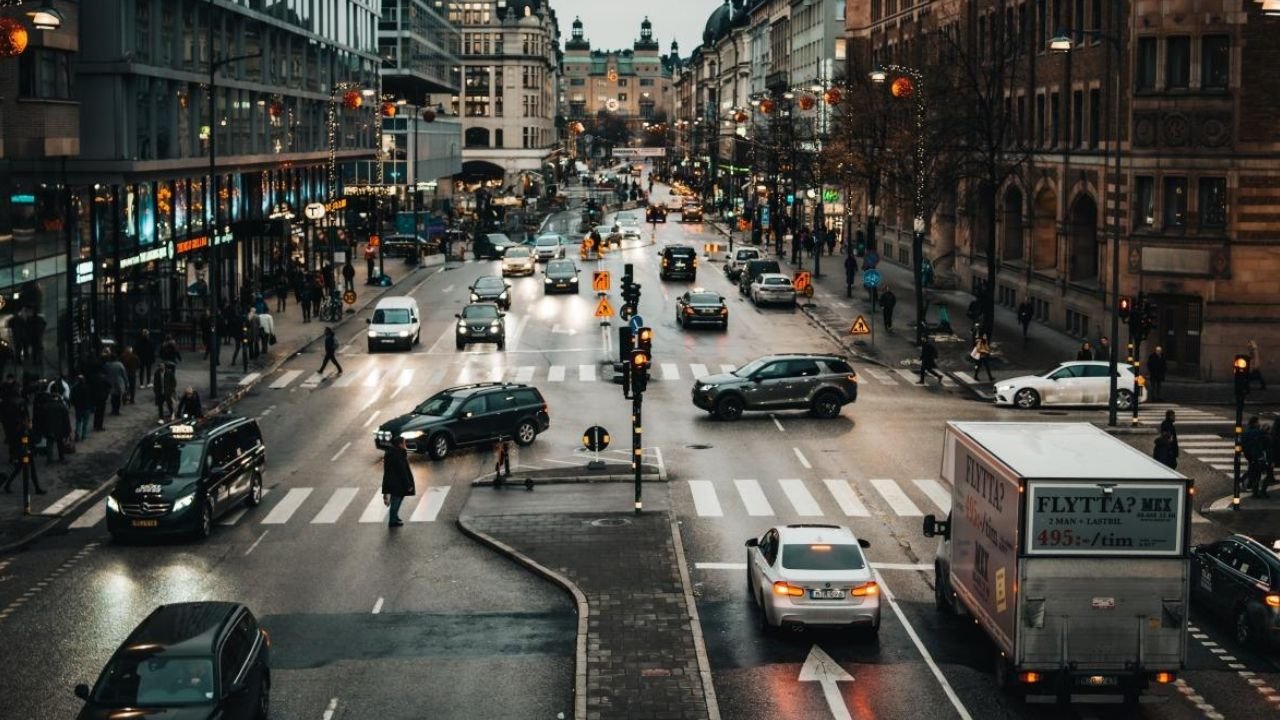
    The capital of Sweden, Stockholm, will ban the presence of petrol and diesel cars by 2025 in a central 20-block area of the city in order to achieve better air quality.

    The city’s vice-mayor for transport and urban environment, Lars Stromgren, said in a statement, “Nowadays the air in Stockholm causes babies to have sick lungs and the elderly to die prematurely. It is a completely unacceptable situation,”
    He added that there is a need to “limit the harmful exhaust gases from petrol and diesel cars,”

    The 20-block area of the city is a bustling part of Stockholm with a shopping district, office buildings, and eateries. And according to Stromgren, this area “has a lot of pedestrians and cyclists, where the air quality needs to be better,”

    “This is also a part of the city where we see that there is a lot of interest in a faster electrification, with actors that can spearhead the transition,” he added.

    The ban will come into effect on December 31, 2024. However, police cars, ambulances and other security services will be exempted.

  • Japanese researchers discover microplastics in clouds

    Japanese researchers discover microplastics in clouds

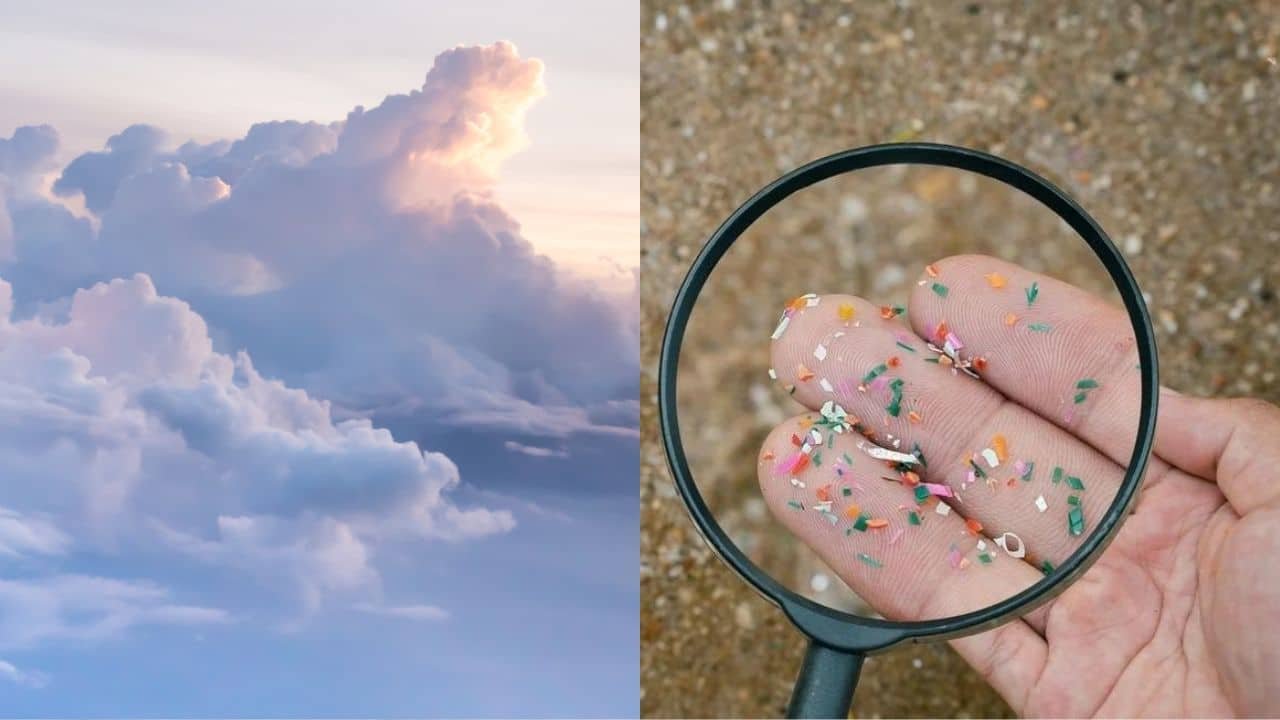
    Researchers in Japan have claimed they have discovered the presence of microplastics in clouds. These small particles of plastic are believed to be affecting the climate in ways that scientists still do not fully understand.

    According to Al Jazeera’s report, a study published in the journal ‘Environmental Chemistry Letters’ details that Japanses scientists researched the collection of water from the fog covering Mount Fuji and Mount Aoyama.

    The research team found nine different types of polymers and one type of rubber in the samples, with particles ranging in size from 7.1 to 94.6 micrometers.

    The amount of plastic particles found in each liter (0.26 gallon) of cloud water ranged from 6.7 to 13.9.

    Lead author of the study from Waseda University, Hiroshi Okuchi, has warned that if the issue is not taken into account, climate change and environmental threats could cause serious environmental damage in the future.

    What is microplastic?
    Microplastics are small plastic particles measuring less than 5 mm which come from industrial waste, textiles, synthetic car tires, and similar products.

    These microplastics have also been found inside fish in the Arctic Ocean and in frozen snow in the Pyrenees mountains between France and Spain.

    In the research report, the author said that “according to our knowledge, this is the first report of the presence of microplastics in clouds.”

    Researchers have stated that humans and animals are ingesting and/or inhaling microplastics, and these small particles of plastic have been found in various human organs, including the lungs, heart, blood and faeces.

    One million tonnes of tiny plastic particles accumulate in the ocean which are often released into the air and then into the atmosphere. Hence, microplastics have also seemingly become an integral part of clouds, potentially contaminating several things including our food and drink.

    Recent findings also show that microplastics are linked to health problems, including effects on heart and lung, as well as cancer.

  • Karachi ranked most polluted city in world, second day in row

    Karachi ranked most polluted city in world, second day in row

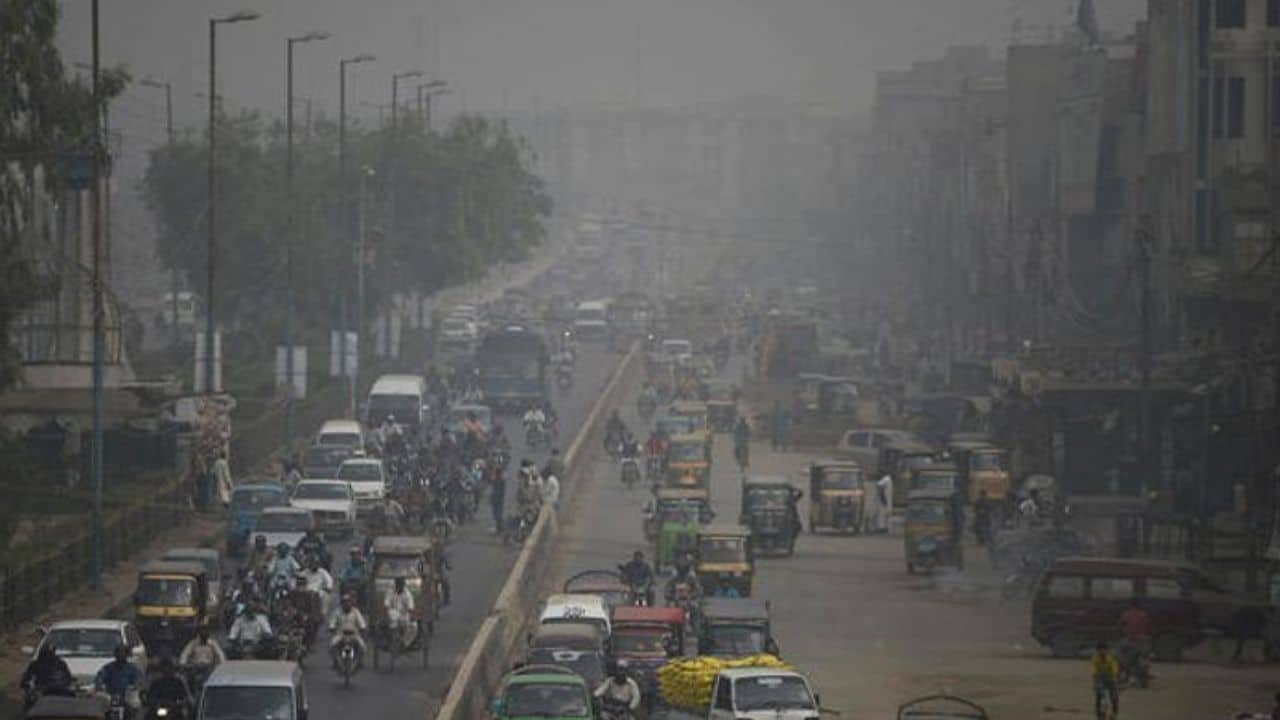
    Karachi has been at the top of the list of the world’s most polluted cities for the past consecutive two days.

    Dawn newspaper quoted ‘IQAir.com’, an air quality monitoring website, stating that Karachi topped the chart, followed by New Delhi.

    The concentration of 2.5 particulate matter (pm) in Karachi is 20.3 times higher than the annual air quality guideline value of the World Health Organization (WHO) as last night it recorded an air quality index of 175.

    Air quality index readings in the range of 151 to 200 are considered unhealthy, while air quality index readings between 201 and 300 are dangerous and severely harmful to health.

    According to the annual report released by ‘IQ Air’, the level of pollution in Karachi has not improved over the past few years, in fact it has increased.