Tag: pollution

  • Environmental Protection Agency seals brick kilns, impounds cars

    Environmental Protection Agency seals brick kilns, impounds cars

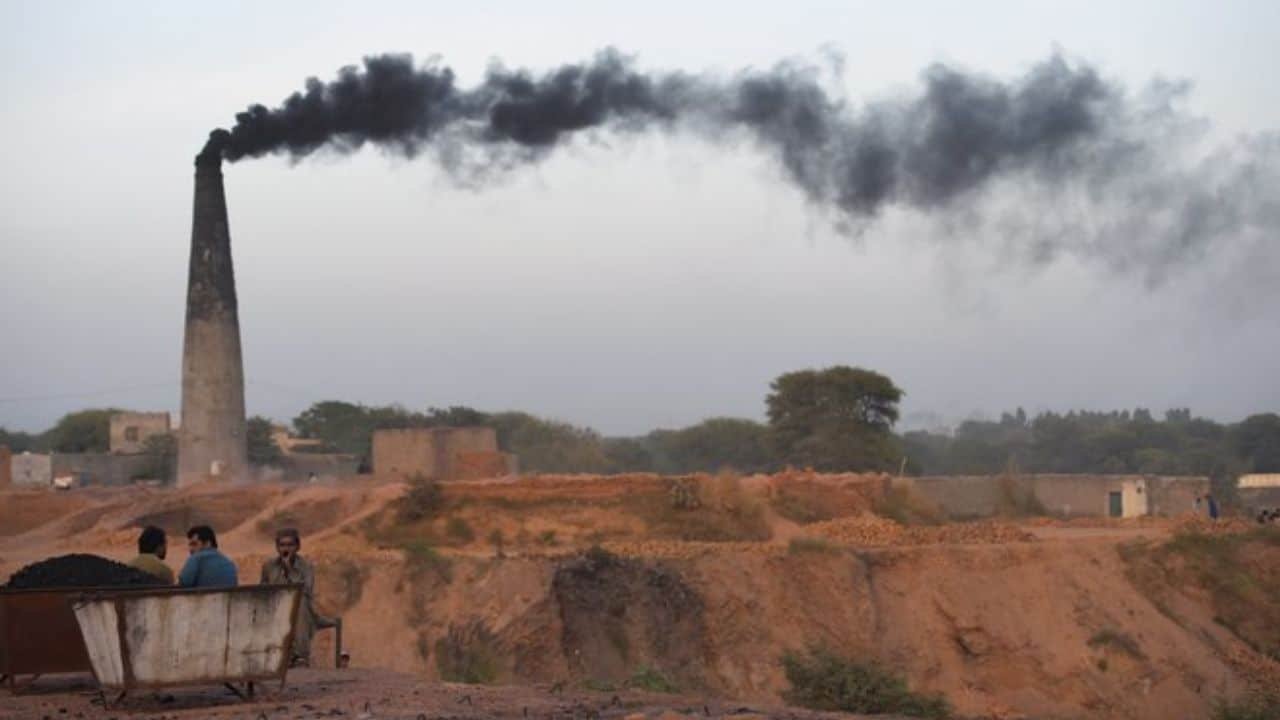
    In a crackdown by the Rawalpindi Environmental Protection Department, 12 brick kilns and six stone crushing units have been sealed while 33 vehicles have been seized for violating environmental laws.

    Express Tribune reported that as per a spokesperson, the purpose of the operation is to counter increasing smog in the region.

    Authorities also identified numerous dengue larvae breeding sites during the operation, and filed cases against 35 property owners, sealing 20 properties.

    The operation was conducted by Environment Protection Department Deputy Director Maria Safeer, Senior Inspector Romaisa Babar and inspectors Maqbool Hussain, Mohsen Shah and Inamul Haque.

    After inspecting 350 vehicles, 124 smoke-emitting cars were issued challans by the authorities, 33 were impounded, and a total fine of Rs228,800 was imposed.

    Similarly, 152 brick kilns were thoroughly examined which revealed that 18 of them were emitting excessive smoke.

    Cases against seven kiln owners have also been filed.

    Additionally, eight hospitals received notices for contributing to pollution, with two of them being charged accordingly.

  • Lahore, do you know what the biggest pollutant in your city is?

    Lahore, do you know what the biggest pollutant in your city is?

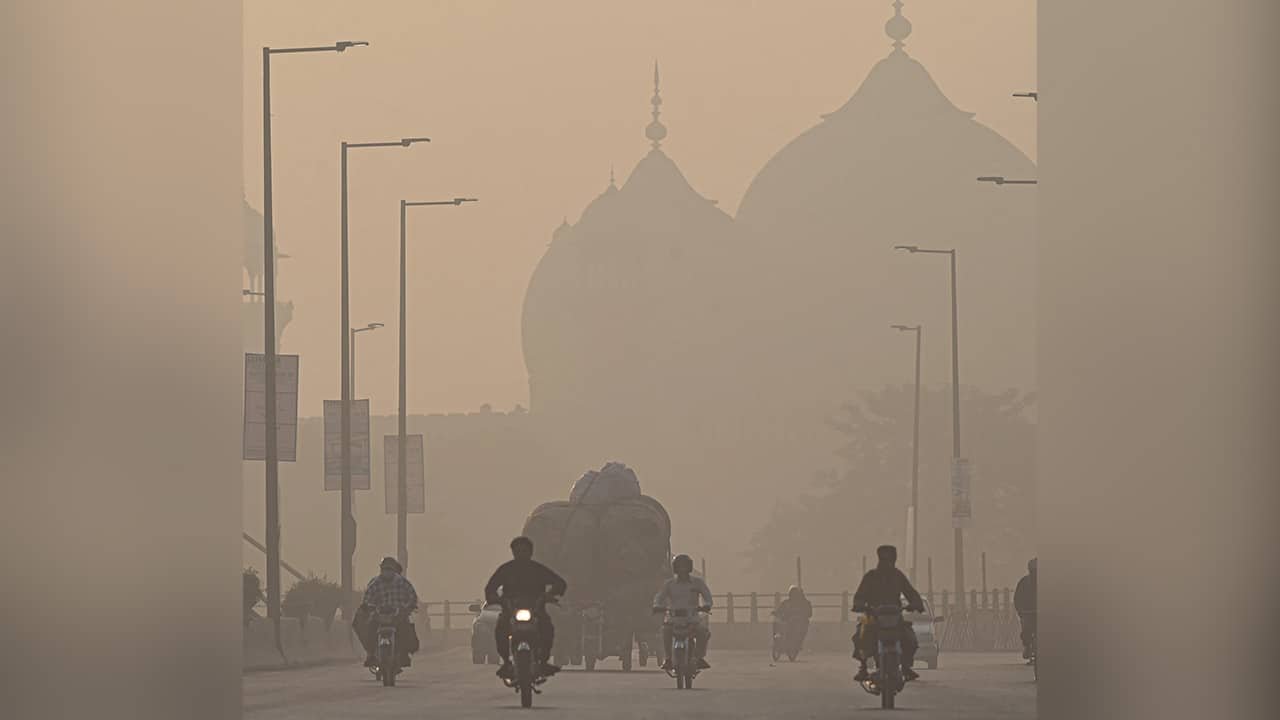
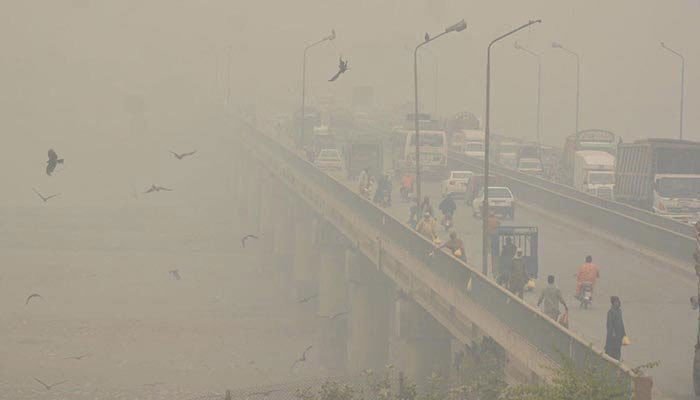
    The Urban Unit of the Planning and Development Department of Punjab has released a report revealing that over 80 per cent of Lahore’s pollution originates from the transport sector.

    Titled “Sectoral emission inventory of Lahore,” the report represents the first comprehensive attempt in the Punjab province to assess atmospheric pollutants resulting from human activities across six developmental sectors.

    The report identifies various primary sources of pollution in Lahore. Transportation accounts for 83 per cent of the emissions, making it a significant contributor. The increasing number of registered vehicles in Lahore, including a notable rise in two-stroke vehicles such as motorbikes, scooters, and auto-rickshaws, is a cause for concern.

    However, it is worth noting that vehicle figures may be inflated as anecdotal evidence suggests that many vehicles in the Punjab province are registered in Lahore.

    In addition to transportation, the burning of crop residues contributes 3.9 per cent to the pollution levels, while waste burning—a common practice in the outskirts of Lahore—accounts for 3.6 per cent.

    Furthermore, the report highlights that emissions from the industrial (9 per cent), domestic (0.11 per cent), and commercial (0.14 per cent) sectors primarily result from the consumption of inefficient fuels like coal and diesel oil.

    The report also examines the health impact of the pollution in Lahore. The concentration of pollutants in the city’s ambient air exceeds the defined limits of Pollutant Equivalent Quantities (PEQs). Air pollution is currently the most severe form of pollution affecting the residents of Lahore.

    Citing the Air Quality Life Index Fact Sheet for Pakistan, the report reveals that if the World Health Organization’s guidelines for an annual average PM2.5 concentration of 5µg/m3 are met, the average life expectancy of Lahore residents could increase by 6.8 years. Moreover, the rising pollution in the city has led to an increase in respiratory diseases.

    The report emphasises the broader challenge of air pollution in Pakistan and the subsequent problems it causes. Pakistan’s air quality performance, as assessed by the Environmental Performance Index (EPI) published by Yale University in 2022, ranks 176th out of 180 countries with a score of 5.7 in air quality points. This indicates a decrease of -0.3 compared to the previous report. The World Air Quality Report (2021) by IQAir also ranks Pakistan as the third-most polluted country in terms of air quality.

    Additionally, the report highlights the country’s high climate vulnerability and environmental degradation. Rapid urbanization is exacerbating exposure to pollution within Pakistani cities. Urban areas, while significant centers of energy production and atmospheric emissions globally, are particularly susceptible to climate-related disasters.

    Major urban centers in Pakistan face challenges such as inadequate waste management, rapid urban sprawl, air pollution, poor access to water and sanitation, and congestion.

  • Those who cut trees in Lahore should be jailed, says court

    Those who cut trees in Lahore should be jailed, says court

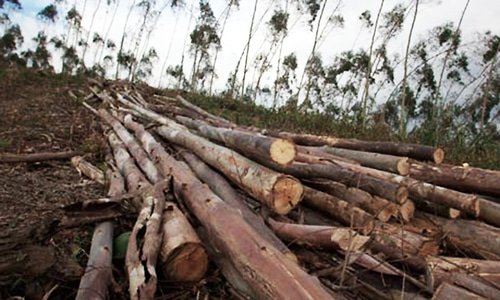
    The Lahore High Court (LHC), while hearing a petition seeking curbs to control smog in Lahore, barred Water and Power Development Authority (WAPDA) from cutting trees in Lahore and other parts of the province where smog is prevalent.

    Justice Shahid Karim also warned that those found cutting trees will be jailed.

    In the hearing which took place on Friday, a member of the judicial commission informed the court that WAPDA staff is cutting trees in Lahore and other parts of the province because of their transmission lines.

    Smog is dangerous for the lives of citizens in Lahore, the LHC judge remarked.

    Lahore is consistently featured among the top ten cities with the worst Air Quality Index (AQI).

    In December, some of Pakistan’s biggest cities were ranked among the most polluted in the world. Lahore, the capital of the province was ranked as the metropolis with the most polluted air thrice in one week.

  • Air pollution reduces life expectancy by two years worldwide: Report

    Air pollution reduces life expectancy by two years worldwide: Report

    A recent study revealed that microscopic air pollution, mostly generated by the combustion of fossil fuels, affects life expectancy by more than two years globally.

    According to a report by the University of Chicago’s Energy Policy Institute, if fine particulate matter levels across South Asia reached World Health Organization criteria, the typical individual would live five years longer.

    The severe lung and heart illness caused by so-called PM2.5 pollution reduce life expectancy by eight years in the Indian states of Uttar Pradesh and Bihar, home to 300 million people, and by a decade in the capital city of New Delhi.

    PM2.5 pollution penetrates deep into the lungs and reaches the circulation, with a diameter of 2.5 microns or smaller, nearly the same as a human hair. It was declared a cancer-causing substance by the United Nations in 2013.

    According to the WHO, the concentration of PM2.5 in the air should not exceed 15 micrograms per cubic metre in any 24-hour period, or 5 mcg/m3 on an annual basis.

    The WHO strengthened these guidelines last year, the first revision since air quality guidance was established in 2005, in response to accumulating evidence of harmful health effects.

    In the Air Quality Life Index report, lead researcher Crista Hasenkopf and colleagues stated, “Clean air pays back in additional years of life for individuals all over the world.” “Reducing global air pollution to WHO recommendations permanently would add 2.2 years to average life expectancy.”

    Almost every inhabited region on the planet exceeds WHO limits, but not more so than Asia: Bangladesh, India, Nepal, and Pakistan all exceed WHO guidelines by 15-fold, 10-fold, and nine-fold, respectively.

  • Nearly everyone on earth is breathing polluted air: WHO report

    The World Health Organization (WHO) announced Monday that 99 per cent of people on Earth breathe air that comprises numerous contaminants, citing poor air quality for millions of deaths each year.

    According to new data from the UN health organization, air pollution affects every part of the globe, albeit the problem is far worse in developing nations.

    “Almost the entire global population (99 percent) breathes air that exceeds WHO air quality limits, and threatens their health,” the organization said in a statement.

    WHO had already established that about 90 per cent of the world’s population was impacted in its previous report from 2018, but it has subsequently expanded its boundaries.

    According to the WHO, the evidence base for the harm caused by air pollution is quickly advancing, and even low levels of certain air pollutants can cause serious illness.

    Despite UN statistics suggesting that pandemic lockdowns and travel restrictions improved air quality for a short time in 2021, WHO warned that air pollution continues to be a major threat.

    The WHO report includes data on air quality from over 6,000 cities and communities in 117 countries. Keeping in view the frightening statistics, the organisation emphasised the need to immediately limit the usage of fossil fuels.

  • Lahore’s River Ravi among most polluted rivers in the world

    Lahore’s River Ravi among most polluted rivers in the world

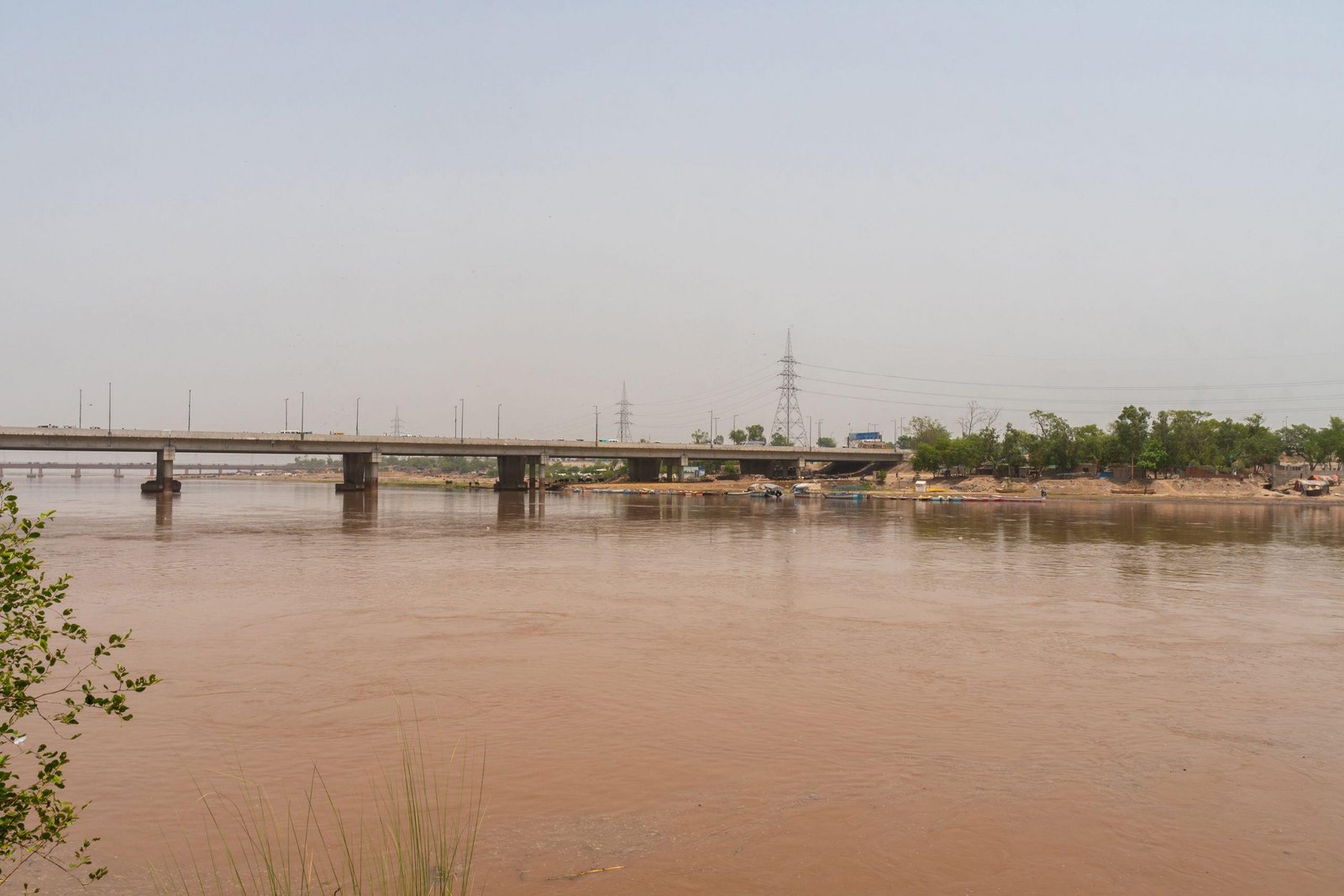
    The water flowing through River Ravi has been found to be among the most polluted in the world, reports Dawn.

    A study, which is part of the University of York-led Global Monitoring of Pharmaceuticals Project, measured the presence of 61 pharmaceuticals in 258 rivers around the world. More than 1,000 test sites in over 100 countries provided samples for the study. More than a quarter of the 258 rivers sampled had “active pharmaceutical ingredients” present at a level deemed unsafe for aquatic organisms.

    Waterways in Lahore, Bolivia, and Ethiopia are among the most contaminated, according to the study while rivers in Iceland, Norway, and the Amazon rainforest fared best.

    Pollution of the world’s rivers by medications and pharmaceutical products, according to the research, constitutes a “threat to environmental and global health”.

  • Over 2,900 FIRs registered against the smog in Punjab

    Over 2,900 FIRs registered against the smog in Punjab

    According to the Punjab Relief Commissioner Babar Hayat Tarar, the province has registered over 2,970 First Information Report (FIR) in less than three months (October 1 to December 18) to tackle the smog problem, reports Geo News.

    A heavy fine has been imposed on industrial emissions, stubble burning, and traffic violations.

    The commissioner also stated that the smog has been reduced as a result of effective government measures.

    In the past few weeks, travel had been affected due to smog and poor visibility.

    The Motorway-2 (M2) from Bhera, M4 from Shershah to Shamkot, and M5 from the Jalalpur interchange to Shershah and from Rohri to Guddu were also blocked due to fog and smog.

    Recently, several flights from the Lahore and Sialkot airports faced delays and four flights scheduled for Lahore were diverted to Islamabad. The schedule of trains from Karachi and Quetta was also affected.

  • Karachi listed among the world’s least liveable cities

    The Economist Intelligence Unit’s (EIU) Global Liveability Index 2021 has listed Karachi among the least liveable cities in the world, Geo News has reported. The city has ranked the as the seventh least liveable city in the world.

    Meanwhile, Auckland has been ranked as the world’s most liveable city.

    List of the 10 least liveable cities:

    • Damascus, Syria
    • Lagos, Nigeria
    • Port Moresby, PNG
    • Dhaka, Bangladesh
    • Algiers, Algeria
    • Tripoli, Libya
    • Karachi, Pakistan
    • Harare, Zimbabwe
    • Douala, Cameroon
    • Caracas, Venezuela

    Earlier in February, the United Nations Educational, Scientific and Cultural Organisation (UNESCO) declared Lahore the ‘City of Literature’ and Lahore became the first city in the country to have received this title.

  • Condoms in gutters blamed for Karachi’s sewerage problems

    Disposal of used contraceptives, such as condoms, in gutters has been causing sewerage problems in Karachi, the Karachi Water and Sewerage Board (KWSB) has said.

    According to reports, KWSB recovered a massive amount of used condoms while clearing a sewerage line on Thursday, which were affecting the flow of sewage and causing serious blockage problems.

    A KWSB official said the huge quantity of used contraceptives was found while a team was cleaning a sewerage line in Clifton Block 2. But this isn’t an isolated incident: the KWSB often finds items like these in sewer lines across the city.

    Water inflates the condoms up to 400 times their size, which blocks manholes and sewerage lines, the KWSB spokesperson explained. Such items must be disposed of in trash cans, he urged.

    The KWSB stressed the need for generating awareness about the issue and urged government departments and social organisations to play their role.

  • Cleaner hands, bluer skies: what has coronavirus done for us?

    Deaths, economic meltdown and a planet on lockdown: the coronavirus pandemic has brought us waves of bad news, but squint and you might just see a few bright spots, AFP reported.

    From better hygiene that has reduced other infectious diseases to people reaching out as they self-isolate, here are some slivers of silver linings during a bleak moment.

    WASH YOUR HANDS!

    The message from health professionals has been clear from the start of the outbreak: wash your hands.

    Everyone from celebrities to politicians has had a go at demonstrating correct technique — including singing “Happy Birthday” twice through to make sure you scrub long enough, and hand sanitiser has flown off the shelves.

    All that extra hygiene appears to be paying off, at least in some countries, including Japan, where the number of flu cases appears to be sharply down.

    Japan recorded 7.21 million cases by early March — usually around the peak of the flu season that runs until May.

    That was far below figures for previous years, including the 21.04 million infections seen during the 2017/18 season.

    “We estimate that one of the reasons behind it is that people are now much more aware of the need to wash hands… given the spread of the new coronavirus,” Japanese health ministry official Daisha Inoue told AFP.

    CARBON CURBS

    Factory shutdowns, travel bans and a squeeze on demand spell economic disaster, but it isn’t all bad news for the environment.

    In the four weeks to March 1, China’s CO2 emissions fell 200 million tonnes, or 25 percent, compared to the same period last year, according to the Centre for Research on Energy and Clean Air.

    That’s a decline equivalent to annual CO2 emissions from Argentina, Egypt or Vietnam.

    The slowdown in China also saw coal consumption at power plants there down 36 percent, and the use of oil at refineries drop by nearly as much.

    Air travel is also grinding to a virtual halt, achieving at least a short-term drop-off in emissions from a highly polluting industry.

    And there have been other environmental benefits, including crystal-clear waters in Venice canals usually choked with tourist-laden boats.

    Unfortunately, experts say the cleaner air may be short-lived.

    Once the health crisis is over, experts expect countries will double down to try to make up for lost time, with climate change concerns likely to be sidelined in a race to recover economic growth.

    SAVE THE PANGOLIANS

    The source of the coronavirus remains in question, but early tracking focused on a market in China’s Wuhan where a variety of live wildlife was on sale for consumption.

    A number of animals, including bats and the highly endangered pangolin, have been identified as possible culprits for the virus.

    As a result, China in February declared an immediate and “comprehensive” ban on the trade and consumption of wild animals that was welcomed by environmentalists.

    Beijing implemented similar measures following the SARS outbreak in the early 2000s, but the trade and consumption of wild animals, including bats and snakes, made a comeback.

    This time the ban is permanent, raising hopes that it could end the local trade in wildlife.

    “I do think the government has seen the toll it takes on national economy and society is much bigger than the benefit that wild-eating business brings,” said Jeff He, China director at the International Fund for Animal Welfare.

    Reports linking the virus to the pangolin have also scared off would-be consumers of the scaly mammals elsewhere, with bushmeat vendors in Gabon reporting a plunge in sales.

    APART, TOGETHER

    One of the most difficult aspects of the stringent lockdowns imposed to slow the spread of the virus has been loneliness, with families and friends forced to endure weeks or even months apart.

    But some people have found the measures are creating a sense of community spirit and prompting them to make more of an effort to check in with family and reconnect with friends.

    In Colombia, where a nearly three-week period of self-isolation is now in place, 43-year-old Andrea Uribe has organised everything from group exercise classes to family talent shows using video messaging programs including Zoom.

    “I have called my parents more often, I have talked to friends that I usually don’t talk to… I have organised Zoom meetings with friends in multiple countries,” Uribe, who works in development, told AFP.

    “It is wonderful to be forced to be there for one another. It has made me more creative. It just shows that we need to be present in people’s lives.”