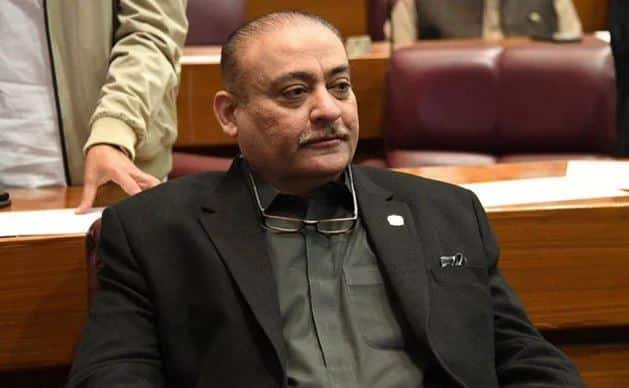
Population Experts and Government officials gathered in Islamabad to discuss improving population health in Pakistan.
Islamabad, Pakistan – May 24, 2023 – Today marks the beginning of a two-day learning event by DAFPAK, a leading organization dedicated to improving population health outcomes in Pakistan, focused on ensuring a brighter future for Pakistan, titled “Pakistan’s Population: A Brighter Future For All.”
Delivering Accelerated Family Planning In Pakistan (DAFPAK) is a £90m Foreign, Commonwealth & Development Office (FCDO) programme that aims to improve family planning outcomes across Pakistan by improving access to family planning services for the most vulnerable and disseminating messages for the common good under a platform called KhairKhwah.
“The British High Commission has been investing in family planning since 2012. Our current support programme, DAFPAK is the largest donor-funded program on family planning which has served over 8 million women and girls in mostly marginalized areas”, said Andrew Dalgleish, Acting British High Commissioner to Pakistan while addressing the event in Islamabad.
Chief Guest, Federal Minister for Planning, Development & Special Initiatives, Professor Ahsan Iqbal Chaudhry, emphasized the urgency of addressing the population growth rate, stating, “Unless we control our population, we won’t be able to distribute resources in a manner where we can provide healthcare, education and bright futures to our people. Our future is linked to how fast we can control Pakistan’s population growth.”
Rapid population growth in Pakistan has created immense pressure on the country’s resources, and it has become difficult to provide essential services such as healthcare and education to all citizens. The event aims to address these issues and come up with strategies to improve population health.
Dr Sara Shahzad, Health Advisor, FCDO highlighted the need for increased investment in healthcare infrastructure, improved partnerships with the private sector, and a holistic multi-sectoral approach towards family planning.
Goodwill Ambassador for Population & Family Planning, Shehzad Roy, while addressing the event emphasised the significance of transforming mindsets alongside policy changes. “As a global ambassador of Family Planning, I would like to share that while inventing new policies is very important, what’s even more important is changing mindsets because only then we’ll be able to bring true change.”
Over the course of two days, participants will share their insights on family planning, population growth, and its impact on the country. The event features keynote speeches, panel discussions, and interactive sessions.
The event is being organized by Palladium Pakistan under DAFPAK-PSSD in collaboration with UNFPA, PSI, MSS, DKT, and M&C Saatchi in partnership with The Ministry of National Health Services, Regulation and Coordination Islamabad, and provincial Health and Population Welfare Departments of Punjab, Sindh, and KP.