Tag: potatoes

  • Cost of living rises: SPI records increase in weekly inflation 

    Cost of living rises: SPI records increase in weekly inflation 

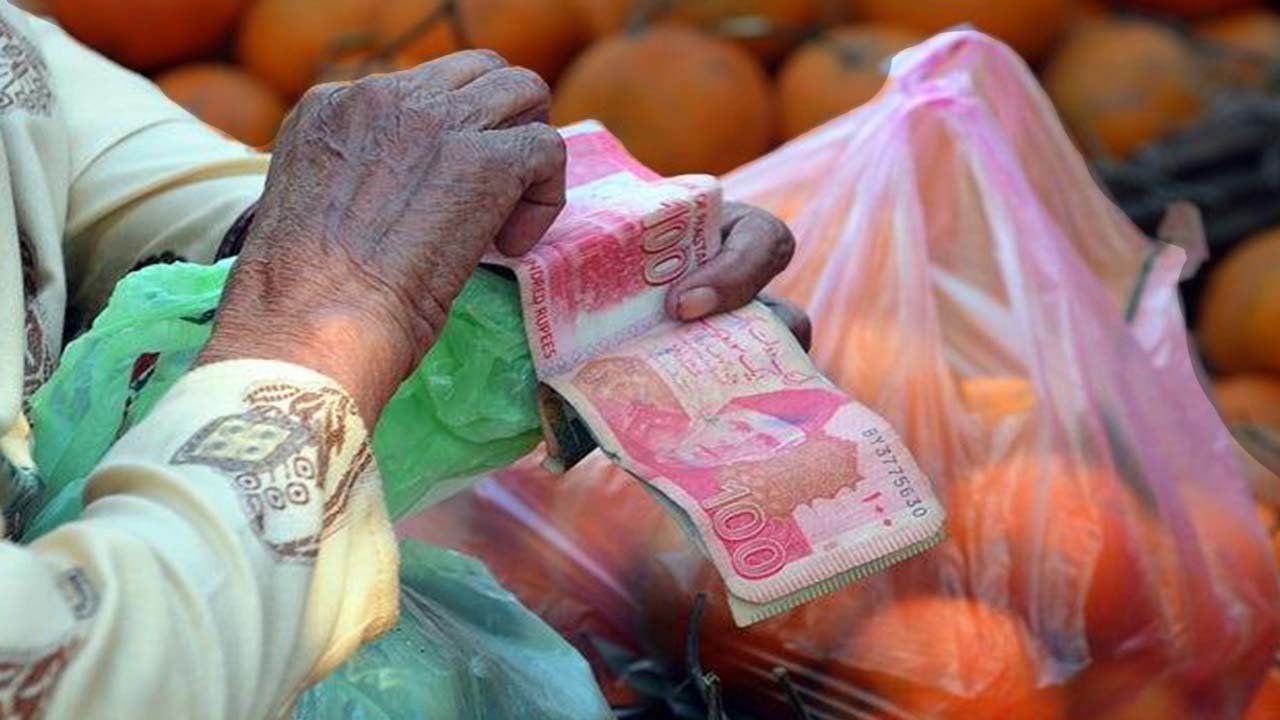
    The Sensitive Price Indicator (SPI) recorded a slight increase of 0.71 per cent for the week ending November 3, 2023, compared to the previous week.

    According to data from the Pakistan Bureau of Statistics (PBS), the combined index stood at 279.08 on November 3, 2023, up from 277.11 on October 26, 2023, and significantly higher than the index of 214.88 recorded a year ago on November 3, 2022.

    Out of 51 items, the prices of 12 items increased, 14 items decreased, and 25 items remained stable. 

    The most notable price increases were seen in tomatoes (25.58 per cent), onions (25.25 per cent), chicken (10.79 per cent), potatoes (1.61 per cent), Lipton tea (1.58 per cent), eggs (1.30 per cent), garlic (0.50 per cent), basmati broken rice (0.19 per cent), georgette (0.28 per cent), and firewood (0.05 per cent).

    Conversely, significant price decreases were observed in gur (2.66 per cent), bananas (1.78 per cent), 5-litre cooking oil (1.62 per cent), 1 kg vegetable ghee (1.23 per cent), LPG cylinders (1.05 per cent), masoor pulse (0.93 per cent), wheat flour (0.62 per cent), washing soap (0.41 per cent), and mustard oil (0.32 per cent).

    The weekly SPI percentage change across different income groups revealed an increase in SPI for all quantiles, ranging from 0.64 per cent to 0.86 per cent.
  • Pakistan’s weekly inflation reaches record high of 48.35%

    Pakistan’s weekly inflation reaches record high of 48.35%

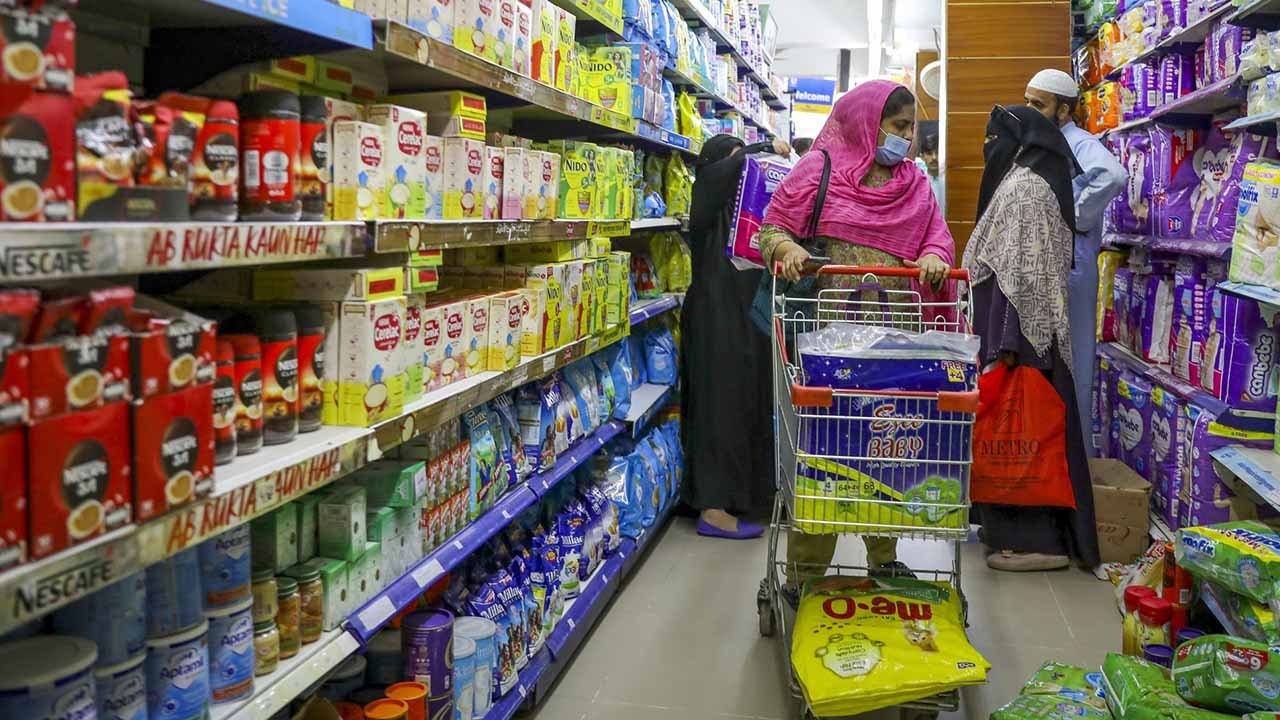
    According to data from the Pakistan Bureau of Statistics (PBS), the Sensitive Price Indicator (SPI) has risen by 1.05 per cent to reach a record high of 48.35 per cent year-on-year for the week ending May 4. The SPI for the aforementioned week was recorded at 254.84 points, compared to 252.2 points the previous week.

    Of the 51 monitored items, 30 items experienced an increase in average price, while 9 items decreased, and 12 items remained unchanged during the week.

    The items that experienced an increase in average prices on a week-on-week (WoW) basis were chicken (8.91 per cent), potatoes (3.99 per cent), powdered milk (3.81 per cent), pulse gram (1.96 per cent), pulse masoor (1.83 per cent), eggs (1.81 per cent), mutton (1.71 per cent), pulse mash (1.58 per cent), cooked daal (1.36 per cent), and bread (1.13 per cent). The non-food items that saw an increase were gents sponge chappal (58.05 per cent), gents sandal (33.36 per cent), ladies sandal (14.31 per cent), and washing soap (1.27 per cent).

    On the other hand, a decline was seen in the prices of onions (16.69 per cent), garlic (3.44 per cent), tomatoes (3.41 per cent), diesel (1.70 per cent), mustard oil (0.99 per cent), LPG (0.96 per cent), cooking oil 5 litre (0.40 per cent), and vegetable ghee 2.5kg & 1kg (0.10 per cent each).

    Monitored Items Average Price Increase/Decrease
    Chicken +8.91%
    Potatoes +3.99%
    Powdered Milk +3.81%
    Pulse Gram +1.96%
    Pulse Masoor +1.83%
    Eggs +1.81%
    Mutton +1.71%
    Pulse Mash +1.58%
    Cooked Daal +1.36%
    Bread +1.13%
    Onions -16.69%
    Garlic -3.44%
    Tomatoes -3.41%
    Diesel -1.70%
    Mustard Oil -0.99%
    LPG -0.96%
    Cooking Oil 5L -0.40%
    Vegetable Ghee 2.5kg -0.10%
    Vegetable Ghee 1kg -0.10%
  • Weekly inflation in Pakistan jumps to 42.3% as prices increase ahead of Ramadan

    Weekly inflation in Pakistan jumps to 42.3% as prices increase ahead of Ramadan

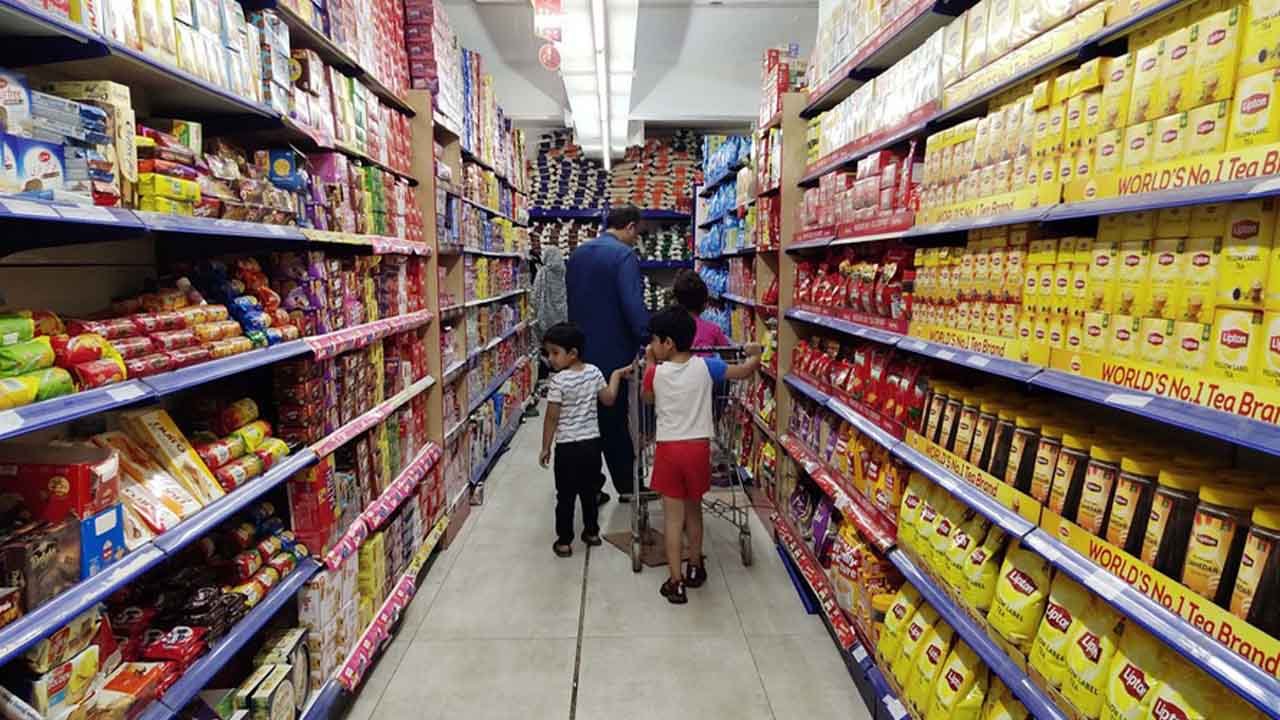
    According to data released by the Pakistan Bureau of Statistics (PBS) on Friday, weekly inflation surged by 1.37 per cent week-on-week and 42.27 per cent year-on-year during the week ended March 9. This marks a 25-week high on an annualized basis, as prices of perishables have started to rise ahead of Ramadan. The surge in the sensitive price indicator (SPI) was attributed to the increase in prices of various commodities, including tomatoes, potatoes, onions, sugar, bananas, cooking oil, wheat flour, vegetable ghee, printed lawn, curd, milk, tea, shirting, broken basmati rice, and powdered salt. Meanwhile, a major decrease was observed in the prices of chicken, garlic, pulse moong, eggs, pulse masoor, LPG, firewood, and pulse gram.

    For the week under review, SPI was recorded at 243.87 points, compared to 240.57 points registered last week and 171.41 points recorded during the week ended March 10, 2022. Brokerage Arif Habib Limited noted that this was the highest weekly YoY number since September 8, 2022, when Pakistan recorded a rise of 42.70 per cent YoY on account of an all-time high in the prices of wheat flour following massive flooding across the fertile plains of Punjab and Sindh.

    The PBS data attributed the YoY rise in SPI to the jump in the prices of onions, cigarettes, gas charges for Q1, diesel, eggs, rice Irri-6/9, petrol, broken basmati rice, bananas, pulse moong, tea, pulse mash, pulse gram, and bread. Inflation has been rising sharply over the past couple of years, with Pakistanis, particularly those from lower and middle-income groups, struggling to make ends meet.

    The sticky inflation numbers, along with the stalled International Monetary Fund (IMF) programme, have pushed the State Bank of Pakistan (SBP) to raise its benchmark interest rate by 300 basis points to a 26-year high. Pakistan is desperately trying to persuade the IMF to disburse critical $1.1 billion funding, but inflation worries have led the central bank to elevate its interest rates by 10 percentage points since January 2022.

    Analysts expect that the recent decisions taken by the government to please the IMF for a meagre $1.1 billion bailout tranche could result in massive poverty, while businesspersons have also not ruled out a default despite fiscal tightening. The YoY SPI increased by 39.09 per cent, 40.98 per cent, 41.79 per cent, 42.53 per cent, and 44.14 per cent respectively for the groups spending up to Rs17,732; Rs17,733-22,888; Rs22,889-29,517; Rs29,518-44,175; and above Rs44,175.

  • Potatoes for McDonald’s fries are grown on Bill Gates’ farms in vast fields visible from space

    Potatoes for McDonald’s fries are grown on Bill Gates’ farms in vast fields visible from space

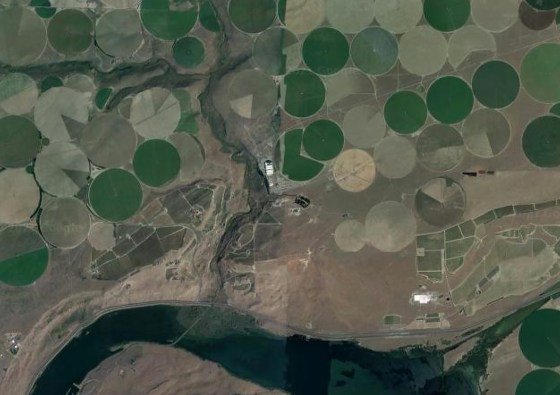
    Potatoes used by McDonald’s are among the fresh produce grown across farmland owned by Bill Gates.

    As per reports, the potatoes for McDonald’s fries are grown in fields in Washington state. The fields that grow potatoes and a few other vegetables are so massive that they are visible from space.

    The 100 Circles Farm is in Washington state

    Gates and his wife among America’s biggest owners of private farmland own 269,000 acres of farmland across 18 states. 

    Bill Gates and Melinda Gates who recently parted ways after 27 years of marriage are currently dividing their assets.

    Gates is the fourth-richest person in the world, worth $144 billion (R1.9 trillion), according to Bloomberg estimates.

    Melinda is also expected to become one of the world’s richest women after the divorce.