Tag: Power Distribution

  • Reduced electricity prices to spur industrial activity and improve exports: Power minister

    Reduced electricity prices to spur industrial activity and improve exports: Power minister

    Following a reduction in electricity prices for industries, Power Minister Sardar Awais Leghari stated that the government’s decision aims to boost industrial activity and exports.

    Speaking to the media in Dera Ghazi Khan, Leghari highlighted the government’s revolutionary measures to improve the power distribution system. He underscored the government’s commitment to addressing power sector issues, including combating electricity theft.

    Leghari reiterated the goal of eradicating electricity theft nationwide to provide cheaper electricity to the public.

    He also noted the government’s achievement in reducing electricity rates for industries by Rs10.69, which is expected to stimulate industrial activity and generate more job opportunities.

    The minister assured that the government is aware of the challenges faced by farmers and is actively working to provide maximum relief to the public.

    In a related development, Prime Minister Shehbaz Sharif announced on Saturday that government institutions incurring massive losses would be shut down.

    During his address to the nation, the premier stated, “I have decided to close institutions that have become a burden instead of offering assistance,” and added that a ministerial committee has been formed to oversee this process.

    “I will come to you with a new message in a couple of months,” PM Shehbaz said. “I believe this will be a significant step in reducing expenses and saving funds.”

    The premier also mentioned his recent trips to China and the Middle East, noting that commitments for investment were secured during these visits.
  • IMF recommends gas price hike, subsidy cuts for Pakistan

    IMF recommends gas price hike, subsidy cuts for Pakistan

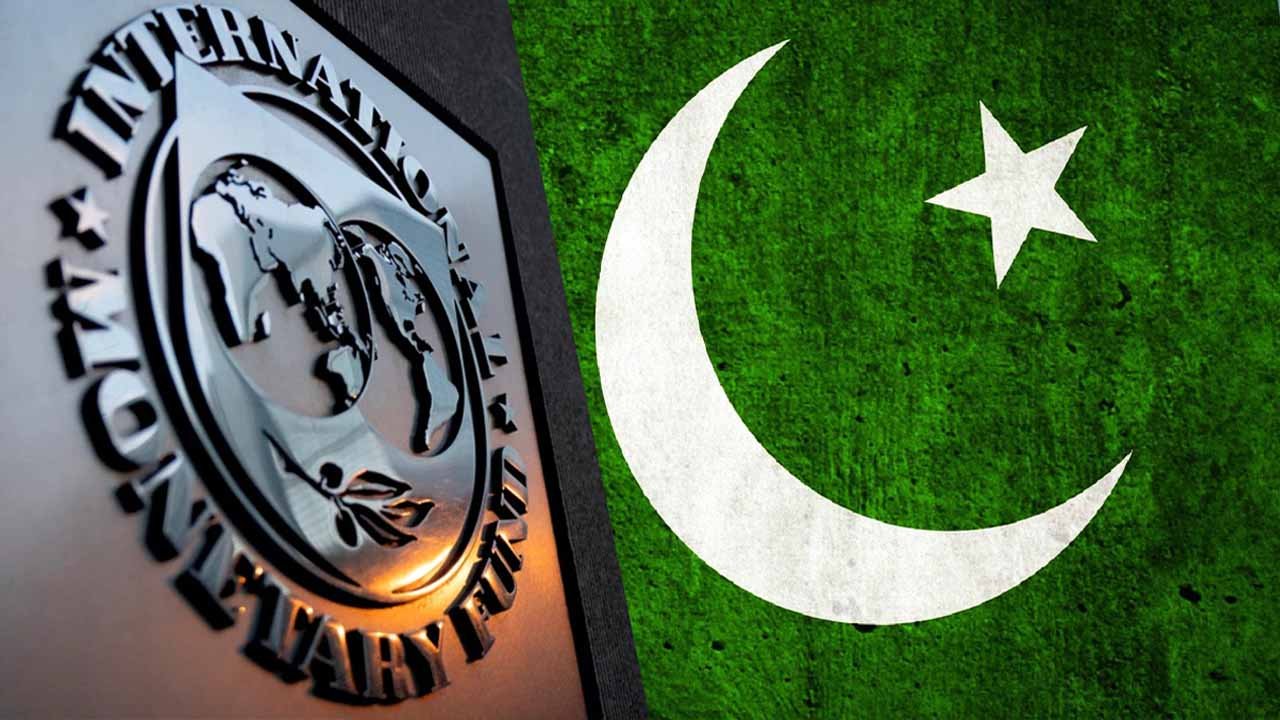
    The International Monetary Fund (IMF) has reportedly urged Pakistan to address the growing concerns surrounding the power sector’s circular debt, which now stands at 4 per cent of the gross domestic product (GDP).

    Despite initial targets for debt reduction not being met, the IMF has not yet made a final decision on its recommendations.

    Sources suggest that the IMF is advocating for an additional hike in gas prices and a reduction in energy sector subsidies, aligning with its persistent calls for such measures.

    It’s noteworthy that no official decision has been reached on these proposals. Simultaneously, Pakistan and the IMF have collaborated on a comprehensive privatisation plan, focusing on state-owned entities (SOEs) that have incurred significant losses.

    This strategic move aims to address the financial challenges faced by these institutions. The Central Monitoring Unit will meticulously evaluate the extent of losses, with findings submitted to the IMF.

    A crucial aspect of the privatization plan involves transferring control of power distribution companies to the private sector. This shift is expected to mitigate losses and improve efficiency in the power sector, aligning with the IMF’s overarching demand for comprehensive reforms in the energy sector.

  • Nepra approves Rs1.46 per unit fuel charge adjustment

    Nepra approves Rs1.46 per unit fuel charge adjustment

    In the midst of widespread protests over surging electricity bills in Pakistan, the National Electric Power Regulatory Authority (Nepra) has taken a significant step.

    They have given the green light for power distribution companies to impose an additional charge of Rs1.46 per unit on consumers in the form of a fuel charge adjustment (FCA) for the month of July.

    This decision, rooted in the Regulation of Generation, Transmission, and Distribution of Electric Power Act of 1997, comes as an attempt to address financial challenges in the power sector.

    The FCA, however, excludes electric vehicle charging stations (EVCS) and lifeline consumers. This means that this adjustment will be itemised separately on consumers’ bills based on their electricity usage in July 2023. The billing for this adjustment is scheduled for September 2023.

    The background to this move involves costly imported coal inventory held by coal-based power plants, particularly the Sahiwal coal power plant, and limitations in the power transmission system. The latter includes issues such as the HVDC transmission line’s inability to efficiently transport cost-effective power from southern generators. These factors have placed a considerable financial burden on power consumers.

    This tariff increase compounds the woes of consumers, who are already grappling with record inflation, high fuel prices, and elevated electricity rates. As a result, consumers are expected to bear a cumulative burden of Rs24.76 billion in their September 2023 bills due to over 14 billion units sold in July.

    In response to public protests and growing dissatisfaction, the interim government, led by Prime Minister Anwaar-ul-Haq Kakar, has sought assistance from the International Monetary Fund (IMF) to provide immediate relief to electricity consumers.

    According to Geo News, Pakistan is under an IMF programme, making any relief or subsidy contingent upon IMF approval. Negotiations between the government and the IMF have been intense, resulting in some relief for consumers using up to 200 units, allowing them to pay electricity bills in installments.

    However, the IMF rejected the government’s plan to provide relief to those consuming up to 400 units of electricity per month, which could have benefited 32 million consumers. Instead, the IMF stressed the need to address electricity and gas theft and improve revenue collection.

    Furthermore, the IMF has proposed a 45 to 50 per cent increase in gas tariffs starting July 1, pending approval by the federal cabinet. These developments reflect a challenging situation in Pakistan’s energy sector as the government grapples with the need for reform amid rising consumer discontent.

  • Load shedding and unbearable hike in electricity prices hit Pakistani homes and businesses

    Load shedding and unbearable hike in electricity prices hit Pakistani homes and businesses

    Pakistan is facing an ongoing and unbearable increase in electricity tariffs, causing hardships for the majority of the population. The government justifies these price hikes by claiming they are under pressure from the International Monetary Fund (IMF) to generate more revenue. However, the tariff increase is mainly due to fuel price adjustments and high taxes imposed by the government.

    Consumers, especially low- to middle-class households, are struggling to pay their electricity bills, which have more than doubled. The rise in fuel price adjustments and government taxes further exacerbates the burden on consumers. The government’s commitment to the IMF to implement a fifty per cent increase in the base tariff from July to October contributes to the escalating bills.

    Unfortunately, the increase in electricity prices is expected to continue, and there is no progress in essential power sector reforms to reduce system losses, corruption, power theft, and reliance on imported fuels. As a result, the National Electric Power Regulatory Authority (NEPRA) has raised the average tariff to ensure funds for loss-making power distribution companies, putting additional financial strain on consumers.

    The government claims that the tariff increase is necessary to meet the IMF’s requirements and support energy sector viability. However, the business community also suffers, fearing a loss of competitiveness and increased costs. Industries have cut down production due to high energy prices and inflation, affecting economic growth and job creation.

    Many argue that successive governments have failed to implement essential structural reforms, leading to Pakistan’s economic predicament. The solution proposed by economists involves fixing the energy sector’s deep-rooted issues, taxing sectors adequately, and implementing a credible privatization plan to reduce pressure on the budget.

    In conclusion, Pakistan’s never-ending increase in electricity tariffs has become a major burden for the population, and without significant reforms, the situation is unlikely to improve. The government’s need to meet IMF requirements clashes with the urgency of boosting industrial activity and economic growth, leaving the country in a challenging economic predicament.

  • Energy ministry announces uninterrupted power supply during sehr, iftar and taraweeh in Ramzan

    Energy ministry announces uninterrupted power supply during sehr, iftar and taraweeh in Ramzan

    The Ministry of Energy announced on Wednesday that no loadshedding will take place during sehr, iftar and taraweeh in the holy month of Ramzan, in accordance with the instructions of Prime Minister Shehbaz Sharif.

    The Prime Minister has directed for an uninterrupted supply of electricity during Ramzan, and the ministry has subsequently issued directives to power distribution companies to ensure this.

    The ministry has requested that DISCOS ensure the supply of electricity during sehr, iftar, and taraweeh, with zero load management an hour before and after sehr, and one hour before iftar and three hours after.

    According to Geo, control rooms will be established at the operation circle level to guarantee an uninterrupted supply of power. Additionally, special teams have been formed to address grievances at division and sub-division levels.

    In the event of transformer failure, additional transformers and trolleys will be made available. Today (Wednesday), the Central Ruet-e-Hilal Committee will convene in Peshawar for the sighting of the Ramzan ul Mubarak 1444 AH moon.