Tag: power distribution companies

  • PIA to be privatised: assets, debt and staff to be transferred

    PIA to be privatised: assets, debt and staff to be transferred

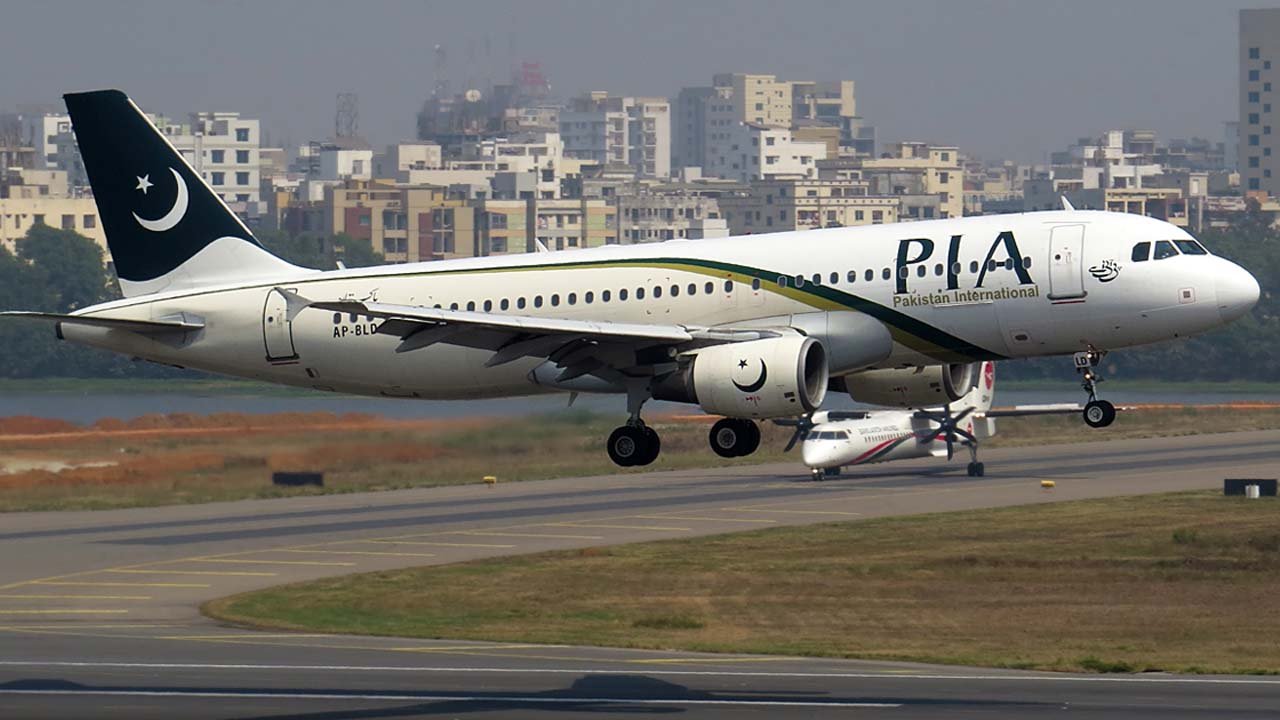
    Pakistan International Airlines (PIA), which has been running at a loss, has unveiled its privatisation plan. Sources indicate that this plan encompasses not only the privatisation of PIA but also the power distribution companies and the revival of Pakistan Steel Mills.

    Furthermore, it has been reported that the process of appointing a financial advisor for PIA’s privatisation is underway. While PIA’s affiliated institution will remain unaffected by privatisation, plans have been solidified to address issues related to PIA’s debt and government guarantees.

    According to ARY News, the Privatisation Commission sources have disclosed that, under the current circumstances, Pakistan Steel Mills cannot be privatised. However, efforts will be made to enhance the mill’s production and capabilities to attract potential investors.

    It’s worth noting that the restructuring plan for the privatisation of Pakistan International Airlines (PIA) is progressing rapidly. The PIA administration has invited applications from legal and corporate firms for assistance in this restructuring plan. The Department of Contract Management has been instructed to forward these applications by October 6.

    The assets of PIA, including properties, debts, aircraft, and employees, will be transferred to the new company, presenting PIA as a debt-free organisation to potential investors.
  • Power sector’s circular debt surpasses Rs2 trillion despite massive tariff increase 

    Power sector’s circular debt surpasses Rs2 trillion despite massive tariff increase 

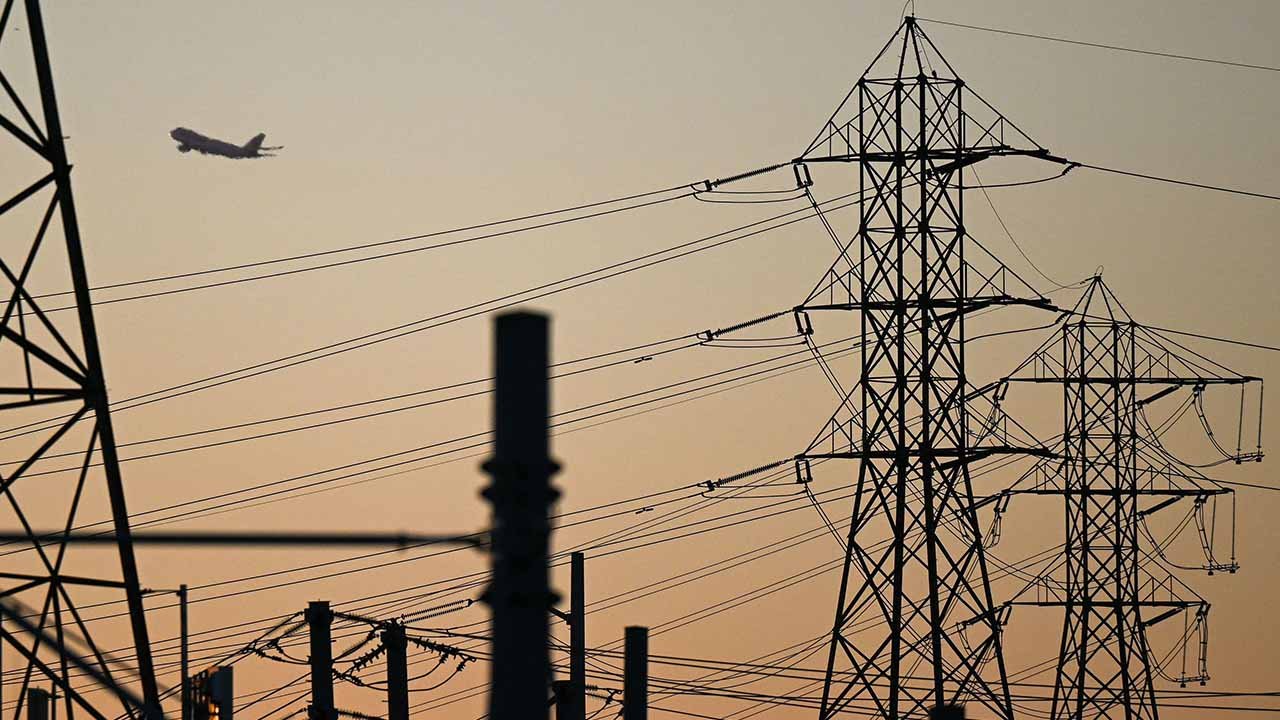
    Despite raising tariffs significantly, Pakistan’s power sector debt grew to Rs2.31 trillion by June 2023, up from Rs2.25 trillion in the previous fiscal year (FY22). This increase of Rs57 billion (about 3 per cent) over 12 months is quite different from FY22 when the debt actually decreased by Rs27 billion. 

    Here’s a breakdown of the key points: 

    1. In FY22, the debt was Rs2.25 trillion, but by June 2023, it had risen to Rs2.31 trillion. 

    2. In FY22, power producers were owed Rs1,351 billion, generation companies owed Rs101 billion to fuel suppliers, and Rs800 billion was held in Pakistan Holding Limited (PHL).  

    3. In FY22-23, the debt to power producers increased to Rs1,434 billion, while the debt to PHL decreased to Rs765 billion in FY23. 

    4. In FY22, some subsidies were reduced by Rs12 billion, but in FY23, there were no subsidies left. 

    5. The interest charges on delayed payments by independent power producers (IPPs) increased to Rs105 billion in FY22 but dropped to Rs100 billion by the end of FY23. 

    6. The markup paid on IPPs’ claims by PHL increased from Rs29 billion in FY22 to Rs43 billion in FY23. 

    7. The pending generation cost, including tariff adjustments and fuel charges, decreased from Rs414 billion in FY22 to Rs250 billion in FY23. 

    8. K-Electric’s outstanding dues went from Rs107 billion in FY22 to an excess payment of Rs53 billion in FY23. 

    9. However, power distribution companies (Discos) saw their losses due to inefficiency rise from Rs133 billion to Rs160 billion in FY23. 

    Read more: Pakistan to launch digital rupee to reduce printing and distribution costs 

    In simple terms, even though the government raised tariffs to collect more money for the power sector, the debt continued to increase. This debt is owed to various power-related entities, and some subsidies and charges also changed over the years. Additionally, while some costs went down, the losses due to inefficiencies in power distribution increased.