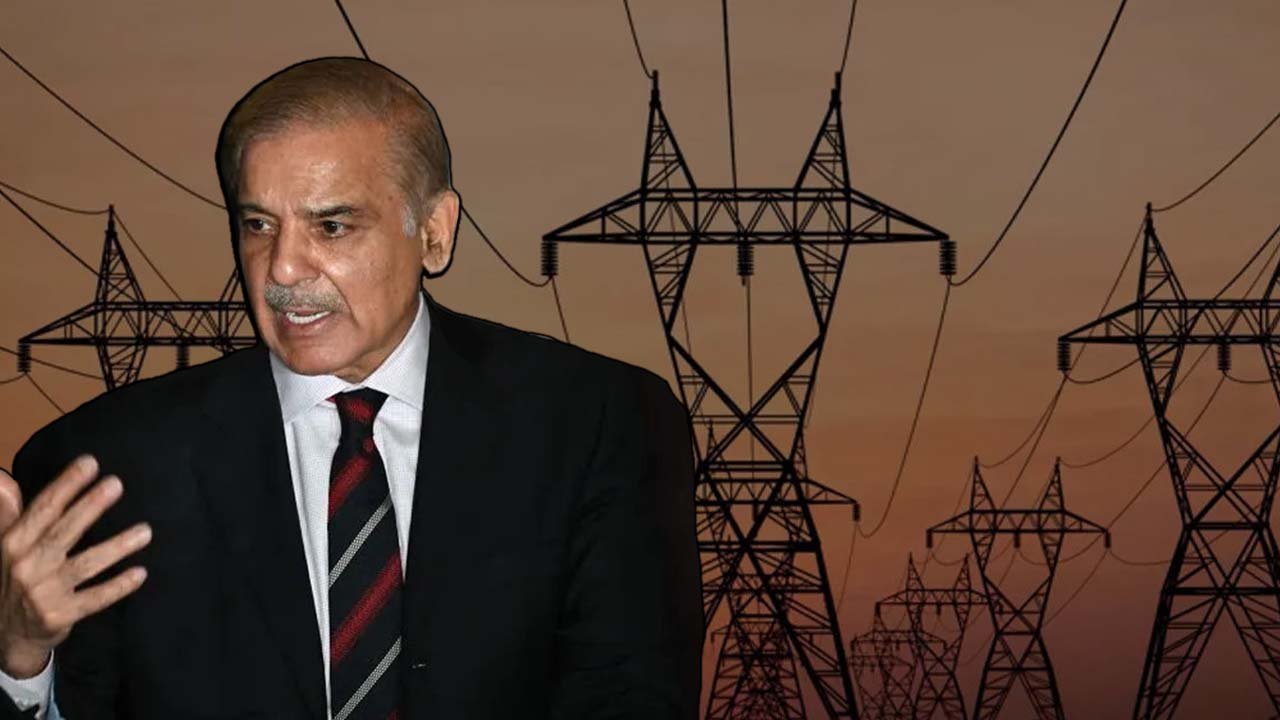
With only three days remaining to resolve differences, Prime Minister Shehbaz Sharif approved an increase in electricity prices on Monday in an attempt to reach an agreement with the International Monetary Fund (IMF). The annual base tariff is expected to increase by approximately 33 per cent.
The decision was made during a virtual meeting held at the Prime Minister House after the IMF maintained its stance that Pakistan must fulfill its prior commitments.
Sources familiar with the discussions indicated that there may be an average increase of Rs7.74 per unit in the base tariffs, but the increase for higher consumption levels will be much higher. Despite this, the Prime Minister still hopes that the Power Division can negotiate with the IMF to reduce the demanded increase.
With the Prime Minister’s approval, the revised circular debt reduction plan, which includes details of the increase in prices due to quarterly and annual base tariff adjustments, will be shared with the IMF today.
Power Minister Khurram Dastgir declined to comment on whether the Prime Minister had agreed to increase electricity prices, including the maximum increase for high-end consumers.
According to sources, the IMF is seeking a 50 per cent increase in prices, while the government is proposing a range of 20 per cent to 33 per cent increase. The discussions began on January 31st and the IMF delegation was in Islamabad until February 9th.
The IMF has stated that it is in Pakistan at the request of Prime Minister Shehbaz Sharif, with the expectation that the government will implement all of its outstanding actions, including tax increases. If the IMF agrees to the measures proposed by the government, a meeting between Finance Minister Ishaq Dar and IMF Mission Chief Nathan Porter may take place the same day to finalise the measures.
The sources stated that the Power Division presented several options for increasing tariffs to the Prime Minister, including a Rs4.26 per unit increase in quarterly tariffs and a Rs7.74 per unit average increase in the base tariff.
The IMF has asked the government of Pakistan to increase electricity prices by over Rs12 per unit to fully cover the additional budget subsidy demand of Rs675 billion. The Power Division believes it can recover Rs43 billion with a lag from July to December 2023, reducing the need for a price hike by the same amount.
During budget planning, the government allocated only Rs355 billion for power subsidies in the current fiscal year, but the Power Division has requested an additional Rs675 billion in subsidies, bringing the total requirement to over Rs1.03 trillion. In a recent meeting, it was noted that the delayed decision-making has increased the cost of reviving the IMF program.
The government still hopes the IMF will consider absorbing some of the increase through subsidies, but these subsidies must be supported by additional revenue measures. The IMF also refused the government’s request to exempt up to 300 units for consumers from the price increase, remaining firm on its stance to raise prices for consumers who use 200 units or more per month.
According to Express Tribune, the Prime Minister has given direction to implement a maximum increase in electricity prices to those with high consumption levels. However, these consumers may struggle to bear the additional cost, which is primarily due to political decisions such as subsidies for exporters and insufficient subsidies in the budget, as well as inefficiencies in the power sector.