Tag: power tariff

  • Major relief announced for power consumers using less than 200 units

    Major relief announced for power consumers using less than 200 units

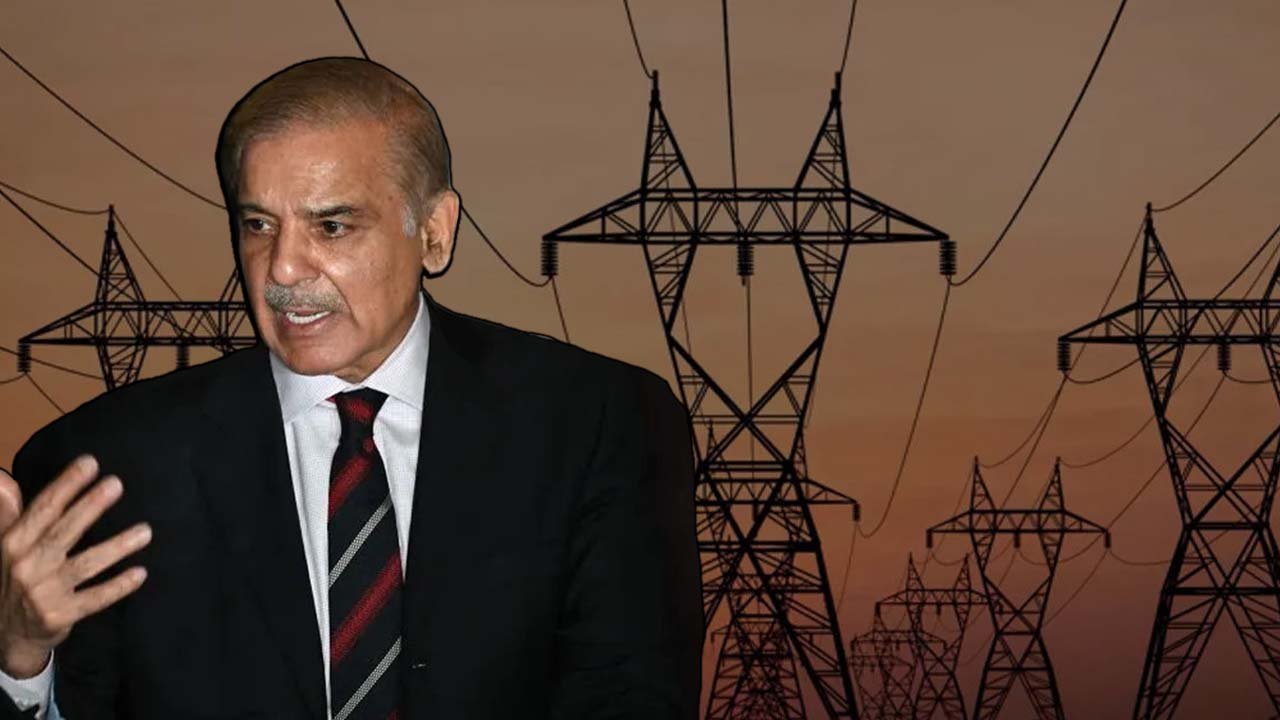
    Prime Minister Shehbaz Sharif has unveiled a substantial relief package worth Rs50 billion aimed at domestic electricity consumers.

    This initiative, set to benefit those using up to 200 units per month, will be in effect for the months of July, August, and September.

    The announcement was made during a ceremony on energy sector reforms held in Islamabad this afternoon. According to the Information Ministry, the relief package is designed to assist 25 million domestic consumers, which constitutes 94 per cent of the total domestic user base.

    Under the terms of the package, the cost of electricity per unit will range between Rs4 and Rs7. This subsidy will also extend to K-Electric consumers. The PM noted that the funding for this initiative will come from the development fund.

    “This decision has been taken to provide relief to the common man in the wake of rising electricity prices,” PM Shehbaz stated

    He acknowledged that the summer months are particularly challenging due to higher electricity consumption. However, he expressed optimism that from October onwards, as the weather cools, electricity usage will naturally decrease.

    PM Shehbaz also reiterated his commitment to addressing the country’s economic challenges, emphasising that tackling corruption is essential for economic recovery. He assured the public that the coalition government is united in its efforts to overcome these difficulties.

  • NEPRA hikes basic electricity tariff by Rs5.72 to Rs35.50 per unit

    NEPRA hikes basic electricity tariff by Rs5.72 to Rs35.50 per unit

    The National Electric Power Regulatory Authority (NEPRA) has announced an increase in the basic electricity tariff by Rs5.72 per unit, effective from July 1, 2024. This hike will raise the current base tariff from Rs29.78 to Rs35.50 per unit.

    The capacity charges, which form a significant portion of the base price, amount to Rs18.10 per unit, constituting 51 per cent of the total cost. Consequently, the total capacity payment is projected to reach approximately Rs2.091 trillion for the fiscal year 2025.

    This proposal has been submitted to the federal government for final approval. The government will decide whether to implement the increase immediately or phase it in over time.

    It is important to note that in the current fiscal year (FY24), the electricity tariff was increased by Rs7.50 per unit, while in the previous fiscal year (FY23), the government implemented an increase of Rs7.91 per unit.

    In a contrasting move, Prime Minister Shehbaz Sharif announced on Friday a substantial reduction of Rs10.69 per unit in the electricity tariff for the industrial sector. This reduction is part of the Prime Minister’s historic power package aimed at bolstering the country’s industrial sector.

    Additionally, the petrol price has been reduced for the fourth consecutive time, decreasing by Rs10.20 to Rs258.16 per litre.

  • NEPRA approves Rs5.40 per unit power tariff increase for quarterly adjustment

    NEPRA approves Rs5.40 per unit power tariff increase for quarterly adjustment

    The National Electric Power Regulatory Authority (NEPRA) has given its approval for a quarterly adjustment, resulting in an increase of Rs5.40 per unit in the power tariff.

    This adjustment comes as NEPRA recognises the limitations of the current structure of electricity distribution companies in providing relief to consumers. However, it’s important to note that this revised tariff won’t apply to Lifeline and K-Electric consumers.

    According to Samaa, NEPRA’s decision to revise the tariff comes after a thorough review of requests from distribution companies to raise the tariff by Rs5 per unit for the fourth quarter of the fiscal year 2022–23. Among these requests, FESCO, GEPCO, HESCO, and IESCO sought increases of Rs23.49 billion, Rs16.13 billion, Rs9 billion, and Rs9 billion, respectively.

    Additionally, LESCO requested a substantial increment exceeding Rs31 billion, while MEPCO, PESCO, QESCO, SEPCO, and TESCO collectively proposed tariff hikes totaling Rs27 billion, Rs9 billion, Rs7 billion, Rs5 billion, and Rs4 billion.

    Consumers should be aware that this tariff adjustment will be gradually recovered during September, October, and November, resulting in an added financial burden of Rs5.40 per unit.

    Distribution companies, in their submissions, highlighted revenue challenges stemming from decreased industrial demand. Particularly, LESCO faced a deficit of three billion units of electricity due to climate-related issues and industrial shutdowns. Both LESCO and HESCO faced higher capacity charges due to industry closures and reduced demand.

    Presently, there’s a backlog of approximately 350,000 pending connections with distribution companies. To recover revenue and address declining demand, the Central Power Purchasing Agency imposed surcharges amounting to Rs7.91.

  • Big power consumers to face increased tariff due to IMF conditions

    Big power consumers to face increased tariff due to IMF conditions

    The Economic Coordination Committee (ECC) of the Cabinet approved the removal of subsidies in electricity tariffs for the export-oriented sector and the Kissan package in order to meet one of the International Monetary Fund’s (IMF) preconditions for reaching a staff-level agreement.

    Federal Minister for Finance and Revenue Senator Ishaq Dar presided over the meeting, where the revenue and fiscal measures were discussed to fulfill the IMF’s demands.

    The recently concluded 10-day IMF mission in Islamabad had energy sector reforms and reducing the circular debt as the main focus of the talks. However, the IMF team left without signing an agreement and requested that Pakistan take corrective measures. The ECC meeting was convened to evaluate the situation and implement necessary steps.

    The government approved a revised Circular Debt Management Plan (CDMP) that includes quarterly tariff adjustments, a deferred fuel price adjustment, and a surcharge of Re1 per unit for large power consumers. The approved tariff hike ranges from Rs7-8 per unit until August 2023, with the consumer base tariff expected to increase from Rs15.28 per unit in June 2022 to Rs23.39 per unit by June 2023.

    According to sources, the IMF had requested the government to raise the base tariff by Rs4.06 per unit, but this request was not approved under the revised CDMP. It is yet to be determined how the IMF’s demand was incorporated into the Memorandum of Economic and Financial Policies (MEFP) that was presented to Pakistan on February 10, 2023.

    If the IMF continues to insist on a higher base tariff, it is estimated that the Pakistani authorities will have to raise the tariff by a range of Rs9 to 11 per unit.

    The government has so far protected electricity users consuming 300 units or less from a planned tariff increase. However, the revised Circular Debt Management Plan (CDMP) does not address the IMF’s demand for a higher base tariff in order to reduce the need for an additional subsidy of Rs335 billion.

    In accordance with IMF directives, the additional subsidy requirement has been reduced from Rs675 billion to Rs335 billion, and the government has indicated that it will be included as part of the circular debt management plan.

  • PM Shehbaz approves hike in gas and electricity tariffs to fulfill IMF demands

    PM Shehbaz approves hike in gas and electricity tariffs to fulfill IMF demands

    With only three days remaining to resolve differences, Prime Minister Shehbaz Sharif approved an increase in electricity prices on Monday in an attempt to reach an agreement with the International Monetary Fund (IMF). The annual base tariff is expected to increase by approximately 33 per cent.

    The decision was made during a virtual meeting held at the Prime Minister House after the IMF maintained its stance that Pakistan must fulfill its prior commitments.

    Sources familiar with the discussions indicated that there may be an average increase of Rs7.74 per unit in the base tariffs, but the increase for higher consumption levels will be much higher. Despite this, the Prime Minister still hopes that the Power Division can negotiate with the IMF to reduce the demanded increase.

    With the Prime Minister’s approval, the revised circular debt reduction plan, which includes details of the increase in prices due to quarterly and annual base tariff adjustments, will be shared with the IMF today.

    Power Minister Khurram Dastgir declined to comment on whether the Prime Minister had agreed to increase electricity prices, including the maximum increase for high-end consumers.

    According to sources, the IMF is seeking a 50 per cent increase in prices, while the government is proposing a range of 20 per cent to 33 per cent increase. The discussions began on January 31st and the IMF delegation was in Islamabad until February 9th.

    The IMF has stated that it is in Pakistan at the request of Prime Minister Shehbaz Sharif, with the expectation that the government will implement all of its outstanding actions, including tax increases. If the IMF agrees to the measures proposed by the government, a meeting between Finance Minister Ishaq Dar and IMF Mission Chief Nathan Porter may take place the same day to finalise the measures.

    The sources stated that the Power Division presented several options for increasing tariffs to the Prime Minister, including a Rs4.26 per unit increase in quarterly tariffs and a Rs7.74 per unit average increase in the base tariff.

    The IMF has asked the government of Pakistan to increase electricity prices by over Rs12 per unit to fully cover the additional budget subsidy demand of Rs675 billion. The Power Division believes it can recover Rs43 billion with a lag from July to December 2023, reducing the need for a price hike by the same amount.

    During budget planning, the government allocated only Rs355 billion for power subsidies in the current fiscal year, but the Power Division has requested an additional Rs675 billion in subsidies, bringing the total requirement to over Rs1.03 trillion. In a recent meeting, it was noted that the delayed decision-making has increased the cost of reviving the IMF program.

    The government still hopes the IMF will consider absorbing some of the increase through subsidies, but these subsidies must be supported by additional revenue measures. The IMF also refused the government’s request to exempt up to 300 units for consumers from the price increase, remaining firm on its stance to raise prices for consumers who use 200 units or more per month.

    According to Express Tribune, the Prime Minister has given direction to implement a maximum increase in electricity prices to those with high consumption levels. However, these consumers may struggle to bear the additional cost, which is primarily due to political decisions such as subsidies for exporters and insufficient subsidies in the budget, as well as inefficiencies in the power sector.
  • NEPRA okays Rs3.21 per unit hike in power tariff

    NEPRA okays Rs3.21 per unit hike in power tariff

    A quarterly adjustment of Rs3.21 per unit of power for the period of April to June 2022 has been approved by the National Electric Power Regulatory Authority (NEPRA).

    A further burden of Rs93.95 billion will be placed on energy consumers as a result of the most recent price increase. To be effective as of October 1, 2022, the authority transmitted its decision to the federal government.

    According to specifics, the prior adjustments’ time period ended on September 3, 2022. As of October 1, the electricity customers will not receive any respite as the authority implements fresh adjustments immediately following the expiration of the prior adjustment.

    For K-Electric customers, the NEPRA earlier in the day authorised a cut in power rates of Rs4.89 per unit due to a fuel cost adjustment (FCA) for August 2022.

    The notification states that, in contrast to KE’s plea for Rs4.21, the fuel cost adjustment for K-Electric customers would be reduced by Rs4.89 per unit. However, it specified that the tariff cut for July would only be valid for that particular month.

    According to the NEPRA, all consumer categories would be affected by the drop in FCA, with the exception of lifeline consumers, home consumers consuming up to 300 units, agriculture consumers, and EVCS (Electric Vehicle Charging Station).

  • PM orders discos to suspend staff leaves and work nonstop to correct electricity bills

    PM orders discos to suspend staff leaves and work nonstop to correct electricity bills

    The staff of power distribution companies (DISCOs) must work nonstop to correct the electricity bills of consumers using less than 200 units per month, following a directive from Prime Minister (PM) Shehbaz Sharif.

    He gave the order for all staff members’ leaves to be ended, the bills should be corrected right away, and a report should be given to him. In order to deposit electricity bills in the upcoming days, he continued, the banks should be instructed to stay open.

    PM Shehbaz gave the orders while presiding over a high-level meeting to address the issues facing electricity consumers.

    Furthermore, a high-level committee was formed by the prime minister to address the issues of power users.

    The gathering was informed that efforts are being made to ensure the adoption of the relief package for power consumers that the prime minister had announced. According to him, bill adjustments are being made as part of the relief for 16.6 million consumers related to the change in fuel prices.

    The relief measures must be put into effect right away, according to directives issued by the prime minister.

  • Cabinet approves Rs7.91 per unit increase in power tariff

    Cabinet approves Rs7.91 per unit increase in power tariff

    After several postponements, the Federal Cabinet finally decided to approve the Rs7.91 per unit increase in the power tariff.

    The Federal Minister of Power, Khuram Dastgir, and Minister of Petroleum, Musadik Malik, made the announcement during a press conference.

    Dastgir claimed that because Prime Minister (PM) Shehbaz Sharif wanted to provide relief to the masses. The consent was not given until 45 per cent of the population had been exempted from the tariff increase.

    Musadik Malik, the minister of petroleum, disclosed that by leaving out the protected sector, the homes with consumption of less than 200 units per month, or up to 90 million people, had been left out of the price increase.

    Previously, the government’s proposal for the tariff increase was subject to the National Electric Power Regulatory Authority’s (NEPRA) reserve decision, according to Dawn.

    In accordance with the approval, the government will raise the rate by Rs3.5 per unit starting on July 26. A similar price rise will be implemented in August. The cost would then be raised by Rs0.91 per unit in October by the government, bringing the total rise to Rs7.91.

    Malik blamed the previous administration’s lack of frequent fuel adjustments and transmission losses rebasing for the sharp increase in tariffs. Fuel surcharges were raised without notifying the public at the final rebasing, which took place in February 2021.

    The power minister informed the media that the present administration had paid Rs214 billion toward circular debt, bringing the total down from Rs2,476 billion on March 31, 2022, to Rs2,253 billion on June 30, 2022.

  • Nepra approves price increase of Rs9.66 per unit for Karachi

    Nepra approves price increase of Rs9.66 per unit for Karachi

    On account of the fuel cost adjustment (FCA) for May 2022, the National Electric Electricity Regulatory Authority (Nepra) allowed K-Electric to increase its power rate by Rs9.66 per unit on Monday.

    According to Aaj News, Nepra will make the announcement following careful consideration.

    In order to transfer the financial burden of Rs22.65 billion to consumers for May 2022, K-Electric requested an increase of Rs11.34 per unit.

    Officials from Nepra questioned K-Electric during a hearing about why it wasn’t buying less expensive electricity and offered to help K-Electric establish a connection with the provincial and federal governments for this reason.

    The power distributor also questioned K-Electric’s decision not to use the inexpensive oil it had acquired for power production.

    Nepra’s representatives responded that the company was using peak hours, which are from 6:30 PM to 10:30 PM, to provide electricity and that the cost of power is much greater at these times.

    The FCA estimate for May 2022, according to K-Electric, was based on the requested rate for the month from CPPA-G and is subject to change based on a decision to be made by Nepra.

    In its FCA adjustment request, the power utility informed the regulator that it imports from outside sources and dispatches power from its own generating units (with the available fuel resources) in accordance with economic merit orders (EMOs).

  • NEPRA hikes power tariff by Rs2.86 per unit

    NEPRA hikes power tariff by Rs2.86 per unit

    The National Electric Electricity Regulatory Authority (NEPRA) has increased the power price by Rs2.86 per unit for the month of March 2022 due to Fuel Charges Adjustment (FCA) and also issued a notification in this regard.

    As per NEPRA’s notice, power consumers of Ex Wapda Distribution Companies (DISCOS) will be charged an increase of Rs2.86 per unit on account of FCA for March 2022 in their electricity bills for May 2022, resulting in an added strain of Rs29 billion on consumers, along with General Sales Tax (GST).

    The Central Power Purchasing Agency (CPPA) had urged the administration to raise the electricity tariff by Rs3.16 per unit. Except for lifeline and K-Electric (KE) customers, the hike will apply to all consumer categories.

    Read more: Pakistan starts oil and gas production from Dhok Sultan DS X-1

    Moreover, the authority also announced Rs1.38 per unit increase for K-Electric customers. For the month of February 2022, Karachi Electric (KE) requested an increase of Rs3.45 per unit. The hike will be billed to electricity customers in May 2022, according to the announcement. Except for lifeline customers who use less than 100 units per month, the tariff increase would affect all KE customers.