Tag: power

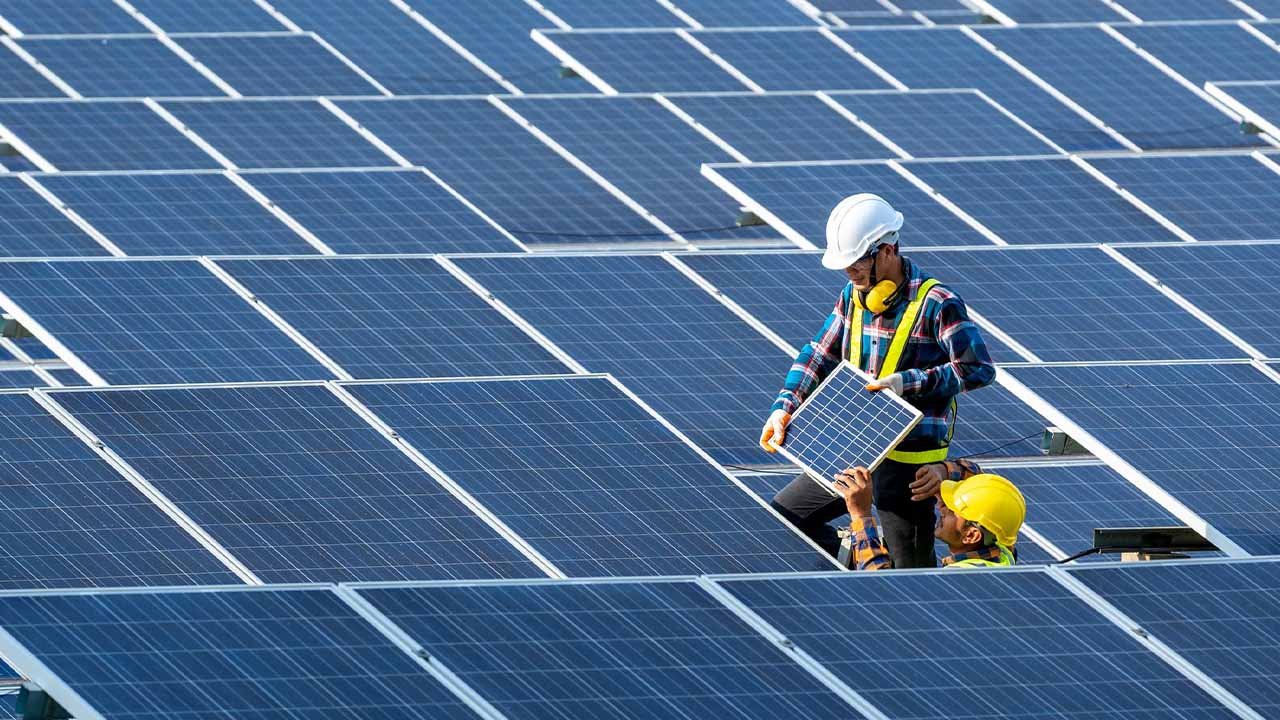
  • Govt may add 9,000 MW solar energy to national grid as an alternative power source

    Govt may add 9,000 MW solar energy to national grid as an alternative power source

    The federal government intends to prioritise the addition of 9,000 megawatts (MW) of solar energy to the national grid.

    According to Express Tribune,  the government may spend money on producing 6,000 MW of solar energy. A scheme to install 2,000 MW of solar photovoltaic (PV) power on 11 kV feeders is also being considered. The government has chosen a number of locations in south Punjab for this purpose.

    By solarizing the public-sector buildings, the government will also add 1,000 MW of solar energy to the national grid.

    Through a single-stage, two-envelope bid process and a tariff indexation of 70 per cent every three months, the authorities will implement a straight-line tariff. In this regard, it aims to provide friendly nations with competitive tariffs.

    The government may acquire all the electricity produced on a 25-year BOOT (Build, Own, Operate, and Transfer) basis due to increased demand. It also intends to guarantee power off-take and offer the land for the projects.

    Additionally, the government intends to exempt all investors from import customs and other taxes, as well as from income tax on gains and profits for the first ten years.

    Incentives for the 4MW solar generation to be installed at 11kv feeders through a bid process may also be announced by the Ministry of Energy.

    In this context, the government can propose a straight-line tariff and a quarterly 50 per cent Pak CPI indexation with a 15 per cent maximum. Additionally, a bid/lease procedure will be used to install the solar rooftop system.
  • Miftah assures to address the issues of business community

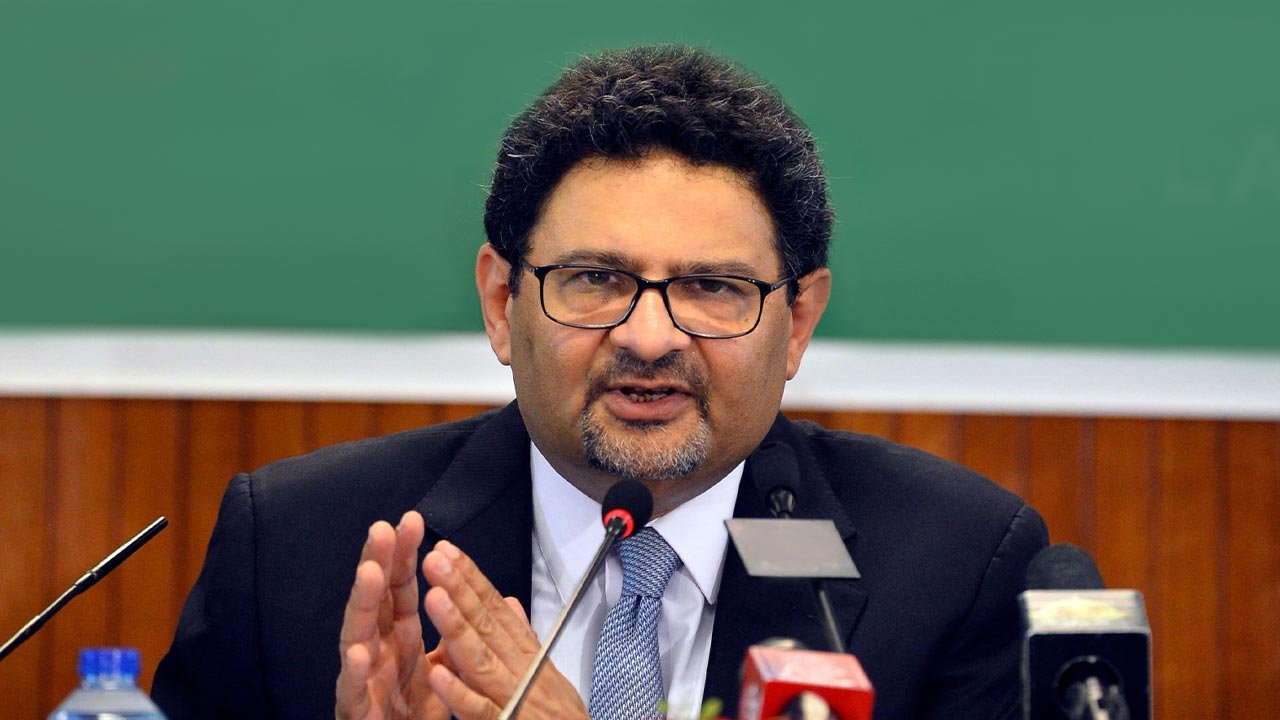
    Miftah assures to address the issues of business community

    Finance Minister Miftah Ismail has assured the business community that their problems related to electricity bills and taxation will be resolved soon.

    He made this announcement during a meeting at the Finance Division with a Markazi Tanzeem-Tajaran Pakistan delegation led by its president, Muhammad Kashif Chaudary.

    Miftah tweeted on Sunday that he would meet with business leaders to discuss their concerns. “The Prime Minister has also called me and instructed me to ensure that small traders are completely satisfied with the new tax law,” Ismail tweeted.

    According to him, the government will exempt stores with invoices of less than 150 units from the tax in an effort to appease small enterprises.

    The government would charge Rs3,000 to retailers who are not registered with the FBR, and neither tax notices nor FBR officers’ visits to their stores will be made.

    Additionally, a new fixed income and sales tax scheme for small business or retailers was suggested. The coalition government in power declared in the budget for 2022–2023 that fixed income and sales taxes would also be collected in addition to electricity bills.

    The amount of this tax, according to Finance Minister Miftah Ismail, will range from Rs3,000 to Rs10,000.

    According to Kashif Chaudary, the business sector is crucial to the nation’s economic growth. Ismail also acknowledged the situation and gave his word that the government will take every necessary action to assist and support the neighbourhood.

    Previously, the business community urged that the federal government immediately stop collecting the “fixed tax” through electricity bills.

    Hasnain Khurshid Ahmad, president of the Sarhad Chamber of Commerce and Industry, stated that the government has been able to collect sales tax from Rs3,000 to Rs20,000 through power bills, which is incomprehensible to local business owners.

    The forced system of “fixed” sale tax on commercial power metres, which did not distinguish between small and large firms or godowns, was a reflection of the government’s anti-business policies and amounted to the economic murder of the community of merchants, according to Khurshid.

  • Cabinet approves Rs7.91 per unit increase in power tariff

    Cabinet approves Rs7.91 per unit increase in power tariff

    After several postponements, the Federal Cabinet finally decided to approve the Rs7.91 per unit increase in the power tariff.

    The Federal Minister of Power, Khuram Dastgir, and Minister of Petroleum, Musadik Malik, made the announcement during a press conference.

    Dastgir claimed that because Prime Minister (PM) Shehbaz Sharif wanted to provide relief to the masses. The consent was not given until 45 per cent of the population had been exempted from the tariff increase.

    Musadik Malik, the minister of petroleum, disclosed that by leaving out the protected sector, the homes with consumption of less than 200 units per month, or up to 90 million people, had been left out of the price increase.

    Previously, the government’s proposal for the tariff increase was subject to the National Electric Power Regulatory Authority’s (NEPRA) reserve decision, according to Dawn.

    In accordance with the approval, the government will raise the rate by Rs3.5 per unit starting on July 26. A similar price rise will be implemented in August. The cost would then be raised by Rs0.91 per unit in October by the government, bringing the total rise to Rs7.91.

    Malik blamed the previous administration’s lack of frequent fuel adjustments and transmission losses rebasing for the sharp increase in tariffs. Fuel surcharges were raised without notifying the public at the final rebasing, which took place in February 2021.

    The power minister informed the media that the present administration had paid Rs214 billion toward circular debt, bringing the total down from Rs2,476 billion on March 31, 2022, to Rs2,253 billion on June 30, 2022.

  • Twitter sues Indian government over content removal directives

    Twitter sues Indian government over content removal directives

    Twitter has sued the Indian government to challenge some of its takedown orders, a source familiar with the matter revealed, further escalating the tension between the American social giant and India.

    In its lawsuit, filed Tuesday in Karnataka High Court, Twitter alleges that New Delhi has abused its power by ordering it to remove several tweets from its platform.

    The lawsuit follows a rough year and a half for Twitter in India, a key overseas market for the firm, where it has been asked to take down hundreds of accounts and tweets, many of which critics argue were objected because they denounced the Indian government’s policies and Prime Minister Narendra Modi.

    Twitter partially complied with the requests but sought to fight back against many challenges. Under India’s new IT rules, which went into effect last year, Twitter has little to no room left to individually challenge the takedown orders.

    The tension between the two was apparent on May 24 last year, when Delhi police, controlled by India’s central government, visited two offices of Twitter — in the national capital state of Delhi and Gurgaon, in the neighboring state of Haryana — to seek more information about Twitter’s rationale to label one of the tweets by ruling partly BJP spokesperson as “manipulated media.”

    Delhi police said it had received a complaint about the classification of the spokesperson’s tweet and visited the offices to serve Twitter India’s head a notice of the inquiry. In a statement, the police said Twitter India’s managing director’s replies on the subject had been “very ambiguous.”

    Twitter at the time described the episode as “intimidation.”

    The company has “concerns with regards to the use of intimidation tactics by the police in response to enforcement of our global Terms of Service, as well as with core elements of the new IT Rules,” it said.

    Twitter India managing director resigned from the firm last year.

    Twitter is not the first tech giant to sue the Indian government. WhatsApp sued New Delhi last year, challenging new regulations that could allow authorities to make people’s private messages “traceable,” and conduct mass surveillance.

    It’s unclear if the new lawsuit will impact Twitter’s proposed acquisition by Elon Musk.

  • Energy sector to get a massive portion of the Rs699 billion subsidy

    Energy sector to get a massive portion of the Rs699 billion subsidy

    The government has proposed allocating Rs699 billion to multiple sectors in order to provide relief to the masses during the new fiscal year 2022-23.

    According to budget estimates, the government plans to boost subsidies by Rs17 billion to Rs699 billion for the next fiscal year, up from Rs682 billion in the previous fiscal year.

    The government has reduced power sector subsidies by Rs26 billion to Rs570 billion for the next fiscal year, down from Rs596 billion in the previous fiscal year and proposed increasing the total subsidy for the power sector for PEPCO by Rs18 billion to Rs275 billion. The budget 2022-23 proposed reducing the subsidy amount for K-Electric by Rs5 billion to Rs80 billion.

    Moreover, subsidies for Independent Power Producers (IPPs) are slashed by Rs39 billion to Rs215 billion for the coming fiscal year.

    The amount of petroleum subsidy has been upped from Rs51 billion to Rs71 billion. During the next fiscal year, the Utility Stores Corporation (USC) will receive a Rs17 billion subsidy. PASSCO will also receive Rs7 billion subsidy.

    During the next fiscal year, Rs8 billion has been set aside for wheat subsidies to Gilgit-Baltistan. For the coming fiscal year, the subsidy for the metro bus service has been increased to Rs4 billion. Similarly, the fertiliser plant subsidy has been increased to Rs15 billion.

    Read more: Govt unveils Rs9.5 trillion budget 22-23, focused on sustainable growth

    The new government has reduced the Naya Pakistan Housing and Development Authority (NAPHDA) subsidy amount to Rs500 million for the next fiscal year, down from Rs30 billion in the previous fiscal year. NAPHDA’s markup subsidy has also been reduced, from Rs.3 billion to Rs.500 million for the coming fiscal year.

  • 17 female students from Pakistan to participate in Energy Scholars Programme in Qatar

    17 female students from Pakistan to participate in Energy Scholars Programme in Qatar

    The US Mission Pakistan has confirmed the commencement of the inaugural four-week Future of Women in Energy Scholars Programme of the US-Pakistan Women’s Council (USPWC). Beginning June 5, 17 outstanding Pakistani female university students will take part in this certificate programme to learn about working in the energy sector.

    By giving young women the chance to study energy issues and energy infrastructure at Texas A&M University’s Qatar campus, this programme will encourage women’s participation and leadership in Pakistan’s energy sector.

    Following their two-week programme in Qatar, the students will return to Pakistan for a two-week familiarisation trip to learn about Pakistan’s energy sector from key Pakistani public and private-sector organisations in Islamabad and Lahore.

    Enrolled Pakistani female students are presently pursuing bachelor’s degrees in science and engineering at private and public universities across the country.

    The US Mission is assisting Pakistani women in pursuing career opportunities in the energy sector and in developing networks for a prosperous future through this programme. “The USPWC Future of Women in Energy Scholars Program will give young women hands-on experience in the energy sector,” said USPWC Executive Director Radhika Prabhu.

  • 40-50 per cent hike expected in gas tariff

    40-50 per cent hike expected in gas tariff

    The government plans to hike the system gas tariff by up to 50 per cent as part of its efforts to gain access to the International Monetary Fund (IMF) bailout.

    The Ministry of Energy anticipates the Oil and Gas Regulatory Authority (OGRA) determining the revenue requirement for the coming fiscal year in June. As per The News, which cited sources, the tariff increase will take effect on July 1, 2022.

    Sui Southern Gas Company Limited (SSGC) and Sui Northern Gas Pipelines Limited (SNGPL), according to an Energy Ministry official, have suffered massive combined losses of Rs550 billion in recent years.

    Both are losing money since the system gas rate has not been raised in a long time. SNGPL is expected to lose Rs350 billion, while SSGC is expected to lose roughly Rs200 billion.

    OGRA will now calculate the system gas tariff under the modified OGRA statute. The IMF has encouraged the government to ensure that gas firms do not lose money as a result of the gas tariff’s stagnation, as well as to follow the modified OGRA law in its entirety.

    It’s worth noting that the government raised the price of petroleum goods by Rs30 per liter last week after the IMF stated that the bailout package would not be resumed unless the country ended petroleum product subsidies.

  • Govt considering gas import contract with countries including Russia

    Govt considering gas import contract with countries including Russia

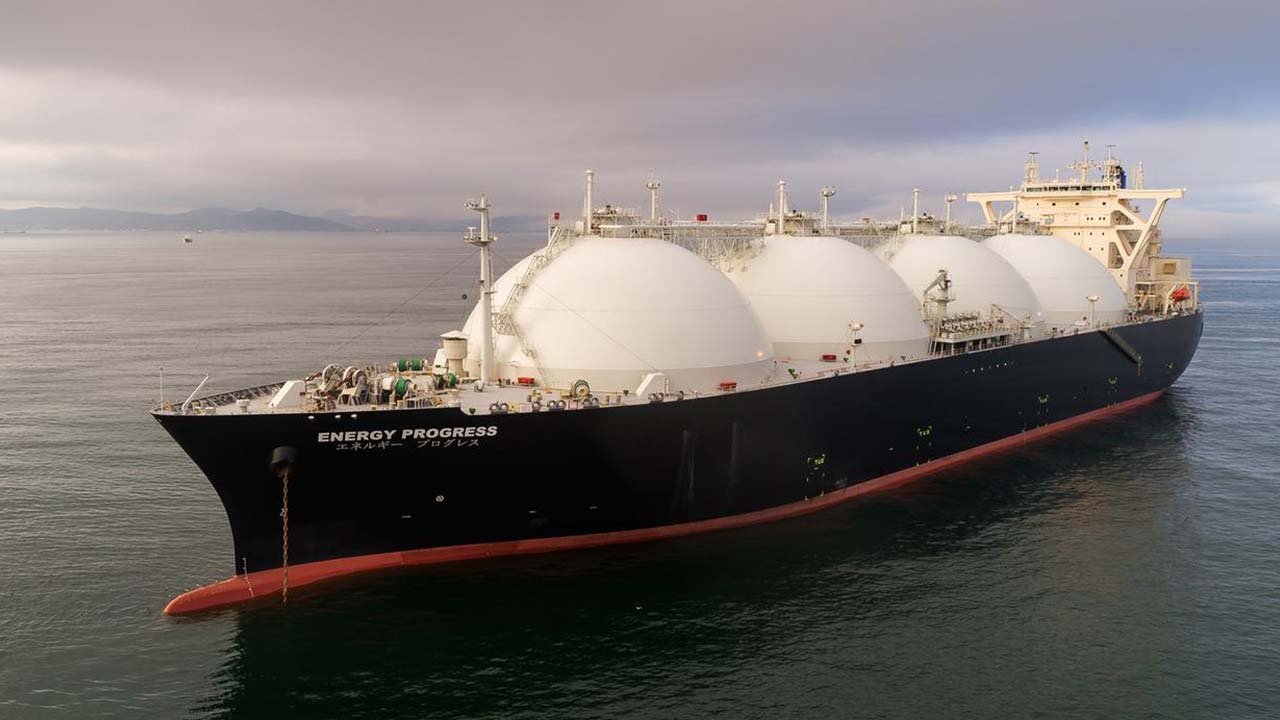
    Pakistan is in talks with multiple countries, including Russia, to sign a liquefied natural gas (LNG) import agreement in order to alleviate the country’s ongoing energy supply crisis.

    According to Bloomberg, the Ministry of Energy will go for the ‘most favourable deal’ and is considering government-to-government contracts for importing the gas.

    This action came as Pakistan battles blackouts caused by a fuel crisis caused by long-term suppliers’ failure to deliver shipments. To keep the lights on, the government previously resorted to purchasing LNG on the spot market, incurring debt that endangers worsening inflation on a massive scale.

    The government of Prime Minister (PM) Shehbaz Sharif, which took office on April 11, hopes to capture a new long-term LNG contract to help reduce fuel costs. Long agreements are remarkably affordable than existing spot pricing, while market participants also anticipate that this will provide some relaxation to the government.

  • NEPRA hikes power tariff by Rs2.86 per unit

    NEPRA hikes power tariff by Rs2.86 per unit

    The National Electric Electricity Regulatory Authority (NEPRA) has increased the power price by Rs2.86 per unit for the month of March 2022 due to Fuel Charges Adjustment (FCA) and also issued a notification in this regard.

    As per NEPRA’s notice, power consumers of Ex Wapda Distribution Companies (DISCOS) will be charged an increase of Rs2.86 per unit on account of FCA for March 2022 in their electricity bills for May 2022, resulting in an added strain of Rs29 billion on consumers, along with General Sales Tax (GST).

    The Central Power Purchasing Agency (CPPA) had urged the administration to raise the electricity tariff by Rs3.16 per unit. Except for lifeline and K-Electric (KE) customers, the hike will apply to all consumer categories.

    Read more: Pakistan starts oil and gas production from Dhok Sultan DS X-1

    Moreover, the authority also announced Rs1.38 per unit increase for K-Electric customers. For the month of February 2022, Karachi Electric (KE) requested an increase of Rs3.45 per unit. The hike will be billed to electricity customers in May 2022, according to the announcement. Except for lifeline customers who use less than 100 units per month, the tariff increase would affect all KE customers.

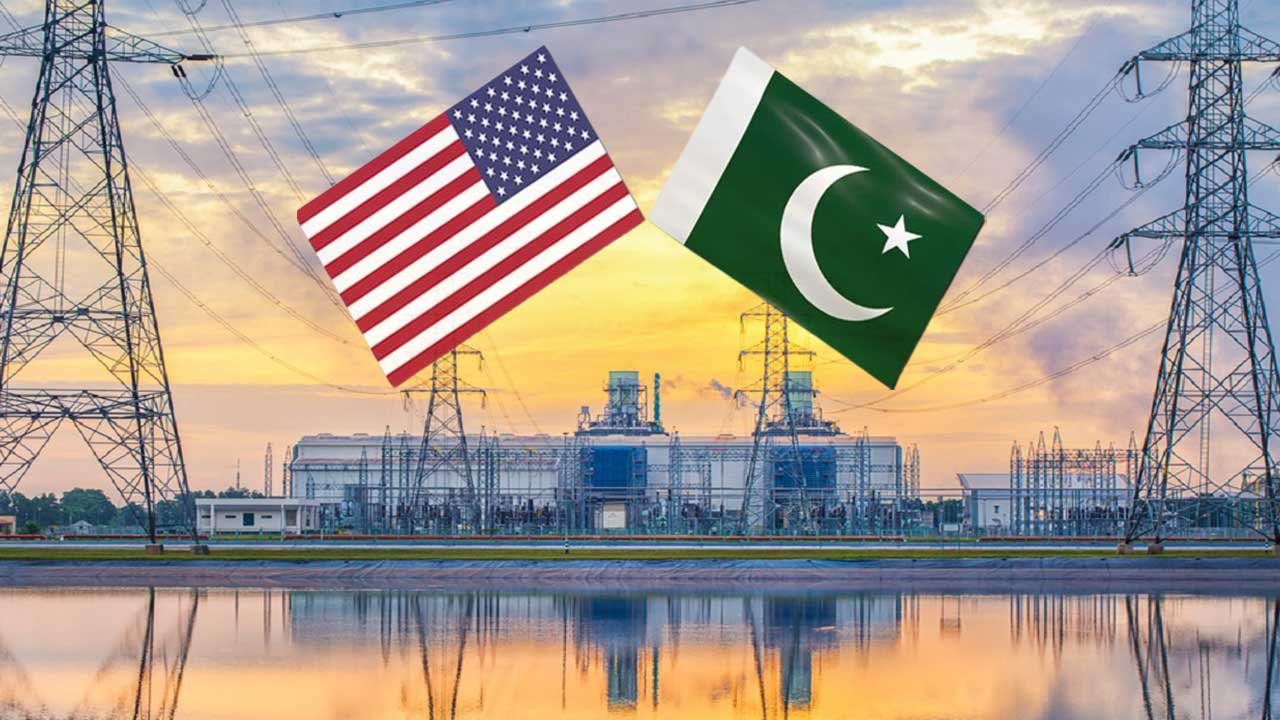
  • US launches $23 million project to enhance Pakistan’s power sector

    US launches $23 million project to enhance Pakistan’s power sector

    The United States (US) said on Friday that it will launch a four-year, $23.5 million initiative in Pakistan to improve energy sector performance.

    As per United States Agency for International Development (USAID) Mission Director Julie A Koenen, the project intends to boost the volume of green energy in Pakistan’s energy mix.

    The US government is collaborating with the Pakistani government to undertake a four-year $23.5 million power sector reform initiative to address climate change and enhance the amount of renewable energy in Pakistan’s energy mix, through USAID.

    It would also strengthen the management and operations of electricity transmission and distribution networks, boosting the financial viability, dependability, and affordability of Pakistan’s power system by providing technical support to the government and private sector.

    Read more: Pakistani rupee plunges by Rs1.05 against the US dollar

    To increase Pakistan’s energy supply, the US and Pakistan have built three dams: Gomal Zam dam in South Waziristan, Satpara dam in Gilgit Baltistan, and Golen Gol dam in Chitral, Khyber Pakhtunkhwa, adding 143 megawatts of electricity to the national grid and rehabilitated the Mangla and Tarbela dams and three thermal power plants, connecting up to 860 megawatts of commercially-funded wind and solar projects to the national grid.