Tag: precautions

  • Air pollution reduces life expectancy by two years worldwide: Report

    Air pollution reduces life expectancy by two years worldwide: Report

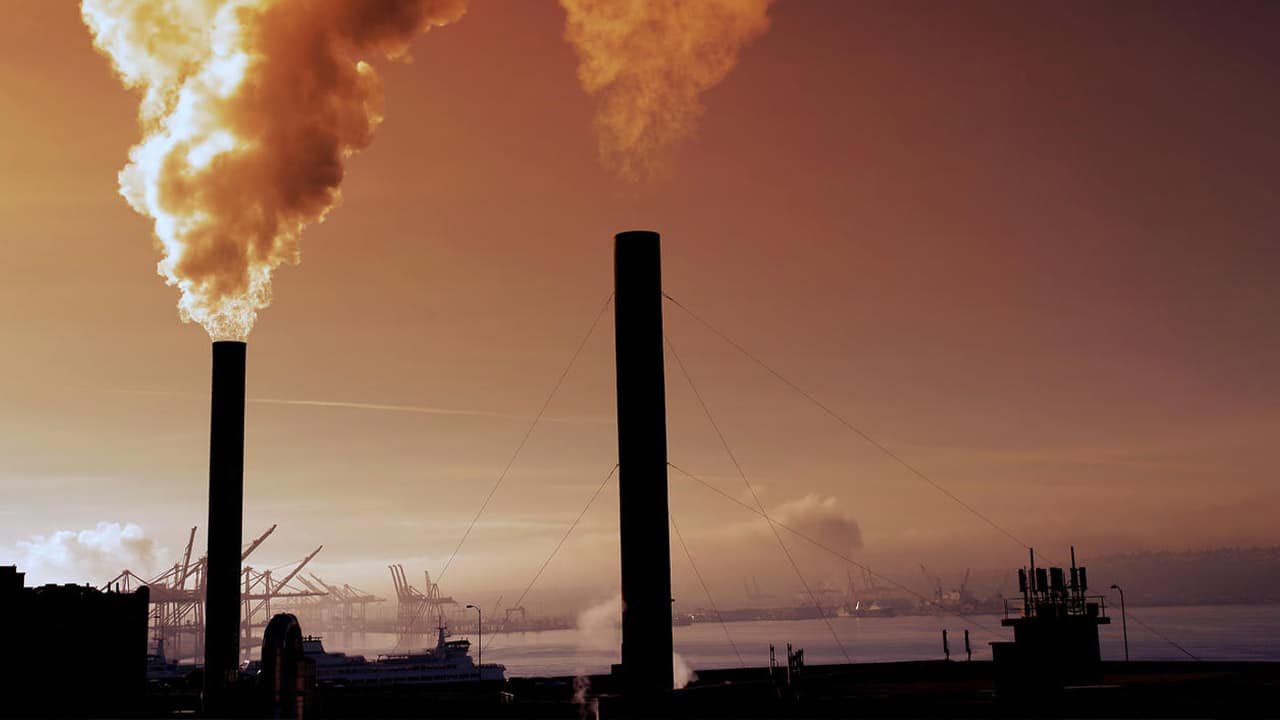
    A recent study revealed that microscopic air pollution, mostly generated by the combustion of fossil fuels, affects life expectancy by more than two years globally.

    According to a report by the University of Chicago’s Energy Policy Institute, if fine particulate matter levels across South Asia reached World Health Organization criteria, the typical individual would live five years longer.

    The severe lung and heart illness caused by so-called PM2.5 pollution reduce life expectancy by eight years in the Indian states of Uttar Pradesh and Bihar, home to 300 million people, and by a decade in the capital city of New Delhi.

    PM2.5 pollution penetrates deep into the lungs and reaches the circulation, with a diameter of 2.5 microns or smaller, nearly the same as a human hair. It was declared a cancer-causing substance by the United Nations in 2013.

    According to the WHO, the concentration of PM2.5 in the air should not exceed 15 micrograms per cubic metre in any 24-hour period, or 5 mcg/m3 on an annual basis.

    The WHO strengthened these guidelines last year, the first revision since air quality guidance was established in 2005, in response to accumulating evidence of harmful health effects.

    In the Air Quality Life Index report, lead researcher Crista Hasenkopf and colleagues stated, “Clean air pays back in additional years of life for individuals all over the world.” “Reducing global air pollution to WHO recommendations permanently would add 2.2 years to average life expectancy.”

    Almost every inhabited region on the planet exceeds WHO limits, but not more so than Asia: Bangladesh, India, Nepal, and Pakistan all exceed WHO guidelines by 15-fold, 10-fold, and nine-fold, respectively.
  • Makkah Grand Mosque  drops social distancing first time since pandemic

    Makkah Grand Mosque drops social distancing first time since pandemic

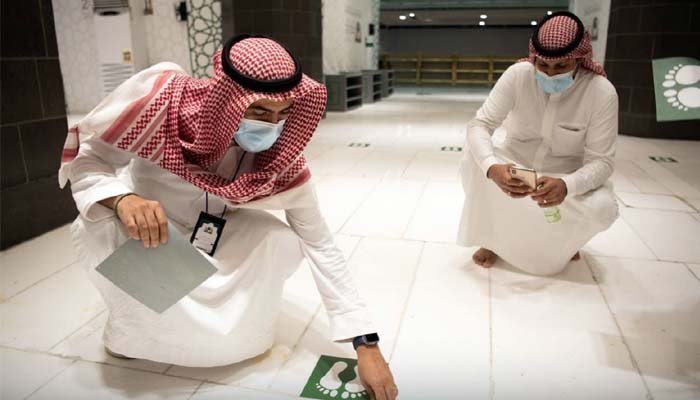
    The Grand Mosque in the holy city of Makkah, on Sunday, operated at full capacity with worshippers praying shoulder-to-shoulder, and floor markings that guide people to social distance in and around the mosque were also removed, reports Al Jazeera.

    According to an official Saudi Press Agency, “This is in line with the decision to ease precautionary measures and to allow pilgrims and visitors to the Grand Mosque at full capacity.”

    Despite the lifting of social distancing measures, the authorities said visitors must be fully vaccinated against coronavirus and must continue to wear masks on mosque grounds.

    Pictures and footage of worshippers performing Muslim prayers are making rounds on social media.

    In Saudi Arabia, the authorities also lifted curbs on fully vaccinated people at closed venues, gatherings, transportation, restaurants and cinemas. Masks are no longer mandatory in open public places.

    Earlier, in July, only about 60,000 citizens and residents were allowed to take part in the annual Hajj pilgrimage.

  • All you need to know about dengue

    All you need to know about dengue

    Dengue fever is one of the world’s leading mosquito-borne illnesses and infects millions across the globe annually.

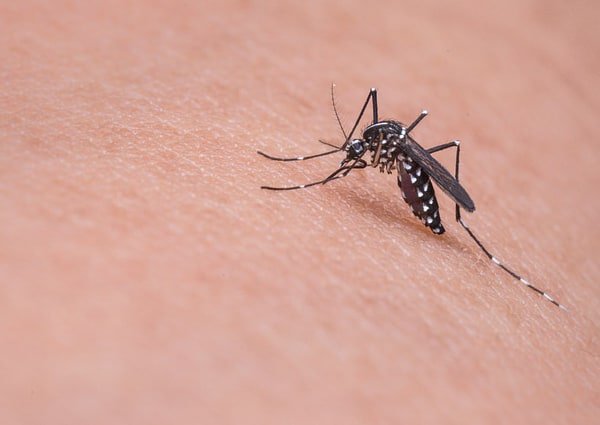
    Dengue is transmitted by one of the types of mosquito, which thrives in densely-populated tropical climates and breeds in stagnant pools of water. The mosquitoes pick up the virus from infected humans and pass it along to other people through bites.

    Symptoms

    Headache

    Muscle, bone and joint
    pain

    Nausea

    Vomiting

    Pain behind the eyes

    Swollen glands

    Rash

    Though most people recover within a week or so, in some cases, symptoms worsen and can become life-threatening.

    Symptoms of severe dengue fever include:

    Severe abdominal pain

    Persistent vomiting

    Bleeding from your gums
    or nose

    Blood in your urine,
    stools or vomit

    Bleeding under the skin,
    which might look like bruising

    Difficult or rapid breathing

    Precautions

    Make sure there is no
    stagnant water in your house or street.

    Apply mosquito repellent to the exposed skin.

    Wear long-sleeves and long pants to cover your arms and legs.

    Use mosquito nets while sleeping.

    Treatment

    If you experience any of the above symptoms, get a blood test immediately and visit your doctor. Timely action can prevent the disease from spreading or becoming fatal.