Tag: Presidential elections

  • In a first, two First Ladies at presidential palace in a Senegal

    In a first, two First Ladies at presidential palace in a Senegal

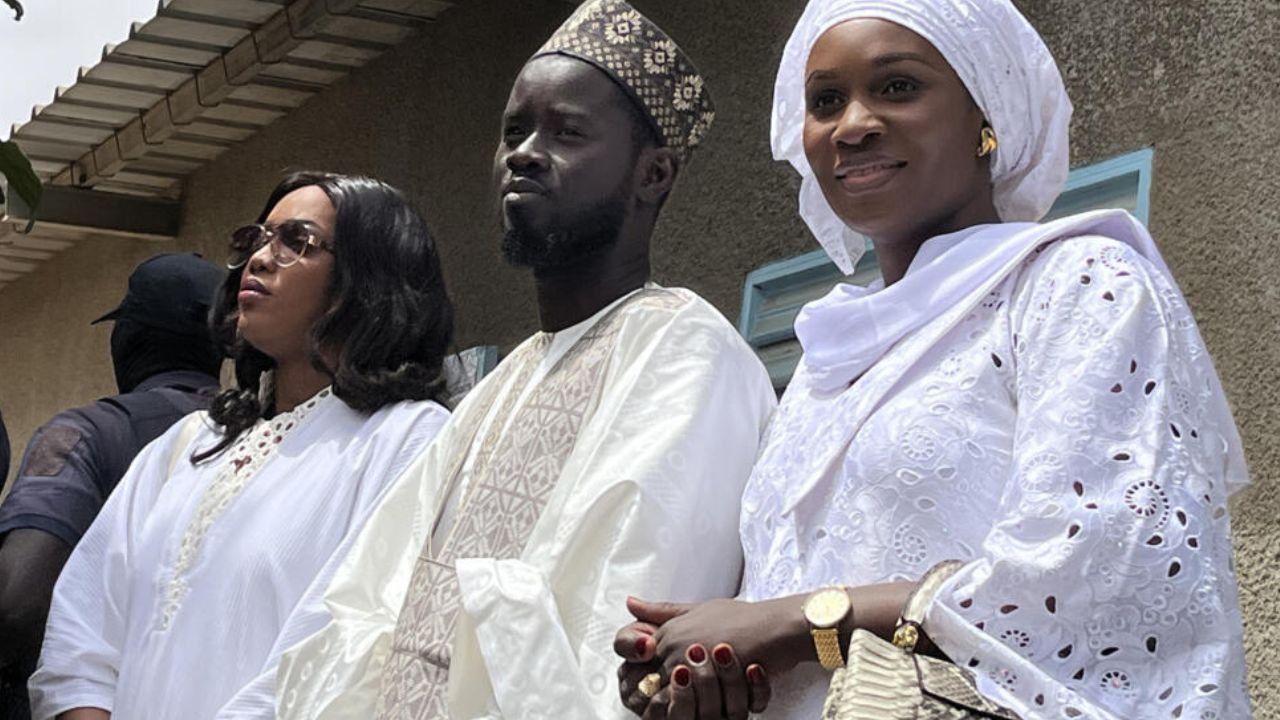
    In the closing moments of the electoral campaign, Senegal’s president-elect Bassirou Diomaye Faye stepped onto the stage holding the hands of both his wives Marie and Absa.

    It was an unprecedented sight in the national politics of the West African country and a clear choice by the first-round winner who promises radical change.

    Polygamy is a traditional and religious practice firmly anchored in the culture of Senegal where the overwhelming majority is Muslim.

    Marie Khone, who until now had never been in the spotlight, comes from the same village as 44-year-old Faye. They married 15 years ago and have four children.

    He married his second wife Absa just over a year ago.

    “It’s the ultimate recognition of the tradition of polygamy at the top of the state, with a situation that will reflect Senegalese reality,” sociologist Djiby Diakhate said.

    Many men praise the practice while women tend to remain “mistrustful”, he added.

    Polygamy has long stirred controversy and the public appearance by BDF, as he is known, with his two wives at his side cheered on by thousands of his supporters has made it a top talking point in the media, online and at home, sparking diverse reaction.

    “Being a second wife suits me better than being a first,” well-known singer Mia Guisse said proudly in a video that recently went viral.

    Reputed sociologist Fatou Sow Sarr said on X, formerly Twitter, that “polygamy, monogamy, polyandry are matrimonial models determined by the history of every nation”.

    “These models are now in competition with homosexual marriage,” he added, in a country where homosexuality is punishable by between one and five years in jail.

    “I really think that the West has no legitimacy to judge our cultures,” Sarr added in a follow-up message on X.

    Nevertheless, many Senegalese women say they find polygamy hypocritical and unfair, while the UN Human Rights Committee said in a 2022 report that it amounted to discrimination against women and should be ended.

    – ‘Totally new’ situation –

    In her 1979 novel “So Long a Letter”, Senegalese author Mariama Ba was fiercely critical of polygamy, depicting the pain and loneliness of a woman after her husband took a second, younger wife.

    Many popular TV series in recent years, like “Mistress of a Married Man” or “Polygamy”, have explored the ups and downs of family life in polygamous households.

    Former culture minister and history professor Penda Mbow said the matrimonial situation at the presidential palace now is “totally new”.

    “Until now, there was only one First Lady. This means the entire protocol must be reviewed,” he added.

    Polygamy is widespread in Senegal particularly in rural areas and is considered a way of widening one’s family.

    Islam permits men to take up to four wives providing they have the financial means. In such a case, it calls for equal, alternating time spent with the wives, of between two and three days.

    – ‘Strong signal’ –

    Many marriages are not registered in Senegal, making it difficult to say exactly how many are polygamous.

    But according to a 2013 report by the national statistics and demographics agency, 32.5 percent of married Senegalese people were in a polygamous union.

    The average age of the women at the time of their marriage was 40.4 years old and 52.9 for men, the report said.

    Diakhate, the sociologist, said Faye had sent a “strong signal so that other men also accept their polgygamy and so that they demonstrate transparency like him”.

    He said there was “undoubtedly a will” to end hidden polygamy- known in the Wolof language as Takou Souf — which he added would be “a good thing for the economy of the country and for the matrimonial situation”.

    In response to detractors, the incoming president, who won 54.28 percent in the March 24 vote, shows nothing but pride in his family situation.

    “I have beautiful children because I have wonderful wives. They are very beautiful. I give thanks to God they are always fully behind me,” he said during the presidential race.
  • Asif Ali Zardari: ‘Artful dodger’ returns as Pakistan president

    Asif Ali Zardari: ‘Artful dodger’ returns as Pakistan president

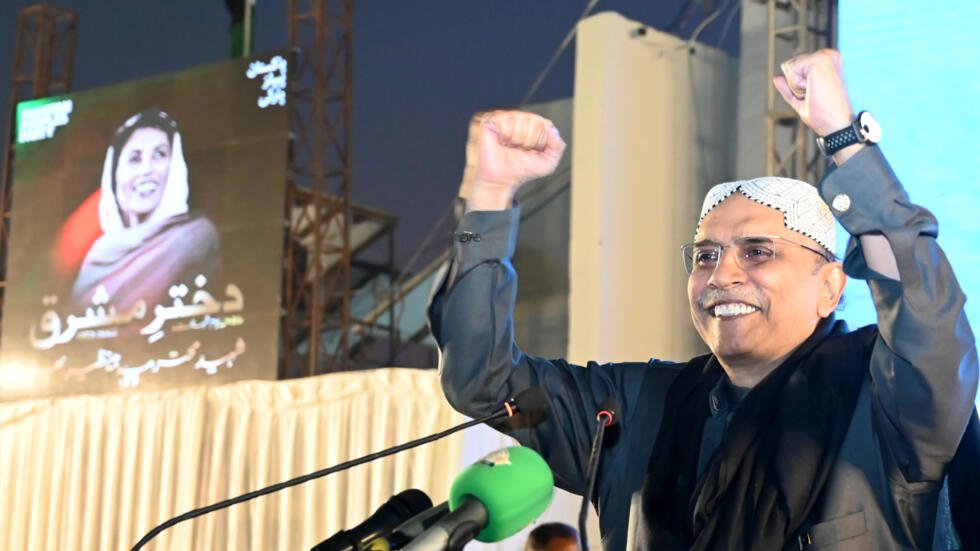
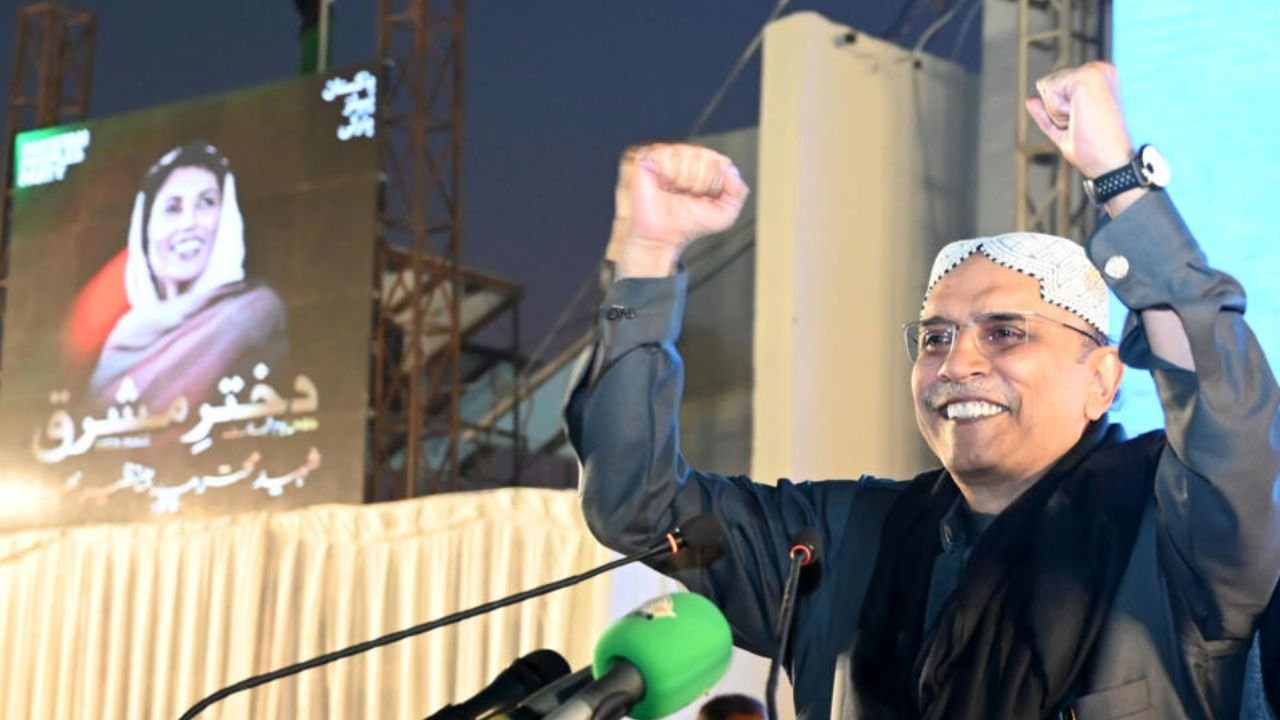
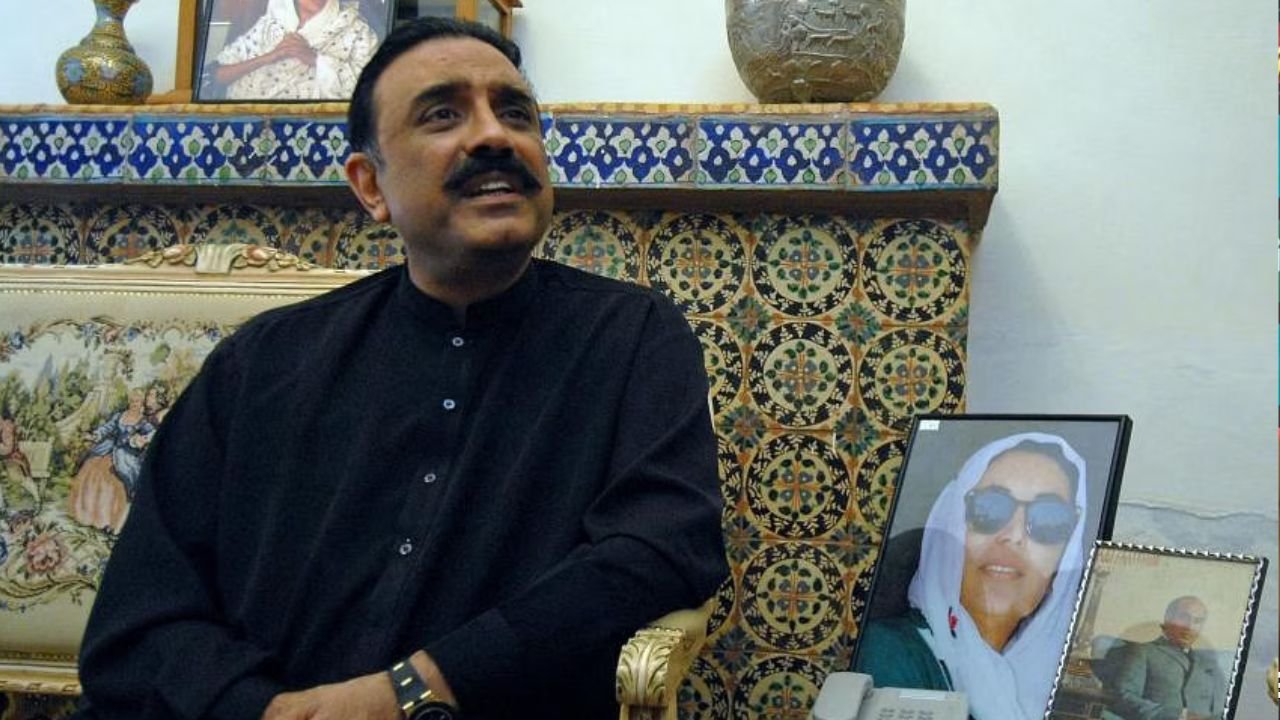
    Asif Ali Zardari, the widower of Pakistan’s slain first female premier Benazir Bhutto who has had a life storied equally by tragedy and farce, is set to become president for a second time on Saturday.

    Initially a background character as Bhutto’s consort, Zardari was stained by a bevy of corruption and other allegations, including absurd kidnapping plots and taking kickbacks lavished on hoards of jewellery.

    Despite a reputation as “Mr. Ten Percent” — the alleged cut he took for rubber-stamping contracts — a sympathy vote propelled him to office when his wife was assassinated in a 2007 bomb and gun attack.

    Between 2008 and 2013, he ushered in constitutional reforms rolling back presidential powers, and the 68-year-old’s second term will see him steer a largely ceremonial office.

    He has spent more than 11 years in jail, a long time even by the standards of Pakistani politicians, with a wheeler-dealer’s talent for bouncing back after scandals.

    Back in 2009, the New York Times said he had a knack for “artful dodging” — “maneuvering himself out of the tight spots he gets himself into”.

    Newly sworn-in lawmakers were set to vote him in under the terms of a coalition deal brokered after February 8 elections marred by rigging claims.

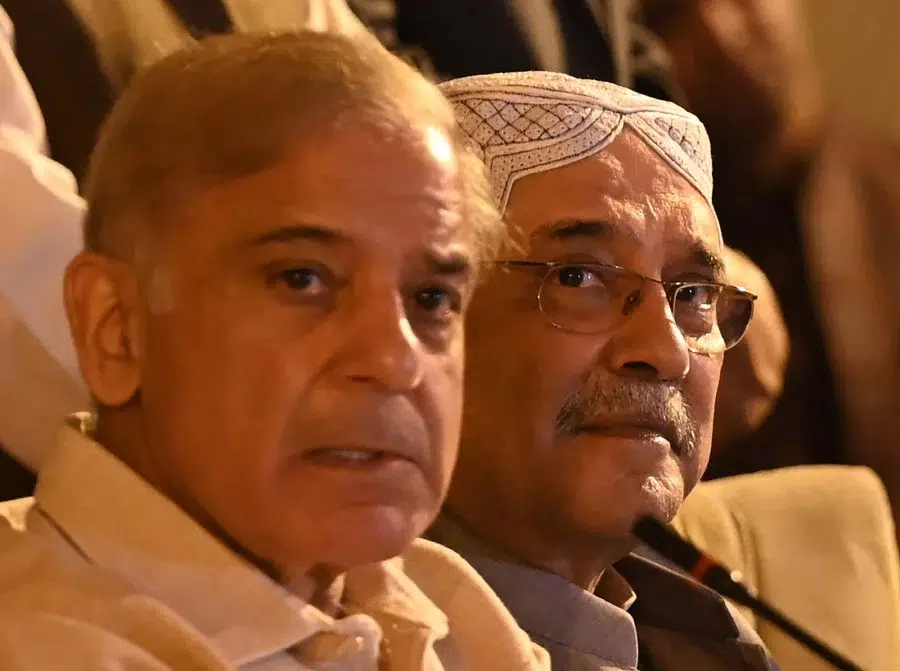
    Under that deal, Zardari’s Pakistan Peoples Party (PPP) will take the presidency, while its historic rivals the Pakistan Muslim League-Nawaz (PML-N) party secured the prime minister’s position for Shehbaz Sharif, who was officially sworn in on Monday.

    Zardari was born in 1955 into a land-owning family from the southern province of Sindh.

    “As a child, I was spoilt by my parents as an only son,” he said in a 2000 interview with the Guardian newspaper. “They indulged my every whim.”

    He expressed only limited political ambitions as a young man — losing a 1983 local government election.

    It was his 1987 arranged marriage with PPP leader Benazir Bhutto that earned him a spot in the political limelight.

    Their union — brokered by Bhutto’s mother — was considered an unlikely pairing for a leader-in-waiting from one of Pakistan’s major political dynasties.

    Bhutto was an Oxford and Harvard graduate driven by the desire to oust then-president Mohammad Zia-ul-Haq, who forced her father from the prime minister’s office and had him executed.

    Zardari was a university dropout with a reputation for brawling, partying and romancing women at a private disco in his family home.

    On the eve of their wedding, Bhutto’s team issued a formal statement denying he was “a playboy who plays polo by day and frequents discos at night”.

    Their nuptial celebrations were dubbed the “people’s wedding” — doubling as a political rally in the megacity of Karachi, where a crowd of 100,000 fervently chanted PPP slogans.

    Initially, Zardari pledged to keep out of politics.

    Bhutto served as prime minister from 1988 to 1990 — the first woman to head a democratic government in a Muslim country — and again from 1993 to 1996.

    PPP insiders regarded Zardari as a liability, considering him likely to embarrass her leadership.

    Their fears were perhaps well-founded. In 1990, he was embroiled in accusations of an absurd plot to extort a businessman by tying a bomb to his leg.

    He was jailed for three years on extortion and kidnapping charges but was elected to the national assembly from behind bars.

    In Bhutto’s second term, he served as investment minister.

    A bombshell New York Times investigation detailed how he tried to engineer vast kickbacks on military contracts over this period while lavishing huge sums on jewellery.

    After Bhutto’s government fell in 1996, Zardari was back behind bars within half an hour.

    In December 2007, Bhutto was assassinated while on the campaign trail for a third term in office.

    Her killing shook the nation to its core, a wave of sympathy carrying the PPP to victory in 2008. The party nominated Zardari as president.

    In 2010, he was widely criticised for continuing a European holiday when the nation was devastated by floods that killed almost 1,800 and affected 21 million.

    He was also head of state when US commandos trespassed onto Pakistani soil for the 2011 assassination of Osama Bin Laden, an episode that humiliated many compatriots.

    He did, however, usher in constitutional reforms rolling back the sweeping powers of the presidency and bolstering parliamentary democracy that had been undermined by three decades of military rule since 1947.

    In 2013, Zardari became the first Pakistani president to complete his full term.

    He was jailed once again over money laundering charges in 2019 but was released months later.

    Zardari and Benazir had three children, including Bilawal Bhutto Zardari, the current chairman of the PPP.

    This article was produced by AFP. © Agence France-Presse