Tag: Presidential Ordinance

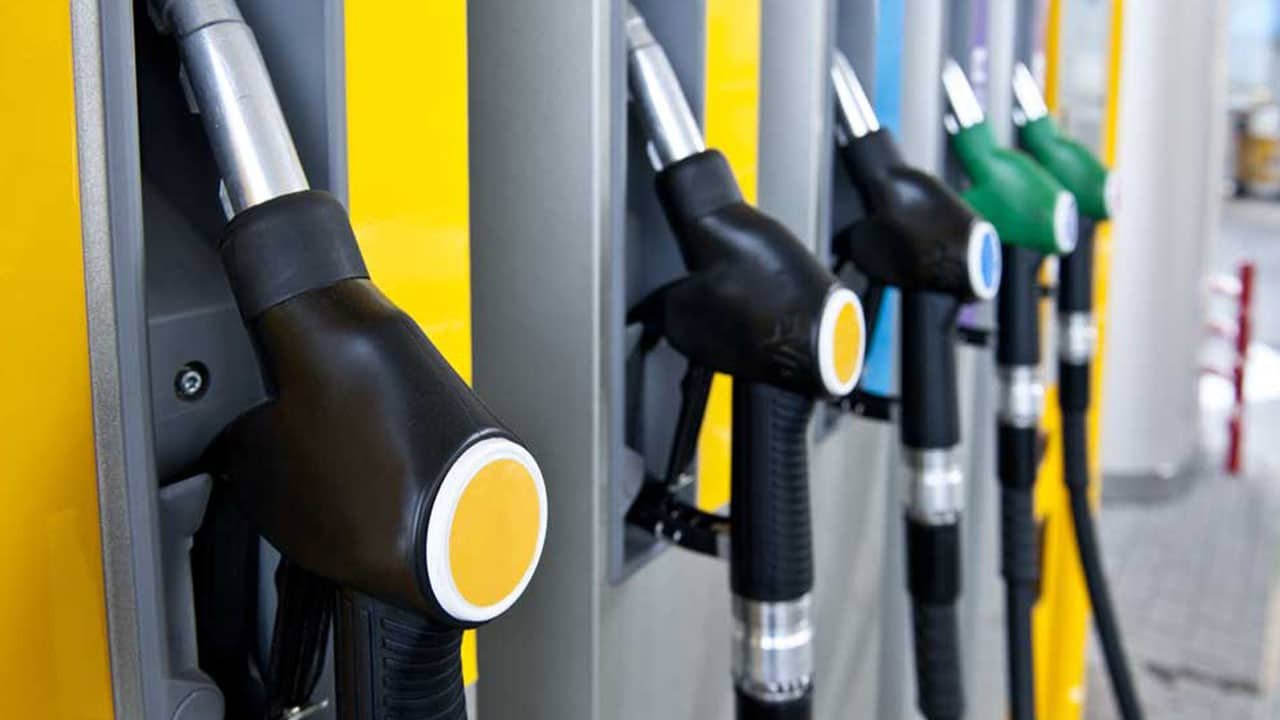
  • Pakistan expected to increase petroleum levy to get IMF loan 

    Pakistan expected to increase petroleum levy to get IMF loan 

    Pakistan has reportedly provided assurances to the International Monetary Fund (IMF) regarding an augmentation of the petroleum levy in the fiscal year 2024–25, aligning with its intentions to embark on a new loan programme. 

    According to documentation cited by sources within the finance ministry, Pakistan has committed to elevating the petroleum levy to Rs1,065 billion in FY2024–25, anticipating a revision of the current levy target from Rs869 billion to Rs918 billion.  

    The attainment of the revised target is contingent upon an uptick in the consumption of petroleum products. 

    The sources additionally revealed that the caretaker government would have implemented a Presidential Ordinance if adjustments were to be made to the current petroleum levy target. 

    Earlier revelations indicate that Pakistan is poised to secure another financial assistance package from the International Monetary Fund (IMF) subsequent to the conclusion of the existing standby agreement. 

    The caretaker government has initiated consultations in preparation for the forthcoming IMF programme. 

    Sources have indicated that talks between the government and the IMF for the new loan programme are likely to commence this month.  

    Finance ministry officials underscored the commitment of the elected government to advance the measures established by the caretaker government. 

  • Indian Supreme Court validates the revocation of Article-370

    Indian Supreme Court validates the revocation of Article-370

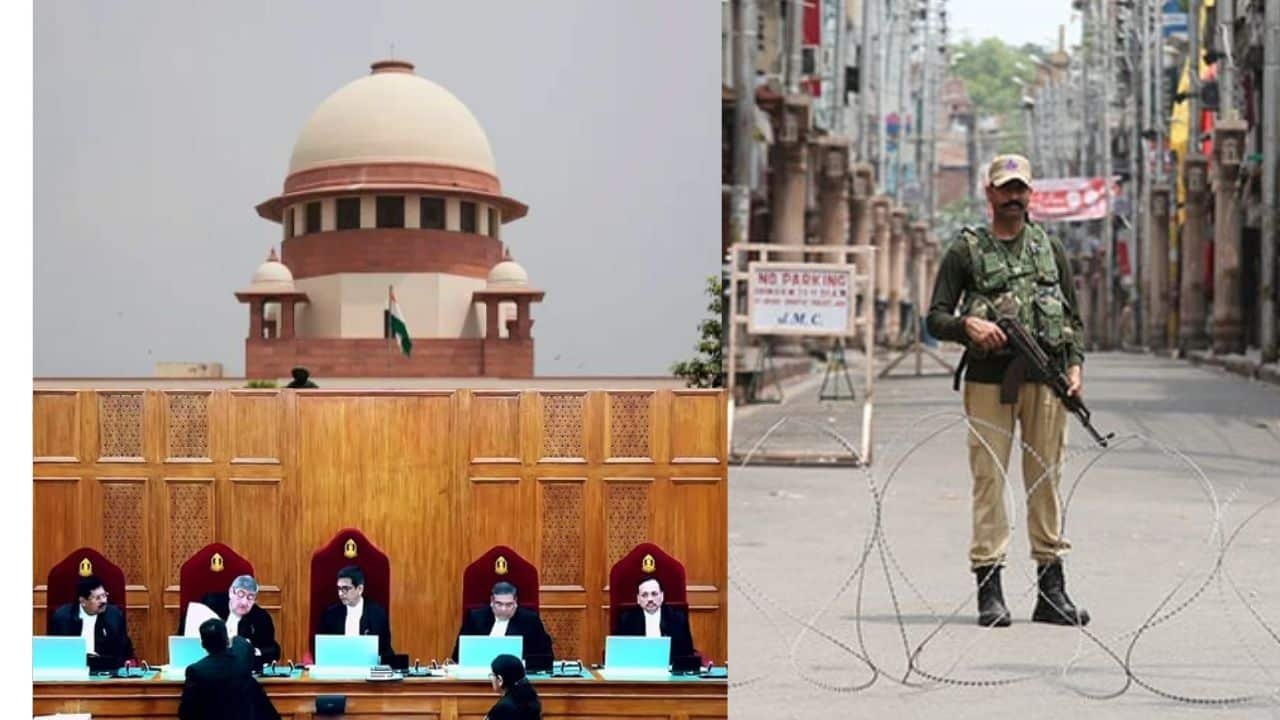
    A five-judge constitution bench, presided by Chief Justice of India DY Chandrachud, has given its verdict on the Union government’s 2019 move to amend Article 370 of the constitution, the abrogation of which ended the special status of Jammu and Kashmir.

    The decision was reserved earlier on September 5 this year, after 16 days of hearings.

    The unanimous verdict by the panel of five judges came in response to more than a dozen petitions challenging the revocation and a subsequent decision to split the region into two federally administered territories, the central government, on the other hand, had defended its action, asserting there was no “constitutional fraud” in nullifying the provision.

    Chief Justice said that Jammu and Kashmir held no internal sovereignty after accession to India. The court maintains that the president has the right to abrogate any of the articles in the Constitution. The same was carried out on August 5 2019.

    The order also declared that the reorganisation of the erstwhile state into Union Territories in 2019 was a temporary move, it directed the Centre for the restoration of statehood and for Legislative Assembly elections to be held.

    However, Justice Kaul recommended in his opinion that a Truth and Reconciliation Commission should be set up in Jammu and Kashmir, for the acknowledgement of acts of rights violations in the region.

    The revocation was one of Mr Modi’s poll promises in 2019 and the court’s decision comes months before he seeks a third term. Local politicians in the region have expressed disappointment over the order.

    Former Chief Minister Omar Abdullah posted on X (formerly Twitter) that he was “disappointed but not disheartened”. An hour later, he also posted Faiz Ahmed Faiz poem, “Dil na umeed to nahi, na kaam he to hai”.

    Meanwhile, Narendra Modi, Prime Minister of India wrote this decision is “a resounding declaration of hope, progress and unity”.

    Amit Shah, a major proponent of Hindutva supremacy and Indian Home Minister, criticised India’s first Prime Minister, Jawaharlal Nehru, on the Kashmir issue, saying in Parliament, “I say this with full responsibility that Kashmir suffered due to two blunders by Nehru. First, the ceasefire (with Pakistan) was announced when our forces were winning…before winning the whole of Kashmir. The second blunder was to take the Kashmir issue to the United Nations.”

    Today he posted on Twitter that because of this decision “separatism and stone pelting are now things of the past.”

    Asaduddin Owaisi says, ” We are disappointed by this verdict.”

    “Pakistan categorically rejects the judgement announced by the Supreme Court of India on the status of Indian Illegally Occupied Jammu and Kashmir (IIOJK),” states the statement released by the Ministry of Foreign Affairs in Pakistan.

    Caretaker Foreign Minister of Pakistan Jalil Abbas Jilani posted on Twitter that “The judicial endorsement by the Indian Supreme Court has no legal value.”
  • Govt aims to ‘reduce power theft of Rs589 billion at the earliest’

    Govt aims to ‘reduce power theft of Rs589 billion at the earliest’

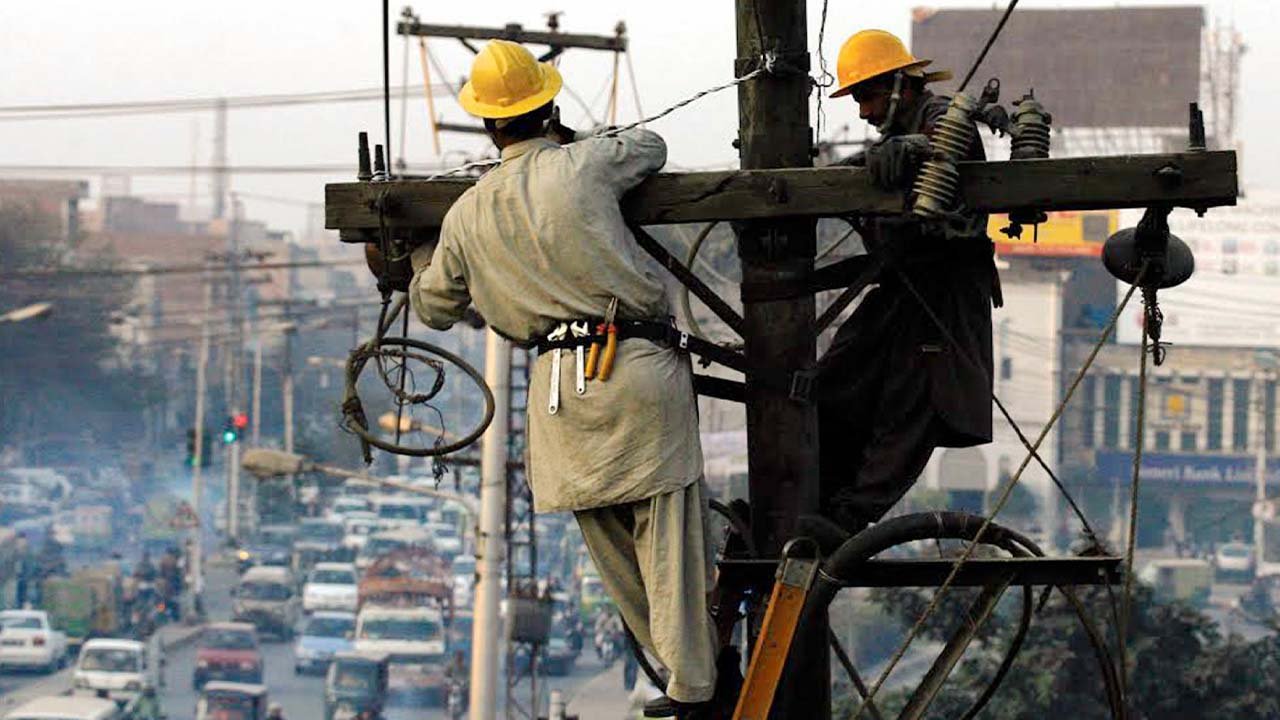
    The caretaker government unveiled a set of measures to tackle power theft nationwide, aiming to reduce the growing circular debt issue in the power sector, which is causing electricity prices to soar. 

    This announcement comes amid widespread protests against high electricity bills, hindered by strict conditions from the International Monetary Fund.

    During a press conference, Caretaker Energy Minister Mohammad Ali, alongside Interim Information Minister Murtaza Solangi, outlined their plan. 

    According to Geo News, Ali said that the government is working on a new law, the electricity theft act, to create enforcement mechanisms and special courts for those involved in theft. This law will be introduced within the next two to three weeks.

    “We are aiming to stop or reduce power theft of Rs589 billion at the earliest,” the minister said.

    In line with Caretaker Prime Minister Anwaar ul Haq Kakar’s instructions, the Energy Minister announced a crackdown on power theft, emphasising that consumers shouldn’t pay for theft, and lower electricity prices depend on solving this issue. Ali assured that authorities would act based on available data.

    Additionally, the minister revealed a list of power distribution company officers involved in power theft and measures to take action against them. This list was sent to the Election Commission of Pakistan for possible removal.

    In another meeting, Caretaker PM Kakar stressed the urgency of dealing with power theft, urging regular progress reports. He emphasised zero leniency toward power thieves and defaulters.

    During the meeting, detailed briefings covered the energy sector’s challenges, including total installed capacity, actual generation, and overall energy supply across different seasons.