Tag: Price

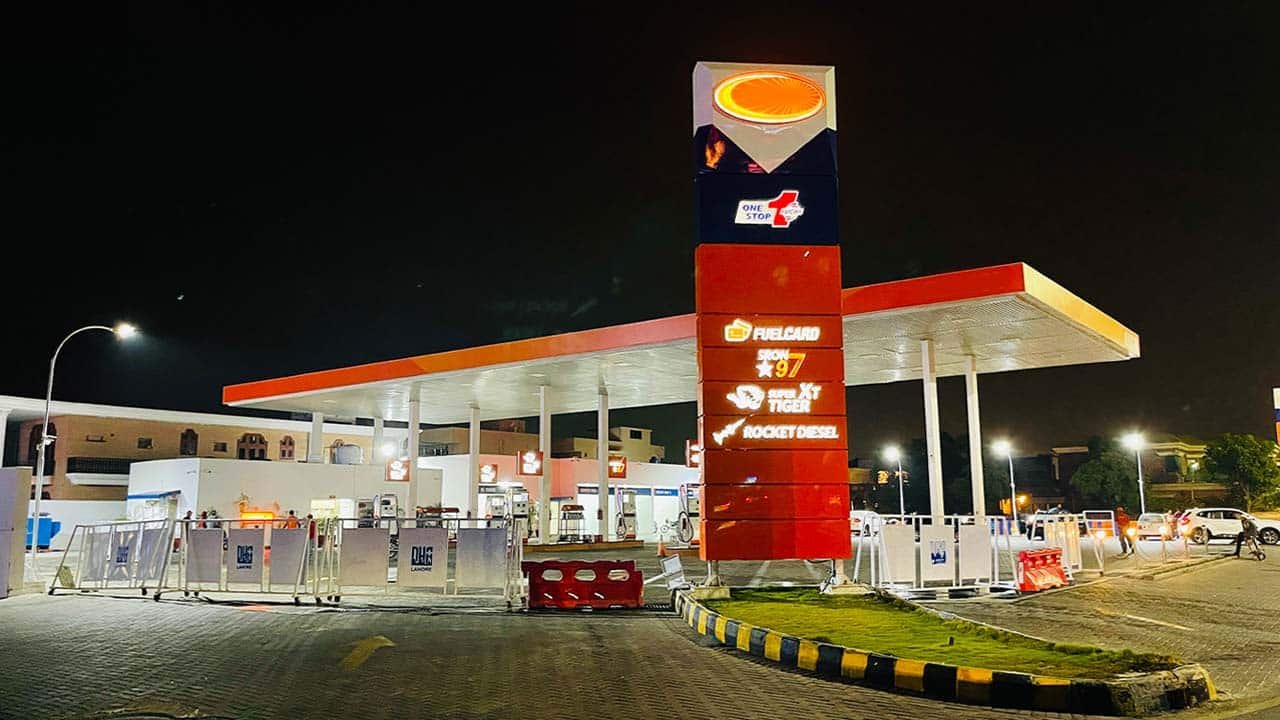
  • Petrol price increased to historic high of Rs305.36 per litre

    Petrol price increased to historic high of Rs305.36 per litre

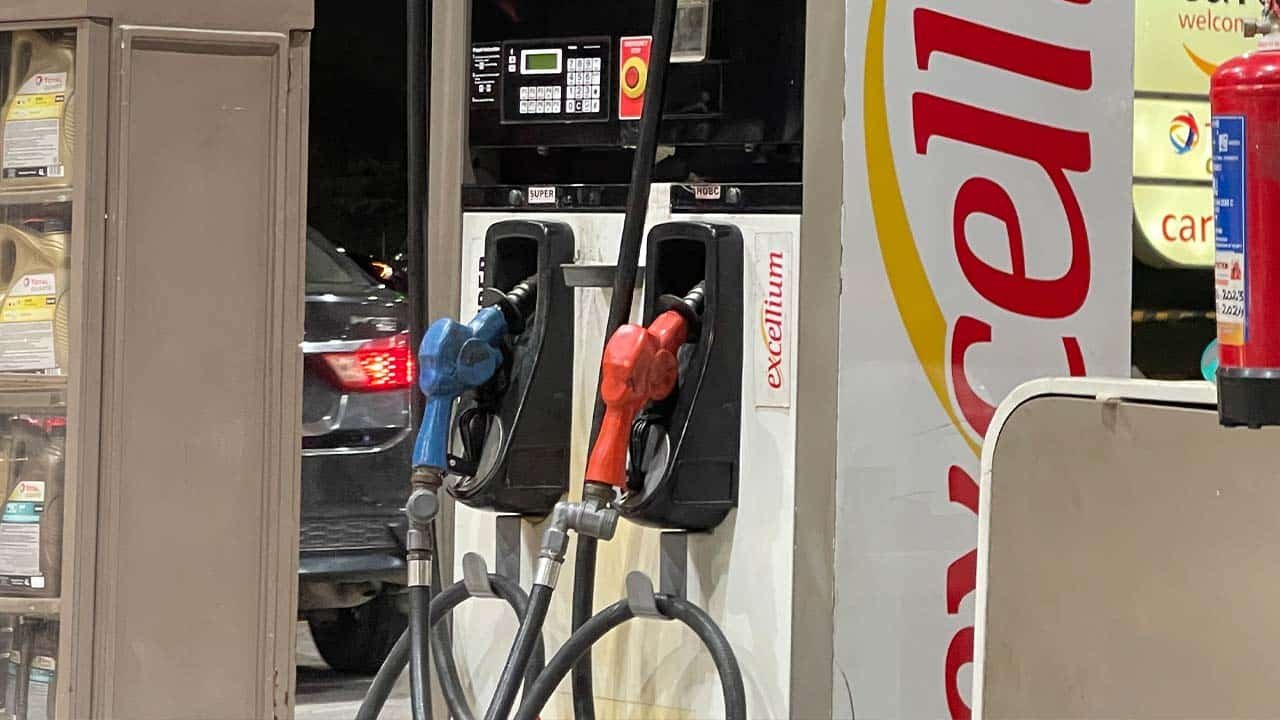
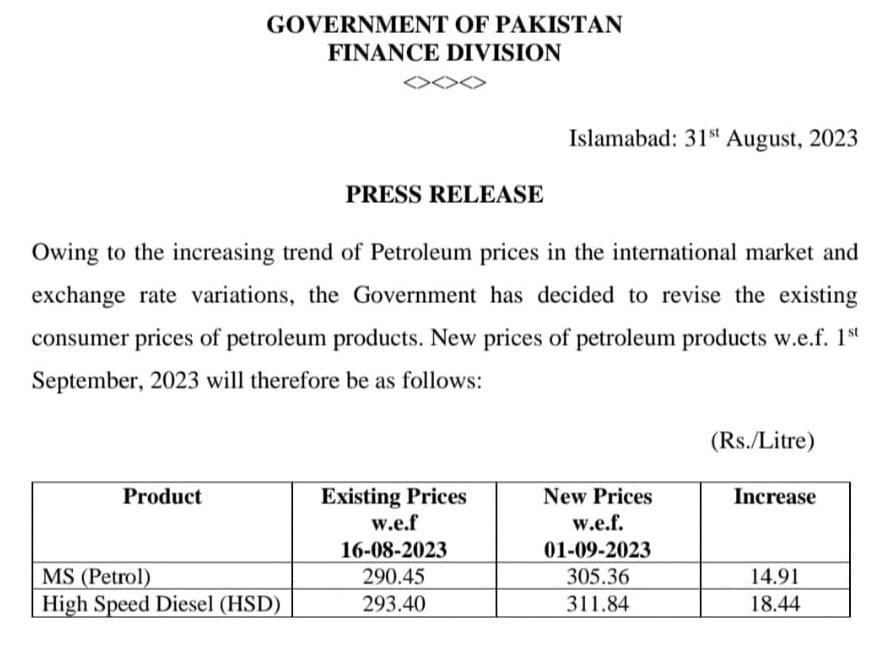
    For the first time in Pakistan’s history, the price of petrol has crossed the Rs300 mark due to a recent hike of Rs14.91. This brings the new petrol price to Rs305.36 per litre. The diesel price has also increased by Rs18.44, now at Rs311.84 per litre.

    The government has attributed these revisions to the upward trajectory of global petroleum prices and the consequential fluctuations in exchange rates.

    A statement issued by the finance ministry highlights that due to the escalating trend of petroleum prices in the international market and the subsequent shifts in exchange rates, the Government has opted to recalibrate the prevailing consumer prices of petroleum products.

    In the days ahead, the effects of these significantly heightened petrol and diesel prices will become evident. These price fluctuations are poised to have a substantial impact on individuals who rely on personal vehicles, such as bikes and cars, as well as those who depend on public transportation services.

  • Here’s when Apple will launch the iPhone 15

    Here’s when Apple will launch the iPhone 15

    Tech enthusiasts worldwide are eagerly awaiting the arrival of the much-rumoured iPhone 15, as speculations on its features and release date continue to circulate. Apple’s last iPhone 14 lineup has been a hit, and now fans are looking forward to the potential enhancements that the iPhone 15 may bring.

    While Apple has not officially announced the release date for the new iPhones, insiders have revealed that the company plans to unveil the iPhone 15 lineup during the third week of September. Multiple mobile carriers have reportedly instructed employees not to take days off on September 13, hinting at a major smartphone announcement on that day.

    Historically, Apple has held its iPhone events in September, and it appears that this year won’t be an exception. While most past announcements took place on Tuesdays, last year’s iPhone 14 event occurred on a Wednesday, similar to September 13’s potential date.

    If the speculated date holds true, pre-orders for the iPhone 15 are expected to start on September 15, with the official release slated for September 22. However, analysts predict possible delays for some models due to supply chain challenges, as has happened in previous years.

    Rumours have been swirling about the iPhone 15’s design and features. According to 9to5Mac, it’s suggested that the new models will sport slightly curved edges and thinner bezels around the display, enhancing the overall aesthetic. Notably, all four new models are expected to incorporate Dynamic Island and USB-C, replacing the Lightning port.

    For the Pro models, Apple is rumoured to replace the stainless steel frame with a titanium one, adding a touch of elegance and durability. The iPhone 15 and 15 Plus will reportedly be powered by the A16 Bionic chip found in the iPhone 14 Pro, while the iPhone 15 Pro and 15 Pro Max will feature the new A17 chip, offering improved performance.

    Photography enthusiasts may be delighted to learn that the larger Pro model is expected to come equipped with a new periscope lens for enhanced optical zoom capabilities.

    As for pricing, there’s speculation that the new iPhones could come at a premium. Reports suggest that prices may increase by up to PKR 56,000 ($200) compared to the current generation.

    While Apple enthusiasts are excited about the potential features of the iPhone 15, they will have to wait for the official announcement to confirm the rumours. Until then, anticipation will continue to build as the tech giant prepares for what could be another groundbreaking iPhone launch.

  • Honda Civic RS now costs Rs8.1 million after the latest price hike

    Honda Civic RS now costs Rs8.1 million after the latest price hike

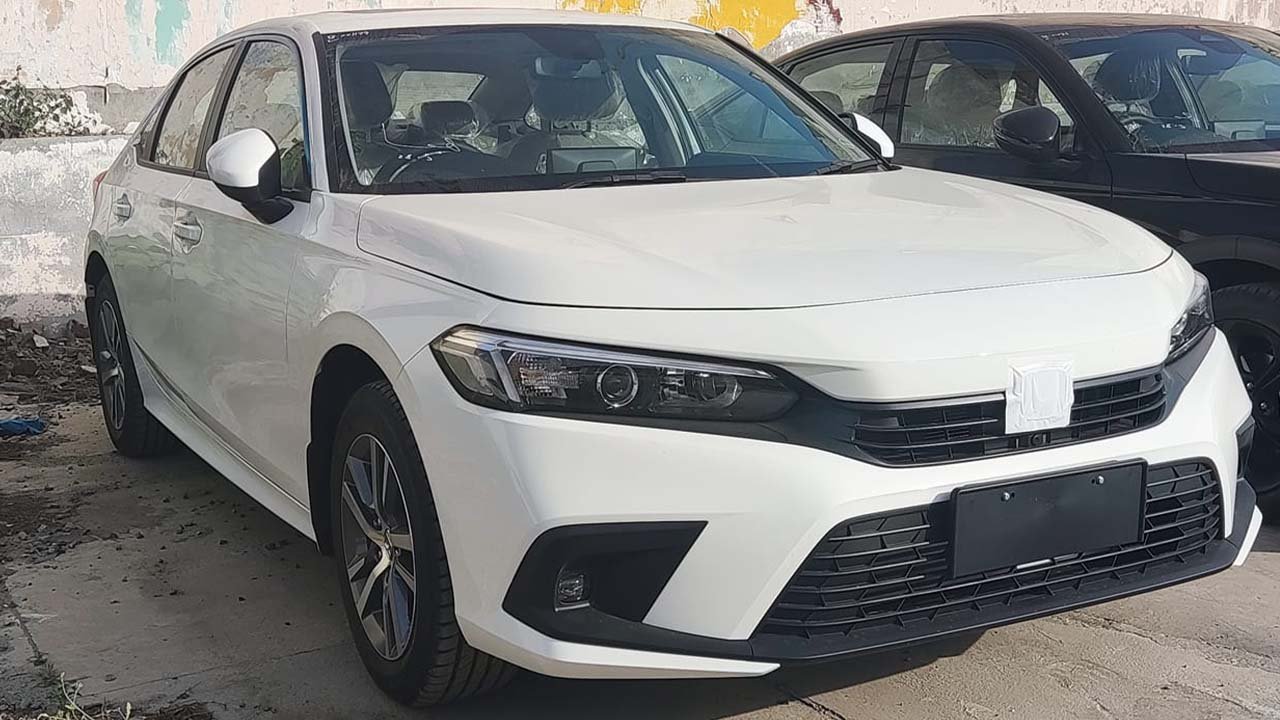
    Honda Atlas Cars Limited (HACL) on Monday increased prices across its entire line-up, with the hike going as high as Rs550,000 for the popular Honda Civic RS. The automaker cited exchange rate volatility and an increase in production costs as the reasons behind the latest price revision.

    “Keeping in view the uncertain economic conditions, inflation in material costs, and volatility of forex, HACPL was compelled to pass part of this adverse impact through a price increase,” Honda said in a notice sent to dealerships.

    Here are the new prices:

    Variants Old Prices New Prices Difference
    City MT 1.2L Rs3,769,000 Rs4,069,000 Rs300,000
    City CVT 1.2L  Rs3,899,000 Rs4,199,000 Rs300,000
    City CVT 1.5L  Rs4,139,000 Rs4,449,000 Rs310,000
    City Asp MT 1.5L Rs4,299,000 Rs4,629,000 Rs330,000
    City Asp CVT 1.5L Rs4,479,000 Rs4,799,000 Rs320,000
    BR-V CVT S Rs4,939,000 Rs5,299,000 Rs360,000
    HR-V VTI Rs5,999,000 Rs6,399,000 Rs400,000
    HR-V-VTI S Rs6,199,000 Rs6,599,000 Rs400,000
    Civic 1.5L M CVT Rs6,349,000 Rs6,849,000 Rs500,000
    Civic 1.5L Oriel M CVT Rs6,599,000 Rs7,099,000 Rs500,000
    Civic RS 1.5LL CVT Rs7,549,000 Rs8,099,000 Rs550,000

    The new prices are applicable as of January 23, 2023.

    Honda City variants’ prices have been raised from Rs300,000 to Rs330,000. The base model of the City (Manual) 1.2L witnessed its price increase from Rs3.769 million to Rs4.069 million.

    The price of the Honda City Aspire Manual 1.5L rose from Rs4.139 million to Rs4.449 million.

    Honda Atlas raised the price of the Honda BR-V CVT S by Rs360,000 to Rs5.299 million. Additionally, the price of Honda HR-V variants rose by Rs400,000. HR-V VTI and HR-V VTI S models now cost Rs6.399 million and Rs6.599 million, respectively, after the latest price increase.

    Read more: Suzuki cars latest prices

    The company jacked up the price of popular Honda Civic variants by Rs500,000 to Rs550,000. The price of the Civic RS 1.5L LL CVT rose from Rs7.549 million to Rs8.099 million.

    Earlier, Toyota Indus Motor Company also increased prices across its entire lineup with a hike in the range of Rs280,000 to Rs1,210,000.

  • Sazgar introduces Pakistan’s first-ever locally assembled Hybrid SUV

    Sazgar introduces Pakistan’s first-ever locally assembled Hybrid SUV

    At a ceremony in Lahore, Sazgar Engineering formally unveiled the Haval H6, Pakistan’s first locally assembled hybrid electric vehicle (HEV).

    By doing this, the business has significantly surpassed its competitors. This is a huge milestone because not even the top automakers in Pakistan considered releasing a hybrid automobile.

    In a notice to the Pakistan Stock Exchange (PSX), the company said, “We are pleased to inform you that the company has successfully assembled/ manufactured locally the first Hybrid Electric Vehicle (HEV) of Pakistan and is being launched under brand ‘Haval’ as of November 17.”

    One of the four brands owned by the Chinese carmaker Great Wall Motors (GWM), “Haval,” reached the Pakistani market through Sazgar in early 2021.

    A 1.5 turbocharged engine in the Haval H6 generates 152 horsepower (HP) and 233 newton metres (Nm) of torque. With that, there is a motor producing 174 horsepower and 300 Nm of torque. Excellent efficiency, low fuel consumption, high performance, and light weight are the engine’s four standout qualities.

    The Haval H6 Hybrid SUV costs Rs9.75 million, yet the manufacturer charges Rs1.9 million for bookings.

  • Motorola X30 Pro is world’s first smartphone to use Samsung’s 200MP camera sensor

    Motorola X30 Pro is world’s first smartphone to use Samsung’s 200MP camera sensor

    The Moto X30 Pro, which debuted alongside Motorola’s Moto Razr 3, is the first smartphone in the world to have a 200MP ISOCELL HP1 sensor created by Samsung and a top-tier CPU.

    Unexpectedly, while having premium specs, the Motorola X30 Pro is not that expensive.

    The Moto X30 Pro sports a large sensor with 200,000,000 pixels. This is then combined with a unique Chameleon Cell technology that employs pixel binning techniques of 2×2 and 4×4. While the second combination produces more traditional 12.5MP photographs with larger individual pixels at 2.56m, the first combination produces 50MP images with 1.2m pixels. It is also possible to shoot with the full 200MP resolution, however the pixels will only be 0.64 mm in size.

    Three cameras are incorporated on the rear side. A 50MP ultrawide and a 12MP telephoto with a 2x optical zoom are available. A massive 60MP camera is used for taking selfies. The rear can record video in up to 8K resolution at 30 frames per second.

    The 6.67-inch OLED screen with 144Hz refresh rate and Snapdragon 8+ Gen 1 processor round out the low-cost flagship’s features. On the screen, Motorola features a fingerprint scanner. The base model comes with 8 GB RAM and 128 GB of storage, while the top-end variant features a memory configuration of 12 GB/512 GB.

    It’s intriguing to learn that the Moto X30 Pro is now the first phone in the world with a 200MP Samsung camera. On the other hand, it appears strange that it is being used for the first time by another brand and not a Samsung flagship.

    Motorola X30 Pro price

    In terms of cost, the Moto X30 Pro’s base model will cost for Rs120,000 ($550) in China. The most costly selection will set you back Rs146,400 ($670). It is currently up for pre-order. Although its global availability is not specified, given that certain Moto devices are marketed abroad, it’s possible that it will be released outside of China.

  • Govt may reduce petrol prices before midnight: Miftah Ismail

    Govt may reduce petrol prices before midnight: Miftah Ismail

    The government will lower petroleum prices before midnight, according to Finance Minister Miftah Ismail, who also announced that Prime Minister (PM) Shehbaz Sharif has received a report from the Oil and Gas Regulatory Authority (Ogra) recommending the drop.

    Speaking to the media, he emphasised that the International Monetary Fund (IMF) had no issues with the government’s decision.

    The announcement came the same day the IMF announced that it had reached a staff-level agreement with Pakistan for the conclusion of the combined seventh and eighth reviews of the Extended Fund Facility; the agreement is now awaiting the Executive Board’s approval.

    Additionally, he declared that the government will lower oil prices now rather than wait until July 15th (14 July). “PM Shehbaz wants to announce immediate relief to the people of Pakistan,” he said. “The public stood with the government during difficult times and bore the burden of inflation and now we want to provide relief.”

    In its conclusion, Ogra suggested lowering the cost of gasoline by Rs18 per liter and diesel by more than Rs20 per liter.

    The decision to lower petroleum product prices was made in response to recent sharp declines in the price of crude oil on the world market.

    The government approved a price increase for petroleum products on June 30. The increase brought the new ex-depot price of gasoline to Rs248.74 per liter (up Rs14.85), and diesel to Rs276.54 (after a hike of Rs13.23).

    On July 1, the new rates became effective. In the pricing structure, a petroleum levy of Rs10 had been added to the cost of gasoline, and Rs5 had been added to the cost of kerosene, high-speed diesel, and light diesel oil per liter.

  • Nepra approves price increase of Rs9.66 per unit for Karachi

    Nepra approves price increase of Rs9.66 per unit for Karachi

    On account of the fuel cost adjustment (FCA) for May 2022, the National Electric Electricity Regulatory Authority (Nepra) allowed K-Electric to increase its power rate by Rs9.66 per unit on Monday.

    According to Aaj News, Nepra will make the announcement following careful consideration.

    In order to transfer the financial burden of Rs22.65 billion to consumers for May 2022, K-Electric requested an increase of Rs11.34 per unit.

    Officials from Nepra questioned K-Electric during a hearing about why it wasn’t buying less expensive electricity and offered to help K-Electric establish a connection with the provincial and federal governments for this reason.

    The power distributor also questioned K-Electric’s decision not to use the inexpensive oil it had acquired for power production.

    Nepra’s representatives responded that the company was using peak hours, which are from 6:30 PM to 10:30 PM, to provide electricity and that the cost of power is much greater at these times.

    The FCA estimate for May 2022, according to K-Electric, was based on the requested rate for the month from CPPA-G and is subject to change based on a decision to be made by Nepra.

    In its FCA adjustment request, the power utility informed the regulator that it imports from outside sources and dispatches power from its own generating units (with the available fuel resources) in accordance with economic merit orders (EMOs).

  • Pakistan’s inflation hits 21.32 per cent in June 2022

    Pakistan’s inflation hits 21.32 per cent in June 2022

    In June 2022, Pakistan’s yearly inflation rate reached a 13-year high of 21.3 per cent, up from 9.7 per cent in June 2021 and 13.8 per cent in May 2022, according to the most recent data made public recently by the Pakistan Bureau of Statistics (PBS).

    According to PBS, monthly CPI-based inflation rose by 6.3 per cent in June 2022 as opposed to a 0.4 per cent increase the month before and a 0.3 per cent decrease in June 2021.

    Compared to increases of 14.1 per cent a month prior and 17.6 per cent a year prior, the Sensitive Price Index (SPI) inflation on a YoY basis increased by 21.7 per cent in June 2022. On a month-over-month basis, it increased by 6.2 per cent in June 2022 compared to a 0.6 per cent increase the previous month and a (-)0.4 per cent decrease in June 2021.

    The Consumer Price Index (CPI) reached 21.3 per cent on a year-over-year (YoY) basis as Pakistan’s economy battles a widening current account deficit brought on by a high import bill, rising inflation has become a major concern.

    In an effort to combat economic headwinds, the State Bank of Pakistan (SBP) increased the key interest rate by 150 basis points to 13.75 per cent earlier in May. At the time, the central bank predicted that as electricity and fuel subsidies are eliminated, inflation is likely to spike briefly, remain high through FY23, and then drop precipitously in FY24, according to Brecorder.

    The SBP is currently scheduled to decide the key interest rate at its upcoming Monetary Policy Committee meeting on July 7.

    On the other hand, the current administration increased the price of petroleum products in an effort to resurrect the International Monetary Fund (IMF) programme, which is anticipated to drive up inflation even further.

    The government announced a late-night price increase for petroleum products on Thursday, raising the ex-depot price of gasoline to Rs248.74 per liter (after an increase of Rs14.85) and diesel to Rs276.54 (after a hike of Rs13.23).

    CPI inflation in urban areas

    In contrast, year-over-year CPI inflation in urban areas increased by 19.8 per cent in June 2022 as opposed to increases of 12.4 per cent in May 2022 and 9.6 per cent in June 2021.

    In June 2022, it increased by 6.2 per cent month over month, compared to a 0.3 per cent increase the month before and a 0.4 per cent decline in June 2021.

    CPI inflation in rural areas

    In contrast to the previous month’s increase of 15.9 per cent and the increase of 9.7 per cent in June 2021, the CPI inflation rate in rural areas increased by 23.6 per cent on an annual basis in June 2022.

    Comparing June 2022 to June 2021, it increased by 6.6 per cent month over month, compared to increases of 0.6 per cent and 0.1 per cent, respectively.

  • Govt increases petrol price by Rs14.85 to Rs248.74 per liter

    Govt increases petrol price by Rs14.85 to Rs248.74 per liter

    The price of petroleum products has been increased by the federal government on Thursday for the upcoming two weeks, costing the general public nearly Rs15–18 per liter.

    Finance Minister Miftah Ismail said that he was “not supposed” to appear on national television to announce an increase in the cost of petroleum products, but that he did so in response to a directive from Prime Minister Shehbaz Sharif.

    According to the Finance Division’s formal notice, the government has concluded to partially adopt a petroleum levy and revise the current prices of petroleum products “as agreed with the development partners” due to the price fluctuation of oil on the global market and changes in exchange rates.

    As of today (July 1), the cost of gasoline will be Rs248.74 per liter, diesel will be Rs276.54 per liter, kerosene will cost Rs230.26 per liter, and light diesel oil will cost Rs226.15 per liter.

    Starting from July 1, 2022, the new prices will be in effect.

    Product Old prices New prices Increase
    Petrol  Rs233.89 Rs248.74 Rs14.85
    Diesel  Rs263.31 Rs276.54 Rs13.23
    Kerosene oil Rs211.43 Rs230.26 Rs18.83
    Light diesel oil Rs207.47 Rs226.15 Rs18.68
    Latest prices
  • More than 40 life-saving drugs short in Pakistan

    More than 40 life-saving drugs short in Pakistan

    Due to the imposition of GST, the pharmaceutical industry is no longer importing raw materials, resulting in a shortage of 40-50 life-saving drugs.

    Mansoor Dilawar, Chairman of the Pakistan Pharmaceutical Manufacturers’ Association (PPMA), stated that 40 to 50 medicines are in short supply and that the number will soon exceed 100.

    According to Brecorder, the pharmaceutical industry has been waiting for Rs40 billion in sales tax refunds since January 16, 2022. However, the FBR has denied that any refunds were held by the tax authority.

    Unavailable drugs

    Alp tablets for anti-depression, Dexamethasone for asthma, cancer, and joint pain, Epitab for epilepsy, Nervin for depression, Epival, Fexet D, Nitronal, Ventoline tablets and injections are among the medicines in short supply on the market.

    Furthermore, Epival In, Myrin P, Ketasol Inj, Loprin, Silver tab, phenergen Elixir, Tixylix Lincitilus, Chlooriptics Drops, systane drops, Rivotril drops, Dormicum tablets, Winstor, Tritace, Sodamint, Schazobutil, Jardymet, and Brufen are said to be in short supply.

    There are also no Lomotil, Panadol, Tan Primolut B, Progynova, Stilnix, Glucobay, Zentel, Avor, Gravibinan, Syp Gaviscon, Lipofundin, or Sorbid Injection available.

    According to the PPMA chairman, the industry is halting production of low-margin items after the Federal Board of Revenue (FBR) imposed taxes that increased the industry’s cost of production by Rs60 billion to Rs70 billion.

    Read more: FBR collects highest-ever tax of Rs6 trillion in FY22

    “Because drug prices are capped, the pharmaceutical industry cannot pass on higher production costs to consumers,” he explained.

    “As a result, the industry has been forced to halt production of low-margin medicines, which have become unviable due to tax increases,” Dilawar added.

    According to Dilawar, the industry pays a 17 per cent refundable GST at the import stage and raw materials are subject to a 1 per cent non-refundable tax. The government then imposed a 1 per cent tax on the sale of medicines. This forces the industry to pay taxes ranging from Rs60 billion to Rs70 billion per year.