Tag: price fluctuations

  • Gold price rebounds in Pakistan, registers Rs500 gain

    Gold price rebounds in Pakistan, registers Rs500 gain

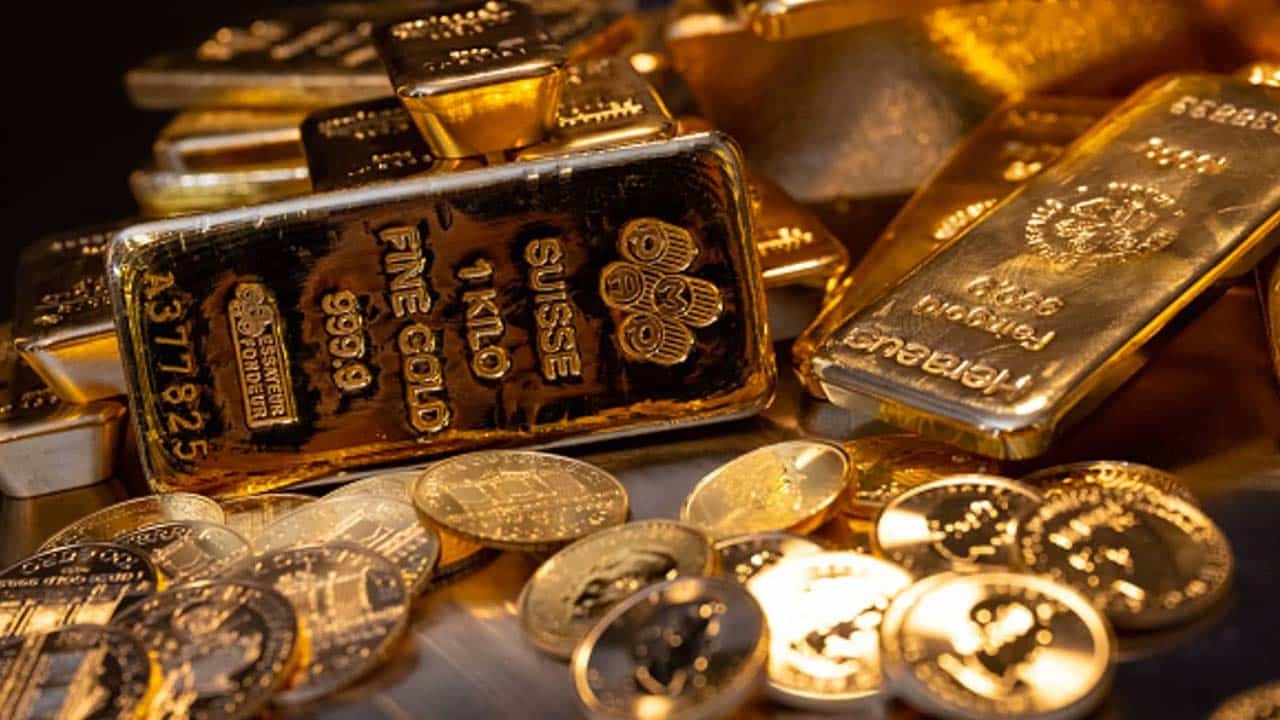
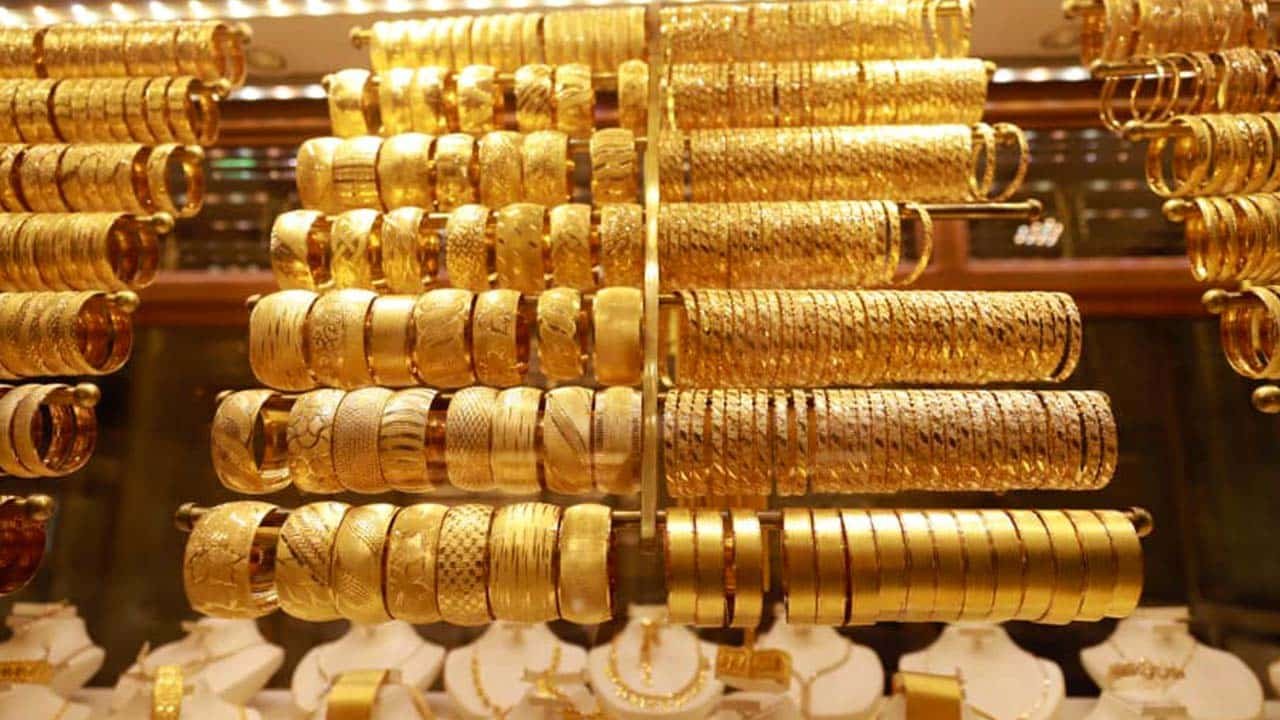
    In a notable recovery, the gold price in Pakistan rebounded from yesterday’s losses, marking an upward trend in the market. 

    The latest figures from the Karachi Sarafa Association indicate that 24-karat gold is now fetching Rs215,200 per tola, showcasing a gain of Rs500. 

    Additionally, the 10-gramme 24-karat gold stands at Rs184,500, reflecting a significant increase of Rs429 day-on-day. 

    Meanwhile, the price of 10-gramme 22-karat gold is reported at Rs169,124.

    Contrastingly, silver maintains stability in the domestic market, with 24-karat silver priced at Rs2,600 per tola and Rs2,229.08 per 10-gramme. 

    On the global front, the international spot gold market is currently trading at $2,026.87 [03:24 p.m. PST], marking a gain of $6.29 or 0.31 per cent for the day.

    It’s worth noting that the domestic gold market experienced a substantial setback last week, witnessing a drop of Rs2,150 per tola. 

    Analysts attribute this decline to the overall downturn in international gold prices and the continuous strengthening of the home currency. 

  • Gold prices dip in Pakistan: 24-carat gold settles at Rs217,300 per tola

    Gold prices dip in Pakistan: 24-carat gold settles at Rs217,300 per tola

    The domestic price of gold witnessed a decline, particularly impacting 24-karat gold in Pakistan, which dropped by Rs600 per tola to reach Rs217,300.

    According to the Karachi Sarafa Association, the price for 10 grammes of 24-karat gold was reported at Rs186,300, marking an increase of Rs514.

    The price for 10 grammes of 22-karat gold was Rs170,775 during this period.

    In contrast, silver remained steady in the local market, with 24-karat silver being traded at Rs2,650 per tola and Rs2,271.94 per 10 grammes.

    Internationally, the spot price of gold experienced a decline of $15, or 0.74%, reaching $2,039. It’s noteworthy that, at the time of the Karachi Sarafa Association’s report, the international spot rate had decreased by $8.

    It’s worth mentioning that 24-karat gold in Pakistan has observed a decline for the second consecutive week, as reported in the previous week.

  • Local gold market sees surge: Prices hit Rs217,900 per tola

    Local gold market sees surge: Prices hit Rs217,900 per tola

    On Monday, gold rates in Pakistan experienced a notable surge, mirroring an upward trend in the global market.

    The price of the precious metal reached Rs217,900 per tola in the local market, marking a gain of Rs450 within the day.

    According to data provided by the All Pakistan Gems and Jewellers Sarafa Association (APGJSA), the 10-gramme gold was traded at Rs186,814, reflecting an increase of Rs386.

    This upward trajectory follows a noteworthy rise of Rs950 per tola in gold prices on the preceding Saturday.

    The international gold rate exhibited a similar positive movement, reaching $2,075 per ounce on Monday with a $20 premium.

    This uptick of $7 in the global market was reported by APGJSA. Meanwhile, silver rates remained unchanged at Rs2,650 per tola.

    These fluctuations in precious metal prices highlight the dynamic nature of the market, influenced by both domestic and international factors.

    Investors and stakeholders continue to monitor these developments for their implications on the broader economic landscape.

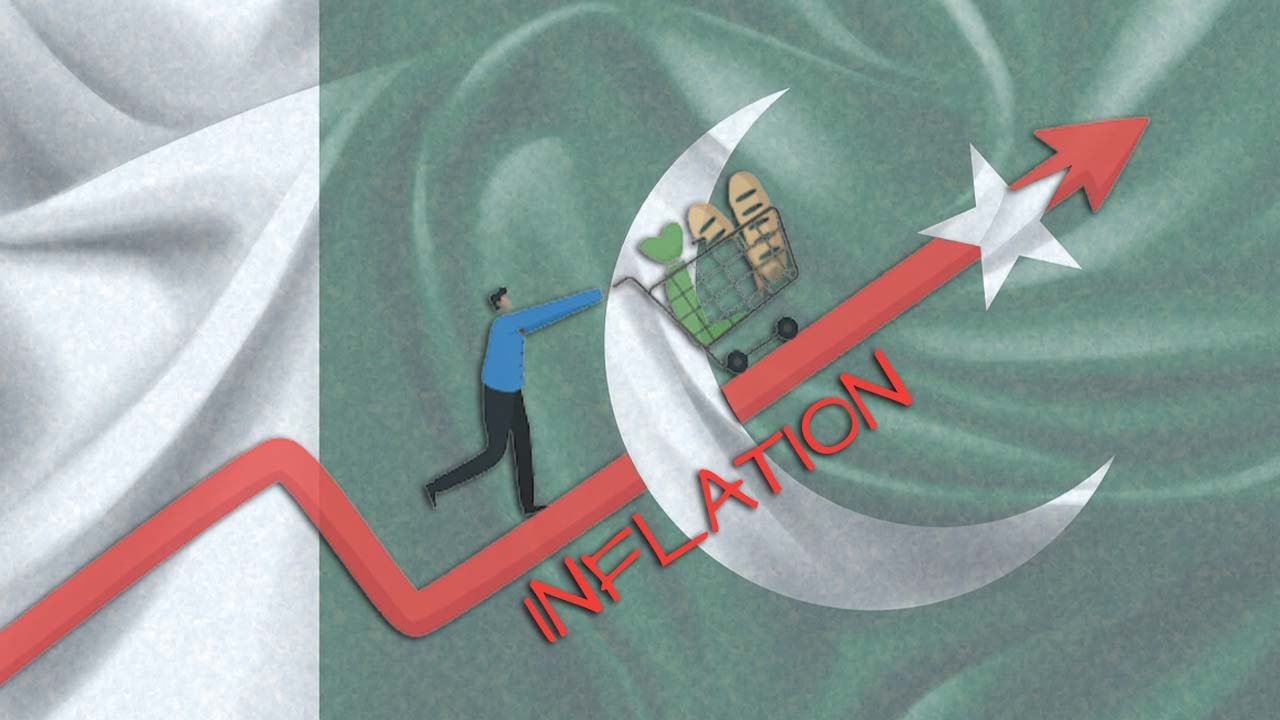
  • Cost of living rises in Pakistan: Weekly inflation jumps by 0.81%

    Cost of living rises in Pakistan: Weekly inflation jumps by 0.81%

    In a recent report by the Pakistan Bureau of Statistics (PBS), the Weekly Sensitive Price Indicator (SPI) for the Combined Group witnessed a marginal increase of 0.81 per cent Week on Week (WoW), concluding on January 04, 2024.

    The SPI also exhibited a substantial 42.86 per cent Year on Year (YoY) surge when compared to the corresponding period from the previous year.

    The Combined Index, reflecting the overall price movement, stood at 313.66 as of January 04, 2024, compared to 311.14 on December 28, 2023. In contrast, a year ago on January 05, 2023, the index was reported at 219.56.

    Out of the 51 items considered, the average prices of 19 items experienced an increase, 09 items observed a decrease, and 23 items remained stable throughout the week.

    During this period, notable price hikes were observed in tomatoes (16.04 per cent), chicken (13.98 per cent), eggs (3.20 per cent), onions (3.04 per cent), and bananas (2.13 per cent).

    Moreover, significant decreases were noted in the prices of potatoes (8.68 per cent), tea Lipton (1.29 per cent), garlic (0.68 per cent), and cooking oil 5 litre & vegetable ghee 2.5 kg (0.54 per cent) each.

    Analysing the weekly SPI percentage change across income groups revealed a universal increase ranging from 0.79 per cent to 0.84 per cent. The Lowest Income Group experienced a rise of 0.81 per cent, while the highest income group recorded a slightly lower increase of 0.8 per cent.

    On a yearly basis, the SPI change across different income segments exhibited a general increase ranging from 35.33 per cent to 46.38 per cent. The Lowest Income Group saw a yearly rise of 35.33 per cent, while the highest income group recorded an increase of 41.35 per cent.

    Noteworthy price points in the market included Sona urea, with an average price of Rs4,618 per 50 kg bag, marking a 0.02 per cent increase from the previous week and a substantial 72.45 per cent surge compared to the previous year.

    In contrast, the average Cement price recorded at Rs1,226 per 50 kg bag showed a 0.47 per cent decrease from the previous week but stood 17.43 per cent higher than prices observed last year.

    These fluctuations in the SPI underscore the dynamic nature of the market, reflecting both short-term variations and longer-term economic trends.

    As consumers and businesses navigate these changes, analysts are closely monitoring the SPI for insights into broader economic patterns.

  • Weekly inflation in Pakistan remains above 40% for sixth consecutive week

    Weekly inflation in Pakistan remains above 40% for sixth consecutive week

    In the week concluding on December 21, weekly inflation exhibited a marginal easing but persisted above 40 per cent for the sixth consecutive week. 

    Official data released for this week highlighted heightened consumer costs for eggs, firewood, and pulses. 

    The Pakistan Bureau of Statistics (PBS) revealed a 0.51 per cent decline in the Sensitive Price Indicator (SPI) from the previous week, attributed to lower prices of potatoes, petrol, diesel, tomatoes, and sugar.

    Despite this reduction, the SPI inflation rate remained notably high at 43.16 per cent, surpassing last year’s figure of 42.68 per cent for the same week. 

    This elevated inflation has adversely impacted the purchasing power of consumers, particularly those in lower and middle-income brackets. 

    The decline in SPI was driven by significant drops in the prices of potatoes (13.17 per cent), petrol (4.97 per cent), diesel (4.68 per cent), tomatoes (3.45 per cent), sugar (1.16 per cent), and other essential items.

    Conversely, considerable increases were observed in the prices of eggs (10.4 per cent), firewood (1.23 per cent), onions (1.19 per cent), and various pulses. 

    Out of the 51 essential items in the SPI, 35.29 per cent experienced price increases, 17.65 per cent saw decreases, and 47.06 per cent remained stable during the week.

    ConsumeRsin the lowest income bracket, earning up to Rs17,732 per month, faced a substantial SPI inflation rate of 35.13 per cent. 

    Meanwhile, the higher-income group, spending more than Rs44,175 per month, encountered an even higher SPI inflation rate of 40.93 per cent. 

    The middle quintile, ranging from Rs22,889 to Rs29,517, experienced a weekly inflation rate of 46.46 per cent.

    Various consumer goods displayed a mix of price increases, decreases, and stability, as indicated by the latest PBS data. 

    Notably, the price of a dozen eggs rose by 10.42 per cent, reaching Rs388.7, while firewood’s 40kg bundle increased by 1.23 per cent, totaling Rs1146. 

    Onion prices rose by 1.2 per cent, and various pulses witnessed increases.

    In contrast, potato prices per kilogramme dropped significantly by 13.17 per cent, reaching Rs76.8/kg, and petrol recorded a decrease of 4.97 per cent per litre, settling at Rs268.41. Hi-Speed Diesel also saw a decline of 4.68 per cent, reaching Rs277.29 per litre. 

    Tomatoes and refined sugar experienced decreases of 3.45 per cent and 1.16 per cent, respectively.

    Several essential commodities, including bread, beef, mutton, and various household items, maintained stable prices during the week with no significant fluctuations.

  • Gold price surges to Rs218,500 per tola amid global uptick

    Gold price surges to Rs218,500 per tola amid global uptick

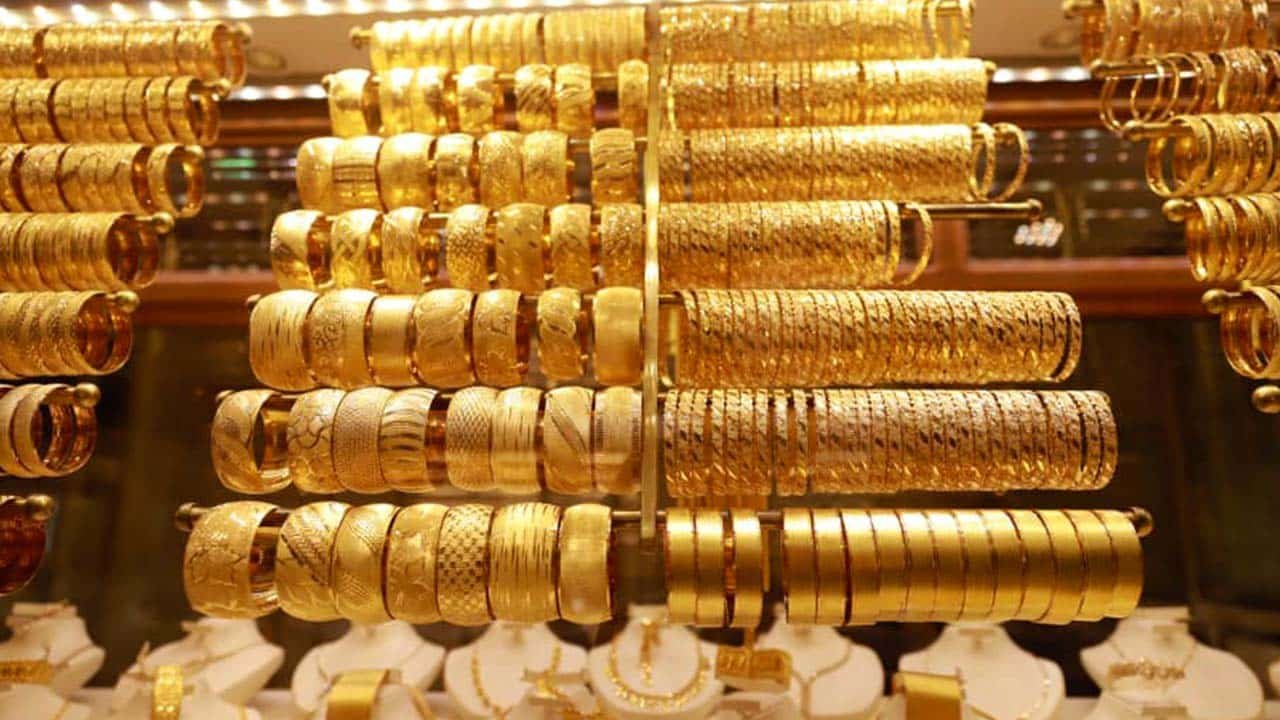
    In the latest update on the precious metals market, the cost of gold in Pakistan has witnessed a consistent upward trend for the third consecutive week, culminating in a settling price of Rs218,500 per tola on Wednesday.

    According to data released by the All-Pakistan Gems and Jewellers Association (APGJA), the rate of 24-karat gold experienced a notable surge, increasing by Rs900 per tola, reaching the current benchmark of Rs218,500.

    Simultaneously, the price for 10 grammes saw a rise of Rs771, now standing at Rs187,328.

    This surge in gold prices is a continuation of the trend observed earlier in the week, when prices increased by Rs400 twice.. This cumulative rise over the week amounts to Rs1,700 per tola, following a similar trend from the previous week when the precious metal’s price escalated by Rs1,200 per tola.

    Internationally, spot gold exhibited a modest 0.1 percent increase, reaching $2,042.10 per ounce as of 0729 GMT.

    Concurrently, US gold futures recorded a 0.2 percent uptick, settling at $2,055.90.

    These global market dynamics further contribute to the evolving landscape of gold prices, adding nuances to the economic outlook both domestically and abroad.

  • Gold price in Pakistan settles at Rs216,800 per tola

    Gold price in Pakistan settles at Rs216,800 per tola

    In a noteworthy shift, the per-tola price of 24 karat gold witnessed a decrease of Rs1,800, settling at Rs216,800 on Saturday.

    This marks a discernible drop from its previous standing of Rs218,600 during the last trading day.

    Similarly, the cost of 10 grammes of 24 karat gold experienced a dip of Rs1,543, now standing at Rs185,871 as opposed to its previous valuation of Rs187,414.

    Meanwhile, the prices of 10 grammes of 22-karat gold also exhibited a downward trend, reaching Rs170,382 from Rs171,796, as reported by the All Sindh Sarafa Jewellers Association.

    Contrastingly, the prices of silver remained unchanged, with per tola and ten gramme silver holding steady at Rs2,670 and Rs2,289.09, respectively.

    Taking a broader perspective, the international gold market saw a decline as well, with the price of gold dropping by $15 to $2,040 from its previous position at $2,055, according to the latest report from the Association.

    This shift in the precious metals market has sparked interest and attention within financial circles.

  • 24-karat gold price plunges by Rs1,800 per tola, reflecting global market trends

    24-karat gold price plunges by Rs1,800 per tola, reflecting global market trends

    On Tuesday, the price of gold experienced a further decline, with 24-karat gold witnessing a decrease of Rs1,800, settling at Rs213,600 per tola.  

    The Karachi Sarafa Association indicated that the closing rate for 10 grammes of 24-karat gold in today’s session was Rs183,128, reflecting a loss of Rs1,543.  

    Simultaneously, 10 grammes of 22-karat gold registered a decline to Rs167,867, down by Rs1,415. 

    Last week, gold investors in the domestic bullion market faced a significant setback when the price of 24-karat gold plummeted by Rs8,000 per tola.  

    This drop was attributed to a notable decrease in international prices and the strengthening of the local currency. 

    In contrast, the price of silver remained stable in the domestic market today, with 24-karat silver and 10 grammes of 24-karat silver closing at Rs2,600 and Rs2,229.08, respectively.  

    The downturn in the local market is linked to the ongoing decline in international prices. 

    The international spot gold market experienced a 1.04 per cent decrease this week, currently standing at $1,994.46.  

    This decline is influenced by the pressure stemming from a stronger dollar and increased US Treasury yields, marking the second consecutive session in which the commodity has traded in the red zone. 

    Market participants are eagerly anticipating the US consumer price report scheduled for 05:30 pm PST today.  

    This report could offer valuable insights into potential rate cuts ahead of the Federal Reserve’s statement and Chair Jerome Powell’s comments on Wednesday. 

    In the domestic market, gold prices are also susceptible to fluctuations in the local exchange rate.  

    Rupee remains stable against US dollar

    During yesterday’s interbank session, the Pakistani rupee (PKR) maintained stability, settling at PKR 283.9 per USD, representing a marginal depreciation of around 3 paisa against the US dollar compared to the previous session’s closing of PKR 283.87 per USD.  

    As gold is denominated in US dollars, a strengthening local unit contributes to a decrease in the value of PKR-denominated gold. 

  • Annual inflation increases by 29.65% in Pakistan, driven by rising gas prices 

    Annual inflation increases by 29.65% in Pakistan, driven by rising gas prices 

    According to the Pakistan Bureau of Statistics (PBS) report released on Friday, the weekly inflation, as measured by the Sensitive Price Indicator (SPI), exhibited a decline of 0.33 per cent during the week ending on October 19. 

    The Combined Index, as reported by PBS, stood at 277.11, down from 278.04 on October 19, 2023, with a notable contrast to the index of 213.74 recorded on October 27, 2022, a year ago.

    Among the 51 items monitored, the analysis indicates that the average prices of 14 items experienced an increase, 17 items saw a decrease, and 20 items remained stable. 

    Significant reductions were observed in the prices of chicken (10.19 per cent), onions (4.4 per cent), rice IRRI-6/9 (3.84 per cent), bananas (3.64 per cent), gur (3.4 per cent), pulse masoor (2.36 per cent), sugar (2.22 per cent), and mustard oil (2.17 per cent). 

    Conversely, notable price increases were recorded for tomatoes (20.81 per cent), potatoes (3.33 per cent), eggs (1.63 per cent), salt powdered (0.91 per cent), garlic (0.77 per cent), tea prepared (0.67 per cent), bread plain (0.56 per cent), and mutton (0.28 per cent).

    In a year-on-year comparison, the trend reveals an increase of 29.65 per cent in overall inflation, with substantial hikes in gas charges for Q1 (108.38 per cent), cigarettes (94.46 per cent), chilies powder (84.11 per cent), rice basmati broken (78.51 per cent), wheat flour (77.49 per cent), sugar (63.22 per cent), rice irri-6/9 (62.83 per cent), gents sponge chappal (58.05 per cent), gur (57.73 per cent), and salt powdered (54.84 per cent). 

    In contrast, price decreases are observed in tomatoes (31.90 per cent), onions (24.88 per cent), pulse gramme (5.82 per cent), mustard oil (4.16 per cent), and vegetable ghee (1 1 kg) (0.92 per cent).

  • Sugar prices soar to record highs, adding to woes of inflation-hit masses in Pakistan

    Sugar prices soar to record highs, adding to woes of inflation-hit masses in Pakistan

    Sugar prices across Pakistan have hit an all-time high, casting a cloud of concern and inconvenience among its populace. In a dramatic turn of events, the sugar market landscape underwent significant fluctuations, causing consumers to feel the pinch while traders and policymakers raced to decipher the root cause. 

    Reports from various regions of the country reveal staggering price disparities. In the southwestern province of Balochistan, the town of Chaman witnessed the highest sugar prices, with the sweet commodity soaring to an astonishing PKR 230 per kilogramme. Meanwhile, in the central Punjab town of Arifwala, the price of sugar reached PKR 185 per kilogramme, perplexing both buyers and sellers alike. 

    However, amidst this tumultuous surge in sugar prices, Karachi experienced a minor respite as wholesale prices dropped by PKR 2 to settle at PKR 176 per kilogram. Yet, the relief was not fully passed on to consumers, with the retail price stubbornly clinging to PKR 190 per kilogramme, as reported by the PPI news agency via Dawn. 

    The question on everyone’s mind: What led to this unprecedented rise in sugar prices? 

    The shocking escalation in sugar prices came on the heels of growing concerns expressed by Pakistan’s caretaker government regarding depleting sugar stocks. Dawn’s report identifies rising sugarcane prices and court orders as the primary contributors to the spiralling sugar prices. 

    Furthermore, dealers have attributed the surge to a logistical nightmare, where the supply of sugar was severely disrupted due to vehicles getting stranded on national highways following the suspension of permits.

    Senator Taj Haider added another layer of complexity to the issue, alleging that former minister Rana Sanaullah allowed a massive 1.4 million tonnes of sugar to be smuggled, thus exacerbating the crisis.

    In this blame game, Haider emphasised that Naveed Qamar, Pakistan’s former Commerce Minister, had officially authorised the export of approximately 250,000 metric tonnes of sugar to bolster foreign exchange reserves. He vehemently defended his party colleague, rejecting any implication that Qamar was responsible for the ongoing sugar shortage. 

    Read more: Saudi Arabia to invest $25 billion in Pakistan over five years

    The repercussions of the sudden sugar price surge have further deepened the financial woes of the Pakistani people, who are already grappling with the burdensome weight of inflation. The situation has prompted policymakers, traders, and citizens alike to closely monitor the ever-changing dynamics of the sugar market. 

    As Pakistan grapples with the sugar crisis, the nation remains hopeful for a sweet resolution that can alleviate the hardships faced by its people in these challenging times.