Tag: price hike

  • Chery Pakistan increases Tiggo 4 Price to Rs7 million

    In the face of mounting economic uncertainty, import restrictions, and complications surrounding Letter of Credit (LC) transactions, Chery Pakistan has been forced to implement a significant price hike on one of its popular crossover SUVs.

    According to Pakwheels, the Chery Tiggo 4, a favoured choice among Pakistani car enthusiasts, will now come with a heftier price tag, soaring from Rs6,399,000 to Rs6,999,000, reflecting an increase of Rs600,000. This move comes as Chery Pakistan grapples with the multifaceted challenges posed by a volatile economic landscape and supply chain disruptions, as the company revealed in an official statement.

    The surge in pricing has been attributed to the prevailing precarious economic conditions and the stifling supply constraints that have been a constant thorn in the side of numerous industries, including the automotive sector. Nevertheless, Chery Pakistan aims to mitigate the impact on its customers by extending a price lock guarantee to all new bookings for the Chery Tiggo 4, providing a semblance of stability amidst the tumultuous market fluctuations.

    The price escalation, while not entirely unexpected, underscores the current tribulations faced by Pakistan’s local auto industry. As a sector heavily reliant on imported components, particularly critical vehicle parts, the domestic car manufacturing industry is inherently susceptible to the ripple effects of foreign exchange rate fluctuations.

    Compounding the challenges are the import restrictions introduced by governmental authorities, leading to a cascade of delays and, in some instances, complete production standstills for various car manufacturers.

    The predicament has been further exacerbated by the non-issuance of LCs by the State Bank of Pakistan (SBP), casting a darker shadow over an already beleaguered landscape. Industry experts predict that the situation is poised to persist for the foreseeable future, with a grim timeline of at least 2–3 years for the auto sector to regain its footing.

    The intertwining of persistent economic woes with a backdrop of political instability paints a disheartening picture, further clouding the prospects of a swift recovery.
  • Nepra approves Rs2.31 per unit tariff increase for K-Electric consumers

    The National Electric Power Regulatory Authority (Nepra) has approved a tariff increase of Rs2.31 per unit for K-Electric (KE) consumers due to June 2023’s monthly fuel charges adjustment. This is slightly below KE’s requested Rs2.34 per unit hike. The new tariff takes effect in August and excludes lifeline consumers and electric vehicle charging stations.

    A public hearing on July 26, 2023, discussed KE’s proposal to address higher fuel costs for electricity generation in June. KE generated electricity at Rs24.90 per unit internally, while government-supplied electricity cost Rs11.56 per unit during that period. Nepra’s analysis resulted in an upward revision of Rs2.31 per unit for June, compared to KE’s requested increase.

    Conversely, Nepra raised the power tariff by Rs1.81 per unit for ex-Wapda distribution companies (DISCOs) in June’s fuel charges adjustment, slightly less than the hike for KE consumers. The Central Power Purchasing Agency-Guarantee (CPPA-G) requested a tariff increase of Rs1.88 per unit on behalf of DISCOs.

    This tariff adjustment, effective in August, applies to all DISCOs customers except lifeline consumers and electric vehicle charging stations. It follows a public hearing held by Nepra on July 26. Earlier, DISCOs customers paid Rs1.90 per unit under May 2023’s fuel charges adjustment, making the new rate Rs0.09 per unit lower.

    While the tariff increase has raised concerns among consumers, it has also spotlighted the delay in approving renewable energy projects. During KE’s petition hearing, an industrial consumer, Rehan Javed, highlighted pending Requests for Proposals (RFPs) with Nepra, which could expedite affordable electricity production through renewables, benefiting Karachi’s businesses.

    Nepra member Rafique Ahmed Shaikh expressed disappointment in KE’s slow progress in embracing renewable energy. Delayed approval of RFPs has hindered renewable energy initiatives.

    The Ministry of Energy’s bid to raise the base tariff for the new fiscal year, potentially leading to record-high prices, underscores the urgency of integrating renewable energy into the national energy mix.

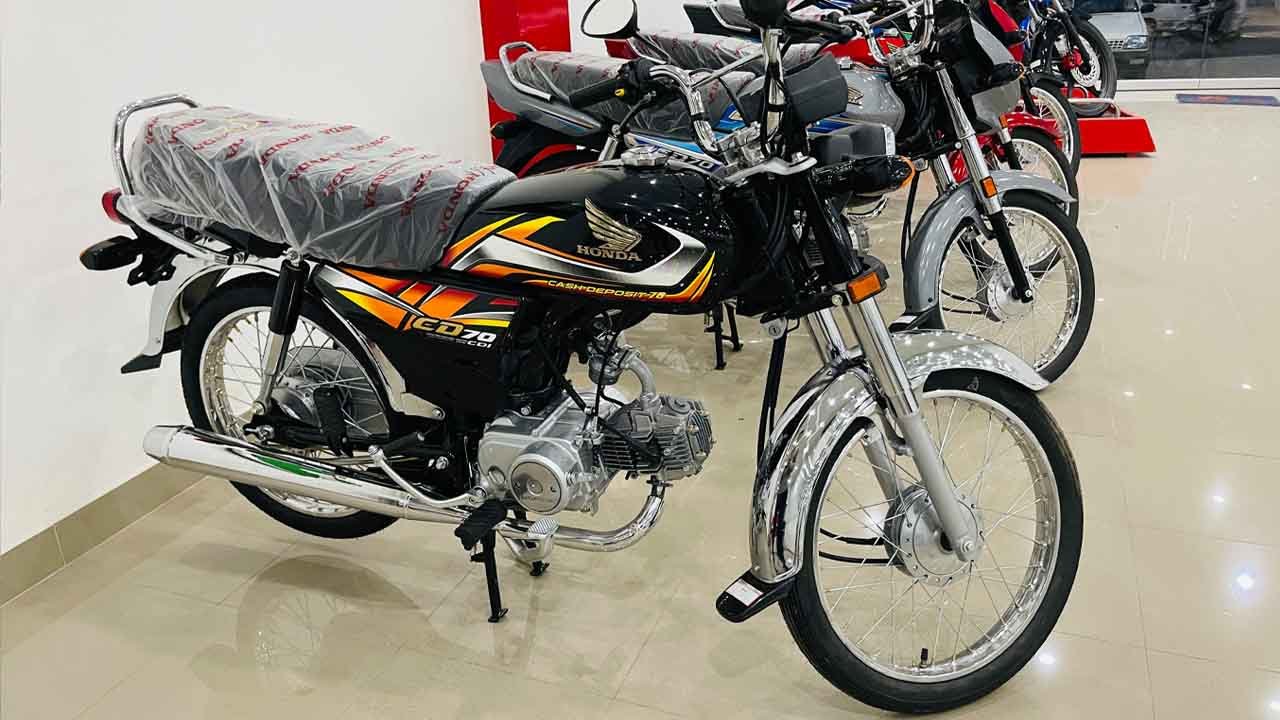
  • Atlas Honda increases motorcycle prices: CD-70 price hiked to Rs158,000

    Atlas Honda increases motorcycle prices: CD-70 price hiked to Rs158,000

    Atlas Honda, the leading motorcycle brand in Pakistan, has recently announced price adjustments for its bikes. The new prices are set to take effect today, August 5th.

    Here are the latest prices of Atlas Honda motorcycles in Pakistan:

    Motorcycle Model Previous Price (Rs) New Price (Rs) Previous Price (Rs)
    CD-70 154,900 157,900 3,000
    Dream 70 165,900 168,900 3,000
    Pridor 203,900 208,900 5,000
    CG-125 231,900 234,900 3,000
    CB-125F 387,900 390,900 3,000
    CB-150F 490,900 493,900 3,000

    The CD-70 model will see an increase of Rs3,000, bringing its new price to Rs157,900. Similarly, the Dream 70 model’s price has been raised by Rs3,000, now priced at Rs168,900.

    For the Pridor model, there has been a significant increase of Rs5,000, setting its new price at Rs208,900. As for the CG-125 model, it will now be priced at Rs234,900. Additionally, the CB-125F model’s price has been adjusted to Rs390,900, and the CB-150F model will now cost Rs493,900.

    These changes in prices reflect the current market conditions and various factors impacting the automobile industry. Customers should be aware of these adjustments while making their purchasing decisions after the specified date.

  • Govt hikes petrol and diesel prices by nearly Rs20 per litre

    Govt hikes petrol and diesel prices by nearly Rs20 per litre

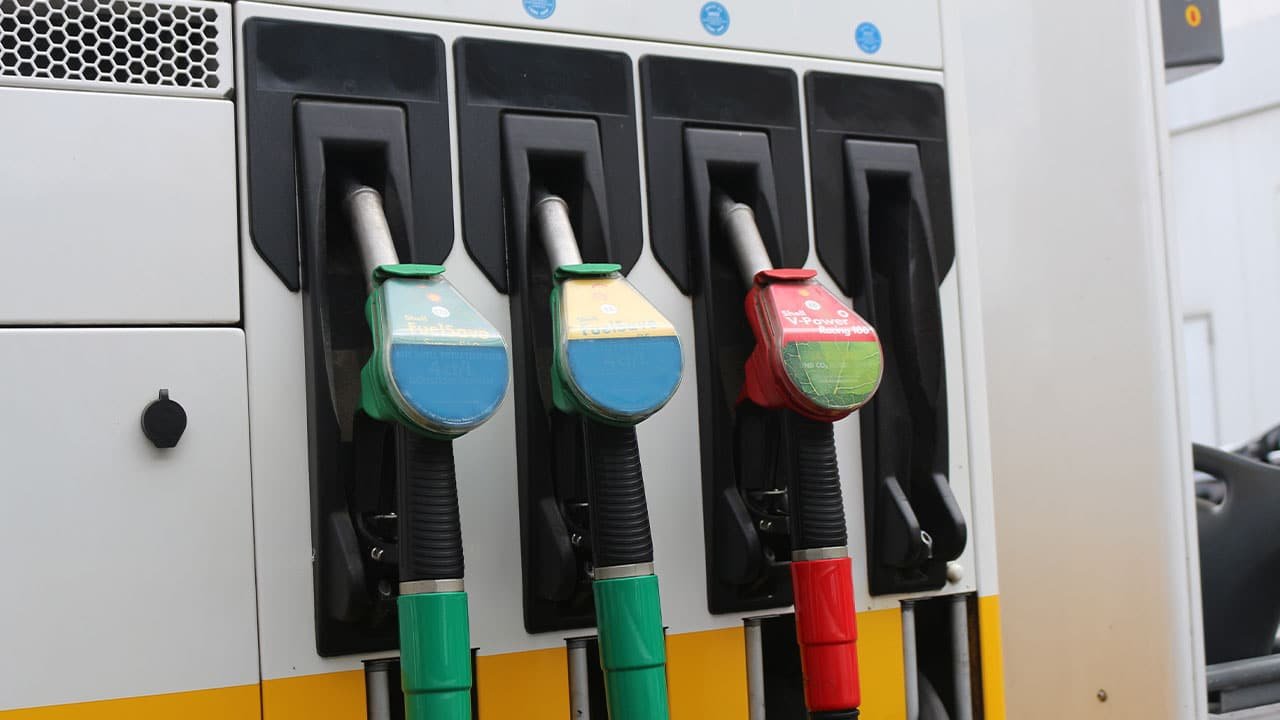
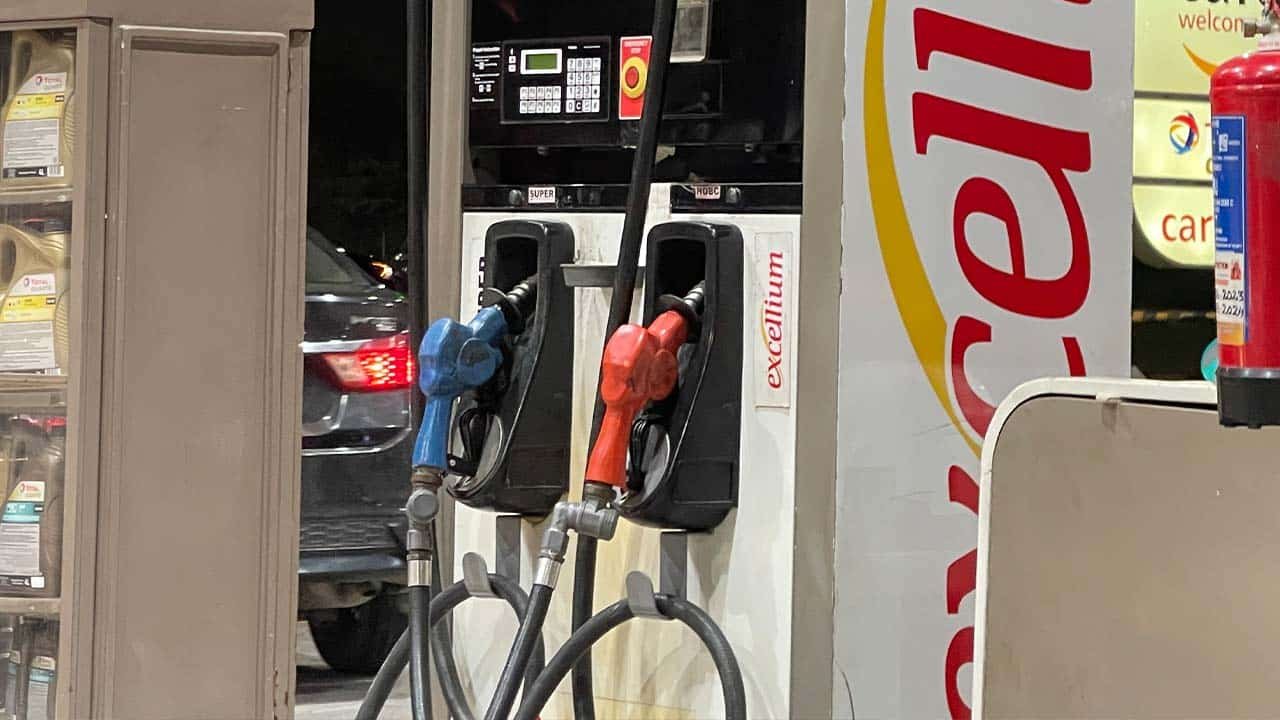
    In a move to fulfill its commitment with the International Monetary Fund (IMF), Pakistan’s Finance Minister Ishaq Dar has announced a substantial increase in petrol and diesel prices. The revision has taken effect immediately today (August 1st), with petrol price rising by Rs19.95 per litre and diesel price climbing by Rs19.90 per litre.

    Here are the new petrol and diesel prices:

    Product Old prices New prices Increase
    Petrol Rs253 Rs272.95 Rs19.95
    Diesel Rs253.50 Rs273.40 Rs19.90

    Minister Dar stated that the price hike was necessary to comply with the IMF’s requirement to impose a petroleum development levy (PDL) on the rates. He mentioned that despite attempts to mitigate the impact on inflation-weary citizens, the government had little room to maneuver due to the binding agreement with the IMF.

    The announcement was originally scheduled for July 31, but the government delayed the decision as officials sought ways to minimise the impact on the general public. The Finance Minister, making this announcement for the last time before his government’s term ends on August 12, emphasised that the decision was taken in the “national interest.”

    Dar clarified that if it were not for the IMF agreement, the government would have attempted to reduce the PDL to provide relief to the masses. He referred to the measures taken by the previous government that decreased petrol prices but resulted in a breach of commitments with the IMF.

    Explaining the reasons behind the price hike, the finance minister highlighted the surge in international market prices of high-speed diesel, which necessitated adjustments in local rates. He stressed that it was crucial to pass on the minimum amount to the consumers, considering the nation’s interests.

    The sudden increase in fuel prices is likely to have significant implications on the overall economy, including its impact on inflation rates and the cost of living for ordinary citizens. With the government’s term ending soon, the incoming administration will face the challenge of managing economic stability and addressing public concerns over rising fuel costs.

  • Oil and Gas Regulatory Authority implements Rs10 per kg hike in LPG prices

    Oil and Gas Regulatory Authority implements Rs10 per kg hike in LPG prices

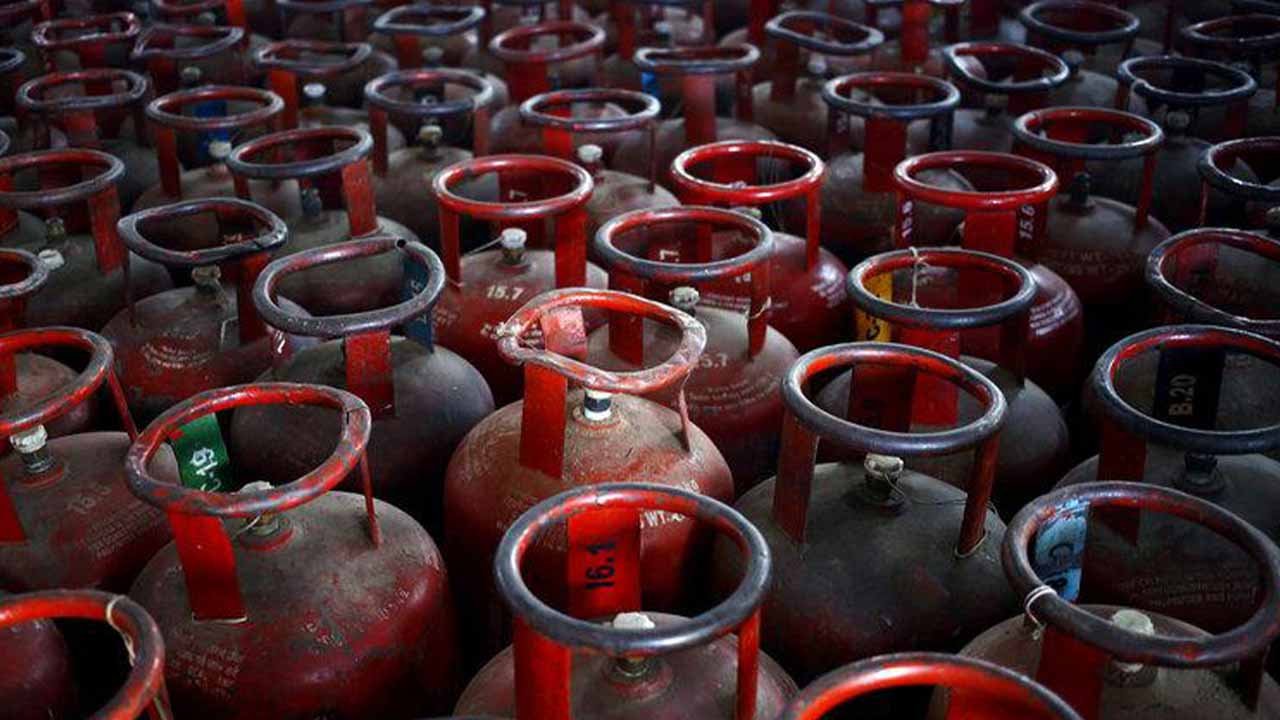
    The Oil and Gas Regulatory Authority (OGRA) has announced a revision in the prices of liquefied petroleum gas (LPG), raising it by Rs10 per kilogramme. As per the notification, the new price for LPG will be Rs240 per kilogramme.

    Additionally, the domestic cylinder rate will be increased to Rs2,830, while the commercial cylinder prices will soar to Rs10,900.

    In remote and mountainous regions, the LPG price will be set at Rs370 per kg, with the home LPG cylinder costing Rs4,130.

    The Chairman of the LPG Association, Irfan Khokar, expressed his concern over the government and OGRA’s lack of action against the illegal sale of LPG across the country.

    Furthermore, LPG sellers have called for a countrywide strike to protest against the high prices of the commodity.

    According to reports, LPG is not being sold anywhere in the country at the fixed official price due to black marketeering.

  • Lucky Motor Corporation increases Kia car prices by up to Rs4 lakh

    Lucky Motor Corporation increases Kia car prices by up to Rs4 lakh

    Lucky Motor Corporation Limited (LMCL) has implemented price increases across all Kia car models, with the exception of Picanto Manual, Stonic EX, and Carnival. The company has not provided a specific justification for this price surge.

    It is worth noting that, in contrast to the previous price adjustment, the company has also raised the price of the Picanto. As of July 5, the revised prices for the various models are outlined in the following table:

    Model Old price (Rs) New price (Rs) Hike (Rs)
    Picanto Automatic 3,625,000 3,825,000 200,000
    Stonic EX+ 5,930,000 6,050,000 120,000
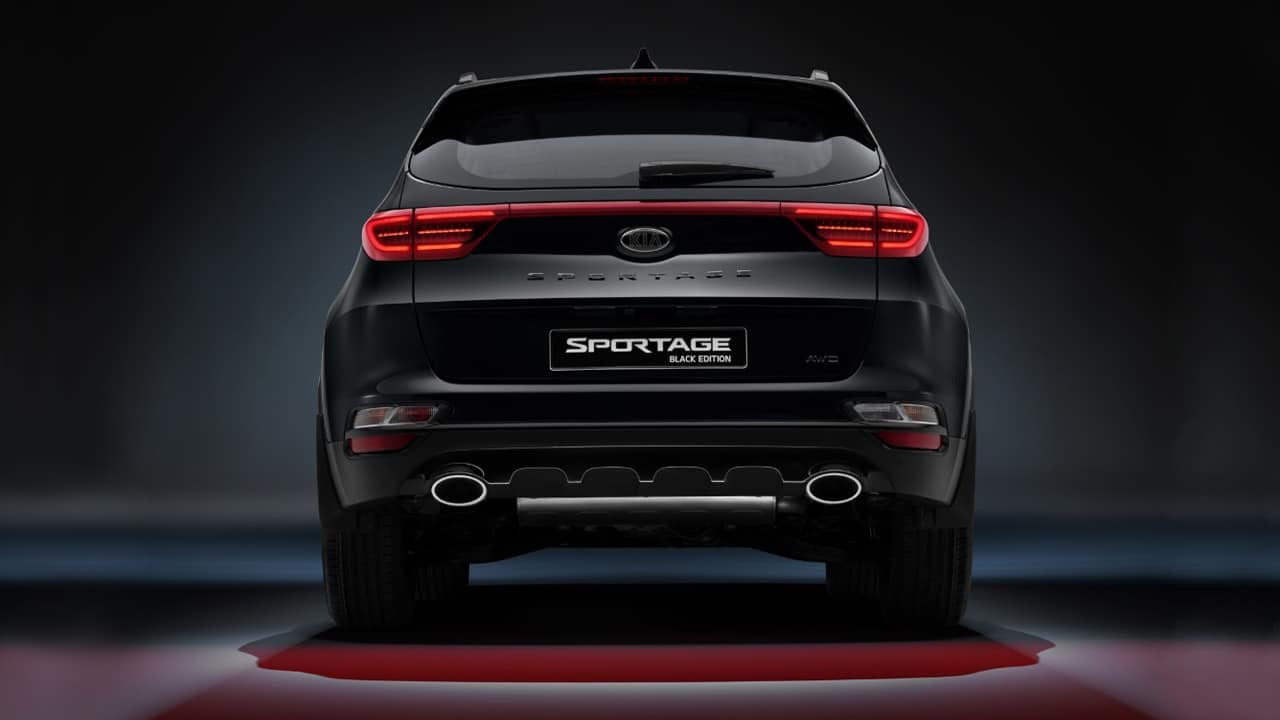
    Sportage Alpha 7,050,000 7,300,000 250,000
    Sportage FWD 7,940,000 8,190,000 250,000
    Sportage AWD 8,570,000 8,820,000 250,000
    Sportage Black Edition 9,050,000 9,300,000 250,000
    Sorento FWD 10,400,000 10,800,000 400,000
    Sorento AWD 11,300,000 11,700,000 400,000
    Sorento V6 11,390,000 11,790,000 400,000

    Previously, the company held a notable market share and was mentioned alongside Pakistan’s leading car manufacturers until mid-2022. However, currently, Kia’s car sales have dwindled to merely a few hundred units.

    Although there was a slight increase in sales for the company last month, it was not substantial enough to make a significant impact. Given the prevailing circumstances, it is understandable that all automakers in Pakistan are focused on survival.

  • Govt keeps petrol price unchanged, implements Rs7.50 hike in diesel rate

    Govt keeps petrol price unchanged, implements Rs7.50 hike in diesel rate

    The Finance Minister, Ishaq Dar, announced that the price of petrol will remain unchanged while the price of diesel will see an increase of Rs7.50 per litre for the next fortnight. 

    During a late-night press conference, Minister Dar clarified that there would be no adjustments made to the price of petrol, but the price of diesel would experience a rise of Rs7.50 per litre. The revised price for diesel will take effect from 12:00 am on July 1.

    As per the government’s announcement, the existing price of petrol, as of June 30, 2023, will be maintained at Rs262 per litre. There will be no change in the petrol price. 

    On the other hand, the existing price of diesel, also as of June 30, 2023, stands at Rs253 per litre. However, starting from July 1, 2023, the new price for diesel will be Rs260.50 per litre, reflecting an increase of Rs7.50 per litre.

    It is worth noting that earlier reports had indicated a potential increase of Rs5 in the Petroleum Development Levy (PDL) for both petrol and diesel, scheduled to be implemented on July 1. 

    The government had been considering raising the petroleum levy from Rs50 to Rs55 per litre for both fuels. The adjustment in the PDL is set to commence at the start of the next fiscal year.

    To enable this change, the government has sought the authority to amend the Petroleum Products (Petroleum Levy) Ordinance, 1961 (XXV of 1961), specifically in the Fifth Schedule, column (1), through the Finance Act 2023-24. This amendment grants the government the power to adjust the petroleum levy as required.

  • Proton increases car prices by more than Rs2.1 million in Pakistan

    Proton increases car prices by more than Rs2.1 million in Pakistan

    In what has already been a challenging year for Pakistan’s car industry, Al-Haj Automotive, the assembler and seller of Proton cars in the country, has announced a significant price hike across its vehicle lineup. The move comes as the industry continues to grapple with production halts and a series of factors contributing to a worsening crisis.

    Throughout 2022, Al-Haj Automotive had refrained from increasing its prices, with the exception of the Saga Standard Automatic variant in February. However, the company’s recent announcement indicates a substantial shift in its pricing strategy, leaving customers in shock and further dampening the already struggling car market.

    The ongoing crisis in the Pakistani car industry has been attributed to several key factors. First and foremost, the depreciation of the Pakistani rupee against major currencies has led to increased costs for automakers who rely on imported components. Import restrictions imposed by the government have also played a role in limiting the availability of crucial parts and components.

    Furthermore, the industry has faced challenges due to the increase in taxes levied on automobile manufacturers. The rising freight charges have further added to the financial burden faced by car companies, affecting their ability to maintain reasonable pricing for consumers.

    In addition to these factors, the Pakistani car industry has been hit hard by escalating raw material prices, making it increasingly difficult for automakers to sustain production and keep prices affordable. Logistical hurdles and supply chain disruptions have only compounded the challenges faced by manufacturers, resulting in prolonged production halts and delivery delays.

    Against this backdrop, Al-Haj Automotive has released its updated price list, effective immediately. The new prices for the Proton vehicle lineup are as follows:

    Saga Standard Manual: PKR2,824,000 (old price) to PKR3,749,000 (new price), representing an increase of PKR925,000.

    Saga Standard Automatic: PKR3,299,000 (old price) to PKR3,949,000 (new price), reflecting an increase of PKR650,000.

    Saga ACE Automatic: PKR3,149,000 (old price) to PKR4,099,000 (new price), marking a significant rise of PKR950,000.

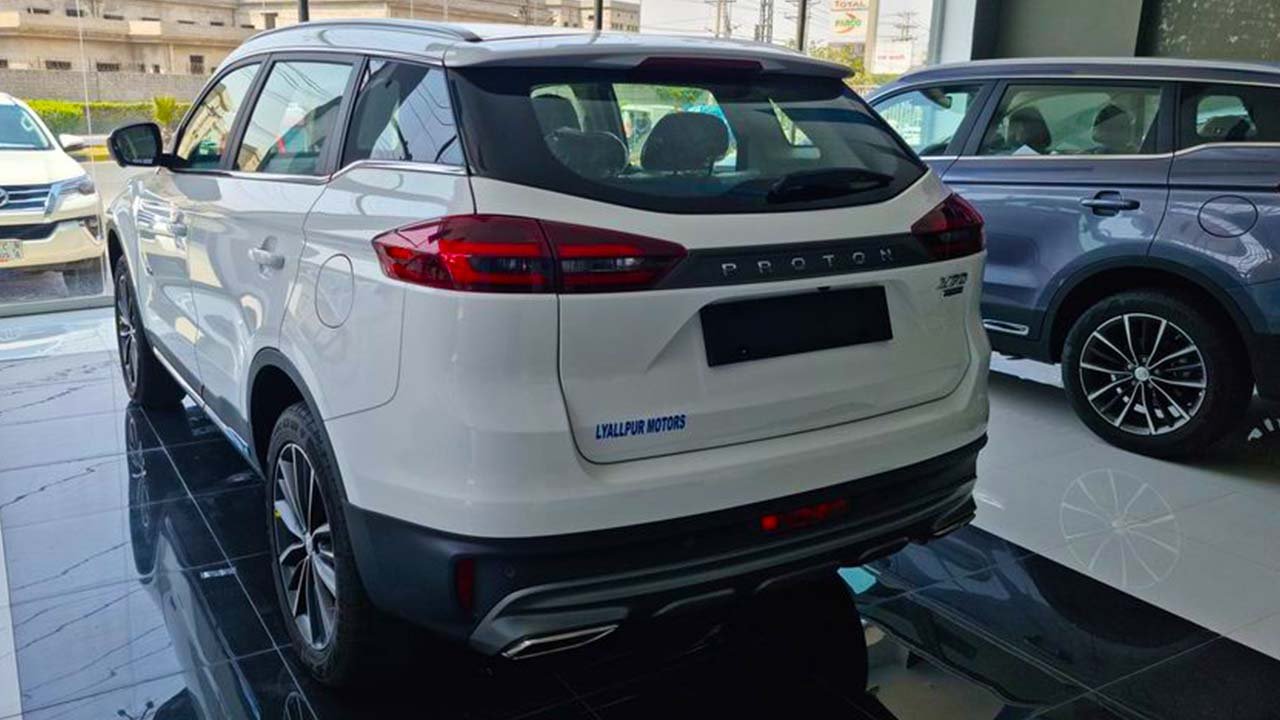
    X70 Executive AWD: PKR6,740,000 (old price) to PKR8,799,000 (new price), indicating a staggering increase of PKR2,059,000.

    X70 Premium FWD: PKR7,190,000 (old price) to PKR9,299,000 (new price), representing a substantial hike of PKR2,109,000.

    These price hikes by Al-Haj Automotive are expected to further burden potential car buyers and impact the demand in an already beleaguered market. The company, like other automakers in Pakistan, has attributed the need for such price increases to the challenging economic conditions and various hurdles faced by the industry.

    As Pakistan’s car industry continues to grapple with the ongoing crisis, consumers and stakeholders are anxiously awaiting measures from the government and industry leaders to stabilise the market and provide relief to both manufacturers and customers alike.

  • Consumer suffering intensifies: Pakistan’s weekly inflation skyrockets to 42.67%

    Consumer suffering intensifies: Pakistan’s weekly inflation skyrockets to 42.67%

    Inflation in Pakistan continues to surge as the Sensitive Price Indicator (SPI) recorded a significant increase, jumping to 42.67 per cent on a year-on-year basis for the week ending on June 1, according to official data released by the Pakistan Bureau of Statistics (PBS). The weekly inflation showed a marginal increase of 0.03 per cent compared to the previous week.

    The short-term inflation, measured by the SPI, reached an all-time high of 48.35 per cent for the period ending on May 4, highlighting the ongoing challenges faced by the economy. The Combined Index, a comprehensive measure of inflation, stood at 254.13 compared to 254.05 on May 25, 2023, and marked a significant increase from 178.12 recorded on June 2, 2022.

    The PBS report revealed that out of the 51 monitored items, the average prices of 19 items increased, 14 items witnessed a decrease, while 18 items remained unchanged during the week under review. This data indicates the volatile nature of prices in the current market.

    Analyzing the SPI change across different income groups, the weekly percentage change showed a mixed trend, ranging between -0.1 per cent and 0.12 per cent. However, on a yearly basis, the SPI increased across all quantiles, ranging between 40.2 per cent and 43.49 per cent, suggesting the broad impact of inflation across various income segments.

    Additionally, the statistics bureau reported that Pakistan’s annual inflation rose to 37.97 per cent year-on-year in May, further confirming the country’s highest-ever inflationary period. The Consumer Price Index (CPI) recorded 36.4 per cent in April, which at the time was already the highest level according to the bureau’s historical records.

    Furthermore, the month-on-month rise in May was reported to be 1.58 per cent, with the bureau highlighting significant increases in the prices of vegetables, pulses, and chicken. These factors contribute to the overall rise in the cost of living and put additional strain on households and businesses alike.

    The continuous surge in inflation poses significant challenges to the economy, affecting consumers’ purchasing power and increasing the cost of doing business. The government and relevant authorities are urged to take immediate measures to stabilize prices, address supply chain issues, and implement effective policies to alleviate the impact of rising inflation on the population.

    As the situation unfolds, policymakers and economists will closely monitor the inflationary trends, devising strategies to bring stability and mitigate the adverse effects on the economy and the welfare of the people.

  • Health activists urge govt to impose higher taxes on cigarettes for public welfare

    Health activists urge govt to impose higher taxes on cigarettes for public welfare

    Health activists and civil society organizations are calling on the government to impose higher taxes on cigarettes in the upcoming 2023-24 budget, signaling a potential increase in smoking costs for Pakistani consumers.

    Advocates argue that regular tax hikes on tobacco products, in line with the recommendations of the World Health Organization (WHO), are necessary to combat the detrimental effects of smoking in the country.

    Sanaullah Ghumman, representing Pakistan National Heart Association (PANAH), emphasised the importance of consistent taxation on cigarettes, urging the government to align with WHO guidelines. Ghumman’s plea reflects the growing concern over the devastating health consequences associated with tobacco consumption.

    Malik Imran, Country Head of the Campaign for Tobacco-Free Kids (CTFK), highlighted the impact of the government’s recent decision to raise the Federal Excise Duty (FED) on cigarettes in February 2023. This move generated an additional Rs11.3 billion in FED revenue for the fiscal year 2022-23, marking a 9.7 per cent increase from the previous year. Moreover, an extra 4.4 billion in VAT revenue was collected during the same period, representing an 11.5 per cent rise. These figures amount to a substantial boost of 15.7 billion, contributing 0.201 per cent to Pakistan’s struggling economy.

    Imran dismissed the tobacco industry’s claims of illicit trade as a diversion tactic to undermine the benefits of increased taxation. He emphasised that the economic gains resulting from higher prices indicate the viability of this approach, which aids in curbing smoking-related healthcare costs.