The Drug Regulatory Authority of Pakistan (DRAP) has announced an increase of up to 14 per cent in the prices of life-saving medicines, following approval from the federal government.
According to ARY News, DRAP stated that life-saving drugs will experience a 14 per cent hike, while all other medicines will see a 20 per cent increase.
The regulatory authority clarified that these price adjustments are considered a one-time dispensation, in line with the 70 per cent rise in the consumer price index (CPI). This increase will be regarded as the annual raise for the fiscal year 2023-24, with no further increments in the upcoming financial year.
The DRAP’s Policy Board will evaluate the situation after three months, specifically in July 2023, and submit recommendations to the federal government for potential price reductions, should the Rupee appreciate in value.
The Economic Advisory Committee had already endorsed the price hike, taking into account the escalating fuel prices and the devaluation of the Rupee, which have contributed to record-high inflation in recent months, impacting various sectors of the economy.
Earlier reports indicated a 0.16 per cent year-on-year decrease in weekly inflation, as measured by the Sensitive Price Indicator (SPI), for the week ending on May 18. However, short-term inflation surged to an unprecedented 48.35 per cent for the period ending on May 4.
The Pakistan Bureau of Statistics (PBS) released data indicating a combined index of 255.12, compared to 255.53 on May 11, 2023. In contrast, the index stood at 175.08 a year ago, on May 19, 2022.
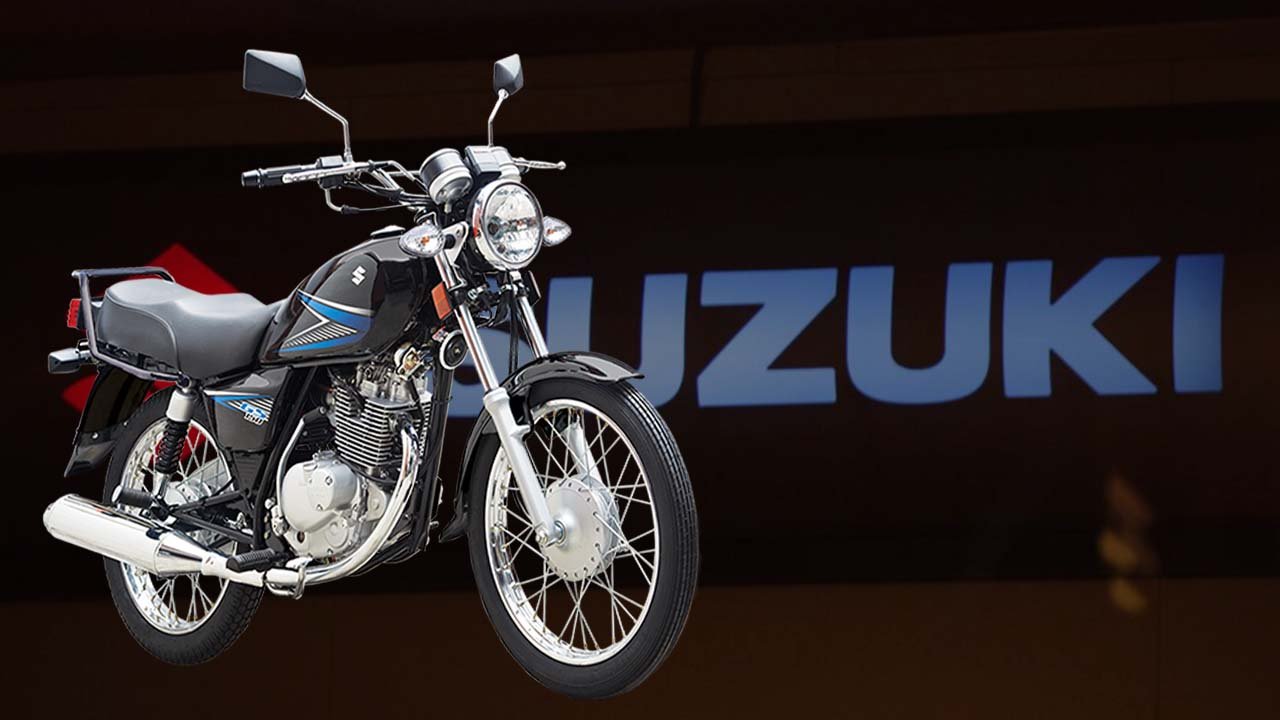
In the midst of Pakistan’s economic crisis, the country’s automobile industry is struggling to stay afloat. One of the major players in the two-wheeler market, Pak Suzuki Motors, has recently increased the prices of its motorcycles due to the continuous devaluation of the rupee.
This comes as no surprise since Pakistan’s auto industry heavily depends on imports and has been facing obstacles due to restrictions on the opening of letters of credit (LCs) after the rupee’s depreciation.
According to a notification sent by the company to its dealers, the new rates will apply from May 9 and remain unchanged until further notice. The retail prices include the ex-factory product price and freight charges incurred on motorcycles that are delivered to dealerships.
The notification mentioned that the rate of GD110s has increased to Rs335,000, GS150 to Rs364,000, GSX125 to Rs488,000, GR150 to Rs521,000, and GW250JP to Rs1.04 million.
It’s worth noting that this isn’t the first time the automobile industry has seen such a price hike. Atlas Honda, Pakistan’s biggest player in the two-wheeler segment in terms of market share, recently increased its motorcycle prices for the fourth time this year, making them more expensive by Rs5,000-15,000.
As the industry continues to face hindrances, it remains to be seen how it will adapt to the current economic conditions.
Here are the new prices for all Suzuki motorcycles:
The Pakistan Bureau of Statistics (PBS) has reported that for the week ending on April 6, 2023, the Sensitive Price Indicator (SPI) based inflation has increased by 0.92 per cent. This rise is mainly due to an increase in the prices of food items such as chicken (15.87 per cent), sugar (13.48 per cent), potatoes (5.11 per cent), bananas (4.95 per cent), wheat flour (3.10 per cent), gur (2.12 per cent), eggs (1.26 per cent), fresh milk (1.24 per cent), and non-food item long cloth (1.95 per cent).
The year-on-year trend indicates an increase of 44.49 per cent, which is primarily due to a surge in the prices of cigarettes (165.88 per cent), wheat flour (131.72 per cent), gas charges for q1 (108.38 per cent), diesel (102.84 per cent), eggs (98.34 per cent), Lipton tea (97.63 per cent), broken basmati rice (84.92 per cent), bananas (82.23 per cent), petrol (81.17 per cent), irri-6/9 rice (80.61 per cent), moong (68.14 per cent), potatoes (65.95 per cent), maash (56.70 per cent), and onions (55.75 per cent). However, a decrease in prices has been observed for tomatoes (50.39 per cent) and powdered chillies (6.48 per cent).
The SPI for the week under review has been recorded at 252.06 points compared to 249.75 points in the previous week, as per the latest data released by PBS on Friday. During the week, out of 51 items, prices of 27 (52.94 per cent) items increased, seven (13.73 per cent) items decreased, and 17 (33.33 per cent) items remained stable.
The average prices of commodities that have increased during the week over the previous week include chicken (15.87 per cent), sugar (13.48 per cent), potatoes (5.11 per cent), bananas (4.95 per cent), wheat flour (3.10 per cent), gur (2.12 per cent), long cloth 57” Gul Ahmed/Al Karam (1.95 per cent), eggs (1.26 per cent), fresh milk (1.24 per cent), irri-6/9 rice (0.80 per cent), shirting (0.75 per cent), beef with bone (0.71 per cent), broken basmati rice (0.69 per cent), curd (0.60 per cent), toilet soap Lifebuoy (0.56 per cent), lawn printed Gul Ahmed/Al Karam (0.55 per cent), prepared tea (0.44 per cent), powdered salt (0.39 per cent), Georgette (0.36 per cent), Sufi washing soap (0.31 per cent), mutton (0.18 per cent), moong (0.16 per cent), masoor (0.15 per cent), maash (0.09 per cent), cooked beef (0.04 per cent), cooking oil Dalda or other similar brand (sn), 5 litre tin each (0.04 per cent), and cooked daal (0.02 per cent).
The commodities that have recorded a decrease in their average prices are tomatoes (14.96 per cent), onions (12.66 per cent), LPG (3.73 per cent), pulse gram (1.20 per cent), vegetable ghee Dalda/Habib 2.5 kg tin each (0.71 per cent), garlic (0.16 per cent), and mustard oil (0.03 per cent).
Commodity
Year-on-Year Change
Week-on-Week Change
Cigarettes
165.88 per cent
N/A
Wheat flour
131.72 per cent
3.10 per cent
Gas charges for q1
108.38 per cent
N/A
Diesel
102.84 per cent
N/A
Eggs
98.34 per cent
1.26 per cent
Lipton tea
97.63 per cent
N/A
Broken basmati rice
84.92 per cent
0.69 per cent
Bananas
82.23 per cent
4.95 per cent
Petrol
81.17 per cent
N/A
Irri-6/9 rice
80.61 per cent
0.80 per cent
Moong
68.14 per cent
0.16 per cent
Potatoes
65.95 per cent
5.11 per cent
Maash
56.70 per cent
0.09 per cent
Onions
55.75 per cent
12.66 per cent
Tomatoes
-50.39 per cent
-14.96 per cent
Powdered chillies
-6.48 per cent
N/A
Chicken
N/A
15.87 per cent
Sugar
N/A
13.48 per cent
Gur
N/A
2.12 per cent
Long cloth 57” Gul Ahmed/Al Karam
N/A
1.95 per cent
Fresh milk
N/A
1.24 per cent
Shirting
N/A
0.75 per cent
Beef with bone
N/A
0.71 per cent
Curd
N/A
0.60 per cent
Toilet soap Lifebuoy
N/A
0.56 per cent
Lawn printed Gul Ahmed/Al Karam
N/A
0.55 per cent
Prepared tea
N/A
0.44 per cent
Powdered salt
N/A
0.39 per cent
Georgette
N/A
0.36 per cent
Sufi washing soap
N/A
0.31 per cent
Mutton
N/A
0.18 per cent
Masoor
N/A
0.15 per cent
Cooked beef
N/A
0.04 per cent
Cooking oil Dalda or other similar brand (sn), 5 litre tin each
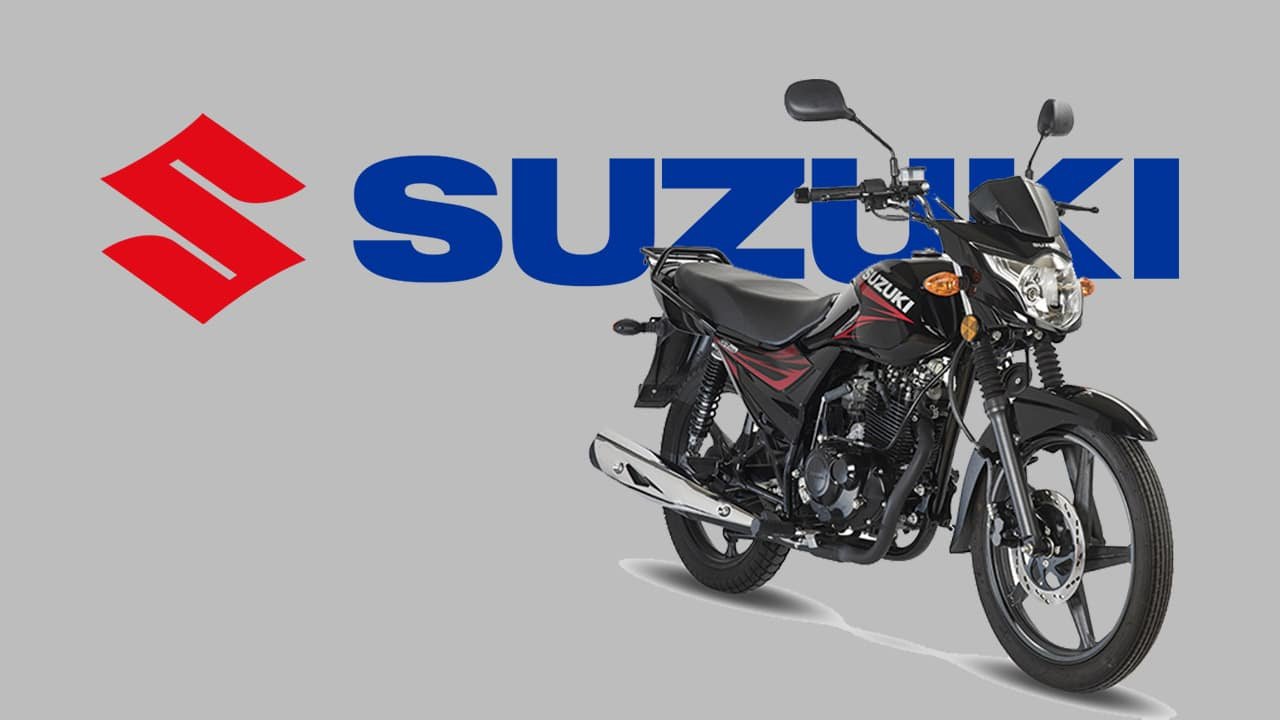
Pak Suzuki, in its latest round of price hikes, has increased the rates of its bikes including the GR150 and other models. This marks the third price hike for the company’s bikes in just four months.
Starting from April 7, 2023, the new prices will be implemented.
The GR150, which is one of the popular models from Suzuki, now costs over five lacs, which is an astonishing price for a bike. The company claims that the hike is necessary to cover the increasing costs of production and other related expenses.
The Suzuki GD 110S, which was previously priced at Rs290,000, has now been given a price tag of Rs322,000 after the hike of Rs32,000. Similarly, the Suzuki GS 150 has undergone a transformation from its previous cost of Rs315,000 to a new price of Rs350,000, thanks to the increase of Rs35,000. The GSX 125, on the other hand, has seen an increase of Rs47,000, taking its previous cost of Rs422,000 to a new high of Rs469,000. Finally, the Suzuki GR150, known for its style and performance, has gone from Rs451,000 to Rs501,000 after a price hike of Rs50,000.
This increase in prices will undoubtedly affect customers, especially those who rely on these bikes as their primary mode of transportation. It is hoped that the company will take steps to ease the burden on its customers and provide affordable bikes that meet their needs.
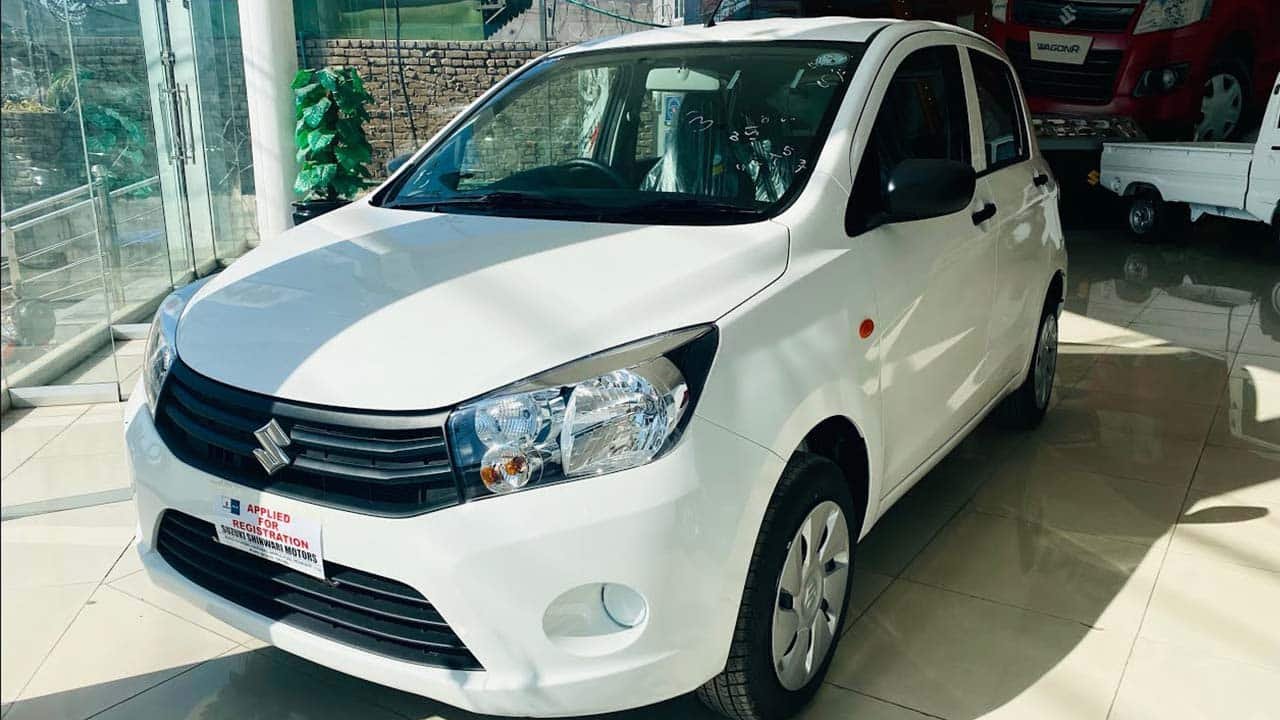
On Wednesday, Pak Suzuki Motor Company (PSMC) made an announcement that has stirred up the automobile industry – a decision to increase the prices of their diverse range of car models by a substantial amount, up to Rs235,000. The automaker released a notification detailing the revised retail sales prices which will take effect from April 6th.
As the premier assembler, manufacturer, and marketer of Suzuki cars, pickups, vans, 4x4s, motorcycles, and their spare parts in the local market, PSMC’s pricing strategy has a significant impact on the consumer market. This decision will undoubtedly spark discussions and debates, as car enthusiasts and industry experts alike try to make sense of its implications.
The latest notification from the automobile giant has set tongues wagging as it brings about changes that may impact the pricing of their products. As per the announcement, the revised retail prices of their vehicles are inclusive of federal excise duty and sales tax, but advance income tax is not included.
Here are the latest prices of all Suzuki cars effective April 6, 2023:
Model
Old prices
New prices
Increase
Alto VX
2,144,000
2,251,000
+107,000
Alto VXR
2,487,000
2,612,000
+125,000
Alto VXR AGS
2,665,000
2,799,000
+134,000
Alto AGS
2,795,000
2,935,000
+140,000
Wagon R VXR
3,062,000
3,214,000
+152,000
Wagon R VXL
3,248,000
3,412,000
+152,000
Wagon R AGS
3,563,000
3,741,000
+178,000
Cultus VXR
3,540,000
3,718,000
+178,000
Cultus VXL
3,889,000
4,084,000
+195,000
Cultus AGS
4,157,000
4,366,000
+209,000
Swift GL MT
4,052,000
4,256,000
+204,000
Swift GL CVT
4,355,000
4,574,000
+219,000
Swift GLX CVT
4,725,000
4,960,000
+235,000
Ravi
1,768,000
1,856,000
+88,000
Ravi w/o Deck
1,848,000
1,940,000
+ 92,000
Bolan Van
1,848,000
1,940,000
+92,000
Bolan Cargo
1,852,000
1,944,000
+92,000
It’s worth noting that the prices are subject to change without prior notice, which might cause some concern among potential buyers. Additionally, the company made it clear that any government taxes and levies applicable at the time of delivery will be the responsibility of the customers.
With this new development, the automobile industry is bracing for a potentially significant shift in pricing, and it remains to be seen how it will affect the purchasing behavior of consumers.
Due the ongoing inflation crisis in Pakistan, food and petrol prices have risen astronomically, leading to many families finding it difficult to afford basic necessities like rice or flour. Writing for The Guardian, Zofeen T Ebrahim has covered the story of the street kitchen ‘Khana Ghar’ set up in Karachi’s poorest district by Parveen Saeed, who has been serving food to families for the past 22 years.
Opening up to The Guardian, Saeed said that the kitchen has become even more busy since Ramzan began, as more families have arrived to receive one-month food rations:
“But we can only give one bag to one family, and we need their ID cards to check that,” she said. “There are more and more mouths to feed than we can cope with.”
Saeed, who had received the Pride of Performance award in 2021, sells salan and roti to families for only Rs 3. Before the Covid-19 lockdown, the kitchen provided meals for 6,000 people, but afterwards it rose to 7000, and now currently stands at 8,200.
Saeed revealed that people stand in line for long hours in order to eat, because the ongoing political and economic instability has made it difficult for people to make a living:
“These people are not beggars, they have become destitute..where are the jobs?”
“Food prices have hit the sky. It is heartbreaking as they have waited for a couple of hours, only to leave empty-handed.”
The newspaper also spoke to some of the regulars who visit Khana Ghar. Former construction worker Mohammad Shakeel, a father of six, suffered a head injury and broken wrists after which finding work became incredibly hard. He said the food was a ‘Godsend’ because “with a kilo of flour costing 150 rupees, we would not be able to survive the jump in food prices.”
A widow who has been relying on Khana Ghar to feed her polio ridden daughter and toddler grandson said, “Had it not been for Parveen, we would have died from hunger.”
In a little under a year, the price of cars in Pakistan has risen dramatically. Car companies across the country have announced successive price hikes since last year. Even the most affordable models, such as the Suzuki Alto, have become prohibitively expensive, with prices that the average salaried worker can scarcely afford.
These price hikes can be attributed to a number of factors, including the depreciation of the Pakistani rupee against the US dollar and an increase in the cost of production. Unfortunately, this has resulted in even basic car models becoming unaffordable luxuries for many people in Pakistan.
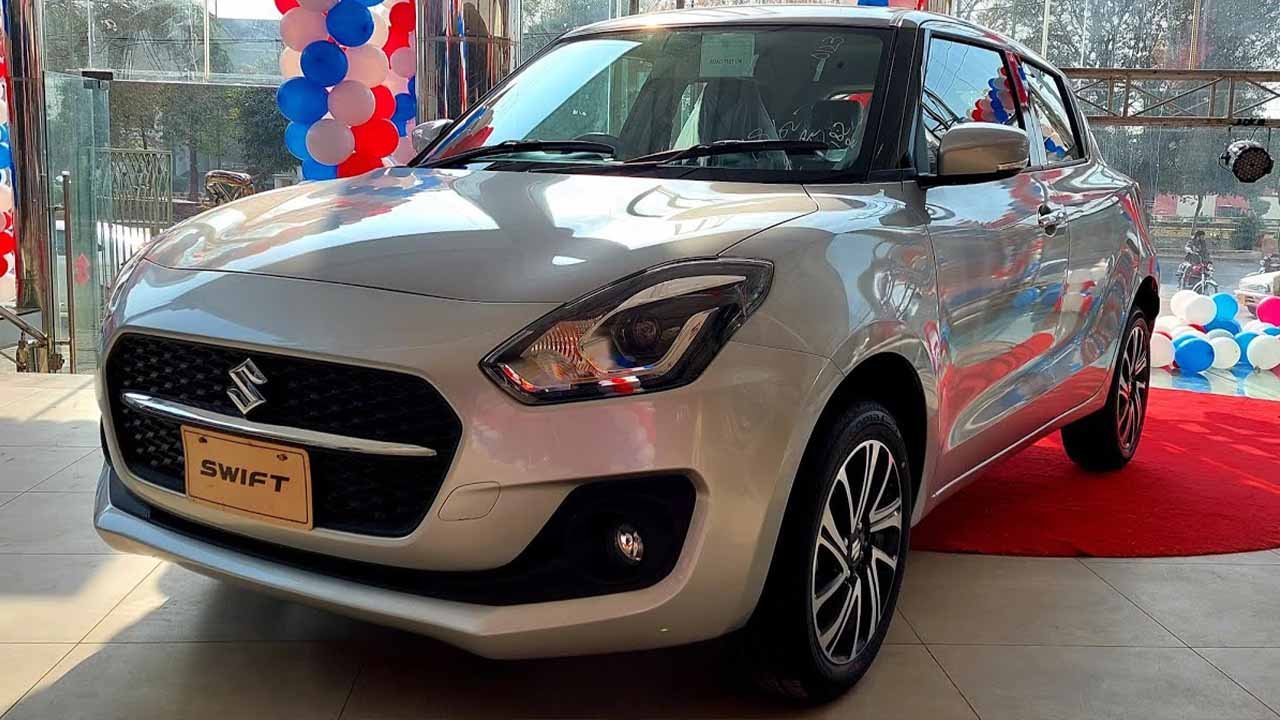
For instance, consider the Suzuki Swift – one of the country’s most popular cars. In March 2022, the base model of the Swift, known as the Suzuki Swift GL with manual transmission, was priced at Rs2,499,000. By March 2023, the same car jumped to Rs4,052,000 – an increase of Rs1,553,000.
Those looking for a more advanced version of the Swift are in for an even bigger shock. The mid-variant, the Suzuki Swift GL CVT with automatic transmission, was priced at Rs2,699,000 just a year ago. Today, that same model will set you back an astounding Rs4,355,000 – an increase of Rs1,656,000.
Furthermore, the top-of-the-line model, the Suzuki Swift GLX, has seen a significant price increase. One year ago, the GLX variant was priced at Rs2,899,000. Today, it costs an incredible Rs4,725,000 – a difference of Rs1,826,000.
Overall, the sharp rise in car prices in Pakistan has made car ownership an unattainable dream for many people. It remains to be seen whether anything will be done to alleviate the financial burden of car ownership in the country.
To provide a clear comparison, here is a table showcasing the prices of the three variants of the Suzuki Swift from March 2022 to March 2023:
Residents of Rawalpindi and Islamabad have launched the “Fruit Boycott Campaign” due to the increasing prices of fruits throughout the country. The campaign, initiated through social media by concerned citizens, appealed to the public to protest against the inflated prices of fruits.
Citizens alleged that the inflation of fruits was due to the government officials’ failure to control profiteers and hoarders, and accused officials of having an underhand deal with them to loot the public.
The campaign aimed at boycotting the purchase of fruits for two days initially, but citizens from all cities participated actively in making the campaign successful.
According to The News, the campaign was successful, with a significant number of people participating and refusing to buy fruits for four days.
However, the district administrations of Islamabad and Rawalpindi did not intervene in the situation, despite citizens submitting several complaints about the price hike.
Sources claimed that profiteers and hoarders had hoarded all kinds of fruits to reap extra profits.
At the start of Ramzan, prices of essential food items have witnessed an uncontrolled surge, with little intervention from the authorities concerned. Shopkeepers are selling essential food items at their desired rates instead of selling at government-announced rates.
A recent survey of markets in Peshawar reveals an alarming increase in prices of food items, which have continued to soar with each passing day in this holy month.
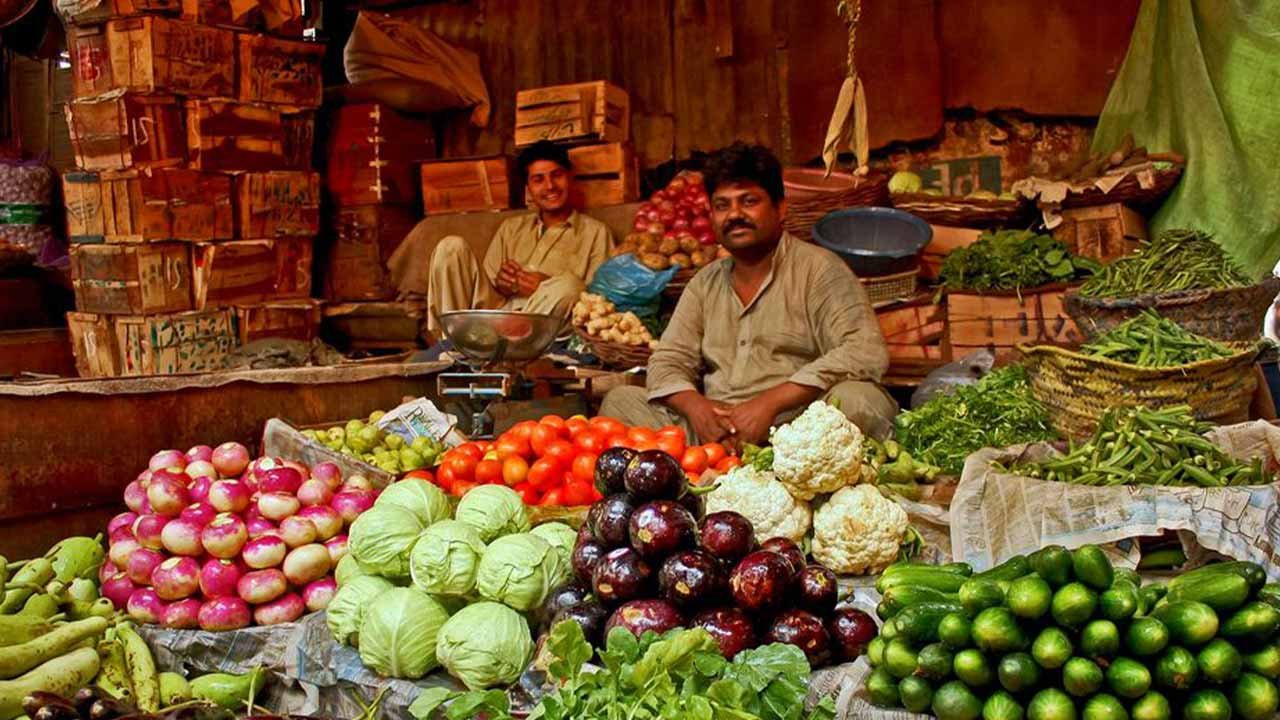
A vendor reported that the price of live chicken has surged to Rs350 per kg, while rice prices have increased by Rs70 per kg, reaching Rs335 per kg. Split chickpeas (chana dal) are now selling at Rs220 to Rs260 per kg, and the cost of beans has gone up by Rs60 per kg, with rates jumping from Rs281 to Rs339 per kg. According to a shopkeeper, the cost of spices has surged from Rs150 to Rs200 per kg and now stands at Rs600 per kg in the city.
Oil and ghee prices have also skyrocketed by Rs62 per kg. Vegetables and fruits have become unaffordable for many, with garlic being sold at Rs360 and ginseng at Rs620 per kg. Peas cost Rs200, Arvi Rs180, Zucchini Rs170, green capsicum Rs150, and tomato Rs120 per kg.
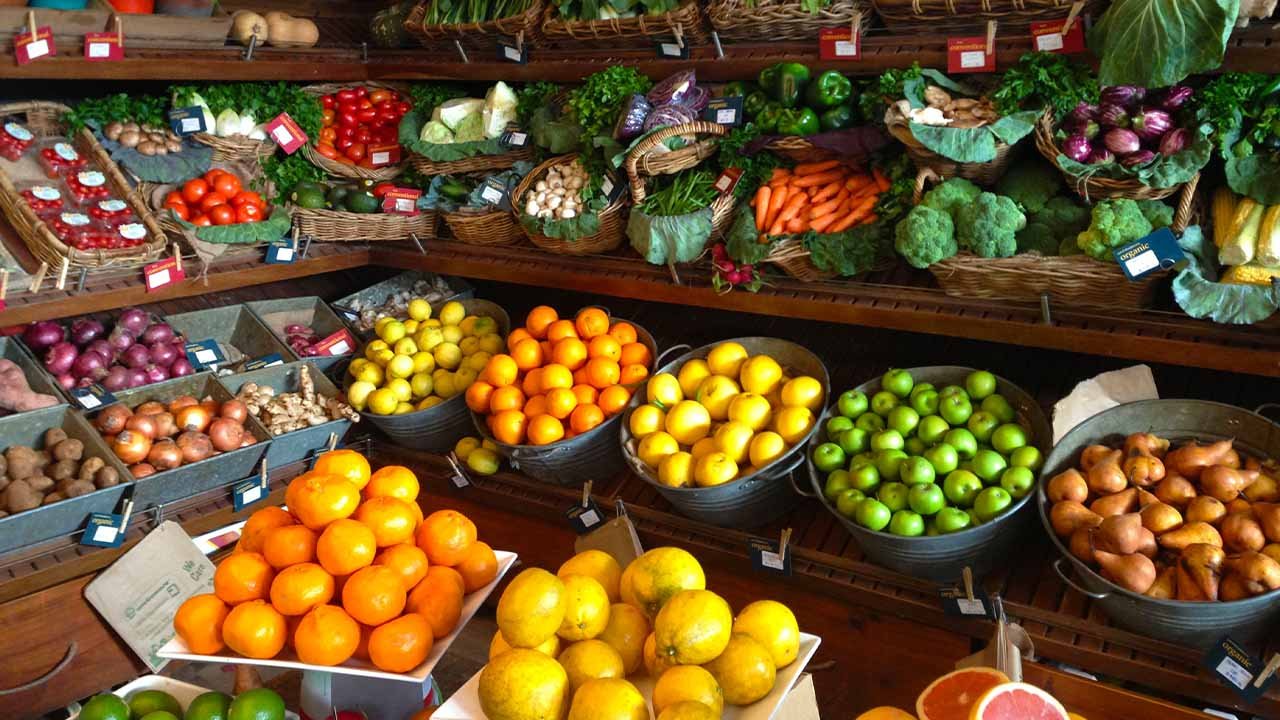
Fruits have also witnessed an upward trend in prices, with sweet oranges priced at Rs440 per dozen, oranges at Rs400 per dozen, banana at Rs300 per dozen, pomegranate Rs400, Iranian apple at Rs340 per kg, Kohati guava at Rs350, and strawberry costing Rs280 per kg.
The meat market has also been hit hard by price hikes, with beef now selling at Rs800 to Rs1,000 per kg from its previous price of Rs700 per kg before Ramzan, while mutton prices have increased from Rs1,400 to Rs1,600 per kg and now stand at Rs1,800 per kg.
Many shopkeepers have been charging prices of their own choosing, as district administration officials have not been able to check rates due to heavy rain and mud-stranded water. Butchers in the local market have expressed their dissatisfaction with the rates issued by the district administration, and have not faced any fines or raids from officials.
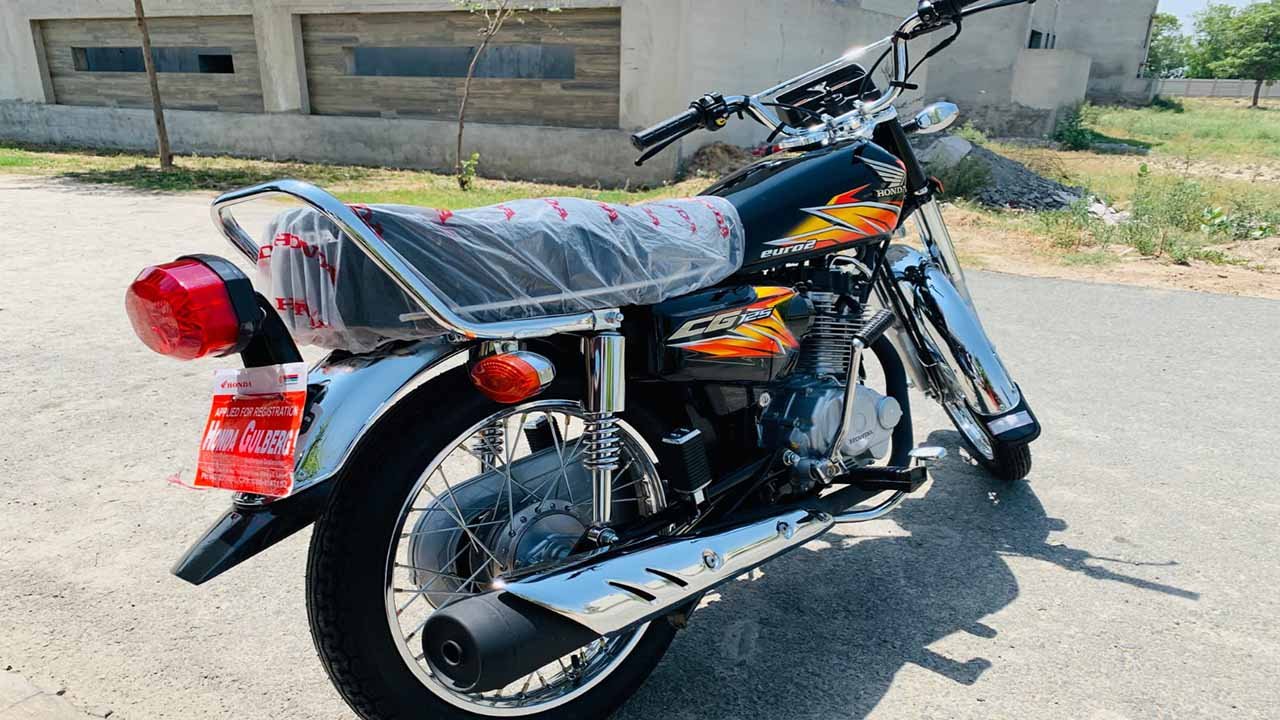
The market for new and used motorcycles in Akbar Road, Karachi, which is the largest in the country, is experiencing a shortage of Honda CG-125 bikes at the showrooms of the company’s authorised dealers. The dealers are reportedly not accepting fresh bookings from customers due to thin supplies from the assembler.
Non-Honda dealers are reportedly demanding a price of Rs252,000-255,000 for instant delivery of the CG-125 bike, which is Rs40,000 more than the company’s price of Rs215,000, despite not having the bike available in their showrooms.
Some unauthorised dealers have already acquired a large number of CG-125 motorcycles from authorized dealers, apparently under an understanding to jointly make a windfall. Some dealers have cited Afghan nationals accompanied by Pakistanis as the reason for the stock shortage. However, 70cc bikes are readily available for instant delivery at showrooms.
According to Dawn, market sources have stated that local bike assemblers exported 25,000 units of 70cc-125cc bikes over the past 11 months, in which Honda 125cc holds the lion’s share. They also believe that the actual volume of shipments of two-wheelers is more than the official export by the companies after individual purchases of bikes by customers for Afghan markets.
Afghan businessmen are importing Pakistan-assembled motorcycles in large numbers daily through the Chaman border amid booming demand for two-wheelers in Afghanistan. The market for Honda CG-125 bikes is experiencing price hikes and shortages across the country, including Quetta and other cities of Balochistan.