Tag: price increase

  • Apple set to unveil new iPad Pro, iPad Air models in May

    Apple set to unveil new iPad Pro, iPad Air models in May

    Apple is preparing for a significant launch event, as reported by Mark Gurman in Bloomberg’s Power On newsletter. The tech giant is set to unveil its latest offerings, the new iPad Pro and iPad Air, during the week of May 6.

    The anticipated launch will introduce new models, including 11-inch and 13-inch OLED iPad Pro versions, alongside a larger 12.9-inch iPad Air. Additionally, consumers can expect refreshed Magic Keyboard and Apple Pencil accessories to accompany these devices.

    This announcement marks a notable event for Apple, as it’s been nearly eighteen months since the release of any new iPad hardware. The upcoming iPad Pros are expected to boast enhanced displays, transitioning from mini-LED to OLED panels similar to those found in iPhones.

    This upgrade promises deeper contrast and increased brightness. Alongside display improvements, there’s anticipation for a sleeker design, with a thinner chassis and a repositioned front camera to the landscape edge. These new models will be powered by the advanced M3 chip.

    However, consumers may need to prepare for potential price hikes, as hinted by Gurman’s newsletter. Currently, the 11-inch iPad Pro starts at $799, while the 12.9-inch model begins at $1099.

    For those seeking a more budget-friendly option, the new 12.9-inch iPad Air aims to deliver a larger screen size without breaking the bank. Details regarding its processor, whether M2 or M3, remain unclear at this stage.

    Excitingly, the new accessories are expected to enhance the user experience further. Rumors suggest that the new Apple Pencil might include a new squeeze gesture feature, while the Magic Keyboard for iPad Pro is set to mimic a laptop with its aluminum base and larger trackpad.

    Although updates for the base model iPad and iPad mini are scheduled for later in the year, Gurman anticipates only minor improvements, primarily a processor upgrade for the iPad mini.

  • Suzuki Swift GLX CVT now priced above Rs5.4 million

    Suzuki Swift GLX CVT now priced above Rs5.4 million

    Pak Suzuki Motor Company Limited (PSMC) announced a substantial increase of Rs304,000 in the price of its Swift G. CVT model, effective from March 8, 2024.

    This adjustment comes in response to the recent surge in taxes imposed by the government on locally manufactured or assembled vehicles, as indicated in the company’s official notice issued today.

    Consequently, the new sale price for the Swift G. CVT model will see an adjustment from Rs5.125 million to Rs5.429 million, reflecting the impact of the revised tax structure.

    The decision stems from a notification released by the Ministry of Finance and Revenue on the same date, highlighting a hike in the sales tax rate from 18 per cent to 25 per cent for vehicles falling under chapter 87.03 of the Pakistan Custom Tariffs, with an invoice price (excluding sales tax) exceeding Rs4 million.

  • Inflation edges higher as weekly SPI indicates increase in prices

    Inflation edges higher as weekly SPI indicates increase in prices

    According to the Weekly Sensitive Price Indicator (SPI) released by the Pakistan Bureau of Statistics (PBS), the Combined Group’s SPI increased by 0.04 per cent during the week ending February 22, 2024.

    Additionally, the SPI surged by 30.68 per cent YoY compared to the same period last year.

    As of February 22, 2024, the Combined Index stood at 315.31, a slight uptick from 315.18 on February 15, 2024. A year ago, on February 23, 2023, the index was significantly lower at 241.29.

    Analysing the data for 51 items, it was found that the average prices of 23 items increased, 8 items decreased, and 20 items remained stable.

    Notable increases during the week were observed in the prices of tomatoes (22.71 per cent), bananas (7.40 per cent), diesel (3.02 per cent), chicken (1.22 per cent), and petrol (1.00 per cent).

    Conversely, onions (14.42 per cent), eggs (11.19 per cent), LPG (1.82 per cent), cooking oil (5 litres) (0.75 per cent), and wheat flour (0.36 per cent) experienced significant decreases.

    Breaking down the SPI percentage change by income groups, it was noted that SPI decreased across all 3 quantiles while increasing across 2 quantiles. The lowest-income group saw a weekly decline of -0.08 per cent, while the highest-income group recorded a rise of 0.09 per cent.

    On a yearly basis, the SPI change across different income segments revealed an increase ranging between 25.53 per cent and 35.39 per cent. The lowest-income group witnessed a 25.53 per cent increase, while the highest-income group recorded a 28.22 per cent rise.

    Specifically, the average price of Sona urea reached Rs4,928 per 50 kg bag, reflecting a 9.19 per cent increase from the previous week and a substantial 69.14 per cent surge compared to the same period last year.

    The surge in prices, especially for essential items, poses a challenge for the general populace, particularly those in lower-income groups.

    Authorities and policymakers are likely to face increasing pressure to address and mitigate the impact of inflation on the economy and the daily lives of people.

  • Local market witnesses marginal gain in 24-karat gold prices

    Local market witnesses marginal gain in 24-karat gold prices

    On Tuesday, the 24-karat gold market demonstrated resilience, with a subtle uptick of Rs150 per tola, settling at Rs214,450 per tola.

    According to the Karachi Sarafa Association, the price for 10 grammes of 24-karat gold reached Rs183,856, reflecting a marginal gain of Rs128 compared to the preceding session.

    Simultaneously, the price of 10-gramme 22-karat gold experienced a modest rise, reaching Rs168,535.

    Contrary to the gold market’s movements, silver prices remained steadfast, exhibiting no change.

    The 24-karat silver maintained its position at Rs2,580 per tola, while the 10-gramme silver was traded at Rs2,211.93.

    It is noteworthy that the domestic gold market faced a downturn last week, attributed to a decline in international prices.

    International spot gold, on the other hand, hovered around $2,021, marking a 0.2 per cent change compared to the preceding session.

    As the market watches these fluctuations, all eyes are set on the forthcoming minutes from the Federal Reserve’s January policy meeting, scheduled for release on Wednesday.

    The outcome of this meeting is poised to have a considerable impact on the trajectory of both domestic and international precious metal markets.

  • What is the new fee for learner’s driving licence in Punjab?

    What is the new fee for learner’s driving licence in Punjab?

    Caretaker Punjab government has announced the new fee for the learner’s driving licence, as part of the decisions taken in the 33rd meeting of the provincial cabinet, reports The News.

    After the cabinet’s approval, the fee for the learner’s driving licence in Punjab has been increased from Rs60 to Rs1,000.

    The cabinet decided that the increase in the licence fee would come into effect from January 1, 2024.

    However, citizens of the United States and Pakistani citizens living in the US, Canada and any other foreign country can get a driving licence by paying $100 online, the provincial cabinet’s official press release stated.

    Last month, the Lahore High Court (LHC) ordered the authorities to arrest motorists driving without a licence and expressed displeasure over the violation of traffic rules. Justice Ali Zia Bajwa passed the remarks while hearing an appeal filed by the suspect challenging the insertion of Section 302 (premeditated murder) of the Pakistan Penal Code.

  • Goods transporters implement 20% fare hike in response to soaring diesel prices

    Goods transporters implement 20% fare hike in response to soaring diesel prices

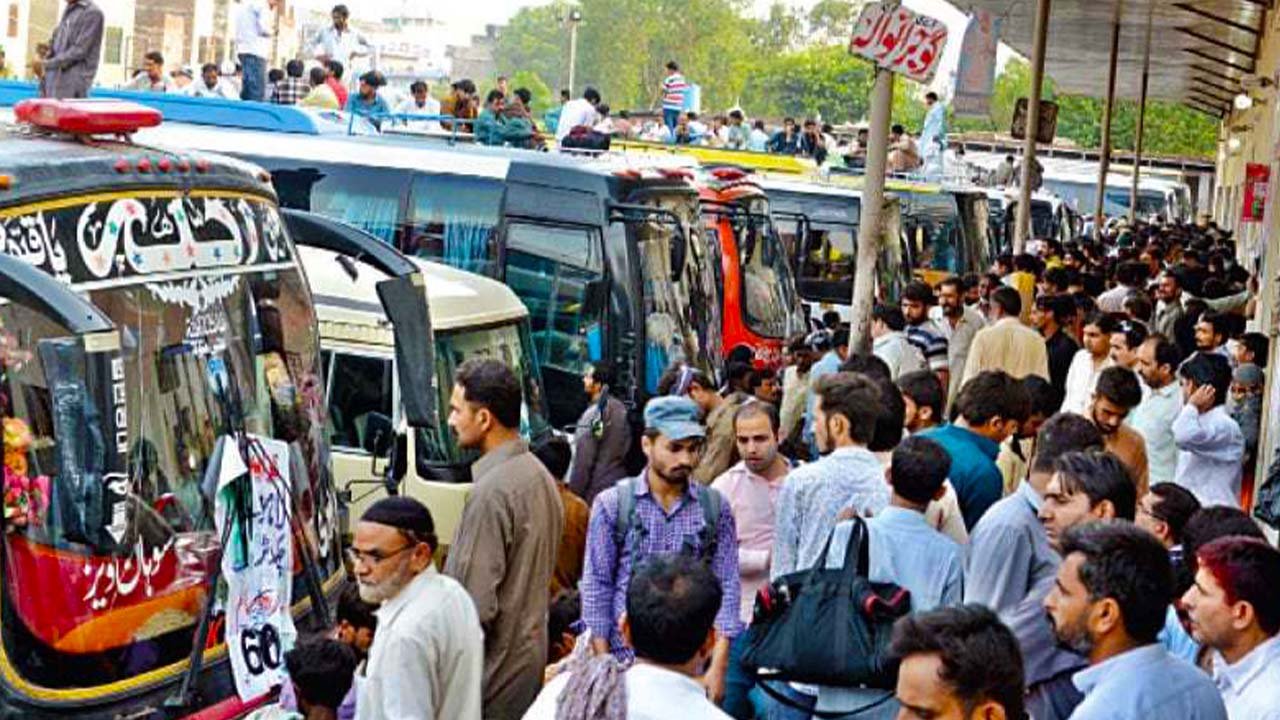
    Goods transporters raised their fares by 20 per cent in response to a recent surge in diesel prices on Thursday. The announcement came as the goods transporters association revealed their decision to implement a fare increase of 20 per cent, citing a substantial rise in diesel prices of up to Rs40 per litre over the span of 15 days.

    Rana Shoaib, the General Secretary of the Goods Transporters Association, conveyed in an official statement that their operational expenses had been significantly impacted by the substantial surge in diesel prices.

    He further elaborated that the provision of goods transportation services between major cities such as Karachi, Multan, Lahore, Faisalabad, Islamabad, and Peshawar has been sustained. However, the transporters are finding it increasingly challenging to bear the escalating financial burdens associated with fuel costs and spare parts.

    According to ARY News, Shoaib said that the decision to raise fares was a necessary step due to the considerable escalation in government-imposed fuel prices. Notably, earlier in the same month, local transporters independently elevated fares by as much as 20 per cent in response to a previous hike in fuel prices without any intervention or oversight from relevant authorities.

    Details indicate that local transporters unilaterally implemented fare increases ranging from Rs15 to Rs20 for stop-to-stop journeys, despite the absence of formal notifications regarding fare adjustments by the district administration.

    Furthermore, the fare hikes extended to transportation services between Karachi and other destinations like Hyderabad, Larkana, and Sukkur. This trend of fare increases also extended to buses and coaches operating within the city limits.

  • Petrol price likely to increase by Rs15 per litre after August 16

    Petrol price likely to increase by Rs15 per litre after August 16

    Starting August 16, petroleum products are expected to undergo a notable price hike. In particular, the price of petrol is projected to rise by Rs15 per litre, while diesel will likely see a steeper increase of Rs20 per litre.

    This surge in prices is attributed to a rise in global commodity rates. Recent reports indicate that the cost of crude oil has climbed by $5 per barrel, going from $86 to $91 per barrel. This increase is largely due to the elevated prices of petroleum products on the global market. Additionally, a separate premium charge of $2 per barrel has been applied to crude oil.

    Simultaneously, the international prices for both diesel and gasoline have also experienced a $5 surge, climbing from $97 per barrel to $102 per barrel.

    Should these prices remain unchanged, the anticipated effect on Pakistan’s fuel market would translate to a Rs15 per litre hike for petrol and a more substantial Rs20 per litre increase for diesel.

    In the context of the previous fortnightly review conducted by the outgoing government, a significant Rs19 per litre escalation in petrol and diesel prices had been announced. This decision was justified as being in alignment with the demands of the International Monetary Fund.

  • Pakistan’s inflation rate drops to 29.40% in June: Citizens’ purchasing power remains under pressure

    Pakistan’s inflation rate drops to 29.40% in June: Citizens’ purchasing power remains under pressure

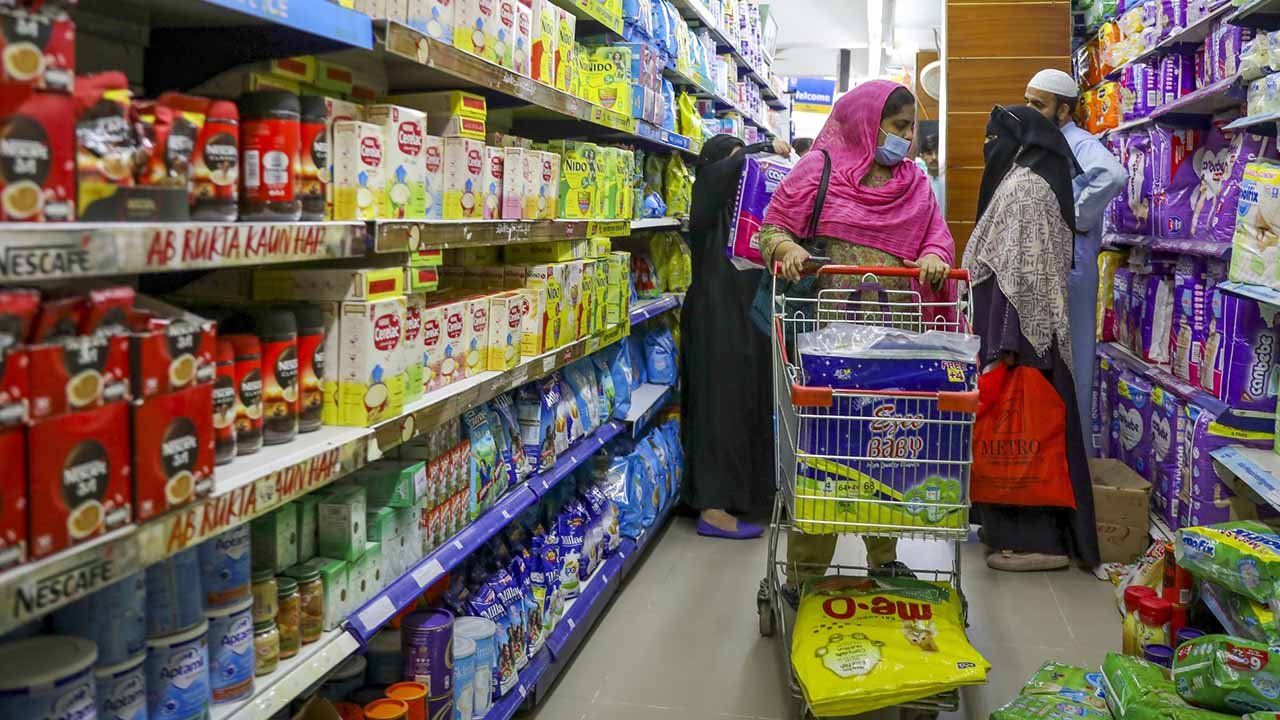
    The Pakistan Bureau of Statistics (PBS) has released the latest data on the country’s inflation rate for June, indicating a slight decline compared to May. According to the report, the inflation rate for June stood at 29.40 per cent, showing an increase of 8.1 per cent compared to the same period last year.

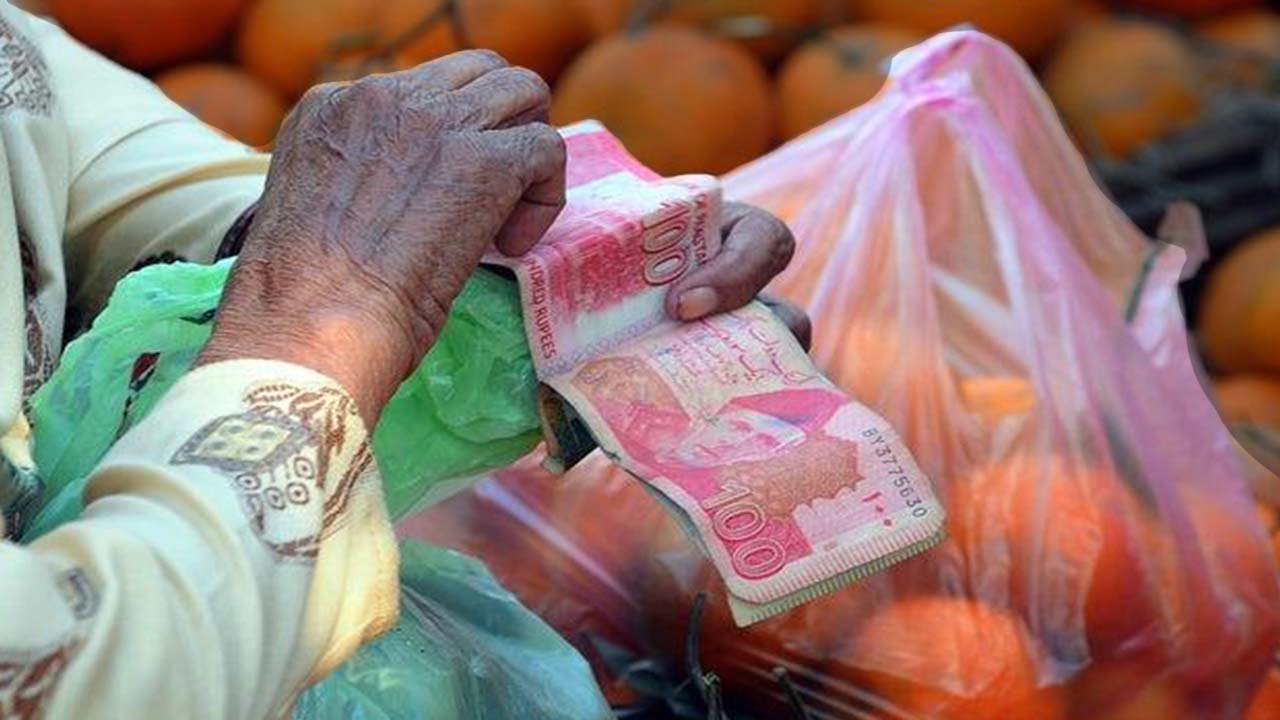
    Although there was a marginal improvement from the inflation rate of 38 per cent reported in May, the country still faces significant challenges due to high inflation. This persistent inflationary environment continues to erode the purchasing power of citizens, affecting their ability to afford basic necessities.

    Analysing the data further, the report highlights that inflation in urban areas was recorded at 27.3 per cent, while agricultural communities experienced an even higher inflation rate of 32.4 per cent. These figures emphasise the vulnerability of rural areas and the agricultural sector to the rising cost of living.

    Comparing the current situation with that of the previous year, the Bureau of Statistics reveals a substantial year-on-year increase. In June of the previous year, the inflation rate was 21.3 per cent, further underscoring the severity of the current inflationary crisis.

  • Govt increases levy on petrol to Rs55 per litre, maintains Rs50 levy on diesel

    Govt increases levy on petrol to Rs55 per litre, maintains Rs50 levy on diesel

    In a recent development, the government has decided to raise the petroleum development levy (PDL) on petrol in accordance with a staff-level agreement worth $3 billion signed with the International Monetary Fund (IMF).

    Starting from today, the PDL on petrol will be increased from Rs50 to Rs55 per litre, while there will be no change in the development levy on high-speed diesel (HSD), which remains at Rs50 per litre.

    The announcement was made by Finance Minister Ishaq Dar, who clarified that petrol prices would not be affected by this decision. However, diesel prices will see an increase of Rs7.50 for the next two weeks, with the new price becoming effective from July 1.

    Minister Dar emphasised this during a late-night press conference, ensuring that there would be no change in the price of petrol.

    To enable this adjustment, the government sought the power to amend the Petroleum Products (Petroleum Levy) Ordinance, 1961 (XXV of 1961) through the Finance Act 2023-24. This amendment grants the government the authority to increase the petroleum levy, eliminating the requirement for parliamentary approval to determine the maximum limit of the levy.

    According to The News, the Ministry of Finance shared with the Senate Standing Committee on Finance that the PDL has been set at Rs60 per litre, aiming to generate revenue of Rs879 billion in the upcoming fiscal year. This target surpasses the revised target of Rs542 billion for the previous financial year, which concluded on June 30, 2023.

  • Life-saving medicines in Pakistan to become 14% more expensive

    Life-saving medicines in Pakistan to become 14% more expensive

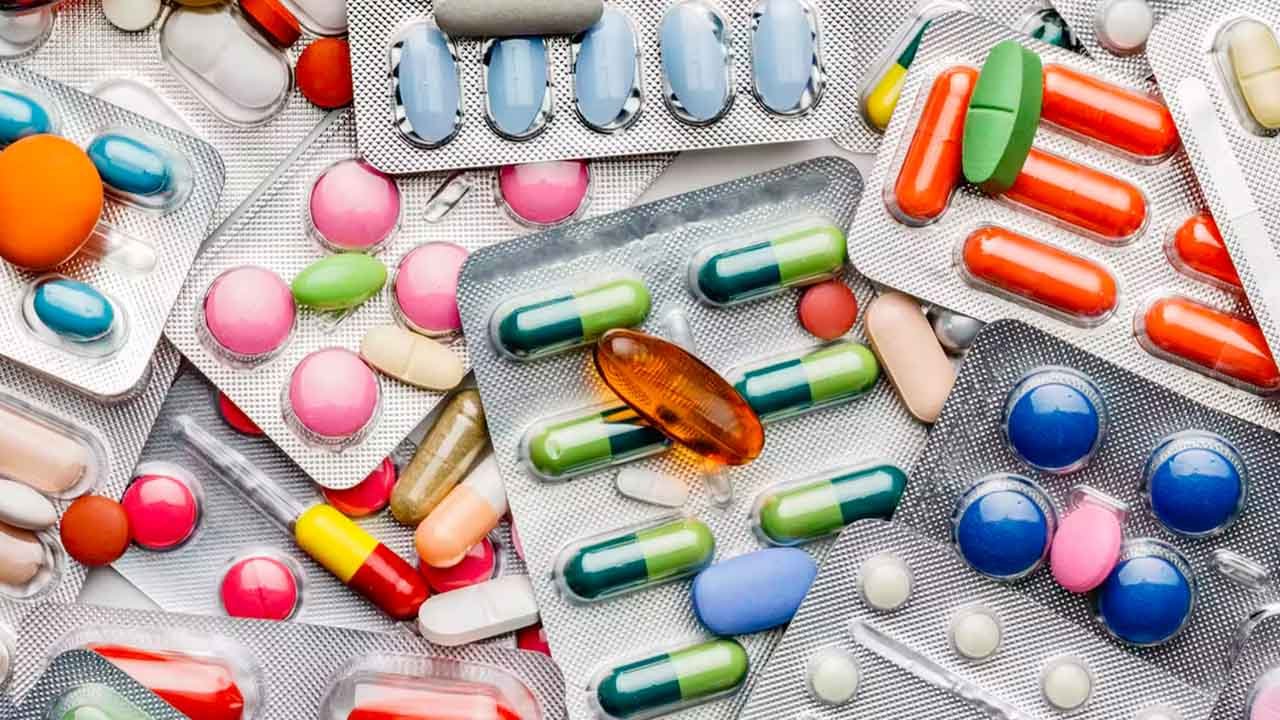
    The Drug Regulatory Authority of Pakistan (DRAP) has announced an increase of up to 14 per cent in the prices of life-saving medicines, following approval from the federal government.

    According to ARY News, DRAP stated that life-saving drugs will experience a 14 per cent hike, while all other medicines will see a 20 per cent increase.

    The regulatory authority clarified that these price adjustments are considered a one-time dispensation, in line with the 70 per cent rise in the consumer price index (CPI). This increase will be regarded as the annual raise for the fiscal year 2023-24, with no further increments in the upcoming financial year.

    The DRAP’s Policy Board will evaluate the situation after three months, specifically in July 2023, and submit recommendations to the federal government for potential price reductions, should the Rupee appreciate in value.

    The Economic Advisory Committee had already endorsed the price hike, taking into account the escalating fuel prices and the devaluation of the Rupee, which have contributed to record-high inflation in recent months, impacting various sectors of the economy.

    Earlier reports indicated a 0.16 per cent year-on-year decrease in weekly inflation, as measured by the Sensitive Price Indicator (SPI), for the week ending on May 18. However, short-term inflation surged to an unprecedented 48.35 per cent for the period ending on May 4.

    The Pakistan Bureau of Statistics (PBS) released data indicating a combined index of 255.12, compared to 255.53 on May 11, 2023. In contrast, the index stood at 175.08 a year ago, on May 19, 2022.