Tag: Price Stability

  • Inflation edges higher as weekly SPI indicates increase in prices

    Inflation edges higher as weekly SPI indicates increase in prices

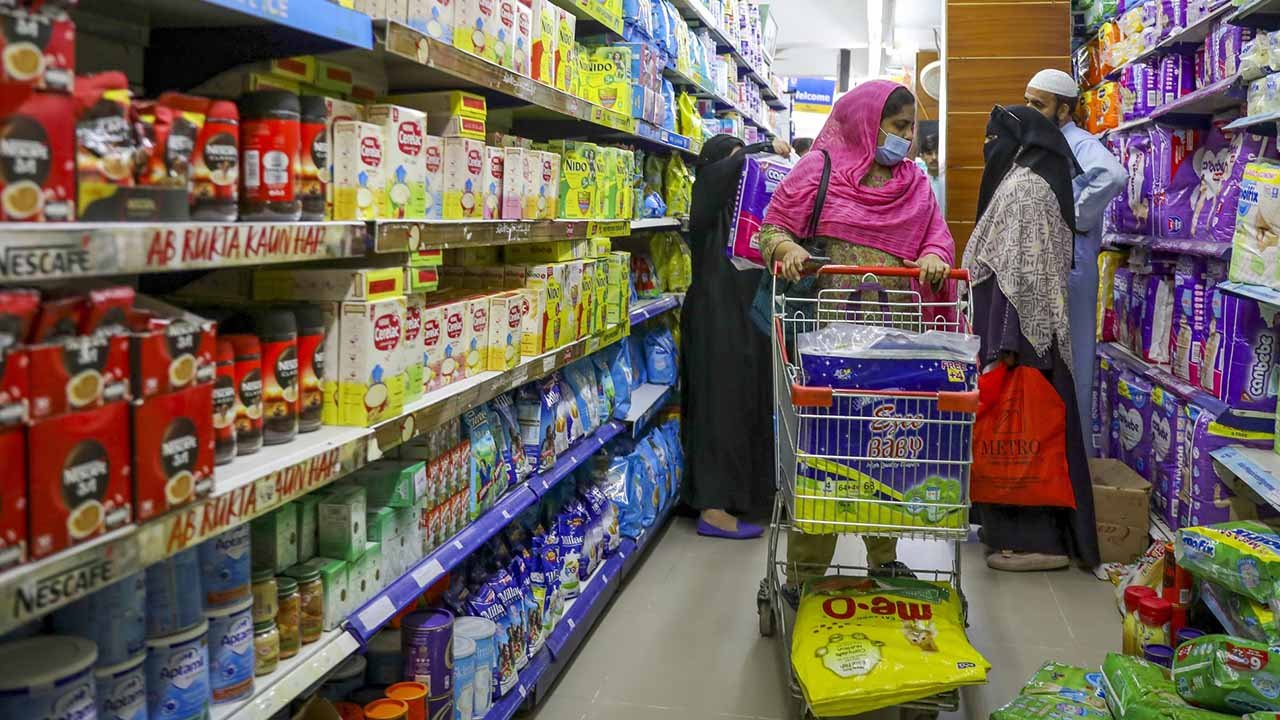
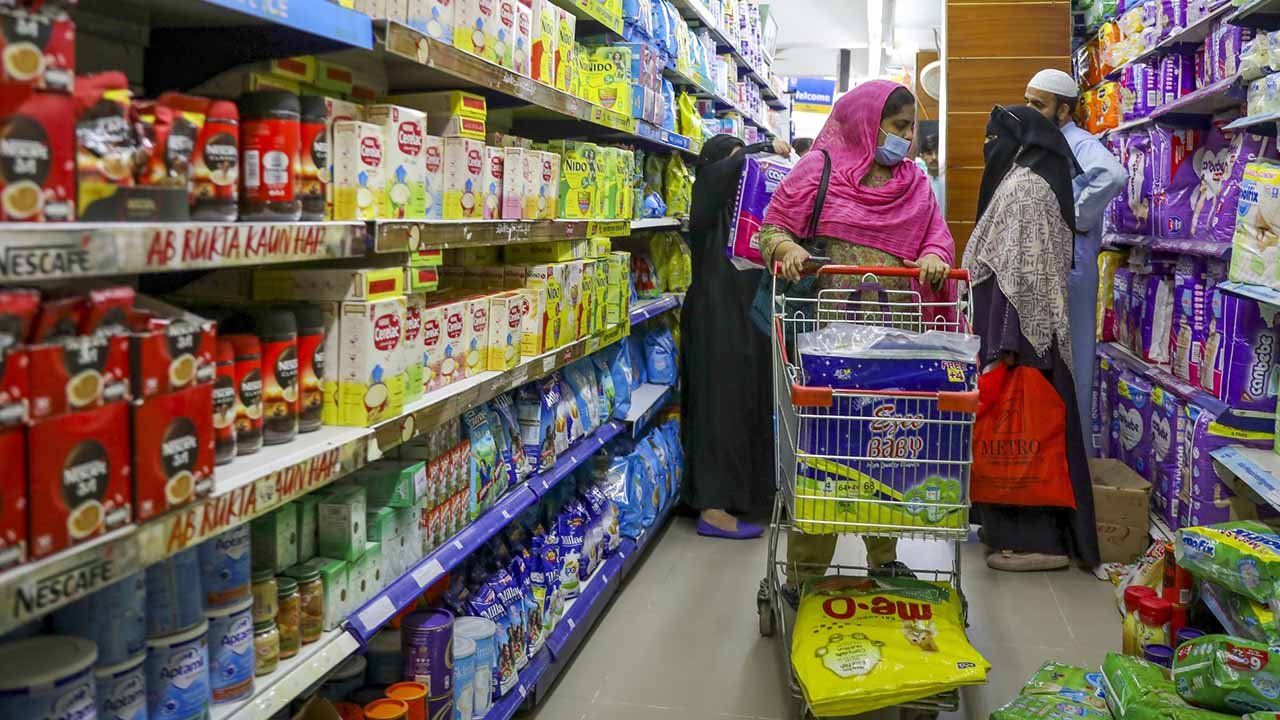
    According to the Weekly Sensitive Price Indicator (SPI) released by the Pakistan Bureau of Statistics (PBS), the Combined Group’s SPI increased by 0.04 per cent during the week ending February 22, 2024.

    Additionally, the SPI surged by 30.68 per cent YoY compared to the same period last year.

    As of February 22, 2024, the Combined Index stood at 315.31, a slight uptick from 315.18 on February 15, 2024. A year ago, on February 23, 2023, the index was significantly lower at 241.29.

    Analysing the data for 51 items, it was found that the average prices of 23 items increased, 8 items decreased, and 20 items remained stable.

    Notable increases during the week were observed in the prices of tomatoes (22.71 per cent), bananas (7.40 per cent), diesel (3.02 per cent), chicken (1.22 per cent), and petrol (1.00 per cent).

    Conversely, onions (14.42 per cent), eggs (11.19 per cent), LPG (1.82 per cent), cooking oil (5 litres) (0.75 per cent), and wheat flour (0.36 per cent) experienced significant decreases.

    Breaking down the SPI percentage change by income groups, it was noted that SPI decreased across all 3 quantiles while increasing across 2 quantiles. The lowest-income group saw a weekly decline of -0.08 per cent, while the highest-income group recorded a rise of 0.09 per cent.

    On a yearly basis, the SPI change across different income segments revealed an increase ranging between 25.53 per cent and 35.39 per cent. The lowest-income group witnessed a 25.53 per cent increase, while the highest-income group recorded a 28.22 per cent rise.

    Specifically, the average price of Sona urea reached Rs4,928 per 50 kg bag, reflecting a 9.19 per cent increase from the previous week and a substantial 69.14 per cent surge compared to the same period last year.

    The surge in prices, especially for essential items, poses a challenge for the general populace, particularly those in lower-income groups.

    Authorities and policymakers are likely to face increasing pressure to address and mitigate the impact of inflation on the economy and the daily lives of people.

  • Gold prices in Pakistan remain unaffected by political uncertainties

    Gold prices in Pakistan remain unaffected by political uncertainties

    Despite political uncertainties, the domestic bullion market exhibited stability, with 24-karat gold maintaining its price at Rs215,500 on Friday, showing no deviation from the previous session.

    This stability is indicative of the domestic gold market functioning normally, aligning with international gold rates and the exchange rate.

    The Karachi Sarafa Association reported that the prices of 10-gramme 24-karat gold and 10-gramme 22-karat gold also remained constant at Rs184,756 and Rs169,360, respectively.

    Similarly, silver prices showed resilience in the domestic market, with 24-karat silver being traded at Rs2,600 per tola and Rs2,229.08 per 10-gramme.

    On the global stage, the international spot gold exhibited minimal fluctuations, standing at $2,033.5 as of 12:40 pm.

    This stability in both domestic and international markets suggests a steady scenario despite the prevailing political uncertainties.

  • Petrol, diesel  price in Pakistan to remain unchanged for first two weeks of January 2024

    Petrol, diesel price in Pakistan to remain unchanged for first two weeks of January 2024

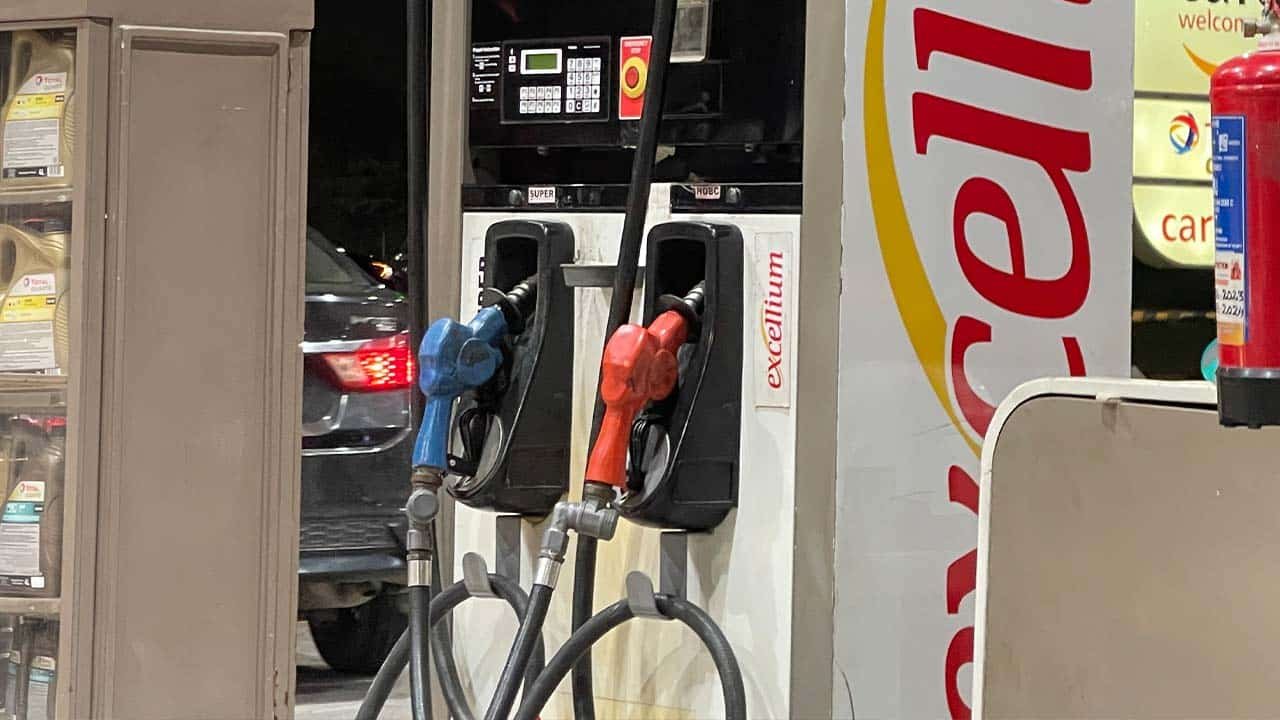
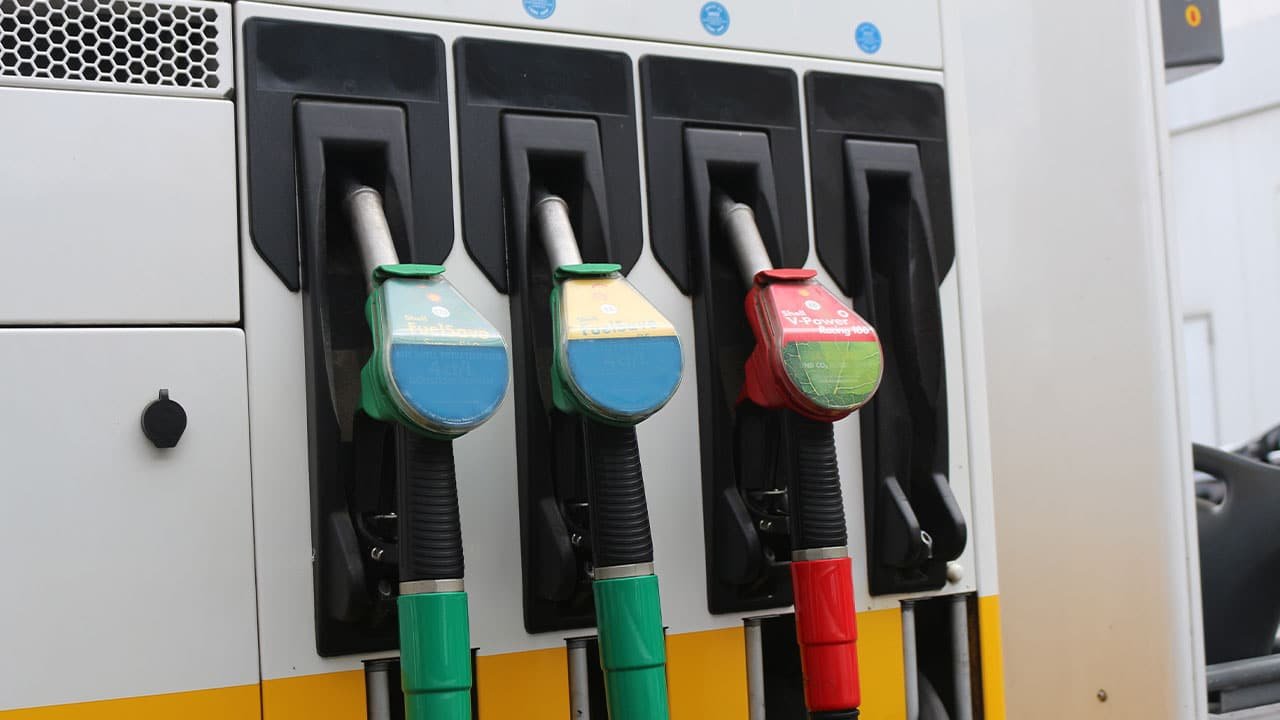
    The interim government has chosen to uphold the current petrol price in Pakistan for the initial two weeks of January 2024.

    This decision is attributed to the absence of any significant decrease in global crude prices and amidst a stable exchange rate between the Pakistani rupee and the US dollar.

    The diesel price will also stay unaltered for the upcoming fortnight.

    As a result of this development, the prices for petrol and diesel will persist at Rs267.34 and Rs276.21 per liter, respectively.

    These revised prices will be effective from January 1, 2024.

    Earlier in the month, the government had reduced the prices of petrol and diesel by Rs14 and Rs13.5, respectively, following the bi-weekly revision.

  • Minister urges officials to use PBS monitoring app for ensuring price stability across provinces 

    Minister urges officials to use PBS monitoring app for ensuring price stability across provinces 

    In a bid to ensure consistent prices across provinces, Muhammad Sami Saeed, the Caretaker Minister for Planning, urged Deputy Commissioners and Assistant Commissioners on Tuesday to rigorously utilise the Decision Support System (DSS) app developed by the Pakistan Bureau of Statistics (PBS) for effective price monitoring. 

    According to a press release issued today, Muhammad Sami Saeed chaired a meeting of the National Price Monitoring Committee (NPMC) in Islamabad.  

    The gathering focused on essential aspects such as the prices and supply of essential commodities, the margin between wholesale and retail prices, and the availability of necessary items. 

    During the meeting, the Chief Statistician from PBS presented the price movements of 51 essential items collected from the markets in 17 cities.  

    Minister Saeed stressed the importance of maintaining price stability across provinces and urged participants to oversee the supply of essential items, available stock levels, and pricing mechanisms. 

    Highlighting the critical role of administrative oversight and monitoring, Minister Saeed emphasised the need for vigilance in ensuring price stability.  

    The meeting also explored the potential utilization of remote sensing technology provided by SUPARCO to enhance monitoring of cropped areas and predict the supply situation of essential food items in the provinces. 

    Encouraging the exploration and implementation of remote sensing capabilities, the minister aimed to strengthen monitoring and oversight capacities.  

    He underscored the importance of continued vigilance and proactive measures to address fluctuations in commodity prices and ensure a smooth supply chain. 

    Representatives from the Ministry of Industries and Commerce, utility stores, and provincial governments attended the meeting, signifying a collaborative effort to maintain stability in commodity prices. 

  • Govt decides not to reduce petrol, diesel prices

    Govt decides not to reduce petrol, diesel prices

    The caretaker government announced on Tuesday that petrol and diesel prices would remain unchanged until November 15. 

    Furthermore, the government reduced the prices of kerosene and light-speed diesel by Rs 3.82 and Rs3.40 per litre. Kerosene and light-speed diesel will now be priced at Rs211.03 and Rs189.46 per litre, respectively.

    In the previous review on October 15, the caretaker government had announced a reduction of Rs 40 and Rs15 in petrol and diesel prices, bringing them to Rs283.38 and Rs303.18 per litre, respectively. 

    This adjustment was made in response to the continuous appreciation of the local currency against the greenback and fluctuations in international petroleum product prices.