Tag: prices

  • Eid-ul-Fitr 2022: Here’s why Pakistan is paying a lot more than last year for clothes, food

    Eid-ul-Fitr 2022: Here’s why Pakistan is paying a lot more than last year for clothes, food

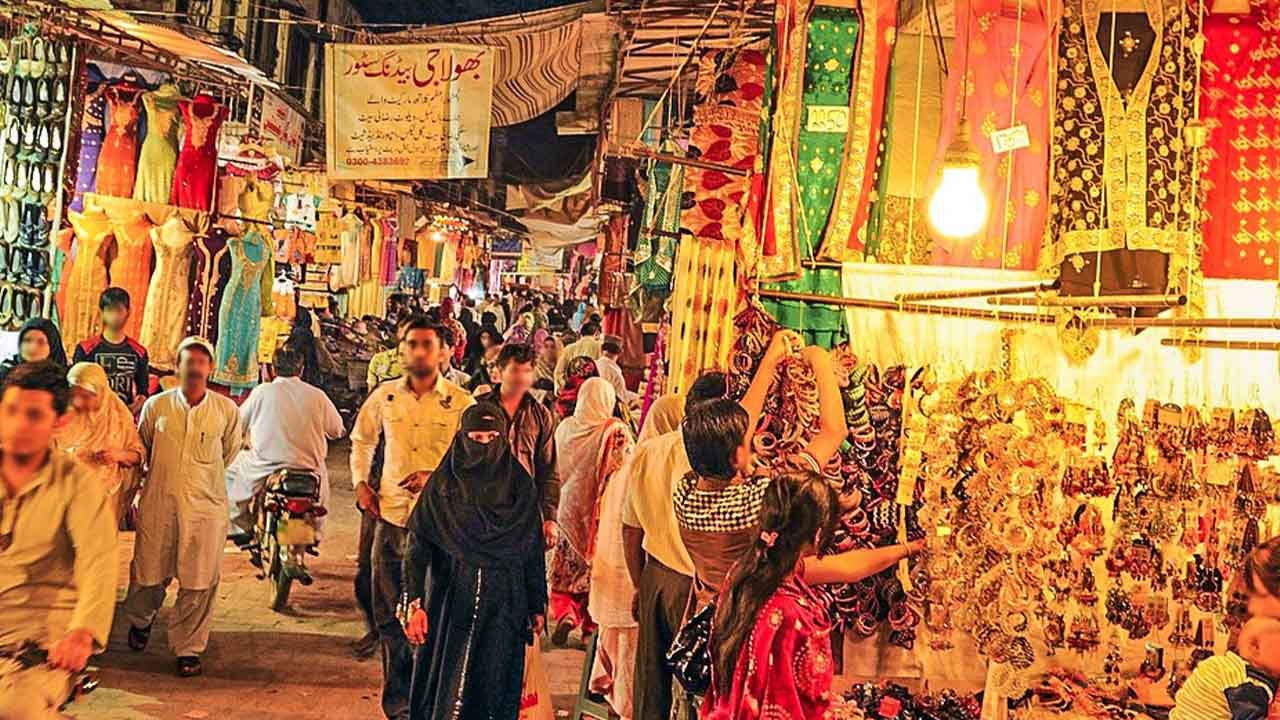
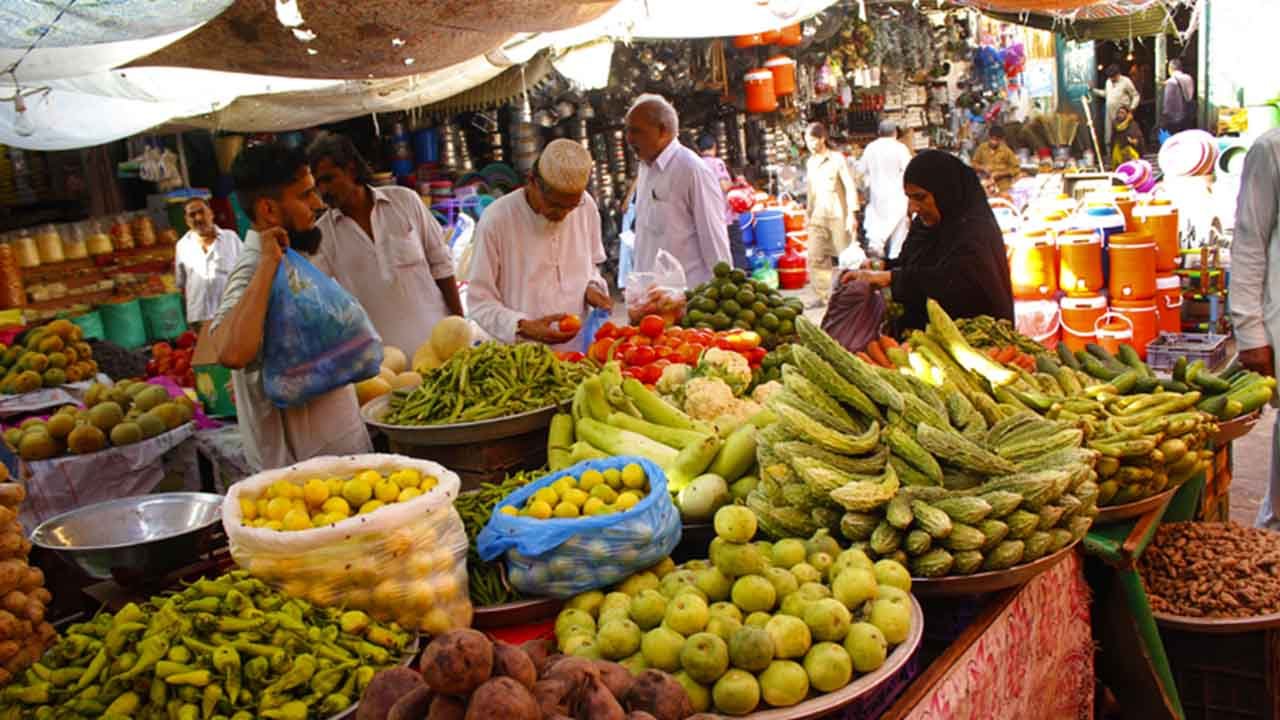
    Cities are decked with spectacular illumination around shopping malls, major streets, and side lanes as Eid shopping begins. Despite growing inflation, there is a lot of hustle in commercial areas.

    But do you know how much higher we are paying for everything this year, from food to clothing, than we did last year?

    Undoubtedly, the PTI-led government struggled to contain inflation, which experts said, was the outcome of record-high global commodity prices and 51 per cent devaluation of the Pakistani rupee (PKR).

    In January 2022, inflation climbed by 13 per cent year on year basis compared to 12.3 per cent in the previous month and 5.7 per cent in January 2021. It is pertinent to mention that inflation reached an all-time high of 14.6 per cent in January 2020.

    The Consumer Price Index (CPI) accelerated in March 2022 over the same month a year ago, according to the inflation bulletin released by the Pakistan Bureau of Statistics (PBS). The index remained higher compared to the preceding month during five out of the past six months.

    Inflation Comparison – January 2022

    General CPI inflation, increased by 13.0 per cent on a year-on-year basis in January 2022 as compared to an increase of 12.3 per cent in the previous month and 5.7 per cent in January 2021. On a month-on-month basis, it increased by 0.4 per cent in January 2022 as compared to decrease of -0.02 per cent in the previous month and a decrease of -0.2 per cent in January 2021.

    Urban CPI inflation, increased by 13.0 per cent on a year-on-year basis in January 2022 as compared to an increase of 12.7 per cent in the previous month and 5.0 per cent in January 2021. On a month-on-month basis, it increased by 0.1 per cent in January 2022 as compared to an increase of 0.3 per cent in the previous month and a decrease of -0.2 per cent in January 2021.

    Rural CPI inflation, increased by 12.9 per cent on a year-on-year basis in January 2022 as compared to an increase of 11.6 per cent in the previous month and 6.6 per cent in January 2021. On a month-on-month basis, it increased by 0.9 per cent in January 2022 as compared to a decrease of -0.5 per cent in the previous month and a decrease of -0.3 per cent in January 2021.

    Wholesale Price Index (WPI) inflation on a year-on-year basis increased by 24.0 per cent in January 2022 as compared to an increase of 26.2 per cent a month earlier and an increase of 6.4 per cent in January 2021. WPI inflation on a Month-on-month basis increased by 0.6 per cent in January 2022 as compared to a decrease of -0.2 per cent a month earlier and an increase of 2.5 per cent in a corresponding month i.e. January 2021.

    Urban Consumer Price Index (UCPI)

    The Urban Consumer Price Index of January 2022 increased by 0.06 per cent over December 2021 and increased by 12.99 per cent over the same month of the last year (January 2021).

    Month-on-Month Inflation

    Main contributors to month-on-month and year-on-year percentage changes are mentioned below:

    Increase in prices of food items: Pulse Masoor (6.13 per cent), Gram whole (4.79 per cent), Fruits (4.11 per cent), Besan (3.82 per cent), Pulse Gram (3.44 per cent), Pulse Mash (3.37 per cent), Wheat (2.68 per cent), Pulse Moong (1.88 per cent), Meat (1.78 per cent) and Rice (1.28 per cent).

    Increase in prices of garments and other items: Woolen Readymade Garments (6.67 per cent), Solid Fuel (5.16 per cent), Hosiery (1.93 per cent), Motor Fuel (1.75 per cent), Cleaning & Laundering (1.59 per cent), Washing soap/Detergents/Match Box (1.46 per cent) and Liquefied Hydrocarbons (1.29 per cent).

    Year-on-Year Inflation – January 2021

    Edible items

    Increased: Cooking Oil (54.33 per cent), Vegetable Ghee (47.4 per cent), Mustard Oil (46.68 per cent), Pulse Masoor (41.3 per cent), Fruits (28.35 per cent), Gram Whole (24.7 per cent), Meat (22.38 per cent), Chicken (17.08 per cent), Pulse Gram (15.67 per cent), Beans (15.37 per cent), Pulse Mash (12.46 per cent) and Vegetables (11.58 per cent).

    Garments and others

    Increased: Electricity Charges (56.20 per cent), Liquefied Hydrocarbons (53.35 per cent), Motor Fuel (36.22 per cent), Footwear (25.47 per cent), Cleaning & Laundering (22.03 per cent), Washing soap/Detergents/Match Box (17.95 per cent), Motor Vehicle Accessories (14.04 per cent), Woolen Readymade Garments (13.03 per cent) and Plastic Products (11.72 per cent).

    Year-on-Year Inflation – March 2022

    CPI National for the month of March, 2022 increased by 12.72 per cent over March, 2021. The Urban CPI recorded an increase of 11.94 per cent while Rural CPI recorded an increase of 13.88 per cent.

    Edible items in urban areas

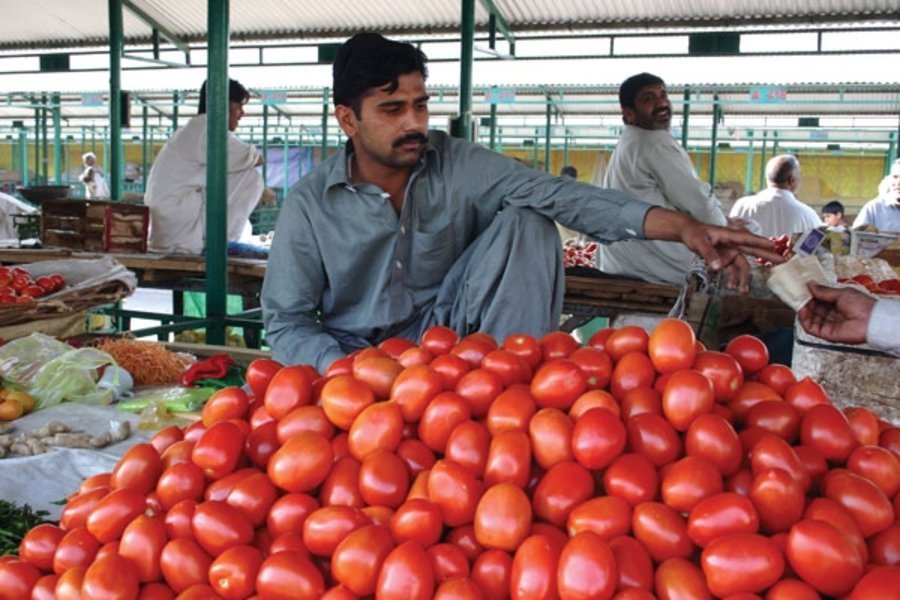
    Increased: Tomatoes (148.65 per cent), Mustard Oil (59.91 per cent), Vegetable Ghee (49.56 per cent), Cooking Oil (48.05 per cent), Pulse Masoor (38.32 per cent), Vegetables (34.92 per cent), Fruits (32.00 per cent), Gram whole (25.37 per cent), Meat (23.68 per cent), Chicken (19.59 per cent) and Beans (13.62 per cent).

    Edible items in rural areas

    Increased: Tomatoes (158.82 per cent), Cooking Oil (63.47 per cent), Mustard Oil (57.2 per cent), Vegetable Ghee (56.43 per cent), Vegetables (45.62 per cent), Fruits (37.80 per cent), Pulse Masoor (37.46 per cent), Meat (25.19 per cent), Beans (17.38 per cent), Wheat Flour (16.22 per cent), Chicken (15.09 per cent) and Tea (11.74 per cent).
  • ‘Sasta Ramzan Bazaar’ fails to provide relief in third Ashra

    Residents of Rawalpindi are still hoping for some relief at Ramzan Bazaars and utility stores. In the first two Ashras, the ‘Sasta Ramzan Bazaars’ have utterly failed to grab the public‘s interest by offering substandard items at hefty prices.

    People from all walks of life even urged Prime Minister (PM) Shahbaz Sharif to pay unannounced visits to Rawalpindi’s ‘Sasta Ramzan Bazaars’ and other open marketplaces to check the pricing and quality of products being sold in the last ‘Ashra’.

    In fact, all government personnel, even Deputy Commissioners and Commissioners, are expressing minimal concern to provide assistance to the public as they know they will be transferred after the oath of chief minister in Punjab is taken.

    According to trustworthy sources, the Punjab government will deploy strictly professional policemen around the province, especially in Rawalpindi, to bring a positive change despite the fact that the holy month is about to end.

    Read more: Lahore continues to face gas and power outage in Ramzan

    Due to the district government’s incompetence and poor administration, the ‘Sasta Ramazan Bazaars’ organised at Chungi No 22, Jarahi on Adiala Road, Committee Chowk, and Haidri Chowk have all miserably failed to provide assistance to the populace.

  • 264 shopkeepers arrested in Peshawar for overcharging

    264 shopkeepers arrested in Peshawar for overcharging

    During a three-day crackdown on racketeers in Peshawar, the district administration arrested 264 shopkeepers from various parts of the provincial capital on April 11.

    Officials of the district administration visited bazaars in, Hayatabad, Kohat Road, Interior City, Nauthia, Ring Road, Charsadda Road, Dilzak Road, University Road, GT Road, Pajagee Road, Bara Road, and other localities to examine Ramzan bazaars, along with the availability of vital food products, on the orders of the Deputy Commissioner (DC) Peshawar, Shafiullah Khan.

    They investigated the quality and status of the commodities sold at Mega Malls set up as Ramazan Facilitation Counters and detained 264 profiteers from various areas. Fruit and vegetable vendors, milk vendors, butchers, grocers, and others were among those arrested. The district government has signaled that legal action may be taken against them.

    Read more: SBP determined to curb inflation, improve foreign exchange reserves

    Previously, the Minister for Food, Science, and Information Technology in Khyber Pakhtunkhwa, Muhammad Atif Khan had also directed the responsible authorities on April 8 to constantly monitor the relief provided to people by the provincial government in terms of food costs.

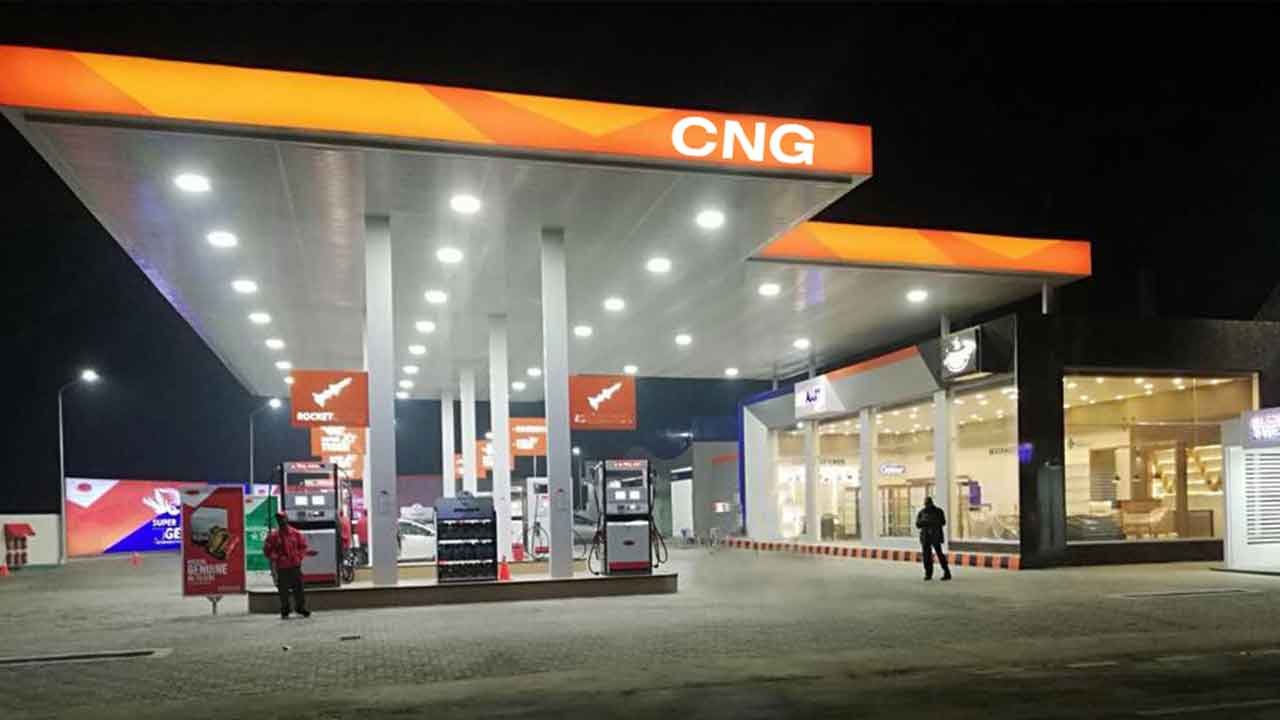
  • CNG stations in Sindh to open on April 11

    CNG stations in Sindh to open on April 11

    On April 6, the Sui Southern Gas Company Limited (SSGC) ordered the three-day closure of all compressed natural gas (CNG) stations in Sindh.

    According to a statement from the gas company, all CNG stations will remain closed for 72 hours, starting at 8 AM on Friday and ending at 8 AM on Monday.

    The CNG stations were closed in the province to address the gas shortage in the country and as a part of the gas load management plan.

    “Due to the short supply of gas in the SSGCL system, the availability of gas has diminished, resulting in line pack depletion and low pressure in the system,” according to the statement.

    “All CNG stations in Sindh (including those using RLNG) would stay closed in accordance with the current sectoral priority order for gas load management”.

    It is worth noting that CNG dealers had reopened their business on February 14 after a two-and-a-half-month hiatus. Following the gas load management plan, gas supplies to the CNG sector were suspended from December 1, 2021, to February 15, 2022.

    The unavailability of CNG multiplied the problems of the common man as the masses were forced to top their automobiles up with Petrol, which nearly touched Rs160 during that period.

  • Ramzan Relief Package: Utility Stores Corp announces discount on 1,500 items at 4,000 outlets

    Utility Stores Corporation of Pakistan (USC) will sell various food items at prices cheaper than the open market through its country-wide retail outlets as a part of its Ramzan Relief Package.

    The state-owned enterprise is offering discounted prices for 19 food items besides 1,500 total items that will be available at 4,000 stores throughout the holy month of Ramzan.

    Consumers will pay Rs950 for a 20-kilogram wheat flour bag under the package, instead of its original price of Rs1100-1350. Similarly, one kilogramme (kg) of sugar would be offered at Rs85 instead of Rs86-93. One kg of subsidized ghee costs Rs260 at USC, whereas edible ghee costs Rs470 on the open market.

    The price of one liter of cooking oil at USC is Rs407, while the open market is offering the same at Rs500.

    Likewise, one kg of daal channa costs Rs162 at USC, while it is being sold at Rs180-190 on the open market. Similarly, a kg of dal moong (washed) costs Rs170, and the open market sells it for Rs180-200 per kg. Washed daal mash costs Rs268 at USC, as compared to its price of Rs280-320 on the open market.

    Furthermore, one kg of daal masoor costs Rs215 at USC, instead of Rs250-280 in the open market. Sella rice will cost Rs165 per kg, basmati rice Rs155 per kg, and tota rice Rs85 per kg.

    The dates will cost Rs140 per kg, whereas dates on the general market will continue selling for Rs200 and Rs240. The 950gm tea pack costs Rs1,042 at USC, in contrast to its price of Rs1,250 in the open market.

    Read more: FBR records 29.1% growth during July 2021 to March 2022

    Ultra-high temperature (UHT) or pasteurized milk at USC is offered at USC for Rs142, and costs Rs165 in the general market. Squashes are sold for Rs250 instead of Rs290, and squashes and syrups (1,500 ml) are available for Rs437, compared to the original price of Rs495 in the open market.

  • Is the iPhone SE 2022 a major flop?

    Is the iPhone SE 2022 a major flop?

    Apple is limiting the production of its recently launched ‘budget’ smartphone, the ‘iPhone SE 2022’ owing to lower-than-expected demand. The tech giant has urged suppliers to reduce the manufacturing of the iPhone SE, by roughly 2 million to 3 million devices, or about 20 per cent of initial booking orders.

    In fact, the iPhone SE is still not as well-known as Apple’s higher-priced iPhones. According to research, from its launch through Q4 2021, the 2020 edition of the iPhone SE contributed to only 12 per cent of total iPhone sales.

    It is worth mentioning that Apple also slashed orders for AirPods by around 10 million devices for the current year.

    The 5g enabled iPhone SE is marketed by the company as an alternative for the premium devices from Apple. However, its price tag of Rs105,238 (excluding PTA charges) still seems surprising as compared to the earlier SE model which was offered with a lesser price tag of Rs72,520 (excluding PTA charges).

    Read more: Apple to offer subscription-based service for selling iPhone, iPad, MacBook

    According to Nikkei, the drop in production is a result of the Ukraine crisis and inflation’s detrimental influence on the demand for gadgets.

    Following Russia’s invasion of Ukraine, several major IT companies, including Apple, ceased sales in the country. The United States, the European Union, Japan, South Korea, and Taiwan have all slapped economic sanctions on Russia, causing supply chain disruption and raising inflation concerns.

  • Honda Atlas to increase prices for all motorcycles from April 1

    Atlas Honda is set to announce another price hike within a month for all of its motorcycles. The manufacturer will increase the prices from Rs2,000 to Rs10,000 for seven variants.

    As per two prominent Atlas Honda motorcycle dealerships in Lahore: Honda Gulberg and Honda Hamiz Bedian, the Association of Pakistan Motorcycle Assemblers (APMA) have already notified all Honda dealerships across Pakistan of the revised prices.

    The imminent price hike is due to the rising cost of raw materials used in production as well as the continuous depreciation of the Pakistani rupee.

    According to the dealerships, the popular Honda CD70 and CD70 Dream variants will see a price hike of Rs2000 which will be sold at Rs99,900 and Rs106,500 respectively from April 1.

    Honda Pridor will be priced at Rs136,900 after an increase of Rs3000 in its existing price of Rs133,900.

    The manager at Honda Gulberg stated that the company will release a formal notification on March 31, 2022, regarding the increase, the new rates will be effective from Friday.

    This hike will place Honda CG 125’s price at almost Rs160,000. It is worth noting that the same bike was priced at Rs134,000 last year in the same period.

  • Remove ban on imported cars, petitioner moves Lahore High Court

    Remove ban on imported cars, petitioner moves Lahore High Court

    While hearing a case on prices of locally manufactured vehicles, the Lahore High Court (LHC) court has asked the government to level the prices of domestically assembled cars and also mitigate the ban on imported cars. The government had decided in principle to impose a temporary ban on the imported cars from Jan 2022 – June 2022 to help reduce the current account deficit .

    On Monday, the LHC was hearing a case in which looked for strategy concerning fixing cost of locally assembled cars. The plaintiff said that the demand for locally manufactured cars had increased drastically ever since the government had banned the import or vehicles.

    The plaintiff said that the government has failed in stabilising prices and the prices of cars are increasing daily. He pleaded to the court to make a decision regarding the fixing of prices of the vehicles and relaxing the ban.

    The LHC has been pleaded to pass judgment regarding the fixing of the domestically manufactured vehicles and the ban on the import of vehicles should also be relaxed.

  • Coronavirus in Pakistan: Prices of face masks increase by 900%

    Coronavirus in Pakistan: Prices of face masks increase by 900%

    With a couple of confirmed cases of the new coronavirus — COVID-19 — surfacing in the country, the prices of face or medical masks have increased by staggering 900% as local pharmacies also run out of what is said to provide some protection from the virus.

    While some experts say it provides modest protection against the virus that is new to science, others doubt the effectiveness of such masks for stopping COVID-19 transmission. United States (US) health officials say the virus spreads mostly between people who are in close contact with each other, and from respiratory droplets when an infected person sneezes or coughs.

    China is the world’s largest producer of the said masks, with a reported daily capacity of 20 million pieces, but by the estimate of its manufacturers, domestic demand alone is around 50 to 60 million per day. Amid the surge in demand, medical store owners are citing a shortage of the masks as the reason behind the increase in its price from Rs100 for a box to Rs1,000 for the same in markets across Pakistan.

    CORONAVIRUS IN PAKISTAN:

    First two cases of coronavirus in Pakistan were reported on Wednesday night, one of which was in the provincial capital of the country’s southeastern province of Sindh, and the other in the federal capital.

    While details of the case in Islamabad have not yet been made public, the first reported case is that of a 22-year-old man who, according to government sources, reached Pakistan from Iran by air and has a history of travel to Tehran “from where he acquired the virus”.

    It was also confirmed by Special Assistant to Prime Minister (SAPM) on Health Dr Zafar Mirza.

    “I can confirm first two cases of coronavirus in Pakistan. Both cases are being taken care of according to clinical standard protocols and both of them are stable. No need to panic, things are under control,” he tweeted.

  • Week after Sheikh’s Rs17/kg claim, tomato prices reach record high of Rs400

    Week after Sheikh’s Rs17/kg claim, tomato prices reach record high of Rs400

    Over a week after Prime Minister (PM) Imran Khan’s Adviser on Finance, Revenue and Economic Affairs Dr Abdul Hafeez Sheikh claimed that tomatos were “being sold for Rs17 per kilogram (kg) in Karachi”, latest reports have revealed that the prices have soared to Rs400/kg from Rs300-320/kg last week.

    Speaking to media personnel, the PM’s adviser had said that people were lying when he was told that tomatoes were being sold at Rs240/kg. He told reporters that they were being sold at Rs 17/kg at Karachi’s sabzi mandi [vegetable market].

    A journalist then asked, “Which sabzi mandi, sir?” To which, Dr Sheikh responded, “You go and check it out yourself!”

    WATCH VIDEO:

    According to Dawn, in the absence of any landed price of the Iranian tomato, greedy traders also brought the price of Swat and Sindh crop at par with the Iranian tomato rate to make huge profits. But the local administration, like its past practice, quoted an unrealistic retail rate of Rs253 per kg compared to Rs193 per kg.

    In the first week of November, the official retail rate of tomato was Rs117 per kg and Tuesday’s official price clearly indicated that the government itself was revising the price upward.

    Traders said a box containing 13-14 kg of tomato was available at Rs4,200-4,500 depending on the quality, thus forcing many traders to suspend purchasing.

    The government had last week issued a permit for importing 4,500 tonnes of tomato from Iran, but the arrival of the red fruit had yet to pick up pace in the market, resulting in a persistent hike in the rates in view of rising demand.

    Of the 4,500 tonnes, only 989 tonnes had arrived in the country so far, a trader said, adding that he could not confirm whether more quantities arrived at the Taftan border on Tuesday.