Tag: Prime Minister Imran Khan

  • PTI MPA removed from Punjab information body after ‘leaked calls discussing PM, his wife, others’

    PTI MPA removed from Punjab information body after ‘leaked calls discussing PM, his wife, others’

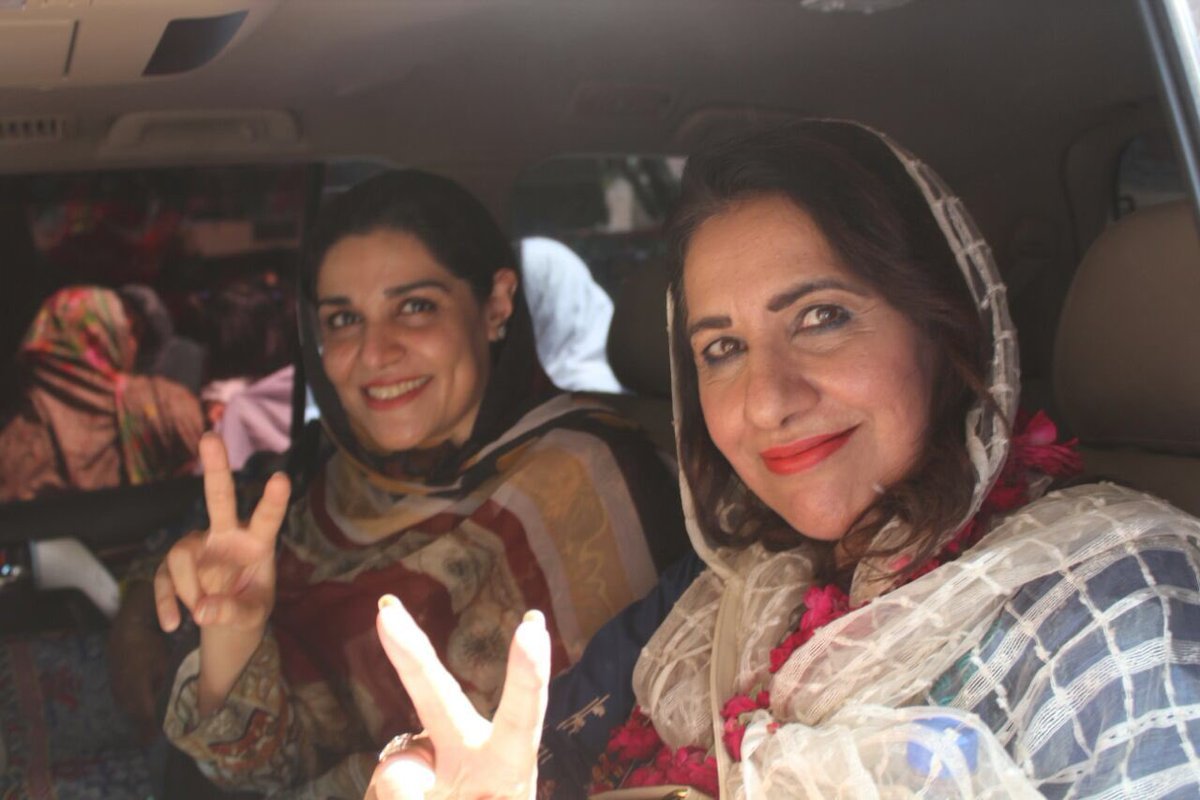
    Pakistan Tehreek-e-Insaf (PTI) MPA Uzma Kardar, who had earlier made headlines for her mention in Reham Khan’s notorious book, was on Monday removed from an information body of the Punjab government hours after she was allegedly heard discussing Prime Minister (PM) Imran Khan, First Lady Bushra Bibi, Punjab Chief Minister (CM) Usman Buzdar, Defence Minister Pervaiz Khattak among others in a series of leaked phone calls.

    According to a notification issued by Punjab Information Minister Fayazul Hasan Chohan, Kardar was removed from the provincial government’s Media Strategy Committee. No reason was, however, given in the notification, a copy of which is available with The Current.

    The sacking comes hours after journalist Mansoor Ali Khan said a call recording of someone from the present government could surface very soon and become very embarrassing for the PTI government.

    It was followed by audio clips doing rounds over the internet.

    While Kardar could allegedly be heard discussing PM Imran and the first lady in one recording, she allegedly made outrageous claims regarding Buzdar, Khattak, Punjab Child Protection Bureau Chairperson Sarah Ahmad, “dirty politics” inside the PTI, Punjab Info Minister Fayazul Hasan Chohan and PTI’s allied Pakistan Muslim League (PML), in other leaked audio clips.

    The Current does not endorse any of the recordings or other content available when the above-embedded links are accessed but is committed to keeping our followers aware of whatever is going on.

    While the PTI lawmaker was not available for a comment, the audio has drawn mixed reactions as many question the motive behind the leaks.

    Among others, Mansoor has also questioned who recorded the phone calls and why.

    Meanwhile, reports claim that legal action will also soon be initiated against the PTI lawmaker.

  • FIA acquits Imran’s health aide Dr Zafar Mirza in masks smuggling case

    FIA acquits Imran’s health aide Dr Zafar Mirza in masks smuggling case

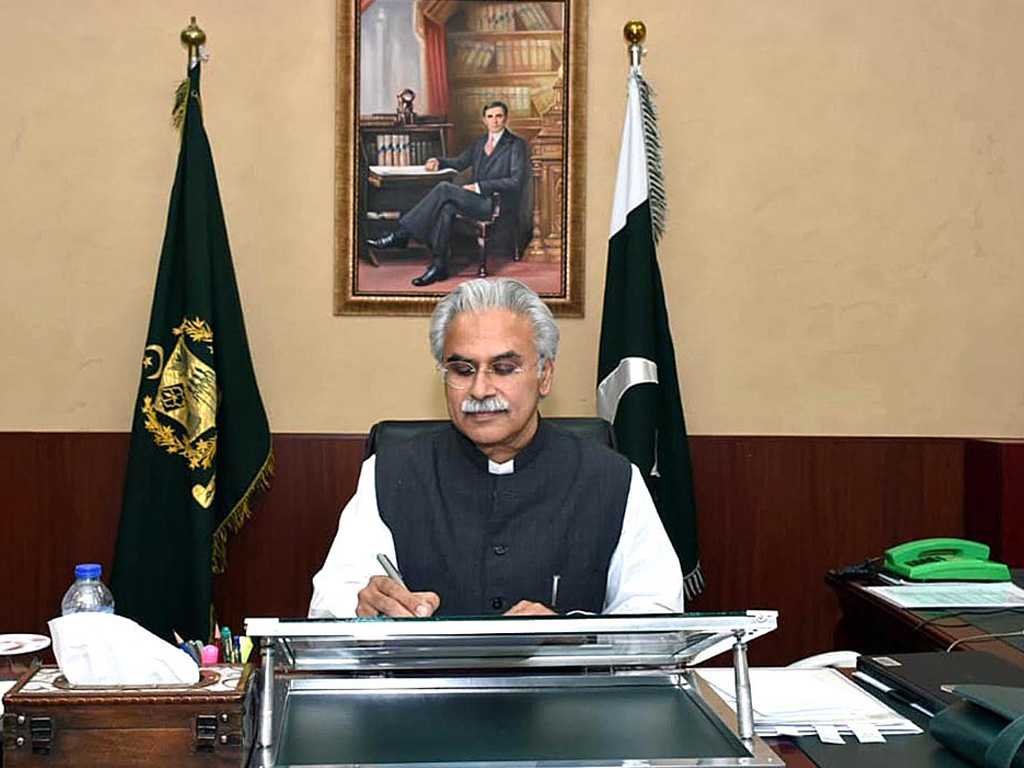
    The Federal Investigation Agency (FIA) has acquitted Special Assistant to Prime Minister (SAPM) on Health Dr Zafar Mirza after probing his alleged involvement in the smuggling of protective masks amid COVID-19 pandemic.

    According to FIA sources, no allegation was proved against Dr Mirza as the petitioner failed to provide evidence of his allegations during the agency’s investigation into the export of 20 million masks to China.

    Sources said that according to FIA’s report, no collusion was proved in issuance of permit for export of the masks and the Drug Regulatory Authority of Pakistan (DRAP) allowed the export under rules and regulations.

    It may be noted that the complaint in this regard was registered by Young Pharmacists’ Association (YPA) Secretary General Dr Furqan Ibrahim with the PM’s Complaint Cell.

    According to the complainant, 20 million masks were smuggled out of Pakistan allegedly by the SAPM in collusion with DRAP Deputy Director Ghazanfar Ali Khan.

    Meanwhile, the National Accountability Bureau (NAB) has also decided to launch an inquiry into the allegations against Dr Mirza.

  • Selective lockdown

    Selective lockdown

    Prime Minister (PM) Imran Khan has reiterated that there will not be another lockdown. “It is tantamount to shutting down the entire economy to contain the spread of coronavirus. My views have been quite clear on this from the first day.”

    He said that Pakistan is not like Singapore or New Zealand or Taiwan with smaller populations and is also not a rich country to afford a lockdown. PM Imran said smart lockdown will be imposed after identifying hotspots and blamed the people of Pakistan for not following SOPs.

    Pakistan’s coronavirus cases are more than 141,000 while deaths are 2,647. The number of cases keeps rising rapidly each day, which hospitals seem unable to deal with. Oxygen cylinders are unavailable in most cities or are available at exorbitant prices while prices of oximeters, medicines and other supplies have also shot up. Pakistan’s health sector will not be able to deal with such a huge crisis in the coming days.

    “I have been saying this repetitively that you must take precautions… I am disappointed to see that our people have been very careless,” said PM Imran who had once likened COVID-19 to flu.

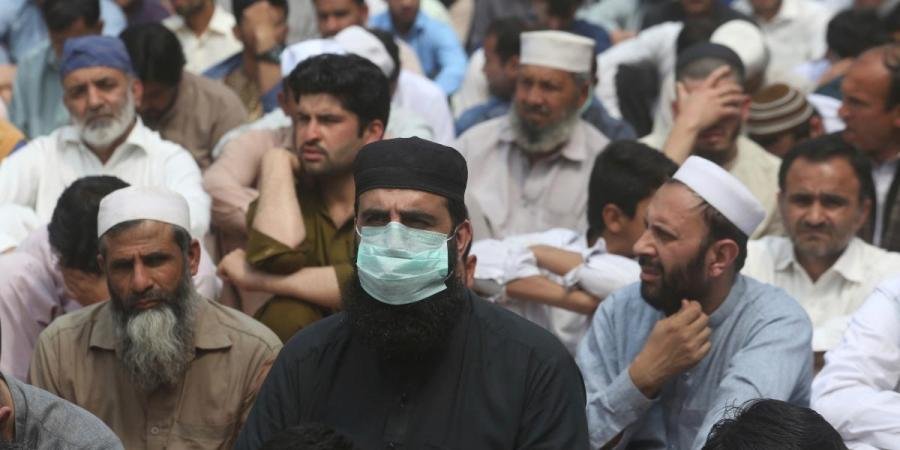
    He said that masks are now mandatory and both the administration and volunteers of the Tiger Force will ensure this.

    It is easy for the government to ask people to follow the SOPs and take precautions while not taking responsibility for its policy failure. When lockdown was first imposed in the country, it should have been extremely strict followed by aggressive testing. Lockdown should not have been lifted for Eid when cases were on the rise. The government not just lifted the lockdown but also kept downplaying the virus despite warnings from health workers and senior doctors. No wonder then that people are not taking coronavirus seriously. It is the government’s responsibility to implement rules; people all over the world are not responsible unless rules and laws are strictly implemented. The government should consider temporary lockdown in cities where administration finds it difficult to control the spread of coronavirus, increase the number of tests, create more awareness by telling people how serious this virus is.

    Countries that locked down early and strictly have been able to return to normal much faster and are open to a large extent. In Pakistan, we have been busy in comparisons or criticism of other countries’ strategies while no effective policy has been in place here.

    Reports indicated that the Punjab government was considering imposing a strict two-week lockdown in Lahore at the recommendation of the World Health Organization (WHO) due to the rising number of cases but PM Imran rejected the proposal.

    Selective lockdown is not a solution because its implementation will be extremely difficult. It seems as if the government has adopted the policy of ‘to each his/her own’ when it comes to dealing with the coronavirus. Let’s not forget that countries that have gone down this road have not been able to save their economy either. We should act before it is too late.

  • ‘Unrealistic and meaningless’: Economists react to PTI govt’s second federal budget

    ‘Unrealistic and meaningless’: Economists react to PTI govt’s second federal budget

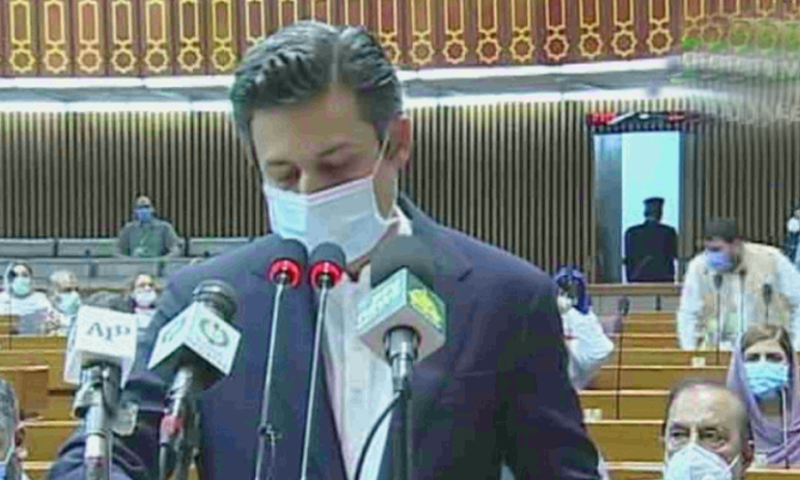
    The Pakistan Tehreek-e-Insaf (PTI) government has unveiled a Rs7.13 trillion budget for the upcoming fiscal year, which was presented before the parliament by Industries Minister Hammad Azhar amid opposition members’ protest against the same for being “anti-people”.

    But while the budget, which Prime Minister (PM) Imran Khan’s team claims will bring relief to the masses in coronavirus times, is drawing mixed reactions from political leaders and the general public, what do economists have to say about it?

    MUZZAMMIL ASLAM:

    “Given the GDP [gross domestic product] projections (2.1%) for next year, it is apparent that the government has failed to provide impetus to the economy. This has highlighted resource constraints the current government is facing. The government is basically relying on the stimulus of 1.2 trillion it provided during COVID-19 and is now consolidating its finances due to [the] IMF [International Monetary Fund] programme.”

    YOUSUF NAZAR:

    “Budget making has been reduced to a meaningless annual ritual given the overall dismal performance in meeting the targets, a performance which had little to do with the pandemic. Given that Pakistan’s economy is contracting for the first time in history, I had hoped that the government will come up with a plan to revive growth. A big near term risk to growth is the locust attack. I don’t see anything in the budget to help the agriculture sector face this threat. On a broader note, the government seems lost and overwhelmed by the economic contraction. I don’t see how it succeed in meeting the revenue target through privatisation when the business confidence is so low and the premier appears to be, honestly, clueless about we need to do to reform the economy, reset spending priorities and revive confidence in the government.”

    FARHAN BOKHARI:

    “It is an unrealistic budget that is based on an unrealistic tax collection target. The budget should have included a bold plan to cut losses in public sector companies and an equally bold plan for tackling losses in the energy sector. Pakistan additionally needs an emergency plan to raise agricultural productivity as agriculture is the only sector of the economy that has recorded some growth. Such big moves require a national political consensus which is missing as the premier refuses to talk to other mainstream political leaders.”

    According to Hammad Azhar, the Federal Board of Revenue (FBR) revenue target for next year has been kept at Rs4.95 trillion, while defence allocations amount to around Rs1.3 trillion.

    READ: Twitter loses it over Rs1.29 trillion budget for defence, Rs83.63 billion for education

    The federal development programme has been budgeted at Rs650 billion to support growth prospects.

    The budget for fiscal year (FY) 2020-21 comes at a time when the country is battling the COVID-19 pandemic that has served a severe blow to the economy. According to reports, it has been formulated considering the impact of the virus and to give relief to the citizens, as part of which no new taxes have been imposed.

    Check out the budget document here.

  • Twitter loses it over Rs1.29 trillion budget for defence, Rs83.63 billion for education

    With the Pakistan Tehreek-e-Insaf (PTI) government unveiling its second budget in the National Assembly (NA) on Friday, Twitterati are losing it over nearly Rs1.3 trillion being allocated for defence against not even Rs84 billion for education in the Rs7.13 trillion budget for fiscal year (FY) 2020-21.

    One trillion equals 1,000 billion.

    DEFENCE BUDGET:

    According to Dawn, the government has proposed Rs1.29 trillion defence allocation for the next fiscal year, representing an 11.8 per cent increase over the original allocation for the outgoing year. Federal Minister for Industries Hammad Azhar, while presenting the budget in the National Assembly, said that defence and internal security have been given adequate attention in the budget.

    The military had last year forgone a major hike because of the economic challenges then facing the country and settled for a raise of 4.74 per cent, but by the end of the year, it had overshot the allocation by 6.33 per cent.

    The original allocation for last year was Rs1.15 trillion, but according to revised figures presented before the lower house of parliament, about Rs1.23 trillion had been spent. It has now virtually become a norm for actual defence spending incurred in a year to be higher than the original allocation.

    EDUCATION BUDGET:

    Meanwhile, the government has earmarked Rs83.363 billion for Education Affairs and Services against the revised allocation of Rs81.253 billion for the current fiscal year, showing an increase of around 2.5 per cent. The country’s public expenditure on education as a percentage to gross domestic product (GDP) is estimated at 2.3 per cent in the fiscal year 2019-20, which, according to reports, is the lowest in the region.

    An amount worth Rs70.741 billion has been allocated for Tertiary Education Affairs and Services in budget 2020-21, which is 84.9 per cent of the total allocation under this head, while Rs2.931 billion have been earmarked for pre-Primary & Primary Education Affairs, Rs7.344 billion for Secondary Education Affairs & Services and Rs1.237 billion for administration.

    Since the federal government only finances higher education after the 18th Amendment when education as a subject was devolved to provinces, the government has increased the budgetary allocation for the higher education sector from Rs59 billion in 2019-20 to Rs64 billion for the next fiscal year. According to the budget documents, Rs29.470 billion have been earmarked for the Higher Education Commission (HEC) under the Public Sector Development Programm (PSDP) for 2020-21.

    TWITTER REACTS:

    With the nearly 1447.62 per cent difference between the spending on defence and education not sitting well with many, here’s how Twitterati are reacting:

    Some also highlighted how the government had allocated only Rs70 billion for combating the coronavirus and other disasters at a time when dozens were losing their lives to the virus across the country every day.

    What do you think of Budget 2020? Let The Current know in the comments.

    You can go through the budget document here.

  • READ: PTI govt’s ‘corona budget’ for FY2020-21

    The Pakistan Tehreek-e-Insaf (PTI) government has presented its second federal budget in the National Assembly.

    According to Industries Minister Hammad Azhar, who delivered the budget speech on the floor of the house, the Federal Board of Revenue (FBR) revenue target for next year has been kept at Rs4.95 trillion, while defence allocations amount to around Rs1.3 trillion.

    The federal development programme has been budgeted at Rs650 billion to support growth prospects.

    The budget for fiscal year (FY) 2020-21 comes at a time when the country is battling the COVID-19 pandemic that has served a severe blow to the economy. According to reports, it has been formulated considering the impact of the virus and to give relief to the citizens, as part of which no new taxes have been imposed.

    Here’s the complete Rs7.13 trillion budget:

  • ‘Our relief package is as large as your country’s GDP,’ India reacts to Imran’s offer to share Ehsaas project

    ‘Our relief package is as large as your country’s GDP,’ India reacts to Imran’s offer to share Ehsaas project

    — Islamabad regrets negative remarks by New Delhi regarding goodwill suggestion by PM Imran

    In a stinging reply to Prime Minister (PM) Imran Khan’s offer of sharing with India his government’s cash transfer project technology to help the poor amid the coronavirus crisis, New Delhi has said that the size of its economic relief package during the pandemic is as large as Pakistan’s Gross Domestic Product (GDP).

    “Pakistan would do well to recall that they have a debt problem which covers 90% of their GDP. As far as India goes, our stimulus package is as large as the GDP of Pakistan,” said Anurag Srivastava, a spokesperson for India’s Ministry of External Affairs (MEA), on Thursday.

    Imran had earlier in the day tweeted a news report published in an Indian daily highlighting the suffering of a section among the poor in India due to the economic challenges posed by the COVID-19 outbreak, saying that his government was willing to help with its successful cash transfer programme, which he boasted was recognised internationally.

    “I am ready to offer help and share our successful cash transfer programme, lauded internationally for its reach and transparency, with India,” the premier had said while sharing the report as per which 34 per cent households across India will not be able to survive for more than a week without assistance.

    He had said his government successfully transferred Rs120 billion in nine weeks to over 10 million families in a transparent manner to deal with the economic fallout of the virus.

    ISLAMABAD REACTS TO NEW DELHI’S RESPONSE:

    In response to New Delhi’s reaction to the premier’s offer, the Foreign Office (FO) regretted “negative remarks by the MEA spokesperson regarding a goodwill suggestion by the PM to share Pakistan’s successful experience in ameliorating the impact of COVID-19 on the poorest sections of the society”.

    “Remarks by the MEA spokesperson reflect an unprofessional attempt at point-scoring over a serious issue that involves the lives of millions of poor people in the subcontinent, worst affected by the COVID-19 pandemic,” read a statement issued by the FO on Friday.

    THE REPORT:

    A study titled “How are Indian households coping under the COVID-19 lockdown? Eight key findings”, carried out by experts at the University of Pennsylvania, the University of Chicago and the Mumbai-based Centre for Monitoring the Indian Economy (CMIE) reveals that nearly 84 per cent of Indian households are seeing decreases in income since the lockdown began. Nearly a third of all households will not be able to survive beyond a week without additional assistance.

    “Direct and immediate transfers of food and cash are a very high priority,” said Heather Schofield, assistant professor of medical ethics and health policy at the Perelman School of Medicine and a Wharton professor of business economics and public policy.

    When a nationwide lockdown began in late March, India’s Ministry of Labour and Employment asked private and public organisations not to terminate jobs on the pretext of prevailing conditions. But these pleas hardly made any difference and large-scale retrenchments that took place as cope with the contagion.

    However, the study found a “sharp and broad negative impact on household income” as the pandemic diminished their staying capacity, adding that the unemployment rate in the country had crossed 27 percent in early May, up nearly four-fold from levels in January-February.

    The fall in incomes affected people in the lower and middle segments of the income distribution most severely, the study found. “Households in the lowest of the five income groups had average monthly per-capital earnings of less than Rs3,800 (about $50), while those at the high end made between Rs12,374 and upwards of Rs100,000 ($167 to $1,370 and more).”

    Households in the middle-income groups are hurt disproportionately more perhaps because they are most likely to be dependent on sources of income that are hit due to the lockdown, the study’s authors stated.

    Rural households have seen disproportionately more distress than those in urban India during the lockdowns. Incomes have fallen at some 88% of rural households, compared to 75% of urban households, the study found.

    Only 30% of households are able to survive one month or more without additional assistance. “Crucially, 14% of the sample is already out of funds and risks immediate and severe deprivation if they are unable to borrow or receive additional benefits,” the report warned.

    “Rapid distribution of in-kind or cash transfers is needed to prevent a sharp increase in malnutrition and severe deprivation. Such transfers will also likely promote a more robust recovery as the country is able to reopen.”

    The need for additional resources is also affected by where the household is located. “The urban poor have the least time before their resources are depleted,” the study said.

    Nearly two-thirds of urban households that earn less than median income households will run out of resources in two weeks. Rural households in similar income groups have relatively more resilience, the study found, as 54% of them have sufficient resources for the same period of time.
  • Pakistan ready to share Ehsaas project with India: PM

    Pakistan ready to share Ehsaas project with India: PM

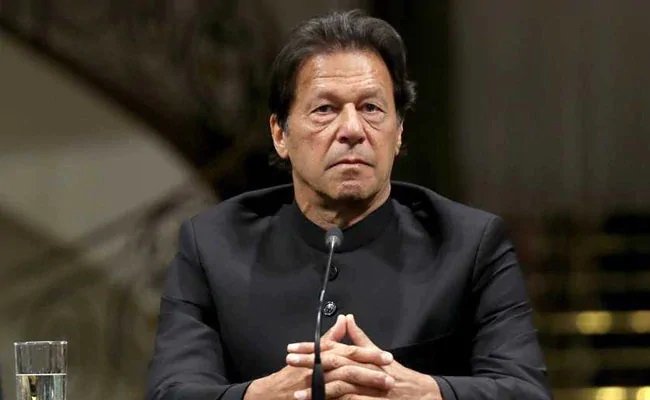
    Prime Minister (PM) Imran Khan has offered sharing his government’s cash transfer flagship programme that successfully dealt with the negative fallout of COVID-19 on vulnerable communities, with India.

    “I am ready to offer help and share our successful cash transfer programme, lauded internationally for its reach and transparency, with India,” the premier said in a tweet while sharing a report that 34 per cent households across India will not be able to survive for more than a week without assistance.

    He said his government successfully transferred Rs120 billion in nine weeks to over 10 million families in a transparent manner to deal with the economic fallout of the virus.

    A study titled “How are Indian households coping under the COVID-19 lockdown? Eight key findings”, carried out by experts at the University of Pennsylvania, the University of Chicago and the Mumbai-based Centre for Monitoring the Indian Economy (CMIE) reveals that nearly 84 per cent of Indian households are seeing decreases in income since the lockdown began. Nearly a third of all households will not be able to survive beyond a week without additional assistance.

    “Direct and immediate transfers of food and cash are a very high priority,” said Heather Schofield, assistant professor of medical ethics and health policy at the Perelman School of Medicine and a Wharton professor of business economics and public policy.

    When a nationwide lockdown began in late March, India’s Ministry of Labour and Employment asked private and public organisations not to terminate jobs on the pretext of prevailing conditions. But these pleas hardly made any difference and large-scale retrenchments that took place as cope with the contagion.

    However, the study found a “sharp and broad negative impact on household income” as the pandemic diminished their staying capacity, adding that the unemployment rate in the country had crossed 27 percent in early May, up nearly four-fold from levels in January-February.

    The fall in incomes affected people in the lower and middle segments of the income distribution most severely, the study found. “Households in the lowest of the five income groups had average monthly per-capital earnings of less than Rs3,800 (about $50), while those at the high end made between Rs12,374 and upwards of Rs100,000 ($167 to $1,370 and more).”

    Households in the middle-income groups are hurt disproportionately more perhaps because they are most likely to be dependent on sources of income that are hit due to the lockdown, the study’s authors stated.

    Rural households have seen disproportionately more distress than those in urban India during the lockdowns. Incomes have fallen at some 88% of rural households, compared to 75% of urban households, the study found.

    Only 30% of households are able to survive one month or more without additional assistance. “Crucially, 14% of the sample is already out of funds and risks immediate and severe deprivation if they are unable to borrow or receive additional benefits,” the report warned.

    “Rapid distribution of in-kind or cash transfers is needed to prevent a sharp increase in malnutrition and severe deprivation. Such transfers will also likely promote a more robust recovery as the country is able to reopen.”

    The need for additional resources is also affected by where the household is located. “The urban poor have the least time before their resources are depleted,” the study said.

    Nearly two-thirds of urban households that earn less than median income households will run out of resources in two weeks. Rural households in similar income groups have relatively more resilience, the study found, as 54% of them have sufficient resources for the same period of time.
  • Ex-wife trolls Imran for petrol shortage in Pakistan when ‘world is running out of space to store it’

    Ex-wife trolls Imran for petrol shortage in Pakistan when ‘world is running out of space to store it’

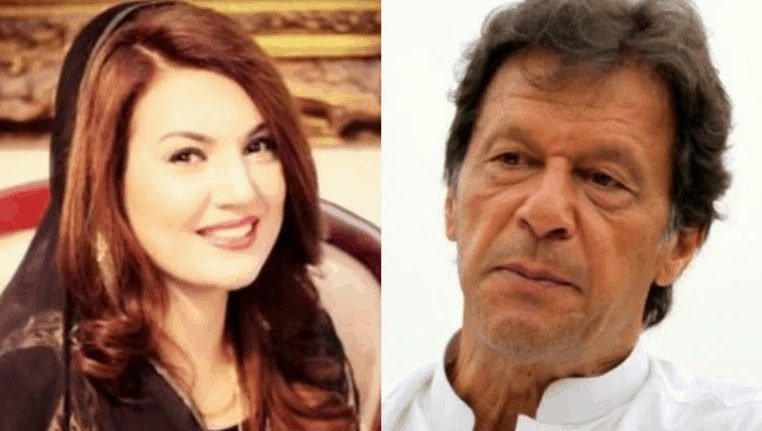
    Former wife of Prime Minister (PM) Imran Khan has taken a dig at him, calling him “selected” — a term used by the opposition to raise objections over Imran’s rise to power –, while highlighting the persisting petrol shortage at a time when “the entire world is running out of storage space for the same”.

    “History will remember the selected person in Pakistan who created a shortage of petrol at a time when the world was running out of places to store it,” she tweeted.

    The tweet came as a shortage of petrol and diesel at most fuel stations across the country reportedly due to the limited supply of petroleum products added to the miseries of people amid the coronavirus outbreak.

    The scarcity of petrol across the country turned severe last week, as most petrol pumps remained closed in Karachi, Lahore, Peshawar, and Quetta. Long queues could be seen on those stations that were open.

    Sameer Najmul Hassan, chairman of All Pakistan Petroleum Retailers Association (APPRA), in a statement, said oil companies will likely run out of their oil stocks in the next three days. They have been left with the stock hardly enough to last out more than three days, he added.

    He said a new quota of petroleum products is not being purchased due to a consistent decrease in the oil companies’ quota. No company other than the Pakistan State Oil (PSO) is purchasing oil at present, the APPRA chairman said.

    “The situation seems to be going from bad to worse until Sunday,” he warned. He said 15 oil marketing companies in total, including the PSO, purchase oil in the country.

    It is pertinent to note that in an unprecedented move, Pakistan, which imports 70 per cent of its crude oil from Saudi Arabia and the remaining from the United Arab Emirates (US), had in April canceled import of gasoline, diesel and crude oil to support the domestic refining industry as energy demand sharply declined amid countrywide lockdowns. 

    The decision to halt the import of petroleum products had followed country’s economic meltdown resulting from the coronavirus pandemic. In a letter to the Oil Companies Advisory Council (OCAC), the Energy Ministry had said that the consumption of motor gasoline had dropped significantly due to lockdown by provincial governments to control the spread of COVID-19.

    Meanwhile, the globally plunging demand for oil brought by the coronavirus pandemic combined with a savage price war had left the fossil fuel industry broken and in survival mode, according to analysts. It faced the gravest challenge in its 100-year history, they said, one that will permanently alter the industry.

    While the first few months into the pandemic saw price wars between oil giants as demand plunged, things are getting better as lockdown restrictions are gradually being eased.

  • Coronavirus: Pakistan out of list of 100 safest countries, Switzerland on top, India 56th safest, worst-hit US 58th

    Coronavirus: Pakistan out of list of 100 safest countries, Switzerland on top, India 56th safest, worst-hit US 58th

    In a detailed study of 200 countries, Switzerland has been found to be the safest place on earth to escape the ongoing coronavirus pandemic while Pakistan is no longer among the 100 safest places, falling down to the 148th rank — amongst the riskiest group of countries.

    India ranks 56th in the COVID-19 ranking by Deep Knowledge Group. The first tier comprises a list of 20 most safe countries while those in the fourth tier are amongst the riskiest lot.

    The study focuses on nations and their safety capability against the pandemic.

    Top 10 safest countries from coronavirus:

    1) Switzerland

    2) Germany

    3) Israel

    4) Singapore

    5) Japan

    6) Austria

    7) China

    8) Australia

    9) New Zealand

    10) South Korea

    The United States (US), which has the highest number of coronavirus cases in the world, was ranked 58th on the list.

    By the time this report was filed, Pakistan had a total number of 113,702 COVID-19 cases with at least 2,255 deaths.

    Punjab had the most number of infections (43,460) with Sindh trailing behind at 41,303 cases. The number of infections in Khyber Pakhtunkhwa (KP), Balochistan and Islamabad stood at 14,527, 7,031 and 5,963, respectively. Gilgit-Baltistan (GB) had a total 974 cases while the number in Azad Jammu & Kashmir (AJK) stood at 444.