Tag: Prime Minister Shehbaz Sharif

  • PM Shehbaz urges FBR to modernise tax system without burdening honest taxpayers

    PM Shehbaz urges FBR to modernise tax system without burdening honest taxpayers

    Prime Minister Muhammad Shehbaz Sharif has directed the Federal Board of Revenue (FBR) to implement a strategy using the latest technology to expand the tax base without imposing additional burdens on honest taxpayers.

    During his visit to the FBR Headquarters, the Prime Minister underscored the government’s commitment to steering Pakistan towards economic progress and stability.

    Prime Minister Sharif highlighted the necessity of collective and individual efforts, sincerity, and sacrifices to prioritise national interests over personal gains.

    He described the recent staff-level agreement with the International Monetary Fund (IMF) as a positive development for the country’s economy and expressed optimism that the IMF board would endorse it.

    He urged the FBR to work diligently to ensure this IMF programme is the last one needed, paving the way for a prosperous future.

    Sharif emphasised the importance of taxing those who evade payments to alleviate the repeated financial strain on honest taxpayers, including government employees. He advocated for leveraging modern technologies, such as artificial intelligence, to digitise FBR operations, which he viewed as crucial for broadening revenue sources without unfairly burdening compliant taxpayers.

    The Prime Minister criticised the reliance on foreign debts, stressing that sustainable nation-building requires self-reliance and effective tax collection. He insisted that current FBR reforms be conducted objectively and transparently, prioritising national interests. Sharif also instructed FBR Chairman Malik Amjad Zubair Tiwana to bring any departmental issues to light promptly.

    Acknowledging FBR’s success in collecting 30% more revenue compared to the previous year, Sharif insisted that tax enforcement should focus on achieving set targets without causing undue difficulties for compliant businesses and industrialists.

    He recalled the introduction of agricultural tax in Punjab 27 years ago, which was subsequently adopted by other provinces, highlighting the need to address general sales tax collection issues.

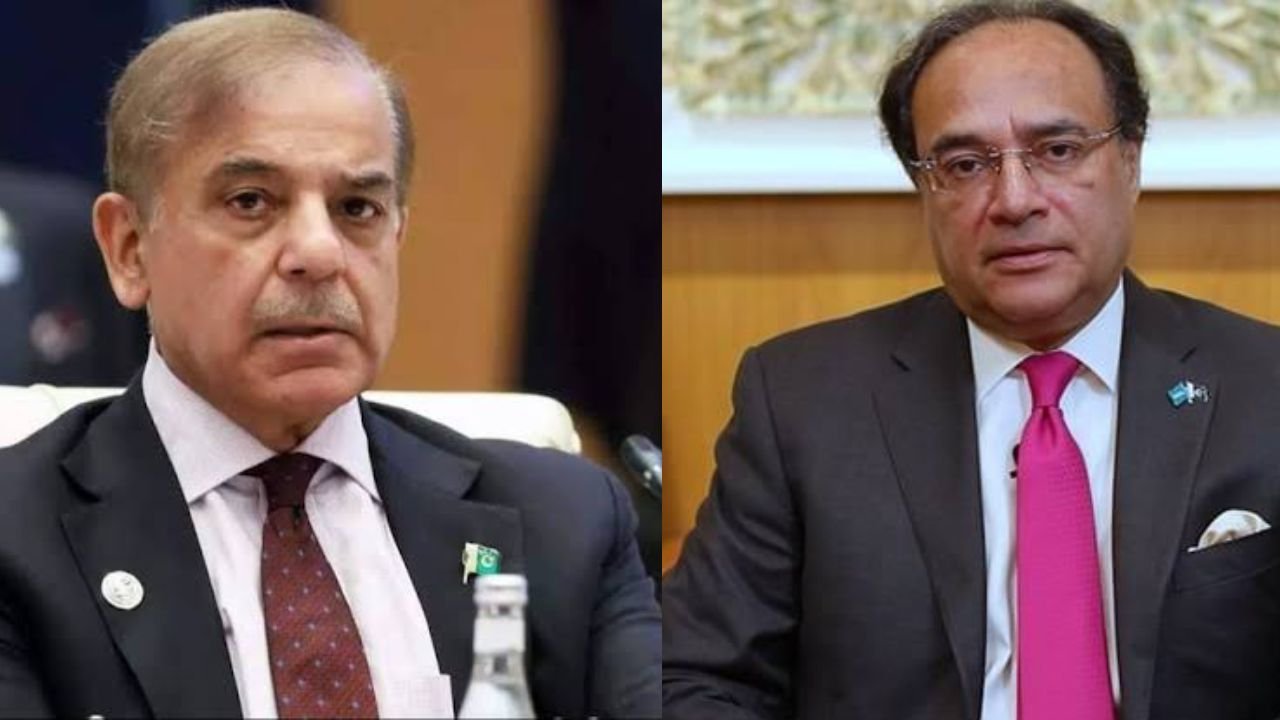
    Upon his arrival at FBR Headquarters, Sharif was welcomed by key government officials, including Finance Minister Muhammad Aurangzeb and Minister of State for Finance Ali Pervaiz Malik. The Prime Minister paid homage to the FBR’s fallen heroes by laying a wreath and offering Fateha. He reiterated that the automation and digitisation of FBR are government priorities and authorised the immediate release of Rs2 billion to enhance the Web-Based One Customs System (WeBOC).

    The meeting, attended by several ministers and senior officials, included a briefing on ongoing FBR reforms and the progress of the digitisation strategy.

    The Prime Minister was informed of the completion of the first phase of the FBR Tajir Dost Mobile application, which simplifies tax return processes. Additionally, the use of advanced technology has identified approximately 4.9 million potential taxpayers.

    Sharif instructed the FBR to expand the tax net to include these identified individuals and to address the legitimate demands of flour mill owners through direct engagement.
  • PM Shehbaz orders immediate action to tax 4.5 million non-filers

    PM Shehbaz orders immediate action to tax 4.5 million non-filers

    Prime Minister Shehbaz Sharif has mandated immediate action to bring 4.5 million identified non-filers into the tax net.

    Chairing a review meeting on Federal Board of Revenue (FBR) reforms, he stressed the need for swift implementation of measures to ensure these potential taxpayers are registered and contributing their due share.

    During the meeting, officials updated the prime minister on the ongoing reforms and digitisation efforts within the FBR. The implementation of Sharif’s directives is progressing rapidly, with a comprehensive review of the FBR’s existing systems and manpower nearing completion.

    Initial steps have already led to the identification and cessation of fraudulent sales tax refund claims by approximately 4,000 companies.

    The prime minister underscored the importance of ending discretionary powers of customs appraisers, instructing the FBR chairman to ensure compliance and report back within 24 hours. He highlighted that more than 300,000 new taxpayers have submitted their returns in recent weeks, a testament to the government’s initiatives.

    PM Shehbaz also called for strict action against individuals and officials involved in tax evasion, emphasising that those who facilitate such crimes will be punished. Conversely, taxpayers who comply with their obligations will be acknowledged.

    To enhance transparency and reduce corruption, the prime minister directed the installation of modern, international-quality scanners at ports. He reiterated that the digitisation of the tax system is a top government priority to prevent billions in tax evasion.

    PM Shehbaz also recommended the creation of a dashboard to monitor the progress of digitisation and reforms.

  • Govt announces establishment of 10 new software technology parks

    Govt announces establishment of 10 new software technology parks

    The government has announced the establishment of 10 new Software Technology Parks across the country by next year.

    This announcement was made during a briefing by the Ministry of Information Technology to a high-level meeting chaired by Prime Minister (PM) Shehbaz Sharif in Islamabad.

    In addition to the new technology parks, the meeting highlighted plans to set up 100 new e-employment centers nationwide by next year. These initiatives are part of the government’s broader strategy to boost the IT sector and create more job opportunities.

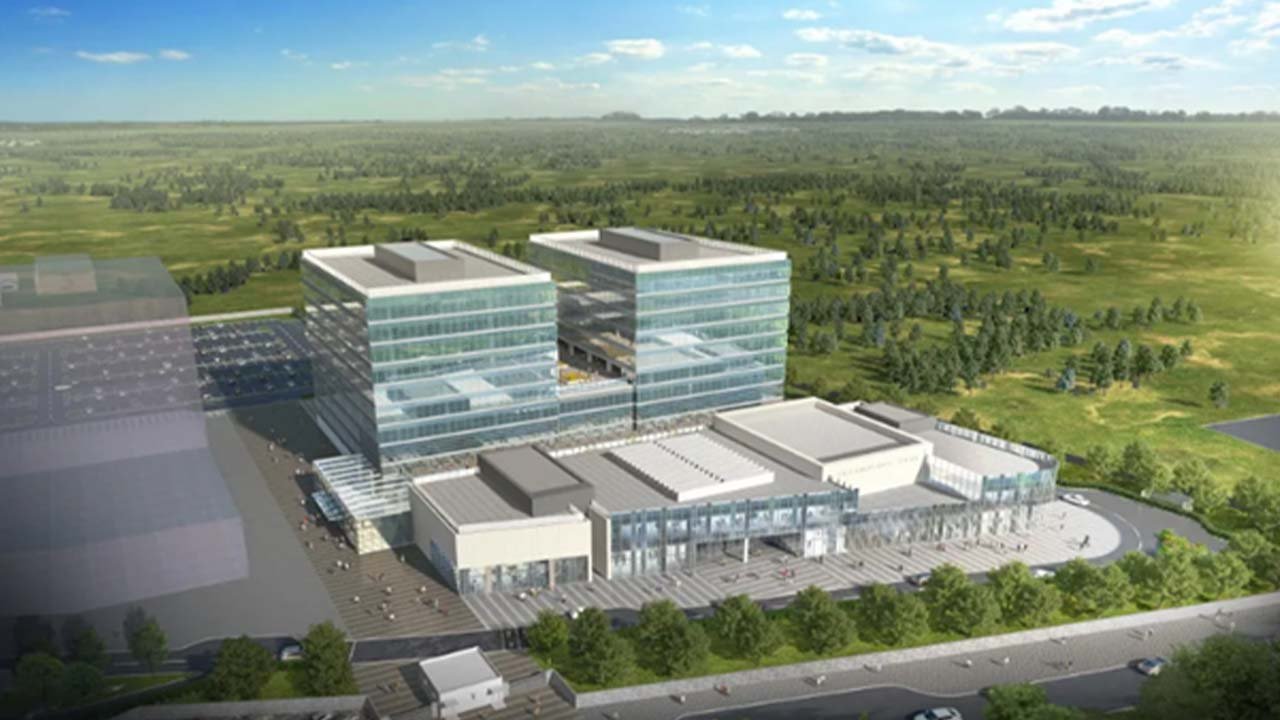
    The project for the Islamabad IT Park, which is being developed in cooperation with South Korea, is expected to be completed next year. This state-of-the-art facility will offer a range of amenities, including spaces for startups, incubation centers, banks, restaurants, and other essential services.

    Moreover, South Korea is also collaborating on an information technology park project near Jinnah International Airport in Karachi, scheduled for completion by 2027. These projects are part of an ongoing effort to expand the country’s IT infrastructure, which already includes 43 software technology parks established in 29 cities.

  • Full Court meeting called after Shehbaz-Isa meeting

    Full Court meeting called after Shehbaz-Isa meeting

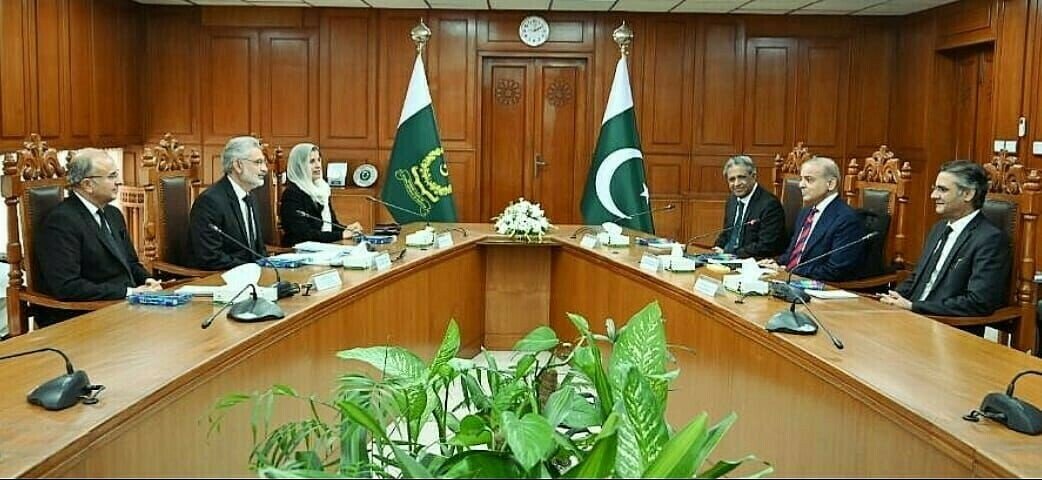
    The Prime Minister of Pakistan Shehbaz Sharif met the Chief Justice of Pakistan Qazi Faez Isa on Thursday against the backdrop of the bombshell letter written by the six judges of Islamabad High Court (IHC). The meeting lasted about an hour and twenty minutes.

    The letter went into details on what it called ‘interference’ of spy agencies in judicial matters. The PM was accompanied the by Attorney General Pakistan Mansoor Usman and Law Minister Nazir Tarar, while in the chamber, Justice Mansoor Ali Shah accompanied the CJP.

    “PM Shehbaz assured CJP Isa that no compromise will be made on the judiciary’s independence,” said Tarar in a press conference today. After the high-level meeting today, the PM decided to constitute a commission to investigate the allegations levelled by the six judges.

    Tarar further stated “The federal government considered the content of the judges’ letter an extremely serious matter as no one should be allowed to meddle in any institutions’ affairs, and it should be probed.”

    The PM will also take up the matter during a cabinet meeting tomorrow.

    Yesterday, the bar associations of the country and senior legal experts called for a thorough investigation into the contents of the letter and the CJP conducted a full court meeting to discuss the matters at hand.

  • IMF engagement should not hinder Pakistan’s economic progress: PM Shehbaz

    IMF engagement should not hinder Pakistan’s economic progress: PM Shehbaz

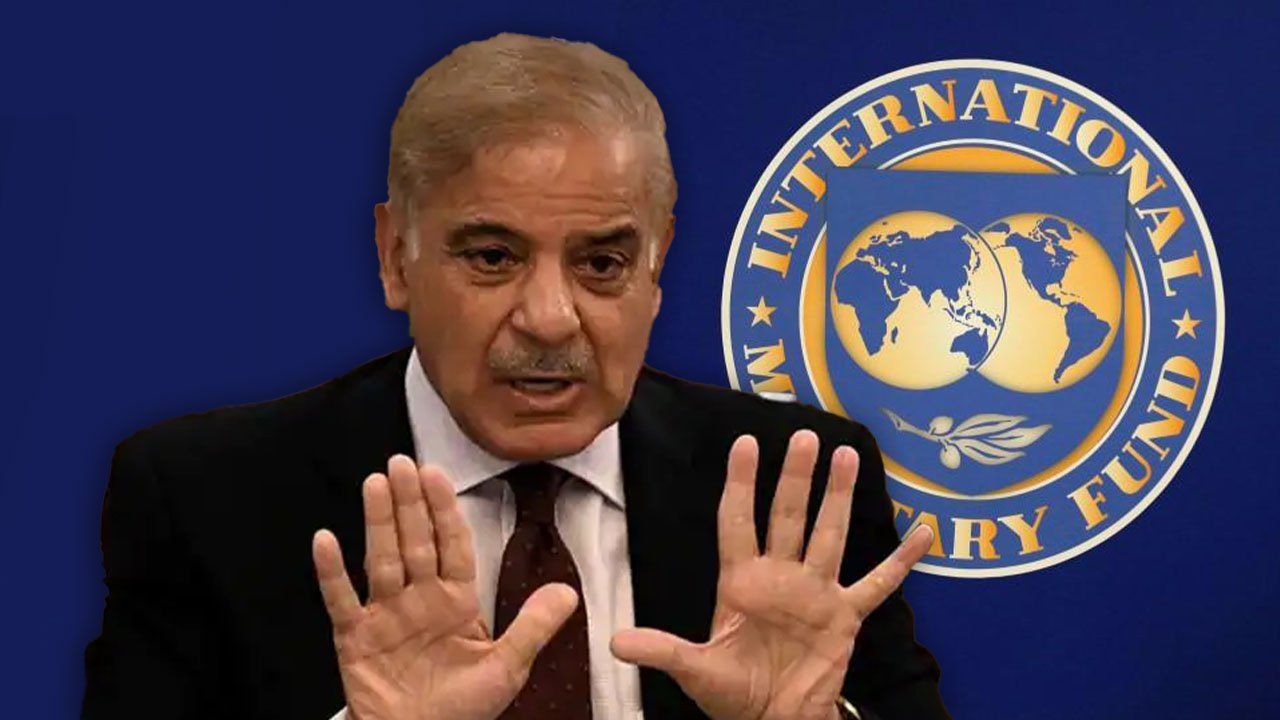
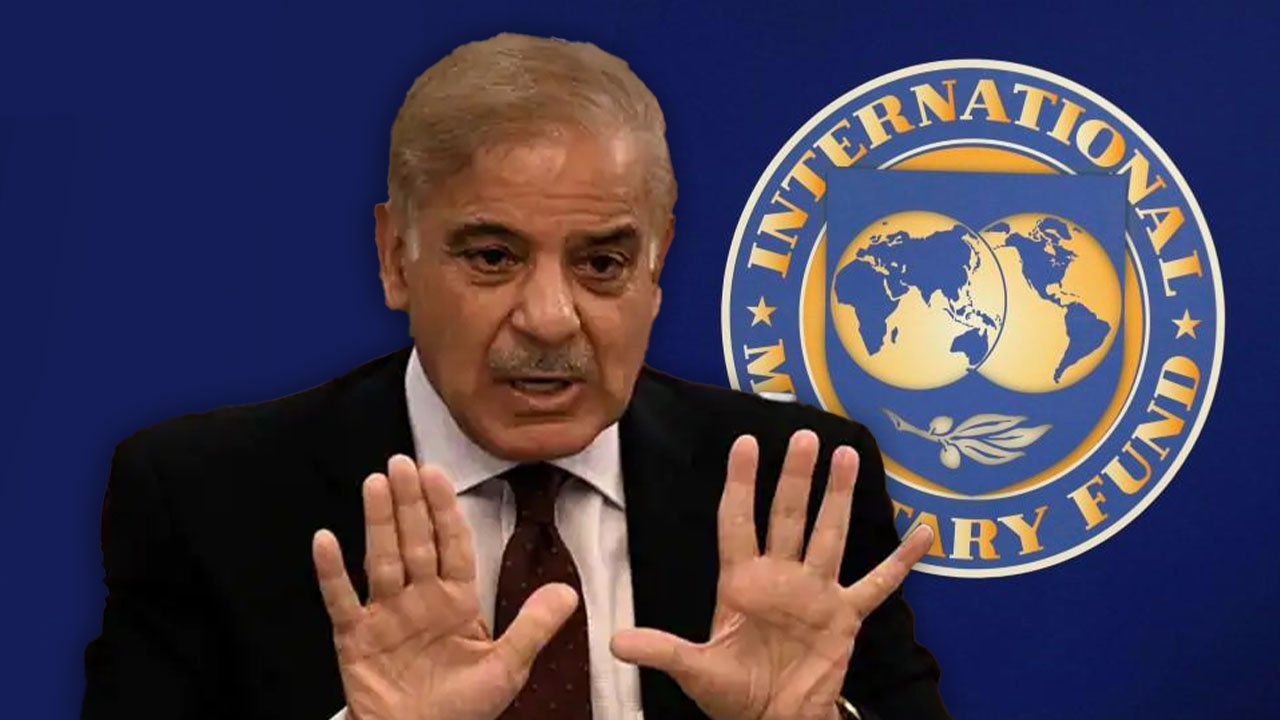
    Prime Minister (PM) Shehbaz Sharif asserted on Tuesday that any forthcoming engagement with the International Monetary Fund (IMF) must not impede Pakistan’s economic progress.

    His remarks come in the wake of discussions regarding a potential Extended Fund Facility (EFF) with the IMF, scheduled for deliberation in Washington next month, as the nation grapples with mitigating a looming economic crisis.

    With the expiration of the standby $3 billion arrangement with the IMF looming on April 11, recent negotiations have culminated in a staff-level agreement, paving the way for the disbursal of the final tranche of $1.1 billion.

    PM Shehbaz, following his re-inauguration, promptly directed his financial team to initiate efforts towards securing an EFF from the IMF.

    Speaking at a ceremony in Islamabad, the Prime Minister underscored the indispensability of another IMF programme while highlighting the imperative of simultaneously pursuing economic expansion.

    He highlighted key areas such as agriculture, IT exports, and both traditional and non-traditional exports as avenues for growth, questioning any limitations posed by an IMF programme on such initiatives.

    “If there is an IMF programme, who has stopped you from doubling agriculture output? from increasing IT exports? from increasing traditional and non-traditional exports?” PM Shehbaz posited, stressing the compatibility of economic growth initiatives with an IMF programme.

    He cautioned against using the IMF as an excuse for stagnation, urging prioritisation of domestically controllable economic avenues.

    In reiterating his stance, Prime Minister Shehbaz Sharif conveys a dual commitment to engaging with the IMF while ensuring a steadfast focus on bolstering Pakistan’s economic trajectory, fostering employment, and curbing inflation.

    As the nation navigates through economic challenges, the Prime Minister’s emphasis on proactive economic strategies resonates as a call to action for sustainable growth and resilience.

  • PM Shehbaz transfers ECC chairmanship to Finance Minister Aurangzeb

    PM Shehbaz transfers ECC chairmanship to Finance Minister Aurangzeb

    Prime Minister (PM) Shehbaz Sharif, in a reversal of his earlier decision, has transferred the chairmanship of the Economic Coordination Committee (ECC) to Finance Minister Muhammad Aurangzeb.

    According to a notification, the ECC will now be led by the finance minister, with ministers of economic affairs, planning, commerce, power, and petroleum being integral members of the committee.

    Previously, PM Shehbaz had announced himself as the chair of the ECC when unveiling the composition of seven major committees. This move had drawn criticism for potentially limiting the authority of the new finance minister. 

    Furthermore, the premier had initially chosen to preside over the Cabinet Committee on Energy (CCoE).

    Similarly, the Cabinet Committee on State-Owned Enterprises (CCoSOEs) was formed earlier under the chairmanship of the finance minister. Accordinng to Aaj News, the Minister for Finance will head the CCoSOEs, with ministers of Maritime Affairs, Economic Affairs Division, Science and Technology, and Housing and Works serving as its members.

    In a report by APP, PM Shehbaz emphasised the government’s commitment to implementing tough economic measures to navigate the country out of crisis while ensuring the protection of the underprivileged segments of society. 

    He stressed that the brunt of these measures would primarily be borne by the affluent, with mechanisms in place to safeguard the interests of the poor and vulnerable.

    Speaking at the meeting of the Apex Committee of the Special Investment Facilitation Council (SIFC), the prime minister disclosed that the International Monetary Fund (IMF) had completed the review for the disbursement of the last tranche of US$1.1 billion, expected to be received next month.

  • PM Shehbaz foresees three-year IMF programme continuation

    PM Shehbaz foresees three-year IMF programme continuation

    Prime Minister (PM) Shehbaz Sharif has indicated that the new International Monetary Fund (IMF) programme is expected to extend for three years.

    Addressing the session of the Special Investment Facilitation Council’s (SIFC) apex committee, attended by both civil and military leadership on Thursday, the PM mentioned that a new installment of the loan from the IMF is anticipated in a few days. However, he underscored the necessity for another programme.

    He highlighted the unity displayed by the civil-military leadership and elected lawmakers from various political parties in today’s session, emphasising their collective commitment to the country’s development and prosperity.

    Regarding the economic challenges, the Prime Minister stressed the importance of the SIFC in facilitating foreign investments and acknowledged its significant role over the past eight months. He credited Chief of Army Staff (COAS) General Syed Asim Munir for his pivotal role in establishing the SIFC.

    Prime Minister Shehbaz emphasised the imperative of implementing reforms under the IMF programme to attain macroeconomic stability. He noted the shortfall in revenues, highlighting the need to increase them to Rs13 to 14 trillion from the current Rs9 trillion.

    Furthermore, he outlined the government’s plans to digitise the Federal Board of Revenue (FBR) to address issues such as electricity theft, which annually costs the national exchequer Rs400 billion. During the caretaker government’s tenure, measures were taken to save Rs87 billion in electricity expenses.

    PM Shehbaz also highlighted the pressing issue of circular debt in electricity and gas, which has surged to Rs5 trillion.

    He underscored the importance of unity among the federal and provincial governments to address these challenges collectively.

    Shehbaz Sharif urged the expedited privatisation of loss-making state-owned entities, citing Pakistan International Airlines (PIA), burdened with a debt of Rs825 billion, as an example.

    Acknowledging the need for tough decisions, the Prime Minister admitted that subsidies had been disproportionately allocated to the elite segments of society, emphasising the importance of redistributing the financial burden to those capable of bearing it.

  • Pakistan clears hurdles for IMF review, final agreement expected

    Pakistan clears hurdles for IMF review, final agreement expected

    The newly elected government of Pakistan has indicated its intention to secure a new loan from the International Monetary Fund (IMF).

    In line with this, representatives from the IMF are scheduled to visit Pakistan for the second review of the ongoing Stand-By Arrangement (SBA). The review is set to take place from March 14 to 18 in Islamabad.

    According to a statement released by the finance ministry, Pakistan has successfully met all structural benchmarks, qualitative performance criteria, and indicative targets required for the IMF review.

    This upcoming review marks the final evaluation of the SBA, with a staff-level agreement anticipated upon its completion.

    Once this agreement is reached, the final tranche of $1.1 billion under the SBA will be disbursed, subject to approval from the IMF’s Executive Board.

    Last summer, Islamabad secured a vital rescue package from the IMF, preventing a potential sovereign debt default.

    The successful completion of the final review is expected to unlock approximately $1.1 billion.

    Prime Minister Shehbaz Sharif has instructed his finance team, led by newly appointed Finance Minister Muhammad Aurangzeb, to begin preparations for seeking an Extended Fund Facility (EFF) once the standby arrangement concludes on April 11.

    The IMF has expressed readiness to develop a medium-term programme if Pakistan submits an application for one.

    Notably, the government has not officially disclosed the amount of additional funding it intends to seek through a successor programme from the IMF.

  • Shehbaz Sharif elected as 24th prime minister of Pakistan

    Shehbaz Sharif elected as 24th prime minister of Pakistan

    Pakistan Muslim League-Nawaz (PML-N) president Shehbaz Sharif has been elected the 24th prime minister of Pakistan on Sunday.

    “Mian Muhammad Shehbaz Sharif has been elected prime minister with 201 votes. [While] Omar Ayub obtained 92 votes,” announced Speaker Ayaz Sadiq during the session of the national assembly.

    The speaker then invited Shehbaz, the only politician to be elected as the PM for the second consecutive time, to sit in the prime minister’s seat and asked him to address the house.

    As soon as the result was announced, SIC lawmakers started causing a commotion and chanted slogans to disrupt Shehbaz’s speech after a victory that was expected as he enjoyed the support of seven other parties apart from the PML-N.

    The PM-elect has the support of the Pakistan Peoples Party (PPP), Muttahida Qaumi Movement-Pakistan (MQM-P), Pakistan Muslim League-Quaid (PML-Q), Balochistan Awami Party (BAP), Pakistan Muslim League-Zia (PML-Z), Istehkam-e-Pakistan Party (IPP) and National Party (NP).

  • ‘War not an option’; PM says he’s willing to talk to India

    ‘War not an option’; PM says he’s willing to talk to India

    Prime Minister Shehbaz Sharif has said on Tuesday that Pakistan has “nothing against anybody” and he is willing to talk to India for regional development.

    We are prepared to talk with everyone, even with our neighbour, provided that the neighbour is serious to talk serious matters on the table because war is no more an option,” the prime minister said, addressing the inaugural session of the Pakistan Minerals Summit in Islamabad.

    Ties between the two arch-rivals have been suspended since the annexation of Jammu and Kashmir by the Bharatiya Janata Party (BJP) government in 2019.

    Mentioning the three major wars between the two countries, Shehbaz Sharif said that Pakistan is a nuclear power but only for its defence.

    “If there is any nuclear flashpoint, who will live to tell what happened? So (war) is not an option,” he said, stressing that India should understand the same.

    Shehbaz Sharif also said that the two countries cannot become “normal neighbours” unless abnormalities are removed and unless our serious issues are understood and addressed through peaceful and meaningful discussions.