Tag: Prime Minister

  • PM Shehbaz says Pakistan needs another IMF programme

    PM Shehbaz says Pakistan needs another IMF programme

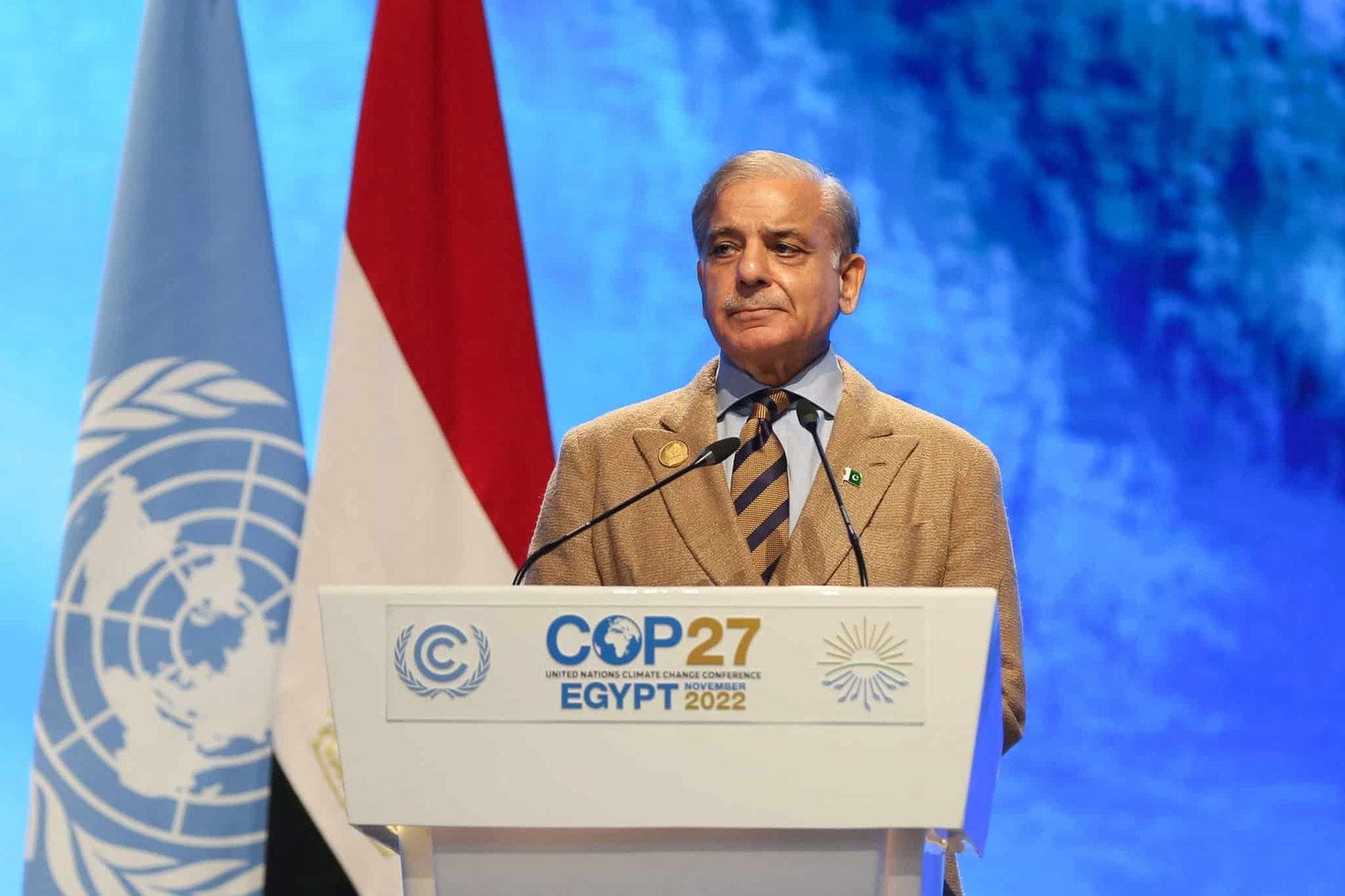
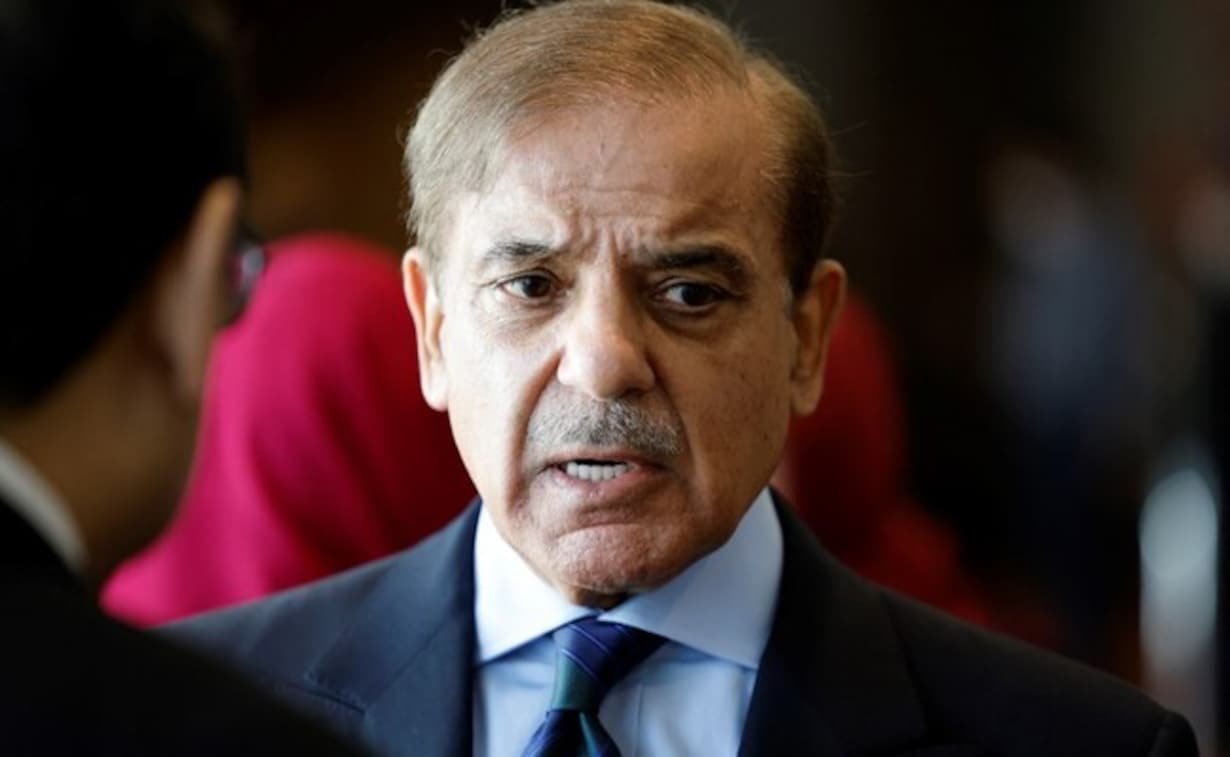
    Prime Minister Shehbaz Sharif has said that Pakistan needs another International Monetary Fund (IMF) programme for economic stability. Recognizing the programme’s ‘limitations’, however, he said that alongside the loan, his government will focus on the country’s growth, provide job opportunities and address inflation.

    “We have to do another IMF programme. It won’t work out without one. Rome was not built overnight,” the Prime Minister said addressing the Tax Excellence Awards in Islamabad today.

    The premier stressed the importance of collaboration between federal and provincial governments to facilitate the private sector of the country. He said it is the government’s responsibility to foster a conducive environment for business, and not its job to conduct business. The Prime Minister also stated that the FBR will be totally restructured through complete digitalization.

    He said that leading exporters and taxpayers are the heroes of Pakistan and said, “Those who are being given awards today will be given blue passports as honourary ambassadors of Pakistan.”

  • Pakistan to review trade ties with India, says FM Dar

    Pakistan to review trade ties with India, says FM Dar

    Foreign Minister Ishaq Dar has stated that Pakistan will think about re-establishing trade relations with India, suspended since August 2019, when the Narendra Modi-led government ended the special status of Indian Illegally Occupied Jammu and Kashmir (IIOJK).

    “Pakistani businessmen want trade with India to resume,” the foreign minister said while addressing the media at the Pakistan High Commission in London at the end of his visit to the UK and Europe on Saturday.

    In August 2019, the Modi-led government unilaterally changed the special status of the occupied valley, causing Pakistan to downgrade its ties with India.

    In February 2021, despite the strained relationship between the two neighbours, Pakistan and India both agreed to renew the 2003 ceasefire agreement along the Line of Control (LoC). Pakistan has connected its choice to improve relations with India to the reinstatement of the special status of the Indian Illegally Occupied Jammu and Kashmir (IIOJK).

    Recently, Indian Prime Minister Narendra Modi congratulated Shehbaz Sharif on becoming of prime minister of Pakistan.

    “Congratulations to [Shehbaz Sharif] on being sworn in as the prime minister of Pakistan,” Modi wrote in a brief message on X, formerly Twitter.

  • Shebaz Sharif wants uninterrupted gas, power supply during Ramazan

    Shebaz Sharif wants uninterrupted gas, power supply during Ramazan

    Prime Minister Shehbaz Sharif directed authorities on Monday to ensure uninterrupted gas and power supply, aiming to help people during the holy month of Ramazan.

    In a high level meeting on the petroleum sector, the premier instructed officials to give all possible support to private sector, local, and foreign investors in exploring and refining gas and oil, as well as distributing these natural resources.

    Addressing the participants, Shehbaz said that the government is not meant to do businesses, rather its responsibility is to extend all kinds of facilities to the private sector and ensure protection of the rights of consumers, especially the vulnerable segments of society.

    The chief executive asked for steps to promote global investment in exploration of tight gas and undersea oil and gas reserves, regretting that Pakistan’s maritime area was huge in size when compared with Balochistan province, but no steps were taken to explore its hidden natural resources.

  • Do you know how Speaker, Deputy Speaker, Prime Minister, and Leader of Opposition are elected in assembly?

    Do you know how Speaker, Deputy Speaker, Prime Minister, and Leader of Opposition are elected in assembly?

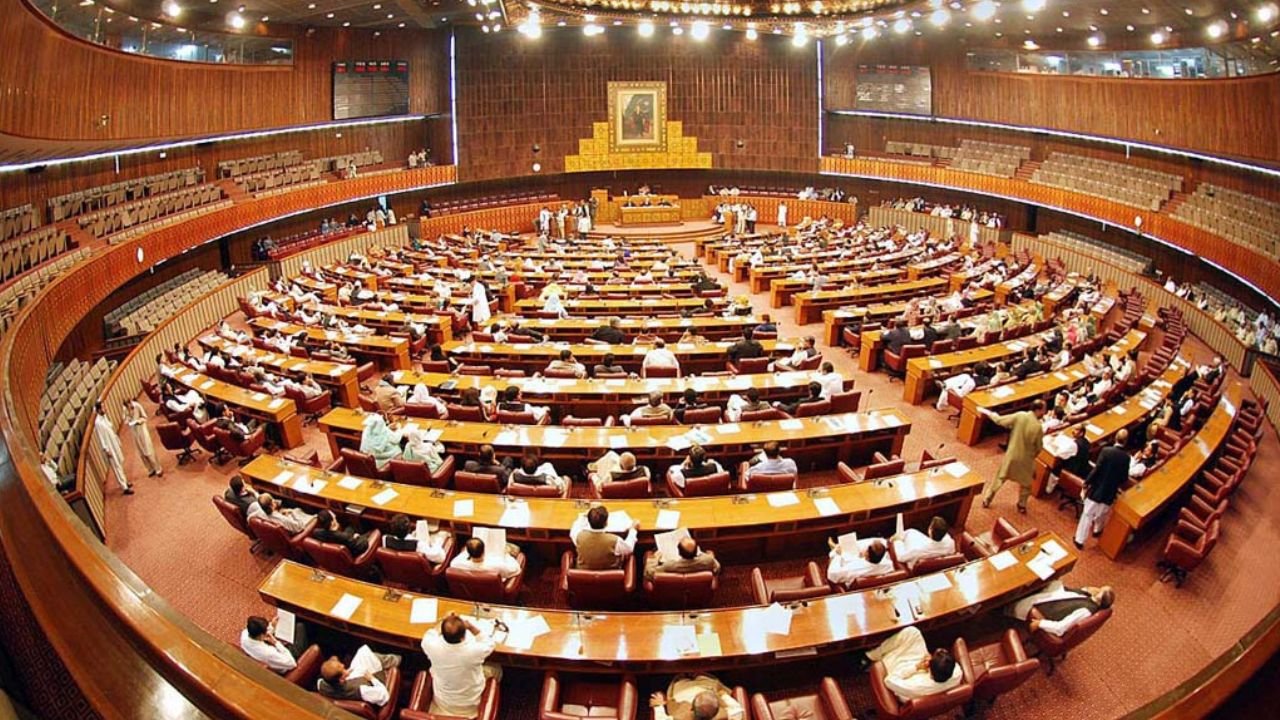
    By constitutional obligation, Speaker Raja Pervaiz Ashraf has convened a session of the newly elected National Assembly, scheduled for February 29th, following the general elections on February 8th. President Arif Alvi’s reluctance to fulfill this duty prompted Speaker Ashraf to take matters into his own hands, ensuring the timely commencement of parliamentary proceedings.

    Oath-Taking Ceremony for Newly Elected Members

    The inaugural session of the new assembly will first see all the lawmakers take oath. In the 336-member house, 60 seats are reserved for women and 10 for minorities.

    Allocation of Reserved Seats

    The Election Commission of Pakistan (ECP) has already allocated 40 reserved women seats to different political parties. These include 20 out of 32 of Punjab, two out of 10 of Khyber Pakhtunkhwa, all 14 of Sindh and all four of Balochistan.

    Seven out of 10 seats reserved for minorities have also been allocated. The ECP is yet to allot reserved minority and women seats to the Sunni Ittehad Council (SIC), which has allied with the PTI.

    Election of Speaker and Deputy Speaker

    Speaker Ashraf, continuing in his role until a successor is elected, will preside over the session’s proceedings.

    “At the first meeting of the Assembly, following a general election, after the members have made oath and before the transaction of any other business, the Assembly shall proceed to elect a Speaker under clause (1) of Article 53, by secret ballot,” states Rules of Procedure and Conduct of Business in the National Assembly, 2007.

    Article 53 of the Constitution of Pakistan says, “After a general election, the National Assembly shall, at its first meeting and to the exclusion of any other business, elect from amongst its members a Speaker and a Deputy Speaker and, so often as the office of Speaker or Deputy Speaker becomes vacant, the Assembly shall elect another member as Speaker or, as the case may be, Deputy Speaker.”

    “At any time before 12:00 noon on the day preceding the day on which the election is to be held, any member may propose another member for election as Speaker by delivering to the Secretary a nomination paper signed by him and accompanied by a statement by the member whose name is proposed that he is willing to serve as Speaker, if elected,” states the official procedure.

    The voting process will be conducted through a secret ballot, and whoever receives more votes will be elected the new speaker of the house. In case the speaker’s election ends in a tie, the election will be held again.

    Subsequently, the new speaker will announce the schedule for the deputy speaker’s election. In the same manner, through a secret ballot, the deputy will be elected.

    Prime Ministerial Election Process

    Once the Speaker and Deputy Speaker are elected, the schedule for the Prime Minister’s election, also known as the leader of the house, will be announced. This process, outlined in Section 91(3) of the Constitution, involves nominations and an open vote by division, requiring a simple majority for victory.

    Section 91(3) of the Constitution says: “After the election of the speaker and the deputy speaker, the National Assembly shall, to the exclusion of any other business, proceed to elect without debate one of its Muslim members to be the Prime Minister.”

    In the same way, nomination papers for the prime minister’s election will be submitted to the assembly’s secretariat.

    While the election for the speaker, his deputy, and the leader of the opposition are free from any religious limitation, the prime minister’s election is open to only the Muslim members of the house.

    “Before voting commences, the Speaker shall direct that the bells be rung for five minutes to enable members not present in the chamber to be present. Immediately after the bells stop ringing, all the entrances to the lobby shall be locked and the assembly staff posted at each entrance shall not allow any entry or exit through those entrances until the voting has concluded,” according to the official procedure for recording of votes in the Second Schedule.

    Under the supervision of the speaker, an open vote will take place — by division.

    For instance, if there are two candidates, the speaker would say that ‘whoever wants to vote for candidate A can go to lobby A’ and ‘whoever wants to vote for candidate B, can go to lobby B’.

    At the entrance of the said lobbies, there will be an member of the assembly secretariat staff who will record every MNAs name in their register. This whole process will be open and people sitting in the galleries will be able to see who votes for whom.

    Here, the political parties have to vote collectively and every member has to vote for the candidate that their party is voting for.

    After every member has picked their lobby and registered their vote, the speaker will call them back and announce the result. To be selected as the prime minister, one needs a simple majority — more than half of the votes in the house i.e. 169 votes out of the total 336.

    Section 91(4) of the Constitution states, “The Prime Minister shall be elected by the votes of the majority of the total membership of the National Assembly: Provided that, if no member secures such a majority in the first poll, a second poll shall be held between the members who secure the two highest numbers of votes in the first poll and the member who secures a majority of votes of the members present and voting shall be declared to have been elected as Prime Minister: Provided further that, if the number of votes secured by two or more members securing the highest number of votes is equal, further poll shall be held between them until one of them secures a majority of votes of the members present and voting.”

    This means that the two most-voted candidates will contest another round of elections till one ultimately gets 51 percent of votes or more, and wins.

    Selection of Leader of the Opposition

    After the Prime Minister’s election, the Speaker will facilitate the nomination of candidates for the Leader of the Opposition, a position crucial for parliamentary balance. The selection process entails the submission of candidate names along with signatures, with the individual garnering the most support from opposition members being appointed.

    “After the [election of the Prime Minister] the Speaker shall inform the members about the date, time and place for submission of a name for the Leader of the Opposition under their signatures,” says the official procedure in Chapter V 39(2).

    The third point of the same section adds, “The Speaker shall declare a member as Leader of the Opposition having the greatest numerical strength after verification of the signatures of the members: Provided that any member who is not signatory to the proposal, if he presents himself before the count, and signs the proposal, shall be included in the count.”

    This announcement will be made right after the prime minister’s election but submission of these lists can take time.

    Changes in Selection Procedures

    Before the implementation of the 18th Amendment to the Constitution, the designation of the opposition leader rested solely with the discretion of the speaker.

    During the era of Parvez Musharraf, this discretionary power was perceived to be misused, notably when Fazlur Rehman was appointed as the opposition leader despite the clear majority held by the PPP and PML-N.

    However, the process has transformed now. In the current scenario, if multiple candidates are contending for the position, they are required to submit lists of opposition members, along with their signatures, to the speaker. The candidate who garners greater support from opposition members will be conferred the title of the leader of the opposition.

    Furthermore, it’s worth noting that in each of the aforementioned elections, the votes of the candidates themselves will also be taken into account.
  • Maryam Nawaz takes oath as CM Punjab

    Maryam Nawaz takes oath as CM Punjab

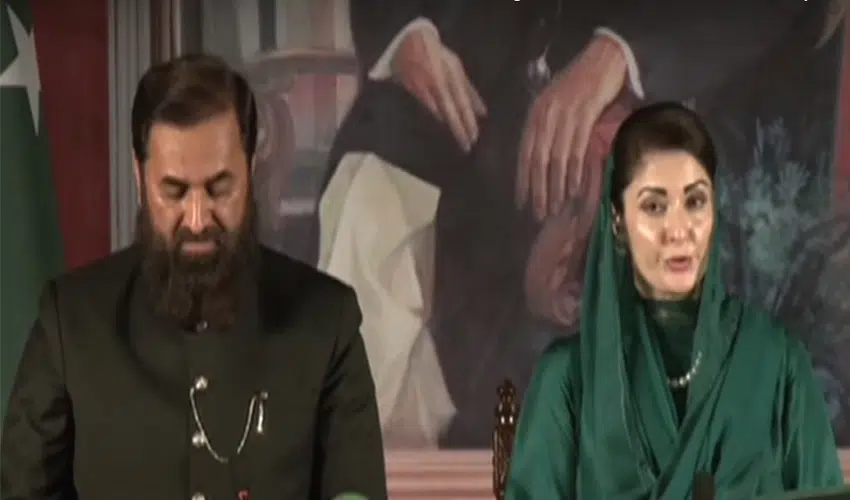
    The newly-elected Chief Minister (CM) of Punjab, Maryam Nawaz, took the oath of office after being elected as the first female chief executive of the province.

    The ceremony took place at Punjab Governor House in Lahore, where Governor Punjab Baligh Ur Rehman administered the oath.

    Maryam’s father, Nawaz Sharif and uncle Shehbaz Sharif, both former Prime Ministers, were present on the occasion.

  • Nawaz Sharif says he never revealed diplomatic document to save his government

    Nawaz Sharif says he never revealed diplomatic document to save his government

    Pakistan Muslim League-Nawaz (PML-N) head Nawaz Sharif criticised former Prime Minister Imran Khan, who was given a 10-year sentence in the cipher case, by saying that he had never revealed any diplomatic document to save his government.

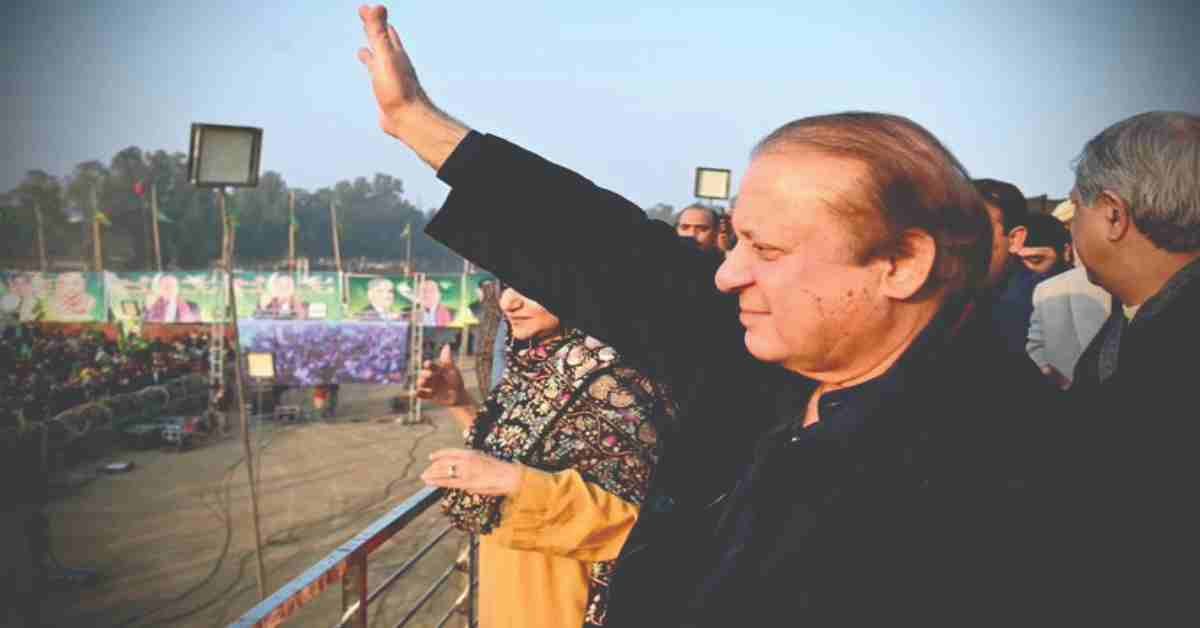
    Sharif used strong words to slam Khan in an election rally in Bahawalnagar district on Tuesday, accusing him of plotting a “conspiracy” that compromised national security.

    The PML-N supremo also praised the people of Haroonabad for coming out in large numbers to welcome him.

    “Despite being subjugated, I had never revealed any state secret nor compromised national security,” Nawaz said while pointing fingers at Khan, adding that he “attacked” the country’s integrity to save his rule.

    “I am still standing before the nation despite facing cruel oppression. I had been ousted from the premiership for not receiving a salary from my son. I was removed from the premiership thrice which also resulted in losses to the country.”

    Nawaz Sharif also said that inflation was under control as well as farmers and common people were happy in his previous tenures.

    The PML-N supremo blamed Khan for shaking the foundations of the country during his four-year rule.

  • ‘Country can never make progress if elections become controversial’: Shahid Khaqan Abbasi

    ‘Country can never make progress if elections become controversial’: Shahid Khaqan Abbasi

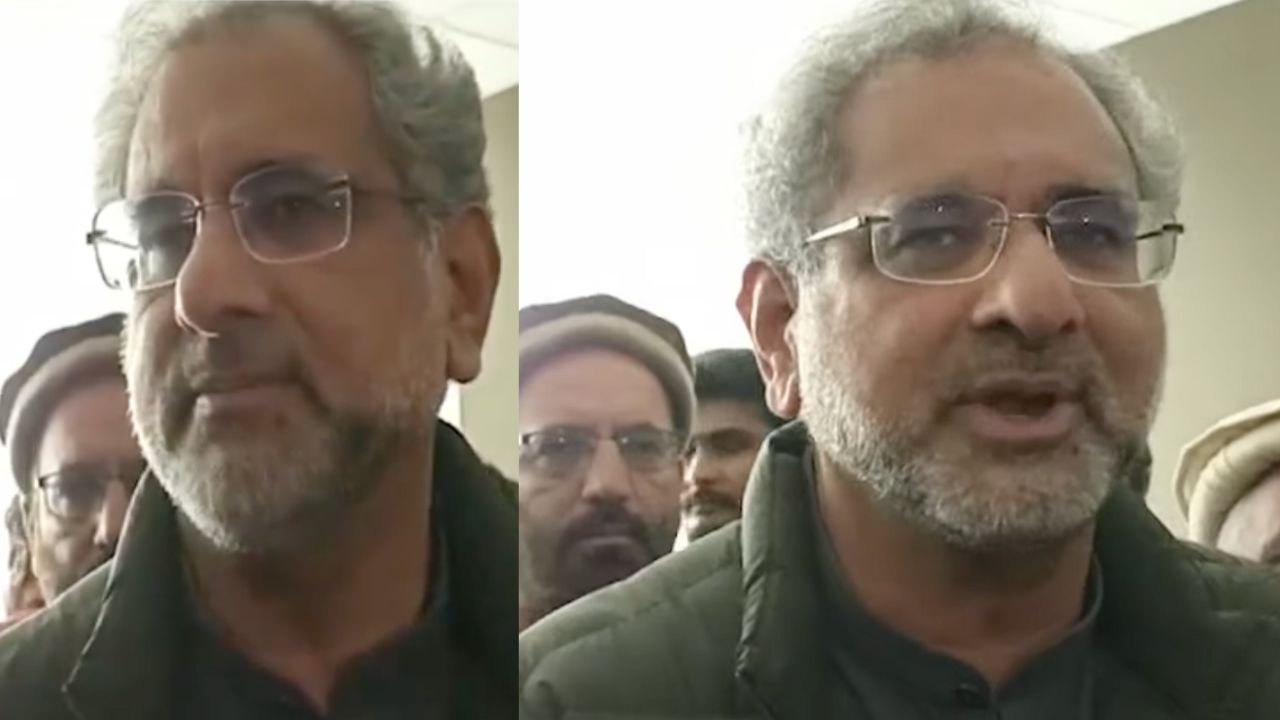
    In a statement spoken outside the anti-corruption department office in Rawalpindi, veteran politician and former Prime Minister Shahid Khaqan Abbasi voiced apprehensions about the upcoming general elections scheduled for February 8, asserting that the current electoral landscape could lead to chaos in the country.

    “Making an election purposeful is the job of the political leadership. This election has become purposeless. The political, military, and judicial leadership of the country should sit together on the table and determine the way forward for the country,” Abbasi said while talking to media.

    He showed up in the office for interrogation in a case related to alleged embezzlement in the Ghora Gali and Marri Road projects.

    Abbasi highlighted that it was the responsibility of Chief Election Commissioner Sikandar Sultan Raja, Chief Justice of Pakistan Qazi Faez Isa, and caretaker Premier Anwaarul Haq Kakar to ensure that the upcoming elections were “non-controversial”.

    “With each passing day, I become more satisfied that I made the right decision. Such an election, which does not give the country anything other than incitement and flaws; at least I did not play a part in this misdeed,” he said.

    He stressed that politicians “should realize that the country can never make progress if its elections become controversial”.

    Expressing concern over the potential controversy surrounding the elections, Abbasi stressed that elections are a sacred process and should not be made contentious. He pointed to alleged rigging in the 2018 elections, stating that the system did not function then and is unlikely to do so now.

    The former Prime Minister criticized the three largest political parties in the country, asserting that they have failed to address and resolve critical issues. Abbasi predicted the emergence of multiple political parties in Pakistan shortly.

    Despite leaving electoral politics, Abbasi clarified that he has not abandoned politics altogether. He mentioned that a decision regarding the formation of a new political party would be made after the upcoming elections.

    Addressing concerns about the National Accountability Board (NAB) and other anti-corruption institutes, Abbasi questioned who would hold them accountable, labeling them as the country’s most corrupt organization.

    Highlighting the decline in Pakistan’s development graph, Abbasi stressed on an uncontroversial election process.

    “Today people ask if the world is making progress then why is Pakistan declining in development graph? Since, 1947 every election has been stolen. The masses are disappointed in the election process. You still have time to make this process uncontroversial,” he said.

  • Former New Zealand Prime Minister Jacinda Arden marries long-time beau at 43

    Former New Zealand Prime Minister Jacinda Arden marries long-time beau at 43

    Former New Zealand Prime Minister Jacinda Arden has married long-time beau Clark Gayford in an intimate ceremony on January 13. The two have been together for a decade now and got engaged five years ago. Their wedding plans got cancelled after the COVID-19 pandemic.

    Ardern, 43, and Gayford, 47, had scheduled their wedding for early 2022 after getting engaged in May 2019 but had to postpone it due to the pandemic, Reuters has said.

    In a post shared on Instagram, Jacinda shared a picture from the wedding with the caption, “Worth the wait”.

    The couple’s five-year-old daughter Neve walked down the aisle with her father, wearing a dress made of fabric from her grandmother Laurell Ardern’s wedding dress, the New Zealand Herald reported.

    According to the news site Stuff, the pair’s special day was attended by some 50 to 75 guests, including opposition leader Chris Hipkins, Ardern’s successor as prime minister, the New Zealand Herald said.

    Ardern became a global icon for women in leadership and her left-leaning politics. The key events during her tenure were the attack on Christchurch Mosque and the pandemic of Covid-19.

    She was inspired by Pakistan’s Benazir Bhutto. While being Prime Minister, she paid tribute to the late Benazir Bhutto, a former Pakistani prime minister, during her Harvard University Commencement address. Bhutto was the first to give birth in office and Ardern was the second, her daughter was born on Bhutto’s birthday. “The path she carved as a woman feels as relevant today as it was decades ago, and so too is the message she shared here, in this place,” Ardern said about Bhutto’s own 1989 commencement address at Harvard entitled “Democratic nations must unite.”

    Arden gave her final speech in January last year, where she told Gayford, a New Zealand television presenter, “Let’s finally get married.”

  • Bangladesh’s Hasina wins re-election after polls without opposition

    Bangladesh’s Hasina wins re-election after polls without opposition

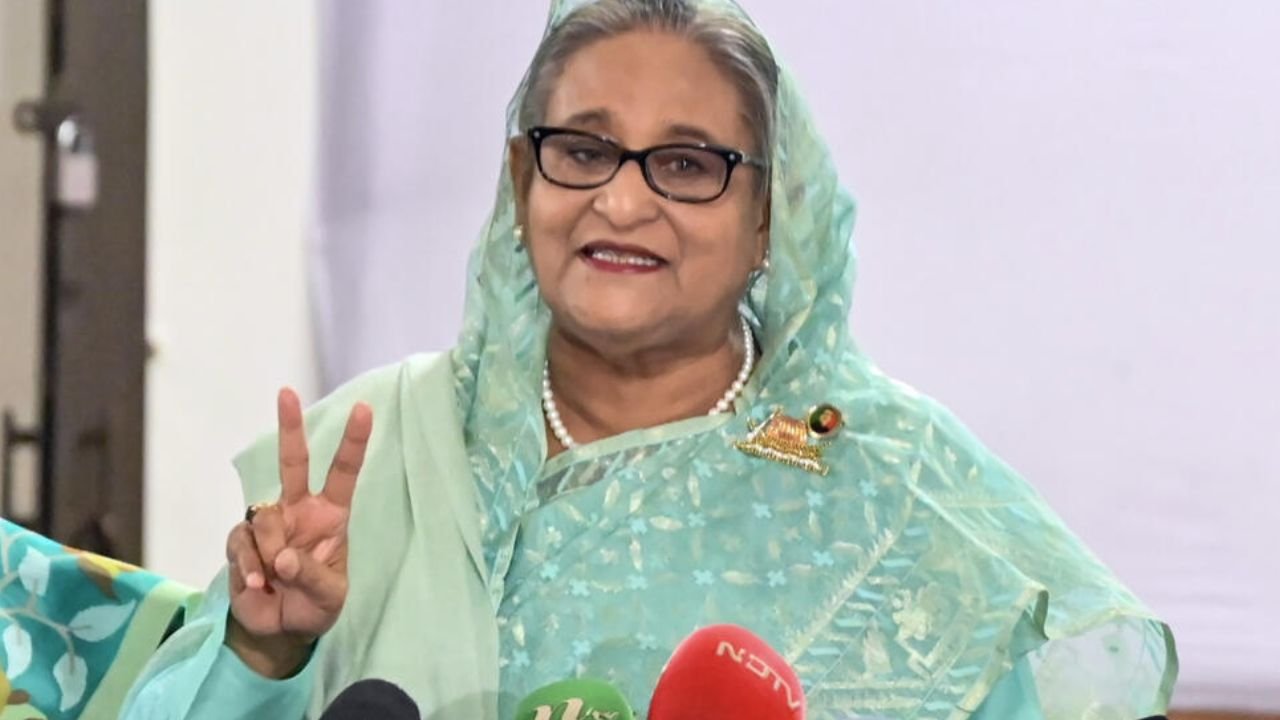
    Bangladesh’s Prime Minister Sheikh Hasina won re-election for a fifth term Sunday, officials said, following a boycott led by an opposition party she branded a “terrorist organisation”.

    Hasina’s ruling Awami League “has won the election”, an Election Commission spokesman told AFP in the early hours of Monday morning, after a vote that initial reports suggested had a meagre turnout of some 40 percent.

    She has presided over breakneck economic growth in a country once beset by grinding poverty, but her government has been accused of rampant human rights abuses and a ruthless opposition crackdown.

    Her party faced almost no effective rivals in the seats it contested, but it avoided fielding candidates in a few constituencies, in an apparent effort to avoid the legislature being branded a one-party institution.

    The opposition Bangladesh Nationalist Party (BNP), whose ranks have been decimated by mass arrests, called a general strike and, along with dozens of others, refused to participate in a “sham election”.

    While the final result and exact figures will be formally announced at a ceremony later on Monday, election commission officials said Hasina’s party had won around three-quarters of seats, at least 220 of the total 300.

    But support of other lawmakers including from allied parties could push Hasina’s control over parliament even higher.

    ‘Disgrace’

    Hasina, 76, had called for citizens to show faith in the democratic process.

    “The BNP is a terrorist organisation,” she told reporters after casting her vote. “I am trying my best to ensure that democracy should continue in this country.” 

    First-time voter Amit Bose, 21, said he had cast his ballot for his “favourite candidate”, but others said they had not bothered because the outcome was assured.

    “When one party is participating and another is not, why would I go to vote?” said rickshaw-puller Mohammad Saidur, 31.

    BNP head Tarique Rahman, speaking from Britain where he lives in exile, told AFP he feared “fake votes” would be used to boost voter turnout.

    “What unfolded was not an election, but rather a disgrace to the democratic aspirations of Bangladesh,” he wrote on social media, alleging he had seen “disturbing pictures and videos” backing his claims.

    Among the victors was Shakib Al Hasan, the Bangladesh cricket team captain, who won his seat for Hasina’s party in a landslide, local officials said.

    Fear of ‘further crackdown’

    The BNP and other parties staged months of protests last year, demanding Hasina step down ahead of the vote. Officers in the port city of Chittagong broke up an opposition protest Sunday, firing shotguns and tear gas canisters.

    But election officials said voting was largely peaceful, with nearly 800,000 police officers and soldiers deployed countrywide.

    Meenakshi Ganguly, from Human Rights Watch, said Sunday that the government had failed to reassure opposition supporters that the polls would be fair, warning that “many fear a further crackdown”.

    Politics in the country of 170 million people was long dominated by the rivalry between Hasina, the daughter of the country’s founding leader, and two-time premier Khaleda Zia, wife of a former military ruler.

    Hasina has been the decisive victor since returning to power in a 2009 landslide, with two subsequent polls accompanied by widespread irregularities and accusations of rigging.

    Zia, 78, was convicted of graft in 2018 and is now in ailing health at a hospital in Dhaka. BNP head Rahman is her son.

    ‘Dangerous combination’

    Hasina has accused the BNP of arson and sabotage during last year’s protest campaign, which was mostly peaceful but saw several people killed in police confrontations.

    The government’s security forces have been dogged by allegations of extrajudicial killings and enforced disappearances — charges it rejects.

    Economic headwinds have left many dissatisfied with Hasina’s government, after sharp spikes in food costs and months of chronic blackouts in 2022.

    Pierre Prakash of the International Crisis Group said before the vote that Hasina’s government was clearly “less popular than it was a few years ago, yet Bangladeshis have little real outlet at the ballot box.”

    “That is a potentially dangerous combination.”

  • Zahid Ahmed calls Netanyahu ‘terrorist’; Instagram deletes post

    Zahid Ahmed calls Netanyahu ‘terrorist’; Instagram deletes post

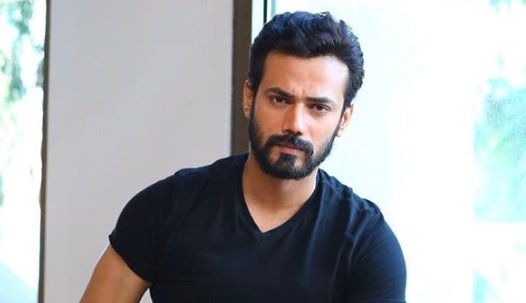
    Pakistani actor Zahid Ahmed is not happy with Instagram after the social media site deleted his post about supporting Palestinians in their struggle against genocide.

    Zahid Ahmed wrote a message on Instagram, telling everyone that the site took down his earlier post. “Never thought this would happen to me, Instagram deleted my last post in which Israeli Prime Minister Netanyahu, British Prime Minister Rishi Sunak and US President Joe Biden were called real terrorists.”

    The actor slammed the site, writing, “Instagram, I’d love to see you burn in hell on the day of judgment.”

    A few days ago, the actor shared a post on Instagram and Facebook with a picture of British Prime Minister Rishi Sunak and Israeli Prime Minister Benjamin Netanyahu along with the Afghan Taliban and  US President Joe Biden.

    “We were forced to believe that this is what terrorists look like when the world now knows what terrorists look like,” was written on the picture.

    This post is still visible on Facebook.

    Over 18,797 Palestinians have lost their lives in Israeli bombing on Gaza since October 7. More than 50,000 people have been injured, and over 7,780 are missing, presumed dead under the rubble. More than 253,000 houses have been partly damaged, and over 52,000 houses have been completely destroyed while 1.8 million Palestinians have been displaced.