Tag: Privatization

  • Bilawal Bhutto not in favour of privatising PIA

    Bilawal Bhutto not in favour of privatising PIA

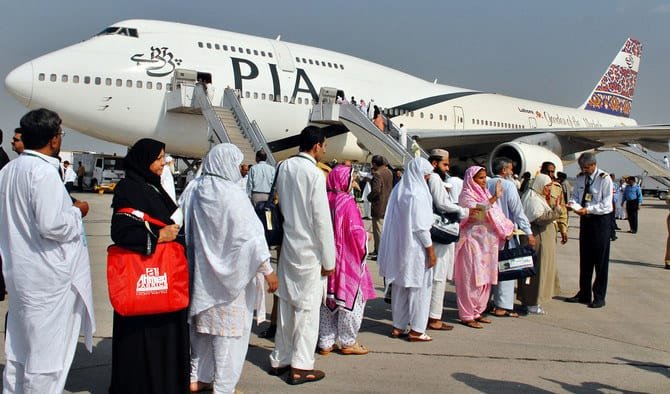
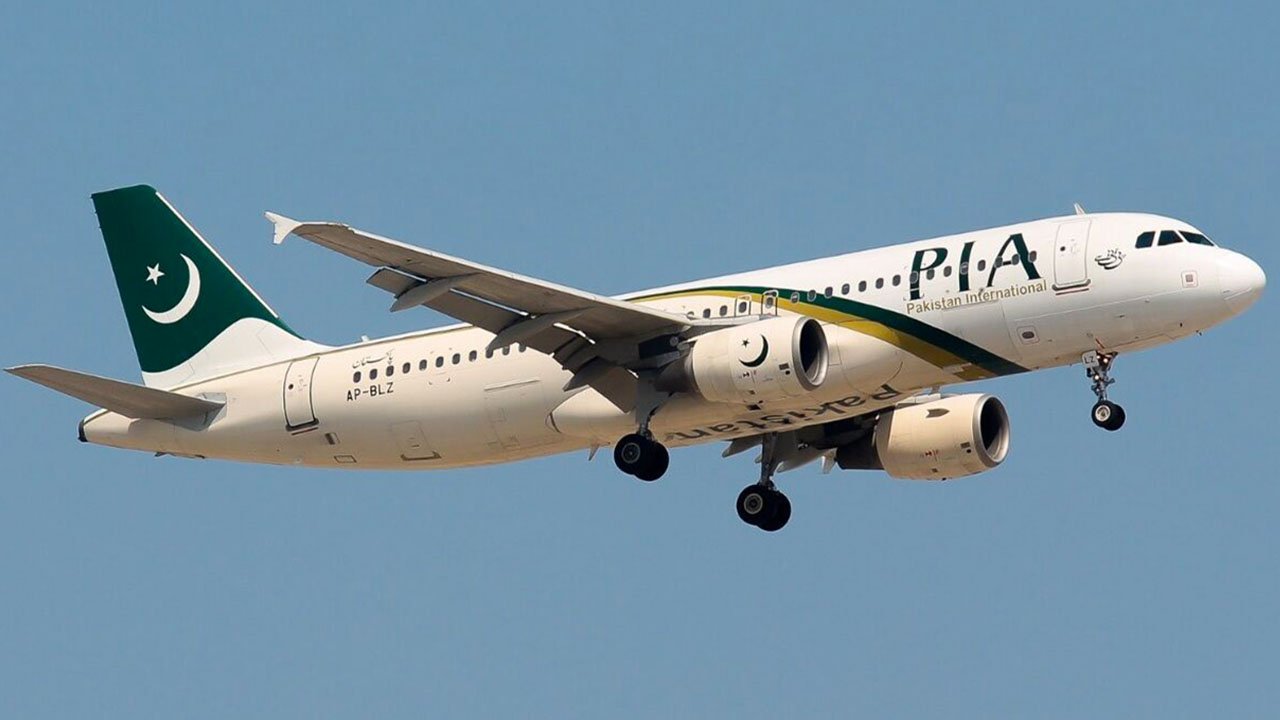
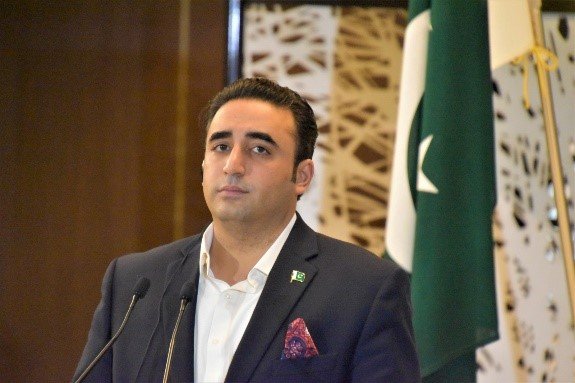
    Pakistan Peoples Party (PPP) chairman Bilawal Bhutto Zardari has expressed his opposition to the Shehbaz Sharif-led government’s privatisation policy for Pakistan International Airlines (PIA) and Pakistan Steel Mills (PSM).

    The PPP chairman said at a Labour Day event in Karachi that his party will try to convince Finance Minister Muhammad Aurangzeb to revive PIA through a public-private partnership instead of privatising it.

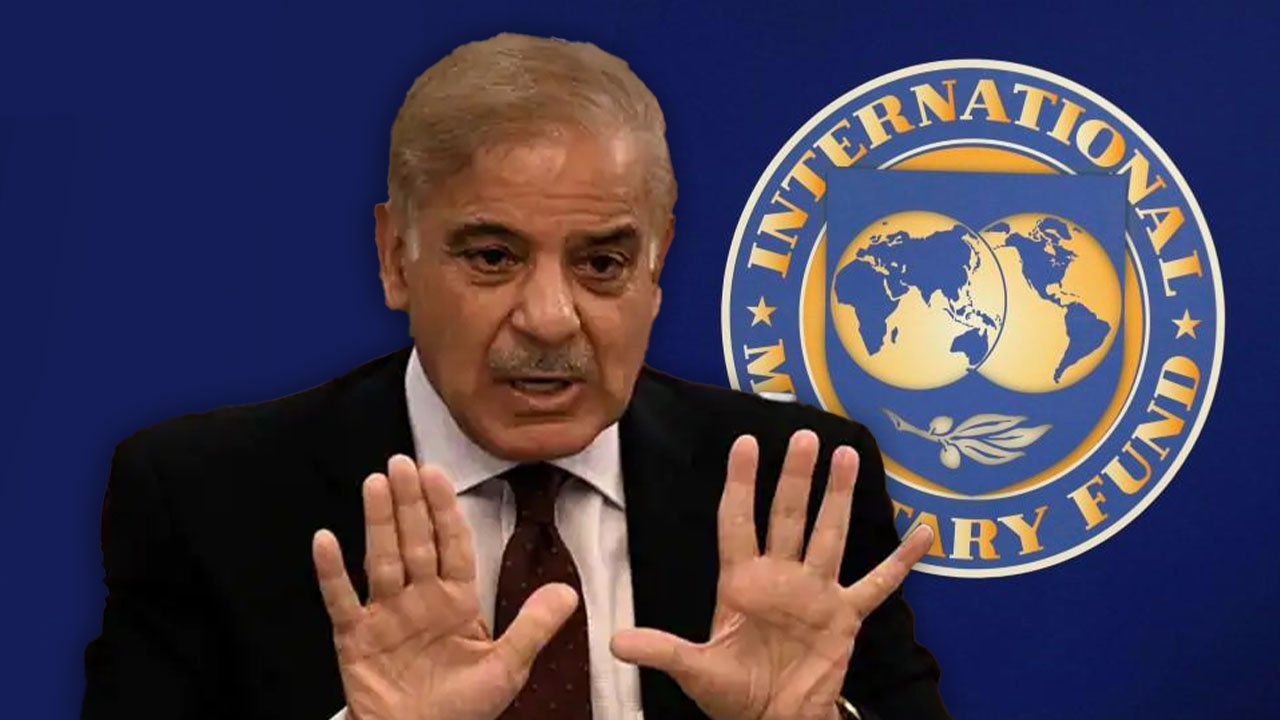
    On the other hand, the International Monetary Fund (IMF) urged the Pakistani government to privatise state-owned enterprises to revive the country’s economy.

    However, the finance minister has laid emphasis many times on the importance of privatising state-owned enterprises, including PIA and PSM, for the betterment of the economy.

    Bilawal Bhutto Zardari also said that it will be an “unconstitutional step” if the federal government privatises PIA.

    Former senator Raza Rabbani further clarified that the government’s agenda of privatisation was “unacceptable” to the PPP.

  • PIA by June, then all major airports, privatisation will mark 2024

    PIA by June, then all major airports, privatisation will mark 2024

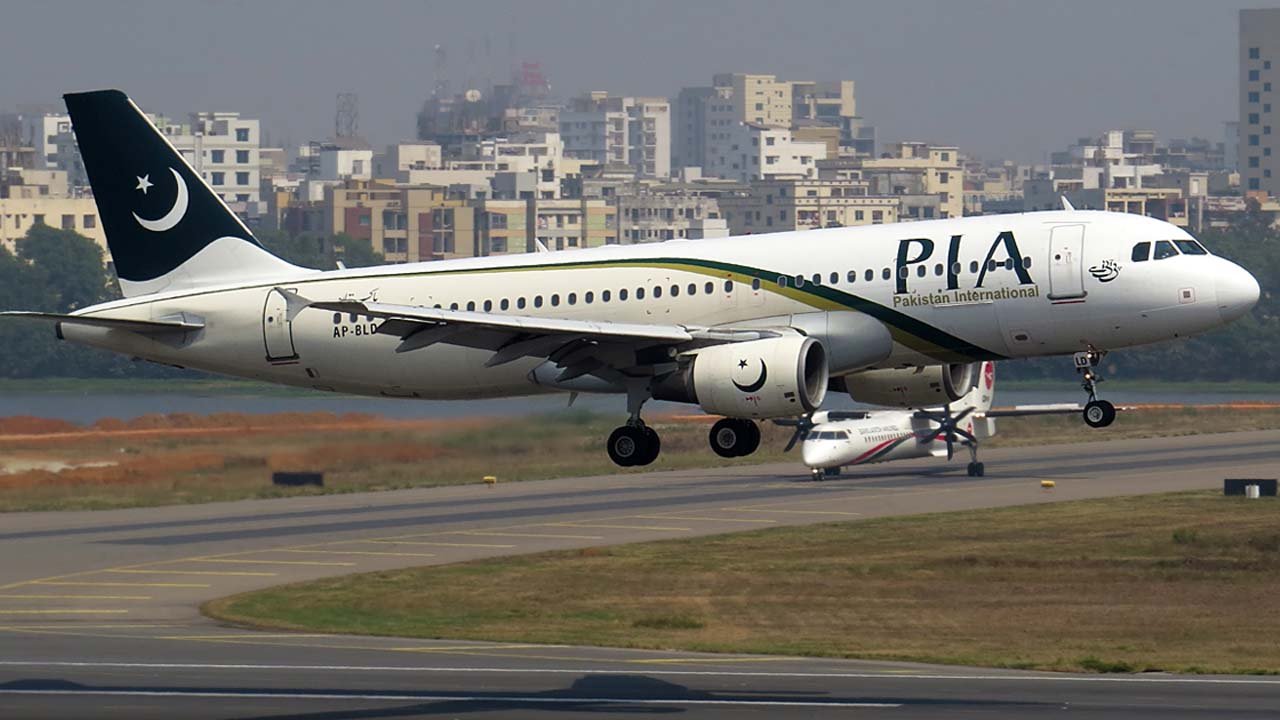
    Finance Minister Muhammad Aurangzeb announced on Saturday that the process of privatization of Pakistan International Airlines (PIA) will be completed by June this year. Islamabad airport might also be privatized shortly after.

    “The government has no business being in business,” the minister declared at a Saturday afternoon news briefing, explaining the government’s plan to divest from state-owned enterprises (SOEs).

    “We expect the bids for PIA to come in the next two to three weeks, and by the end of June or early July, we can move it to the investors,” he said. “The Islamabad airport would be the next,” he added, “followed by the airports in Karachi and Lahore.”

    The finance minister didn’t respond on a question when asked if Pakistan is selling its skies to prospective buyers.

    Mr Aurangzeb didn’t give an explanation when a journalist asked if the government will keep some shares in PIA after privatisation or sell all its shares.

    The minister wrapped up his visit to Washington DC on Sunday with 62 meetings in a week. During these meetings, he explained decisions, made pledges, and sought understanding from both multilateral and bilateral donors.

  • Govt kickstarts privatisation process for PIA

    Govt kickstarts privatisation process for PIA

    The government, as confirmed by sources within the Prime Minister’s Office, has formally commenced the privatisation procedure for Pakistan International Airlines Corp (PIA) by issuing a gazette notification.

    This notification delineates the transition of the national airline into a government holding company.

    Notably, PIA has experienced a persistent surge surpassing its previous peak performances. Despite being a loss-making entity, the airline has encountered fluctuations in recent trading sessions.

    Its stock price has escalated by 2.37 times this month alone and an astounding 7.6 times within the current fiscal year.

    This rally can be attributed to the new government’s endeavors aimed at restructuring and privatising the airline.

  • PM Shehbaz foresees three-year IMF programme continuation

    PM Shehbaz foresees three-year IMF programme continuation

    Prime Minister (PM) Shehbaz Sharif has indicated that the new International Monetary Fund (IMF) programme is expected to extend for three years.

    Addressing the session of the Special Investment Facilitation Council’s (SIFC) apex committee, attended by both civil and military leadership on Thursday, the PM mentioned that a new installment of the loan from the IMF is anticipated in a few days. However, he underscored the necessity for another programme.

    He highlighted the unity displayed by the civil-military leadership and elected lawmakers from various political parties in today’s session, emphasising their collective commitment to the country’s development and prosperity.

    Regarding the economic challenges, the Prime Minister stressed the importance of the SIFC in facilitating foreign investments and acknowledged its significant role over the past eight months. He credited Chief of Army Staff (COAS) General Syed Asim Munir for his pivotal role in establishing the SIFC.

    Prime Minister Shehbaz emphasised the imperative of implementing reforms under the IMF programme to attain macroeconomic stability. He noted the shortfall in revenues, highlighting the need to increase them to Rs13 to 14 trillion from the current Rs9 trillion.

    Furthermore, he outlined the government’s plans to digitise the Federal Board of Revenue (FBR) to address issues such as electricity theft, which annually costs the national exchequer Rs400 billion. During the caretaker government’s tenure, measures were taken to save Rs87 billion in electricity expenses.

    PM Shehbaz also highlighted the pressing issue of circular debt in electricity and gas, which has surged to Rs5 trillion.

    He underscored the importance of unity among the federal and provincial governments to address these challenges collectively.

    Shehbaz Sharif urged the expedited privatisation of loss-making state-owned entities, citing Pakistan International Airlines (PIA), burdened with a debt of Rs825 billion, as an example.

    Acknowledging the need for tough decisions, the Prime Minister admitted that subsidies had been disproportionately allocated to the elite segments of society, emphasising the importance of redistributing the financial burden to those capable of bearing it.

  • Final hurdle cleared: Pakistan on verge of securing IMF tranche

    Final hurdle cleared: Pakistan on verge of securing IMF tranche

    Pakistan is on track to receive the final installment of the $3 billion standby arrangement following the country’s officials meeting the economic performance criteria outlined by the International Monetary Fund (IMF), as per reports.

    Reports indicate that the IMF mission in Pakistan has concluded its review and is preparing to announce an agreement with the government for the disbursement of the last installment, totaling $1.1 billion.

    If successful, the agreement will be presented to the IMF executive board in April for their ultimate approval.

    This development follows recent discussions suggesting that negotiations with the global lending institution may be prolonged due to the parties failing to reach a consensus.

    It’s noted that the IMF has urged the government to regulate and tax cryptocurrency and other online trading platforms.

    Additionally, discussions between Pakistan and the IMF have included talks on privatising financially struggling state-owned enterprises, with Pakistan International Airlines being a priority for privatisation.

    Earlier, the government declined the IMF’s proposal to revisit the National Finance Commission (NFC) Award, citing constitutional concerns.

    The IMF had suggested reviewing the NFC Award during the second round of talks, citing a shortage of federal funds.

    Government sources said that any recommendation on the NFC Award that contradicts the constitution will not be endorsed.

    Pakistan managed to avoid a potential sovereign default after the previous coalition government, led by Pakistan Muslim League-Nawaz (PML-N), reached a staff-level agreement with the IMF on a $3 billion SBA.

    Finance Minister Muhammad Aurangzeb expressed Pakistan’s intention to secure a larger and more enduring program with the IMF, aiming to align with the country’s quota. He made these remarks while speaking to reporters in Islamabad on March 13.

  • PIA set for transformation: Federal cabinet approves privatisation, restructuring

    PIA set for transformation: Federal cabinet approves privatisation, restructuring

    In a significant development, the caretaker federal cabinet has granted approval for the restructuring of Pakistan International Airlines (PIA) and the privatisation of First Women Bank Limited.

    This decision, based on recommendations put forth by the Privatisation Division, aims to address the financial challenges faced by PIA in recent years.

    The pivotal meeting of the federal cabinet, presided over by Caretaker Prime Minister Anwaar ul Haq Kakar, saw the submission of restructuring recommendations by the Privatisation Division.

    It was highlighted during the session that PIA has been grappling with financial losses over an extended period.

    Previous cabinet meetings had already endorsed the appointment of a financial advisor, whose role is integral to the financial and administrative restructuring of PIA.

    The cabinet was briefed on the progress, indicating that the financial advisor has devised a comprehensive financial restructuring plan aligned with international norms.

    Under this plan, PIA is set to undergo a division into two distinct entities: Top-Co and Hold-Co. The core operations of PIA, including engineering, ground handling, cargo, flight kitchen, and training, will be consolidated under Top-Co.

    On the other hand, entities such as Precision Engineering Complex, PIA Investment Limited, properties, and other subsidiaries will find their place within Hold-Co.

    This strategic restructuring aims not only to address the financial challenges faced by PIA but also to attract potential investors.

    The cabinet has been briefed on the measures undertaken to enhance the attractiveness of PIA for investment, laying the groundwork for a positive trajectory in the airline’s future.

  • PIA receives assurances of govt support during privatisation 

    PIA receives assurances of govt support during privatisation 

    Following a dire fuel crisis that significantly impacted Pakistan International Airlines (PIA) flight operations, the interim Prime Minister, Anwaar-ul-Haq Kakar, took decisive action on Monday.  

    He instructed the relevant authorities to expedite the privatisation process of the nation’s flag carrier. 

    Over recent weeks, PIA’s flight schedule has faced severe disruption, with numerous cancellations attributed to fuel shortages, exacerbated by the airline’s precarious financial situation.  

    Notably, on the preceding day, Pakistan State Oil (PSO) curtailed its fuel supply to PIA, resulting in the cancellation of 26 flights originating from various cities, including Karachi, Lahore, Islamabad, Quetta, Bahawalpur, Multan, Gwadar, and others. 

    Chairing a comprehensive review meeting concerning PIA’s financial challenges, Prime Minister Kakar highlighted the urgency of finalising the privatisation process within the stipulated timeframe. He further insisted on the submission of regular compliance reports on this matter. 

    The Prime Minister assured that the government remains committed to supporting PIA until the privatisation process is successfully completed. He said that state-owned enterprises (SOEs) facing financial losses will be privatised to safeguard the national treasury. 

    During this meeting, the Prime Minister received a detailed briefing on PIA’s current financial status. 

    In August 2023, the Cabinet Committee on Privatisation (CCoP) approved the inclusion of PIA in the active list of entities slated for privatisation following parliamentary amendments.  

    Additionally, the CCoP consented to engage a financial advisor for the transaction concerning PIA’s Roosevelt Hotel in New York. 

    According to credible sources, a significant transformation occurred when PIA transitioned from a corporation to a public limited company registered under the Companies Ordinance, 1984.  

    This transition commenced in 2016 through a joint parliamentary session that resulted in the enactment of the PIAC (Conversion) Act, 2016.  

    This legislation gave rise to Pakistan International Airlines Corporation Limited (PIACL), a public limited company.  

    Notably, a substantial amendment was introduced, known as the ‘Explanation’ in Sub-section 4 of Section 4, which restricted the federal government from relinquishing management control in the airline business of PIACL while maintaining a minimum ownership stake of 51% in the entity. 
  • PM Kakar pushes for speedy privatisation of financially troubled state-owned enterprises

    Caretaker Prime Minister (PM) Anwaar-ul-Haq Kakar, in a meeting held on Monday, directed the relevant authorities to expedite the privatisation process of state-owned enterprises (SOEs) that are experiencing financial losses.

    Stressing the importance of this privatisation effort, the Prime Minister emphasised its role in safeguarding the national treasury from further deficits.

    During this meeting, Minister for Privatisation Fawad Hasan Fawad provided a detailed update on the progress made in the privatisation of these enterprises.

    PM Kakar also commended the Special Investment Facilitation Council (SIFC) for its commendable contributions to this endeavor. 

    It’s worth noting that the caretaker Premier had previously issued similar directives to accelerate the privatisation process of Pakistan International Airlines (PIA), a loss-making entity.

    This development comes in response to reports suggesting that unless emergency funding is secured, PIA’s flight operations could face suspension.

    A senior PIA director revealed that the operational fleet had been reduced from 23 to 16 aircraft, resulting in the cancellation of numerous flights.

  • PIA to be privatised: assets, debt and staff to be transferred

    PIA to be privatised: assets, debt and staff to be transferred

    Pakistan International Airlines (PIA), which has been running at a loss, has unveiled its privatisation plan. Sources indicate that this plan encompasses not only the privatisation of PIA but also the power distribution companies and the revival of Pakistan Steel Mills.

    Furthermore, it has been reported that the process of appointing a financial advisor for PIA’s privatisation is underway. While PIA’s affiliated institution will remain unaffected by privatisation, plans have been solidified to address issues related to PIA’s debt and government guarantees.

    According to ARY News, the Privatisation Commission sources have disclosed that, under the current circumstances, Pakistan Steel Mills cannot be privatised. However, efforts will be made to enhance the mill’s production and capabilities to attract potential investors.

    It’s worth noting that the restructuring plan for the privatisation of Pakistan International Airlines (PIA) is progressing rapidly. The PIA administration has invited applications from legal and corporate firms for assistance in this restructuring plan. The Department of Contract Management has been instructed to forward these applications by October 6.

    The assets of PIA, including properties, debts, aircraft, and employees, will be transferred to the new company, presenting PIA as a debt-free organisation to potential investors.

  • Rs5.1 trillion debt threatens energy sector, govt thinking about privatisation of power companies

    Rs5.1 trillion debt threatens energy sector, govt thinking about privatisation of power companies

    The caretaker government is contemplating significant changes in response to mounting circular debt and losses in the power and gas sectors in Pakistan.

    Two key strategies are under consideration: privatising both power generation (Gencos) and distribution companies (Discos) or transferring management control to private entities for a duration of 20 to 25 years.

    This policy shift is driven by the alarming circular debt crisis in the power sector, totaling Rs2.3 trillion, and a staggering Rs2.8 trillion in the gas sector. Combined, this amounts to over $17 billion, endangering sector sustainability.

    Energy Minister Muhammad Ali disclosed that the government is considering transferring management responsibilities for four power generation plants and 10 state-run Discos to private entities under long-term concession agreements. Discussions with the World Bank’s International Finance Corporation (IFC) for such agreements are ongoing.

    The power generation plants under consideration include the Haveli Bahadur Shah and Balloki power plants, the Guddu power plant, and the Nandipur power plant. The government is exploring options such as transferring Discos to provincial governments, complete privatisation, or management delegation to private investors.

    After privatisation or management transfer, uniform tariffs may no longer be mandatory, allowing for varying tariff structures. This move is aimed at reducing government subsidies and losses.

    The government is also considering public listings, but only for profitable entities. This shift towards privatisation is seen as a means to spur economic growth, job creation, and increased tax revenues.

    Regarding gas availability, the situation is expected to be similar to the previous year, with gas load-shedding planned. Gas tariffs are set to increase, particularly for low-income consumers.

    Government-independent power producer (IPP) agreements will be honoured as international investments prevent alterations. Short-term strategies to reduce circular debt include cost reduction measures, extending loan terms, boosting local power generation, and upgrading transmission lines.

    The gas sector’s annual losses of Rs350 billion are a significant concern, primarily due to the reliance on imported liquefied natural gas (LNG) procured at a higher cost than what is sold domestically.

    In summary, the Pakistani government is considering a major overhaul of the power and gas sectors, with privatisation and management transfers as primary options to address circular debt and losses. These reforms aim to reduce financial burdens, encourage efficiency, and stimulate economic growth, all while ensuring essential services remain accessible to consumers.