Tag: Privatization

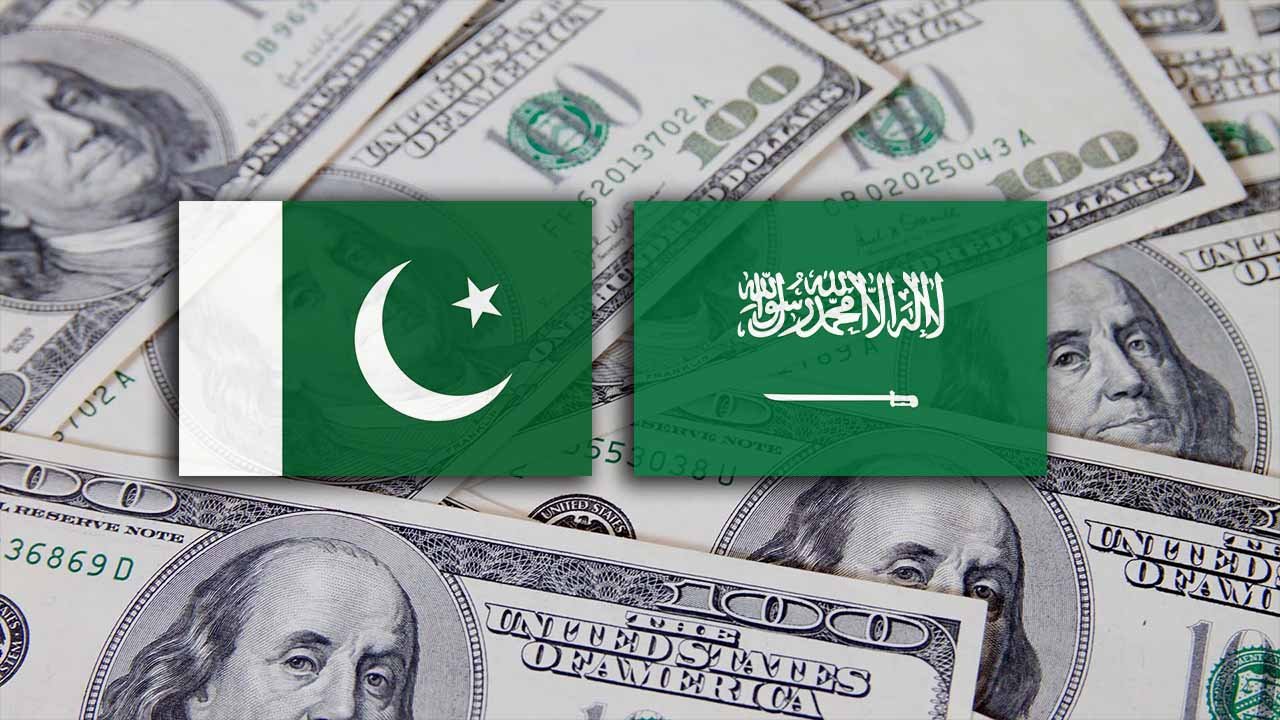
  • Saudi Arabia to invest $25 billion in Pakistan over five years: PM Kakar

    Saudi Arabia to invest $25 billion in Pakistan over five years: PM Kakar

    On Monday, Interim Prime Minister Anwaar ul Haq Kakar announced that the Kingdom of Saudi Arabia (KSA) intends to invest a substantial sum of up to $25 billion in Pakistan over the next two to five years.

    During a media briefing, PM Kakar explained that Saudi Arabia’s investment focus will primarily encompass the mining, agriculture, and information technology sectors. This initiative aims to boost foreign direct investment in Pakistan, which is currently facing financial challenges. 

    If this investment materialises, it will mark the largest-ever commitment by Saudi Arabia to Pakistan. The country is grappling with a pressing need for funds to address its trade deficit and repay international loans in the ongoing fiscal year. 

    While specific projects earmarked for Saudi investment were not disclosed during the meeting, Barrick Gold Corp. expressed interest last month in partnering with Saudi Arabia’s wealth fund for the Reko Diq mine in Pakistan. 

    Kakar emphasised that Pakistan holds substantial untapped mineral resources valued conservatively at $6 trillion. Additionally, the government intends to expedite two privatisation transactions, likely involving state-owned power sector entities, within the next six months. There is also a plan to privatise another government-owned company, preferably outside the energy sector. 

    Read more: Business community finds hope as COAS Munir vows to tackle corruption and boost investment  

    It’s worth noting that privatisation efforts in Pakistan have faced challenges in the past, as the sale of state assets is a politically sensitive issue that previous elected governments have largely avoided. 

    Currently, Pakistan is navigating a challenging path to economic recovery under a caretaker administration, following the approval of a $3 billion loan plan by the International Monetary Fund in July, which prevented a sovereign debt default. Islamabad is confronted with a balance of payments crisis and requires substantial funds to rectify its trade deficit and settle outstanding debts. 
  • Pakistan International Airlines faces potential Rs259 billion loss by 2030

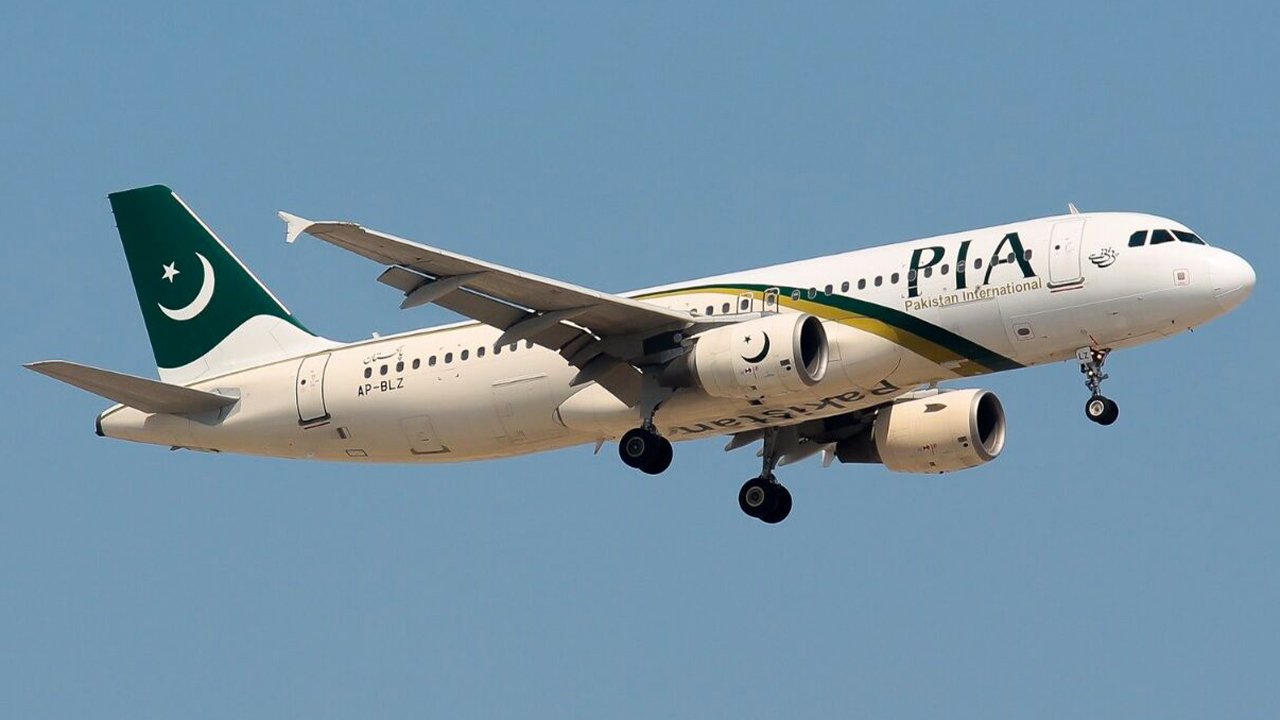
    Pakistan International Airlines faces potential Rs259 billion loss by 2030

    Pakistan’s Aviation Minister, Khawaja Saad Rafique, delivered a grave warning on Friday about the precarious financial state of Pakistan International Airlines (PIA). He highlighted that without swift corrective action, the airline could incur staggering losses of up to Rs259 billion by 2030. To salvage the national carrier from its mounting debts, Minister Rafique urgently called for essential measures, including the transfer of administrative control to the private sector.

    Minister Rafique’s concerns were voiced during his address on the Senate floor, where he presented “The Pakistan International Airlines Corporation (Conversion) (Amendment) Bill, 2023.” He stressed the critical need for foreign direct investment (FDI) and the involvement of private entities to ensure the long-term sustainability of PIA, which currently grapples with an overwhelming debt burden of Rs742 billion.

    However, the proposal faced strong opposition from several senators during the proceedings. As a result, the Senate chairman referred the matter to the relevant standing committee for further evaluation, acknowledging the significance of FDI and private sector participation in transforming PIA into a profitable entity.

    The deliberations also witnessed PTI lawmakers raising concerns about the quorum, prompting a fifteen-minute bell ringing to meet the attendance requirement. Once the quorum was restored, House proceedings resumed to discuss the fate of PIA.

    The key provision of the bill proposes an amendment to Section 3, which specifies that the company’s shareholders would retain the same number of fully paid shares while preserving their existing rights and privileges. Additionally, the federal government could, through an official gazette notification, issue fresh shares or cancel existing ones as needed during the validity period.

    The destiny of Pakistan International Airlines now lies in the hands of the standing committee, tasked with thoroughly scrutinising the bill and its proposed amendments. The committee’s decision will significantly impact the future of the struggling airline and determine whether privatisation and foreign investment can pave the way for PIA’s financial recovery.