Tag: product launch

  • Apple Watch import ban goes into effect in US patent clash

    Apple Watch import ban goes into effect in US patent clash

    A US import ban on certain Apple smartwatch models came into effect Tuesday, after the Biden administration opted not to veto a ruling on patent infringements.

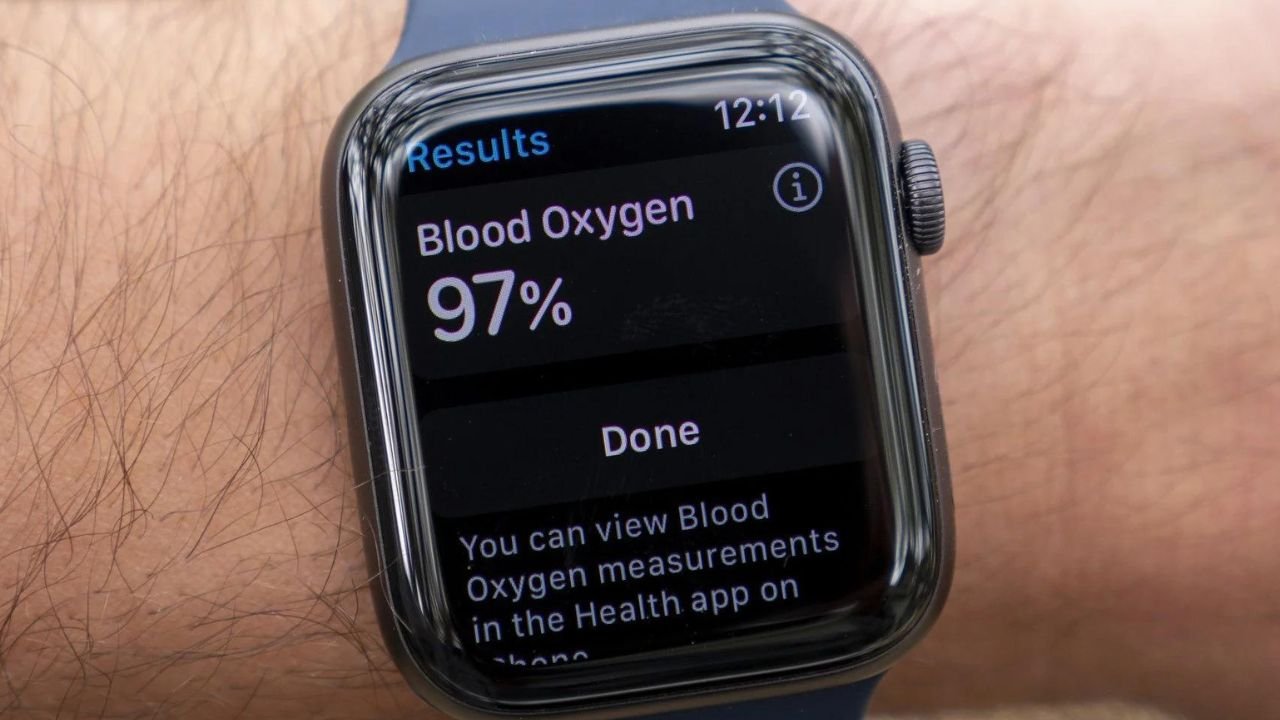
    The United States International Trade Commission (ITC) decided in October to ban Apple Watch models over a patented technology for detecting blood-oxygen levels.

    Apple contends that the ITC finding was in error and should be reversed, but last week paused its US sales of Apple Watch Series 9 and Apple Watch Ultra 2.

    The order stemmed from a complaint made to the commission in mid-2021 accusing Apple of infringing on medical device maker company Masimo Corp’s “light-based oximetry functionality.”

    “After careful consultations, Ambassador (Katherine) Tai decided not to reverse the… determination and the ITC’s decision became final on December 26, 2023,” the president’s executive office said in a statement on Tuesday.

    Apple has been steadily ramping up fitness and health features with each generation of its Apple Watch, which dominates the smartwatch category.

    In September, Apple released its Apple Watch Series 9, touting increased performance along with features such as the ability to access and log health data.

    “Our teams work tirelessly to create products and services that empower users with industry-leading health, wellness and safety features,” Apple said when the ITC ban was issued.

    “Masimo has wrongly attempted to use the ITC to keep a potentially lifesaving product from millions of US consumers while making way for their own watch that copies Apple.”

    In May, a trial of Masimo’s allegations ended in a mistrial after jurors failed to reach a unanimous verdict.

    Late last year, Apple filed two patent infringement lawsuits accusing Masimo of copying Apple Watch technology.


  • Apple faces competition as Google releases Pixel 8 and AI-powered smartwatch

    Apple faces competition as Google releases Pixel 8 and AI-powered smartwatch

    The Apple iPhone 15 series now faces fresh competition as Google introduced its latest smartphone, the Pixel 8, on Wednesday, alongside a new smartwatch that seamlessly integrates advanced artificial intelligence (AI) technology into its core consumer devices.

    The enhancements made to the Pixel phones, which are particularly popular among photography enthusiasts and those who prefer a pure Android experience, have the potential to make them more appealing to shoppers as they plan their holiday season purchases.

    Google has upgraded the Pixel lineup by equipping it with the Tensor G3 mobile processor, which includes native machine learning and generative AI models. These AI features can assist users in various ways, such as improving photography, summarising web content, and blocking unwanted spam calls. This announcement was made during the Made by Google event held in New York.

    Additionally, the higher-end Pixel 8 Pro now features a temperature sensor, and Google has applied for approval from the Food and Drug Administration to enable a thermometer app for measuring body temperature.

    The Pixel 8 is priced starting at $699, while the Pixel 8 Pro starts at $999, making it $100 more expensive than the previous generation models. Both models will be available for purchase starting on October 12th.

    At the event, Google emphasized its commitment to mobile AI, a direction that IDC analyst Ryan Reith noted could have a significant impact on the industry, especially in the US, if accompanied by strong marketing efforts.

    Notably, in the previous month, Apple launched a new series of iPhones that included improvements in design and performance but did not increase prices, reflecting the ongoing challenges in the global smartphone market.

    According to IDC, Google’s Pixel ranks 12th globally in terms of smartphone shipments, holding a 0.9 per cent market share. The largest market for Pixel devices is the United States, accounting for approximately 39 per cent of global shipments, followed by Japan at 29 per cent and the UK at 9 per cent.

    In addition to the smartphone and smartwatch announcements, Google also revealed plans to integrate generative AI capabilities into its virtual assistant, enabling it to assist users with tasks like trip planning and email management while also asking follow-up questions.

    Furthermore, Google introduced the Google Watch 2, an upgraded version of its first smartwatch released in October of the previous year. It is priced at $349 and comes with a digital crown and advanced health tracking features powered by AI.

  • Microsoft set to reveal three new Surface laptops and advanced AI features

    Microsoft set to reveal three new Surface laptops and advanced AI features

    Microsoft is gearing up for a “special event” in New York City, set to debut new Surface devices and AI-powered features across its ecosystem. This event comes right after the unexpected resignation of Panos Panay, the former head of Windows and Surface.  

    Here’s what you need to know about this event: 

    Event details 

    The event is scheduled for Thursday, September 21st, marking the first in-person Surface event since the pandemic. 

    While Panos Panay won’t be presenting, we can expect to hear from Yusuf Mehdi, head of consumer marketing, and Microsoft CEO Satya Nadella. 

    New Surface devices 

    Microsoft is rumoured to unveil three new Surface devices. The Surface Laptop Studio 2 is among them, featuring Intel’s 13th Gen processors, Nvidia’s RTX 4060, a microSD card slot, and a USB-A port. It retains the familiar design with a versatile display that transforms from a laptop to a tablet. 

    Notably, it’s rumoured to ship with 64GB of RAM and is expected to be available starting October 3rd. 

    The Surface Go 4 and Surface Laptop Go 3 are also anticipated, likely maintaining the design of their predecessors but with upgraded internals and Intel’s 12th Gen CPUs. 

    Windows AI features 

    Microsoft will unveil AI-powered features for Windows, including Windows Copilot, an AI “personal assistant.” This update is set to ship by the end of September, enhancing Windows 11 with various improvements. 

    Expect more AI integration in Windows apps, such as the Snipping Tool and Photos app, offering new functionalities like text copying from screenshots and background blur for photos. 

    Apps like Paint and Photos are rumoured to get AI enhancements for generating images from text prompts and identifying objects or people in photos. 

    Surface AI features

    Microsoft has been integrating AI into its Surface lineup with features like Windows Studio Effects, which debuted on the Arm-powered Surface Pro X. 

    These features rely on dedicated neural processing units (NPUs), which may be included in the upcoming Surface Laptop Studio 2. 

    AMD’s Ryzen 7000 mobile processors and Intel’s Meteor Lake chips are expected to support AI capabilities, potentially shaping future AI experiences on Windows. 

    Office and Bing AI features

    The event won’t be limited to Surface and Windows, as Microsoft is likely to share more about Copilot plans for Microsoft 365 and Office apps. 

    Copilot in Office apps aims to streamline document summarization, email generation, and Excel analysis using AI, competing with Google Workspace, Zoom, and Slack’s AI-powered features. 

    There may also be updates regarding Bing Chat Enterprise, including its exit from preview and additional features for both consumer and enterprise versions. 

    Microsoft’s “special event” promises exciting new Surface devices and a deep dive into AI-powered features across Windows, Office, Bing, and more, setting the stage for a future where AI revolutionises how we interact with Microsoft’s products and services. 

  • Apple’s next big hit? iPhone 15 Pro Max set to redefine smartphone photography

    Apple’s next big hit? iPhone 15 Pro Max set to redefine smartphone photography

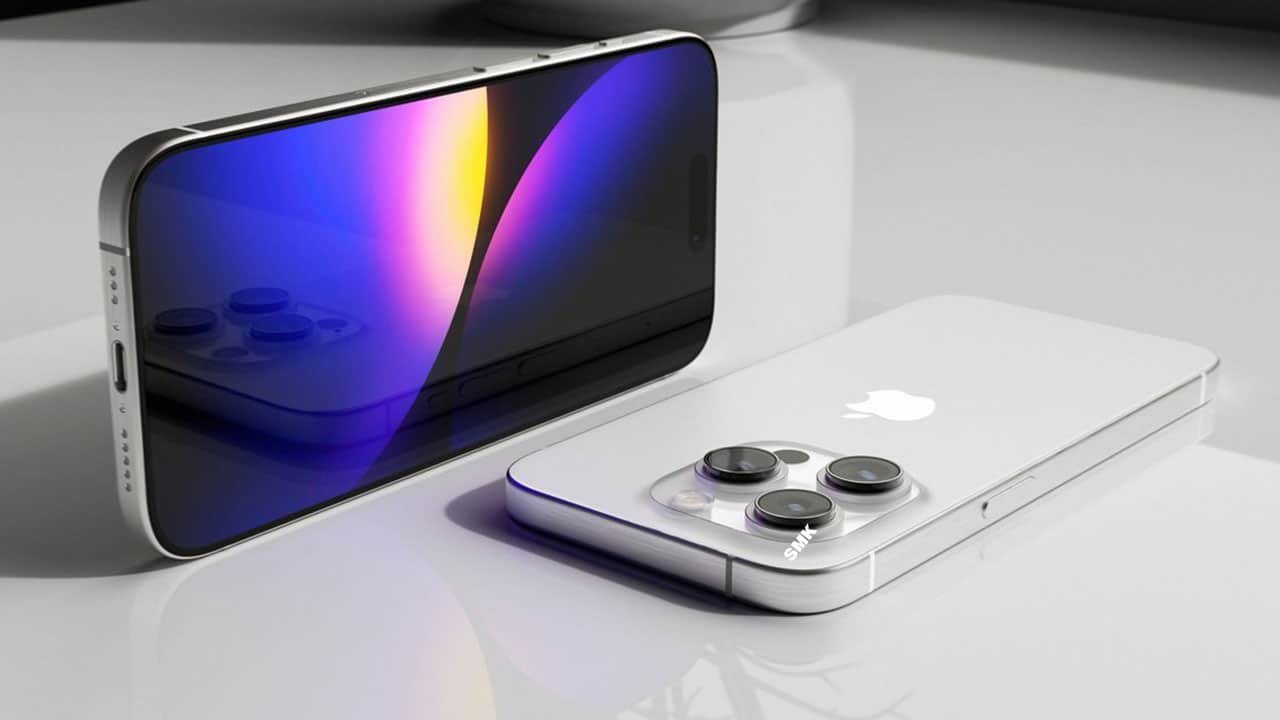
    The highly anticipated iPhone 15 Pro Max is poised to establish itself as Apple’s flagship smartphone, boasting an innovative periscope lens that promises remarkable optical zoom capabilities, potentially ranging from 5X to 10X. According to insights from esteemed analyst Ming-Chi Kuo, this groundbreaking addition has ignited speculation about the iPhone 15 Pro Max becoming a dominant force in Apple’s product lineup.

    Scheduled for unveiling at Apple’s September 12 event, the iPhone 15 series is generating fervent excitement among tech enthusiasts. Notably, the standard iPhone 15 models are poised to receive notable enhancements such as the integration of a USB Type-C port and the introduction of Dynamic Island. In stark contrast, the iPhone 15 Pro Max, also referred to as the iPhone 15 Ultra, could potentially redefine the landscape with its revolutionary features.

    In a recent communication by analyst Ming-Chi Kuo via Medium (as reported by 9to5Mac), an intriguing projection has been put forth. Kuo suggests that the iPhone 15 Pro Max might contribute to an impressive 35–40 per cent of Apple’s initial shipments, potentially ascending to the pinnacle of their sales chart. This forecast is substantiated by an anticipated 10 per cent surge in projected shipments for the iPhone 15 Pro compared to its predecessor, the iPhone 14 Pro Max. The focal point of this enhancement lies in the inclusion of the periscope lens, an exclusive offering dedicated solely to the iPhone 15 Pro Max.

    Read more: iPhone 14 owners unhappy as battery health capacity drops to 90% in less than a year

    The forthcoming periscope lens, seamlessly integrated into the telephoto lens configuration, holds the promise of delivering optical zoom capabilities ranging between 5X and 6X. Remarkably, there is even speculation, as proposed by Apple Insider’s Andrew O’Hara, that these capabilities might push the boundaries to an astonishing 10X zoom, akin to the acclaimed features of the Samsung Galaxy S23 Ultra. This strategic emphasis on the periscope lens underscores Apple’s unwavering confidence in its allure, a feature that sets the iPhone 15 Pro Max apart, as emphasised in Kuo’s comprehensive analysis.

    If this projection materialises into reality, it signifies a compelling willingness among consumers to invest significantly for access to premium iPhone offerings. While the authenticity of these claims remains unverified, there are subtle indications of a potential $200 price increment for the iPhone 15 Pro Max, marking a significant shift and the first such adjustment since the iPhone 11 series. The convergence of cutting-edge technology and consumer demand is positioning the iPhone 15 Pro Max as a formidable contender in the smartphone arena.

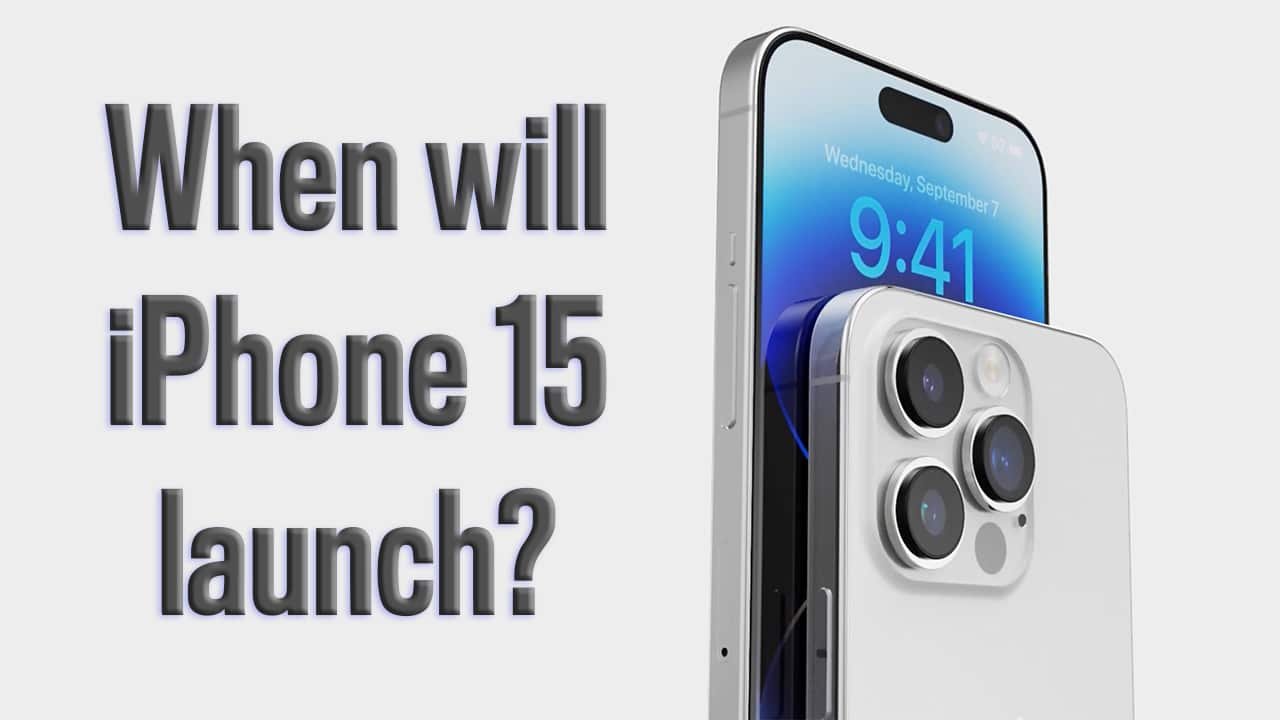
  • Here’s when Apple will launch the iPhone 15

    Here’s when Apple will launch the iPhone 15

    Tech enthusiasts worldwide are eagerly awaiting the arrival of the much-rumoured iPhone 15, as speculations on its features and release date continue to circulate. Apple’s last iPhone 14 lineup has been a hit, and now fans are looking forward to the potential enhancements that the iPhone 15 may bring.

    While Apple has not officially announced the release date for the new iPhones, insiders have revealed that the company plans to unveil the iPhone 15 lineup during the third week of September. Multiple mobile carriers have reportedly instructed employees not to take days off on September 13, hinting at a major smartphone announcement on that day.

    Historically, Apple has held its iPhone events in September, and it appears that this year won’t be an exception. While most past announcements took place on Tuesdays, last year’s iPhone 14 event occurred on a Wednesday, similar to September 13’s potential date.

    If the speculated date holds true, pre-orders for the iPhone 15 are expected to start on September 15, with the official release slated for September 22. However, analysts predict possible delays for some models due to supply chain challenges, as has happened in previous years.

    Rumours have been swirling about the iPhone 15’s design and features. According to 9to5Mac, it’s suggested that the new models will sport slightly curved edges and thinner bezels around the display, enhancing the overall aesthetic. Notably, all four new models are expected to incorporate Dynamic Island and USB-C, replacing the Lightning port.

    For the Pro models, Apple is rumoured to replace the stainless steel frame with a titanium one, adding a touch of elegance and durability. The iPhone 15 and 15 Plus will reportedly be powered by the A16 Bionic chip found in the iPhone 14 Pro, while the iPhone 15 Pro and 15 Pro Max will feature the new A17 chip, offering improved performance.

    Photography enthusiasts may be delighted to learn that the larger Pro model is expected to come equipped with a new periscope lens for enhanced optical zoom capabilities.

    As for pricing, there’s speculation that the new iPhones could come at a premium. Reports suggest that prices may increase by up to PKR 56,000 ($200) compared to the current generation.

    While Apple enthusiasts are excited about the potential features of the iPhone 15, they will have to wait for the official announcement to confirm the rumours. Until then, anticipation will continue to build as the tech giant prepares for what could be another groundbreaking iPhone launch.

  • Apple may launch a cheaper version of Vision Pro next year

    Apple may launch a cheaper version of Vision Pro next year

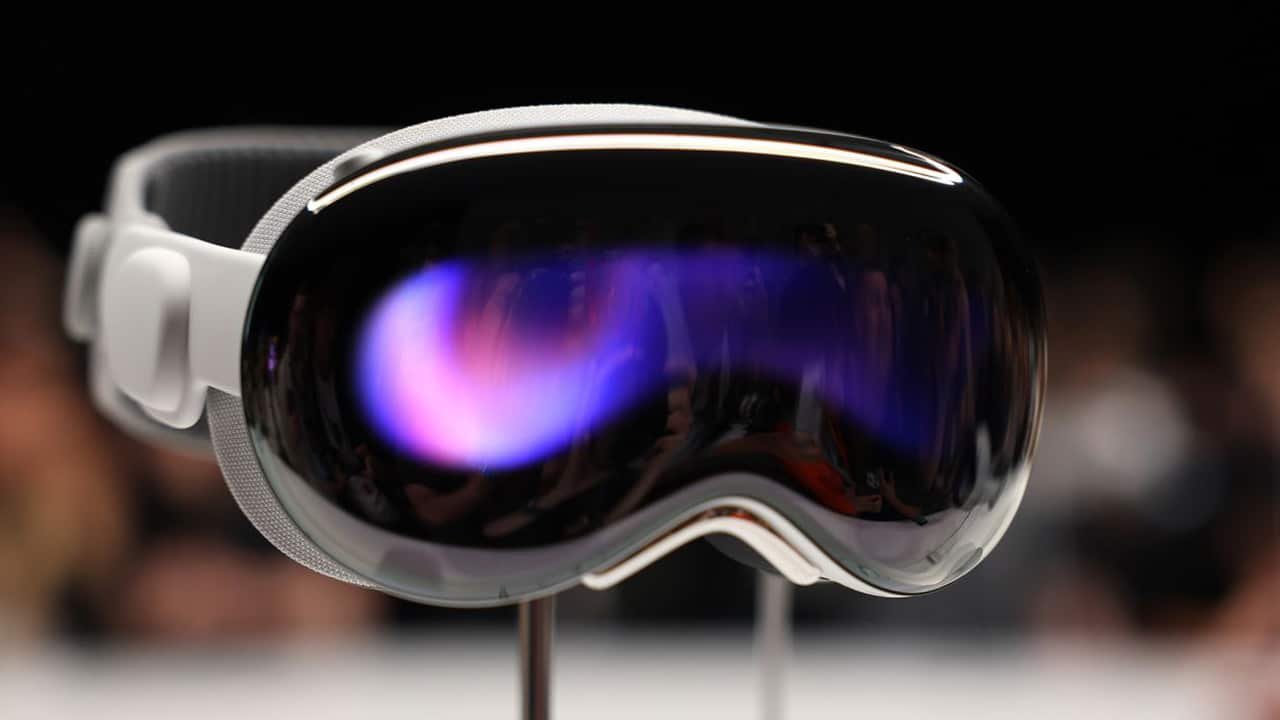
    Apple made a grand announcement at WWDC this week, unveiling their revolutionary Vision Pro spatial computer. With a hefty price tag of $3,500, this cutting-edge device won’t hit the shelves until early 2024. However, Apple isn’t stopping there; they’re actively developing a more affordable version of this futuristic product.

    According to Mark Gurman, Apple has set its sights on releasing an affordable AR/VR spatial computer by the end of 2024. As expected, Apple is simultaneously working on an upgraded version of the Vision Pro, promising an even faster processor for mind-boggling performance.

    Now that the Vision Pro name is out in the open, speculation runs wild about the potential name for its cheaper counterpart. Gurman suggests “Apple Vision” or perhaps “Apple Vision One.” But the burning question remains: how will Apple manage to slash the price? Gurman’s got a few intriguing ideas up his sleeve.

    In the initial Vision Pro model, the costliest components are the M2 and R1 chips, the remarkable 4K micro-LED displays, and the advanced camera and sensor hardware. To trim costs, Apple might opt for lower-quality screens, a slightly less powerful processor, and a reduced number of cameras and sensors. Additionally, the spatial audio speakers within the headset could be omitted, with users encouraged to rely on their trusty AirPods Pro for an immersive audio experience.

    But that’s not all. Apple could also simplify the headband design, insist on AirPods for spatial audio instead of including speakers within the Vision Pro strap, switch to a physical adjustment mechanism for IPD (the distance between eye pupils), and even eliminate features like the 3D camera. When combined with refined production methods, economies of scale, and a more cost-effective frame, one can imagine Apple knocking off a significant chunk from the price tag.

    Yet, Gurman astutely points out that there are certain aspects where Apple won’t compromise. The external EyeSight screen, responsible for showcasing the wearer’s eyes, along with the essential eye- and hand-tracking system, are intrinsic to the Apple Vision experience—akin to how a touchscreen is inseparable from an iPhone. So, it’s highly likely that these captivating features will be retained in the more affordable model, ensuring a mesmerizing and immersive journey for users.

  • Apple to launch its first 15-inch MacBook Air with M2 chip at WWDC next week

    Apple to launch its first 15-inch MacBook Air with M2 chip at WWDC next week

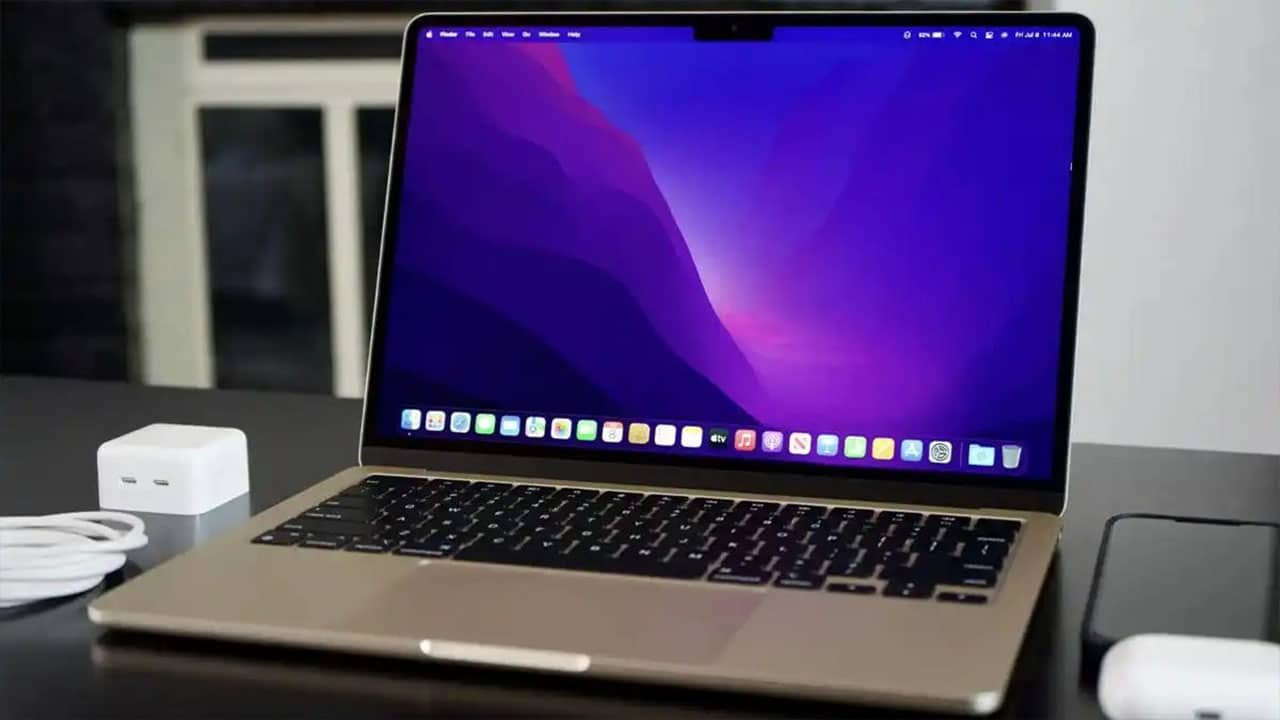
    Apple is set to make a major announcement at this year’s Worldwide Developers Conference (WWDC), as Bloomberg’s Mark Gurman reports that the tech giant plans to introduce a new MacBook Air model with a larger 15-inch display. The highly anticipated unveiling is scheduled to take place during Apple’s event on Monday, June 5 at 10 AM Pacific Time.

    The upcoming MacBook Air will mark a significant departure from its predecessors, as it is expected to feature a 15.5-inch display, as revealed by reliable display industry analyst Ross Young.

    This represents a notable increase in screen size compared to the current MacBook Air’s 13.6-inch display. While the laptop had previously been offered in an 11-inch variant, Apple appears to be shifting towards larger displays to cater to user preferences.

    What’s new?

    According to renowned Apple supply chain analyst Ming-Chi Kuo, the new MacBook Air will be equipped with the highly acclaimed M2 chip, which has been widely praised for its enhanced performance. The M2 chip boasts an 18 per cent faster CPU, a 35 per cent faster GPU, and a 40 per cent faster Neural Engine when compared to the previous M1 chip. These improvements make the new MacBook Air an enticing option for users considering an upgrade from the 2020 MacBook Air.

    In addition to the improved performance, the larger chassis of the 15-inch MacBook Air will accommodate a bigger battery, potentially offering users a longer battery life. Apple’s current 13-inch MacBook Air with the M2 chip can last up to an impressive 18 hours per charge. With the larger form factor, it is anticipated that the 15-inch model may even approach the 20-hour mark, reaffirming Apple’s commitment to providing industry-leading performance-per-watt.

    Another anticipated upgrade in the new MacBook Air is the inclusion of Wi-Fi 6E, as seen in other recent Apple releases. While the 13-inch MacBook Air is currently limited to Wi-Fi 6, the 15-inch model is likely to benefit from the faster speeds, lower latency, and reduced signal interference provided by Wi-Fi 6E. Users will need to connect their devices to a Wi-Fi 6E router from brands like TP-Link, Asus, or Netgear to fully harness these advantages.

    Moreover, the new MacBook Air could potentially support Bluetooth 5.3, following Apple’s recent integration of the technology into its latest devices. Bluetooth 5.3 brings improvements in reliability and power efficiency compared to its predecessor, Bluetooth 5.2, enhancing the overall wireless experience for users.

    With the upcoming announcement of the 15-inch MacBook Air, Apple aims to cater to the demands of its user base by offering a larger display, superior performance with the M2 chip, extended battery life, and cutting-edge wireless connectivity. The unveiling at WWDC is eagerly anticipated by Apple enthusiasts and tech enthusiasts alike, and it further solidifies Apple’s commitment to innovation and delivering exceptional products to its customers.