In what has already been a challenging year for Pakistan’s car industry, Al-Haj Automotive, the assembler and seller of Proton cars in the country, has announced a significant price hike across its vehicle lineup. The move comes as the industry continues to grapple with production halts and a series of factors contributing to a worsening crisis.
Throughout 2022, Al-Haj Automotive had refrained from increasing its prices, with the exception of the Saga Standard Automatic variant in February. However, the company’s recent announcement indicates a substantial shift in its pricing strategy, leaving customers in shock and further dampening the already struggling car market.
The ongoing crisis in the Pakistani car industry has been attributed to several key factors. First and foremost, the depreciation of the Pakistani rupee against major currencies has led to increased costs for automakers who rely on imported components. Import restrictions imposed by the government have also played a role in limiting the availability of crucial parts and components.
Furthermore, the industry has faced challenges due to the increase in taxes levied on automobile manufacturers. The rising freight charges have further added to the financial burden faced by car companies, affecting their ability to maintain reasonable pricing for consumers.
In addition to these factors, the Pakistani car industry has been hit hard by escalating raw material prices, making it increasingly difficult for automakers to sustain production and keep prices affordable. Logistical hurdles and supply chain disruptions have only compounded the challenges faced by manufacturers, resulting in prolonged production halts and delivery delays.
Against this backdrop, Al-Haj Automotive has released its updated price list, effective immediately. The new prices for the Proton vehicle lineup are as follows:
Saga Standard Manual: PKR2,824,000 (old price) to PKR3,749,000 (new price), representing an increase of PKR925,000.
Saga Standard Automatic: PKR3,299,000 (old price) to PKR3,949,000 (new price), reflecting an increase of PKR650,000.
Saga ACE Automatic: PKR3,149,000 (old price) to PKR4,099,000 (new price), marking a significant rise of PKR950,000.
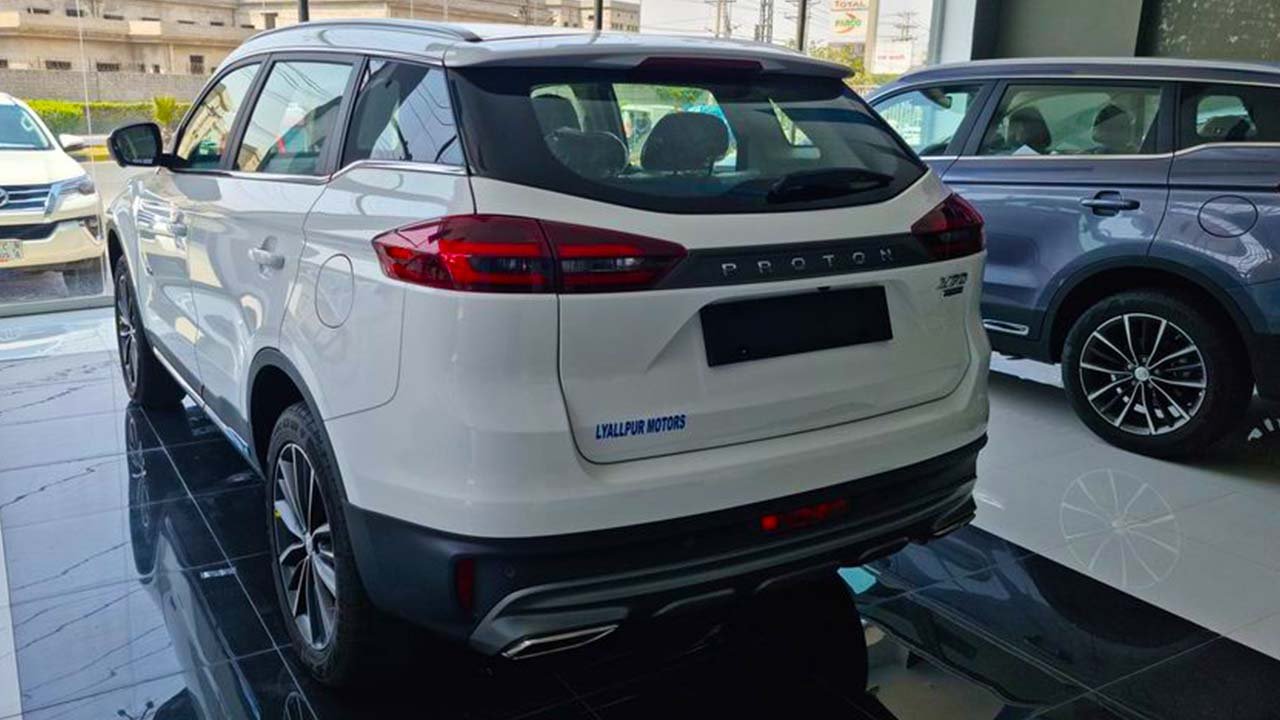
X70 Executive AWD: PKR6,740,000 (old price) to PKR8,799,000 (new price), indicating a staggering increase of PKR2,059,000.
X70 Premium FWD: PKR7,190,000 (old price) to PKR9,299,000 (new price), representing a substantial hike of PKR2,109,000.
These price hikes by Al-Haj Automotive are expected to further burden potential car buyers and impact the demand in an already beleaguered market. The company, like other automakers in Pakistan, has attributed the need for such price increases to the challenging economic conditions and various hurdles faced by the industry.
As Pakistan’s car industry continues to grapple with the ongoing crisis, consumers and stakeholders are anxiously awaiting measures from the government and industry leaders to stabilise the market and provide relief to both manufacturers and customers alike.