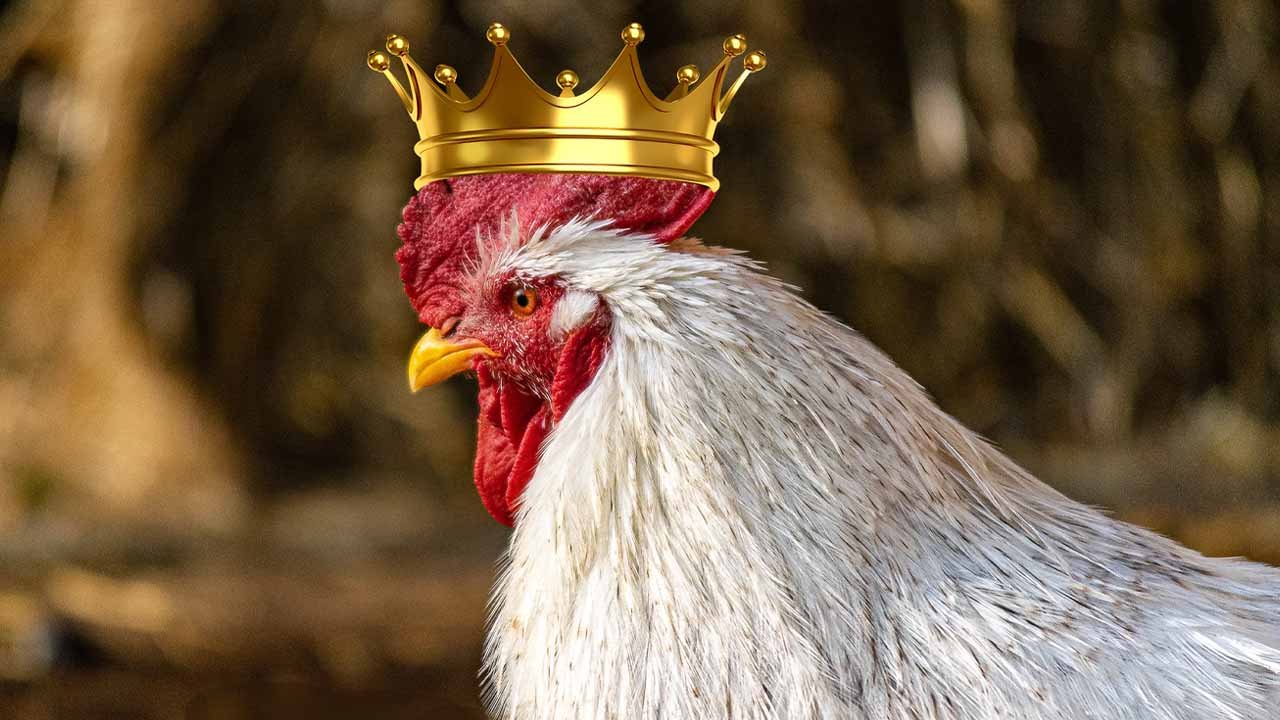
Owing to a major shipment that has been stuck at Port Qasim in Karachi for several months, chicken prices have sharply increased and surpassed beef prices (with bones) for the first time in thirty years.
A shipment of soybean seeds worth $100 million was halted in October 2022 at Port Qasim in Karachi. These oilseeds were designed to be crushed rather than planted. One of the main components of the edible oil used in Pakistan is the liquid that is produced when the seeds are pressed.
Being one of the biggest importers of palm seeds, soybeans, and other oilseeds from nations like Malaysia, Pakistan is heavily dependent on these oilseeds to meet its demands for edible oil. But because they are also used as cattle feed, these oilseeds serve yet another crucial role in the food chain.
The solid parts of the seeds are left behind when oilseeds like soybeans are pressed to produce edible oil. Then, “oil cakes” made from this fiber- and protein-rich material are fed to cattle and birds as food.
The majority of these livestock’s “meals” up until 2015–16 were made from locally obtained cotton seeds. Since they are more nutritive than cotton seeds, soybean meals have gained popularity in recent years. Pakistan consumes 2 to 2.8 million tonnes of these meals each year.
This indicated that when the soybean shipments were stopped at the port, the poultry business was also shocked in addition to the edible oil industry. Feed for chickens was suddenly unavailable, and prices began to soar.
Since Pakistan is a signatory to the Cartagena Protocol for Biosafety, the environmental ministry was authorised to halt the exports of genetically modified soybean seeds at the port.
Several issues arose with this. First of all, despite widespread scaremongering, GMOs have never been proven to be dangerous for human consumption. Second, these oilseeds weren’t intended to be planted solely for the purpose of extracting edible oil and as a component in the poultry industry.
One of the worries was that since hens were being fed with these GMO oilseeds, the ‘harmful consequences’ from these GMOs would eventually move into the chickens and reach the populace, according to Food Security Minister Tariq Bashir Cheema.
This argument has a flaw in that Pakistani poultry has been fed oilseed diets made from GMOs since at least 2005. Cottonseed meals, which are generated by genetic modification in Pakistan, are a significant component of the poultry diet.
As things stand, a sizable portion of the population no longer has access to one of its main sources of protein because of the skyrocketing price of chicken. Mutton and beef prices have risen faster than the Consumer Price Index (CPI) during the last few decades.
According to Profit, only chicken costs increased more slowly than the CPI during this entire period, making it the only protein source. With chicken now costing more than beef on the open market, the population’s nutritional impact might be affected in the long run.