Tag: protests

  • Inflation in Pakistan stays above 27% despite IMF reforms

    Inflation in Pakistan stays above 27% despite IMF reforms

    Pakistan continues to grapple with soaring inflation, with the rate holding steady at 27.4 per cent in August, according to data released on Friday. This persistent inflationary pressure is partially attributed to the reforms mandated as part of the IMF loan agreement, which have complicated efforts to stabilise prices and curb declines in the national currency, the rupee.

    The South Asian nation is treading cautiously on its path to economic recovery, with a caretaker government at the helm following the approval of a $3 billion loan programme by the International Monetary Fund (IMF) in July, averting a potential sovereign debt default.

    However, the conditions tied to this bailout, including the relaxation of import restrictions and the removal of subsidies, have contributed to a surge in annual inflation. In May, inflation reached a staggering 38.0 per cent, setting a new record. Concurrently, interest rates have risen, and the rupee has experienced historic lows, with a 6.2 per cent decline in the currency’s value last month.

    While the August data from Pakistan’s statistics bureau indicates a slight easing from July’s 28.3 per cent inflation rate, food inflation remains alarmingly high at 38.5 per cent. Authorities have further exacerbated the situation by raising gasoline and diesel prices to record highs on Friday.

    These worsening economic conditions, coupled with escalating political tensions ahead of a national election scheduled for November, have triggered sporadic protests. Jamaat-e-Islami has announced a nationwide strike in response to the increased power tariffs.

    Every day, Pakistanis are feeling the pinch and struggling to make ends meet. Waseem Ahmed, a bank employee in Islamabad, lamented the plight of the middle class, stating, “More than 60 to 70 per cent of my salary is spent on bills and petrol. Where will we get basic staples from? This is why people are contemplating suicide,” he told Reuters.

    According to ARY News, Mohammed Sohail, CEO of Topline Securities, a Karachi-based brokerage firm, acknowledged that August’s inflation reading aligns with expectations. However, he cautioned that the depreciating rupee and rising energy prices may prevent a significant year-on-year decline in inflation, contrary to earlier government projections that had anticipated a drop to 22 per cent by the end of the fiscal year running until June 31.

    Pakistan’s central bank, in its last monetary policy statement in July, held benchmark interest rates steady at 22 per cent and expressed optimism that inflation would follow a downward trajectory over the ensuing 12 months. However, the current economic challenges present formidable hurdles to achieving that goal.
  • IMF should help Pakistan uphold right to electricity, says HRW

    IMF should help Pakistan uphold right to electricity, says HRW

    For the past week, Pakistan has witnessed extensive protests against the recent surge in electricity prices. In several cities, these protests escalated into violence.

    The government-sanctioned price increase arrives at a critical juncture as Pakistan grapples with one of the most severe economic crises in its history. This crisis imperils the fundamental rights of millions, including access to healthcare, nutrition, and a satisfactory standard of living.

    According to Human Rights Watch, successive Pakistani governments have failed in reforming the country’s energy sector, contributing to the current crisis. The recent surge in prices is linked to a substantial US$3 billion agreement between the International Monetary Fund (IMF) and Pakistan.

    This pact, sanctioned in July 2022, stipulates the government’s obligation to eliminate energy and fuel subsidies, transition to a market-driven exchange rate, and implement tax increments.

    While Human Rights Watch fundamentally opposes fossil fuel subsidies due to their adverse climate impact, the removal of these subsidies without substantial investment in social security often results in disproportionate repercussions for individuals with low incomes.

    Elevated electricity prices can further elevate the costs of essential commodities like food, housing, and services.

    Recognising the right to an adequate standard of living, Human Rights Watch asserts that access to dependable, secure, clean, and affordable electricity without discrimination is imperative.

    Given the situation, it is imperative for the IMF to conduct a comprehensive assessment of the consequences of these adjustments. Rather than abrupt subsidy removal, the IMF should establish a comprehensive reform strategy aimed at mitigating price escalations and facilitating a seamless transition to sustainable energy sources.

    Such reforms could encompass the implementation of a universal social protection system designed to extend benefits to individuals at higher risk of income insecurity, including children, elderly citizens, and people with disabilities.

  • PM calls emergency meeting as public outcry grows over high electricity bills

    PM calls emergency meeting as public outcry grows over high electricity bills

    On Saturday, people residing in various areas of the country openly expressed their deep sense of despair and frustration due to the shockingly high electricity bills they had received.

    Some individuals even went so far as to issue veiled threats of organising protests and, in more extreme cases, initiating a campaign of civil disobedience. These actions were contingent on the condition that the additional taxes included in the bills were not waived.

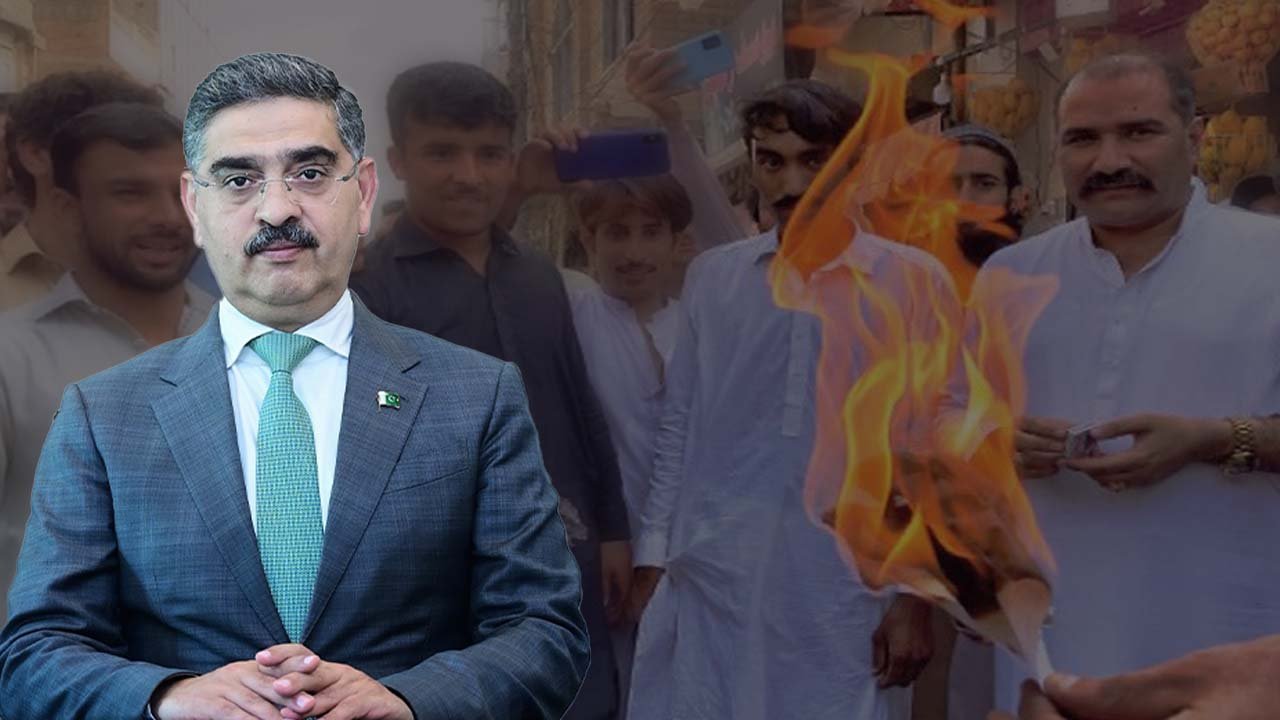
    The intensity of these emotionally charged reactions prompted the caretaker Prime Minister, Anwaar ul Haq Kakar, to swiftly convene an emergency meeting at the Prime Minister’s residence. This urgent gathering is scheduled to take place on the subsequent day, Sunday.

    Clarifying the purpose of the meeting, the premier stated, “In the meeting, a briefing will be taken from the ministry of power and distribution companies, and consultations will be held regarding giving maximum relief to consumers regarding electricity bills.”

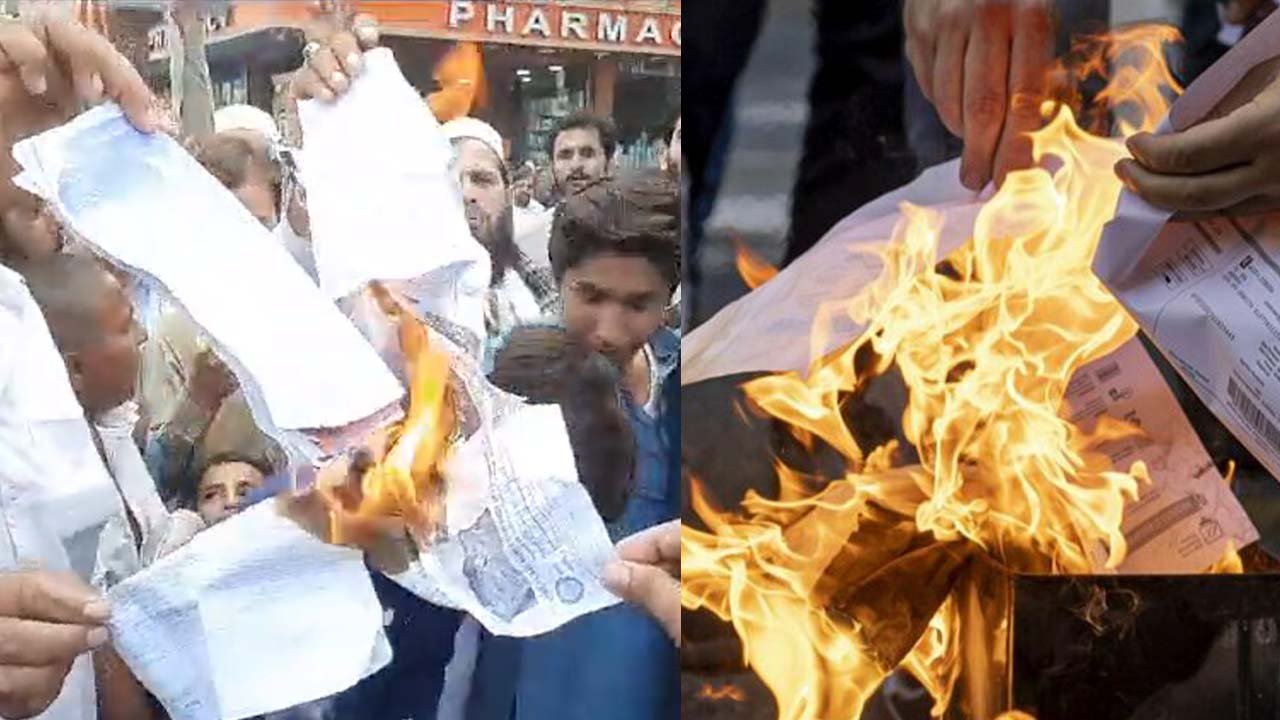
     Protests took place in several cities including Islamabad, Rawalpindi, Multan, Rahim Yar Khan, Gujranwala, Narowal, Kasur, Attock, Sargodha, Peshawar, Haripur, and numerous other cities across the nation. Numerous videos were shared on social media, depicting individuals burning their electricity bills and chanting slogans against power companies.

  • Over 500 personnel deployed by Rawalpindi police to provide security for IESCO and WAPDA employees amid protests

    Over 500 personnel deployed by Rawalpindi police to provide security for IESCO and WAPDA employees amid protests

    Large-scale protests erupted across Pakistan on Friday as traders’ associations and the general public voiced their frustration over skyrocketing electricity bills and heavy taxes. The demonstrations, which gained momentum in cities like Karachi and Islamabad, highlighted the widespread discontent with the financial burden faced by the population.

    In Karachi, a significant protest gathered steam with the backing of the Jamaat-e-Islami (JI) party. The focal point of the protest was a call for a reduction in the surging electricity prices and the additional taxes added to power bills.

    Rawalpindi saw its own protest against added electricity charges, with citizens chanting slogans against the Islamabad Electric Supply Company. Protesters in various cities also directed their chants against the Water and Power Development Authority (WAPDA) while symbolically burning electricity bills.

    The backdrop of these protests is the recent approval by the federal cabinet to increase the national average tariff. This move led to an increase of up to Rs7.5 per unit in the national uniform electricity tariff starting July 1, 2023. This pushed the total cost of electricity, including extra charges and taxes, beyond Rs55 per unit for certain categories of consumers.

    520 police officers deployed to secure IESCO and WAPDA offices

    The growing protests have also raised concerns about the safety of power company employees, prompting calls for enhanced security measures. In Rawalpindi, over 500 police personnel have been deployed to address potential public unrest.

    Here is a letter from IESCO requesting the police to enhance security at electricity offices:

    Amidst the escalating situation, the IESCO (Islamabad Electric Supply Company) has taken steps to secure their offices and installations. The Superintendent Engineer of Rawalpindi sent a request to the Central Police Officer (CPO) of Rawalpindi for additional security. According to Express Tribune, this step was taken due to agitated consumer groups visiting IESCO offices and staging protests, putting the safety of IESCO employees at risk during work hours.

    Following the request, the Rawalpindi police have taken action by assigning over 500 personnel to enhance security at electricity offices. A police spokesperson has confirmed that 520 officers and personnel are now in charge of keeping IESCO and WAPDA employees safe.

    The authorities are closely monitoring the situation, and the police officials are on high alert to ensure everything runs smoothly.

  • Petroleum dealers and Minister set to meet today to resolve profit margin dispute

    Petroleum dealers and Minister set to meet today to resolve profit margin dispute

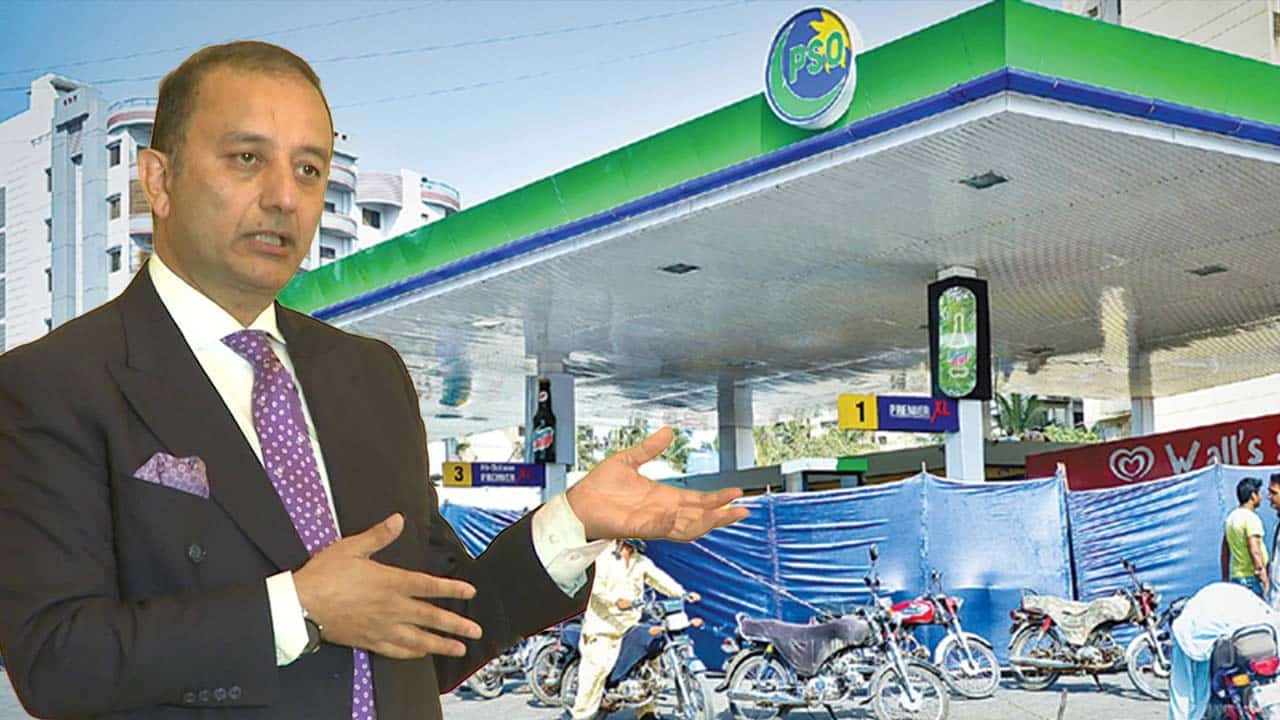
    According to media reports, the Petroleum dealers are scheduled to hold a meeting today with Minister of State for Petroleum, Musadik Malik, in an effort to reach an agreement on increasing profit margins.

    In response to their demands, the Petroleum dealers have been engaged in protests and have issued threats of a countrywide shutdown of stations if their requests are not met.

    However, following a meeting between officials of the Pakistan Petroleum Dealers Association (PPDA) and the Minister on Friday, the strike has been temporarily postponed, pending a resolution regarding the increment of the dealers’ profit margin.

    A spokesperson from the PPDA clarified that no petrol stations will be closed until after the meeting, and any further course of action will be determined based on the outcome of the meeting.

    Currently, the profit margin for dealers stands at 2.4 per cent or Rs6 per liter, and they are seeking a revision to 5 per cent, which amounts to nearly double the current margin.

    According to Mettis Global, the PPDA Chairman, Abdul Sami Khan, pointed out that the consumer price index has escalated by 38 per cent, while electricity and other utility rates have also spiked, primarily due to the increase in the Kibor rate.

    He further highlighted that a decision was made in 1999, stating that dealers would receive a 5 per cent margin on oil products. However, the government fixed the margin at Rs6 per liter, resulting in a mere 2.4 per cent profit for dealers, which has left them dissatisfied.

  • Protests, counter-protests escalate over Quran burning in Sweden and Iraq

    Protests, counter-protests escalate over Quran burning in Sweden and Iraq

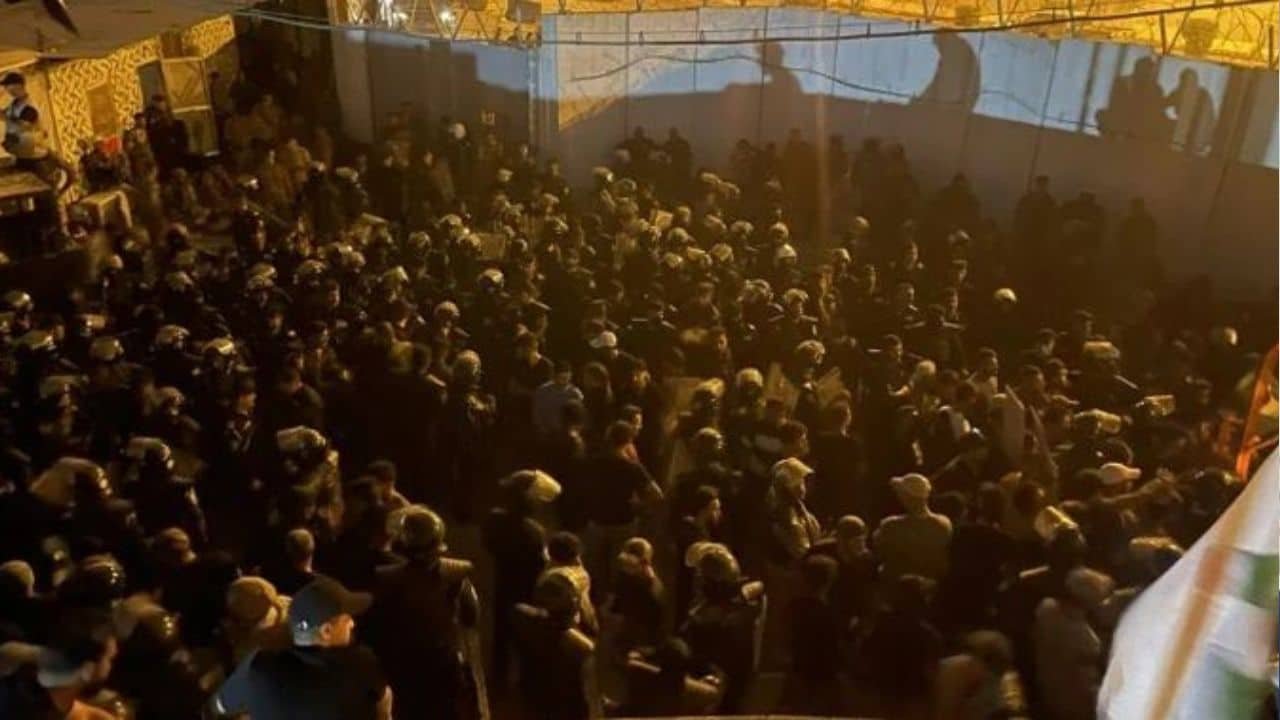
    A group of protesters in Iraq set fire to the Swedish embassy in Baghdad after hearing about a planned burning of the Holy Quran in Stockholmon on Thursday.

    The Swedish authorities have approved a demonstration outside the Iraqi embassy in Stockholm, where organisers plan to burn a copy of the Holy Quran and an Iraqi flag.

    Last week, an Iraqi Christian immigrant burned the Holy Quran outside a mosque in Stockholm on the occasion of the Muslim holiday of Eid ul-Azha.

    The incident has caused widespread condemnation in the Islamic world.

    This, along with other recent protests by a far-right activist, has sparked a debate in Sweden about the limits of freedom of speech. Swedish police have now received new requests for demonstrations by individuals who want to burn the Quran, Torah, and Bible. The Islamic world has urged Sweden to enact bans and introduce blasphemy laws.

  • Is France considering an internet shutdown after riots, mayor’s house set on fire with family inside?

    Is France considering an internet shutdown after riots, mayor’s house set on fire with family inside?

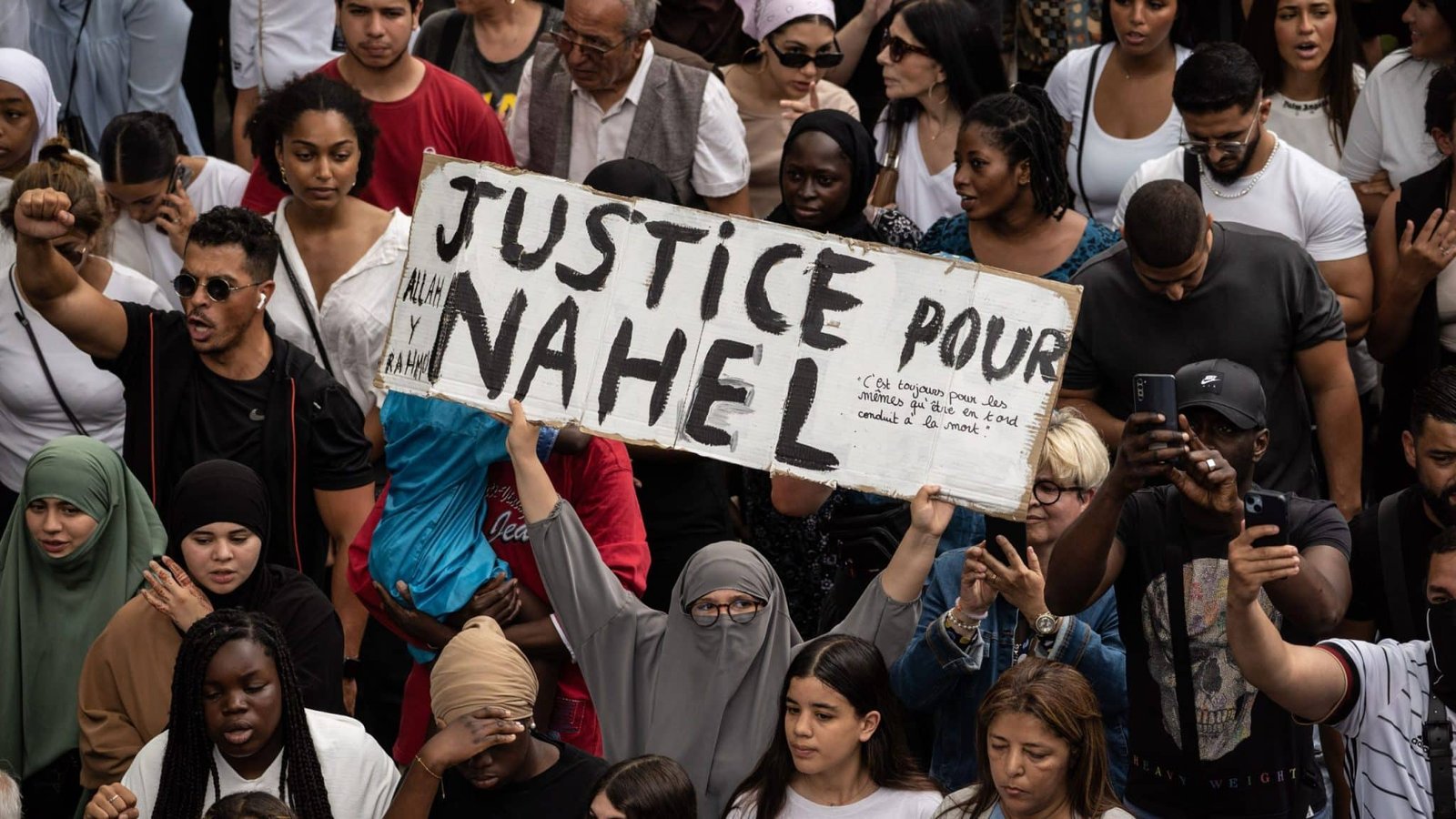
    Multiple media outlets have reported that after six straight nights of riots in France, the country’s interior minister has posted a statement announcing a partial ban on the internet after hundreds were arrested for protesting the brutal murder of 17-year-old Nahel, a French national of African descent.

    However, the reports remain unconfirmed, being carried only by Asian news outlets like Samaa and Indian publication Scroll.

    The protests in France continue to grow stronger, with Sunday witnessing Paris mayor Vincent Jeanbrun’s house being set on fire, injuring his wife and children, who were inside sleeping.

    Writing on Twitter, Jeanbrun revealed that rockets were thrown at his house as they fled, calling the attack an “assassination attempt” and “unspeakable cowardice”.

    “A line has been crossed,” he wrote. “If my priority today is to take care of my family, my determination to protect and serve the Republic is greater than before.”

    According to Jeanbrun, a car was used to ram through the gates of his family’s home, and then the vehicle was set on fire which then spread towards the house.

    The mayor also revealed that a murder investigation has been launched against the perpetrators behind the violent attack.

    The protests in France began last Sunday after the brutal death of Nahel, reigniting long standing accusations of racism and police brutality within the French police.

    According to Al-Jazeera, the French Interior Minister reportedly deployed 45,000 police officials along with helicopters and armed vehicles. Around 700 people have been arrested since the protests began.

  • What is happening in France?

    What is happening in France?

    Protests have erupted in France after police shot dead Nahel M, a 17-year-old boy of Algerian descent, on Tuesday for allegedly driving his car towards police.

    Police said that the teenager was driving his car towards them, but footage emerged on social media on Wednesday contradicting their narrative. A video clip showed a police officer pointing his weapon through the window and appearing to fire at point-blank range, with a voice saying “You are going to get a bullet in the head.”

    The protests started on Wednesday soon after the video of the incident started circulating on social media.

    French government’s stance:

    French President Emmanuel Macron said on Wednesday the shooting was “inexplicable” and “unforgivable”.

    “Nothing can justify the death of a young person,” said Macron, adding that the incident had “moved the entire nation”.

    However, the Macron government is rejecting accusations of racism among police.
    “Any accusation of racism or systemic discrimination in the police force in France is totally unfounded,” the foreign ministry said.

  • Pakistan commits to IMF bailout deal without fuel subsidy scheme

    Pakistan commits to IMF bailout deal without fuel subsidy scheme

    Pakistan has informed the International Monetary Fund (IMF) that it will not be implementing a fuel subsidy programme during ongoing negotiations for a $1.1 billion bailout for the country.

    The IMF has stated that it will continue to engage with the government on the loan, despite increasing political tensions.

    Prime Minister had previously proposed a fuel subsidy scheme in March, which would charge higher rates to affluent consumers to subsidise prices for the poor who have been hit hard by inflation.

    However, the government has now committed not to implement this programme in the current fiscal year or beyond. Instead, it will not introduce new tax exemptions and will allow a market-based exchange rate for the rupee currency.

    The IMF has said that Pakistan needs significant additional financing to complete the long-delayed ninth review of its bailout package.

    Obtaining commitments of significant additional financing is essential before the IMF approves the release of pending bailout funds that are crucial for Pakistan to resolve an acute balance of payments crisis.

    According to Dawn, the State Bank of Pakistan’s reserves fell to $4.38 billon on Thursday, which is barely a month’s worth of imports. The IMF has emphasised that Pakistan faces stagflation, large financing needs, and has been affected by several shocks, including severe floods.

  • PTI leaders who have been arrested so far

    PTI leaders who have been arrested so far

    After Pakistan Tehreek-e-Insaf (PTI) Chairman Imran Khan’s arrest from Islamabad High Court (IHC) on Tuesday, authorities have not spared his party members either.

    Following is the list of all leaders of the former ruling party who have been arrested so far:

    1- Asad Umar

    On Wednesday, PTI Secretary General Asad Umar was arrested from the premises of the IHC — the same court from where his chief was taken into custody.

    According to eyewitnesses, PTI lawyers fought with the police to prevent Umar’s arrest, but the law enforcers overpowered them and took the PTI leader away. He was booked in two cases registered against him and other PTI leaders following the protests that ensued after Khan’s arrest.

    2- Shah Mahmood Qureshi

    On Thursday morning, PTI senior Vice President Shah Mahmood Qureshi was arrested for “inciting violent protests” after Khan’s arrest.

    PTI also shared a video of Qureshi’s arrest. The party claimed that the ex-foreign minister had been taken to an undisclosed location.

    3- Fawad Chaudhry

    Chaudhry was finally apprehended by the police as he emerged from the Supreme Court building late on Wednesday night, where he had sought refuge for over 12 hours in an attempt to evade his impending arrest.

    4- Omar Cheema

    Former Punjab Governor Omar Sarfaraz Cheema was arrested on Wednesday during a raid at his house by the Anti-Corruption Establishment (ACE) Punjab.

    5- Aliya Hamza

    According to ARY News, former Member of the National Assembly (MNA) Aliya Hamza Malik was arrested in Islamabad from her residence on Wednesday.

    6- Maleeka Bokhari

    According to reports, authorities have picked up former MNA Maleeka from Islamabad

    Other than this, Jamshed Iqbal Cheema, Falaknaz Chitrali and Musarrat Jamshed Cheema have been arrested so far.

    7- Ejaz Chaudhry

    Senator got arrested on Thursday after Khan’s arrest.

    8- Ali Muhammad Khan

    On Thursday, Ali Muhummad Khan got arrested.

    9- Shireen Mazari

    In the early hours of Friday, the former human rights minister was arrested from her home in Islamabad. According to reports, she has been taken to Adiala Jail.

    10- Dr Yasmin Rashid

    Similarly, around the same time, the former provincial minister was arrested from Lahore. Her whereabouts are unknown.

    This is a developing story as it is feared that more leaders may get arrested soon.