Tag: provincial governments

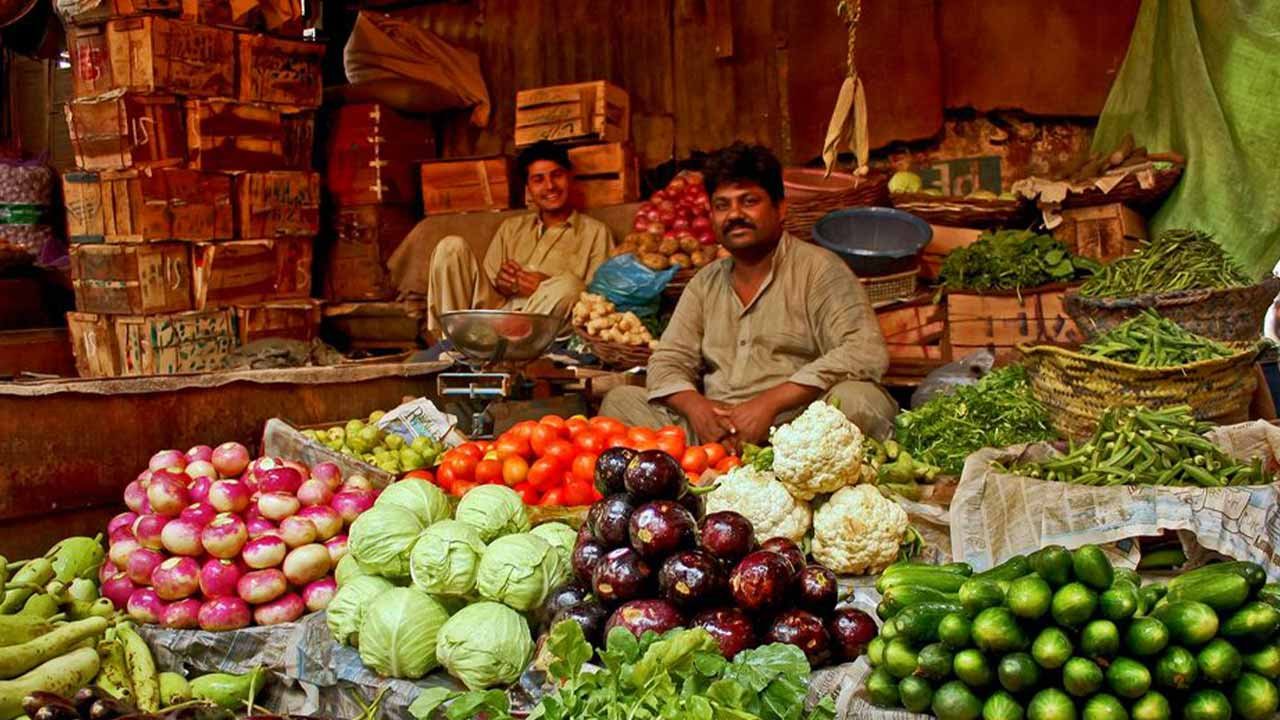
  • Price Monitoring Committee responds to alarming spike in food prices

    Price Monitoring Committee responds to alarming spike in food prices

    In response to the surge in food prices, the Food and Industries Departments of Punjab, Sindh, and KP have jointly implemented robust monitoring measures, including heavy fines, surprise raids, and the sealing of establishments engaging in price gouging.

    The Caretaker Minister for Planning, Development, and Special Initiatives, Muhammad Sami Saeed, led a crucial meeting of the National Price Monitoring Committee (NPMC) on Tuesday.

    The committee convened to assess the prices of essential commodities amid the current economic challenges.

    As of the week ending on January 11, 2024, the Chief Statistician, PBS, presented a comprehensive overview of the country’s price situation.

    The report revealed a 1.4 per cent increase in the SPI over the previous week (WoW) and a significant 44.2 per cent surge over the corresponding week of the previous year.

    The spike in SPI was primarily attributed to the increased prices of perishable items such as tomatoes and onions, as well as poultry products like chicken and eggs.

    Out of the 21 monitored items, prices for 21 increased, 8 decreased, and 22 remained stable. Noteworthy declines were observed in the prices of potatoes, vegetable ghee, and sugar.

    During the meeting, the minister inquired about the measures taken by provincial governments and ICT to bridge the gap between wholesale and retail prices.

    Representatives from the provincial Food and Industries Departments of Punjab, Sindh, and KP assured strict monitoring through the imposition of heavy fines, surprise raids, and the sealing of shops involved in overcharging.

    Despite challenges in the supply of perishable items due to extreme weather conditions, the meeting underscored the importance of addressing climate change.

    The administration of Punjab is actively working on controlling prices by sensitising Deputy Commissioners across the province.

  • Itni chuttiyan? KP announces six-day long Eid holiday

    Itni chuttiyan? KP announces six-day long Eid holiday

    The Khyber Pakhtunkhwa (KP) government has announced on Friday that official holidays on the occasion of Eid ul Fitr will be six days long.

    According to the notification issued by KP government, Eid holidays will start from April 21 and will conclude on April 26.

    The Federal and Punjab governments have announced a five-day holiday for Eid.

    The Central Ruet-e-Hilal Committee is set to meet on April 20 for sighting of the Eid ul Fitr crescent moon, a statement from the religious affairs ministry said on Tuesday.

    This year, the holy month of Ramazan started on March 23.

  • Monitoring committee takes action against use of luxury cars by officials to cut expenses

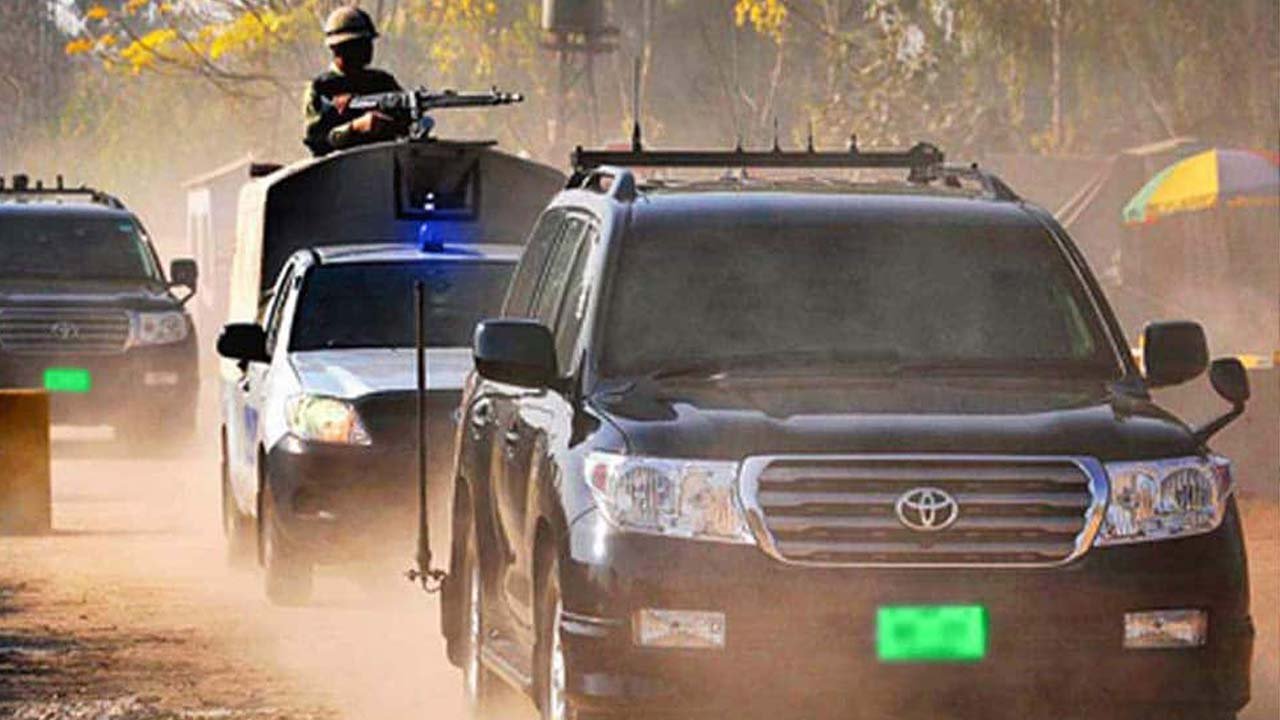
    Monitoring committee takes action against use of luxury cars by officials to cut expenses

    State-run Radio Pakistan has reported that the monitoring committee responsible for overseeing the implementation of austerity measures has expressed serious concerns about some officers using vehicles above 1,800cc.

    The committee, chaired by Finance Minister Ishaq Dar, met in Islamabad on Monday to review the implementation of the decisions made at its first meeting regarding austerity measures. As part of an austerity drive to save the government Rs200 billion ($766 million) a year, Prime Minister Shehbaz Sharif had asked ministers and advisers to fly economy class and forgo luxury cars and their salaries.

    These cuts were made as Pakistan, facing a balance of payment crisis, negotiates with the International Monetary Fund (IMF) to secure $1 billion in funds that have been pending since late last year over policy issues.

    The meeting today was updated on the status of the use of luxury vehicles and was informed that a majority of the allocated vehicles have been returned by cabinet members. However, the committee expressed concerns over the non-return of the remaining luxury vehicles and directed the Cabinet Division to strictly implement the decision and retrieve the luxury vehicles within three days. The committee also discussed the withdrawal of the use of security vehicles and decided to implement the decision.

    Furthermore, the Ministry of Law and Justice was tasked with suggesting the implementation of austerity measures in the judiciary to the superior judiciary and approaching the Senate chairman and National Assembly speaker to suggest the use of teleconferences for all meetings to save time and expenditure. The Ministry of Inter-Provincial Coordination has also approached provincial governments to suggest the implementation of similar austerity measures.

    The committee also deliberated on working timings and decided that the new timing for office work will be 7:30 am to 2:30 pm, and up to 12:30 pm on Fridays, starting from the first of Ramzan and will be followed in the summer season, as per the cabinet’s decision. A notification will be issued accordingly. The finance minister, speaking at the occasion, directed all to expedite the implementation of austerity measures with sincerity and true spirit without any exception. These cuts are part of an effort to prevent an economic meltdown as Pakistan’s foreign exchange reserves have fallen below a month’s import cover.

  • PTI finalises Hammad Azhar as its official candidate for Lahore mayorship

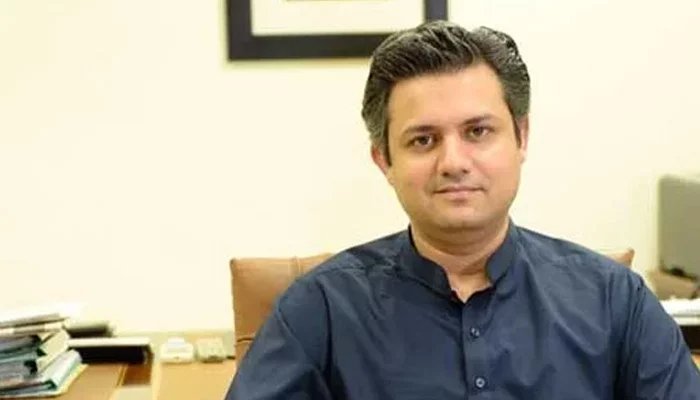
    PTI finalises Hammad Azhar as its official candidate for Lahore mayorship

    The ruling Pakistan Tehreek-e-Insaf (PTI) has finalised the name of current Federal Energy Minister Hammad Azhar as its official candidate for the slot of Lahore Mayor.

    A source told Business Recorder, “The party has short-listed his name that will be announced in due course of time; the party high-ups find him the fittest candidate to contest the Lahore Mayor elections. Azhar has shown willingness to give up his ministry and take part in the local bodies’ elections.”

    “Azhar has proven himself as a young energetic minister while heading important federal ministries. He is seen as a clean person full of energy,” the source added.

    Hammad has also served as the federal economic affairs minister and federal industries and production minister. He is the son of veteran politician and former Punjab Governor Mian Muhammad Azhar, thus has strong political roots in Lahore.

    Prior to this news, it was reported that the party had offered the candidacy to Punjab Health Minister Dr Yasmin Rashid.

  • ‘You asserted yourself as rightful stakeholders,’ Jibran congratulates students after some exams are cancelled by govt

    ‘You asserted yourself as rightful stakeholders,’ Jibran congratulates students after some exams are cancelled by govt

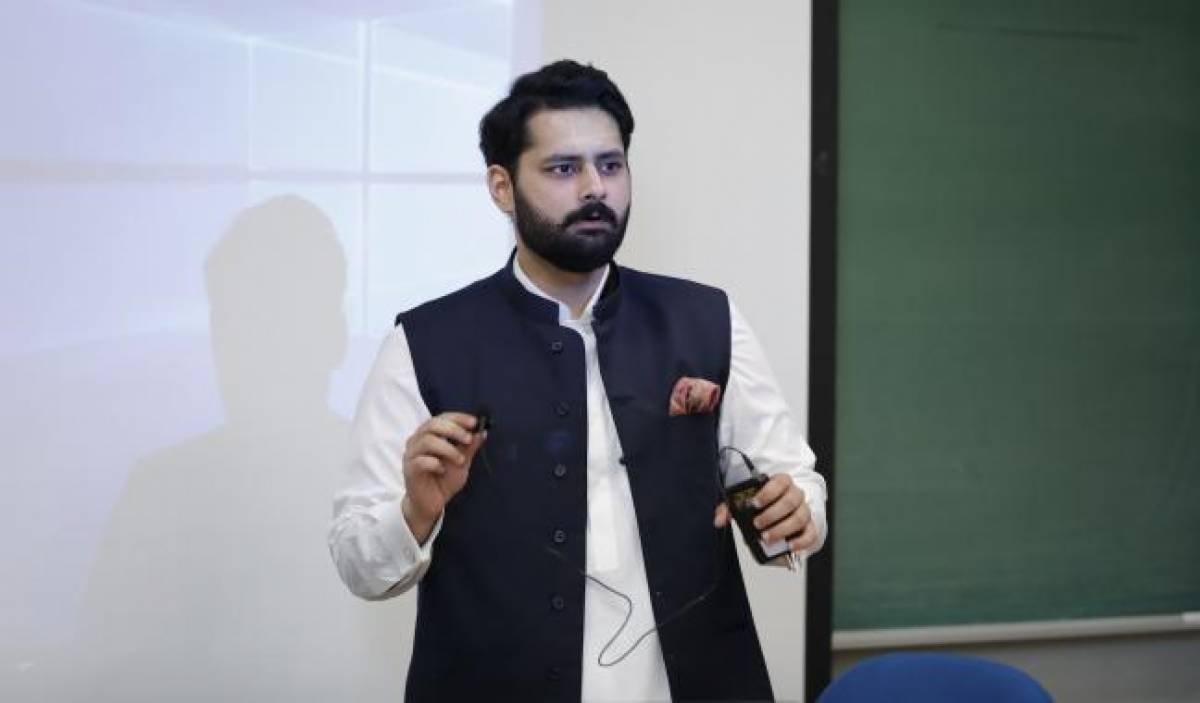
    After the government announced that only elective exams and math papers would be taken by students, Pakistani Civil Rights Activist and Lawyer, Jibran Nasir, thanked the government for its prudent decision and congratulated students on gaining ‘relaxation from their exams’.

    Prior to the government’s announcement, Jibran strongly defended students against the government’s stance of having physical exams on schedule.

    Federal Minister of Education Shafqat Mahmood said that the issue of resolving complaints of non-completion of courses by the students was discussed in a meeting on Wednesday.

    “Several months ago, we reduced the curriculum by 40 per cent to make it easier for teachers and students to prepare,” said the minister.

    But Jibran stated otherwise. Speaking on a morning show on HUM News, ‘Subah Say Agay’, Jibran said, “The primary issue faced by students is that they were previously examined for a nine-month course, when schools used to conduct exams for four months. At present, each student was offered only two months of classes, and students were asked to come to their respective institutions on alternate days.”

    Jibran further said that the government should take a decision that will allow students to get back to their institutions and complete their curriculum. “This debate is not for the private sector students but for the ones studying in public/government institutions, who do not have the facility or access to the internet,” added Jibran.

    Jibran compared the decision-making of the government by comparing the present conditions of the students of Pakistan to India. “With a much bigger student population, India still managed to develop a local alternative to exams like school assessed grades (SAG) and in Pakistan, we can’t even complete syllabus,” tweeted Jibran.

    Jibran took a jibe at the government and tweeted, “Pak Govt: Our students are lazy, they want a free ride, they don’t want to study.”

  • Imran govt for tightening of noose around necks of ‘sugar daddies’

    Imran govt for tightening of noose around necks of ‘sugar daddies’

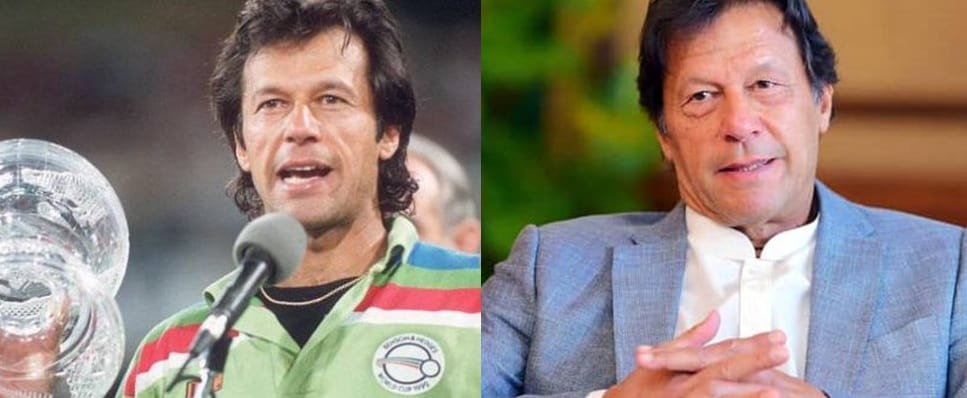
    Prime Minister (PM) Imran Khan’s aide on accountability Shahzad Akbar has unveiled a comprehensive action plan outlined by the government to take to task the “sugar daddies” identified by the sugar inquiry commission as well as for an overall overhauling of the regulatory framework which had all the while “been in cahoots with the sugar mills”, Geo reported.

    “Imran Khan was given a mandate for accountability in 2018. His 22-year political struggle has been for the same. For accountability of the powerful and influential. This was a big test for that mandate,” said Akbar, during a press conference in Islamabad alongside Information Minister Shibli Faraz.

    Referring to the all parties conference called by the PPP in Punjab, Akbar went on to say, “This is not an all parties conference, it is an all sugar daddies conference.”

    Akbar said that no matter how powerful a person is, no matter the party they belong to, or however wealthy, “no exceptions can be made” for anyone, and this was the line of inquiry followed by the probe commission.

    “Transparency is of utmost importance when it comes to accountability. Before we take action over whatever matter is being pursued, it must be put before the people. That is why the report was made public,” said the premier’s aide.

    He said the public, farmers, as well as industrial experts had been consulted over an “action matrix” that was developed.

    Akbar said that the PM had approved three sets of actions during a meeting in Bani Gala earlier in the day, which he then proceeded to delineate.

    These actions form the first set of actions approved by the premier and consist of the punishments to be given as well as the recovery mechanism to be enacted.

    Within the broad category, seven major actions, including investigation of subsidy scandal, investigation of income and sales tax fraud, evasion and benami transactions, investigation of cartelisation, inquiry and investigation of export proceeds, loan defaults, write-offs and sale of pledged stocks, investigation of corporate fraud, investigation of potentially fake exports to Afghanistan and money laundering, and breach of provincial laws, were recommended.

  • Pakistan deploys militant-tracking technology to trace coronavirus patients

    Pakistan deploys militant-tracking technology to trace coronavirus patients

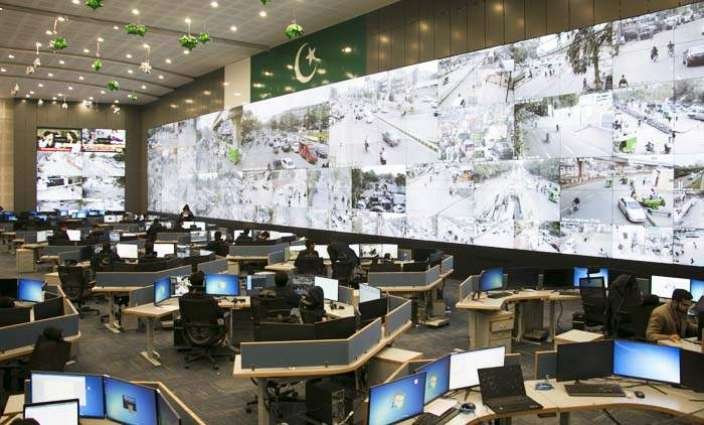
    Pakistani intelligence service is deploying surveillance technology to track suspected and confirmed patients of coronavirus, which is usually used to locate high-value militants.

    The development came after Prime Minister (PM) Imran Khan announced seeking assistance from the Inter-Services Intelligence (ISI) for tackling the virus.

    Details of the project have not yet been made public but two officials told AFP that the spy agency was using geo-fencing and phone-monitoring systems for monitoring.

    Geo-fencing, a strategic tracking system alerts authorities when a suspect leaves a specific geographic area. This tool is also helping officials to monitor neighbourhoods during the lockdown.

    Authorities are also tapping phone calls of COVID-19 patients to check, whether their contacts are talking about having symptoms.

    Speaking on conditions of anonymity, a senior security official said that the trace-and-track system helped authorities track the mobile phones of coronavirus patients as well as anyone they get in touch with before or after their disappearance.

    “The government has been successful in tracing even those who tested positive but went into hiding,” added the official.

    “It was originally used against terrorism, but now they can be used effectively to trace-and-track corona patients,” they maintained.

    Rights groups, on the other hand, are concerned that institutions with such power can abuse their sweeping surveillance to curb political dissidents.

    Countries across the world have employed track-and-trace methods to control the virus spread, raising privacy concerns.

    More than 61,000 people in Pakistan have tested positive and more than 1,200 patients have died.

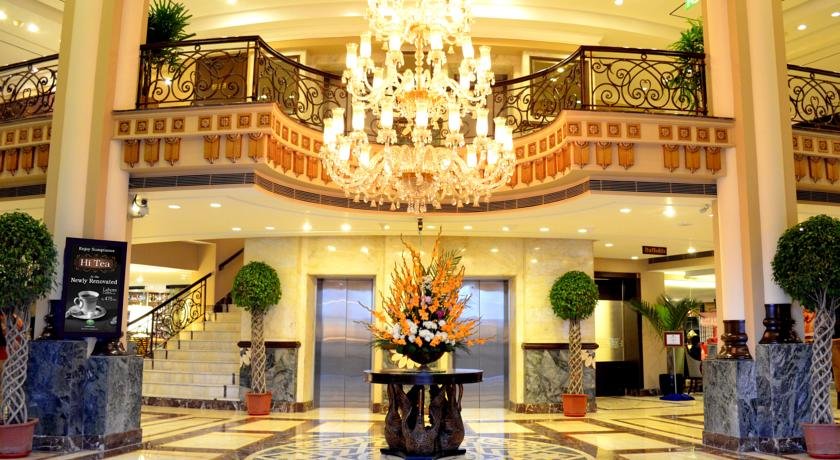
  • Coronavirus: Provinces asked to convert top hotels into quarantine centres

    Coronavirus: Provinces asked to convert top hotels into quarantine centres

    The National Disaster Management Authority (NDMA) has asked provinces to convert all 3 and 4-star hotels into quarantine centres in the fight against the new coronavirus, ARY reported.

    According to reports, the NDMA has written a letter to the federal interior secretary and all four provincial chief secretaries in this regard.

    The move comes after Pakistan witnessed an increase in COVID-19 cases over the ongoing week.

    In the letter, the NDMA has said it is necessary to take preventative measures against the coronavirus as per World Health Organization (WHO) guidelines.

    The hotels will be made into quarantine centres with one person in one room, the report said.

    It merits a mention here that the number of novel coronavirus cases in Pakistan has surged to 341 with two confirmed deaths in Mardan and Hangu.

    Meanwhile, the number of recovered patients in Pakistan stands at three.