Tag: PTI government

  • Ali Haider Zaidi accepts that PTI government relied too much on Gen Faiz

    Ali Haider Zaidi accepts that PTI government relied too much on Gen Faiz

    In a talk show on ARY News, Kashif Abbasi asked senior Pakistan Tehreek-e-Insaf (PTI) leader Ali Haider Zaidi about the biggest mistake of the PTI government in his personal opinion. Zaidi remarked that their handling of political matters was weak.

    When the anchor asked the PTI leader whether there was too much reliance on General Faiz and establishment on convincing other MNAs on passing any bills in the parliament, Zaidi replied, “Imran Khan has accepted this himself, Khan said that we [Khan and establishment] were on very good terms and they used to help us during passing of budgets.”

    He remarked that in hindsight that was the biggest mistake PTI government made during their tenure but at the time it was difficult to comprehend due to the fog of war.

    He also emphasized that in every democratic society, decision-making should be completely political.

    Ali Zaidi said that he’s not coming back to politics until he “clears a lot of things with Imran Khan”. And then he asked the anchor, “Have I ever said anything against Imran Khan? Have I ever tweeted against PTI? Did I say anything against PTI since I’ve been in your program?”

    He blamed the party’s Core Committee for letting his family be vilified online due to their deliberate lies. “My daughter comes home from school and asks what they are saying about us,” he recounted.

    He emphasized that the committee members deliberately lie to get to upper ranks and expose internal party differences in public. He said that he would need to talk these things over with Imran Khan and let him know what these people did to us.

  • Ali Amin Gandapur elected KP chief minister

    Ali Amin Gandapur elected KP chief minister

    Ali Amin Gandapur, leader of the Pakistan Tehreek-e-Insaf (PTI), contested as an independent candidate in the recent elections in Khyber Pakhtunkhwa. He won the vote to become the new chief minister of the province on Friday afternoon, after the voting finished in the Khyber Pakhtunkhwa (KP) Assembly.

    PTI founder Imran Khan has nominated Ali Amin Gandapur as the party’s candidate for KP Chief Minister. There is a high chance of his winning based on the number of PTI-backed members in the provincial assembly.

    The former federal minister decided to contest the top provincial post in an independent capacity after refusing to join the Sunni Ittehad Council (SIC) — the party which was joined by PTI-backed independent winners to claim their seats.

    Gandapur was the former federal minister of Kashmir affairs and Gilgit-Baltistan during the PTI government in the centre from October 2018 to April 2022.

    Previously, he was a member of the KP Assembly from 2013 to 2018 and served as provincial minister of Khyber Pakhtunkhwa for revenue.

  • ‘Pakistan’s economy performed best under Nawaz Sharif’: Bloomberg

    ‘Pakistan’s economy performed best under Nawaz Sharif’: Bloomberg

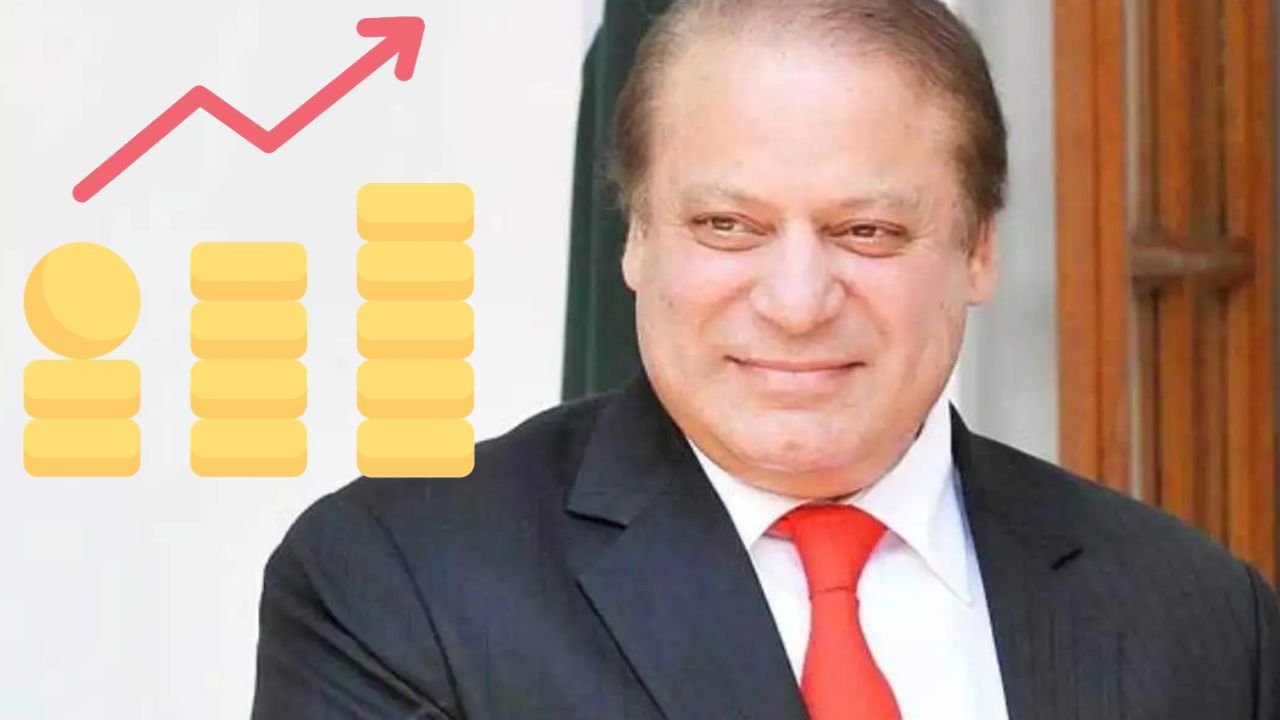
    An analysis by Bloomberg Economics reveals that Pakistan’s economy witnessed its best performance in the past three decades under the leadership of Nawaz Sharif, who served as Prime Minister thrice.

    The report compares economic indicators during Sharif’s tenure with those of his rivals, including Imran Khan’s Pakistan Tehreek-e-Insaf (PTI) and Bilawal Bhutto Zardari’s Pakistan Peoples Party (PPP), using a misery index that combines inflation and unemployment rates.

    According to Bloomberg Economics, the analysis utilized an average of the misery index values over the years when each major political party ruled Pakistan since 1990.

    The results indicate that Sharif’s Pakistan Muslim League (PML-N) outperformed both PTI and PPP in managing economic challenges.

    With general elections scheduled for February 8, Bloomberg suggests that Nawaz Sharif seems poised to return to power for the fourth time, especially as Imran Khan faces legal issues and incarceration.

    Despite Khan’s popularity, with a 57% approval rating according to a recent Gallup poll, Sharif has experienced a surge in popularity from 36% to 52% in the past six months.

    The past three decades saw the PML-N rule Pakistan four times under Sharif and his younger brother Shehbaz Sharif. The PPP under the Bhutto dynasty has held power three times, while Khan was in office for a four-year term ending in April 2022 when he was ousted from power in a parliamentary no-trust vote.

    “Bloomberg Economics used an average of the index values over the respective years when each of the major political parties ruled the country since 1990. A higher value indicates more economic hardship for citizens,” the publication said, explaining its conclusions.

    Bloomberg Economics Misery Index Results for Pakistan showed the Pakistan Muslim League scored 14.5 percent, Pakistan Tehreek-e-Insaf 16.1 percent, and the Pakistan Peoples Party 17.2 percent.

    Pakistan is currently grappling with economic challenges, including seeking a financial bailout from the International Monetary Fund (IMF).

    Inflation is close to 30 percent in Pakistan, the currency was Asia’s worst performer last year and foreign exchange reserves have slumped.

    The incoming government, as per IMF conditions, will need to implement potentially unpopular policies such as withdrawing subsidies and raising taxes. The IMF forecasts a 2% growth in Pakistan’s economy for the current fiscal year after experiencing a contraction in the previous year.

    Despite the positive economic indicators during Sharif’s governance, the report underscores the formidable tasks awaiting the new government in addressing the country’s economic hardships.

  • Jahangir Tareen faces tough challenges in Lodhran

    Jahangir Tareen faces tough challenges in Lodhran

    As the nation gears up for the upcoming general elections, political tensions have intensified in Lodhran district, specifically between the Pakistan Muslim League-Nawaz (PML-N) and the newly emerged Istehkam-i-Pakistan Party (IPP).

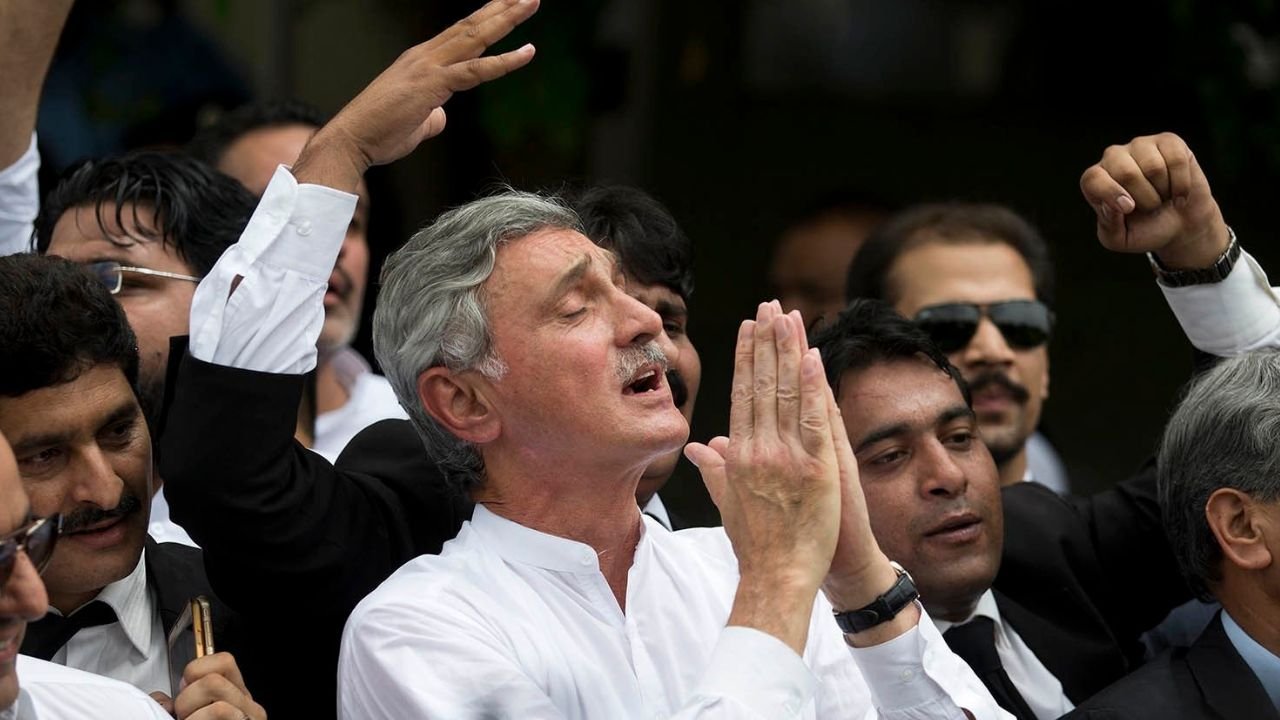
    Failure to reach a seat adjustment formula between the two parties may result in a challenging electoral battle for Jahangir Tareen, the chief of the IPP, in his native district of NA-155.

    Reports from Dawn indicate that Jahangir Tareen, strategically evaluating the situation, has taken preemptive measures by filing nomination papers for NA-149 in Multan as well.

    Tareen has submitted papers for two National Assembly seats and four Punjab Assembly seats, indicating a readiness for multiple contingencies.

    The primary contender against Tareen, PML-N’s Abdul Rehman Kanju, has publicly opposed any seat adjustment with the IPP. Kanju has urged the party leadership not to impose such an arrangement, potentially setting the stage for fierce competition in Lodhran.

    Amid this uncertainty, 14 candidates have submitted their nomination papers for NA-154 (Lodhran), including notable figures such as Abdul Rehman Kanju and Imtiaz Begum.

    Meanwhile, 14 candidates who submitted their nomination papers from NA-154 (Lodhran) include PML-N divisional president and ex-interior state minister Abdul Rehman Kanju, and his mother Imtiaz Begum, PTI leader Akhtar Khan Kanju (an uncle of Abdul Rehman Kanju), ex-MNA Nawab Amanullah Khan, Ajmal Khan Kanju, Rana Faraz Noon, Rana Afzal Noon, Pir Raza Shah, Imdadullah Abbasi of PPP, Sohail Khan Kanju, Muhammad Zubair, Zafar Iqbal, Irfan Ahmed and Ismat Bibi.

    As many as 20 candidates have filed papers from NA-155, including Jahangir Tareen, former MNA Siddique Khan Baloch, ex-MNA of PTI Muhammad Iqbal Shah, his son, ex-MPA Aamir Iqbal Shah, Mudassar Jahanzeb Shah, Rana Muhammad Rafiq of the Tehreek-i-Labbaik Pakistan (TLP), Shah Nawaz of the PPP, Ziaul Rehman Tamimi of the Jamiat Ulema-e-Islam (JUI), Sajid Iqbal of Pakistan Markazi Muslim League, Saleem Abbas of Saraiki Democratic Alliance, Muhammad Akram Qaiser, Muhammad Qasim, Ghulam Mustafa, Wasim Ahmed, Ahmed Deen Malik, and Nafees Murad Meo.

    A total of 19 candidates have filed papers from provincial assembly constituency PP-225 (Lodhran -1), They include Abdul Rehman Kanju, ex-minister Jail Zawwar Hussain Waraich, ex-MPA Pirzada Jahangir Bhutta, Tahir Hussain Khan, Muhammad Razaq, Muhammad Saleem Akhtar, Ashiq Hussain Baloch, Imran Habib Bhutta, Kaleem Hassan, Ali Hassan, Nadira Hayatullah, Aftab Ali Babar, Muhammad Mubeen, Mumtaz Hussain Baloch, Shazia Hayat Tareen, Intizar Ahmad Attari, Muhammad Yuosuf, Rab Nawaz Khan and Waseem Abbas.

  • PPP leader Abdul Qadir Baloch proposes election delay in security challenged regions

    PPP leader Abdul Qadir Baloch proposes election delay in security challenged regions

    Former federal minister and Pakistan People’s Party (PPP) leader Abdul Qadir Baloch has recommended postponing the general elections in areas that are not safe or facing security challenges.

    The PPP leader said in an interview on Saturday that by-polls can be conducted in these areas later, stressing that it will not be good to postpone general elections due to just six or seven constituencies.

    “Attacks by TTP in Balochistan are way higher than those by Baloch separatists,” the PPP leader said, adding that the terrorist organisation often targets Kalat, Mastung, and neighbouring areas.

    He also said that security threats are real because Baloch separatists don’t believe in the politics of parliament, calling the elements a hurdle for politicians to run their election campaigns.

    Abdul Qadir Baloch then said that interior minister Sarfraz Bugti should not have publicly talked to the media about threats to Jamiat Ulema-e-Islam (JUI-F) chief Maulana Fazlur Rehman, adding that it’s the caretaker government’s responsibility to give security to all politicians.

  • Imran Khan recognized selecting Usman Buzdar as CM Punjab was mistake: Zulfi Bukhari

    Imran Khan recognized selecting Usman Buzdar as CM Punjab was mistake: Zulfi Bukhari

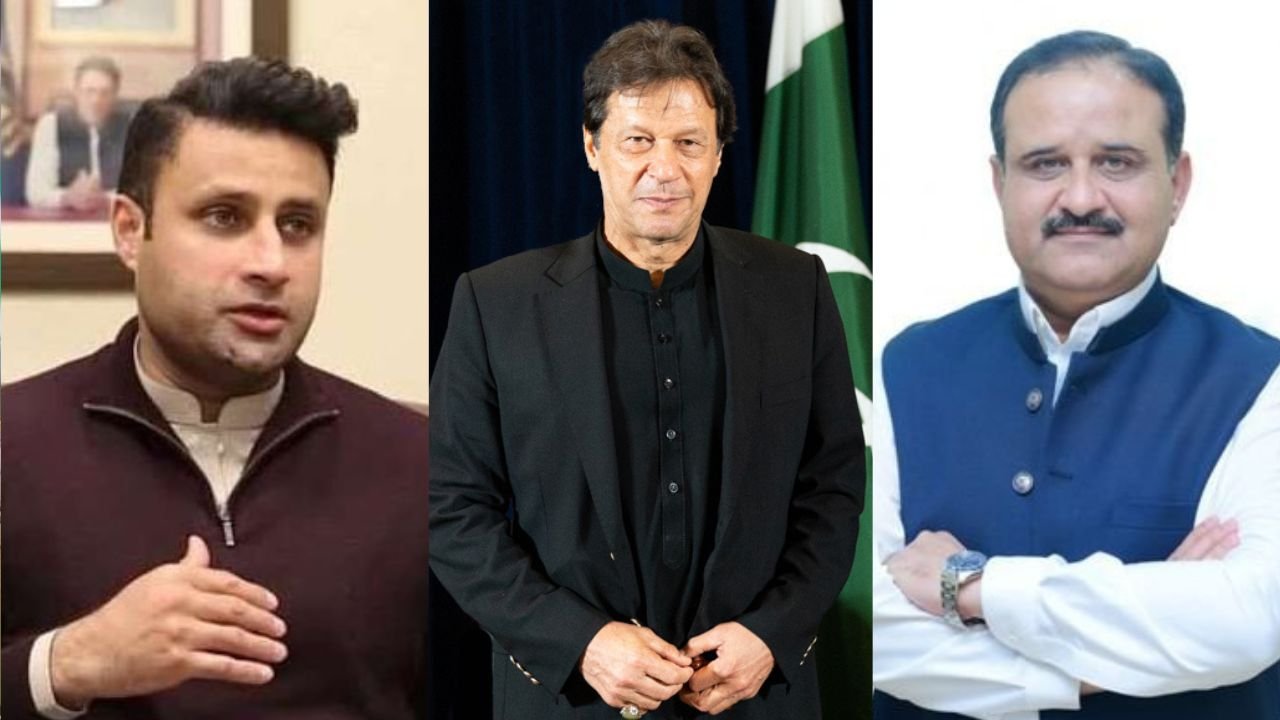
    In a candid discourse at the School of Oriental and African Studies (SOAS) University of London, Sayed Zulfikar Abbas Bukhari, a close aide to Pakistan Tehreek-e-Insaf (PTI) Chairman Imran Khan, publicly acknowledged that appointing Usman Buzdar as Chief Minister of Punjab was a monumental mistake for the party, as per Geo News.

    Speaking on the theme of “Democracy in Crisis,” organized by the SOAS Pakistan Discussion Forum, Bukhari delved into the intricacies of PTI’s nearly four-year tenure, addressing critical questions from the student audience.

    Bukhari disclosed that Imran Khan himself recognized the misstep in selecting Usman Buzdar for the pivotal role of Punjab Chief Minister.

    “There was Aleem Khan group and other power groups. There would have been a war within the PTI if Buzdar was removed and Imran Khan did the right thing by sticking to him, to avoid the war within,” said Bukhari.

    The former special assistant to the Prime Minister, now residing in London and active in advocating for Imran Khan’s case on international media, expressed his reservations about Buzdar’s performance.

    He asserted that Buzdar’s incapacity to deliver effectively was evident

    He said: “I don’t think he was a good chief minister and was able to perform and deliver. By the time calls against Buzdar grew after two years, it was too late and changing him after a year or two would have made the post a revolving door. Nobody would say Usman Buzdar was a good decision but we supported his decisions.”

    Addressing recent controversies, Bukhari distanced himself and PTI from Farah Gogi, best friend and confidante of former first lady Bushra Bibi. He emphasized that if allegations of Gogi’s corruption were true, she should face strict legal consequences.

    Responding to questions about Imran Khan’s defense of Gogi in the media, Bukhari clarified that Khan was unaware of Gogi’s business dealings and that investigating her was not within his purview.

    The former special assistant to PM also condemned the May 9 attacks on military installations.

    “We have condemned all forms of violence, especially the attack on Jinnah House which has a sacred value. We have always stood against violence. Ordinary people say things in the heat of emotions. It’s the job of the leadership to positively tunnel their emotions towards a democratic process to bring about a real change. We are the biggest stakeholder being the biggest political party and we will get more losses than others in any such scenario,” said Bukhari.

    Imran Khan’s former special assistant claimed that over 13,000 activists were arrested after May 9 and put in dire conditions but the rest have been released and around 7,000 remain in jails.

    Acknowledging PTI’s mistakes during their governance, Bukhari asserted that with a different leadership in place, those errors would not be repeated if given another chance.

    He expressed willingness to engage in dialogue with all political parties, including PML-N and PPP, for the betterment of elections and democracy.

    “We want them to sit with us and talk about elections and democracy,” said the PTI leader.

    He also revealed that things were initially fine between PTI and the army but issues started later on.

    He said: “As far as General Bajwa is concerned, he could have suggested things to the PM and not dictate.”

    Answering a question, Bukhari said that two people closest to Imran Khan during the PTI govt were behind making a false case against him.

    “The Ring Road case against me was framed by two people who were then closest to Imran Khan: one of them (Azam Khan) has now become an approver against Khan and another (Shehzad Akbar) has left Pakistan. The purpose was to campaign against me. I resigned from my position and didn’t return to the government after that.”

  • Moments when we miss Imran Khan

    Moments when we miss Imran Khan

    Today is Imran Khan’s 71st birthday and as much as PTI followers are missing his birthday celebrations, we miss him the most when we are cutting birthday cake, waiting to eat it all by ourselves.

    Of course, he is the one who we miss today as ICC World Cup is starting. Many are drawing parallels with 1992 when Pakistan Won the World Cup under Imran’s captaincy.

    All pet lovers know that Khan is indeed a pet lover and he used to spend a significant time with his dogs.

    For me, another cute memory is him having a fun time with Pervez Khattak in a chair lift.

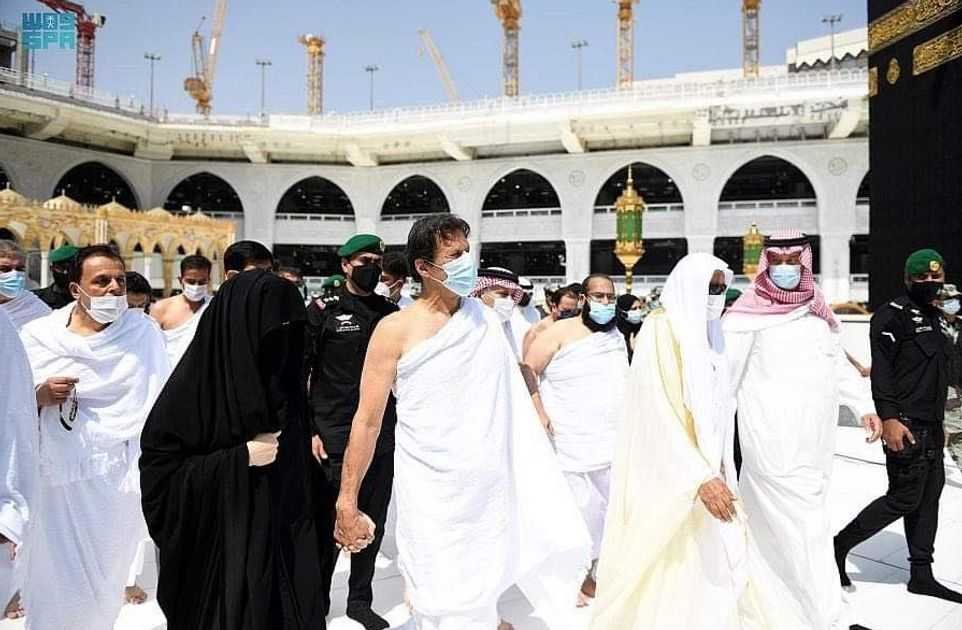
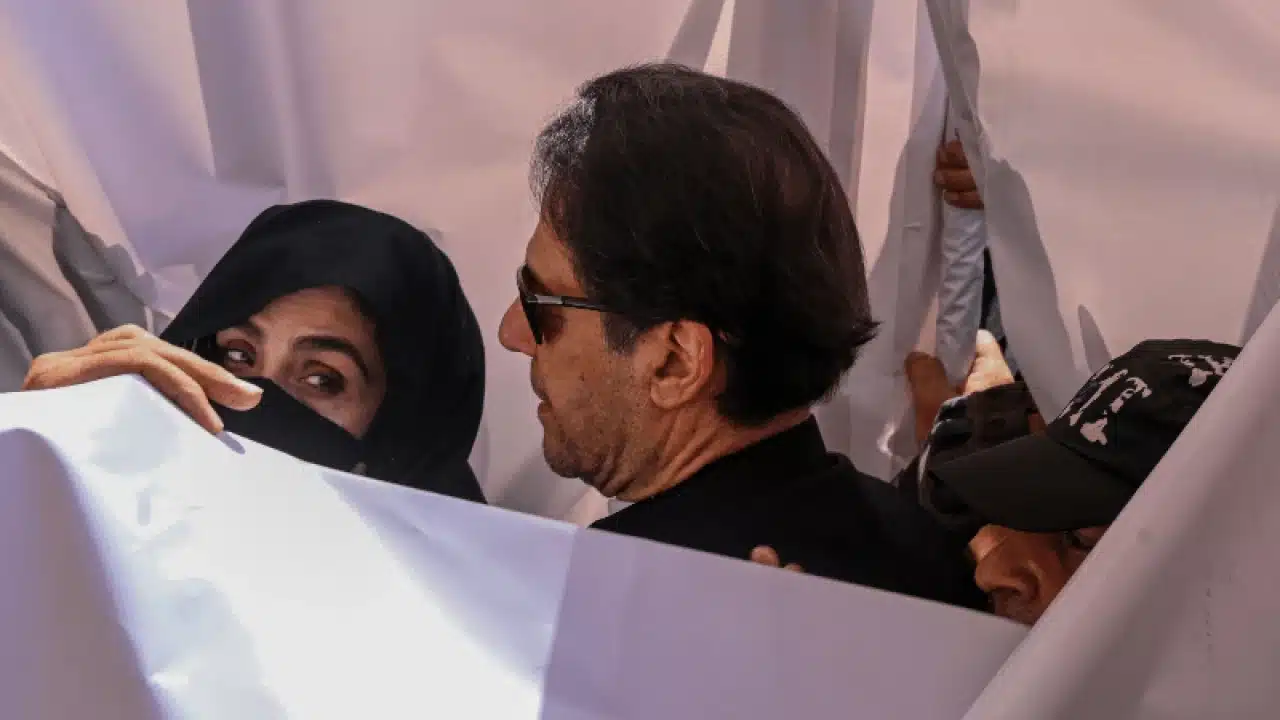
    For all the right reasons, we can’t forget his romantic and protective side for his wife, Bushra Bibi.

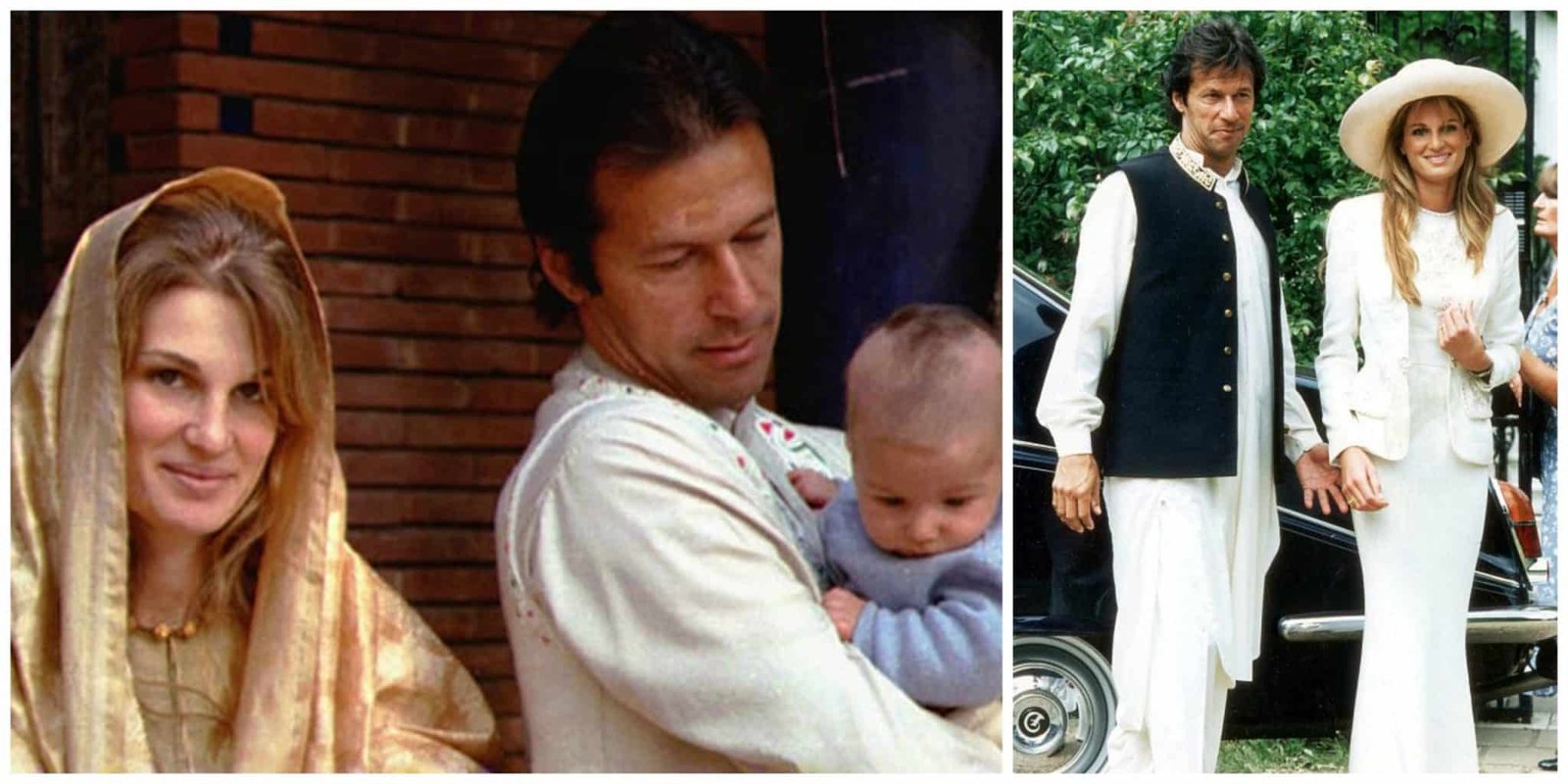
    Nothing can be said about Imran Khan without mentioning Jemima, his first wife. For a few years, they did give a lot of young couples a happy ideal marriage to emulate.

  • PDM govt adds Rs18.5 trillion to Pakistan’s debt in just 15 months

    PDM govt adds Rs18.5 trillion to Pakistan’s debt in just 15 months

    In a span of just 15 months, the Pakistan Democratic Movement (PDM) government has significantly added Rs18.5 trillion to the country’s public debt, a striking amount surpassing the debt accumulation of its rival, the Pakistan Tehreek-e-Insaf (PTI), during its three-and-a-half-year tenure.

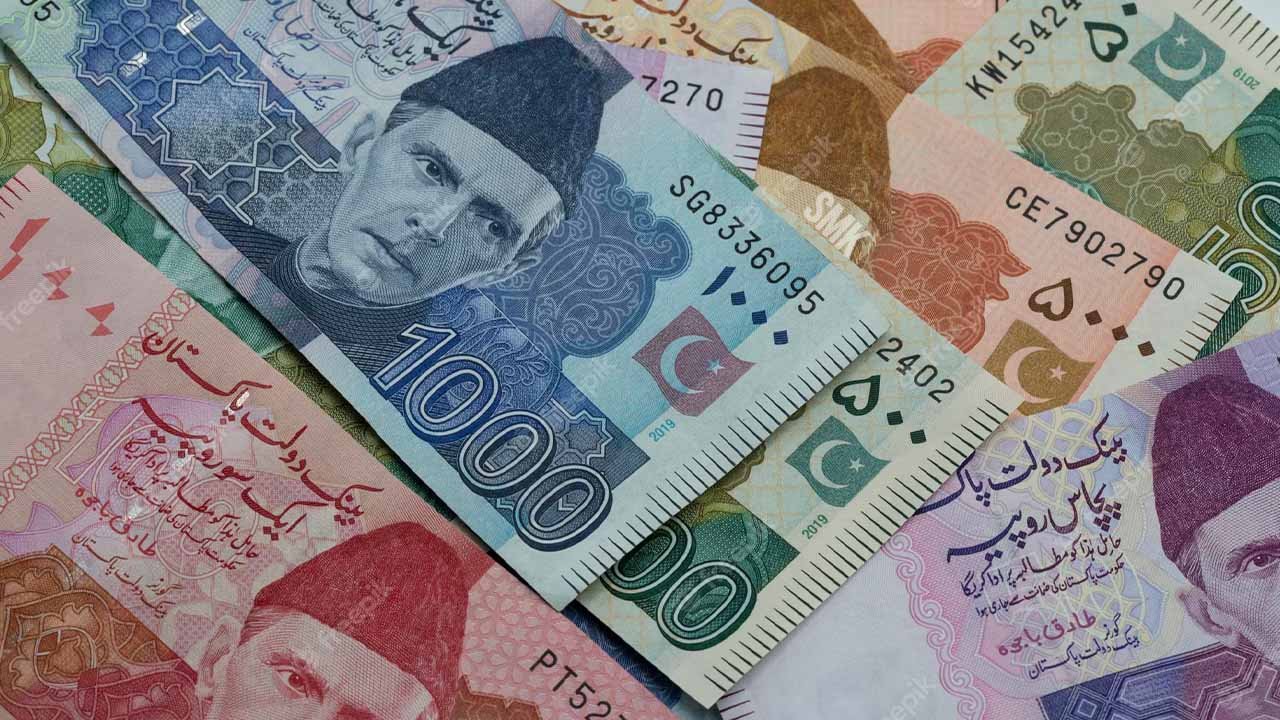
    Between March 2022 and the close of the 2022–23 fiscal year, the gross public debt surged from Rs44.4 trillion to Rs62.9 trillion. This rapid increase of 41.7 per cent in just 15 months occurred without a well-defined strategy to curb it. As a result, the federal government’s debt, for which the finance ministry bears direct responsibility, escalated to Rs60.8 trillion by June 2023. The debt bulletin, published on a recent Wednesday, indicates an addition of Rs18 trillion during the PDM government’s one year and three months in power.

    As per a report in the Express Tribune by Shehbaz Rana, this unsustainable surge in public debt is mainly ascribed to unregulated spending, insufficient revenue collection from areas such as real estate, services, and agriculture, alongside the diminishing value of the Pakistani rupee in comparison to the US dollar.

    It’s worth noting that the government under Imran Khan added Rs18.1 trillion to the public debt over a span of 44 months, a threshold that the current administration led by Shehbaz Sharif managed to surpass in just 15 months. However, it’s important to mention that the debt figure for July has yet to be compiled by the State Bank of Pakistan.

    This trend becomes even more significant when we consider that the combined debt addition by the Pakistan Peoples Party (PPP) and the Pakistan Muslim League-Nawaz (PML-N) from 2008 to 2018 was Rs18 trillion. Another Rs18 trillion was added from August 2018 to March 2022 during Imran Khan’s government, and now the PDM government has contributed an additional Rs18.5 trillion in a remarkably brief period of 15 months.

    Comparatively, from September 1, 2018, to the end of March 2022, the PTI government, on average, increased the public debt by Rs14.5 billion per day, more than double the average daily increase of Rs5.6 billion during the PML-N period. The PDM government has further escalated this daily addition to an average of Rs41 billion.

    By the time the PTI government’s term concluded, the total public debt amounted to Rs44.4 trillion, equivalent to 83.5 per cent of the gross domestic product (GDP) before the economy’s rebasing. Following the rebasing process, there was a 15 per cent reduction in public debt relative to GDP but no reduction in absolute terms.

    At present, the public debt constitutes 74.3 per cent of the GDP. Steep currency depreciation has also contributed to the federal government’s debt. Over the past 15 months, the total domestic debt of the federal government surged to Rs38.8 trillion, an addition of Rs10.8 trillion (or 38 per cent). When Imran Khan left office, the domestic debt stood at Rs28 trillion.

    Alarmingly, the external debt of the federal government surged by 48 per cent to Rs22 trillion within just 15 months, with a net increase of Rs7.1 trillion attributed largely to currency depreciation. By the end of March 2022, the external debt, excluding IMF liabilities, was Rs14.9 trillion.

    External debt constitutes roughly 36 per cent of the total debt, and fluctuations in the exchange rate have a significant impact on debt even without borrowing additional funds. In a span of 15 months, the rupee-dollar parity plummeted from Rs183.5 to Rs286.4, a decline of Rs103 or 56 per cent. This substantial and rapid depreciation has also contributed to inflation.

    On a recent Wednesday, the rupee slid further to Rs295. An immediate outcome of this mounting debt is a considerable rise in the cost of debt servicing. It is projected that debt servicing will exceed Rs5.8 trillion by the end of the last fiscal year. 

    As a result of reckless borrowing, Pakistan’s total debt and liabilities have surged to Rs77.1 trillion, equivalent to 91.1 per cent of the national economy’s size. This ratio is deemed unsustainable for a developing nation like Pakistan.

    During the past four years of the IMF programme, Pakistan struggled to enhance the Federal Board of Revenue’s (FBR) tax-to-GDP ratio, despite it being a priority for both the IMF and the World Bank.

    This raises concerns about the effectiveness of obtaining foreign loans for the sake of tax reform. Moreover, there has been a lack of serious efforts to control expenditures. The Shehbaz Sharif government, like its predecessors, continued to allocate funds to projects and initiatives that fall under provincial jurisdiction as per the constitution.
  • ‘Apologise to the nation for record-high 38% inflation’: PTI wants Dar to resign

    ‘Apologise to the nation for record-high 38% inflation’: PTI wants Dar to resign

    A spokesperson for Pakistan Tehreek-e-Insaf (PTI) in a statement on Friday said that they want Finance Minister Ishaq Dar to resign and apologise to citizens for taking the country to the brink of default and unleashing 38 percent inflation.

    The PTI spokesperson further said that the Economic Survey FY2023 “paints a truly dismal picture of the economy”.

    “The epic failure of the PDM government has led to a ‘never-seen-before’ crisis with eight million workers becoming unemployed in FY2023, the unemployment rate rising to 10%, and causing nearly 18 million households to fall below the poverty line.”

    “The epic failure of his ‘Dar peg’ policy has showcased again why we believe he is unfit for this job, with a complete lack of basic understanding of markets and economic policy. This policy has brought the economy to the brink of a default, with SBP reserves now standing at only $3.9bn, not even enough to finance one month of imports. They were $10.5 billion at the time of the VONC,” the statement added.

    Amidst the economic crisis, the coalition government presented an expansionary budget for fiscal year 2023-24 on Friday.

  • ‘Moved from a small jail to a bigger one’: Asia Bibi reveals hardships, poverty in exile

    Asia Bibi has given her first interview since 2020 to New Lines Magazine. She left for Canada in 2019 after being acquitted by the Supreme Court of Pakistan in a false blasphemy case that led to a death sentence.

    Ailia Zehra writes that despite claims from right-wing groups that Bibi received funding from anti-Pakistani groups to live a comfortable lifestyle in Canada, the truth is far from it.

    Bibi was a farm labourer residing in the Nankana Sahib district in Punjab. In 2010, she was arrested under the blasphemy laws after an argument with her Muslim neighbours. In 2010, she was arrested and sentenced to death by a judge in Sheikhupura, while the verdict was upheld by the Lahore High Court.

    Local politicians like Salmaan Taseer, who was then the Governor of Punjab, and Shahbaz Bhatti, who was the Federal Minister for Minority Affairs and also a Christian, had condemned this arrest. Both were outspoken critics of the blasphemy law and vowed to release Bibi from prison. However, Taseer was shot dead by his bodyguard in 2011, while Bhatti was also assassinated the same year by the Pakistani Taliban.

    In 2018 when Bibi was cleared of blasphemy charges by the Supreme Court of Pakistan, Bibi was kept under protective custody for six months and then flown to Canada in secret where she reunited with her husband and two daughters.

    However, in this interview Bibi reveals that despite getting international support from organizations for her release, since her arrival in Canada she had not received financial support for her ailing husband and two disabled daughters. She works 14 hours a day at a menial job which is not able to cover her expenses. Her health is deteriorating because of a joint ailment.

    Bibi said that she was not able to bring her other three children with her. Her husband is unemployed and needs heavy medication without which he could get extremely sick. Bibi also got teary-eyed by opening up about not being able to visit her parents, as her mother passed away while she was in prison and her father is still in Pakistan.

    “My biggest sorrow is that I could not get to meet my father before coming to Canada. I will carry this grief in my heart for the rest of my life,” she said.

    Bibi also disclosed that there are no organizations to reach out to in order to get her children currently in Pakistan back to her, because the support she was offered at the time of her departure was limited.

    Since the three years Bibi and her family have been staying in Canada, she confessed that it has been incredibly hard to adjust to a new lifestyle because of the cultural and language barriers, especially the limited support from Pakistani authorities:

    “My husband and I are illiterate,” she confessed. “Our children could not get an education either. You could imagine how hard it would be for someone like us.”

    The article explained that although there are many government programs that provide facilities for refugees like Asia and her family, going through the process is over whelming as Bibi was not used to carrying out such procedures. On whether the Pakistani Consulate in Canada had reached out to help with facilities, Bibi said she couldn’t expect them to support her as she is still regarded as a criminal in Pakistan with extremist groups still targeting Christian communities:

    “Tehreek-e-Labbaik was asking the government to kill me,” Bibi said. “Under such circumstances, how can the government offer me support?”

    Although there was an outpouring of international support, after her escape to Canada media attention faded away and left her with little support to fend for herself and her family:

    “Many individuals who used my name to make money have also forgotten me…After my release, I felt like I had been moved from a small jail to a bigger one. During the six months I spent in protective custody, I feared I would be killed or sent back to jail.”