Tag: PTI government

  • ‘Arab rulers who presented gifts to PM Khan didn’t want their names to be made public’: Fawad

    Federal Minister for Information and Broadcasting Fawad Chaudhry recently revealed that Arab rulers who presented gifts to the Prime Minister (PM) of Pakistan “did not want their names to be made public”.

    While speaking on Geo News programme ‘Jirga’ with senior journalist Saleem Safi on Sunday, Fawad stated, “Previously, the heads of the government were allowed to take gifts after paying 15 per cent of the actual price.”

    “Vehicles were considered personal gifts, but former president Asif Ali Zardari changed the law for personal interest,” he added while criticising the past governments.

    Talking about the local elections in the country, the minister admitted that the Pakistan Tehreek-e-Insaf (PTI) government’s biggest failure was “not holding local body elections” in Pakistan. Moreover, he said that the local bodies, formed by former Chief Minister (CM) Shehbaz Sharif, were not effective and could not be restored on a technical basis.

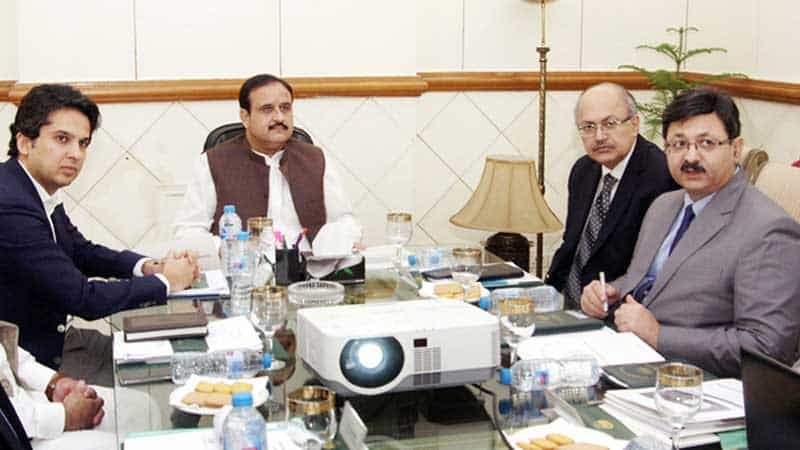
    He added that PM insisted on having elections but members within the party, including Chief Minister Punjab Usman Buzdar, didn’t agree to it.

    He further said that a review petition against the restoration of the local bodies is being heard in the Supreme Court (SC).

    Chaudhry said that the government has no personal rivalry with the Election Commission of Pakistan (ECP) but the election body directly attacked the PM during the Senate polls.

    Furthermore, he revealed a total of 0.6 million Election Voting Machines (EVM) will be required for the upcoming general elections of 2023.

    Previously, the federal government denied giving out information about the exchange of gifts between the premier and other heads of state. They mentioned in a notice that the matter is reflective of inter-state relations and the disclosure of such information potentially damages the interest of Pakistan in the context of international relations.

  • Roads for a truck driver

    Roads for a truck driver

    I am from a country where public transport has been in shambles since the time of dinosaurs. The sitting prime minister of my country won the elections by practically convincing the people that building roads and public transport was not important. So you can well imagine moving around the cities would be some sort of hell for most of us. Being a vehicle owner myself and driving for the past 15 years, I cannot explain the amount of hate I have for driving. But I was always fascinated by the traffic post-midnight that consisted mostly of trucks. It was a different time. A different world altogether. A big giant never-ending trucks, on to a long journey, a journey not particularly entertained by what you call “human companionship”. Probably it is the very lack of human interaction that made truck driving a very fascinating world for me. I couldn’t explore it the way I wanted to because I am a woman stuck in a country where being a woman is your first crime. The rest of the crimes follow automatically but are all committed by others. Despite never truly knowing what it’s like to be a truck driver or their problems, I continued to be fascinated by the expansive and isolated journeys, the tuck shops, tarkay wali chai, and desi breakfast on a chorpoi at some deserted dhaba. Romantic, no?

    This romantic trance was however broken by the movie “Milestone”. A ‘daish-drohi’ (traitor) like myself indulged in Indian cinema at the recommendation of a very dear friend. I didn’t know what I was getting into. “Milestone” reintroduced me to the word ‘melancholy’ in a way that no other tragedy of my life had. I didn’t realise I had that many feelings that I simply refused to acknowledge or feel. I often felt that even the abyss I looked into didn’t reciprocate and I kind of felt unwanted even by the abyss. Till I watched “Milestone”. This movie saw through me like no other thing or person. 

    Ghalib, the protagonist of “Milestone”, plays the role of a truck driver. In the quietest opening scenes of the movie, the resignation in the face of Ghalib, the expansive emptiness of his eyes, and his lingering backache, everything got me hooked to the movie in the first few minutes. Ghalib’s story slowly unrolls and makes the audience acquainted with his loneliness, not only in his personal life but professionally too. His loneliness has been depicted brilliantly through the vast emptiness of the roads, his empty apartment, and his lonely driving duties at night accompanied by nothing but melancholy. The film drops hints here and there about the circumstances of his wife’s death but mostly remains focused on Ghalib’s long journey to nowhere. But even those hints suggest that he blames his aloofness, which made his relationship bitter and then nonexistent. The feeling of homelessness that instills in the opening scenes remains with you throughout the movie. 

    Ghalib, a man of few words, can be witnessed getting further worn down in the movie as a young recruit threatens Ghalib’s job. The young intern was zealous about perfecting the art of truck driving but Ghalib was desperate to save the only enduring relationship he had, which was his relationship with the truck. A lot of people would comment on the commodification of labour class or discuss how capitalism traps you, especially when it comes to the labour class but for me, Ghalib saying: “I do this job because it is who I am. My misery lies in the fact that this is all I am,” was a punch in the gut. This was his entirety of life, a long road, a never-ending journey, the misery of being who he was, and the lingering feeling of being disposable. 

    Director Ivan Ayer has encapsulated the predicament faced by the labour class with so much melancholy. The attention to detail and the long uninterrupted scenes with fewer words keep you going as you explore layers and layers of emotions such as despair, paranoia, and loneliness. Ivan has done a tremendous job in portraying the diminishing value of human life by walking the audience through the protagonist’s life. 

    You might wonder if my fascination ended with the life of truck drivers? I don’t think so. I might never be able to romanticise it again but I have to say that the loneliness it offered was at the same frequency as mine. And I couldn’t thank Ivan enough for making this absolute masterpiece and giving such deep projection to the intricate emotions.

  • Reema’s husband offers to perform high risk procedure for Umer Sharif, help with travel

    Reema’s husband offers to perform high risk procedure for Umer Sharif, help with travel

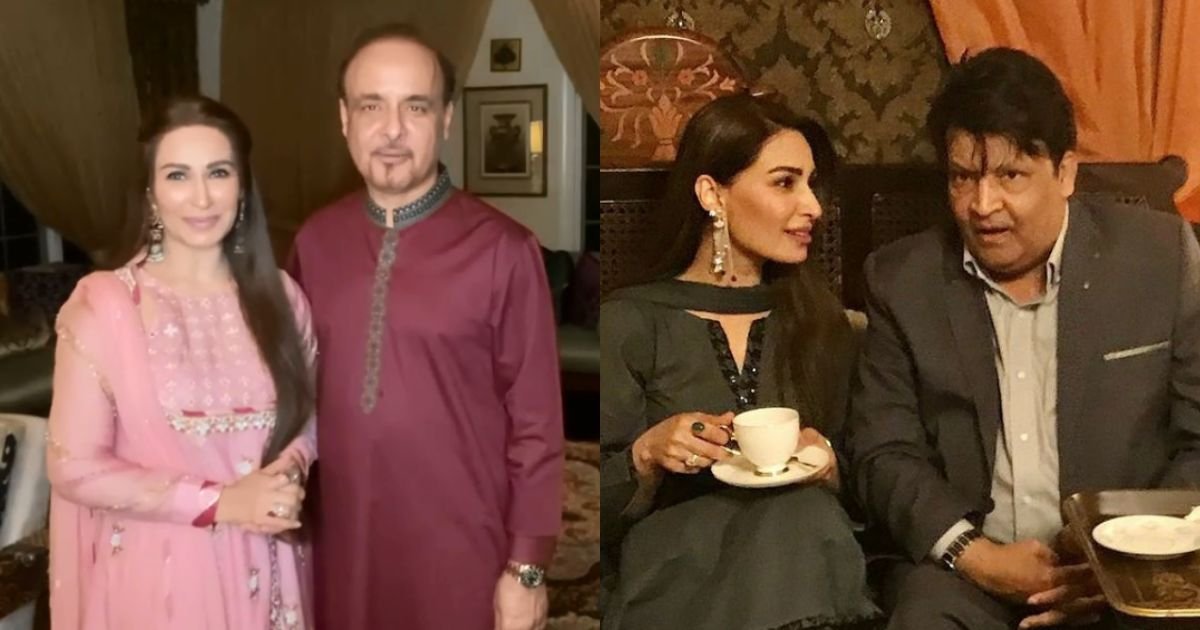
    Former Pakistani film actress and host, Reema Khan has disclosed that her husband Dr Syed Tariq Shahab has agreed to perform the high risk procedure of ailing comedian Umer Sharif in the United States.

    Reema turned to Instagram and shared a throwback photo with Umer Sharif and disclosed that Dr. Shahab agreed to perform the high risk procedure and is helping the family in transfer arrangements to America.

    She wrote, “Umer Sharif – one of the greatest comedians of the sub-continent and a real legend of all times. He always was working hard to make other people laugh and smile. Today it disturbs me to know that he is in pain and distress because of his grave illness.”

    “I am proud of my husband – Dr Syed Tariq Shahab who has agreed to perform the high risk procedure and is helping the family in his transfer arrangements to America,” she said. “I have requested him to do all he can to help Umer Sharif Sahib recover from this illness,” she added.

    Reema went on to say, “Thank you Tariq. I pray to Allah PAK to give Shifa in your hand and to give Umer Sahib full and complete recovery. Aameen.”

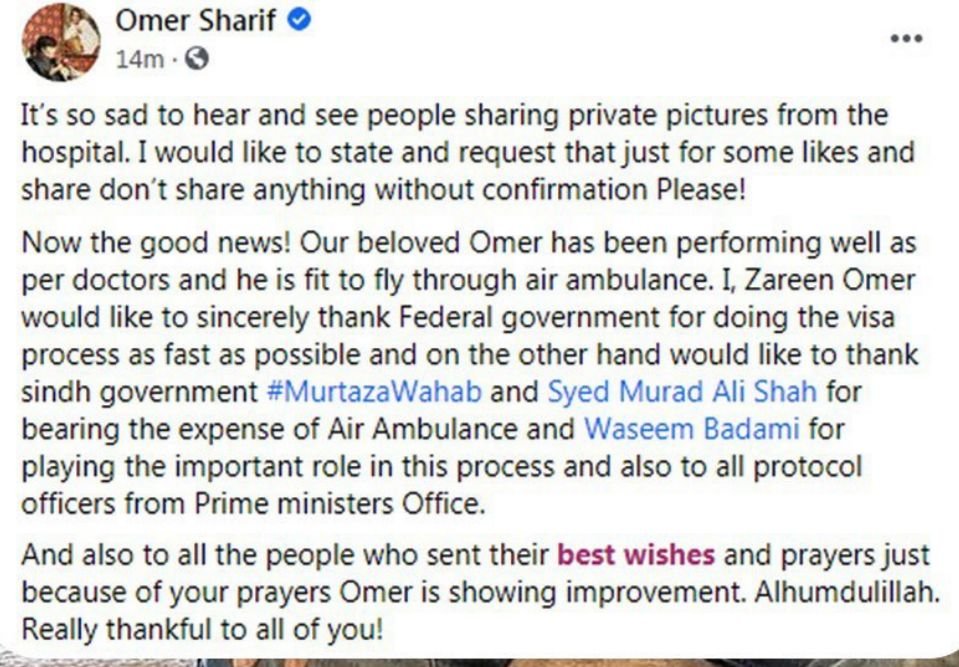
    Ailing comedian Umer Sharif is expected to travel to the US for medical treatment this week, said his wife Zareen Umer on Tuesday.

    She took to social media from Umer Sharif’s official account and thanked the federal government for helping arrange travel. She also thanked Murtaza Wahab and Chief Minister Sindh Murad ali Shah for arranging an air ambulance. She also thanked Anchor Waseem Badami for highlighting the issue.

  • ‘Next 24 hours critical’: Nausheen, Ayesha and Aima raise voice for Umer Sharif’s treatment

    ‘Next 24 hours critical’: Nausheen, Ayesha and Aima raise voice for Umer Sharif’s treatment

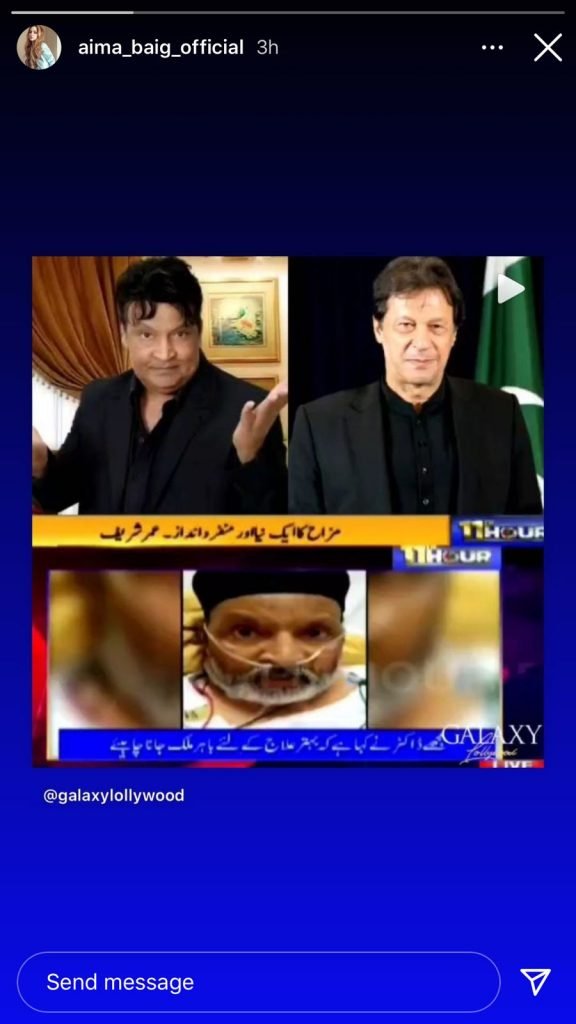
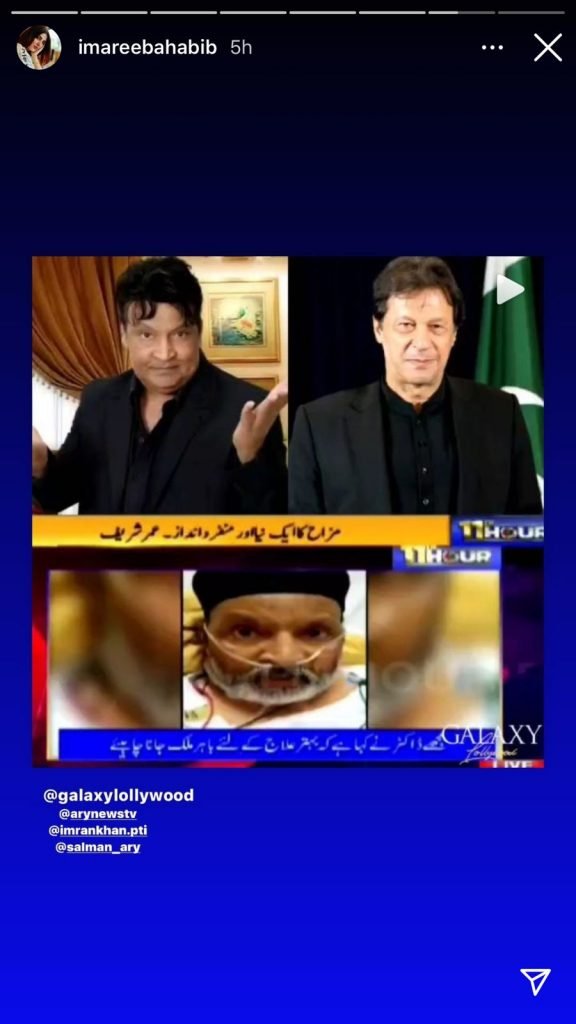
    Leading Pakistani celebrities have taken to their social media to raise voice for veteran comedian Umer Sharif’s treatment.

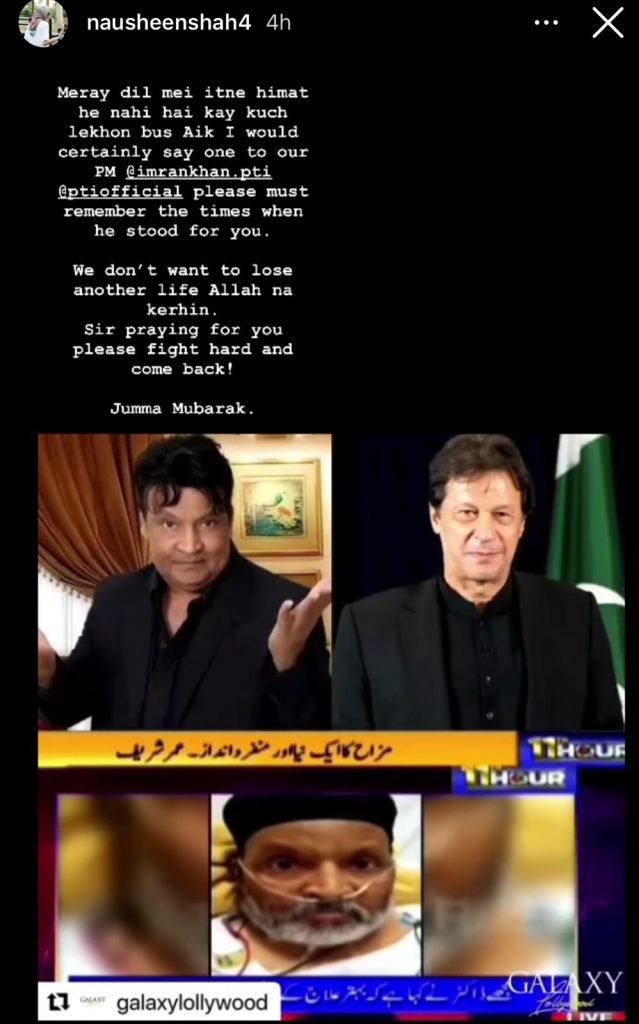
    Taking to Instagram stories, Nausheen Shah requested Prime Minister Imran Khan to “remember the times when he (Umer Sharif) stood by you.” and requested him to help the Zameen Aasman star.

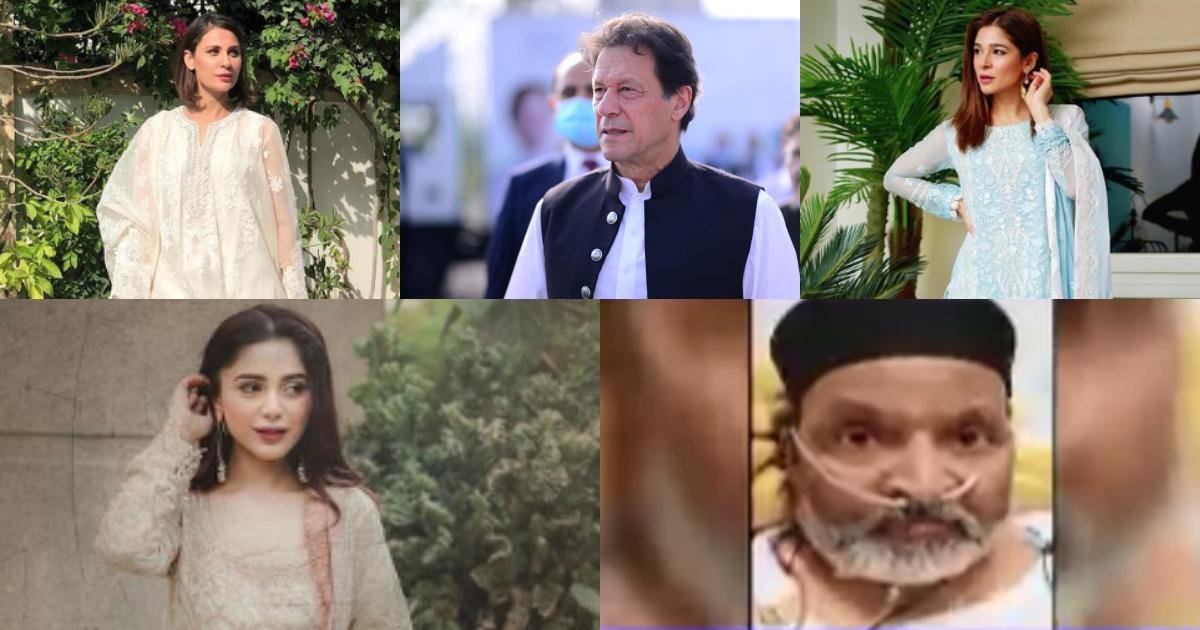
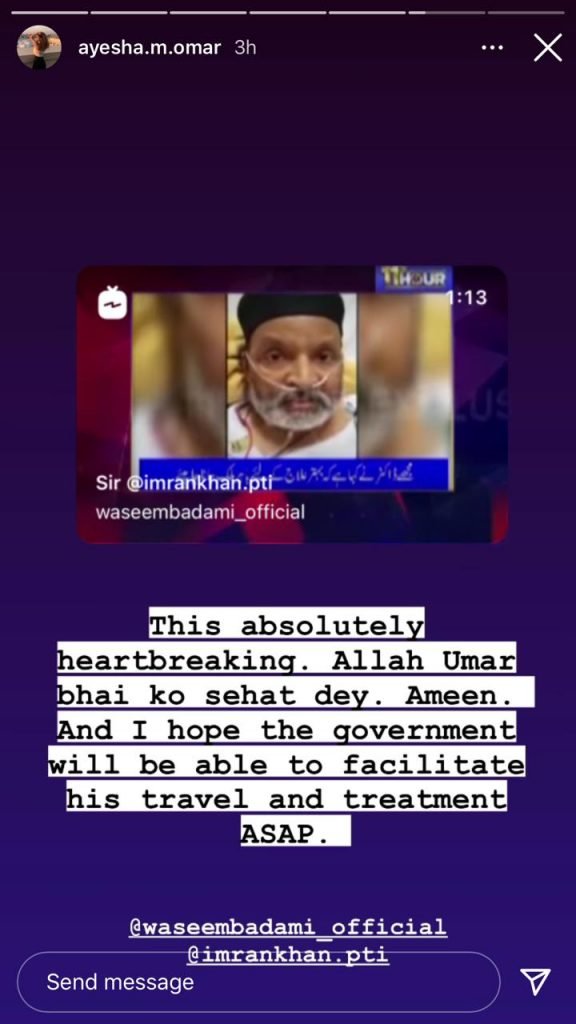
    Similarly, singer Aima Baig, actors Ayesha Omar and Areeba Habib took to their social media handles to express concern for Umer Sharif.

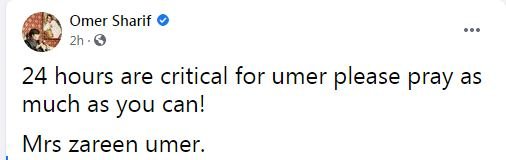
    Umer’s wife, Zareen posted a status which read: : “24 hours are crucial for Umer please pray as much as you can.”

    While, anchor Waseem Badami took to Twitter and shared that he received a call from the Prime Minister’s Office and it said that all possible work would be done to ensure Umer Sharif’s early trip abroad.

  • ‘More than half of Pakistanis dissatisfied with govt’s performance on all issues,’ survey reveals

    A survey conducted by lpsos has revealed that “More than half of Pakistanis are dissatisfied with federal government’s performance on all issues.”

    Key results of the survey:

    1 in 2 Pakistanis seem unhappy with the federal government’s performance on dealing with COVID-19; males, top elite, Sindh and Balochistan are even more dissatisfied

    Only 1 in 4 Pakistanis consider the PTI regime to have succeeded in eradicating corruption in Pakistan

    Majority (62%) Pakistanis expressed dissatisfaction with the PTI government’s performance on controlling inflation:

    Majority (53%) Pakistanis are dissatisfied with PTI’s delivery on providing justice, dissatisfaction even higher in less educated Pakistanis.

    Only 1 in 5 Pakistanis think that the current government has been able to eradicate poverty. Same trend prevalent across all segments and provinces:

    The sample size of the survey was 1020, and “random CATI interviews (Computer-assisted telephone interviewing )” were conducted between August 26 to September 2, 2021. The survey was named, “PTI’s three years in Federal Government.

  • PM Khan briefs nation on three years of Naya Pakistan

    PM Khan briefs nation on three years of Naya Pakistan

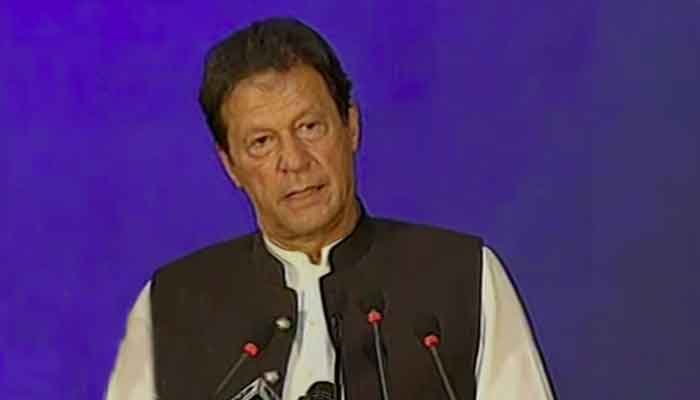
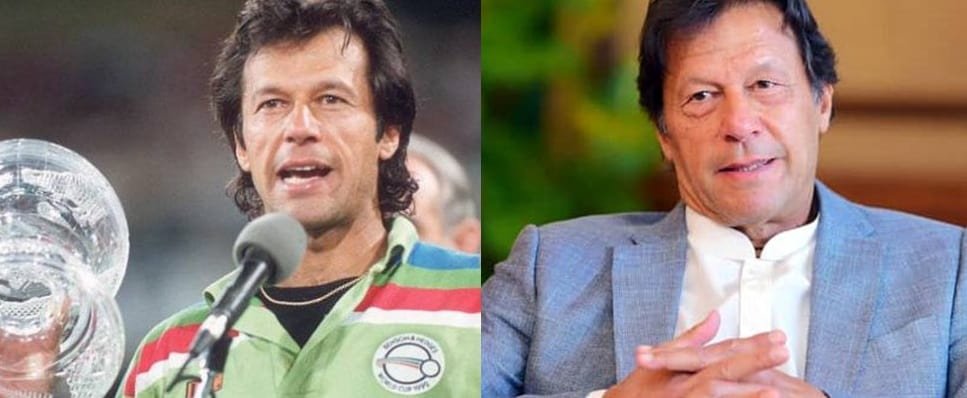
    Prime Minister Imran Khan on Thursday presented a charter of his party’s performance so far at the Jinnah Convention Centre in Islamabad.

    Talking about his career as a cricketer, PM Khan explained how his life as a sportsman, “where there are standing ovations one moment and curses the next”, prepared him for a life of struggles.

    “Until you go through struggles, you cannot do anything big,” the prime minister said. “No leader became big with a shortcut. Quaid-e-Azam was a big leader. He struggled in his life and people will always remember him [for that].”

    Mentioning Pakistan’s clash with India in the aftermath of the Pulwama incident, PM Khan thanked the army for effortlessly protecting the people of Pakistan.

    “I appreciate our army and air force. As they (Indian fighter jets) came into our territory and launched an offensive, we realised the [power] of our army,” said the premier.

    The premier blamed a “mafia” for defaming state institutions. “I also criticised the army in the past,” he said. “Judiciary and army also make mistakes but it doesn’t mean we should [expect] them to topple the democratic government.”

    “We know the Indian lobby is trying hard to defame Pakistan Army. They are implying that the Taliban won because of Pakistan Army.”

    “The NCOC (National Command and Operation Center) team comprising Asad Umar and Dr Faisal [Sultan] took great decisions and we survived the worst of Covid.”

    “In our tenure, Punjab’s anti-corruption has recovered Rs450bn so far,” he claimed. “NAB (National Accountability Bureau), in its 18 years before we came to power, had recovered Rs290bn and in the last three years, they recovered Rs519bn. All hue and cry are because of this reason.”

    The premier reminded his audience of the efforts made to “empower women” in rural areas and stressed the need to educate women, adding that “this is what we are trying to do”.

    “We are also working on inheritance laws to ensure women get their due share in the property,” he added.

  • Three-year report card: PTI’s quest to achieve Naya Pakistan

    Three-year report card: PTI’s quest to achieve Naya Pakistan

    As Pakistan Tehreek-e-Insaf (PTI) goes into its third year of being in power, it becomes imperative to review its scorecard and what they have accomplished so far.

    Prime Minister Imran Khan was voted into power based upon the idea of building a ‘Naya Pakistan’. The voters were inspired by a movement that calls for a more equitable approach to governance, particularly one built around the principles of Riyasat-e-Madina.

    Prior to being elected, PTI promised to carry out extensive reforms pertinent to the state’s welfare should they manage to establish a government.

    Governance:

    The PTI government struggled to define its vision and manifest it into an actionable policy based on clear ideas and directives. The party witnessed a continuous shuffle in its cabinet members and lawmakers, sometimes blaming these frequent reshuffles on lackluster performance and incompetence. Every reshuffle saw the party falling into instability which further weakened the overall party narrative of change and transparency.

    Despite having a majority, PTI failed to execute a much-needed face-lift at a provincial level. One of the ruling party’s promises before forming the government was to “spearhead the creation of a South Punjab province on administrative lines”, which is still a work in progress.

    “We want to make Karachi the urban jewel of Pakistan,” the PTI stated in its manifesto. But despite their promises, several projects have yet to be completed.

    PTI aimed to depoliticise the police by building upon Khyber Pakhtunkhwa’s successful police reform model, which was to be replicated nationally. In their own words, the PTI manifesto acknowledges that the police in Pakistan are ill-equipped, poorly trained, deeply politicised, and chronically corrupt. However, very little has been done to enforce the depoliticisation of law enforcement agencies in order to circumvent these deeply entrenched issues.

    Reforming the civil service through transparent and merit-based recruitment with regional representation was another one of the party’s ambitious objectives. Civil service reform also included performance-based promotions and compulsory training at all requisite levels, providing equal opportunities for career advancement. Work is still underway when it comes to reforming the civil service as well.

    Economy:

    Under PTI governance in its first year, the economic growth rate of the country was 5.5 percent, which proceeded to drop to 1.9 percent. During the party’s second year in power, the country witnessed negative growth due to Covid-19. Pakistan’s debt grew from Rs24 trillion to Rs38 trillion in three years.

    From a deficit of $8.56 billion in the calendar year 2019, the current account balance swung into a surplus of $245 million in 2020. But in the first three months of 2021 it swung back to a deficit of $274m, and then registered a further deficit of $188m in April and $632m in May.

    Health:

    A motion to change the name of Benazir Income Support Programme (BISP) faced resistance from the Opposition and was later abandoned. The party instead placed it under the umbrella of Ehsaas — the PTI’s flagship social safety programme.

    The World Bank has listed the Ehsaas Emergency Cash programme among the top four social protection interventions globally in terms of the number of people covered. The programme distributed cash among 15 million underprivileged families after they suffered financially due to Covid-19 related lockdowns.

    Prime Minister Imran Khan’s federal government expanded the Sehat Sahulat Programme on a nationwide scale.

    Over the past three years, the government has announced the extension of health care coverage to journalists, Islamabad police, the transgender community, overseas labourers, and people with disabilities.

    Covid-19:

    National Command and Operation Centre (NCOC) led by Federal Planning Minister Asad Umar did a commendable job combating the deadly virus. COVID-19 exposed the terrible state of the health sector but NCOC managed to prop up systems on a war-footing to cope with the emergency.

    Education:

    Prime Minister Imran Khan said that his focus will be centered on improving public sector education, including madrassas. He also discussed providing young persons with loans to cultivate and promote entrepreneurship.

    A uniform education system will be introduced in the country next year under the Prime Minister’s auspices. The Single National Curriculum (SNC) has been approved and made functional in the country for students from Grade 1 through 5. One system of Education for all, in terms of curriculum, medium of instruction, and a common platform of assessment so that all children have fair and equal opportunities when it comes to receiving a high-quality education.

    In May 2019, the Ministry for Federal Education started the registration process for madrassas in the country. In October of the same year, the Directorate General of Religious Education (DGRE) was set up.

    The party had promised to provide stipends for female secondary school students and to prioritize the upgrade and establishment of schools for girls.

    The Kamyab Jawan Programme (KJP) was launched in October 2019. It is a small-and-medium-enterprise lending scheme, aimed at stimulating job creation and economic empowerment for young persons.

    Furthermore, the Hunarmand Jawan programme is another PTI initiative that aims to promote economic emancipation amongst young people through high-quality training.

    Accountability:

    Prime Minister Imran Khan has been categorically saying that his government would not interfere with the process of accountability and that “every corrupt individual” would have to face justice irrespective of their status or party.

    The National Accountability Bureau (NAB) has seemingly been the most active throughout PTI’s tenure. The anti-graft body had recovered 484 billion PKR over a span of two years from 2018 to 2020. On the contrary, previous governments had managed to recover a mere 290 billion PKR from 1999 to 2017.

    However, the Supreme Court has criticised NAB for “selectively applying its law on individuals” and said that there is a widespread perception of the NAB laws “being employed as a tool for oppression and victimisation of political opponents by those in power”.

    Freedom of speech:

    The PTI government has been determined to control the media through new laws, which will eventually span electronic, print, and digital media platforms.

    Pakistan has recently been criticized both internally and externally for the issues surrounding freedom of speech within its borders.

    Pakistan ranks at 142 on the Reporters Without Borders (RSF) Press Freedom Index. According to the Pakistan Press Freedom Foundation’s report, Pakistan has witnessed the murders of 72 journalists since 2002. Most of these cases remain unsolved.

    Pakistan Media Development Authority (PMDA) has been described in the Ordinance as “an independent, efficient, effective and transparent authority, which will regulate all forms of media, including digital media”.

    Under the Ordinance, print and digital media organisations will also need a license to operate in the country.

    Media bodies and organisations have vehemently opposed the PMDA and criticised it.

    Electoral Reforms:

    PTI has worked towards electoral reforms with great vigor, stating that electronic voting is the only way to ensure transparency and prevent rigging.

    Electoral reforms, electronic voting, and the voting process for overseas Pakistanis have been major projects spearheaded by PTI. The party has successfully launched electronic voting to aid the process of having smooth and transparent elections.

    On June 10th, the National Assembly passed the Elections (Second Amendment) Bill which pertains to fair, free, and transparent elections through a more contemporary approach to technology.

    PTI sees overseas Pakistanis as an asset to the country and has worked to involve them in the election process.
  • Pakistanis lash out at their govt for celebrating the Taliban takeover in Afghanistan

    Pakistani Twitter has lashed out at ministers of the ruling party for celebrating the Taliban takeover of Afghanistan. Two notable Ministers, including Minister of State for Climate Change Zartaj Gul and Federal Human Rights Minister Shireen Mazari, tweeted on the situation in Afghanistan.

    WAIT A MINUTE…WHAT’S HAPPENING IN AFGHANISTAN?

    In a rapid turn of events, President Ghani of Afghanistan has reportedly fled the country as the Taliban enter Kabul, amidst severe criticism from his opponents, saying that now is not the time for him to leave his country as the dreaded Taliban come back to rule once more.

    The Taliban took the city of Mazar-i-Sharif, late on Saturday, and on Sunday morning, they seized the city of Jalalabad. They are now in control of the Torkham border between Afghanistan and Pakistan. Within a week they have taken down Afghan government flags and hoisted their own white banners.

    Despite two decades of war with American-led forces, and reportedly more than 83 billion dollars spent by the US, the Taliban have survived and are now effectively in control of Pakistan’s neighbouring country. They have managed to do this in 10 days time with little resistance from the Afghan forces.

    WHAT DID PAKISTANI POLITICIANS DO ON TWITTER?

    Zartaj Gul in a tweet said, “India gets an appropriate gift on its Independence Day- its fascist terror-oriented Government should celebrate now today with tears and sorrow.”

    “The Kabul regime it used to wreak terrorism in Pakistan across many years has fallen and people are rejoicing all across Afghanistan,” said Zataj Gul in a tweet, which was later deleted.

    People on social media are calling out the ministers for their tweets.

    https://twitter.com/laaleen/status/1426877258770391040
    https://twitter.com/apniISPdot/status/1426869676500529154

    Shireen Mazari posted an image of the US leaving from Vietnam after the war ended in 1975 with an image of a US carrier leaving Afghanistan. Many on Twitter thought it was a ‘celebration’ of the US leaving an occupied territory, although she tried to clear her stance that it is not what she meant.

    WHERE IS HAMID KARZAI?

    According to a video message circulating on social media, the former president of Afghanistan Hamid Karzai has said that he will stay in Kabul with his family.

    TALIBAN STANCE

    Three diplomatic sources said Ali Ahmad Jalali, a US-based academic and former Afghan interior minister, could be named head of an interim administration in Kabul, though it was unclear whether the Taliban had agreed, Reuters has reported.

    A Taliban spokesman has told the BBC that the group “will respect rights of women” as it takes control of Afghanistan.

    A spokesperson for the Taliban, Suhail Shaheen, told BBC News: “We will respect rights of women…our policy is that women will have access to education and work, to wear the hijab.”

    PAKISTAN’S STANCE:

    Foreign Minister Shah Mahmood Qureshi says Pakistan will keep on playing a positive role in the establishment of peace in Afghanistan.  Addressing the media in Multan, he said the whole world has acknowledged Pakistan’s stance regarding the Afghanistan issue. He further said that Afghan people want peace in their country and they are to decide their future for themselves. The minister added that Pakistan has no favourites in Afghanistan and whoever forms the government there, Pakistan will accept it.

    Meanwhile, an Afghan political delegation led by Wolesi Jirga Speaker Mir Rahman Rahmani arrived in Pakistan on Sunday evening.

  • 46% unhappy, 32% satisfied with Punjab govt: Survey

    46% unhappy, 32% satisfied with Punjab govt: Survey

    46 per cent of the people in Punjab are rating the Pakistan Tehreek-e-Insaf (PTI) provincial government’s performance as bad, while the PTI still enjoys the support of a good 32 per cent who are satisfied with their performance, reported The News.

    The Institute for Public Opinion Research (IPOR) conducted an all-Punjab survey to gauge the feelings of voters and measure their understanding of the current political situation.

    The voters had a mixed reaction to the situation, on the one hand, half of the voters (49 per cent) were not happy with the rising prices of daily essentials and (57 per cent) declaring things were not heading in the right direction, while on the other hand, despite all these problems, majority 52 percent of the voters said they are still willing to let the current government complete its five-year term.

    49 per cent of the respondents reported inflation as the most important issue they are facing these days, while 19 per cent said unemployment, followed by 13 per cent poverty, and another 09 per cent said corruption.

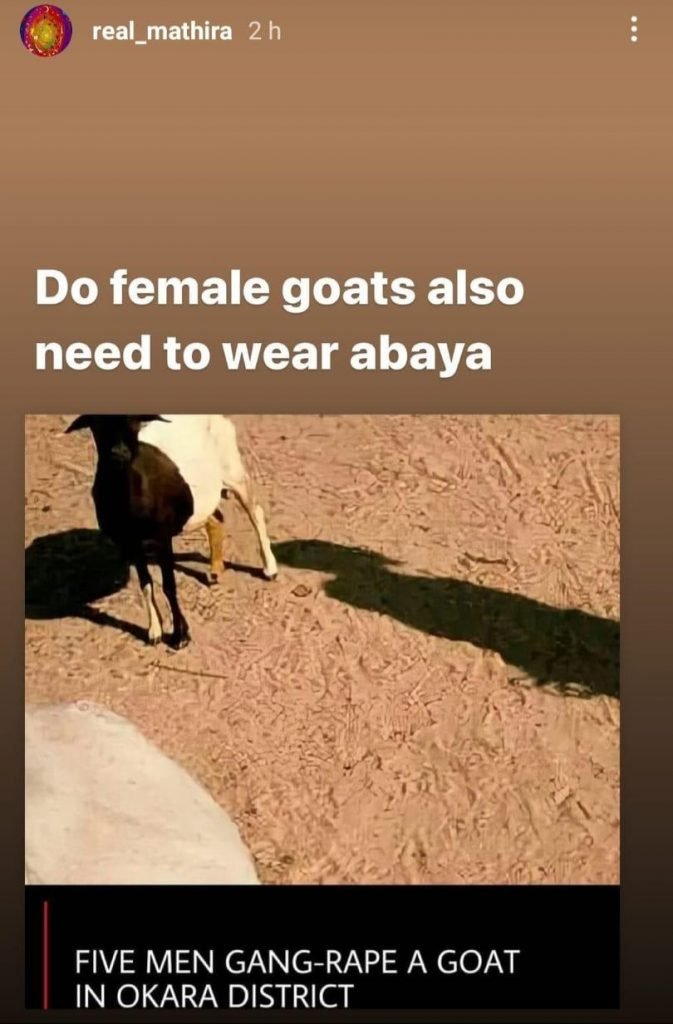
  • ‘Do female goats also need to wear abaya?’: Mathira questions the system

    ‘Do female goats also need to wear abaya?’: Mathira questions the system

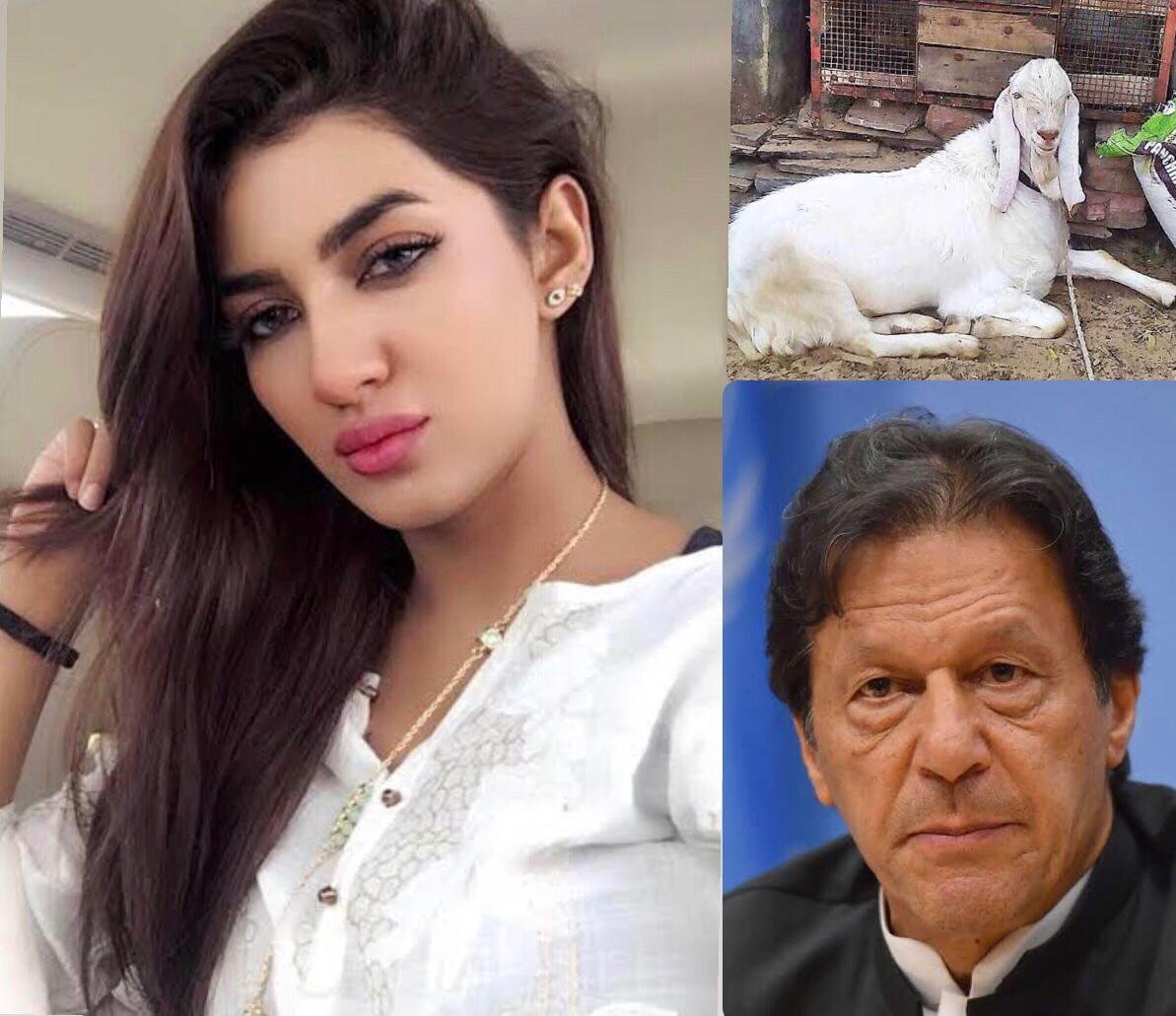
    Television host and actress Mathira has questioned the system after a goat has been gang-raped in Okara.

    The Blind Love diva took to her Instagram story to express her take on the matter.

    The Main Hoon Shahid Afridi star recently took to Instagram to empower women for their dressing choice as netizens have been criticizing certain actresses for their choice of clothes at the 5th Hum Style Awards.

    The Raasta actress added that women should wear whatever they want and whatever clothes they feel happy wearing. She wrote further, “People sit at home and criticise others, They should do their job and not interfere in other people’s affairs.”