Tag: PTI

  • ‘Bohat si ghaltiyaan huvi hain’: Hamid Khan says Imran Khan confesses to blunders

    ‘Bohat si ghaltiyaan huvi hain’: Hamid Khan says Imran Khan confesses to blunders

    Senior lawyer and former Pakistan Tehreek-e-Insaf (PTI) leader Hamid Khan said that former Prime Minister Imran Khan confessed to committing blunders that cost PTI politically.

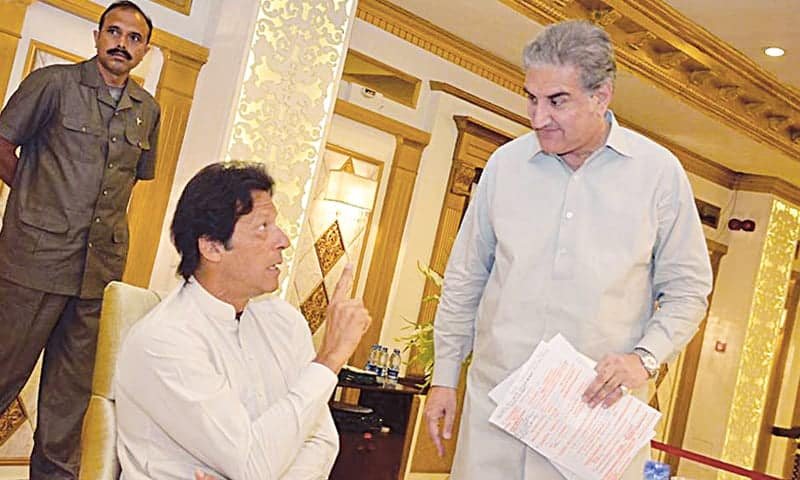
    Hamid revealed that he had met Khan at the latter’s request. Speaking on Geo News show ‘Aaj Shahzeb Khanzada Kay Sath’, Hamid said that former Foreign Minister Shah Mahmood Qureshi had brought Imran’s message to him. He said he agreed to see Khan along with former core members of the PTI.

    “He showed up with an open heart and confessed that bohat si ghaltiyaan huvi hain [We have made a lot of mistakes]. And [these mistakes] have resulted in a loss for the party,” said Hamid.

    Hamid said that Khan had admitted that his (Hamid Khan’s) stance and struggle against the establishment’s political role was right. He said Imran Khan had also admitted that he (Imran Khan) should have given importance to his (Hamid Khan’s) reservations about Jahangir Tareen and Aleem Khan.

    Hamid said Khan also admitted that he was misled on Justice Qazi Faez Isa’s issue, adding that he had told Khan that the reference was a mistake because the judge was an honest man.

    Earlier in April, Khan had admitted that the filing of a presidential reference for the removal of Supreme Court’s Justice Qazi Faez Isa was a mistake.

  • Here are the latest income tax rates and slabs for salaried class

    Here are the latest income tax rates and slabs for salaried class

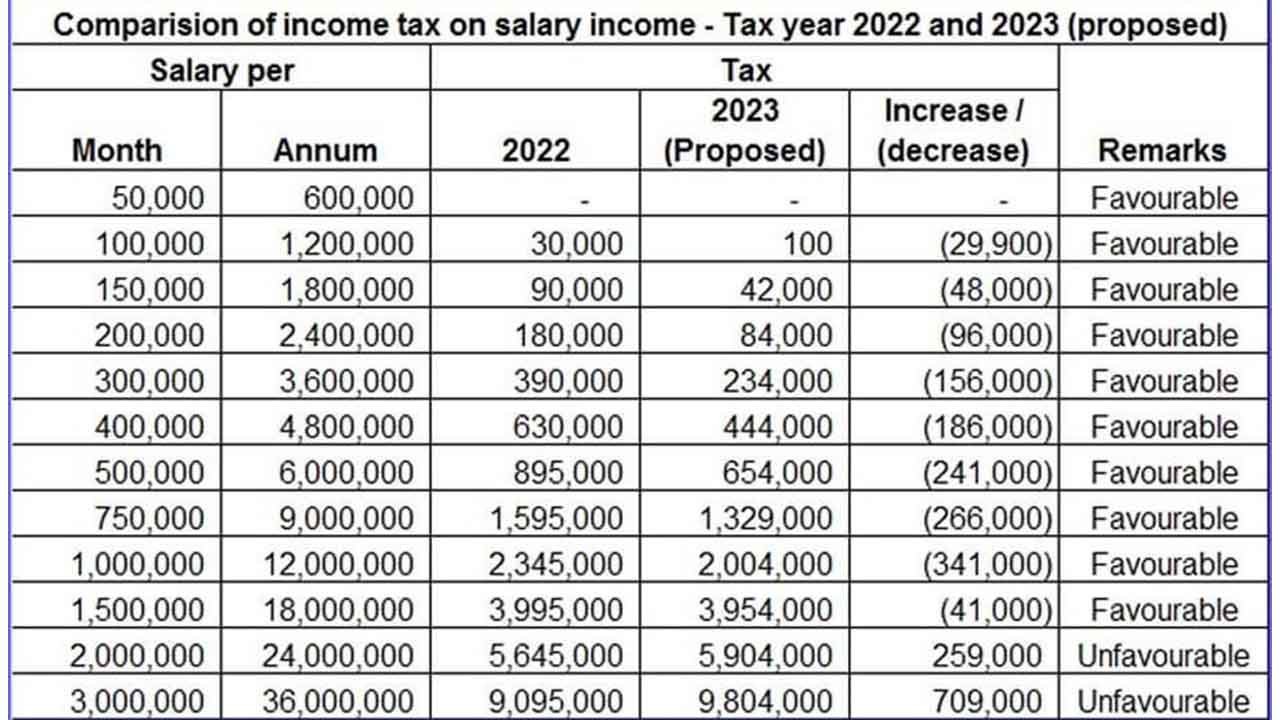
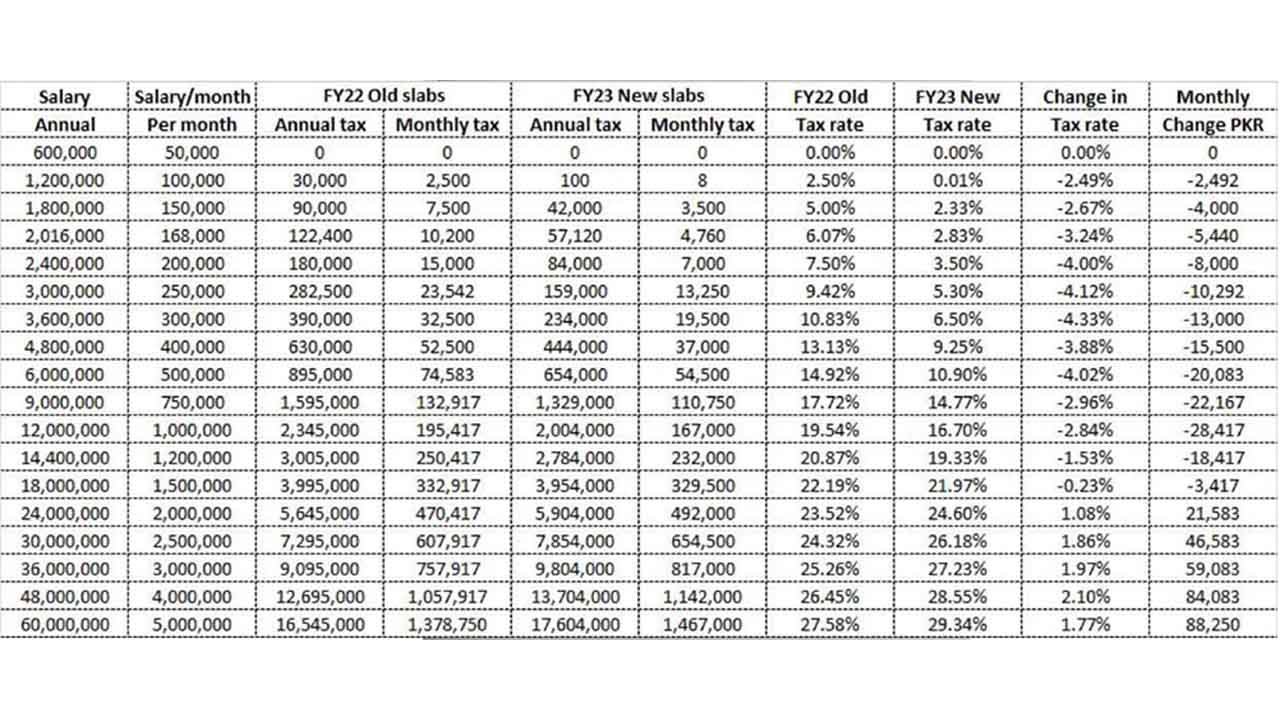
    In the budget for fiscal year 2022-23, the government has exempted those earning up to Rs100,000 per month from paying income tax, up from Rs50,000 last year.

    For the salaried income group, the latest budget is a mishmash as the government reduced tax rates and the number of slabs while eliminating available credit through the omission of deductible allowance for profit on debt and tax credit for investment in shares, health insurance, and pension funds.

    Moreover, the government has released a revamped list of income tax brackets for salaried employees. There were previously 12 slabs, which have now been shrunk to seven.

    Here are the new slabs:

    1. For annual incomes less than Rs600,000 (below Rs50,000 per month)
    2. For a yearly income of Rs600,000-Rs1.2 million (Rs50,000 to Rs100,00 per month).
    3. For annual earnings of Rs1.2m-2.4m (Rs100,000 to Rs200,000 per month)
    4. For annual earnings of Rs2.4m-3.6m (Rs200,000 to Rs300,000 per month)
    5. For earnings of Rs3.6m-6m (Rs300,000 to Rs500,000 per month)
    6. For annual earnings of Rs6m-12m (Rs500,000 to Rs10,00,000 per month)

    For annual earnings of more than $12 million (more than $100,000 per month), income tax is not to be levied on people earning between 0 and Rs600,000 per year (where income from salary exceeds 75 per cent of taxable income). A nominal amount of Rs100 will be subtracted per year from those earning between Rs600,000 and Rs1.2 million.

    Employees getting paid more than Rs1.2 million but less than Rs2.4 million per year will be levied 7 per cent of the amount that exceeds Rs1,200,000 in the third slab.

    An employee getting paid Rs1,400,000 per year will be levied 7 per cent of Rs200,000 (Rs1,400,000 minus Rs1,200,000 since that is the amount exceeding Rs1,200,000).

    As per the latest budget resolution, the government recommended an income tax rate of 20 per cent on small business earnings, 42 per cent on banking, and 29 per cent on related companies.

  • Govt unveils Rs9.5 trillion budget 2022-23, focused on sustainable growth

    Govt unveils Rs9.5 trillion budget 2022-23, focused on sustainable growth

    The federal budget for 2022-23 has been revealed with a total outlay of Rs9,502 billion. It includes measures for sustainable economic growth, industrial and agricultural development, and aid for the poor ones.

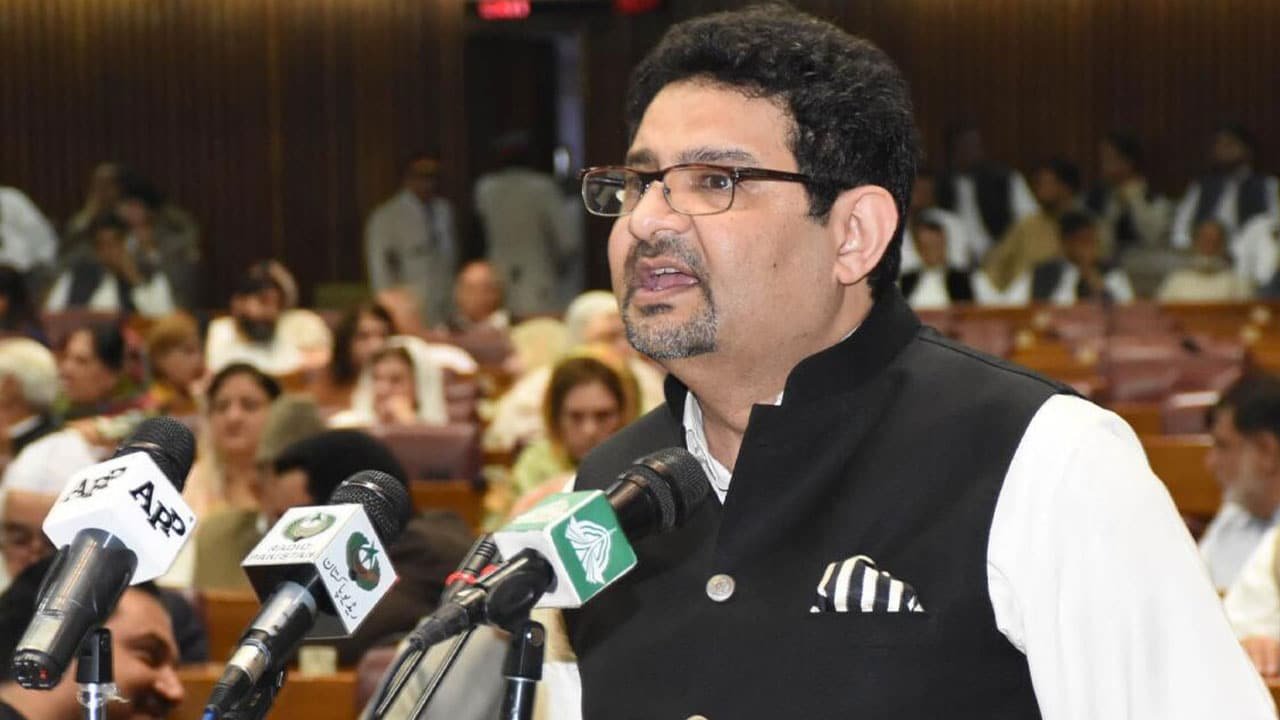
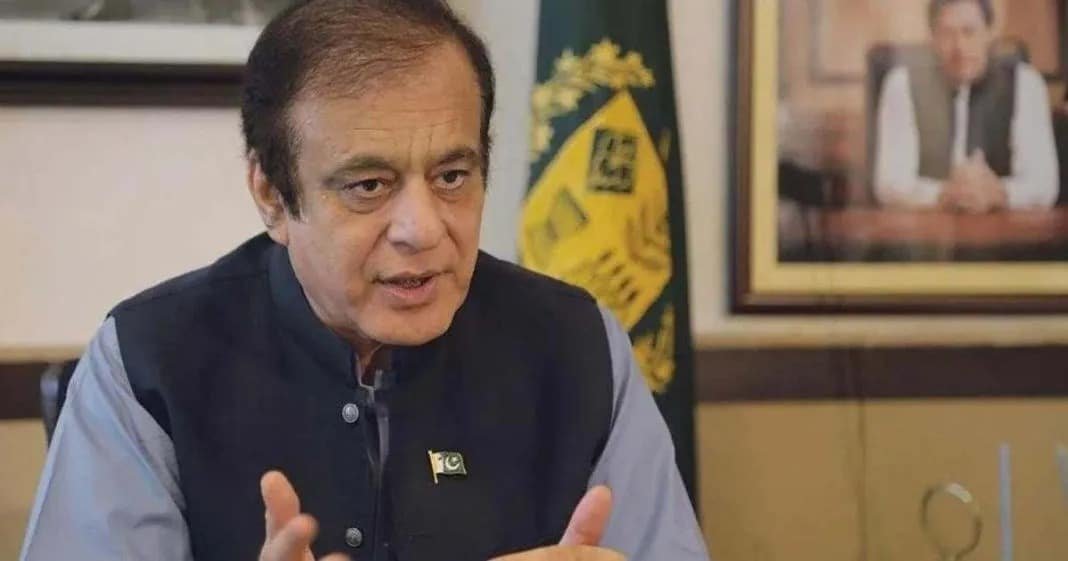
    Finance Minister, Miftah Ismail began his address by claiming that the PTI administration had left Pakistan’s economy in shambles and harmed investor confidence by often switching finance ministers and monetary policies.

    He slammed former Prime Minister Imran Khan, claiming that he never cared about the poor, claiming that “keeping an eye on potato and tomato prices is not a PM’s duty”.

    He claims that the governing party took control of the country despite the fact that it will have to make difficult decisions to save the economy, which will affect their individual parties’ appeal, but they chose to put the country’s interests ahead of their own.

    Relief for working class and the poor

    He claimed that the budget is geared at providing greater relief to the working class and the poor, as opposed to the wealthy, because the working class prefers to buy local products over foreign ones, boosting the economy.

    Budget 2022-23, according to Miftah Ismail, will concentrate on offering facilities to farmers planting crops that supply cooking oil, such as corn and sunflower, so that the country does not need to import palm oil, which is at an all-time high in the worldwide market.

    Slashing furniture, stationary expenses in govt offices

    Considering the current economic downturn, the administration has decided to restrict operational expenditures to the absolute minimum, and that new furniture and stationary for government offices will be completely prohibited. Other than obligatory diplomatic visits, all government-sponsored foreign trips will be prohibited.

    Education

    The government has set aside Rs65 billion for the Higher Education Commission (HEC) in the current budget. In addition, the HEC has been granted Rs44 billion for development programmes, which is 67 per cent more than the previous year.

    Miftah Ismail said that this is a demonstration of our commitment to the youth. We are encouraging provinces to completely fulfill their obligations in terms of higher education promotion in the coming years, he said. The HEC budget includes 5,000 scholarships for Balochistan and tribal district students. He added that a unique scholarship programme has been introduced for Balochistan’s coastal communities.

    The Finance Minister said that 100,000 laptops would be provided to students around the country on affordable instalments. Funds have also been set aside for the purchase of cutting-edge equipment to improve engineering and technology education.

    15 per cent Increase in govt employees’ salaries

    In Budget 2022-23, Miftah Ismail announced a 15 per cent increase in government employee salaries, as well as the merger of adhoc allowances.

    He said that the tax on savings certificates, pensioners’ benefit accounts, and martyrs’ family assistance accounts had been reduced from 10 per cent to 5 per cent.

    Small merchants will be subject to a new fixed income and sales tax regime, according to the Minister. Electricity bills would be used to collect taxes ranging from Rs3,000 to Rs10,000 under this method. This will be a final agreement, and FBR will have no right to inquire about the tax.

    According to Miftah Ismail, a proposal has been made to increase initial depreciation rates for industries and other businesses from 50 per cent to 100 per cent in the first year.

    Furthermore, he stated that any tariffs imposed on industrial units during the import of raw materials will be considered adjustable in order to protect the business community’s working capital.

    New industrial policy

    He stated that an industrial policy is being implemented in partnership with the Asian Development Bank in order to boost the country’s industrial base. He stated that the Prime Minister has directed that all exporter claims be resolved as soon as possible.

    A sum of Rs40.5 billion is due to them right now, and we will pay it as soon as possible. Regardless of financial challenges, sales tax refunds are issued swiftly. Industrial feeders have been spared from load-shedding, according to him, in order to ensure that the industrial sector has uninterrupted power supply.

    A new strategy for promoting investment in the country is being developed which aims to provide an enabling atmosphere for investors by eliminating the lengthy procedure. The government will overhaul the dispute settlement structure to make it easier for domestic and foreign investors.

    Boosting agriculture sector

    Talking about the agriculture sector, Finance Minister stated that Rs21 billion had been set aside to boost agriculture and livestock productivity. He stated that the Ministry of Food Security, in consultation with the Planning Commission and the provinces, has developed a three-year growth strategy. This plan aims to increase agri-production, increase farmer prosperity, and promote smart agriculture and self-sufficiency.

    National Youth Commission

    The Finance Minister also announced the development of a National Youth Commission to help youth realise their full potential. Various plans for the youth, he noted, have been offered. He stated that a coordinated strategy is being implemented to strengthen the role of educated youth in the growth of the country. According to him, the youth employment initiative will create over two million job chances.

    He added that a scheme to foster youth entrepreneurship will be launched, under which interest-free loans of up to Rs500,000 and loans of up to Rs25 million will be made available on easy payments. He stated that in this lending arrangement, a 25 per cent quota has been been aside for women. He stated that women will be given precedence in hi-tech training in order to achieve economic empowerment. Youth development centres would be set up over the country, he said.

    A green youth movement would be launched to involve young people in environmental initiatives. Funds will be set aside to distribute laptops on a merit-based and instalment basis, as well as the construction of 250 mini-sports stadiums across the country. Miftah Ismail stated that an innovation league would be established in order to improve the youth’s potential. He said that a talent quest and sports drive programme will be developed for youngsters between the ages of eleven and twenty-five.

    Reduction in govt spending

    According to the Finance Minister, the current government’s top focus is austerity. This budget includes a reduction in government spending, and we are taking meaningful moves in that direction. He stated that automobile purchases will be completely prohibited. Apart from development initiatives, procurement of furniture and other products would be prohibited. Cabinet members and government officials will have their gasoline quotas lowered by 40 per cent. There will also be a ban on international tours paid for by the government, with the exception of the most important ones.

    A medium-term macroeconomic framework has been established to put the economy on a road of development, according to the Finance Minister. He emphasised his belief that by implementing this framework, we will be able to steer the economy in the right way. Our biggest problem, he remarked, is to expand without a current account deficit. As a result, a minimum of 5 per cent will be obtained without disrupting the balance.

    Improved fiscal and monetary policy

    He said that the GDP will increase from Rs67 trillion to Rs78.3 trillion in the coming fiscal year and the government is attempting to lower inflation through improved fiscal and monetary policy. During the next fiscal year, inflation will be decreased by 11.5 per cent.

    He predicted that the tax-to-GDP ratio will rise to 9.2 per cent in the coming fiscal year, up from 8.6 per cent now. He noted that in 2017-18, we had kept this ratio at 11.1 per cent. He stated that the overall deficit, which is currently at 8.6 per cent, will be steadily reduced. In the coming fiscal year, this will be reduced to 4.9 per cent. Similarly, the overall primary balance, which presently stands at -2.4 per cent of GDP, will be reduced to 0.19 per cent.

    Import and export

    Imports, which are estimated to be $76 billion this fiscal year, would be lowered to $70 billion the following fiscal year, according to the Finance Minister. Exports are currently $31.3 billion, but will increase to $35 billion in the coming fiscal year. The current account deficit will be decreased from -4.1 per cent of GDP to -2.2 per cent of GDP.

    Remittances, which are predicted to continue at $31.1 billion this fiscal year, are expected to grow to $33.2 billion next fiscal year.

    Key allocations in Budget 2022-23

    Rs1,523 billion allocated for defence

    Rs800 billion allocated for Public Sector Development Program (PSDP)

    Rs699 billion allocated for targeted subsidy

    Rs364 billion allocated for Benazir Income Support Program (BISP)

    Rs64 billion allocated for Higher Education Program

    Rs25.99 billion allocated for Atomic Energy Commission

    Rs24 billion allocated for Health

    Rs21 billion allocated for Benazir Nashunuma Program

    Rs11 billion allocated for Agriculture

    Rs10.12 allocated billion for food security 

    Rs9.60 billion allocated for Climate Change

    Rs530 billion allocated for pension funds

    Rs3.46 billion allocated for Maritime Affairs

    Key announcements

    The GDP growth target has been set at 5 per cent.

    Remittances are expected to total $33.2 billion.

    Inflation will be held at 11.5 per cent.

    FBR has set a revenue target of Rs7,004 billion.

    Non-tax revenue objective is set at $2 billion.

    The goal set for imports is $70 billion.

    The target for exports is $35 billion.

    Government employees will have a 15 per cent raise in pay.

    Under a new employment scheme, youngsters will be eligible for interest-free loans up to Rs500,000.

    Distributors and manufacturers will no longer be subject to an 8 per cent withholding tax.

    On national saving systems, the profit rate dropped from 10 per cent to 5 per cent.

    Cinema owners and film makers are exempt from income tax.

    On cars with engines larger than 1600cc, the advance tax will be raised.

    Pharmaceutical materials are exempted from any customs duties.

    This is a developing story..
  • ‘Pagal’: Rana Sanaullah reveals PTI’s Qureshi called Imran Khan ‘mad man’

    ‘Pagal’: Rana Sanaullah reveals PTI’s Qureshi called Imran Khan ‘mad man’

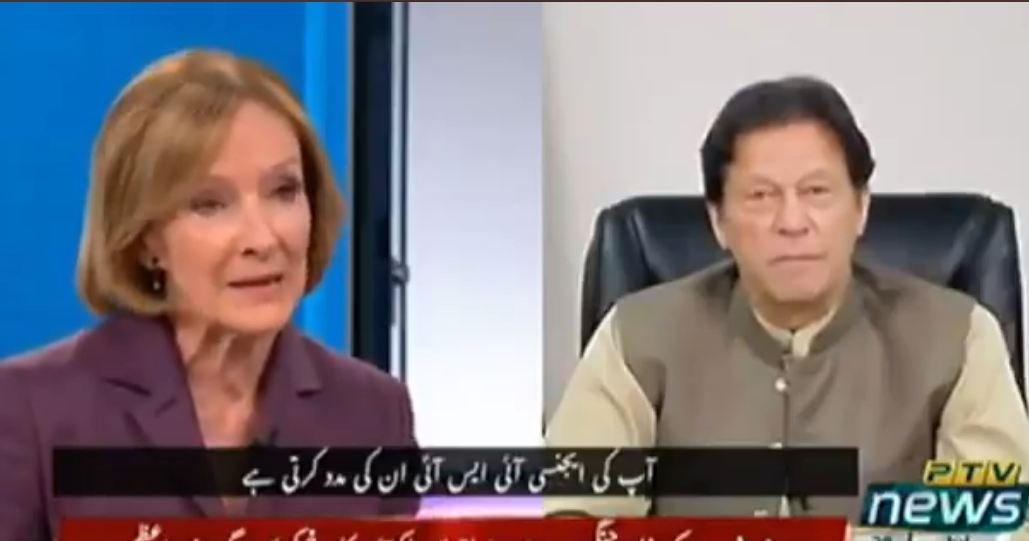
    Interior Minister Rana Sanaullah while speaking on Geo News programme ‘Apas ki Baat’ said that the Pakistan Tehreek-e-Insaf (PTI) government itself had made an offer to them regarding the Financial Action Task Force (FATF) and National Accountability Bureau (NAB) amendments and had invited the Opposition for talks when PTI was in power.

    Rana Sanaullah said that the PTI later used their suggestions in the media to attack them.

    Sanaullah further said that the then Foreign Minister Shah Mahmood Qureshi called him and said that he wanted to talk to Rana separately.

    “Give my salam to Mian Saab [Nawaz Sharif]. All the things you said were correct. We agree but that mad man [Imran Khan] doesn’t agree,” said Qureshi.

    “Don’t speak in front of Shahzad Akbar. He is his [Imran Khan]’s agent and tells him everything,” Qureshi said to Sanaullah.

    Anchorperson Muneed Farooq interjected and questioned if Qureshi really called former Prime Minister (PM) Imran Khan ‘pagal’, to which Sanaullah said, “I can say it on oath. Call him in front of me.”

  • PTI Shibli Faraz questions Noor Alam Khan’s presence in meeting

    PTI Shibli Faraz questions Noor Alam Khan’s presence in meeting

    Chairman of Public Accounts Committee (PAC) Noor Alam Khan ordered that senior officers of the National Accountability Bureau (NAB) declare their assets along with those of their spouses, children, siblings, and parents within a month’s time, in a meeting held on July 7, 2022. The meeting was presided over by the acting Chairman of NAB, Zahir Shah.

    The directive ordered by the PAC chairman further required that details of perks, privileges, and employment terms of NAB officers also be declared publicly.

    Former Minister of Science and Technology Shibli Faraz opposed the directive and pointed to NAB’s ongoing inquiry against Khan. Faraz was of the view that chairman PAC should not have chaired the meeting altogether because there is an ongoing inquiry against him by the anti-graft watchdog.

    In the meeting, PAC chairman inquired whether the case against him under deliberation by NAB had concluded. He added that if the case is still ongoing, he will not preside over the meeting. The NAB chairman responded that the inquiry had not yet concluded. He went on to say that if Khan is found innocent, he will be receiving an apology letter. He further added that all those found innocent in the future will receive a letter of apology.

    PAC chairman, however, remained in the meeting till the end.

  • PPP, PML-N decide to contest together in Punjab by-election

    PPP, PML-N decide to contest together in Punjab by-election

    Pakistan People’s Party (PPP) and Pakistan Muslim League-Nawaz (PML-N) have decided to jointly contest the Punjab by-election which will be held on vacant seats of the Punjab Assembly (PA) next month.

    Punjab minister Attauallah Tarar confirmed the development to Dawn, saying, “The PML-N and PPP leadership agreed to jointly contest by-polls on 20 Punjab Assembly seats.”

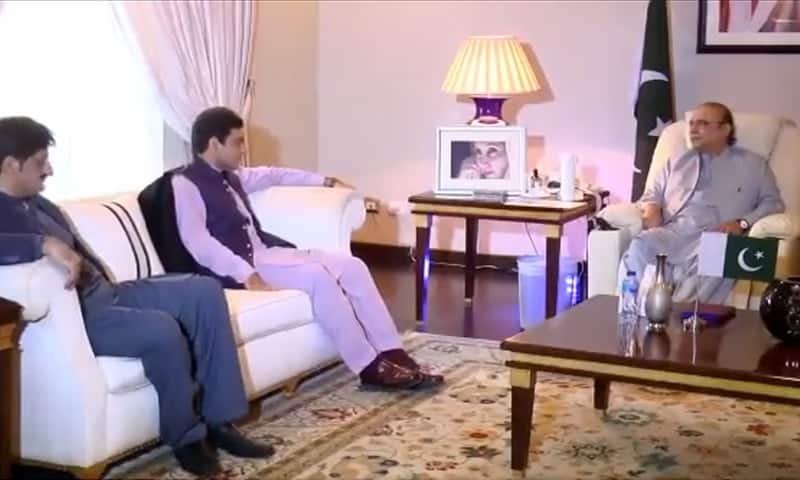
    Earlier, PPP’s Chairperson Asif Ali Zardari and Punjab Chief Minister (CM) Hamza Shehbaz met on Tuesday in which other members of the parties also participated. The decision reportedly took place during the meeting.

    Zardari congratulated Hamza on assuming the CM’s office. According to The News, the two parties also discussed other issues related to cabinet expansion in Punjab and federal, water issues, petroleum prices, and the upcoming budget. Moreover, Zardari held a meeting to sort out his party’s differences with PML-N over desired ministries in Punjab.

    Currently, PPP has seven seats in the Punjab Assembly (PA) and they were promised four ministries and two adviserships. However, in the Punjab Cabinet, there are only two members of PPP, but they are inactive due to non-allocation of their portfolios.

    The polls will be on 20 vacant seats of the PA on July 17. The seats are vacant due to the disqualification of PTI’s Members of Provincial Assembly (MPAs) by the Election Commission of Pakistan (ECP) who switched sides and voted for Hamza as CM.

    It is pertinent to mention that out of the 20 seats, eight are from southern Punjab where the PPP has a strong foothold.

  • 60% of Pakistanis don’t agree with PTI’s long march: survey

    In a public survey by the Institute of Public Opinion and Research (IPOR), 60 per cent of Pakistanis do not like Pakistan Tehreek-e-Insaf (PTI) Chairman Imran Khan’s idea to lead a long march towards Islamabad.

    According to 60 per cent of responders, Khan should run his campaign from the assemblies. On the other hand, only 23 per cent of Pakistanis support the idea of PTI’s long march.

    It has also been revealed that 48 per cent of PTI’s own supporters think that leading a long march is right, while 44 per cent are in favour of a struggle against the government in the assemblies rather than a long march.

    In the survey, more than 2,000 people from across the country participated.

    Meanwhile, 54 per cent of Pakistanis support the idea of holding fresh elections in the country, although 35 per cent of people suggest the assemblies should complete their constitutional term.

    A big majority of 86 per cent of PTI voters backed the idea of early elections, while 57 per cent of Pakistan People’s Party (PPP) voters and 31 per cent of PML-N supporters said they favoured early elections.

  • Twitter reacts to Khan appointing nephew as PTI’s focal legal affairs person

    Twitter reacts to Khan appointing nephew as PTI’s focal legal affairs person

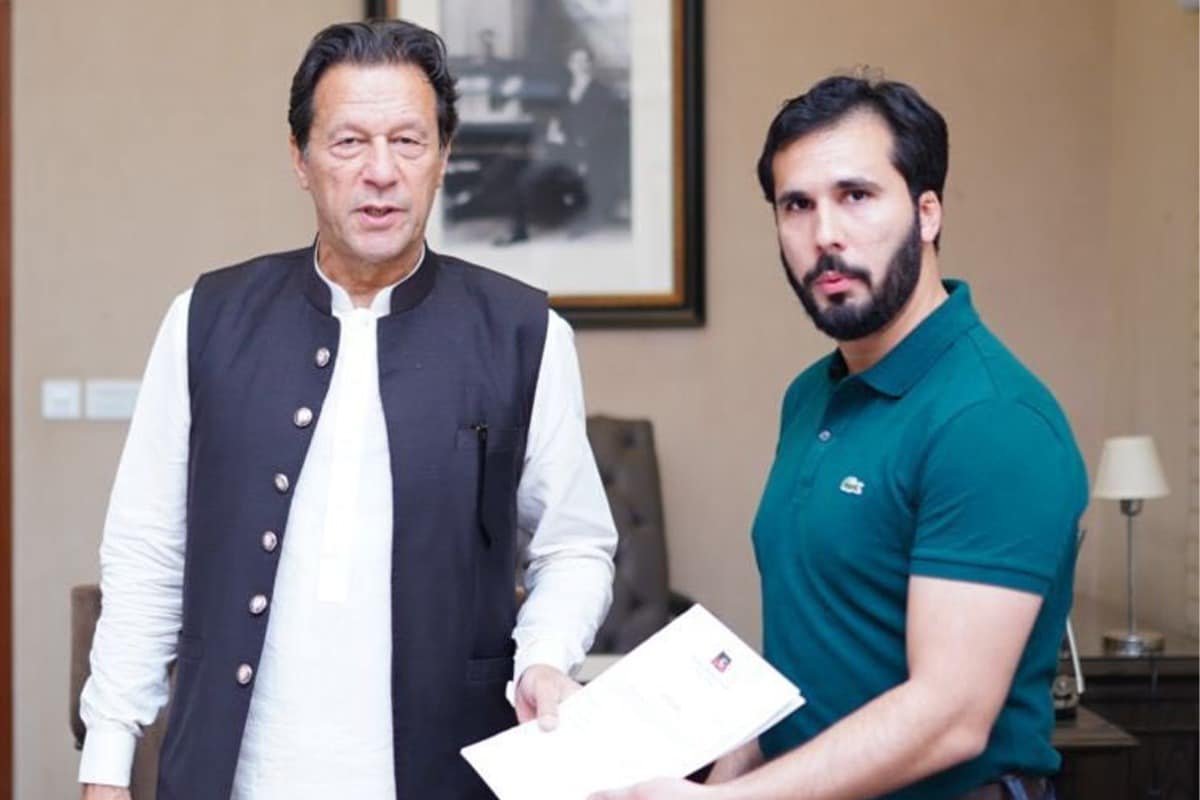
    Barrister Hassaan Khan Niazi has been appointed as the focal person for legal affairs to Pakistan Tehreek-e-Insaf (PTI), reporting directly to party Chairman Imran Khan. His appointment was made official on Sunday (June 5).

    The newly appointed focal person announced the news on Twitter. Twitterati reacting to the news, had both good wishes and skepticism for Hassaan as he is the former premier’s nephew.

    Journalist Alina Shigri lauded Hassaan for earning the position through “sheer hard work” and “not through nepotism!”

    Meanwhile, netizens questioned Hassaan’s appointment.

    A Twitter user said, “Is this Hassaan Niazi the same person who attacked a hospital in Lahore along with other lawyers in which some patients died, or is he some one other?”

    Another user questioned the appointment and wanted to know if it was through nepotism or morosi siyasaat? [dynastic politics]

    A
  • Phadda between PML-Q’s Moonis Elahi, PTI’s Ejaz Chaudhry, exchange heated tweets

    Pakistan Tehreek-e-Insaf (PTI) leader and Senator Ejaz Chaudhry and Pakistan Muslim League-Quaid (PML-Q) leader and former Minister for Water Resources Moonis Elahi exchanged some heated tweets when Chaudhry took a jibe at PML-Q’s Salik Hussain and Shafay Hussain, both of whom are Moonis’ cousins.

    According to a report by ARY News both Salik and Shafay met the incumbent Chief Minister (CM) Punjab Hamza Shehbaz and promised to support him. Chaudhry taunted them of being two-faced on Twitter.

    Moonis called out Chaudhry and said, “Just like during the Azadi March when some leaders went to the police station and presented themselves for arrests”.

    To this, Chaudhry clarified that he was not talking about Moonis as [Moonis] knows the difference between right and wrong. He further clarified that Moonis misinterpreted his tweet.

    Taking to Twitter, Moonis said, “Let’s not swing at each other. Our combined opponent is PML-N. Let’s stay focused.” He further apologised to the PTI leader.

    It is pertinent to mention that PTI and PML-Q have a real test ahead, in which they will have to fight the Pakistan Muslim League-Nawaz (PML-N) for vacant seats of the Punjab Assembly (PA).

  • Plan under consideration to increase govt officials’ salaries by 5 to 15 per cent

    Plan under consideration to increase govt officials’ salaries by 5 to 15 per cent

    In an attempt to lessen the impact of inflation, the government is considering raising salaries by 5 to 15 per cent in the upcoming fiscal year’s budget, according to The News, following the Pay and Pension Commission’s inability to submit a report ahead of the next budget, which led to the prime minister’s decision to grant another extension.

    The deadline for submitting the Commission’s recommendation is being extended to June 30, 2022, as per a statement released by the Finance Division.

    According to top official sources, the former PTI-led government gave a 15 per cent allowance to officials in grades 1 to 19, effective March 1, 2022.

    The new Shehbaz Sharif-led administration, on the other hand, pledged a 10 per cent rise in the pension and a 25,000-per-month minimum wage.

    A Finance Ministry official stated that in the future budget, pay for grades 1 to 19 may be boosted by another 5-10 per cent as an adhoc allowance. Employees in grades 20 to 22 could see a pay raise of 10 per cent to 15 per cent.

    In addition, due to increased inflationary pressures, the government may boost pensions by 5-10 per cent. The Regulation Wing of the Ministry of Finance has completed its internal work in this regard. It was also resolved to form a Pay and Pension Commission, which would make recommendations.

    The commission was established by the PTI-led government in April 2020, and its chairman was former Secretary of Finance Abdul Wajid Rana. He resigned, however, and former bureaucrat Nargis Sethi was named Chairperson of the Pay and Pension Commission. She later quit as well.

    The Pay and Pension Commission was then chaired by Zafar Ahmed Khan, who was chosen by the government. So far, the commission has requested two extensions but has yet to present its recommendations.

    The text box was included in the Pay and Pension Commission’s terms of reference, which included studying the adequacy of the existing basic pay scale system and evaluating the current salaries of government employees.

    Read more: Petrol quota for ministers, govt officials in Sindh lowered by 40 per cent

    It also includes making recommendations for streamlining existing classification from BPS 1-22, studying the separation of existing basic pay scales for dedicated departments, occupations/cadres, reviewing special scales such as management grades, management position scales (MP Scales), special professional pay scales (SPPS); project pay scales, and proposing measures for uniformity and improvement, reviewing admissible regular allowances, special incentives, and all other supplementary pay scales.

    The panel was tasked with identifying current shortcomings in the Pension Scheme and making recommendations for a corrective revision along with ensuring the current model’s long-term viability and recommending a system with clear timelines that is more efficient and sustainable given the available resources.