Tag: PTI

  • Imran Khan, Shah Mahmood Qureshi sentenced to 10 years in prison

    Imran Khan, Shah Mahmood Qureshi sentenced to 10 years in prison

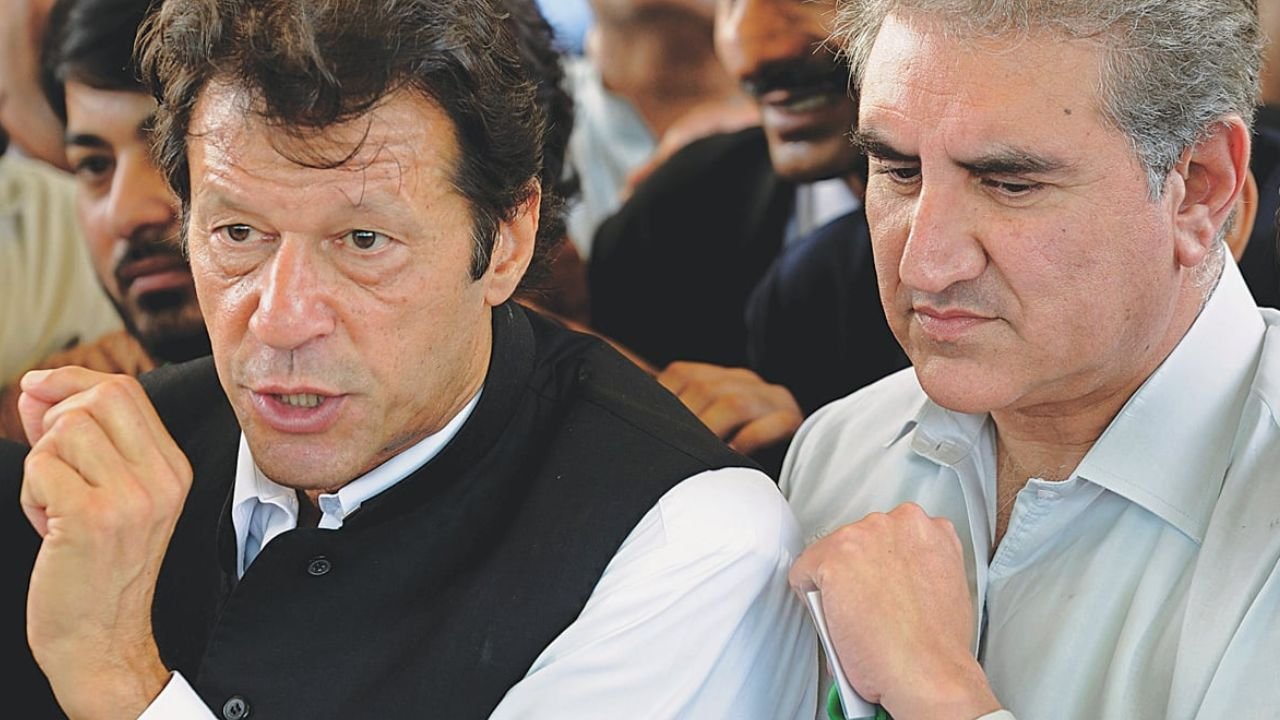
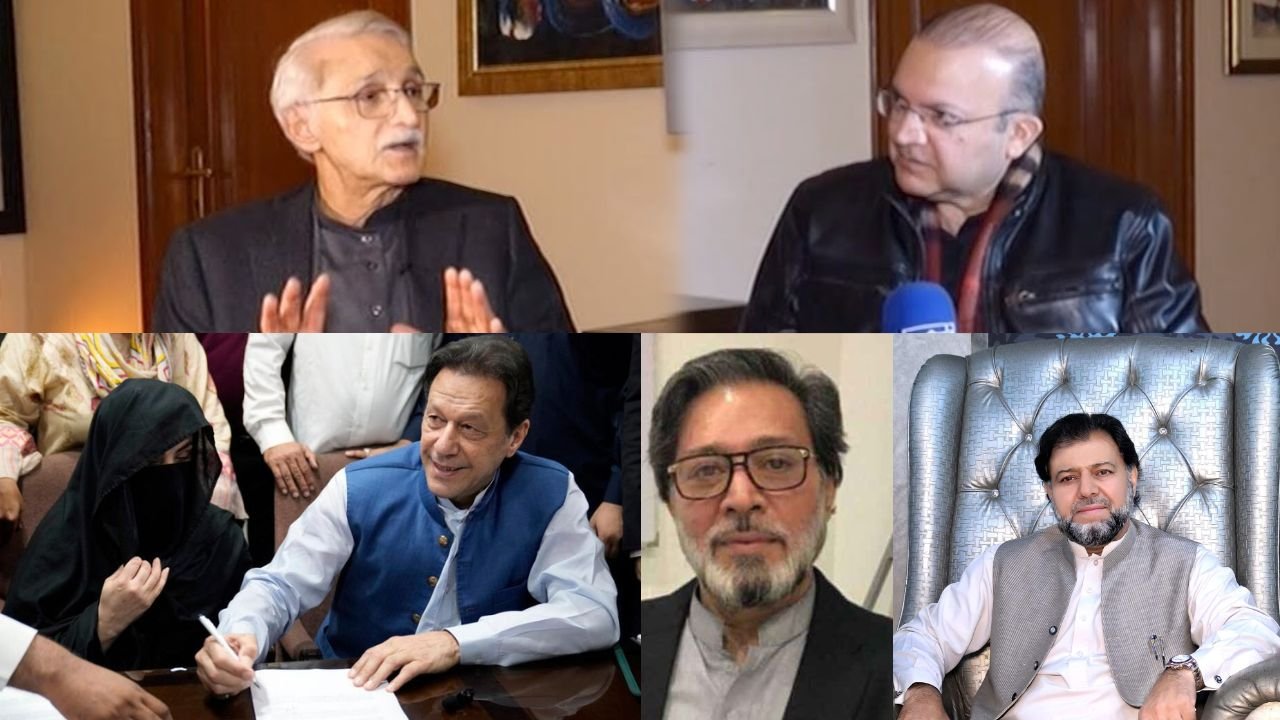
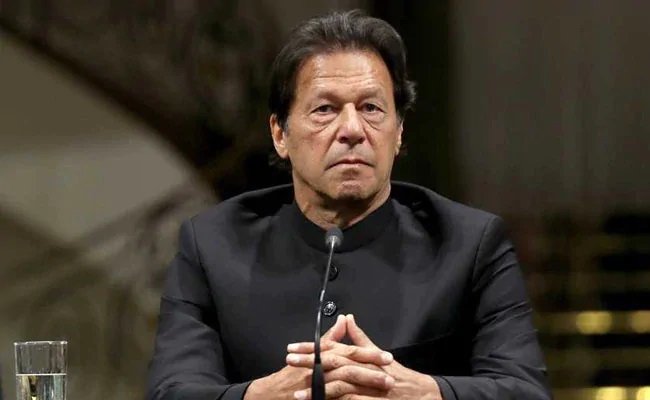
    Pakistan Tehreek-e-Insaf (PTI) founder Imran Khan and senior PTI leader Shah Mahmood Qureshi have been sentenced to 10 years imprisonment each in the cipher case today. Judge Abual Hasnat Muhammad Zulqarnain heard the cipher case and delivered the verdict at the Adiala Jail in Rawalpindi.

    Both politicians denied that they were involved in misusing diplomatic cables and leaking state documents for political purposes.

    Before announcing the verdict, Judge Zulqarnain, reminded the PTI leaders that their lawyers were not appearing in court and they were given state lawyers.

    During the hearing, Imran and Qureshi were given questions under 342. However, both leaders said that their lawyers are not present, asking how can they record their statement.

    The decision comes a day after the hearing was postponed because Imran Khan disrupted the last hearing by shouting angrily.

    What is cipher case?

    Imran Khan faced allegations that he violated the Official Secrets Act when he disclosed a secret diplomatic cable, dubbed the Cipher, sent by Pakistan’s embassy in Washington in March 2022. Khan reportedly lost possession of the diplomatic cable later. At a public rally in 2023, held just days before his ouster from the Prime Minister’s office, Khan waved a folded piece of paper from the podium, stating that it is the cable.

    Both Khan and Qureshi claimed that the cable had a threat from the US to topple the PTI government, which was then in power in Pakistan.

    Khan was ousted from the prime ministerial office in April 2022 after a no-confidence vote. Since being relieved of the premier post, more than 150 cases have been slapped against him.

  • Imran Khan is in jail for 10 years: what does he want you to do?

    Imran Khan is in jail for 10 years: what does he want you to do?

    In a recent message issued from jail, Pakistan Tehreek-e-Insaf (PTI) founding chairman Imran Khan has told his supporters what to do in case he is sentenced in the cipher case.

    Former Prime Minister Imran Khan and senior PTI leader Shah Mahmood Qureshi were sentenced to 10 years each in the cipher case today. Judge Abual Hasnat Muhammad Zulqarnain heard delivered the verdict orally at the Adiala Jail in Rawalpindi.

    Khan expressed concerns about the ongoing trial and other alleged false cases in a post on X (former Twitter). He highlighted the challenges faced in ensuring a fair trial, emphasizing the manipulation of legal proceedings and attempts to prematurely conclude the case.

    “Cipher case has twice been declared null and void by the Islamabad High Court followed by orders of a retrial because both times this case was being tried outside of law and constitution,” Prime Minister Khan stated.

    He further pointed out that despite the central witnesses’ testimonies yielding no substantial evidence against him and Shah Mahmood Qureshi, the orchestrators of the ‘London Plan’ seem determined to conclude the trial without following proper legal procedures.

    “It’s not a trial; it’s a fixed match, with results predetermined by the architects of the London Plan and their cohorts. Hence, I am aware of the outcome even before the trial concludes,” Khan asserted.

    Addressing his supporters, Khan cautioned against falling into the trap set by those who wish to exploit the situation for their interests. He urged them to stay vigilant and not be swayed by provocations aiming to incite protests on the streets.

    “Some want me to receive a harsh punishment in this case to fuel public outrage, leading to street protests akin to the May 8 scenario. Others hope for a sense of despair and disappointment among you, keeping you confined to your homes on February 8,” he stated.

    Khan called upon the people to view the situation as a test of their resilience and commitment to justice. He reminded them of the power of their vote, urging them to stand against the manipulative forces and ensure a fair electoral process.

    “My faith is that just as you broke free from the chains of fear in the past, you will come out in millions on election day, defeating the architects of the London Plan and showing them that we are not helpless animals to be herded. I believe February 8 will be a day of victory, Insha’Allah,” concluded Prime Minister Imran Khan.

    What is a Cipher case?

    Imran Khan faced allegations that he violated the Official Secrets Act when he disclosed a secret diplomatic cable, called the Cipher. This was sent by Pakistan’s embassy in Washington in March 2022. Khan reportedly lost possession of the diplomatic cable later.

    Both Khan and Qureshi claimed that the cable had a threat from the US to topple the PTI government which was then in power in Pakistan.

    Khan was ousted from the prime ministerial office in April 2022 after a no-confidence vote. Since being relieved of the premier post, more than 150 cases have been slapped against him.

  • Tempers fly high in court as Imran Khan and Shah Mahmood Qureshi are given state lawyers

    Tempers fly high in court as Imran Khan and Shah Mahmood Qureshi are given state lawyers

    In a surprising turn of events, Imran Khan, the founder of Pakistan Tehreek-e-Insaf (PTI), and Vice Chairman Shah Mahmood Qureshi found themselves represented by state-appointed lawyers in the ongoing cipher case, after their legal representatives failed to show up in court.

    A special court formed to hear cases under the Official Secrets Act appointed on Saturday state counsels for former premier Imran Khan and former foreign minister Shah Mahmood Qureshi.

    The decision was announced by special court Judge Abul Hasnat Muhammad Zulqarnain after the counsels representing the accused were absent from court proceedings on Friday.

    Malik Abdul Rehman is set to represent Imran Khan, while Hazrat Younus will stand in for Shah Mahmood Qureshi, both undertaking the responsibility of cross-examining the witnesses in the high-profile case. Both PTI leaders are presently detained at Adiala jail.

    Deliberating on the facts and circumstances, the court emphasised that it provided ample opportunities for the accused’s legal representation to be present in court. However, with no senior lawyer appearing on behalf of either Imran or Qureshi, the court had no recourse but to appoint state defense counsel.

    Tensions escalated during the hearing as Qureshi, dissatisfied with the situation, took the file from the state-appointed lawyer and, in an unexpected move, threw it against the wall.

    The development transpired following the absence of PTI founder and vice chairman’s counsels in the special court, established under the Official Secrets Act. The prosecution had filed a petition seeking to terminate the right to cross-examine witnesses, prompting a reserved verdict by Special court Judge Abual Hasnat Zulqarnain on Friday.

    During today’s proceedings, special prosecutors Zulfikar Abbas Naqvi and Raja Rizwan Abbasi were present, while the accused lawyers remained conspicuously absent. Assistant lawyers Qamar Anayat Raja and Khalid Yusuf Chaudhary took on the defense in their absence.

    In response to inquiries about the senior lawyers’ non-appearance, Raja, in an application seeking to postpone the hearing, explained that senior counsel Sikander Zulqarnain was undergoing dental surgery, rendering him unable to attend.

    Expressing concern over repeated adjournment requests, Prosecutor Naqvi questioned the regularity of lawyers’ appearances, suggesting a deliberate pattern of delays. Despite Raja’s defense of unintentional delays, Judge Zulqarnain expressed frustration, citing the case’s significance.

    As tensions mounted, the court instructed assistant lawyers to contact the absent senior lawyers by 12:30 pm, warning that proceedings would continue according to the law if they failed to appear. After the expiration of the two-time deadline, the court reserved its decision and adjourned the hearing until today. The legal saga continues to unfold as the case takes center stage.

  • Supreme Court allows Parvez Elahi to contest elections from Gujrat

    Supreme Court allows Parvez Elahi to contest elections from Gujrat

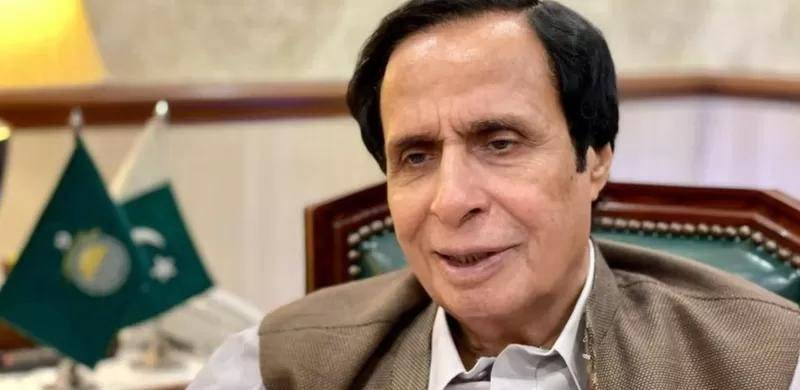
    The Supreme Court (SC) has on Friday granted major relief to the Pakistan Tehreek-e-Insaf (PTI) by allowing three of its frontline candidates, including incarcerated party president Chaudhry Parvez Elahi, to contest the upcoming February 8 elections.

    The top court on Friday approved appeals of PTI candidates Umer Aslam, Major (retd) Tahir Sadiq, and Elahi against Returning Officer decisions to reject their nomination papers from multiple constituencies.

    Chaudhry Parvez Elahi has been allowed to contest from Gujarat district’s PP-32 seat.

    The former chief minister of Punjab had filed a petition in the apex court to challenge the Lahore High Court’s (LHC) verdict of upholding the decision of the Election Tribunal to reject his nomination paper.

    A three-member bench of the SC, comprising Justice Mansoor Ali Shah, Justice Jamal Khan Mandokhail, and Justice Athar Minallah, heard Elahi’s plea.

  • ‘Country can never make progress if elections become controversial’: Shahid Khaqan Abbasi

    ‘Country can never make progress if elections become controversial’: Shahid Khaqan Abbasi

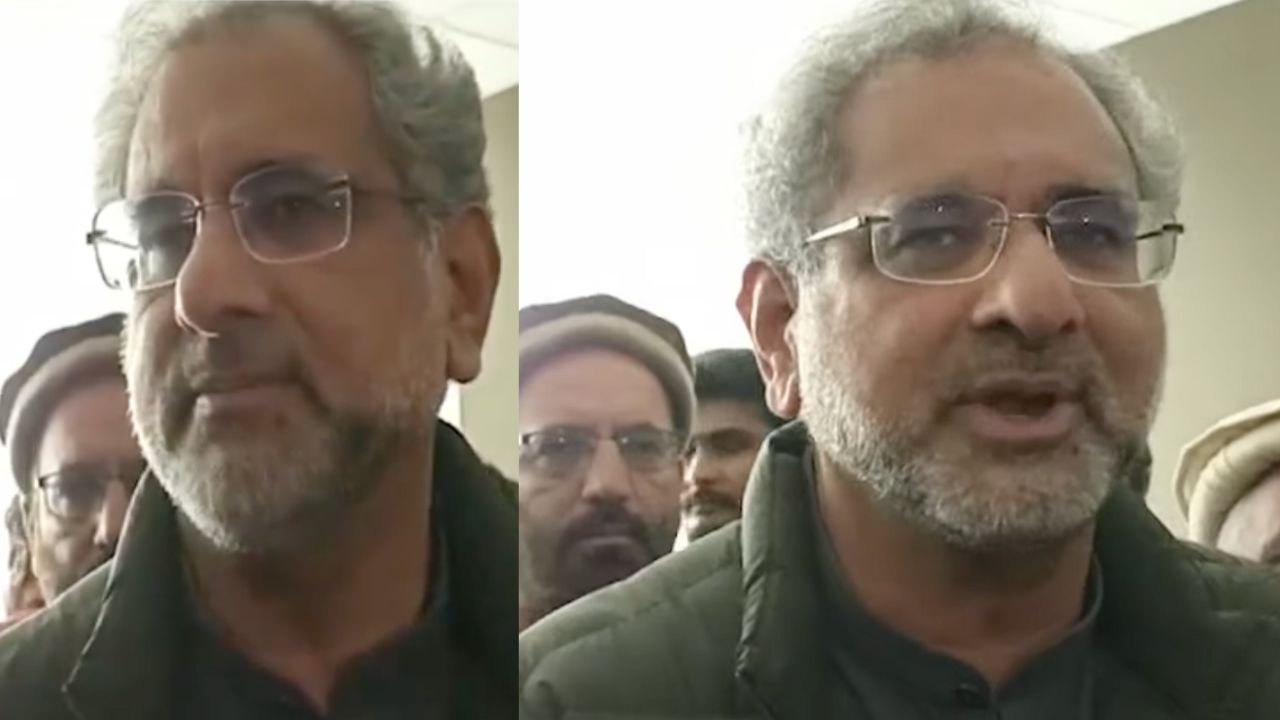
    In a statement spoken outside the anti-corruption department office in Rawalpindi, veteran politician and former Prime Minister Shahid Khaqan Abbasi voiced apprehensions about the upcoming general elections scheduled for February 8, asserting that the current electoral landscape could lead to chaos in the country.

    “Making an election purposeful is the job of the political leadership. This election has become purposeless. The political, military, and judicial leadership of the country should sit together on the table and determine the way forward for the country,” Abbasi said while talking to media.

    He showed up in the office for interrogation in a case related to alleged embezzlement in the Ghora Gali and Marri Road projects.

    Abbasi highlighted that it was the responsibility of Chief Election Commissioner Sikandar Sultan Raja, Chief Justice of Pakistan Qazi Faez Isa, and caretaker Premier Anwaarul Haq Kakar to ensure that the upcoming elections were “non-controversial”.

    “With each passing day, I become more satisfied that I made the right decision. Such an election, which does not give the country anything other than incitement and flaws; at least I did not play a part in this misdeed,” he said.

    He stressed that politicians “should realize that the country can never make progress if its elections become controversial”.

    Expressing concern over the potential controversy surrounding the elections, Abbasi stressed that elections are a sacred process and should not be made contentious. He pointed to alleged rigging in the 2018 elections, stating that the system did not function then and is unlikely to do so now.

    The former Prime Minister criticized the three largest political parties in the country, asserting that they have failed to address and resolve critical issues. Abbasi predicted the emergence of multiple political parties in Pakistan shortly.

    Despite leaving electoral politics, Abbasi clarified that he has not abandoned politics altogether. He mentioned that a decision regarding the formation of a new political party would be made after the upcoming elections.

    Addressing concerns about the National Accountability Board (NAB) and other anti-corruption institutes, Abbasi questioned who would hold them accountable, labeling them as the country’s most corrupt organization.

    Highlighting the decline in Pakistan’s development graph, Abbasi stressed on an uncontroversial election process.

    “Today people ask if the world is making progress then why is Pakistan declining in development graph? Since, 1947 every election has been stolen. The masses are disappointed in the election process. You still have time to make this process uncontroversial,” he said.

  • ‘You will not find any army in the world running at such a low budget’; COAS Gen Syed Asim Munir

    ‘You will not find any army in the world running at such a low budget’; COAS Gen Syed Asim Munir

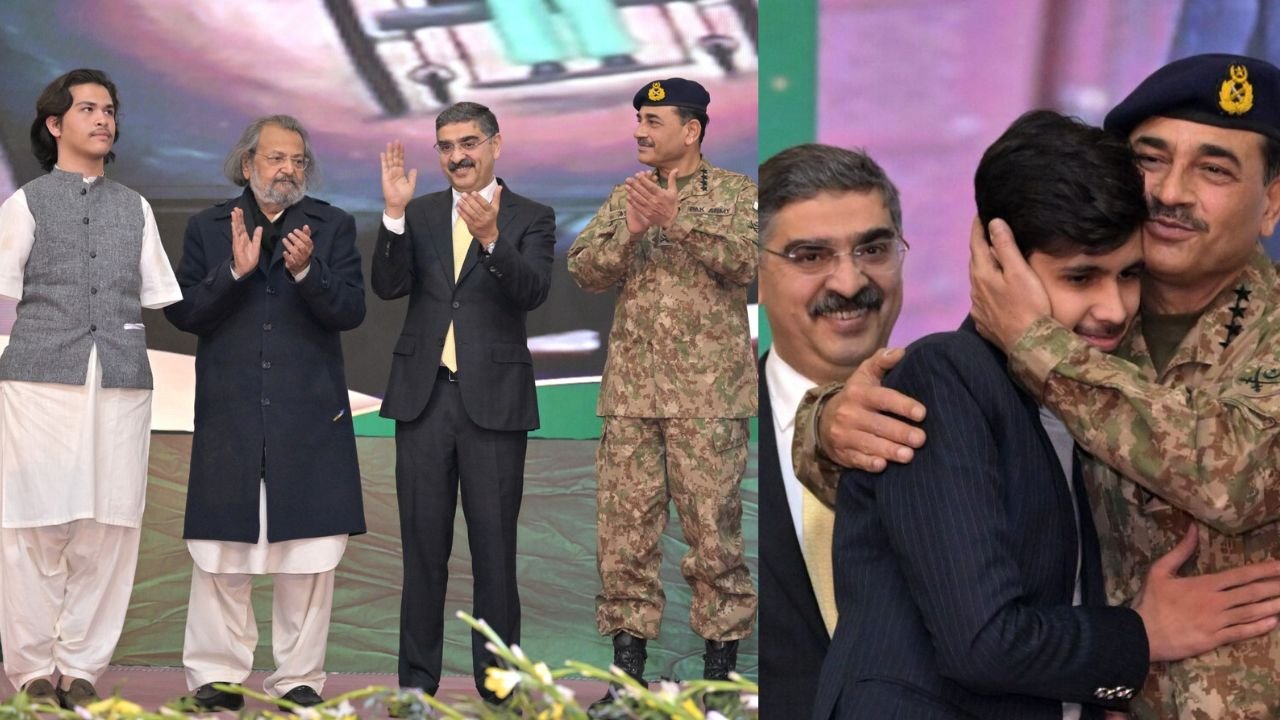
    In a candid address to students from various public and private sector universities, Chief of Army Staff (COAS) Gen Syed Asim Munir urged the youth of the country to carefully elect their future representatives in the upcoming elections, scheduled for February 8.

    General Munir emphasized the importance of making choices based on merit rather than succumbing to the influence of money or propaganda, expressing concerns about the impact of social media on political decision-making, referring to it as “vicious media.”

    “Researching the news on social media is critical. Without research and positive thinking, a society remains in chaos,” the army chief remarked.

    The COAS stressed the importance of holding elected officials accountable and ensuring that incompetent individuals are not chosen to represent the people.

    “Elections will be held on February 8. People should carefully choose their representatives without selling their votes for Rs5,000.”

    He questioned the idea that a five-year constitutional term should give political governments the license to misgovern for the entire duration, emphasizing the need for continuous accountability.

    Addressing a question about the instability of political governments completing their five-year terms, General Munir questioned the actions of a dislodged political party that chose to resign from parliament and take to the streets.

    “Should political parties be allowed to break Pakistan? Should people keep waiting for the end of the five-year term?” he asked in response to a question about the inability of political governments in the country to complete their five-year terms.

    Without naming the PTI, the military chief said: “If a government was dislodged by the majority members of the National Assembly through constitutional means, then why did it become an issue?”

    Discussing the role of social media, General Munir warned against blindly believing content and encouraged the youth to conduct thorough research before forming opinions. He described social media as a source of chaos and divisions in society, with a high level of inaccuracy.

    “Governance cannot be performed virtually. It has to be performed on the ground. So do not make your decisions based on a six-inch mobile screen,” he advised.

    Touching on the Westernization of society, the COAS reminded the youth about the reasons behind the creation of Pakistan and cautioned against blindly adopting Western civilization.

    “If we want to adopt Western civilization, then why did we get rid of Hindu civilization?” he questioned while urging the country’s youth not to blindly follow the West.

    He advised young people to build character for the good of society. “You have earned your degrees, now it is time to build your character.” He said people want governance of Hazrat Umar’s era, but they do not have the character of that era.

    General Munir addressed concerns about brain drain from Pakistan, urging youngsters to strike a balance between materialism and progression. He emphasized the importance of not leaving the country permanently if one chooses to migrate, discouraging individuals from returning solely for opportunities.

    Highlighting the army’s contribution to the nation, General Munir mentioned that the military is the highest taxpayer in Pakistan, with half of its budget going back to the government in the form of various taxes

    “With the rest of the half, we run our affairs, and you will not find any army in the world running at such a low budget,” he said.

    The COAS said the military does not get any grant from the government for the Combined Military Hospitals (CMH) and the Defense Housing Authority (DHA). Some people criticize the CMH and the DHA but want to be treated in the military hospitals and live in the DHAs, he said.

    He said Pakistan has $10 trillion worth of reserves in the shape of mines, minerals, and rare earth metals, compared to just $128 billion in foreign debt. He said these resources would be augmented by the Green Pakistan Initiative–a military-run project to end the country’s reliance on imported food and make it self-sustainable.

    The cotton production this year increased to 13 million bales from last year’s 5 million bales, while the rice production has also doubled, he added. Caretaker Prime Minister Anwaarul Haq Kakar also attended the youth conference.
  • ‘It was not my intention to malign anyone’; Jahangir Tareen says about Bushra Bibi

    ‘It was not my intention to malign anyone’; Jahangir Tareen says about Bushra Bibi

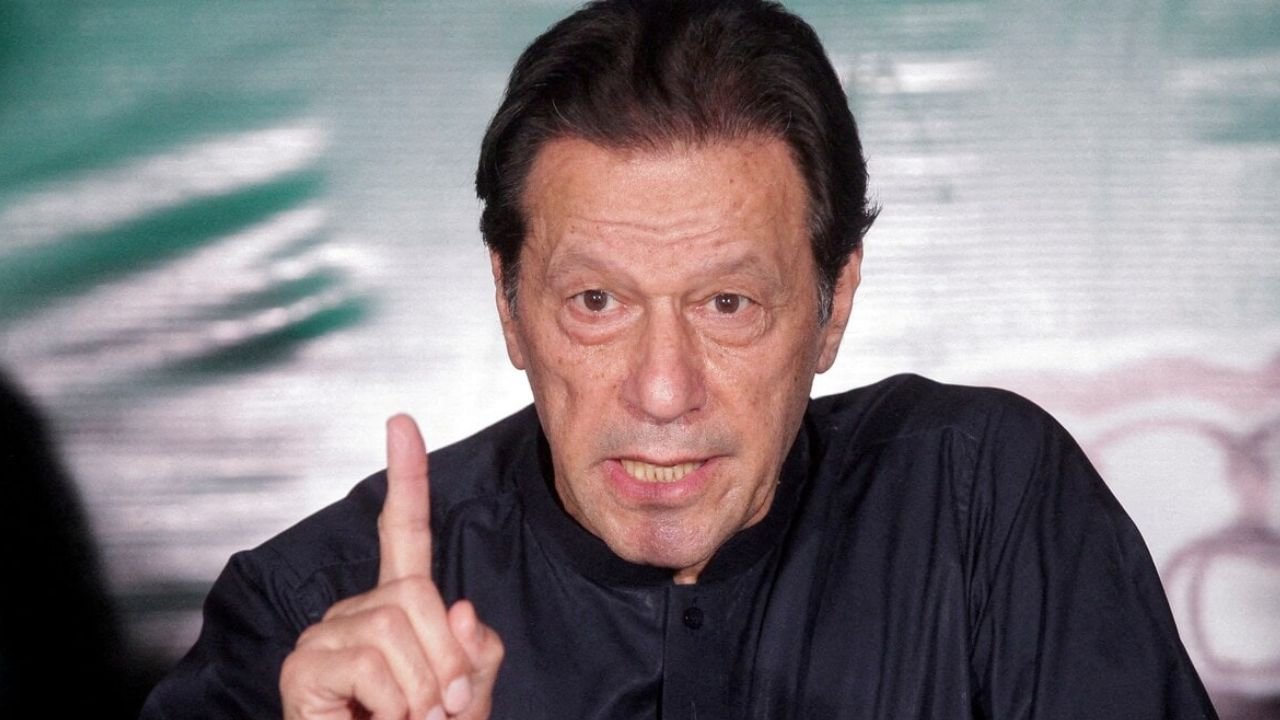
    Istehkam-e-Pakistan Party (IPP) chief, Jahangir Khan Tareen, expressed regret on Tuesday for the controversial remarks he made against former Prime Minister Imran Khan’s wife, Bushra Bibi, during a recent TV interview.

    “Regarding my comments on Nadeem Malik’s show, it was not my intention to malign anyone. I have always refrained from making derogatory comments about politicians’ families, even while my own family was under attack. I only shared what was said to me verbatim. In hindsight it should have been kept private,” he said on X (formerly Twitter).

    In an interview with Nadeem Malik, Tareen disclosed that the strained relationship between him and Imran Khan was fueled by Bushra Bibi and revealed an intriguing episode involving Khawar Maneka’s family.

    “Maneka’s brother called me and asked for a private meeting,” said Tareen.

    “He told me that his sister-in-law Bushra Bibi and Imran Khan have a relationship and it is creating a disturbance in his brother’s married life,” he added.

    Tareen said he replied that they should approach Bushra Bibi’s husband first and said it was not his job to resolve the matter.

    According to Tareen, when he relayed the entire story to Khan in another private meeting, it annoyed the PTI chief and led to clashes between them.

    The discord escalated, and at a walima ceremony, Imran Khan summoned Tareen into a room where Bushra Bibi confronted him about his inappropriate remarks. Tareen expressed disbelief at the turn of events, emphasizing that he and Imran Khan were close and that he never anticipated such repercussions. Despite feeling sidelined, Tareen chose to endure the situation in silence.

    As Tareen acknowledged the irreversibility of the past events, he reiterated his regret for the controversial remarks and the subsequent fallout with Imran Khan. The revelations have sparked intrigue, shedding light on the complex dynamics within political circles.

  • ‘Pakistan’s economy performed best under Nawaz Sharif’: Bloomberg

    ‘Pakistan’s economy performed best under Nawaz Sharif’: Bloomberg

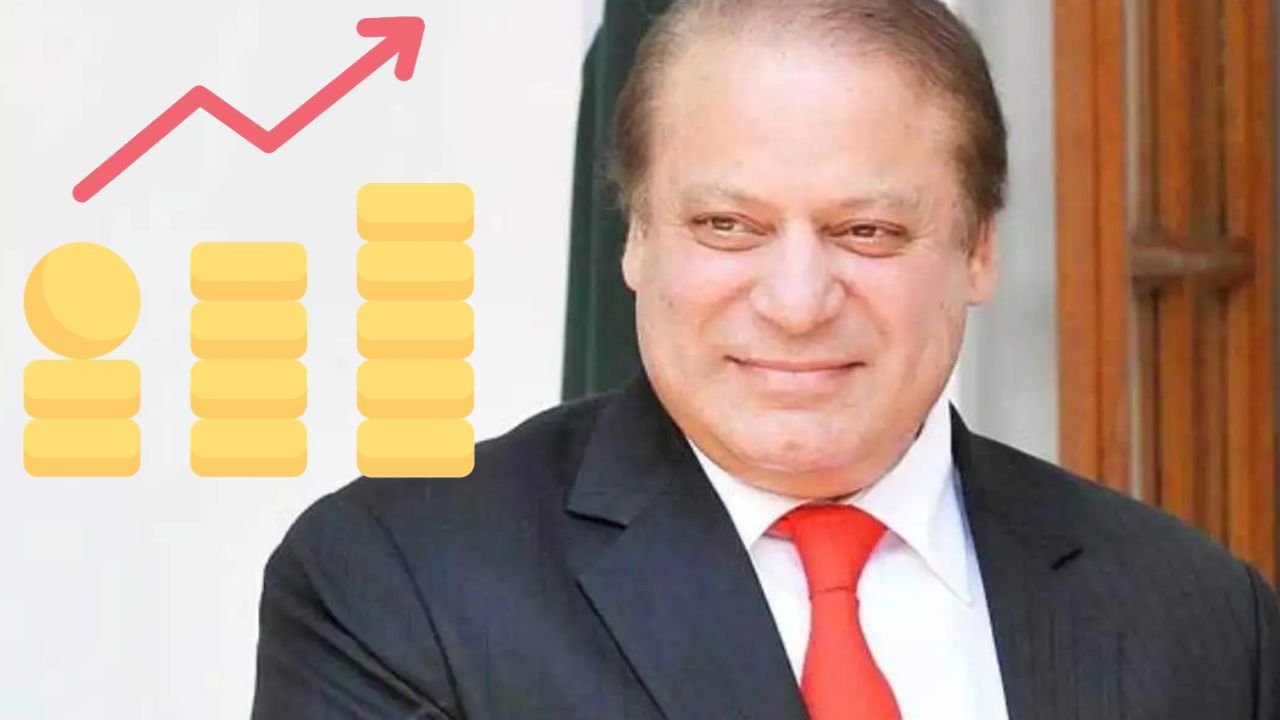
    An analysis by Bloomberg Economics reveals that Pakistan’s economy witnessed its best performance in the past three decades under the leadership of Nawaz Sharif, who served as Prime Minister thrice.

    The report compares economic indicators during Sharif’s tenure with those of his rivals, including Imran Khan’s Pakistan Tehreek-e-Insaf (PTI) and Bilawal Bhutto Zardari’s Pakistan Peoples Party (PPP), using a misery index that combines inflation and unemployment rates.

    According to Bloomberg Economics, the analysis utilized an average of the misery index values over the years when each major political party ruled Pakistan since 1990.

    The results indicate that Sharif’s Pakistan Muslim League (PML-N) outperformed both PTI and PPP in managing economic challenges.

    With general elections scheduled for February 8, Bloomberg suggests that Nawaz Sharif seems poised to return to power for the fourth time, especially as Imran Khan faces legal issues and incarceration.

    Despite Khan’s popularity, with a 57% approval rating according to a recent Gallup poll, Sharif has experienced a surge in popularity from 36% to 52% in the past six months.

    The past three decades saw the PML-N rule Pakistan four times under Sharif and his younger brother Shehbaz Sharif. The PPP under the Bhutto dynasty has held power three times, while Khan was in office for a four-year term ending in April 2022 when he was ousted from power in a parliamentary no-trust vote.

    “Bloomberg Economics used an average of the index values over the respective years when each of the major political parties ruled the country since 1990. A higher value indicates more economic hardship for citizens,” the publication said, explaining its conclusions.

    Bloomberg Economics Misery Index Results for Pakistan showed the Pakistan Muslim League scored 14.5 percent, Pakistan Tehreek-e-Insaf 16.1 percent, and the Pakistan Peoples Party 17.2 percent.

    Pakistan is currently grappling with economic challenges, including seeking a financial bailout from the International Monetary Fund (IMF).

    Inflation is close to 30 percent in Pakistan, the currency was Asia’s worst performer last year and foreign exchange reserves have slumped.

    The incoming government, as per IMF conditions, will need to implement potentially unpopular policies such as withdrawing subsidies and raising taxes. The IMF forecasts a 2% growth in Pakistan’s economy for the current fiscal year after experiencing a contraction in the previous year.

    Despite the positive economic indicators during Sharif’s governance, the report underscores the formidable tasks awaiting the new government in addressing the country’s economic hardships.

  • Why shouldn’t court try Qasim Suri for violating Constitution, asks CJP Isa.

    Why shouldn’t court try Qasim Suri for violating Constitution, asks CJP Isa.

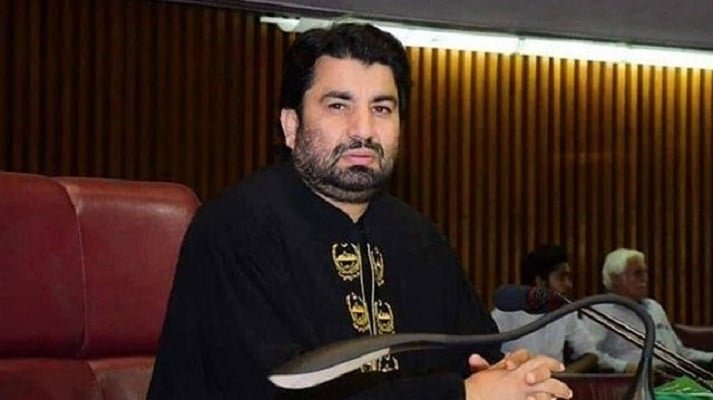
    Chief Justice of Pakistan (CJP) Qazi Faez Isa has asked why the Supreme Court (SC) should not proceed against former National Assembly (NA) deputy speaker and Pakistan Tehreek-e-Insaf (PTI) leader Qasim Suri for violating the Constitution.

    “Qasim Suri did not hold [voting] on the no-confidence motion. He became the cause of the constitutional crisis in the country,” the CJP remarked while referring to the 2022 crisis related to the ouster of then-prime minister Imran Khan via parliamentary vote.

    The CJP also stated that it was suggested that a former NA deputy speaker should be tried under Article 6 for treason. “Then tell us, why we should not proceed against you on abrogation of the Constitution?”

    The CJP passed the remarks during the hearing of Suri’s 2019 petition challenging the election tribunal’s decision to declare his election from NA-265 (Quetta-II) unlawful on September 27, that same year.

    In 2019, a three-member bench of the apex court headed by Umar Ata Bandial rejected the petition of the election tribunal and restored Qasim Suri’s membership.

    Baloch leader Lashkari Raisani had challenged Suri’s victory in the Quetta constituency during the 2018 elections.

  • Father kills son in Peshawar for planting PTI flag at home

    Father kills son in Peshawar for planting PTI flag at home

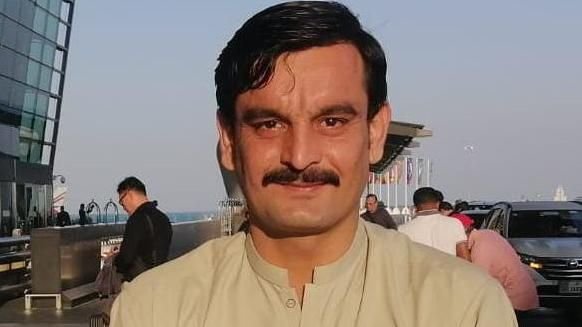
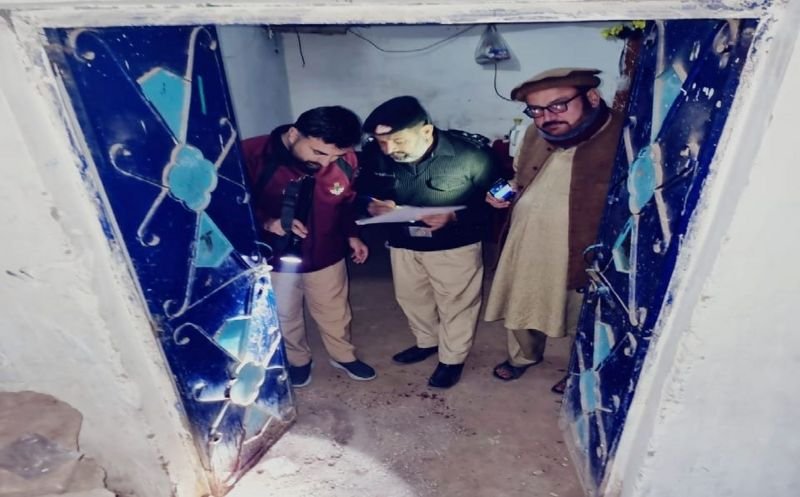
    A father has allegedly killed his son in Budhbir, a suburb of Peshawar after the younger man put up a PTI flag on the roof of the house following a bitter dispute, BBC Urdu has reported.

    A case has been registered on the complaint of Arifur Rahman, the brother of the deceased Atta-ul-Rehman, in which it is said that the father and son had a repeated and bitter verbal argument on politics, upon which the father got angry and opened fire on his son with a pistol.

    Son Atta-ul-Rehman in Qatar

    Arifur Rahman, the complainant in this case and the victim’s brother, told the BBC that his brother had been living in Qatar and was working as a sanitary worker. His brother had come home to Peshawar after taking a two-month leave and was supposed to return to Qatar in 20 days.

    Arif says that the argument between his father and brother started with the hanging of the PTI party flag on the roof of the house, which escalated to bitter words and his father shot Atta-ur-Rehman in a fit of rage. He was visibly upset when the BBC interviewed him. In his words, his younger brother Atta brought the flag home and put it on the roof, but his father did not like it. According to Arif, his father urged his brother to “vote whoever you want, but raising this flag is not right.”

    Arif says that his younger brother started an argument with his father that it was not a big deal to plant the flag and eventually the argument escalated to such an extent that Noor Rehman pulled out a pistol and fired at his son.

    According to the FIR of this case, Atta-ur-Rehman was being taken to Lady Reading Hospital for treatment, but he died on the way.

    Arif has said that his father had retired from his job some time ago. His father does not seem to belong to any political party, but the Awami National Party is supported in his area and representatives of this party are elected. He says that there is an atmosphere of sadness in the house now. Our breadwinner brother is no more and the whole area is saddened by the incident. Atta-ur-Rehman has been buried. His brother relayed that it was not such a big deal, just that the bitterness in the conversation increased so much that no one understood what happened.

    The father has escaped from the house. SP President Division Abdul Salam Khalid says that raids are being conducted in search of the accused.