Tag: public safety

  • Crackdown intensifies against illegal constructions in Karachi

    Crackdown intensifies against illegal constructions in Karachi

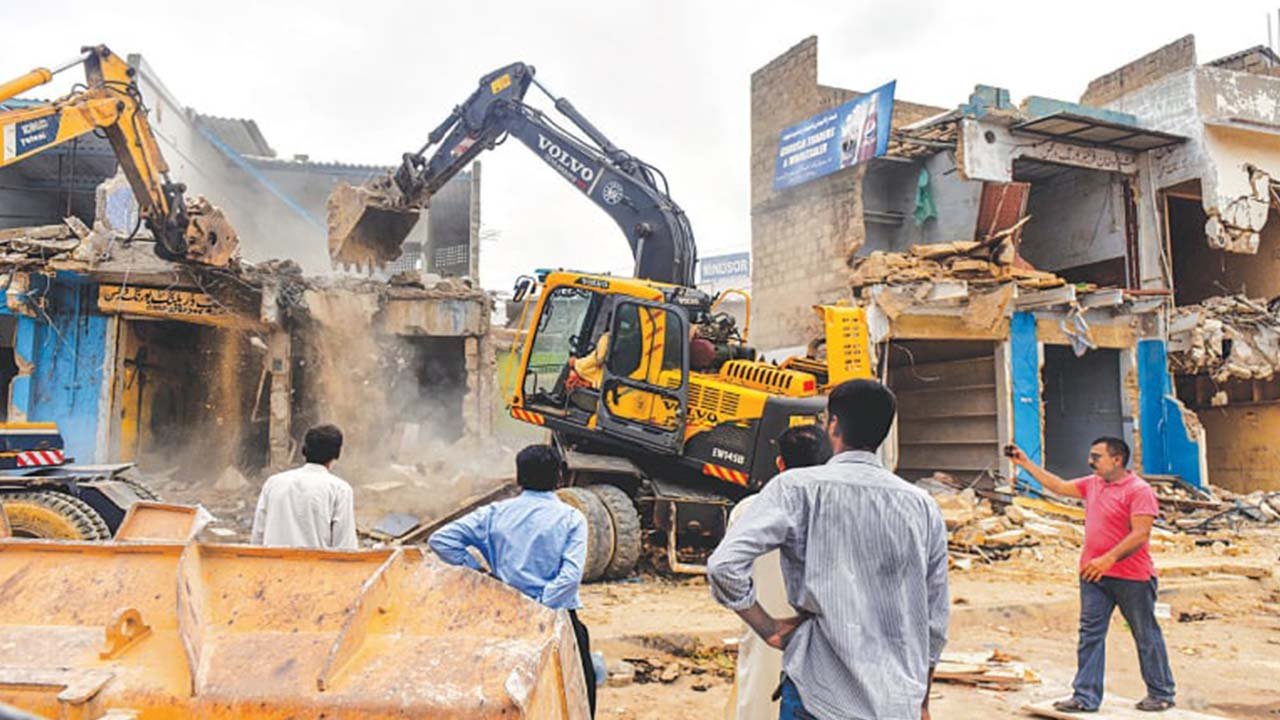
    The Sindh Building Control Authority (SBCA) has intensified efforts to combat unauthorised constructions across Karachi, leading to the demolition of several structures, including wedding halls.

    In a recent operation targeting illegal construction in District Central Karachi, SBCA personnel faced gunfire from unidentified individuals. Despite the danger, SBCA officials pressed on, successfully demolishing the fourth floor of a targeted building.

    The Director General of SBCA, Abdul Rasheed Solangi, swiftly directed the Senior Superintendent of Police (SSP) Central to apprehend the culprits and initiate legal action against those responsible for the shooting.

    Solangi stressed the crucial need for resolute enforcement against illegal construction, commending the dedication and integrity of the SBCA staff. He assured them of unwavering support to ensure their safety and effectiveness in carrying out their duties amidst challenges.

    The crackdown on illegal construction continues across various parts of the city. Abdul Rasheed Solangi, along with the Demolition Squad, oversaw the demolition of multiple buildings in areas such as Essa Nagri, Paposh Nagar, and Gulberg.

    Additionally, over 13 illegal structures have been dismantled in localities including Saddar Town, Jamshed Town, Gulberg, and Gulshan-e-Iqbal.

    Director General Abdul Rasheed Solangi personally supervises the ongoing crackdown on illegal construction, underscoring the authority’s commitment to uphold building regulations and ensure public safety.

    Meanwhile, Minister for Local Government Saeed Ghani has issued directives to eradicate all forms of unauthorised construction in the city. He emphasised the importance of taking stringent action against any SBCA officials found complicit in facilitating illegal construction.
  • Traffic police in Karachi to suspend challan issuance from 5pm to Iftar

    Traffic police in Karachi to suspend challan issuance from 5pm to Iftar

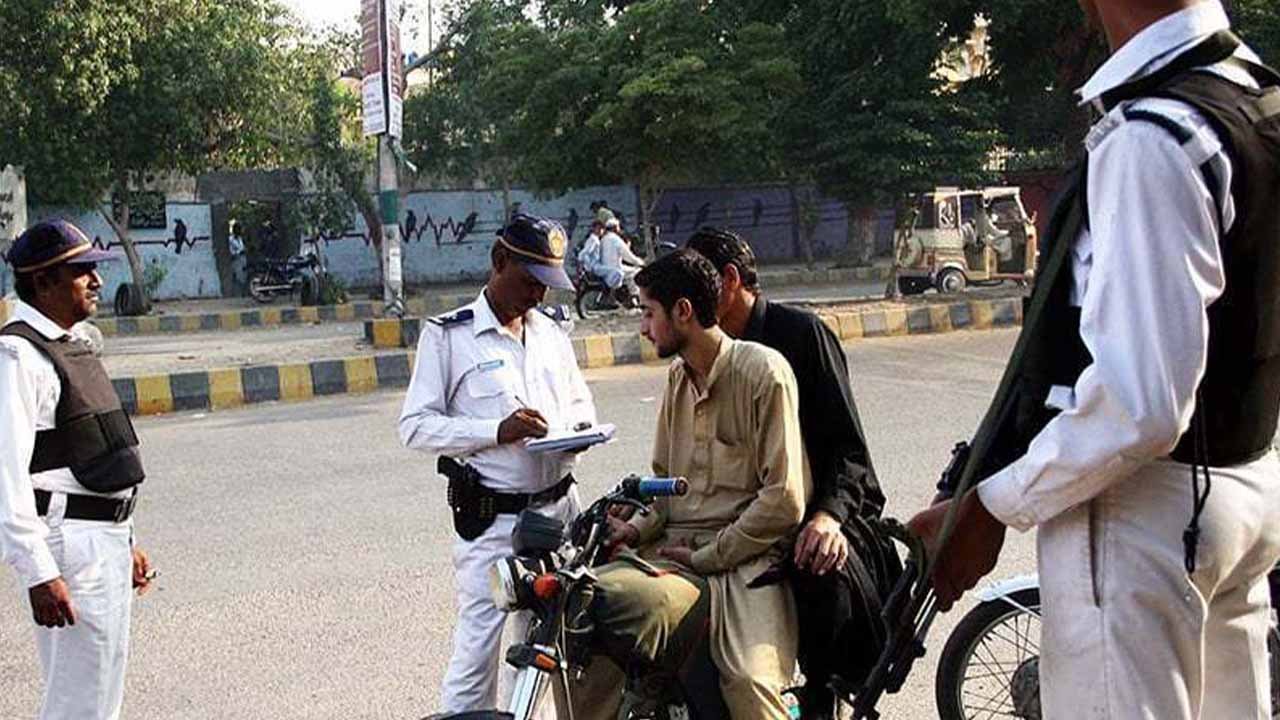
    In his inaugural address at the Scout Auditorium, the newly appointed Chief of Metropolitan Traffic Police, DIG Ahmed Nawaz Cheema, stressed the importance of fostering a positive relationship with the public among traffic officials.

    Under his directive, traffic officers are prohibited from issuing challans between 5pm and Iftar, with the aim of ensuring smooth traffic flow to facilitate citizens’ journey home.

    Instead of immediately penalising families for traffic violations, Cheema advocates for a more lenient approach, urging officers to issue warnings in such cases. He stressed the gravity of one-way violations, highlighting their potential to cause accidents and disrupt traffic flow, and highlighted the need for strict enforcement.

    Furthermore, Cheema underscored that any misconduct or confrontation by officers will result in disciplinary action. Challan officers are instructed to only issue fines for moving violations, while addressing the issue of obstructive parking by cars, rickshaws, and motorcycles.

    According to Express News, to enhance accountability and transparency, officers are required to wear body-worn cameras during challan issuance. Additionally, Cheema has mandated unity among officers and officials.

    Among other directives, strict adherence to the fast lane on Shahrah-e-Faisal and the utilisation of designated bike lanes by motorcyclists are enforced. Moreover, the removal of illegally parked six and nine-seater rickshaws has been ordered.

    Cheema has instructed all sections to prominently display timing boards for vehicle lifting in their respective areas, with vehicles only to be towed in cases of double or illegal parking.

  • OGRA proposes Rs10 million fine for oil companies involved in illegal petroleum stocking and distribution

    OGRA proposes Rs10 million fine for oil companies involved in illegal petroleum stocking and distribution

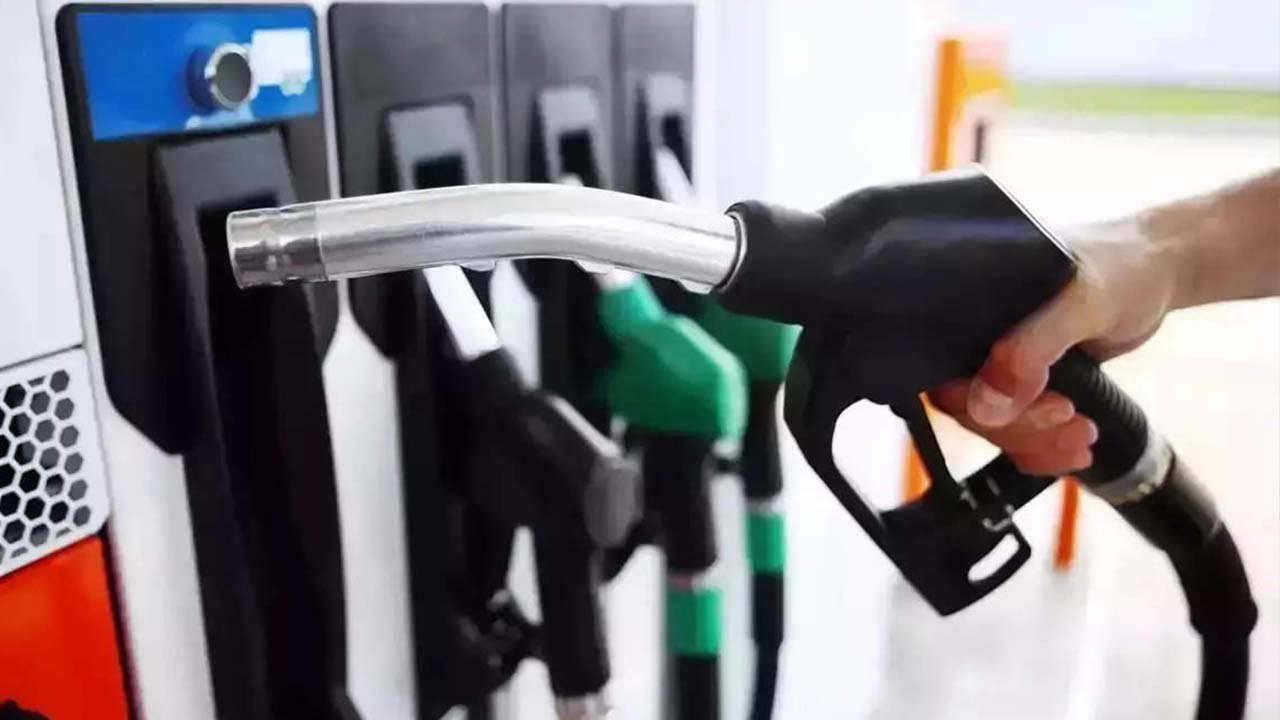
    The Oil and Gas Regulatory Authority (OGRA) has recommended severe penalties for those involved in the illegal storage, handling, and distribution of petroleum products in Pakistan. OGRA has proposed amendments to Sections 285-B and 285-C of the Pakistan Penal Code to address this issue.

    According to OGRA’s proposal to the Cabinet Division, individuals or oil marketing companies found guilty of unauthorised storage and handling of petroleum for the purpose of sale, resale, transport, or distribution to consumers could face up to ten years in prison or a fine of up to Rs10 million. The regulatory body emphasises that such unauthorised activities have detrimental effects on society, particularly innocent individuals who may unknowingly be exposed to unsafe petroleum products.

    The proposed amendments aim to address the existing gaps in the legal framework related to the handling of explosive substances, fire or combustible materials, and machinery that can cause harm to human life and property damage. While Sections 285, 286, and 287 of the Pakistan Penal Code already deal with these issues, they do not specifically cover the illicit sale, distribution, production, storage, or handling of petroleum products.

    To rectify this, OGRA has recommended the insertion of Section-A 285-B and 285-C in the Pakistan Penal Code. These new sections would serve to safeguard human life and property by imposing strict penalties for unlicensed handling of petroleum products and explosive substances, as well as unauthorised manufacturing of machinery and equipment.

    The proposed amendments align with the constitutional provisions of Pakistan, which ensure that no person shall be deprived of life, liberty, or property except in accordance with the law. By introducing these new measures, OGRA aims to deter illegal activities in the oil and gas sector, protect public safety, and maintain a regulated and lawful environment for the industry.

    The recommendations made by OGRA are now under consideration by the Cabinet Division. If approved and implemented, the proposed amendments would serve as a strong deterrent against the illegal handling and distribution of petroleum products, ensuring the safety and well-being of the Pakistani public.

  • ‘Islamabad police receives 2,700 fake calls daily’

    ‘Islamabad police receives 2,700 fake calls daily’

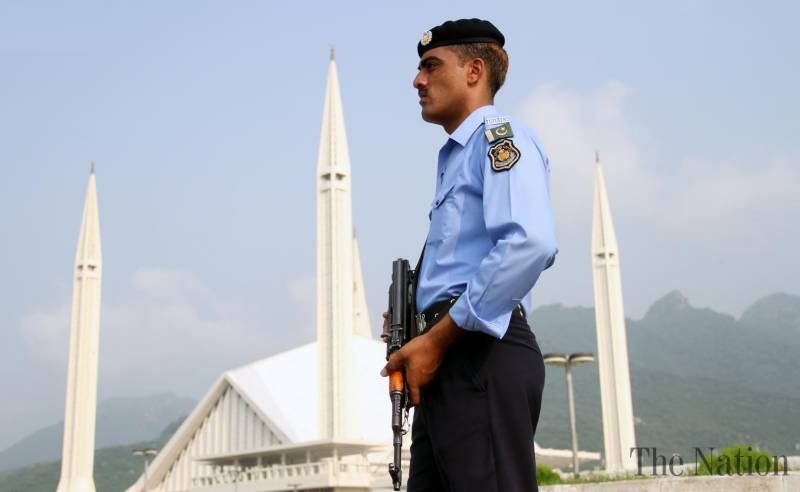
    The Islamabad police receives approximately 2,700 fake calls daily because of which the police response system is being badly affected, Inspector-General Qazi Jamil ur Rehman has said.

    The police chief appealed to the masses to avoid making hoax calls as it may put someone’s life in danger.

    “If we are sent to a hoax call, it means we’re not available when someone really needs our help. It could be a matter of life or death,” said the IG in a statement.

    He said that police emergency department 15 plays an important role in receiving and transmitting calls from the public.

    However, the fake calls not only waste the time of the operator but may cause a delay in responding to an emergency situation.

    The IG directed 15 authorities to book frequent callers and proceed with legal action against them.

    SMS alert service launched

    Meanwhile, the Islamabad Traffic Police (ITP) has taken several initiatives like issuance of smart driving licenses, online appointment system, SMS alert service for the convenience of motorists, Senior Superintendent of Police (SSP) Farrukh Rashid announced.

    The ITP also revealed that over Rs20 million fine was collected from drivers by issuing as many as 73,609 challans over various traffic violations during the ongoing year. Some 1,420 were ticketed against over-speeding, 2,767 for tinted glasses, 566 for illegal lights, 2,590 for lane violation, 8,816 for not using a helmet and 3,150 for not fastening their seat belt. Similarly, 1,831 people were fined for using mobile phones while driving, 737 over wrong parking and 3,136 were charged for using fancy number plates.

    Earlier, PTI Senator Faisal Javed Khan had also shared a picture of himself getting fined by the police for not wearing a seatbelt.