Tag: Punjab

  • Despite criticism, Nawaz Sharif continues leading administrative meetings in Punjab  

    Despite criticism, Nawaz Sharif continues leading administrative meetings in Punjab  

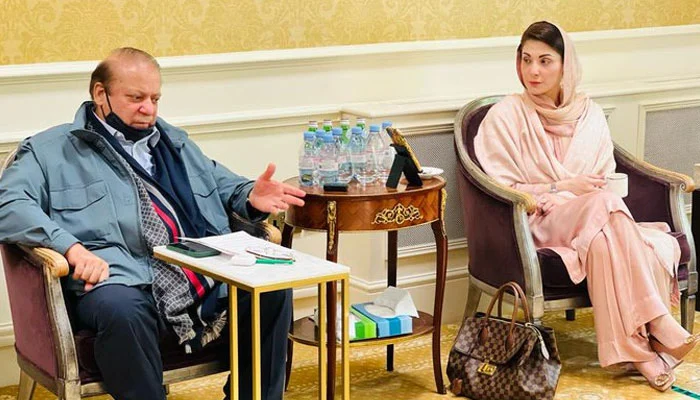
    Pakistan Muslim League-Nawaz (PML-N) supremo Nawaz Sharif continues leading administrative meetings with his daughter, chief minister of Punjab Maryam Nawaz, despite facing heavy criticism. 

    The PML-N head also chaired a meeting on Monday to review problems in Punjab’s agricultural sector.

    Since the general elections on February 8, the leader of the PML-N has mostly stayed out of the spotlight. But in the few times he’s been seen in public since then, he’s been taking charge alongside his daughter, leading administrative meetings of the Punjab government.

    Now the question is that if Nawaz Sharif has not held any official or administrative position, then why is he leading administrative meetings in Punjab as he is just a member of the National Assembly (NA)?

    Sharif said during a meeting that the quality of seeds is still a big concern even after decades.

    He called for “effective steps” to save 37 million acres feet (MAF) of water from being wasted during agricultural activities in the province.

  • Senate elections delayed in KPK

    Senate elections delayed in KPK

    The Election Commission of Pakistan (ECP) on Tuesday postponed Senate elections in Khyber Pakhtunkhwa after opposition members filed a plea for postponement because of an issue with the provincial government over oath-taking of MPAs on reserved seats.

    Interestingly, polling is underway in the National Assembly, Punjab and Sindh assemblies.

    KP speaker Babar Saleem Swati did not comply with the Peshawar High Court’s (PHC) recent order to administer the oath to the legislators-elect and filed a review petition in court on the eve of polling.

    An official from the ECP pointed out that elections were postponed in KPK because of a delay in oath-taking ceremonies of MPAs-elect, as per the PHC order.

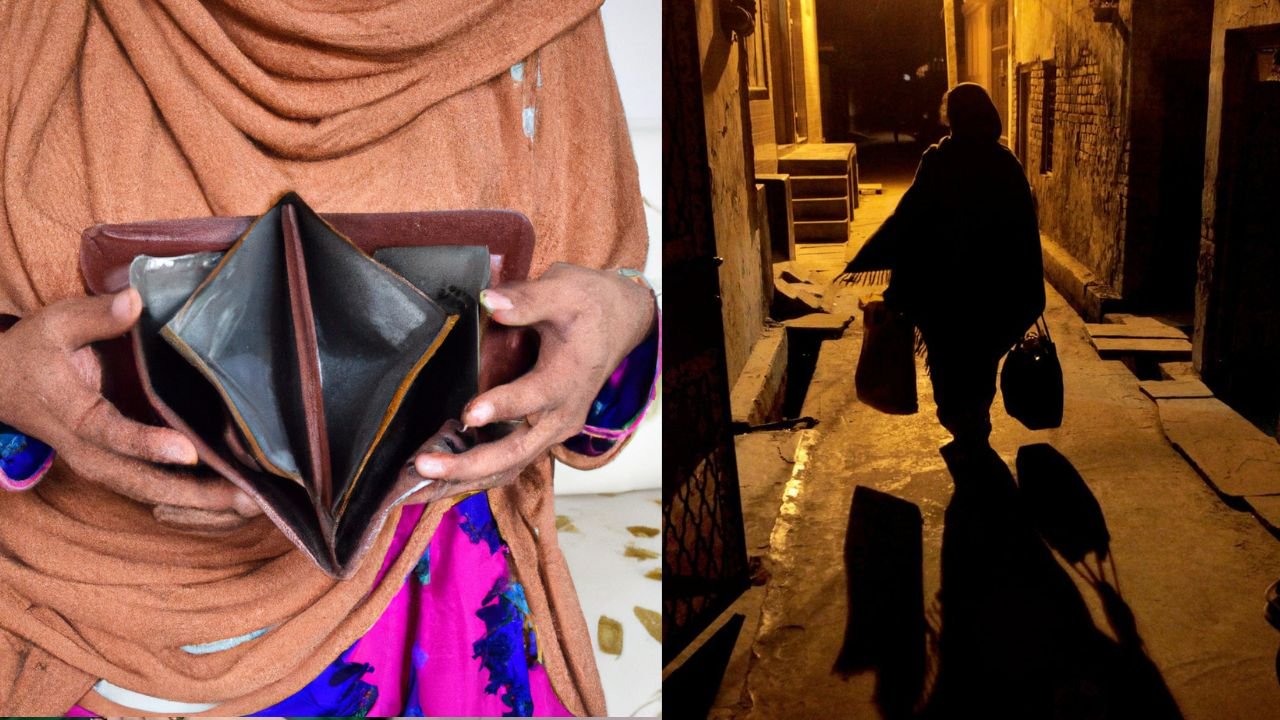
  • Behind closed wallets; The cycle of financial abuse of house help in Pakistan

    Behind closed wallets; The cycle of financial abuse of house help in Pakistan

    Sonia, a 27-year-old woman, and mother of a 5-year-old daughter works as a house help. In eight years of married life, her husband has never had a stable job, nor does he bother to find work on a daily wage basis.

    Sonia has been paying off loans taken by her husband, Afzal, and her in-laws. In the initial months of her marriage, she sold whatever she had to buy a motor rickshaw for her husband so that they could have a source of daily income. Within no time Afzal sold the vehicle, taking additional loans to marry off Sonia’s sister-in-law.

    The debt piled up to 150,000 rupees. Sonia was working in two homes at that point, earning Rs20,000 from one for cooking food twice a day and Rs5,000 from the other for cleaning and washing the dishes. This was their sole family income in which they had to do grocery, pay the bills, feed their daughter and themselves, and look after the in-laws in addition to buying medicine for her mother-in-law.

    When she reminded her husband that he was supposed to work too if they wanted to get rid of the loans, she was beaten not only by Afzal but by his family too. From here started a never-ending cycle of financial exploitation and physical abuse. She endured two miscarriages due to the beatings and excessive work. She sometimes thinks that things would’ve been different if her father was alive.

    “I don’t blame my parents. This is what happens to people in our class. I just think that maybe if my father was alive, I would’ve had the option to tell him everything and he might have allowed me to take divorce and go back to my home. I don’t have that option anymore. I must live and survive here. I have a kid now. I can’t leave her,” she said while sobbing.

    Sonia is not the only one who goes through this cycle. I called up as many people as I could in different parts of Pakistan, family, friends, colleagues, acquaintances, and strangers to ask about their house help. Every woman had a similar story. A drug-addicted husband, an abusive husband, a husband who doesn’t work and keeps taking loans which the wife must pay. A never-ending circle of exploitation, harassment, and abuse.

    “There are very few people who respect us. It is not easy to clean someone’s dirt or wash their dishes with days-old rotten food. It is embarrassing to ask them for additional money to pay off loans. Sometimes I even have to take a loan from one person to pay off the previous one and the cycle goes on,” Sonia elaborated while talking about how draining her routine is as she does all the house chores and then works in the homes of other people too.

    She doesn’t want her daughter to end up like her. Instead she desires an education for her child, better career options. But whenever she brings the topic up, Afzal doesn’t take it seriously. He even spent the money they were given by different people to help finance their daughter’s education. Sometimes it was Eid gifts for sisters, other times it was a loan given to a friend. Sonia never got her money back.

    Doctor Ramish Fatima, who works in the periphery of Multan, details how such cases are quite normal and how these women suffer especially during their pregnancies. “These women keep working till the last month of their pregnancy and they must go back to work a few days after giving birth because they must pay off loans. If they fail to do so, they are beaten by their in-laws. In some cases, husbands work on minimum wages, but mostly don’t as they are drug addicts, and they physically abuse their wives after being intoxicated,” she explained.

    Ramish has been working in the periphery for over seven years now and most of the time she has dealt with such emergency cases. As a feminist and human rights activist, she believes that the solution to these problems is education and financial independence. She further emphasizes the importance of systemic upgrades and overall behavioral change in society towards women.

    Punjab Domestic Workers Act was enacted in 2019 throughout the province to regulate their terms of employment and working conditions of service, to provide them social protection and ensure their welfare, and to provide for the matters ancillary.
    The act states that “No child under the age of 15 years shall be allowed to work in a household in any capacity” while every other day we see cases of severe physical abuse and sexual exploitation against underage domestic workers.

    In the same manner, this act requires every employer to issue a letter of employment showing the terms and conditions of employment including nature of work and amount of wages.

    Regarding registration of Domestic Workers and Employers, this act states, “Every domestic worker, to benefit from the fund, shall make an application for registration in a manner as prescribed by the Governing Body, and every such domestic worker shall be provided by the Governing Body with a security number and identity card, which shall be renewable after completion of every three years. Provided that none of the domestic workers shall be eligible to get more than one security number and identity card. Every employer shall make an application for registration in a manner as prescribed by the Governing Body, and every such employer shall be provided with a registration number, which shall be renewable after completion of every three years.”

    Hiba Akbar, a lawyer who teaches at LMUS, believes that such laws are made to just get done with the binding of international treaties without any intention of implementing it.

    “Every time we see a shocking case of abuse of domestic workers we talk about laws but a law already exists. How many domestic workers are paid minimum wage? How many workers and employers are registered? Does anyone even know where they can register,” she questions. If the government was serious about implementation, she stresses, they would’ve made all the information public and ensured the safety and security of domestic workers.

    She further argues that financial abuse comes from employers too who believe that giving their house help food and clothes once in a while, that too of substandard quality, won’t help them in breaking the cycle of financial abuse and recurring loans.

    In 2023, Kashf Foundation, a registered Non-Banking Microfinance Company regulated by the Securities and Exchange Commission of Pakistan which started in 1996, gave 140,572 Easy Loans ranging from 10,000 to 35,000 rupees for short periods, as per their annual report.

    Their research in 2023 on low-income households highlighted that income spent on meeting food expenses has increased from 30% of their income in 2018 to 45% of their income in 2023 while earnings didn’t keep pace with the increase in food prices in real terms.

    Gender and Financial Inclusion expert Zainab Saeed explains that Pakistan has one of the lowest rates of financial inclusion in the world and only 7 percent of Pakistani women are financially included.

    She further says that most of the loans by microfinance institutions aren’t interest-free but have a service charge. Most microfinance institutions borrow money to lend money in addition to the cost of funds and running operations. Akhuwat, an interest-free loan program usually for small businesses, doesn’t solely focus on women but caters to women clients as well.

    “Turnaround times vary across institutions- for example Kashf is two days, you get the loan in two days. Other institutions have different turnarounds, like for Akhuwat, it is 10 to 30 days depending on what the set date for disbursement is in the month. Instant credit or nano loans like Jazz Cash have higher interest rates,” she says while emphasizing that a lot of women don’t even know how to use apps like Jazz Cash.

    As far as requirements are concerned, most of these institutions lend money to those who have their computerized national identity cards (CNIC), some require guarantors while others might demand post-dated cheques.

    When asked about how surety regarding on-time paybacks is made, Zainab said, “It is a trust-based environment so most people tend to pay back their loans on time. People don’t want to be blacklisted from Credit Information Bureau. Some institutions also go for appraisals like Kashf did a very detailed credit appraisal with household cash flows and that helped them to turn in the credibility of the loan.”

    For defaulters, there is legal recourse available but tending to civil courts given the judicial system of Pakistan is not the best solution. Generally, there are very few non-performing loans in the world of microfinance banks, as per Zainab. People end up paying back, some institutes take action to make an example out of it but they usually don’t end up taking that route.

    As these are not interest-free loans, ‘interest rate may vary from flat 25 to 30 percent’ which might seem high but, “the way the repayment is structured allows people to repay,” explains Zainab. “They Usually do monthly repayments. For instance, for a 10 thousand rupees loan, they are paying back 12 thousand 500 rupees. It is then 1000 to 1100 rupees a month. With microfinance institutions, there is a lot of transparency regarding installment dates and amounts which is lacking in other places,” she added.

    As a country with a low literacy rate and even lower financial inclusion of women in Pakistan, the path of loans, financial independence, and empowerment still seems like a far-fetched dream.
  • More than 50 arrested in crackdown against kite flyers following orders from Maryam Nawaz

    More than 50 arrested in crackdown against kite flyers following orders from Maryam Nawaz

    Chief Minister Punjab Maryam Nawaz ordered a crackdown against people making, selling and buying metal strings in kite flying.

    After the order, local police have arrested more than 40 accused in the crackdown against the kite flyers in Hafizabad, Vehari and Khushab.

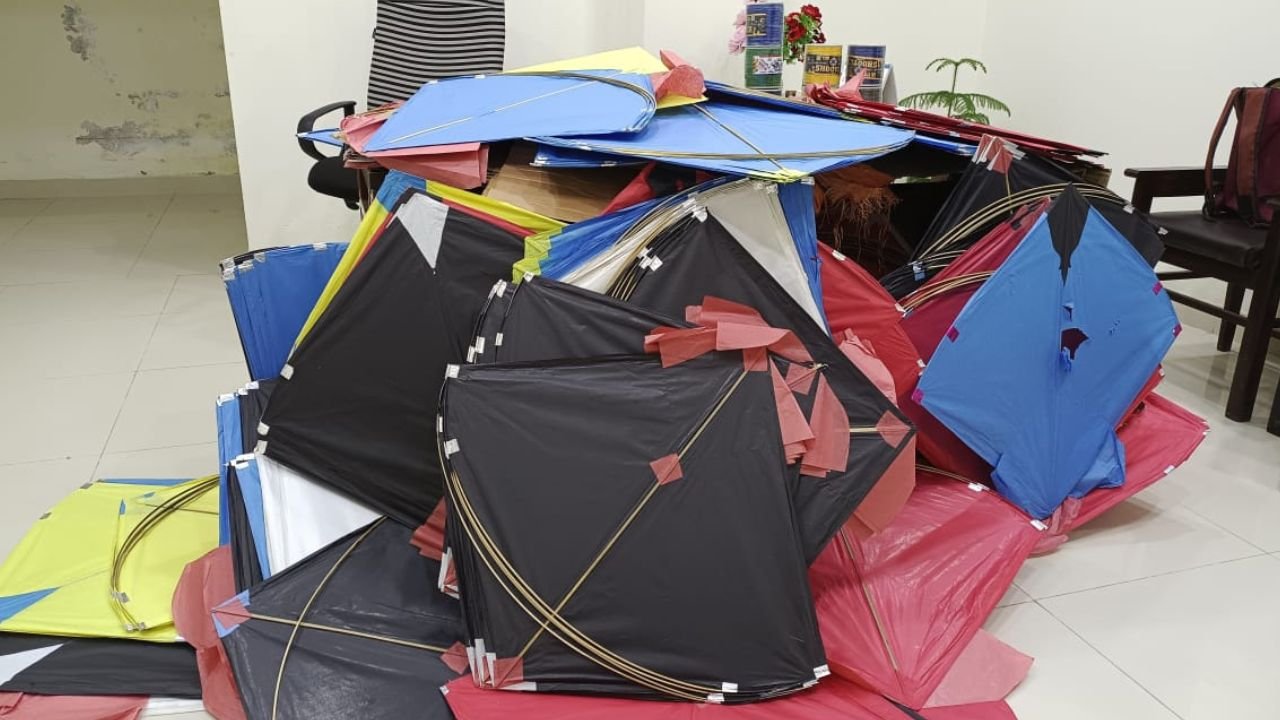
    According to the police, kites, spinning wheels and metal strings were recovered from the possession of the accused.

    Meanwhile, 13 suspects were arrested after recovering 30,000 kites from kite-making factories in Faisalabad, and six kite-making machines and 5,000 spinning wheels were seized.

  • Kites, strings hanging from electric wires to be removed in Faisalabad after man dies

    Kites, strings hanging from electric wires to be removed in Faisalabad after man dies

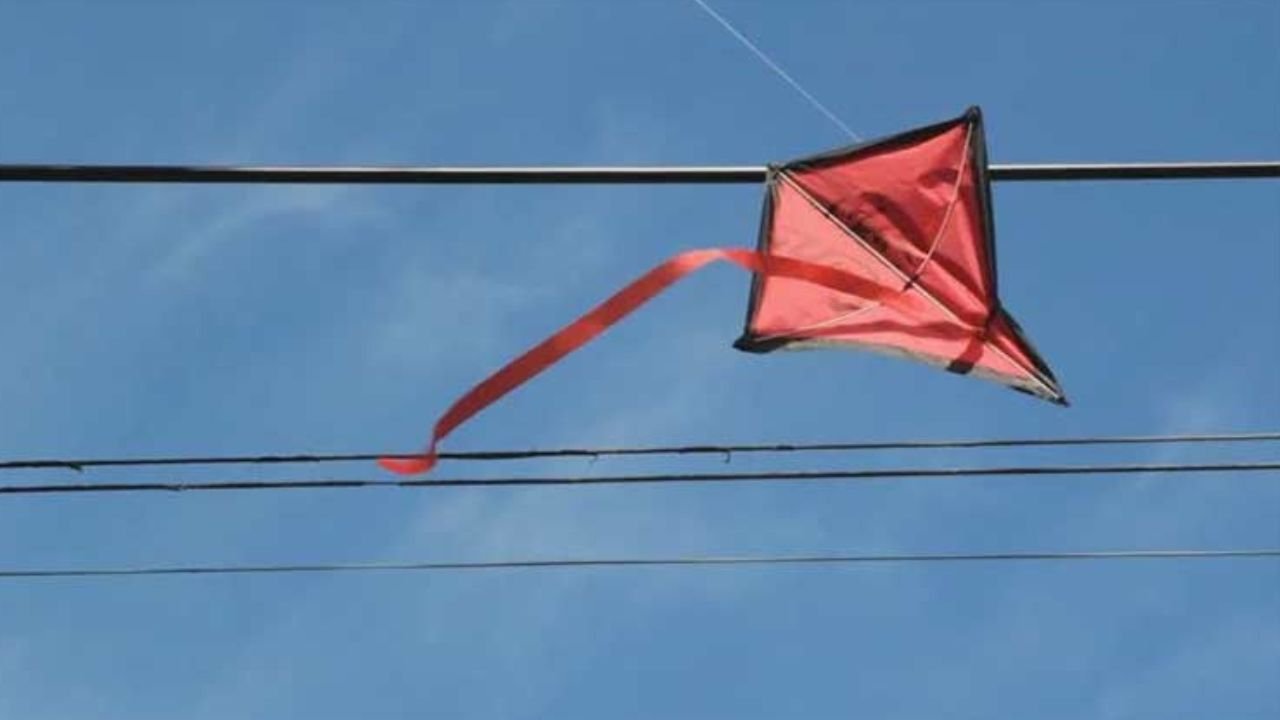
    Faisalabad Electric Supply Company (FESCO) has ordered the removal of kites and strings hanging from electric wires in the city after a young man on a bike died when his neck was slit by a string.

    While such cases have been common and the government has banned kite flying and the production of glass/metal coated strings, the local administration is now active after the video of the recent incident went viral on social media and people criticised the use of the deadly string.

    Field staff reportedly remained on duty in all eight districts of the region.

    Background

    21-year-old Asif Ashfaq, killed by a kite string on Dijkot Road, was laid to rest as hundreds gathered at the Samanabad graveyard on Saturday.

    Police have initiated investigations, leveraging CCTV footage, to apprehend the unidentified assailant responsible for the fatal incident.

    As per the police reports, ASI Javed Iqbal detailed the sequence of events, highlighting that Asif Ashfaq was commuting on his motorcycle when the kite string fatally slashed his throat near T-Chowk Dijkot Road.

  • PPP stops Punjab chapter from making alliance with PTI for senate elections

    PPP stops Punjab chapter from making alliance with PTI for senate elections

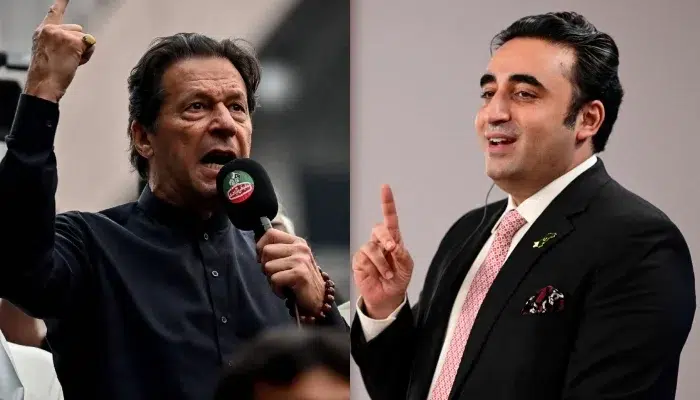
    PPP’s top leadership has prevented its provincial chapter from attempting to persuade Pakistan Tehreek-e-Insaf (PTI) to form a non-political alliance in the upcoming Senate election.

    PPP Punjab chapter suggested forming an electoral alliance with PTI for women and technocrat seats in Punjab.

    The PTI proposed it to the special committee of the PPP after receiving a conditional offer. They asked the PPP to vote for Yasmin Rashid.

    Sources told SAMMA that in return, the PPP offered to support Faiza Malik in women’s seats. 

    PPP instructed the party leadership in Punjab to form an alliance with the political allies Pakistan Muslim League Nawaz (PML-N) instead of PTI.

  • Temperature to rise in Sindh; drop in Punjab, Khyber Pakhtunkhwa

    Temperature to rise in Sindh; drop in Punjab, Khyber Pakhtunkhwa

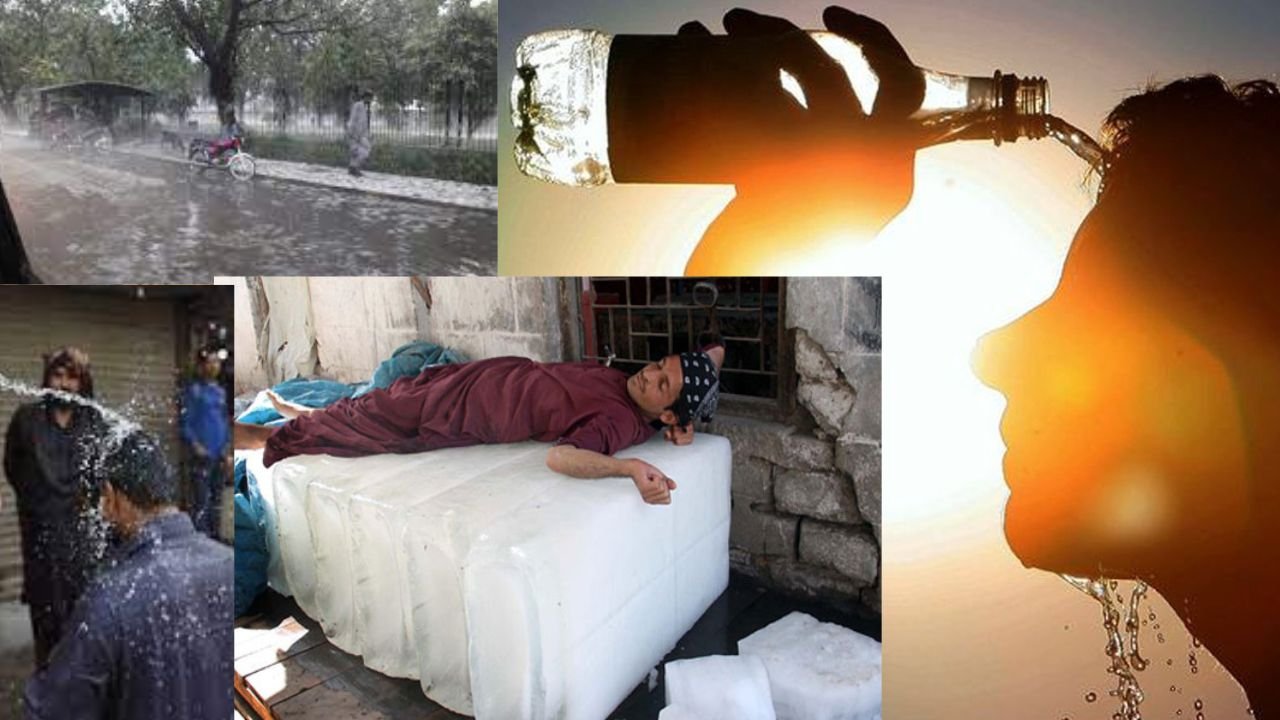
    The Department of Meteorology has indicated the possibility of an increase in hot temperatures in Sindh and Balochistan while hailstorms are expected in some parts of Punjab, reports Geo News.

    There is a possibility of a gradual increase in temperature during the day in the southern districts of Sindh and Balochistan, as per the Meteorological Department.

    However, in Karachi, there is a chance of clear weather in the upcoming weekend. The minimum temperature recorded was 24.4 degree celsius in the last 24 hours.

    The minimum temperature is expected to be 21 to 23 degrees Celsius and the maximum temperature is expected to be 33 to 35 degrees during the next 24 hours. Humidity is 76 percent while winds are blowing at a speed of 15 km per hour.

    Simultaneously, heavy rain was reported in Muzaffarabad city and its surroundings and snowfall on the mountains made the weather beautiful.

    The Meteorological Department says that there is a possibility of rain in various cities of Punjab, including Khushab, Jhelum Murree, Guliyat, Rawalpindi, Chakwal, Gujarat, Sialkot and Hafizabad. Meanwhile, there is a possibility of hailstorm in a few places.

    In Khyber Pakhtunkhwa, Chitral, Dir, Swat, Kohistan, Shangla, Buner, Malakand, Abbottabad, Mansehra and Haripur will experience thunder and lightning along with the rain.

    Light snowfall is expected in the mountains.

  • ‘Ghar police bhaij doon ga’; Ali Amin Gandapur warns Maryam Nawaz, Zardari

    ‘Ghar police bhaij doon ga’; Ali Amin Gandapur warns Maryam Nawaz, Zardari

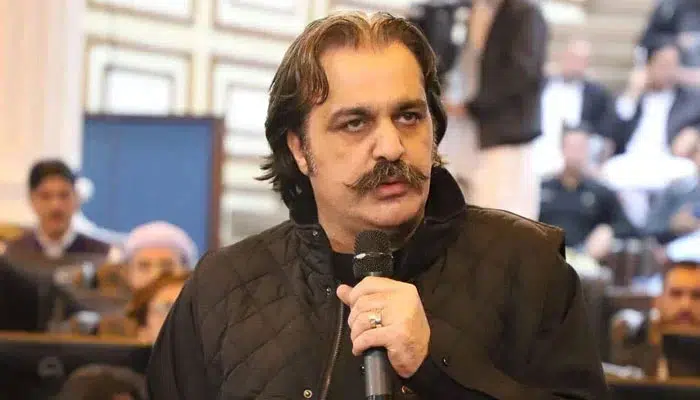
    Khyber Pakhtunkhwa (KP) Chief Minister Ali Amin Gandapur has warned the Punjab government as well as the federal government to change their behaviours or he will “send police” to their homes, The News reported on Thursday.

    “Stop threatening me, or else we would send police to your homes,” Gandapur said while referring to Punjab Chief Minister Maryam Nawaz and President Asif Ali Zardari, after Anti-Terrorism Court Judge Malik Ijaz Asif issued non-bailable warrants against him in the alleged May 9 riots case on Tuesday.

    Non-bailable arrest warrants are also issued against multiple Pakistan Tehreek-e-Insaf (PTI) leaders, including Murad Saeed, Shibli Faraz, Shahbaz Gill, and retired Lieutenant Colonel Shabbir Awan.

    Warrants were also issued for former PTI leaders Shireen Mazari, Musarrat Jamshed Cheema, and Saad Jamil Abbasi.

    Ali Amin Gandapur also said that the first information reports (FIRs) against him are “fake,” adding that it would be difficult for Punjab and the federal government to operate if they do not change their behaviours.

  • Teacher arguing with Maryam Nawaz not fired, Geo Fact-Check reveals

    Teacher arguing with Maryam Nawaz not fired, Geo Fact-Check reveals

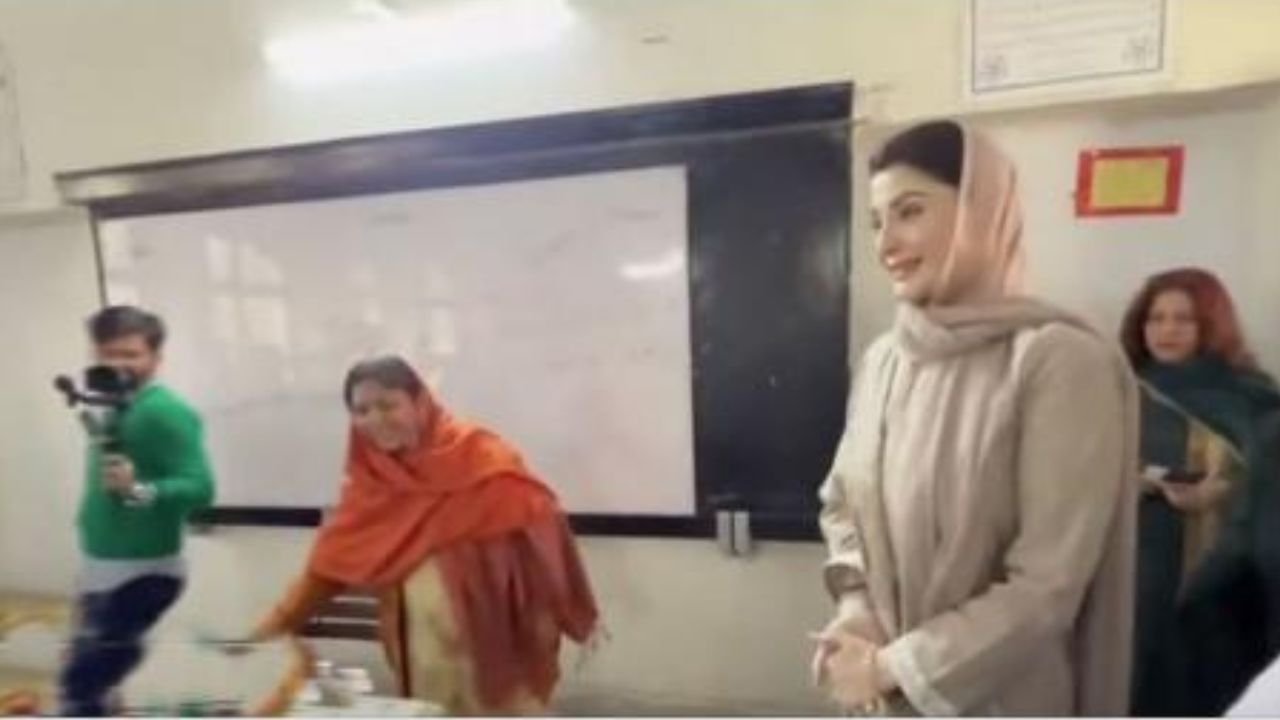
    Following Chief Minister Punjab Maryam Nawaz’s visit to an all-girls’ high school in Lahore, social media had a large number of posts claiming that one of the school teachers was dismissed after posing questions regarding Nawaz’s male security members.

    Geo FactCheck, however, deemed the claims as false.

    Samina Shahid, the public school teacher who went viral, was contacted by Geo Fact Check and she confirmed that she has not been sacked.

    Her claims were also verified through other government personnel.

    “The [social media posts] are false. There is no truth to them,” Geo Fact Check quotes Shahid who spoke to the team over the phone on March 15, “I am speaking to you right now sitting in my office.”

    Additionally, the chief executive officer of Lahore’s district education authority, Pervaiz Akhtar, also confirmed that no teacher was fired following the visit.

    Azma Zahid Bokhari, the information minister in Punjab, stated likewise.

    “No action against any teaching or non-teaching staff has been taken by school administration after the visit of the chief minister Punjab to the government pilot girls high school Lahore,” Bokhari told Geo Fact Check via messages.

  • ECP issues schedule for senate polls set to take place on April 2

    ECP issues schedule for senate polls set to take place on April 2

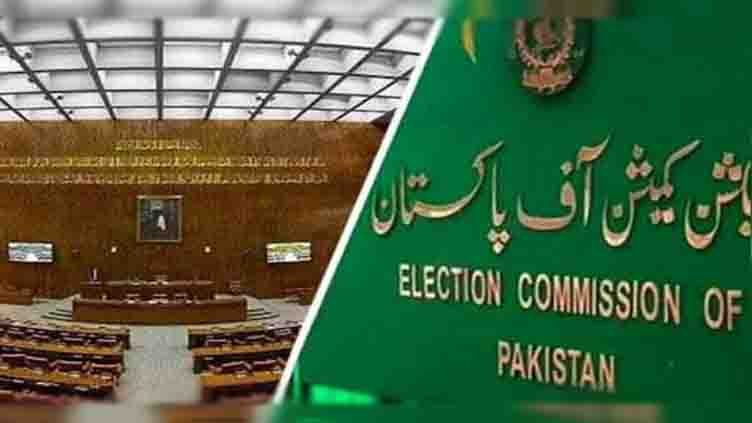
    The Election Commission of Pakistan (ECP) on Thursday issued a schedule of upcoming senate elections set to take place on April 2.

    As per schedule, the returning officers will issue a public notice for all prospective candidates to submit their nomination papers. The electoral body will then scrutinise nomination papers and handle appeals. 

    The development comes as the ECP, on Monday, announced holding the election for Senate seats that were vacated after the expiration of the six-year term of the incumbent senators on March 11. However, elections will only be held on 48 seats as four reserved seats for the erstwhile Federally Administered Tribal Areas (Fata) have been abolished after the 25th Constitutional Amendment.

    Members of the Punjab, Sindh, Khyber Pakhtunkhwa (KP), and Balochistan assemblies will vote to elect members for seven general seats, two women, and two seats for technocrats, including Ulema.

    However, Punjab and Sindh assembly members will cast their votes for one seat each for non-Muslims.

    As per the ECP’s schedule,

    March 15 to 16 — Submission of nomination papers.

    March 17 — Publication of nominated candidates.

    March 19 — Last date for scrutiny of nomination papers.

    March 21 — Last date for filing of appeals against acceptance, rejection of nominations.

    March 25 — Last date for disposal of appeals by the tribunal.

    March 26 — Publication of revised list of candidates.

    March 27 — Date for withdrawal of candidature.

    April 2 — Polling day.