Tag: purchasing power

  • Weekly inflation in Pakistan remains above 40% for sixth consecutive week

    Weekly inflation in Pakistan remains above 40% for sixth consecutive week

    In the week concluding on December 21, weekly inflation exhibited a marginal easing but persisted above 40 per cent for the sixth consecutive week. 

    Official data released for this week highlighted heightened consumer costs for eggs, firewood, and pulses. 

    The Pakistan Bureau of Statistics (PBS) revealed a 0.51 per cent decline in the Sensitive Price Indicator (SPI) from the previous week, attributed to lower prices of potatoes, petrol, diesel, tomatoes, and sugar.

    Despite this reduction, the SPI inflation rate remained notably high at 43.16 per cent, surpassing last year’s figure of 42.68 per cent for the same week. 

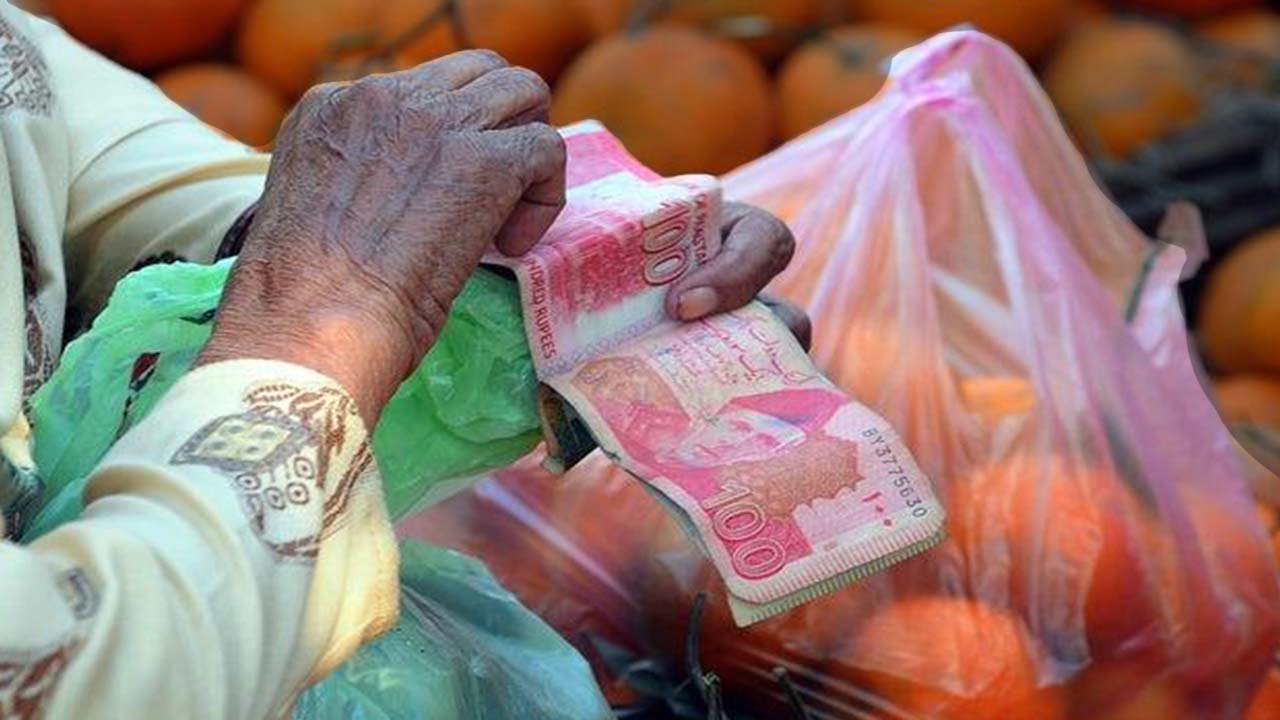
    This elevated inflation has adversely impacted the purchasing power of consumers, particularly those in lower and middle-income brackets. 

    The decline in SPI was driven by significant drops in the prices of potatoes (13.17 per cent), petrol (4.97 per cent), diesel (4.68 per cent), tomatoes (3.45 per cent), sugar (1.16 per cent), and other essential items.

    Conversely, considerable increases were observed in the prices of eggs (10.4 per cent), firewood (1.23 per cent), onions (1.19 per cent), and various pulses. 

    Out of the 51 essential items in the SPI, 35.29 per cent experienced price increases, 17.65 per cent saw decreases, and 47.06 per cent remained stable during the week.

    ConsumeRsin the lowest income bracket, earning up to Rs17,732 per month, faced a substantial SPI inflation rate of 35.13 per cent. 

    Meanwhile, the higher-income group, spending more than Rs44,175 per month, encountered an even higher SPI inflation rate of 40.93 per cent. 

    The middle quintile, ranging from Rs22,889 to Rs29,517, experienced a weekly inflation rate of 46.46 per cent.

    Various consumer goods displayed a mix of price increases, decreases, and stability, as indicated by the latest PBS data. 

    Notably, the price of a dozen eggs rose by 10.42 per cent, reaching Rs388.7, while firewood’s 40kg bundle increased by 1.23 per cent, totaling Rs1146. 

    Onion prices rose by 1.2 per cent, and various pulses witnessed increases.

    In contrast, potato prices per kilogramme dropped significantly by 13.17 per cent, reaching Rs76.8/kg, and petrol recorded a decrease of 4.97 per cent per litre, settling at Rs268.41. Hi-Speed Diesel also saw a decline of 4.68 per cent, reaching Rs277.29 per litre. 

    Tomatoes and refined sugar experienced decreases of 3.45 per cent and 1.16 per cent, respectively.

    Several essential commodities, including bread, beef, mutton, and various household items, maintained stable prices during the week with no significant fluctuations.
  • High prices lead to 79% drop in new car sales in June 2023

    High prices lead to 79% drop in new car sales in June 2023

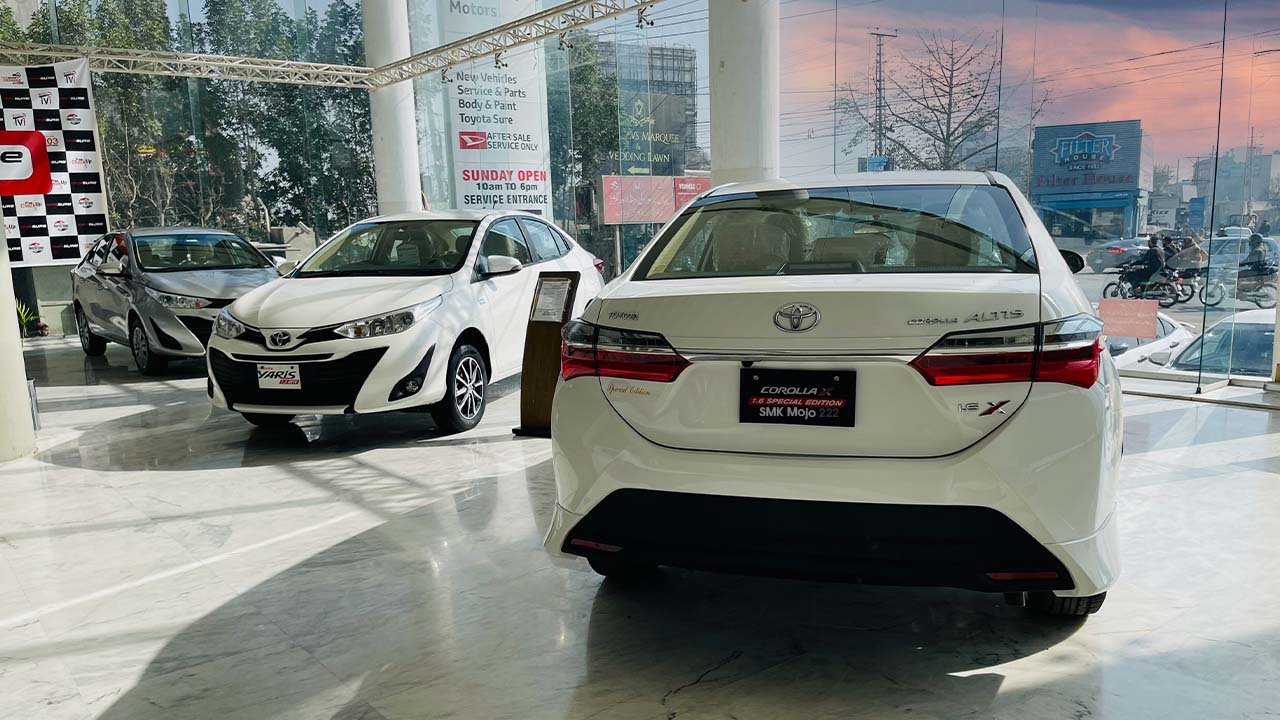
    The automobile industry of Pakistan experienced a severe blow in the fiscal year 2022-23, with car sales plummeting by 56 per cent to a mere 126,879 units, according to data shared by the Pakistan Automotive Manufacturers Association (PAMA) on Tuesday. This significant decline can be attributed to various factors, including the non-availability of completely knocked down kits (CKDs), exorbitant car prices, a surge in auto financing, and the reduced purchasing power of buyers.

    In June 2023, the monthly sales took a substantial hit, dropping by 79 per cent compared to the same period last year, reaching a meager 6,034 units. However, it is worth noting that the sales in June were 10 per cent higher when compared to the sales in May.

    Among the car manufacturers, Honda Atlas Car (HCAR) witnessed the most notable increase in sales, with a month-on-month surge of 253 per cent to 307 units in June. This growth can be attributed to the lower sales base in the previous month and the availability of necessary car parts.

    Pak Suzuki, on the other hand, experienced a modest month-on-month growth of 2 per cent in June, with sales reaching 3,009 units. The surge in Bolan sales by 67 per cent contributed to this increase. However, the company’s bookings took a significant hit, plunging by 57 per cent to 65,364 units in the fiscal year 2022-23.

    Indus Motor Company, responsible for assembling Toyota cars, observed a 7 per cent increase in bookings on a month-on-month basis, reaching 1,846 units in June. Nonetheless, the company’s total car sales for the fiscal year 2022-23 amounted to 31,104 units, reflecting a decline of 58 per cent year-on-year.

    Hyundai Nishat Motor witnessed an 11 per cent month-on-month increase in sales, with the sales of Tucson surging by 61 per cent to 313 units and Elantra sales increasing by 28 per cent to 88 units in June.

    Shifting focus to the tractor segment, Millat Tractors (MTL) experienced a 42 per cent month-on-month increase in bookings, reaching 2,136 units in June. Conversely, Al Ghazi Tractors (AGTL) recorded sales of 854 units, marking a decline of 57 per cent. Overall, the total tractor industry sales for the fiscal year 2022-23 amounted to 30,942 units, representing a decrease of 48 per cent due to factors such as floods, plant shutdowns, lower consumer buying power, and higher prices.

    Looking ahead, the high interest rates and the significant increase in auto prices resulting from the depreciation of the Pakistani rupee against the dollar are expected to continue negatively impacting auto sales in the fiscal year 2024. Furthermore, restrictions on opening letters of credit (LCs) for importing CKDs by auto assemblers may lead to lower plant capacity utilisation and, in extreme cases, plant shutdowns across the industry.

  • Pakistan’s inflation rate drops to 29.40% in June: Citizens’ purchasing power remains under pressure

    Pakistan’s inflation rate drops to 29.40% in June: Citizens’ purchasing power remains under pressure

    The Pakistan Bureau of Statistics (PBS) has released the latest data on the country’s inflation rate for June, indicating a slight decline compared to May. According to the report, the inflation rate for June stood at 29.40 per cent, showing an increase of 8.1 per cent compared to the same period last year.

    Although there was a marginal improvement from the inflation rate of 38 per cent reported in May, the country still faces significant challenges due to high inflation. This persistent inflationary environment continues to erode the purchasing power of citizens, affecting their ability to afford basic necessities.

    Analysing the data further, the report highlights that inflation in urban areas was recorded at 27.3 per cent, while agricultural communities experienced an even higher inflation rate of 32.4 per cent. These figures emphasise the vulnerability of rural areas and the agricultural sector to the rising cost of living.

    Comparing the current situation with that of the previous year, the Bureau of Statistics reveals a substantial year-on-year increase. In June of the previous year, the inflation rate was 21.3 per cent, further underscoring the severity of the current inflationary crisis.

  • Consumer suffering intensifies: Pakistan’s weekly inflation skyrockets to 42.67%

    Consumer suffering intensifies: Pakistan’s weekly inflation skyrockets to 42.67%

    Inflation in Pakistan continues to surge as the Sensitive Price Indicator (SPI) recorded a significant increase, jumping to 42.67 per cent on a year-on-year basis for the week ending on June 1, according to official data released by the Pakistan Bureau of Statistics (PBS). The weekly inflation showed a marginal increase of 0.03 per cent compared to the previous week.

    The short-term inflation, measured by the SPI, reached an all-time high of 48.35 per cent for the period ending on May 4, highlighting the ongoing challenges faced by the economy. The Combined Index, a comprehensive measure of inflation, stood at 254.13 compared to 254.05 on May 25, 2023, and marked a significant increase from 178.12 recorded on June 2, 2022.

    The PBS report revealed that out of the 51 monitored items, the average prices of 19 items increased, 14 items witnessed a decrease, while 18 items remained unchanged during the week under review. This data indicates the volatile nature of prices in the current market.

    Analyzing the SPI change across different income groups, the weekly percentage change showed a mixed trend, ranging between -0.1 per cent and 0.12 per cent. However, on a yearly basis, the SPI increased across all quantiles, ranging between 40.2 per cent and 43.49 per cent, suggesting the broad impact of inflation across various income segments.

    Additionally, the statistics bureau reported that Pakistan’s annual inflation rose to 37.97 per cent year-on-year in May, further confirming the country’s highest-ever inflationary period. The Consumer Price Index (CPI) recorded 36.4 per cent in April, which at the time was already the highest level according to the bureau’s historical records.

    Furthermore, the month-on-month rise in May was reported to be 1.58 per cent, with the bureau highlighting significant increases in the prices of vegetables, pulses, and chicken. These factors contribute to the overall rise in the cost of living and put additional strain on households and businesses alike.

    The continuous surge in inflation poses significant challenges to the economy, affecting consumers’ purchasing power and increasing the cost of doing business. The government and relevant authorities are urged to take immediate measures to stabilize prices, address supply chain issues, and implement effective policies to alleviate the impact of rising inflation on the population.

    As the situation unfolds, policymakers and economists will closely monitor the inflationary trends, devising strategies to bring stability and mitigate the adverse effects on the economy and the welfare of the people.

  • Pakistan’s inflation rate surges to an all-time high, reaching 38.9% in rural areas

    Pakistan’s inflation rate surges to an all-time high, reaching 38.9% in rural areas

    According to recent reports, the finance ministry’s expectations of high inflation were met due to market frictions caused by the relative demand and supply gap of essential items, exchange rate depreciation, and recent upward adjustment of administered prices of petrol and diesel. However, there was a monthly decline in the inflation rate, which dropped to 3.7 per cent in March compared to February.

    Despite this, the inflation situation has worsened significantly over the months, causing mass distress due to the high prices of almost every edible item. The core inflation rate, which excludes volatile energy and food prices, increased in March to 18.6 per cent in urban areas and 23.1 per cent in rural areas. Experts believe that Pakistan is now heading towards hyperinflation, where prices are out of control and expected to surge by 50 per cent.

    The Pakistan Bureau of Statistics (PBS) reported that the inflation rate in rural areas reached 38.9 per cent, while it surged to 33 per cent in the cities. Food inflation rose sharply to 50.2 per cent in rural areas and increased to 47.1 per cent in urban areas last month. Supply chain disruptions and weak checks have led to a substantial rise in the food inflation rate.

    Unfortunately, both the federal and provincial governments are unable to provide steady essential food supplies, and the prices of most consumer goods remain out of reach for the people. This surge in prices coincides with a significant economic slowdown, and poverty and unemployment levels are rising.

    A majority of the surge in prices was seen in rural areas where income levels were already low. The food group prices rose by 47.15 per cent in March compared to the same month last year. Both perishable and non-perishable food items witnessed unprecedented increases in prices.

    The Wholesale Price Index (WPI), which monitors prices in the wholesale market, also rose sharply to 37.5 per cent in March compared to 23.8 per cent in the same month last year. The inflation rate has remained above 20 per cent since June after the coalition government curtailed imports.

    The overall inflation rate recorded an increase in both urban and rural areas, with urban areas surging to 33 per cent in March, while rural areas soared to 38.9 per cent over the same month last year. In March last year, the inflation rate in urban areas was 11.9 per cent, while in rural areas, it stood at 13.9 per cent.

    The non-food inflation rate increased to 24.1 per cent in urban areas and 28.5 per cent in rural areas compared to 10.4 per cent and 12.5 per cent in the same month last year. Prices of non-perishable food items surged by 46.44 per cent on an annualized basis, and the prices of perishable goods surged by 51.81 per cent year-on-year.

  • Here’s how Pakistan’s inflation is impacting consumer buying pattern

    Here’s how Pakistan’s inflation is impacting consumer buying pattern

    In Pakistan, the real value of income has been undermined by inflation, while high interest rates have raised the cost of borrowing.

    Record inflation rates have dominated news for the past year, coupled with supply chain problems, material shortages, elevated fuel prices, and vegetable prices that increased by 500 per cent in September.

    According to a poll by Pulse Consultant, which was conducted in August 2022, 78 per cent of Pakistanis think that their country’s economy is going on the wrong path. Inflation has affected 66 per cent of people hard, and 12 per cent of people say their expenses aren’t keeping up.

    Pulse Consultant asked an open-ended question in a nationwide computer-assisted telephonic study in which more than 1,600 people across the country responded and revealed how they are dealing with the current wave of inflation.

    The following are the areas where customers lowered their spending:

    • Reduced Grocery Purchasing – 24 per cent
    • Avoid Going Out – 18 per cent
    • Stop Unnecessary Shopping – 16 per cent
    • Reduced Fast Food – 10 per cent
    • Reduced Overall Expenses -9 per cent
    • Save Petrol – 7 per cent
    • Reduced Children Expenses – 5 per cent
    • Avoid Beauty Parlor / Salon – 3 per cent
    • Save Electricity – 3 per cent
    • Avoid Family Gatherings – 3 per cent
    • Reduced Meat Consumption – 2 per cent

    In Pakistan, CPI inflation increased to 27.3 per cent in August 2022 from 12.1 per cent in January 2022. There are a number of causes for the sudden rise in inflation, despite the fact that core inflation (excluding oil and food costs) is at 18 per cent. The incidence of imported inflation has increased as a result of the rupee’s depreciation. From April through August 2022, the rupee’s value against the US dollar decreased by around 23 per cent.

    Pakistani currency is presently strengthening as a result of the restoration of the IMF package following its derailment last winter. Additionally, even though the oil bill still accounts for around 26–30 per cent of all imports, import reduction has improved the current account situation. The administration has promised to pass along any decrease in oil prices to the public.

    The lag effect of the significant budget deficit experienced in the previous year is one of the other primary causes of the high level of inflation. In contrast to the 4.2 per cent agreed upon with the IMF, the budget deficit during the FY ending on June 30, 2022, reached as high as Rs6,900 billion, or about 9 per cent of GDP.

    In addition, $20 billion in debt, as opposed to $53 billion between 2008 and 2018, was committed over the past four years. As a result, more money is being spent in pursuit of fewer commodities.

    The challenges of recession and skyrocketing inflation are pretty much universal. Despite having low inflation rates, China and Japan’s economies are expected to slow down. Inflation is being fueled by earlier Covid and current high oil, gas, and commodity costs in the wake of the Ukraine war, which is slowing growth.