The Supreme Court issued notices on Wednesday to the Inspector General of Police Punjab (IGP), chief secretary, and advocate general in response to a plea filed by Pakistan Tehreek-e-Insaf (PTI), seeking a level-playing field in the upcoming general elections on February 8, 2024.
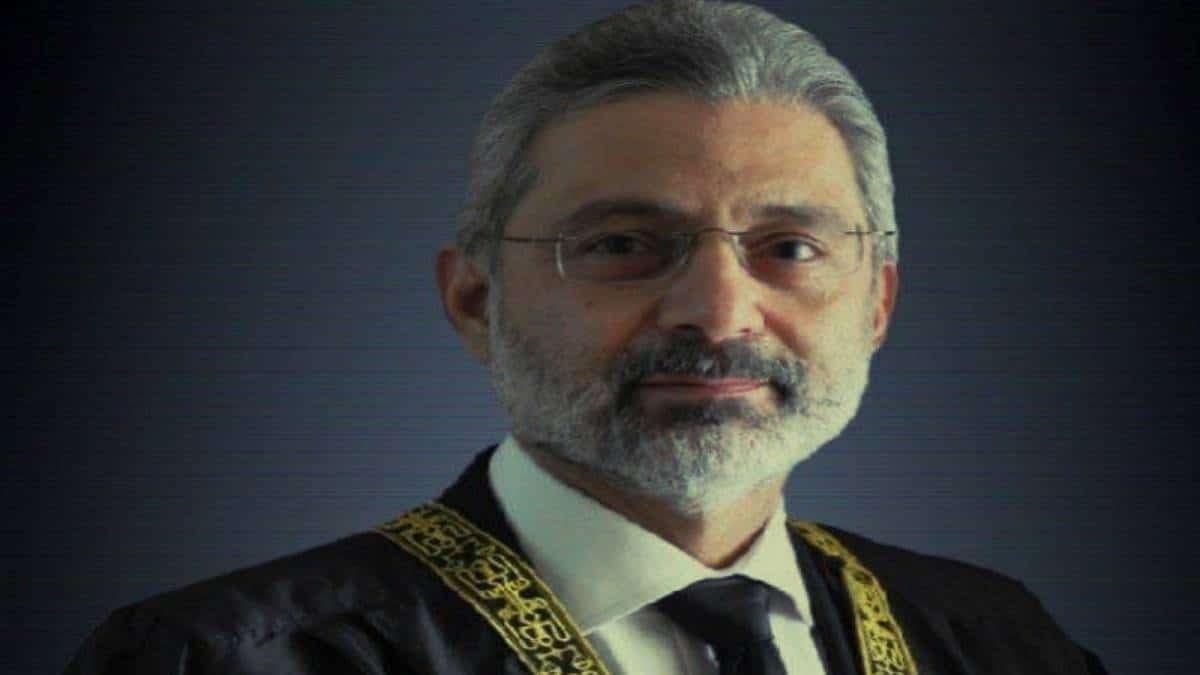
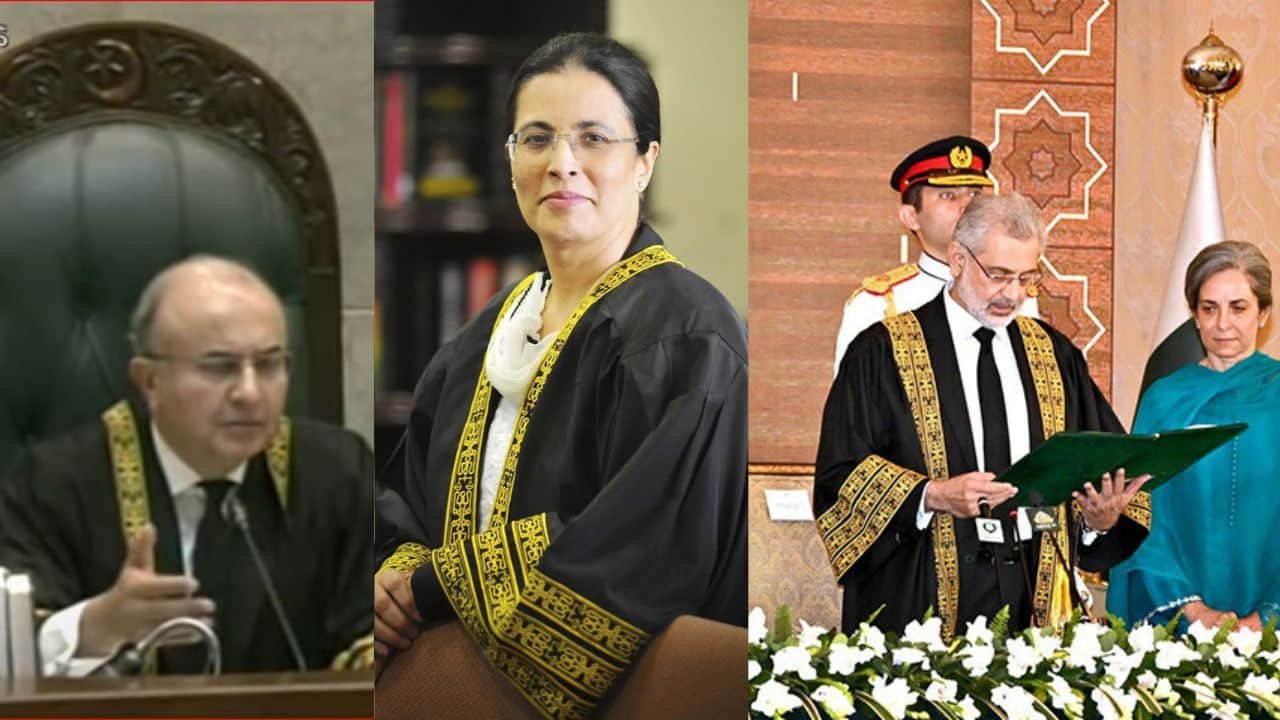
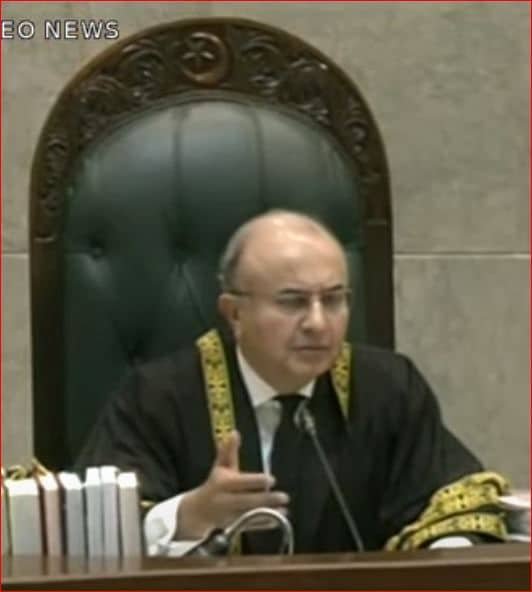
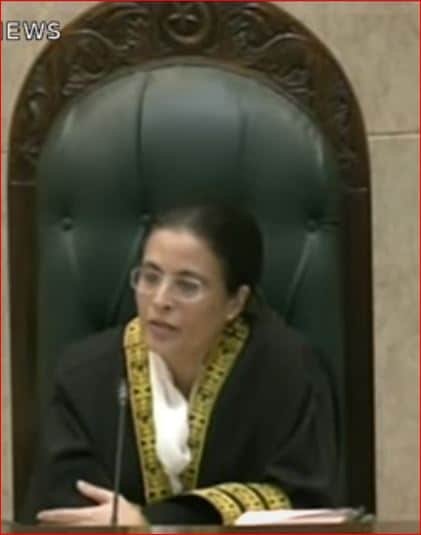
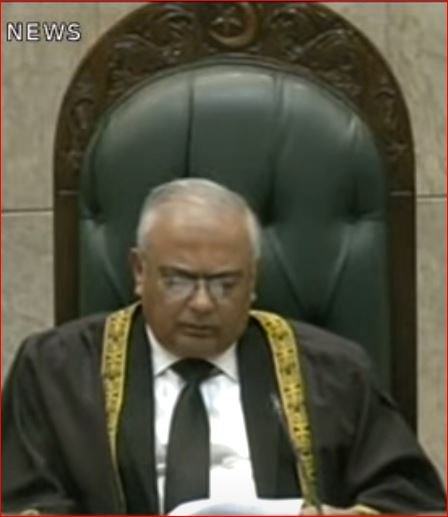
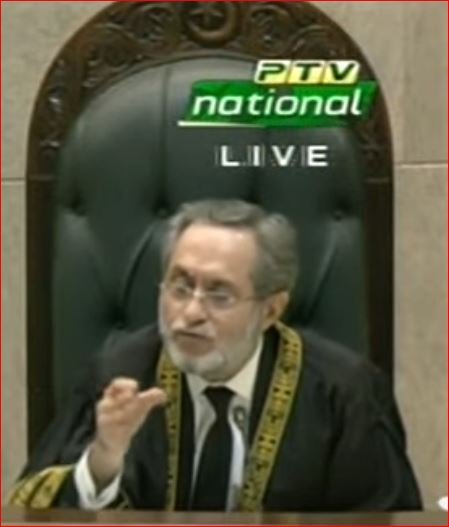
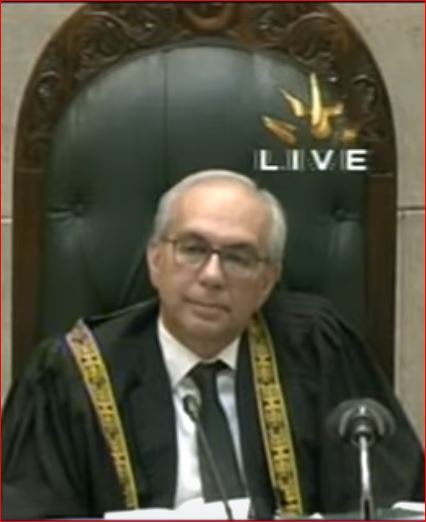
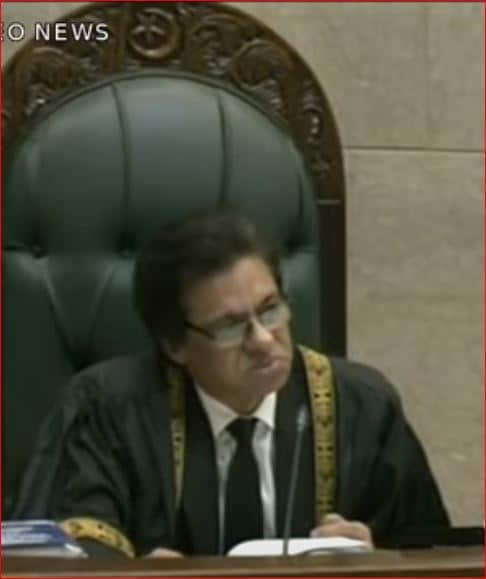
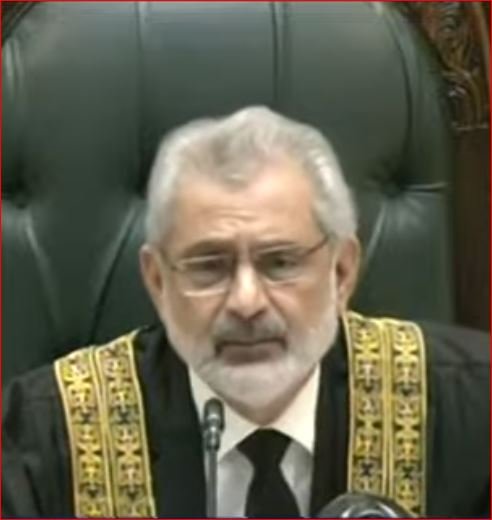
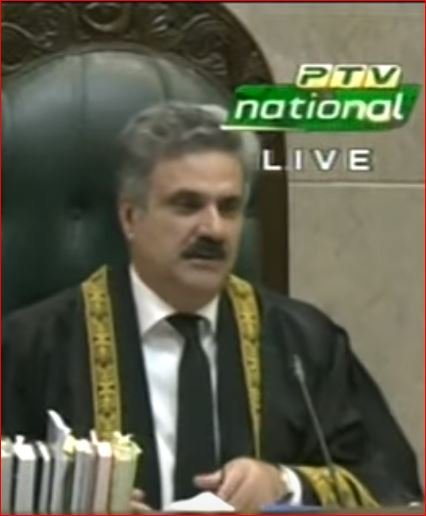
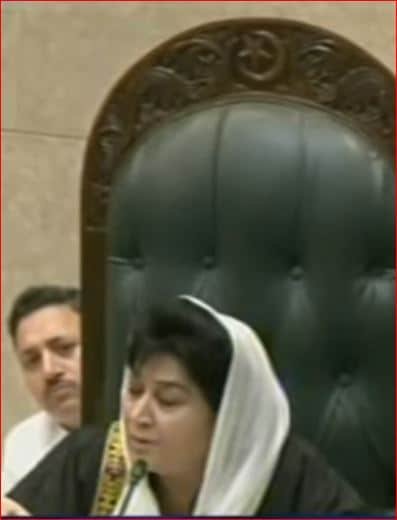
A three-member bench, including Chief Justice of Pakistan (CJP) Qazi Faez Isa, Justice Muhammad Ali Mazhar, and Justice Musrat Hilali, heard the case and adjourned the hearing until January 8.
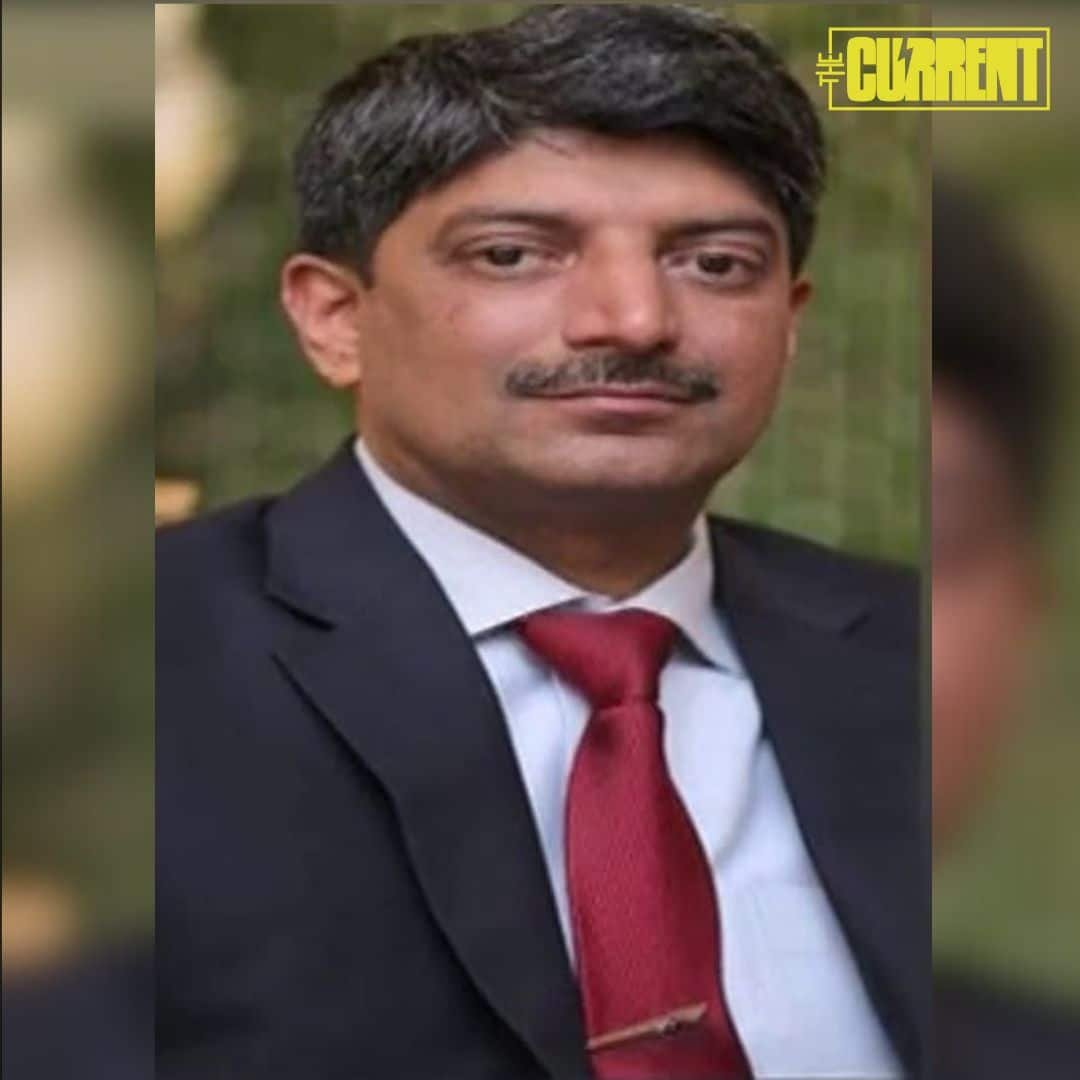
PTI leader and lawyer, Sardar Latif Khosa, presented arguments on behalf of party leader Shoaib Shaheen.
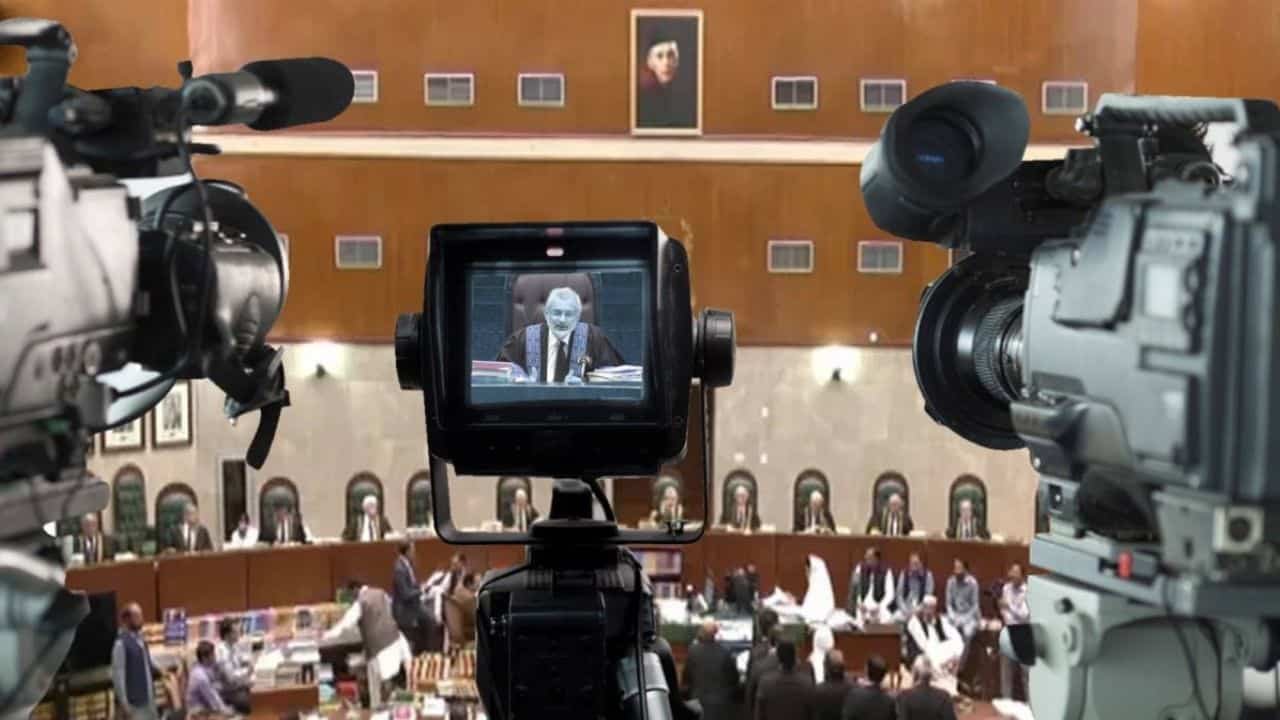
The proceedings of the case were broadcast live on SC’s website and YouTube channel.
The apex court directed the ECP on December 22 to address the concerns of PTI regarding level playing field in the upcoming general elections, set to take place on February 8.
At the beginning of the hearing, CJP Isa reprimanded Khosa for using the title “Sardar” with his name.
“Stop using words like Sardar, Nawab, and Peer,” the CJP said while expressing displeasure over the use of such a title.
Qazi Faez Isa asked the PTI lawyer for evidence that ECP violated the apex court’s direction regarding level-playing field matter.
“I have brought the CD containing all evidence,” Khosa replied adding that PTI leaders were not allowed to submit their nomination papers.
“The entire Pakistan has seen what is happening with PTI.”
After this, CJP advised PTI lawyer to avoid “political speech” in the courtroom and talk about constitution and law.
“What does the IG and the chief secretary have to do with the election?” the CJP wondered.
“Do you want action against individuals or the Election Commission?” the CJP asked.
Sardar Latif Khosa replied to CJP that it’s the responsibility of ECP to conduct free, fair, and transparent elections in the country.
Chief Justice of Pakistan, Qazi Faez Isa, has announced that the Supreme Court (SC) aims to finalise the proceedings on the lifetime disqualification case by January 4 (Thursday). This significant decision will determine whether the Election Act 2017 amendment aligns with Article 62(1)(F) and establishes whether lawmakers’ disqualification from contesting polls should be lifelong or limited to five years.
The Supreme Court of Pakistan (SC) addressed the matter of lifetime disqualification of lawmakers today.
A seven-member larger bench, headed by Chief Justice of Pakistan (CJP) Qazi Faez Isa, and comprising of Justice Mansoor Ali Shah, Justice Yahya Afridi, Justice Aminuddin Khan, Justice Jamal Mandokhail, Justice Muhammad Ali Mazhar, and Justice Musarrat Hilali.
During the hearing of a case submitted by former PML-N provincial member Sardar Meer Badshah Khan Qaisrani last month, the top court noted discrepancies over the length of disqualification in the Election Act, 2017 and a Supreme Court ruling.
The apex court noted that there is a contradiction regarding the duration of disqualification in the Election Act, 2017 and a SC verdict.
In 2007, Meer Badshah Qaisrani filed a petition against his lifetime disqualification over a fake degree.
In all honesty, 2023 was more like a crazy roller coaster than a democratic process when it comes to Pakistani politics. Here are some of the significant events that happened this year:
Assemblies dissolved
On January 14, 2023, the provincial assembly of Punjab was dissolved while on January 16, 2023, Pakistan’s northwestern Khyber Pakhtunkhwa was dissolved as former Prime Minister Imran Khan was pushing for early national elections.
May 9
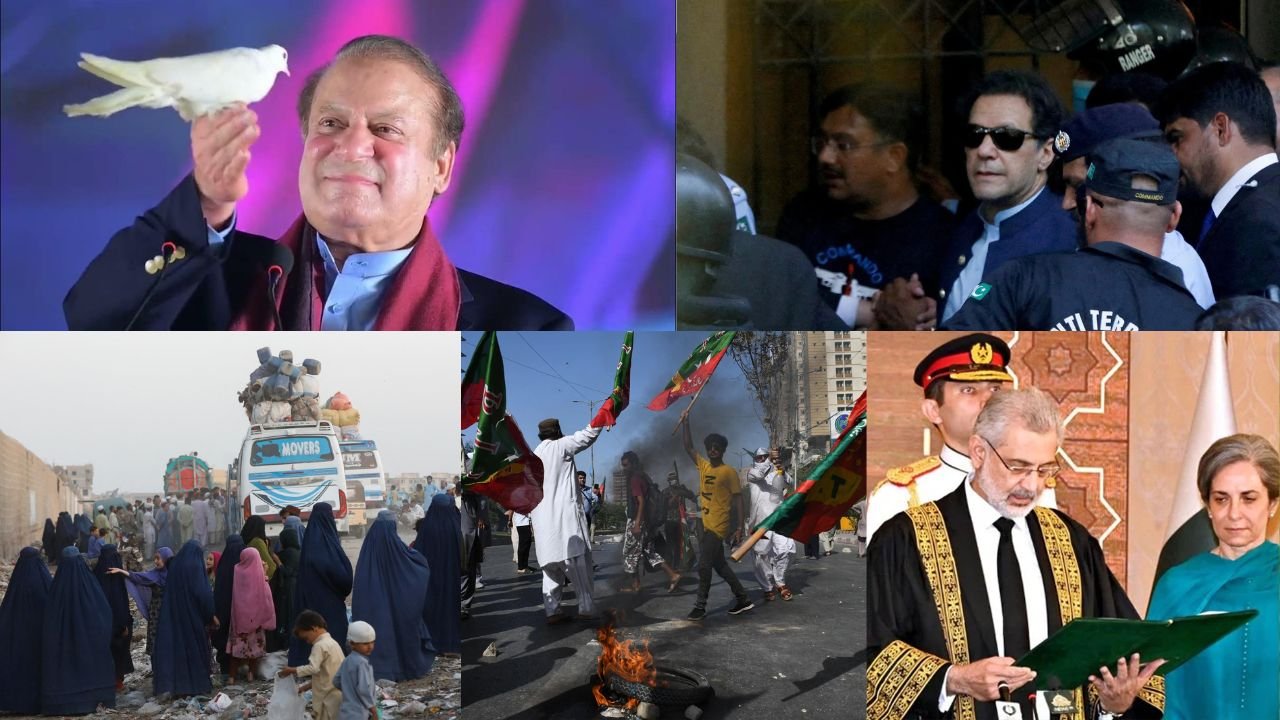
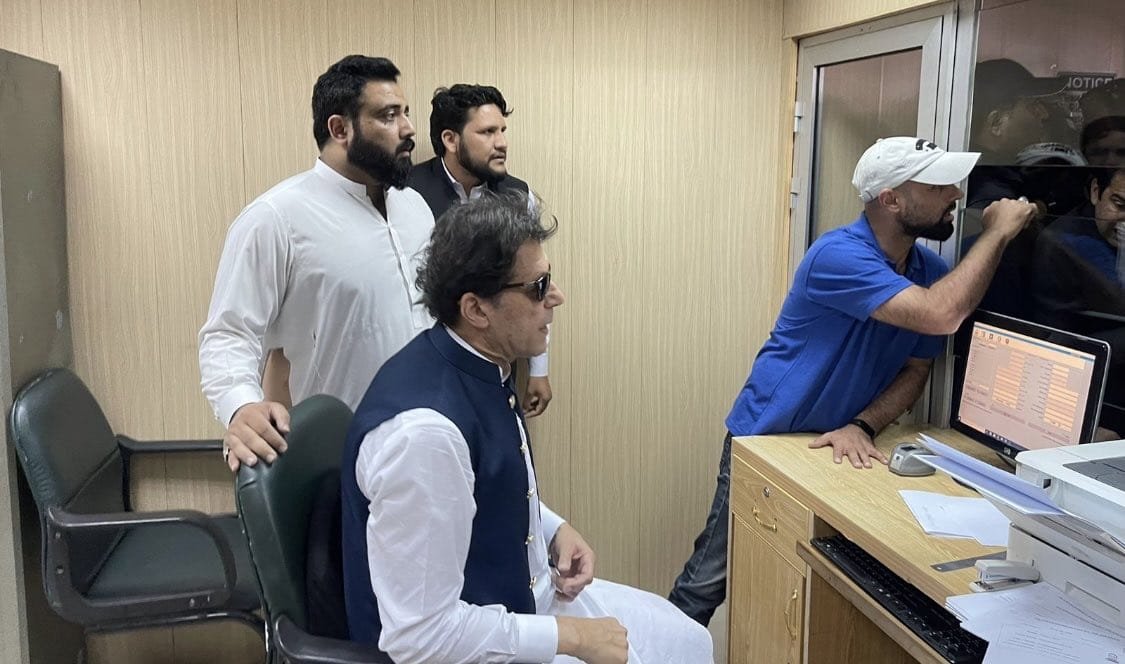
On May 9, 2023, former prime minister and founder chairman of Pakistan Tehreek e Insaf (PTI), Imran Khan was submitting his biometric data for a court appearance when paramilitary forces broke down a window inside the court to get to apprehend him.
The dramatic and sudden arrest of the former cricket star turned leader resulted in violent clashes between supporters of Pakistan Tehreek-e-Insaf (PTI) and law enforcement agencies protests to mark the arrest of the former Prime Minister turned into riots.
Several military installations, including GHQ and the Lahore corps commander’s official residence, were attacked across the country within hours of Imran Khan’s detention.
May 9, termed a “black day” by the Pakistani state, ended up provoking a harsh military crackdown on Khan’s party.
PTI Dismantled
Thousands of PTI members, including many women, were rounded up and arrested after May 9 riots.
More than two dozen members of PTI resigned from the politics following the protests.
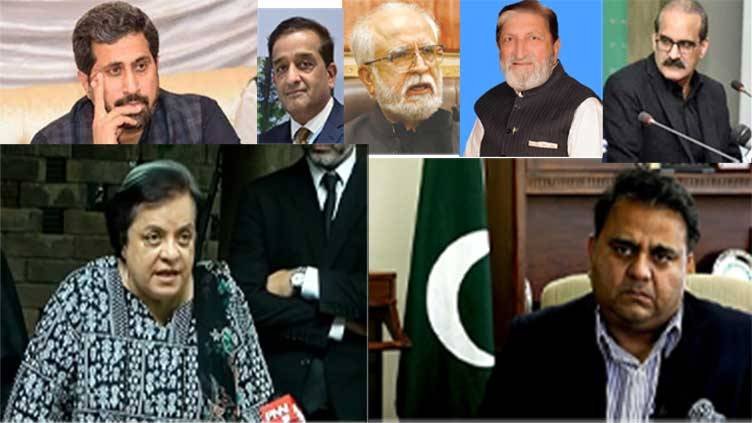
Notable figures like Shireen Mazari, Asad Umer, Fayyazul Hassan Chohan, Fawad Chaudhry, Maleeka Bokhari, Abrar ul Haq, Murad Ras, Ali Haider Zaidi, Imran Islamil, Usman Dar, Farrukh Habib, Sadaqat Ali Abbasi, Andleeb Abbas, Arbab Ghulam Rahim, Shaukat Tarin and others either left PTI or quit politics.
Imran Khan Jailed
Police arrested Pakistan’s former Prime Minister Imran Khan in Lahore on August 5, 2023, after a court sentenced him to three years in prison for illegally selling state gifts, potentially barring the opposition leader from contesting an upcoming election.
On September 26, 2023, Imran Khan was shifted to the Adiala Jail in Rawalpindi from Attock prison, a day after the Islamabad High Court ordered authorities to relocate him to the high-security jail.
Qazi Faez Isa
On September 17, 2023, Justice Qazi Faez Isa was sworn in as the 29th chief justice of Pakistan.
A ceremony was held at Aiwan-i-Sadr in Islamabad during which President Arif Alvi administered the oath of office. Caretaker Prime Minister Anwaarul Haq Kakar and Chief of Army Staff General Asim Munir were also present.
Justice Isa was accompanied by his wife, Sarina Isa, while he was taking oath.
Imran Riaz ‘safely’ returns
On the evening of May 11, 2023, police arrested Imran Riaz Khan, a former anchor with the privately owned broadcaster Express News and host of a YouTube channel with over three million subscribers.
Imran Riaz Khan, often called Imran Riaz, was trying to flee the country over fears of his arrest. At the time, authorities accused him of inciting people to violence through his reporting.
He was said to have been freed a few days later, but there was no trace of him and police denied keeping him in custody.
On September 25, 2023, his lawyer Mian Ali Ashfaq took to X (former Tiwtter) and posted a picture of Imran Riaz, after his return, stating that the recovery took a long time due to “countless difficulties, a weak judiciary” and the ineffectiveness of the Constitution. He also shared a photo of him with Khan.
The rift between Zardari and Bilawal
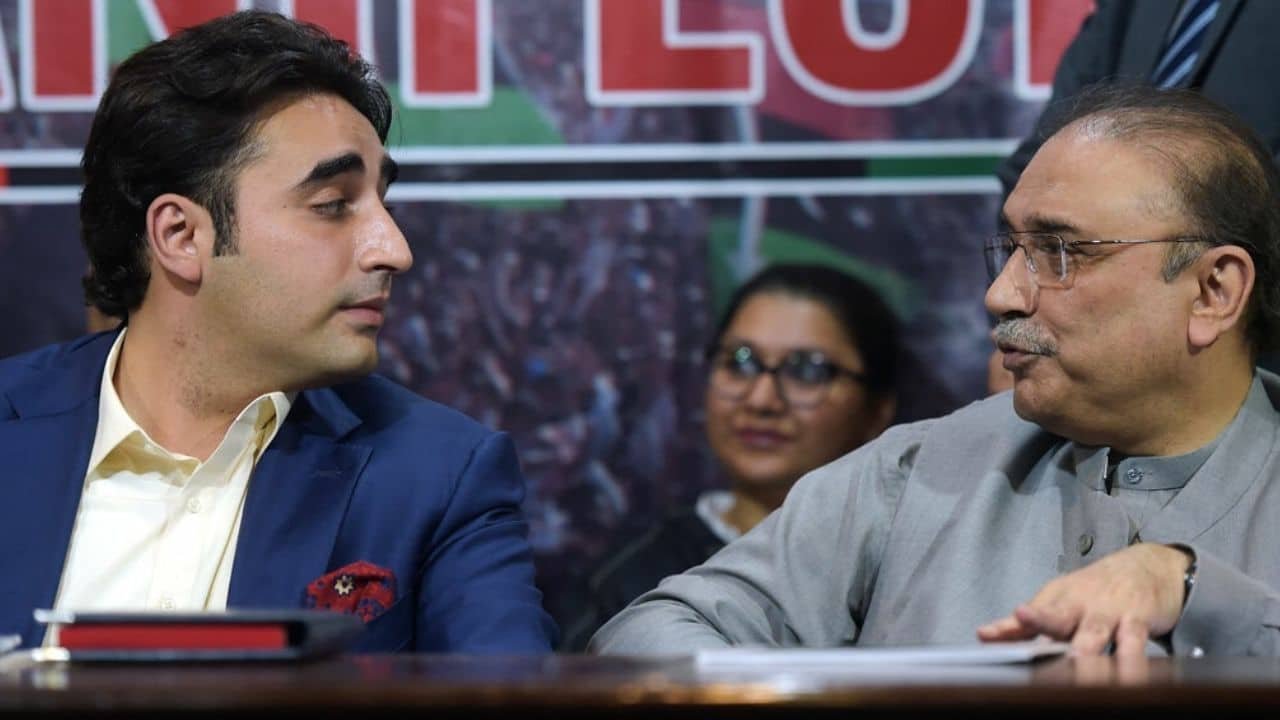
On November 23, 2023, the former president of Pakistan and Pakistan People’s Party (PPP) Chairman Bilawal Bhutto Zardari‘s father, Asif Ali Zardari, during an exclusive interview with Hamid Mir on Geo News’ program “Capital Talk”, said that Bilawal is “inexperienced” and that it would take some time for him to gain more exposure, on Thursday.
“Bilawal is much more talented than I am, but he isn’t experienced,” he said.
On November 24, 2023, in a seeming act of defiance to his father, Bilawal changed his profile picture on X on Friday afternoon, to a photo with his mother Benazir Bhutto, the former Prime Minister and head of the PPP till her assassination in 2017.
PPP denied all the claims of a rift between the father-son duo.
Afghan Refugees Repatriation
On October 3, 2023, Pakistan’s caretaker government announced it would carry out mass deportations — known under domestic law as an Illegal Foreigners Repatriation Plan — asking all concerned to leave the country before 1 November. Although the plan purported to apply to all foreigners residing in the country illegally, it appears designed to target Afghans, millions of whom have sought refuge in Pakistan over the years.
As of December 29, 2023, the total number of allegedly illegal Afghans who left Pakistan reached 453,480 and the process is still underway.
Nawaz Sharif Returns
On October 21, 2023, Pakistan’s thrice-elected former Prime Minister and Pakistan Muslim League Nawaz (PMLN) supremo Nawaz Sharif returned to Pakistan, ending four years of self-imposed exile in London.
Nawaz Sharif was disqualified when the Supreme Court of Pakistan (SC) announced its decision on July 28, 2017, in the Panama Papers case. After that, Nawaz Sharif and three of his children were referred to an accountability court, which was ordered to file corruption cases against Sharif’s family within six weeks.
In July 2018, the expelled prime minister was imprisoned for 10 years in the Avenfield properties corruption case, an assets-beyond-means trial.
In the Al-Azizia Steel Mills corruption case, the PML-N supremo was sentenced to seven years in jail on December 24, 2018. Nawaz Sharif was taken to Adiala jail in this case, and then he was shifted to Lahore’s Kot Lakhpat jail on the very next day. He was also fined Rs1.5 billion and US$25 million in this case.
The former prime minister was released from jail in March 2019. After that, the Lahore High Court (LHC) allowed Nawaz Sharif to go to London for treatment for fast-depleting platelet levels, and then he left for London in November 2019.
Elections Date Announced
The Election Commission of Pakistan (ECP) announced on November 3, 2023, that 8th February 2024 is the poll date for the General Elections for the National Assembly of Pakistan and Provincial assemblies of Punjab, Sindh, Khyber Pakhtunkhwa and Balochistan.
The date was announced by the President House in a statement following a meeting between the top election officials and President Alvi, hours after the election commission lawyer told the Supreme Court that elections will be held on February 11.
PTI New Chairman
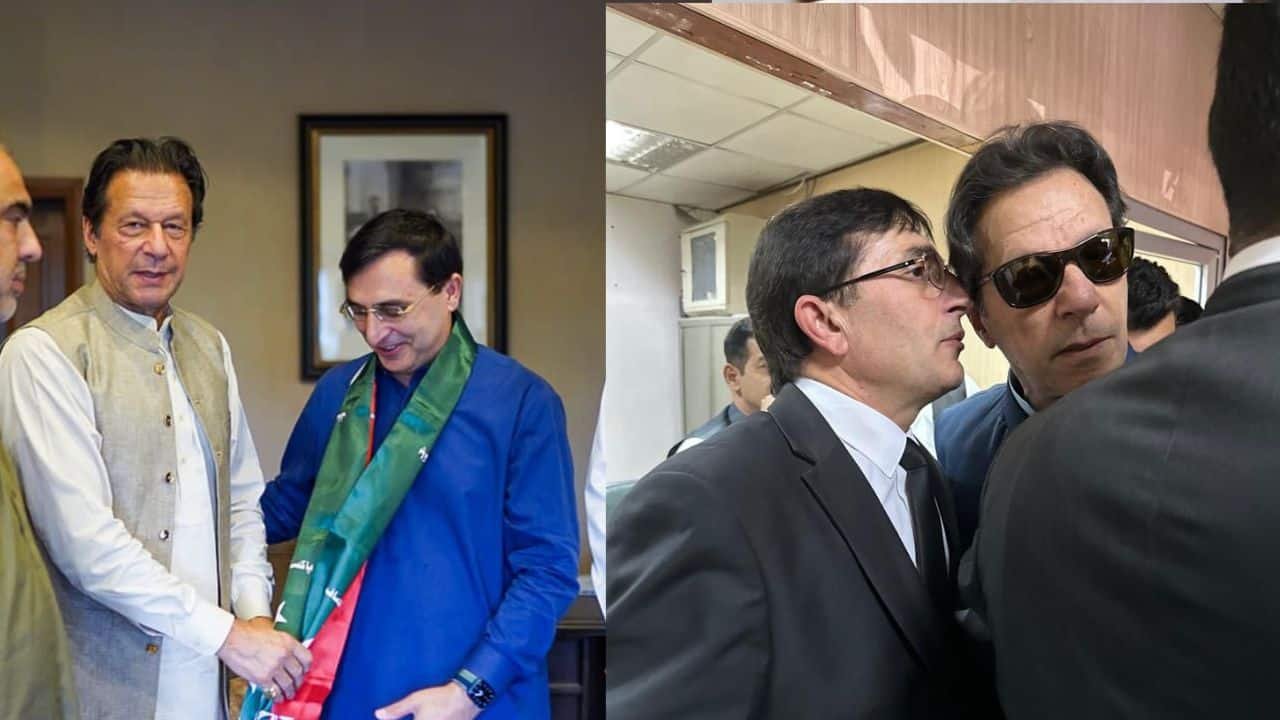
On December 2, 2023, The Pakistan Tehreek-i-Insaaf (PTI) on Saturday elected Barrister Gohar Ali Khan as the new chairman in the intra-party elections held on the directives of the Election Commission of Pakistan (ECP).
Gohar won the chairman’s position unopposed.
The change was forced on the party after the Election Commission of Pakistan warned the PTI last month that it risked losing its emblem – a cricket bat – unless an internal ballot was held for party officers.
Election symbols are crucial in a country where the adult literacy rate is 58 percent, according to World Bank data.
Baloch Long March
Demanding the release of all “missing persons” and an end to “extrajudicial killing” in Balochistan under the leadership of activist Dr Mahrang Baloch and Baloch Yakjehti Committee (BYC), the march started in Turbat, Balochistan, on December 6 after the alleged extrajudicial killing of 24-year-old Balach Baloch.
According to BYC, when the march reached the capital, the city administration didn’t allow them to protest in front of the press club. Maharng Baloch said in her live video from the Facebook page of BYC that Islamabad police arrested 300 male protesters, eight women, and 10 children.
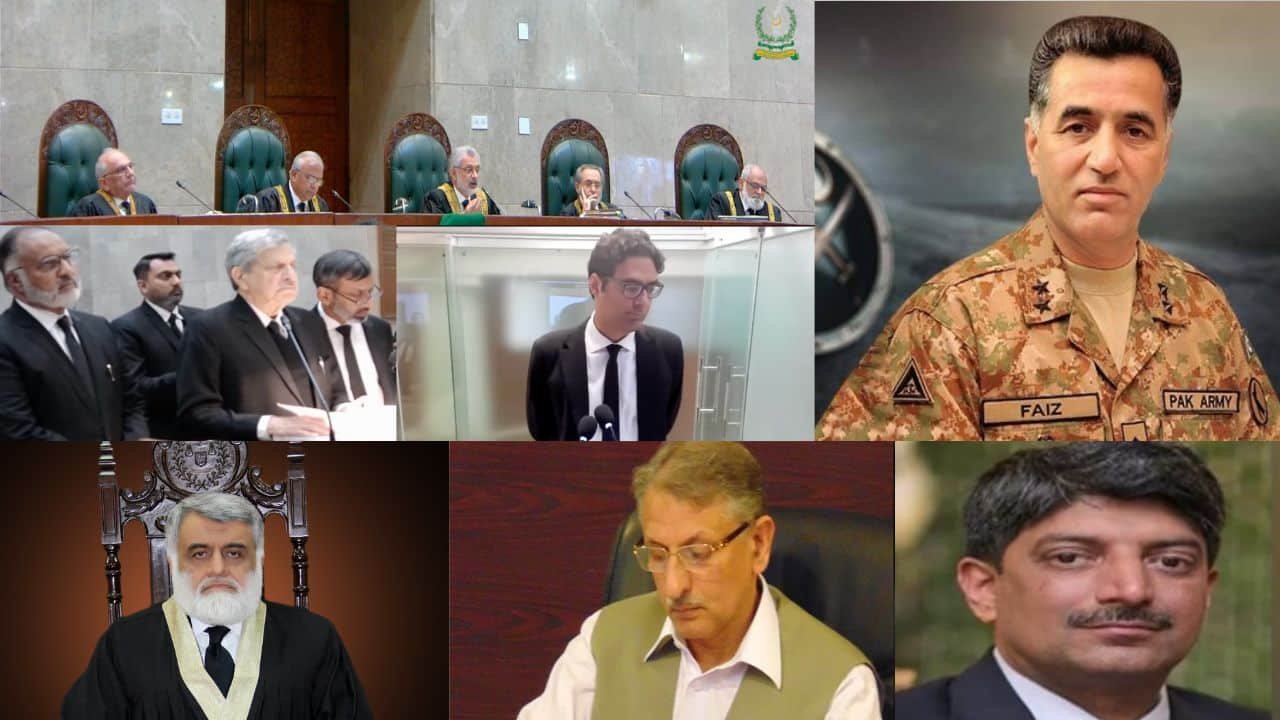
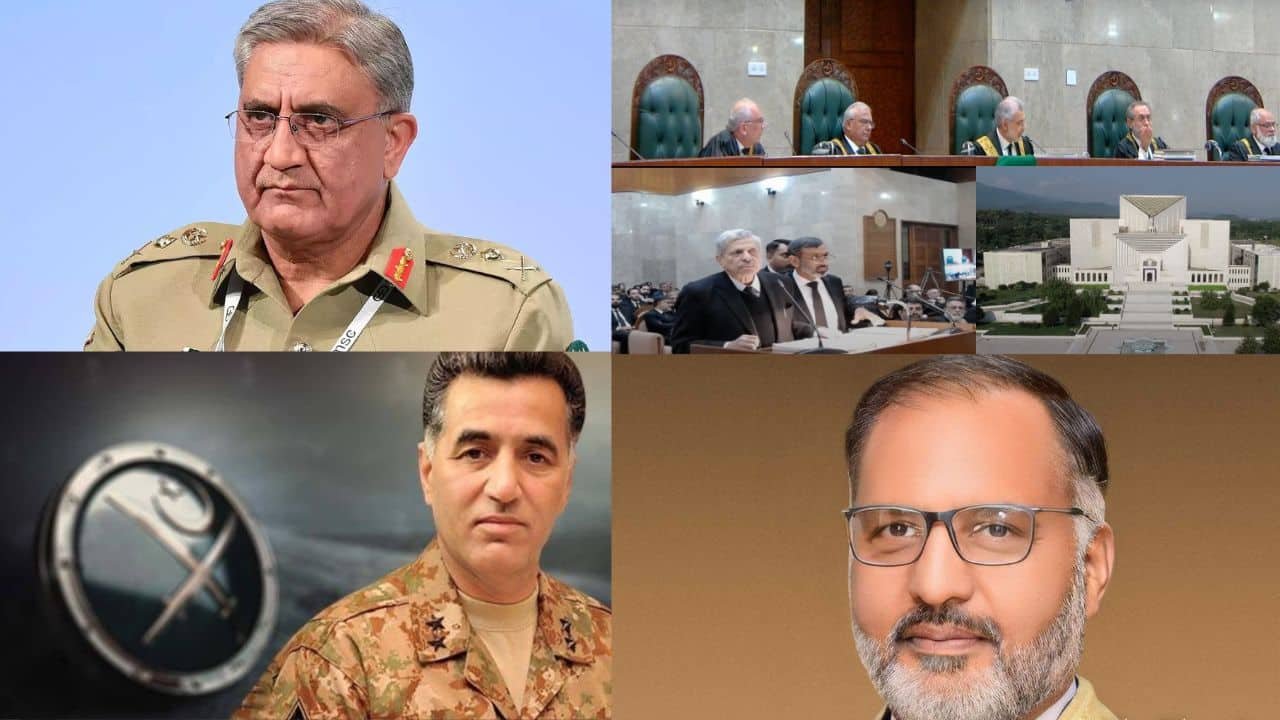
The Supreme Court on Friday issued notices to former Inter-Services Intelligence (ISI) director-general Faiz Hameed and others on former Islamabad High Court (IHC) judge Shaukat Aziz Siddiqui’s petition challenging his removal.
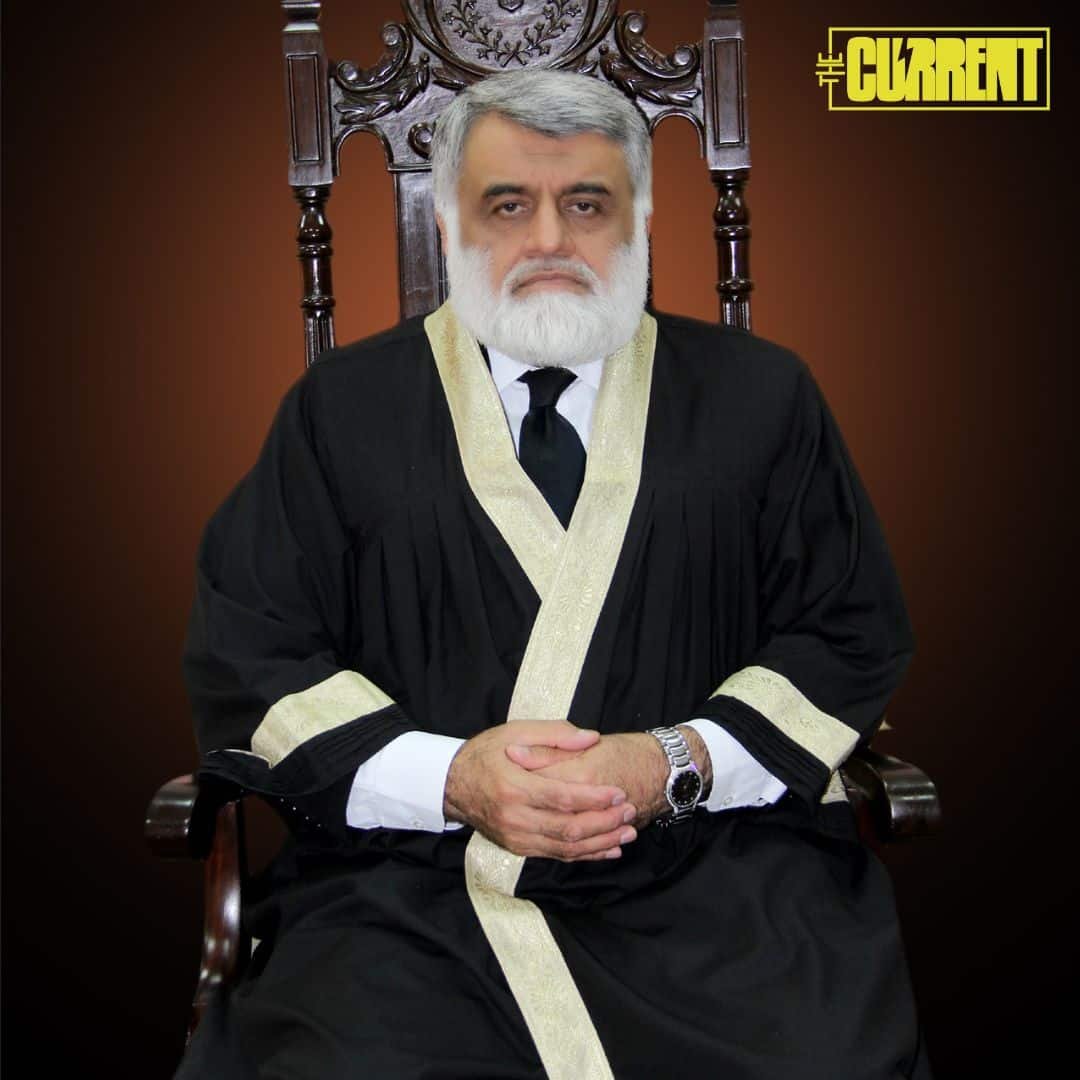
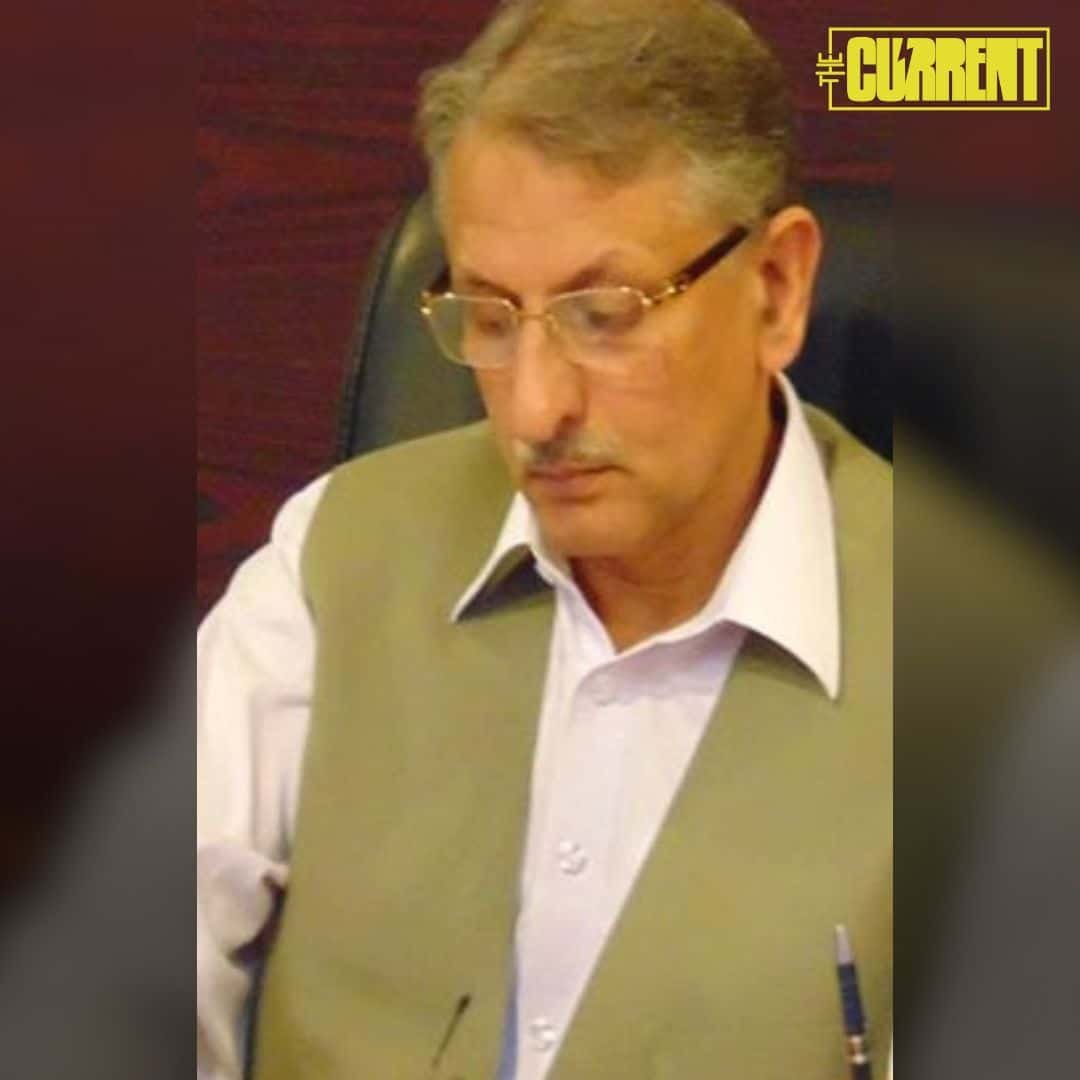
The notices were also issued to former IHC chief justice Anwar Khan Kasi, former registrar of the Supreme Court Arbab Muhammad Arif, and retired brigadier Irfan Ramay.
Former IHC Chief Justice Anwar Khan KasiFormer Registrar of the Supreme Court Arbab Muhammad ArifRetired Brigadier Irfan Ramay
A five-member bench led by CJP Qazi Faez Isa, comprising Justice Amin-ud-Din Khan, Justice Jamal Khan Mandokhail, Justice Hasan Azhar Rizvi, and Justice Irfan Saadat Khan, conducted proceedings on the plea.
Today’s hearing was broadcast live on the apex court’s website as well as on its YouTube channel.
Siddiqui nominated seven individuals in his amended plea, however, the court remarked that three others — former chief of army chief General (retd) Qamar Javed Bajwa, and two retired brigadiers- Faisal Marwat and Tahir Wafai — had no direct connection with the case.
A day earlier, the top court ordered Siddiqui to nominate former spy chief Hameed, former army chief General (retd) Qamar Javed Bajwa, and others in the plea against his dismissal.
Following the order, the former judge requested to make Bajwa and Hameed parties in the case related to his suspension along with IHC chief justice Anwar Khan Kasi, former registrar of the Supreme Court Arbab Muhammad Arif, retired brigadier Irfan Ramay, retired brigadier Faisal Marwat and retired brigadier Tahir Wafai.
The case was fixed for hearing earlier this month after the judge filed a miscellaneous application with the Supreme Court to conduct an early hearing of his plea against the decision by the Supreme Judicial Council (SJC) on his dismissal.
Lawyer Hamid Khan represented the former IHC judge in the case.
The Case
President Arif Alvi on October 11, 2018, removed Justice Shaukat Aziz Siddiqui as judge of the Islamabad High Court (IHC) on the recommendation of the Supreme Judicial Council (SCJ).
The president took the decision under Article 209(5)on the SJC recommendation under Article 209(6) read with Article 48(1) of the Constitution, a notification issued by the Ministry of Law and Justice stated.
The council unanimously opined that while delivering the speech before the District Bar Association in Rawalpindi on July 21, Justice Shaukat Aziz Siddiqui, an IHC judge, displayed conduct unbecoming of a high court judge.
Judges on the panel included: Then Chief Justice of Pakistan Mian Saqib Nisar, Justice Asif Saeed Khosa, Justice Gulzar Ahmad, Lahore High Court’s Chief Justice Yawar Ali, and Chief Justice of the Sindh High Court Justice Ahmed Ali Sheikh.
Justice Khosa said that the judge in question chose to address a meeting of the district bar association, Rawalpindi on July 21 at a time when many inquiries were pending against him before the SJC under Article 209.
In his speech, Siddiqui accused the Inter-Services Intelligence (ISI) of manipulating judicial proceedings, especially in the Panamagate case.
The ex-judge had submitted a plea against the Supreme Judicial Council’s (SJC) decision to dismiss him after a complaint was filed against him for inflammatory speeches.
The Supreme Court (SC) on Thursday resumed the hearing of a plea filed by former Islamabad High Court (IHC) judge Shaukat Aziz Siddiqui and ordered him to nominate former Inter-Services Intelligence (ISI) chief General Faiz Hamid and others in the plea against his dismissal.
A five-member bench led by Chief Justice of Pakistan Qazi Faez Isa heard the case. The other members of the bench are Justice Aminuddin Khan, Justice Irfan Saadat Khan, Justice Jamal Khan Mandokhail, and Justice Syed Hasan Azhar Rizvi.
The proceedings were broadcast live on the apex court’s website as well as on its YouTube channel.
Lawyer Hamid Khan represented the former IHC judge in the case.
Siddiqui has filed a miscellaneous application with the Supreme Court along with the case related to his dismissal from office.
The former judge has requested to make former army chief Gen (retd) Qamar Javed Bajwa and former ISI head Faiz Hameed parties in the case related to his suspension.
Ex IHC judge Shaukat Aziz Siddiqui has made ex army chief General Qamar Javed Bajwa , ex DG ISI Faiz Hameed etc as respondents in his petition challenging his removal by SJC. Will SC issue notice to ex army chief tomorrow ( Friday) ?? pic.twitter.com/xX5k774Me3
The case was fixed for hearing earlier this month after the judge filed a miscellaneous application with the Supreme Court to conduct an early hearing of his plea against the decision by the Supreme Judicial Council (SJC) on his dismissal.
Order
The SC order, issued by the bench, mentioned that allegations were levelled against some personalities who were not present at the case’s hearing. It added that those accused in the case must be made parties.
“How will he, who is not a party, present his position in front of the court?” the order read.
The order also mentioned that the bench will not be available to hear the petition from Monday due to winter vacations.
The case
President Arif Alvi on October 11, 2018, removed Justice Shaukat Aziz Siddiqui as judge of the Islamabad High Court (IHC) on the recommendation of the Supreme Judicial Council (SCJ).
The president took the decision under Article 209(5)on the SJC recommendation under Article 209(6) read with Article 48(1) of the Constitution, a notification issued by the Ministry of Law and Justice stated.
The council unanimously opined that while delivering the speech before the District Bar Association in Rawalpindi on July 21, Justice Shaukat Aziz Siddiqui, an IHC judge, displayed conduct unbecoming of a high court judge.
Judges on the panel included: Then Chief Justice of Pakistan Mian Saqib Nisar, Justice Asif Saeed Khosa, Justice Gulzar Ahmad, Lahore High Court’s Chief Justice Yawar Ali, and Chief Justice of the Sindh High Court Justice Ahmed Ali Sheikh.
Justice Khosa said that the judge in question chose to address a meeting of the district bar association, Rawalpindi on July 21 at a time when many inquiries were pending against him before the SJC under Article 209.
In his speech, Siddiqui accused the Inter-Services Intelligence (ISI) of manipulating judicial proceedings, especially in the Panamagate case.
The ex-judge had submitted a plea against the Supreme Judicial Council’s (SJC) decision to dismiss him after a complaint was filed against him for inflammatory speeches.
The Supreme Court (SC) has issued a verdict in favour of the SC (Practice and Procedure) Act, 2023, dismissing petitions challenging its validity.
Headed by Chief Justice Qazi Faez Isa, the SC full bench consisted of Justice Sardar Tariq Masood, Justice Ahsan, Justice Syed Mansoor Ali Shah, Justice Akhtar, Justice Yahya Afridi, Justice Aminuddin Khan, Justice Naqvi, Justice Jamal Khan Mandokhel, Justice Mazhar, Justice Ayesha, Justice Athar Minallah, Justice Rizvi, Justice Waheed and Justice Musarrat Hilali.
The decision was upheld by 10-5 majority.
While reading out the order, CJP Isa noted that five members of the full court bench — Justice Ijazul Ahsan, Justice Munib Akhtar, Justice Sayyed Mazahir Ali Akbar Naqvi, Justice Ayesha A Malik, and Justice Shahid Waheed — had opposed the law.
The decision on the SC (Practice and Procedure) Act, 2023, case was delivered after the completion of all arguments. Attorney General Mansoor Awan presented a comprehensive case in favor of the act, leading to the full court’s decision in support of the legislation.
The SC (Practice and Procedure) Act, 2023, has been a subject of considerable debate and legal scrutiny, with various petitions seeking its annulment. However, the apex court has preserved the Act, emphasising its continued relevance in the legal system.
However, by an 8-7 decision, the majority of judges have decided against the provision of law wherein retrospective right of appeal was given in the Act.
The Supreme Court (Practice & Procedure) Act, 2023, which has been at the centre of legal debate and judicial proceedings, introduced several crucial provisions, reshaping the functioning of the Supreme Court of Pakistan:
Sou Motu Notice: The Act granted the power of taking suo motu notice to a three-member committee, consisting of senior judges, including the Chief Justice. This provision aimed to facilitate the initiation of legal proceedings in the apex court and ensure transparency. It also included the right to appeal.
Constitution of Benches: According to the Act, every case, matter, or appeal brought before the Supreme Court would be heard and decided by a bench formed by a committee comprising the Chief Justice and the two most senior judges. Decisions of the committee would be made by a majority vote.
Original Jurisdiction: When exercising the apex court’s original jurisdiction, the Act mandated that any matter invoking the use of Article 184(3) must first be presented before the committee.
Interpretation of the Constitution: In cases where the interpretation of the Constitution was necessary, the Act stipulated that the committee would assemble a bench consisting of no fewer than five Supreme Court judges.
Right to Appeal: In instances where a decision was made by a Supreme Court bench exercising Article 184(3) jurisdiction, the Act allowed for an appeal to be filed within 30 days of the bench’s order. This appeal would be scheduled for a hearing within a period not exceeding 14 days.
Retrospective Right of Appeal: The Act also extended the right of appeal retrospectively to individuals who had been affected by an order made under Article 184(3) before the commencement of the SC (Practice and Procedure) Act, 2023, provided that the appeal was filed within 30 days of the Act’s implementation.
Choice of Counsel: Parties involved in legal proceedings were granted the right to select their counsel for filing a review application under Article 188 of the Constitution.
Urgency and Interim Relief: The Act outlined that any application claiming urgency or seeking interim relief in a case, appeal, or matter would be scheduled for a hearing within 14 days from the date of filing.
Chief Justice Qazi Faiz Isa has remarked that having a beard does not make a person a Muslim, people themselves marry for love and then it becomes an issue for the court as per Aaj news.
The case of the extradition of two minor girls was heard in the Supreme Court by a three-member bench headed by Chief Justice Qazi Faez Isa.
The court ordered the two girls to be handed over to their mother, ordering that the father of the girls will be able to visit the girls on Sundays from 10 am to 5 pm, and if the father violated the court order, contempt of court action will be taken against him.
The lawyer of the father pleaded with the court that the girls should be with the father, as their mother works at night, and does not have time to take care of them.
Chief Justice Qazi Faiz Isa expressed his anger and asked whether the lawyer has read the principle of extradition in Islam or not, stressing that according to Shariat, children stay with their mothers.
The Chief Justice remarked that we are Muslims in name only, our work is not that of Muslims, just having a beard does not make a person a Muslim, action must also be taken. Prayer, fasting, and Hajj are not enough, he observed, adding that humanity and morals are also necessary. If the parents are not divorced, their mutual resentment will spoil the future of the children.
The Chief Justice asked the children’s father whether he had a love marriage or an arranged marriage. Taimur, the father of the children, said that it was a love marriage.
The Chief Justice remarked that people themselves marry for love, and then they become an issue for the court.
The Supreme Court disposed of the case with the consent of the parents.
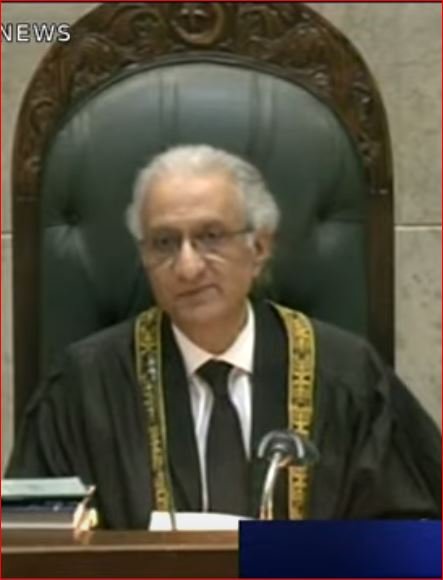
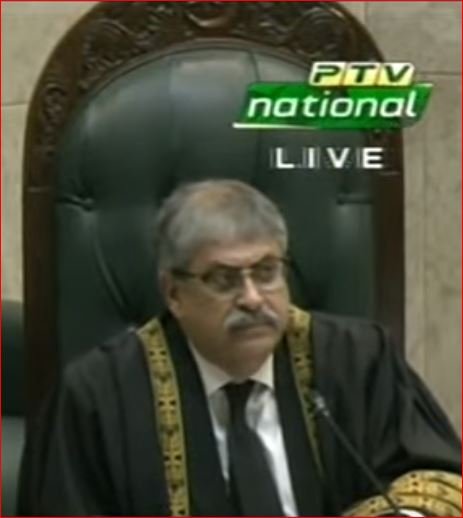
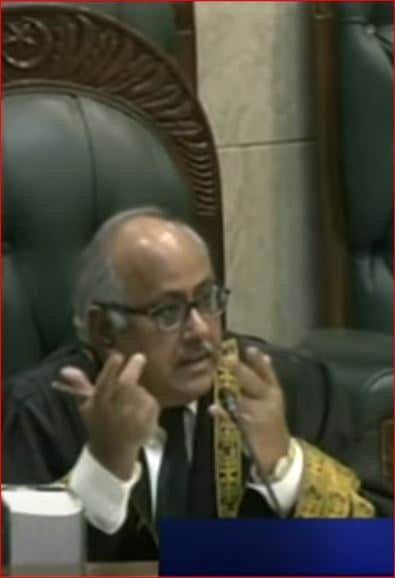
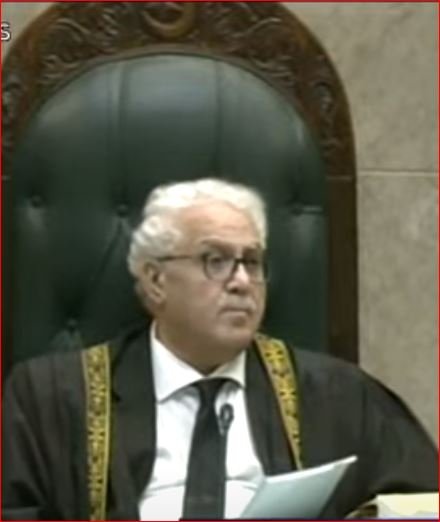
Today, for the first time in Pakistan’s history, proceedings of the full bench in the Supreme Court were broadcast on PTV. Most people were confused about who was who as they saw the 15 judges on screen for the first time.
If you’re not familiar with them, here is a short intro to each of the 15 judges.
1 Mr. Justice Syed Mansoor Ali Shah
Formerly the 45th Chief Justice of the Lahore High Court, Mr Ali Shah has been serving as a justice at the Supreme Court since 2018. He was born in Peshawar and educated at Aitchison College, University of the Punjab and then Downing College, Cambridge.
2 Mr. Justice Syed Hasan Azhar Rizvi
Mr Hasan Azhar Rizvi has been serving as a judge at the Supreme Court of Pakistan since November 2022, prior to which he was a Justice of the Sindh High Court from Febuary 2010 to November 2022.
3 Mr. Justice Sardar Tariq Masood
Mr Justice Sardar Tariq Masood has been serving as a justice at the Supreme Court of Pakistan since November 2015. He began practicing law in the Rawalpindi district in 1985 and became an Advocate of the Supreme Court in 2008.
4 Mrs. Justice Ayesha A. Malik
At the age of 55, Mrs Ayesha Malik made history by becoming the first female Supreme Court judge, a victory that was celebrated by all women in Pakistan. In 2021, she outlawed the deeply misogynist virginity test which was used on survivors of rape and sexual abuse. She earned her Bachelors of Commerce from Government College of Commerce and Economics, then received her law degree from Pakistan College of Law, and her LL.M from Harvard Law School.
5 Mr. Justice Amin-Ud-Din Khan
Justice Amin-ud-Din Khan was sworn in as a Supreme Court judge in 2019. He began practicing in lower courts in 1985 after which he was issued a license. He was appointed as an Advocate of the Lahore High Court in 1987, and later of the Supreme Court in 2001.
6 Mr. Justice Jamal Khan Mandokhail
Justice Jamal Khan Mandokhail was elevated to the Supreme Court of Pakistan as a Judge on August 2021. He completed his Matriculation from the Federal Government High School, Quetta Cantonment, and then his FSc. from Government Science College, Quetta. Mr Mandokhail completed his Masters in Political Science and Economics from the University of Balochistan, and later did his LLB from University Law College Quetta in 1987.
7 Mr. Justice Munib Akhtar
Justice Munib Akhtar took oath as a Supreme Court judge in 2018. He is the son-in-law of the former law minister Khalid Anwar.
8 Mr. Justice Ijaz Ul Ahsan
Justice Ijaz Ul Ahsan was appointed as a Judge of the Supreme Court of Pakistan in 2016. He had earlier been appointed the Chief Justice of the Lahore High Court in 2015. He recieved his early education in Lahore and then graduated in 1979 from Forman Christian College with a merit scholarship.
9 Mr. Justice Athar Minallah
Justice Athar Minallah was appointed as a judge of the Supreme Court of Pakistan in November 2022. Prior to this, he served as the 5th Chief Justice of the Islamabad High Court from 2018 till 2022.
10 Mr. Justice Shahid Waheed
Justice Shahid Waheed completed his graduation from Government College Lahore in 1986, after which he did his LL.B from the University Of Punjab in 1989. He was elevated as a judge of the Lahore High Court on March 2012, and appointed as a judge of the Supreme Court of Pakistan in 2022.
11 Mr. Justice Sayyed Mazahar Ali Akbar Naqvi
Justice Sayyed Mazahar Ali Akbar Naqvi was appointed as a judge of the Supreme Court of Pakistan in March 2020, and has been a practicing Advocate of the Supreme Court of Pakistan and at the High Courts since 2001 and 1988.
12 Mr. Justice Muhammad Ali Mazhar
Justice Muhammad Ali Mazhar was appointed as a judge of the Supreme Court of Pakistan in August 2021. Before his tenure in the apex court, he became a judge of the Sindh High Court in February 2010. Born in Karachi, he completed his graduation in Commerce and later passed his LL.B examination in 1990.
13 Mr Justice Qazi Faez Isa
Mr. Justice Qazi Faez Isa was appointed as a judge of the Supreme Court of Pakistan in September 2014, and was elevated to the position of Chief Justice on Sunday. He completed his early education from Karachi, then went on to earn a Bachelors in Law from London, where he completed his Bar Professional examination at the Inns of Court School of Law.
14 Mr. Justice Yahya Afridi
Justice Yahya Afridi was elevated as a judge of the Supreme Court in June 2018, and was previously appointed as the Chief Justice of the Peshawar High Court in December 2016.
15 Ms. Justice Mussarat Hilali
Justice Mussarat Hilali became the first woman Chief Justice to be appointed at the Peshawar High Court in March 2023, and later became the second female judge to be appointed at the Supreme Court of Pakistan.
The live transmission of the Supreme Court’s (SC) full bench led by Chief Justice of Pakistan (CJP) Qaez Faez Isa on Monday has led to social media blitz of memes.
Delighted viewers got to see a Supreme Court hearing for the first time, and they did not hold back on jokes.
Lawyers, particularly Khawaja Tariq Rahim, came under particular scrutiny, and the internet was not particularly impressed with his arguments, or lack thereof.
We have gathered the best of the internet’s comments on proceedings, judges’ remarks and lawyers’ arguments.
One user used a meme about what lawyers think they do, what public thinks lawyers do and what lawyers actually do.
کیا آپ بھی کچھ نیوز چینلز پر چلنے والے ٹکرز اور بلاوجہ کی بریکنگ نیوز سن سن کر خواجہ طارق رحیم کو ایک منجھا ہوا اور بہت ہی اعلٰی پائے کا وکیل سمجھتے تھے؟ آج کی کاروائی کے بعد میری تو غلط فہمی دور ہو گئی ہے۔
Haha hum khayal judges tout petitioner was so bad and unprepared, Munib Akhtar and Ijal ul Ahsan have had to come themselves to rescue him and give arguments on his behalf
Lawyers not exactly covering themselves in glory in #SupremeCourtofpakistan live proceedings. Not prepared, not articulate, not persuasive. Is this the norm or exception?
This live broadcast of the Supreme Court full court hearing is also a great expose of the mediocrity rampant in the legal profession garbed in ‘respectable’ suits. They take millions for such buffoonish and amateurish arguments.
Senior court reporter Hasnaat Malik has claimed that the differences between the Supreme Court (SC) judges have reached the point of no return.
سپریم کورٹ میں حالات بہت بگڑ چکے ہیں۔ججز کے درمیان بول چال ختم ہوگئی ہے۔ججز نے افطاریاں ایک دوسرے کے گھروں میں بھیجیں جو واپس کردیں گئیں۔اس وقت سارا مسئلہ چیف جسٹس کے اختیارات کا ہے ،جس پر تقسیم ہے،حسنات ملک @Dawn_News@AbsaKomal @HasnaatMalik pic.twitter.com/aWCqNAVlUn
Speaking to Journalist Absa Komal on Dawn News programme ‘News Eye’, the journalist said, “Bol chaal khatam ho gai hai, iftariyaan bheji judges ne aik dosry ke ghar woh wapis kardi gai “(They aren’t on talking terms, the judges even returned iftaris which they sent to each other’s homes).
Malik also revealed that arguments have also taken place in person between the senior judges and that consensus is impossible at the moment.
Hasnaat Malik said that seven judges are on one side while the other eight are on another, pointing out that the fight is about absolute power given to the Chief Justice of Pakistan (CJP) Umar Ata Bandial as one side wants to regulate his authority.
He said that as of yet CJP has unquestionable power in the SC and he can do whatever he wants in cases or matters related to benches.
It is pertinent to mention that questions related to the supreme power given to CJP Bandial were raised when election suo moto was taken by him despite the opposition by many senior judges including the next CJP Justice Qazi Faez Isa. Since then it has been widely speculated that judges aren’t happy with CJP Bandial.