Tag: racism

  • Child actor Emaan Khan opens up about ‘being dark’ in the entertainment industry

    Child actor Emaan Khan opens up about ‘being dark’ in the entertainment industry

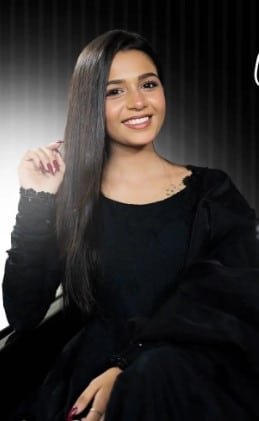
    Emaan Khan is currently winning hearts across Pakistan with her moving perforomance as Neha in the drama ‘Kuch Ankahi’.
    She was recently a guest on Fuchsia Magazine’s talk show where she opened up about being shamed for her skin color when she was in the early stages of her career.
    Khan recalled an instance when a director commented about her dark skin to her mother while she was auditioning.
    “When I came here I had to listen to a lot of hurtful comments about my complexion. My color is a bit dull. When I was young I had gone somewhere for an audition, so they called me in and then ask ‘Is this Eman?’ And my mother said ‘Yes’.
    “‘She’s so dark!’ they said right away. And I remember at that point tears came to my eyes.”
    Khan recalled that the people told her mother that they were looking for fair skinned people for this project, and didn’t want people like her.
    Khan further mentioned how her mother stood up for her at that point:
    ‘I went outside and stood there. From inside, I could hear my mother saying ‘From now onwards, Emaan will never work with you’. And this has happened. Recently, they called me again and my mother refused to allow them to work with me again.”
    Khan said that she will never be ashamed of her own skin color because she likes it so much. She also revealed how makeup artists will try to encourage her to lighten her skin for shoots.
    “They would say to me ‘Tum na thori white base use kya karo’ And I would simply tell them that this is my complexion and this is the base I will keep using. I don’t need any suggestions from you. I know what exactly I have to do here.”
    Khan said directors still do taunt her about not having fair skin, but she refuses to work in the same project and leaves, and finds better opportunities because of these insults.

    Listen to the complete interview here:
  • Shah Rukh Khan’s moving speech at a media event is the reason why he’s the King of Bollywood

    Shah Rukh Khan’s grace and ability to demonstrate determination and hard work in the face of hate is the reason why he’s the last superstar of Bollywood.

    Speaking at a press conference to mark the release of Pathaan, he opened up about the controversies surrounding the film. Pre-release, Pathaan was attacked for being anti-Hindu, with BJP politicians and activists repeatedly sending threats to the actor and rest of the crew. Despite this, Pathaan became a massive hit, with multiple screenings playing even past midnight in cinemas across India.

    Addressing the attacks the film faced, Khan called himself, Deepika Padukone and John Abraham ‘Akbar, Amar and Anthony’ and said that the main purpose of cinema is to spread love rather than hate.
    “This is what makes cinema: Amar, Akbar and Anthony. There are no differences that any of us have for anybody, any culture, any aspect of life. We love you that’s why we make films. We love you to give us love. We’re hungry for love.”
    Khan also revealed that it didn’t matter how much money the film made or how many box office records it broke, what mattered was the love and appreciation they got from people, and wanted to keep inspiring audiences with their work.
    “This person was saying a million times ‘100 crore’, ‘200 crore’ or ‘1000 crore’. Despite the millions, the love we receive from the fans, and the happiness they experience from watching our film, there is nothing that we want more than that. We have to maintain our culture, our old stories, all that has seeped from our beautiful country. We have to tell the stories in modern ways, in different ways, in no way we are deriding any body,” the superstar said.

    Since then, fans have been showering praises on the Bollywood super star, and praised him for always standing for religious harmony and peace.

    “You will not found a better speaker of love,humanity and hope than this man”, one user wrote.

    Another user wrote:

    “That’s the quality he has. A quality to make people understand what love truly means and what it stands for. Duniya me kitni hai nafraratein,fir bhi dilon me hain chahatein, marr bhi jaayein pyaar wale,mitt bhi jaayein yaar wale, zinda rehti hai unki Mohabbatein.”

  • Pakistani-American artist Shahzia Sikander criticises Fox News for calling her sculpture ‘satanic’

    Pakistani artist Shazia Sikandar made international headlines a few weeks ago when her statue ‘Havah…, to breathe, air, life’ was installed on the rooftop of the New York appellate courthouse .

    Conservative US news channel Fox News covered the installation of the statue in Tucker Carlson’s show where he criticized Sikander’s artwork and called it ‘satanic’. He also said that New York officials made a terrible decision to replace former President Thedore Roosevelt’s statue with Havah.
    On her Instagram page, Sikander posted a screenshot of the racist coverage, along with some of the hateful comments she had received over her artwork, calling out their misogyny. She clarified that ‘Havah’ was not a statue of late Supreme Court judge Ruth Badger Ginsberg, however, she did take inspiration from her.

    “Hot Under The Collar
    .
    @foxnews twisting it for their agenda.
    .
    NOW is women carrying their roots and histories wherever they may be, with a nod to RBG. It is not a statue of her.”

  • Canada appoints Amira Elghawaby as the first Special Representative on Combatting Islamophobia

    Canada appoints Amira Elghawaby as the first Special Representative on Combatting Islamophobia

    n a first for Canada, the country has appointed Amira Elghawaby as the Special Representative on Combatting Islamophobia. Prime Minister Justin Trudeau announced the development on Thursday in a statement, stating that this was done to improve government efforts in offering advice on policy making or programs to improve the lives of Muslims living in Canada.
    “Diversity truly is one of Canada’s greatest strengths, but for many Muslims, Islamophobia is all too familiar. We need to change that. No one in our country should experience hatred because of their faith,” he said.
    Trudeau further added that Elghawaby’s position “is an important step in our fight against Islamophobia and hatred in all its forms. I look forward to working with her as we continue building a country where everyone feels safe and respected.”
    Elghawaby is a Muslim journalist who is a contributing columnist for the Toronto Star newspaper, and also works at Canadian Race Relations Foundation. She also serves as a board member for the Canadian Anti-Hate Network, a non-profit that tracks the rise of hate crimes committed towards minorities in Canada.
    On Twitter, Elghawaby thanked Trudeau and the Canadian government, promising that she would use her platform to ensure that the interests of Canadian Muslims are represented on the national platform.
    “It is my honour to serve in this role. I want to thank the Prime Minister of Canada @JustinTrudeau for working to fight Islamophobia and to ensure Canadian institutions from coast to coast to coast are inclusive of Canadian Muslims, and all people.”
    “I look forward to meeting with elected officials, policymakers, and community leaders across the country to amplify the voices of Canadian Muslims and work together to fight discrimination and hate in all its forms.”

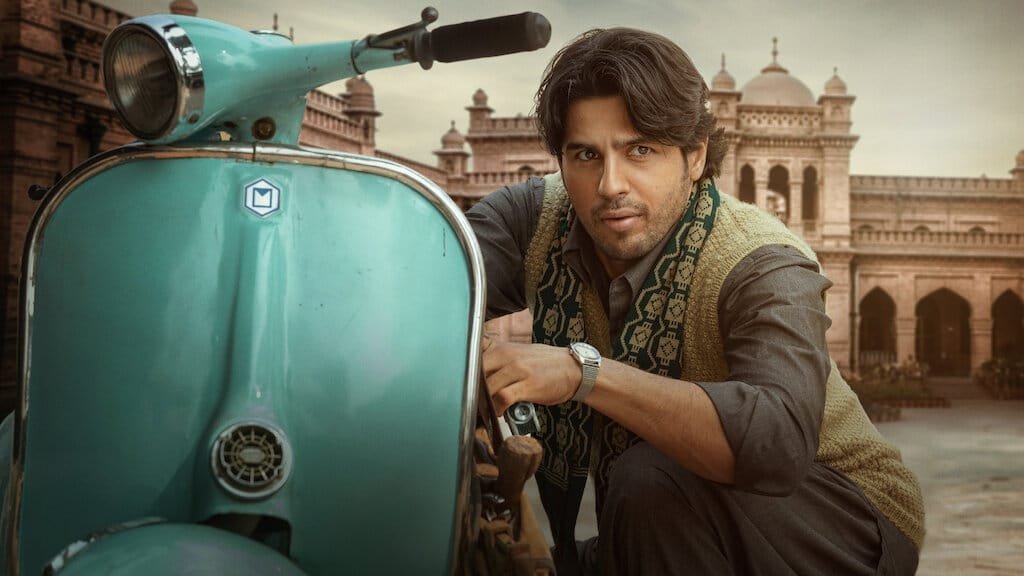
  • An Urdu translation error in ‘Mission Majnu’ is going viral on Pakistani twitter

    An Urdu translation error in ‘Mission Majnu’ is going viral on Pakistani twitter

    As if pretending we greet everybody with ‘adaab’ and wear kajal around our eyes wasn’t enough, now Bollywood can’t even get a simple Urdu text typed properly.

    Twitter was in fits after the trailer for ‘Mission Majnu’ releasedand we got some *chef’s kiss* memes from our twitter users

    https://twitter.com/maulanaglumi/status/1613202698744070144?s=20&t=1DpofqYHYMhTNLWyzCI88g

    But now, eagle-eyed netizens have found another hilarious reason to keep mocking the film and the abysmal representation it offers of Muslims.
    In a viral post by twitter user @karakmufti, a scene from the movie shows a sign in a masjid where the Urdu text is quite absurd.

    This led to users trolling the film all over again, like comedian Jeremy McLellan sharing that the makers of the film had relied on Google Translate for the Urdu text.

    There were many other hilarious reactions to this translation error that are just too brilliant to miss out.
    For instance, another translation error found in the movie.

    https://twitter.com/theasadshahbaz/status/1616747189383864321?s=20&t=L5yBc2QE2ad7ukaVJh43ow
    https://twitter.com/thenorthaspoken/status/1616820386443984897?s=20&t=L5yBc2QE2ad7ukaVJh43ow

  • Hot and toasty chor: Designers Dolce and Gabbana criticised for stealing Pakistani art

    Hot and toasty chor: Designers Dolce and Gabbana criticised for stealing Pakistani art

    We may have progressed to a new year, but international brands continue with their decades-old, regressive mindset of stealing artwork from third world artists for cheap products. Writer Rafia Zakaria brought this to attention today when she shared a screenshot of a Dolce and Gabbana toaster which had designs copied from Pakistani truck art on it. The toaster is retailing for $850.
    Is it still ethical to steal art that holds a lot of significance within a particular culture, especially while knowing that this country was recently devastated by floods.

    ‘Dolce and Gabbana Pakistani Truck Art limited edition toaster a mere $850 People in Pakistan still starving. Perhaps send a few extra dollars their way.’

    Social media users sided with Zakaria’s criticism by sharing how unethical it is for international brands to steal art and profiting from it without giving credit to artists.

    https://twitter.com/amna_mir/status/1609779503844171776?s=20&t=bmGIgxNjOYxmmR6RjxDDog

  • Pakistani qaum, yeh cricket hai bhei, racism check mein rakho

    Pakistani qaum, yeh cricket hai bhei, racism check mein rakho

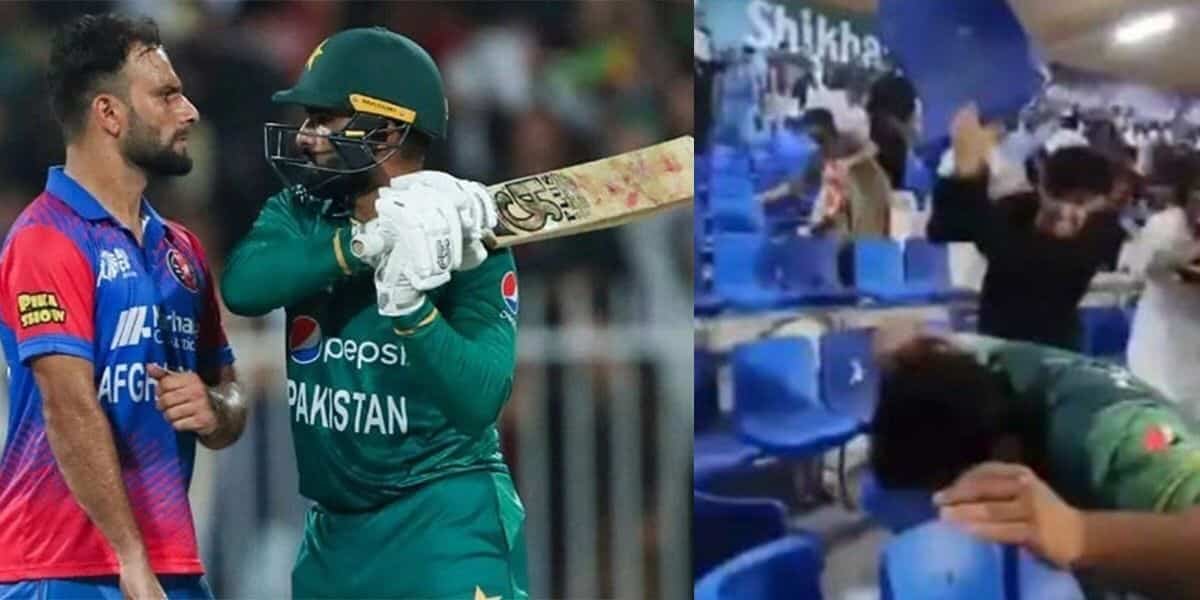
    Sports brings pride and recognition to a country and for Pakistan, cricket is one of the most celebrated games. It brings both joy and heartache to millions of Pakistanis. With Pakistan and Sri Lanka playing the final of Asia Cup 2022, we wish both teams luck but we obviously want Pakistan to win! Pakistanis all around the world will be rooting for our boys in green. Cricket and our men in green are a source of continuous pride for the country but what we witnessed from the audience stands in the match between Pakistan and Afghanistan was nothing but disappointing at so many levels. The Afghanistan-Pakistan cricket rivalry is fast crossing the acceptable margins, even surpassing the age-old rivalry between India and Pakistan.

    Afghanistan and Pakistan faced each other in an important Asia Cup fixture in the Super Four round, where the stakes were too high. Afghanistan needed a win to keep their chances alive, while Pakistan needed to clinch this win to be in the final. Afghanistan was close to victory but the Pakistani team bounced back at the last minute, stealing the game away. The event witnessed some heated moments between Afghan and Pakistani players, charging up the spectators on both sides. Afghan fans purportedly indulged in verbal abuse and later ended up throwing seats at the Pakistani fans, prompting many observers to say the spirit of the game has been ‘tainted’. Sports fabs across the world sometimes show uncouth behaviour, be it cricket or football or any other game. It is always difficult to see one’s own side lose but it does not mean that fans of the winning team should be subjected to violence.

    While the cricketing rivalry between Afghanistan and Pakistan may be in its infancy, it has got all the ingredients for a heated contest courtesy the political history both countries share. After the disappointing scenes between the fans, there was an immense backlash against the Afghans. But the reaction of many Pakistanis was quite disappointing and downright racist. Pakistanis calling Afghans ‘namak haram’ — racist term often used to address Afghan refugees living in Pakistan — was not just uncalled for but also wrong. No one should have to bear verbal abuses and being called ungrateful or other names. Refugees deserve to be treated with dignity. This is what we also demand from western nations when it comes to Muslim refugees so why display racism against refugees in our own country? Also, to taunt an entire nation and another country because of the shenanigans of a few fans is just wrong. It is a game and one needs to accept both win and defeat with grace.

    We just hope that the teams and supporters watching the Asia Cup final today show resolve and grace. May the best team win.

  • ‘Rajasthan Royals owner slapped me 3-4 times’: Ross Taylor makes shocking reveal

    ‘Rajasthan Royals owner slapped me 3-4 times’: Ross Taylor makes shocking reveal

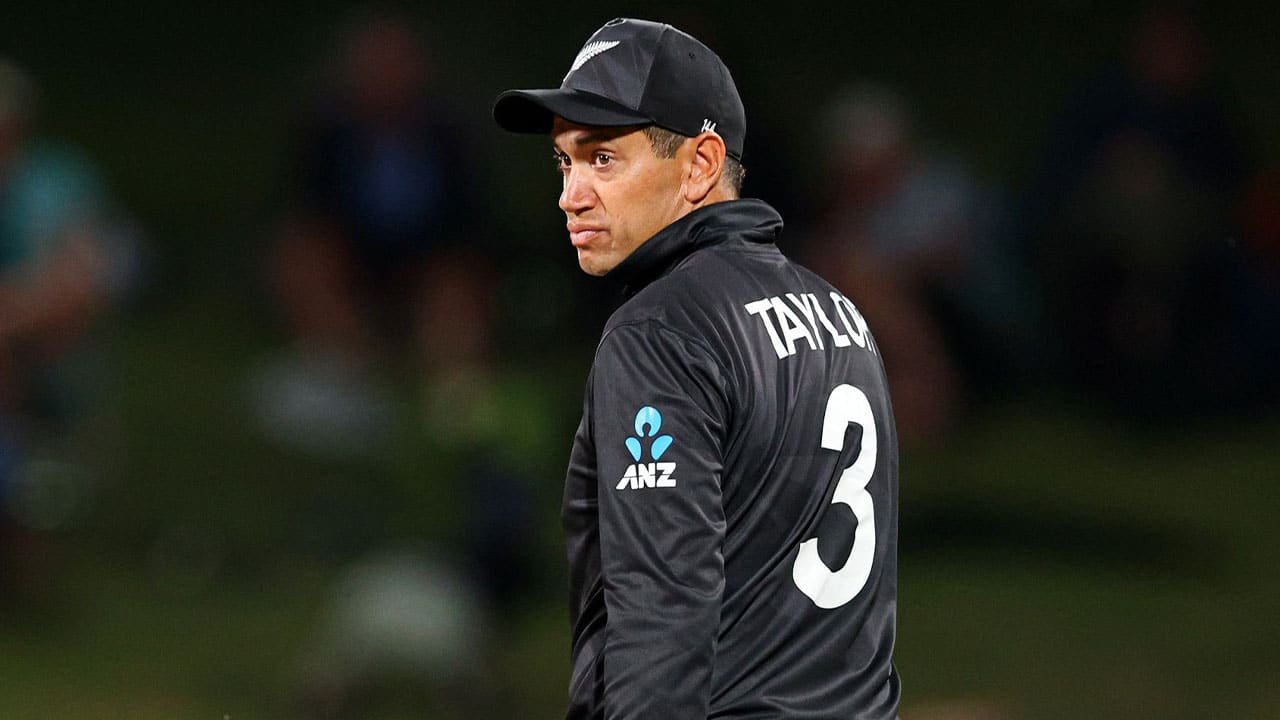
    Former New Zealand batter Ross Taylor claims that an Indian Premier League (IPL) franchise owner of the Rajasthan Royals team “slapped” him three to four times during the 2011 IPL season.

    The disclosure was made by Taylor in his latest recent book, Ross Taylor: Black & White, and he claimed that the incident happened after a loss to Kings XI Punjab in Mohali.

    In his book, Taylor stated, “The chase was 195, I was lbw for a duck and we didn’t get close.” An excerpt from Taylor’s book was posted on Stuff.co.nz.

    “The squad, support staff, and management were then at the hotel’s bar on the top floor. Warnie [Shane Warne] was present along with Liz Hurley. We didn’t pay you a million dollars to acquire a duck, one of the Royals owners said to me, slapping me three or four times in the face. I’m not certain if it was all play, but he was laughing and they weren’t hard slaps. I wasn’t going to complain about it because of the circumstances, but I couldn’t see it occurring in many professional sporting settings.”

    The Royals have not yet made a remark on this.

    Taylor played one season for Royals in 2011 after being acquired for USD $1 million at the auction after spending three years with Royal Challengers Bangalore (RCB) between 2008 and 2010. Taylor wrote in his memoir that he regretted not staying at RCB.

    Taylor said, “While it was amazing to go for a million dollars, in the end I would’ve been better off RCB had got me for US$950,000.”

    “If they had, I would have been with them for the fourth year. Although the IPL is not very sentimental, there is devotion to long-serving players, and I probably would have had a longer IPL career if I had only played for one franchise. On the other side, I wouldn’t have had the opportunity to play with legends like Virender Sehwag, Shane Warne, Mahela Jayawardene, and Yuvraj Singh if I had remained at RCB.”

    “When you fetch that sort of money, you’re desperately keen to prove that you’re worth it. And those who are paying you that sort of money have high expectations – that’s professional sport and human nature. I’d paid my dues at RCB: if I’d had a lean trot, the management would have had faith in me because of what I’d done in the past. When you go to a new team, you don’t get that backing. You never feel comfortable because you know that if you go two or three games without a score, you come under cold-eyed scrutiny,” he went on to write.

    Taylor played 12 matches for the Royals in 2011, hitting 181 runs at a strike rate of 119. He then played three more seasons in India for the Delhi Daredevils and Pune Warriors.

    While playing cricket in and for New Zealand, Taylor also acknowledged in his autobiography that he had encountered racial insensitivity.

  • Gen Z is more likely to buy products promoted by influencers, celebrities

    Gen Z is more likely to buy products promoted by influencers, celebrities

    People born between 1997 and 2012 are known as Generation Z. They are not just digitally aware, but real digital natives who have grown up immersed in digital networking.

    Gen Z has been identified as being nimble, active, and bold. Every generational shift leads to a transformation in demand and expectations.

    A research study conducted by Meta reveals how Gen Zers interact with marketers and invest their online time.

    Social media – more than a picture uploading platform

    Over two-thirds of Gen Zers are surveyed on Facebook and Instagram, according to Comscore research. By time spent on mobile and desktop, these two applications list third among the top ten digital sites.

    For many people, social media is more than a basic way to keep in touch with friends and loved ones. It’s where people can spend time discovering their passions and interacting with the brands they care about. Gen Zers are delighted to see advertisers on Meta platforms, according to a Meta-commissioned study. In fact, 60 per cent of those questioned claimed they follow a company on social media.

    Gen Zers crave engagement with favourite brand

    Gen Z craves a genuine engagement with the brands they adore. According to a Meta study, 41 per cent of Gen Zers surveyed stated they feel more personally connected when brands share content that makes them feel like they’re a member of the brand’s group.

    The yearning to be a part of something and to know what’s going on can go a long way: According to the survey, 29 per cent of respondents feel a stronger bond to businesses that provide an inside glimpse into their activities. Gen Zers also highly value real chats with brands, with more than a quarter of those polled expressing a desire to be able to ask product experts questions directly through social networks.

    Gen Zers fancy writing feedback

    Following a brand on social media is a method for 60 per cent of Gen Zers surveyed to engage more deeply with their interests. One of the most common methods for people to engage with their passions is through stories shared on social media by companies and influencers, according to 43 per cent of those polled.

    They do, however, want a more engaging experience: As a way to communicate with brands, 38 per cent of respondents love completing product feedback questionnaires. 

    Impact of involving celebrities, influencers

    The key to establishing a stronger bond between businesses and Gen Z is through influencers and artists. According to Meta data, 79 per cent of Gen Zers have made a purchase as a result of watching a creator’s content. Influencers let customer feels more attached to and satisfied with the businesses, products, and services they offer.

    Read more: Pakistanis will get slow Internet on Thursday

    Luckily for marketers, 35 per cent of those polled indicated that creator material caused them to promote a brand, product, or service.

    Role of social justice

    Advocating for social justice and ethnic diversity is critical for Gen Zers. According to a second Meta research of interactional analytics, Gen Zers used Instagram to express their views on social justice issues, with discussion volume increasing by 300 per cent year over year since May 2020. However, deeds speak louder than speech for this age.

    According to Meta study, Gen Z consumers expect brands to work with influencers from a variety of racial and cultural backgrounds. The study also found that more than half of Gen Zers polled learn about new businesses through content from influencers from multiple origins.

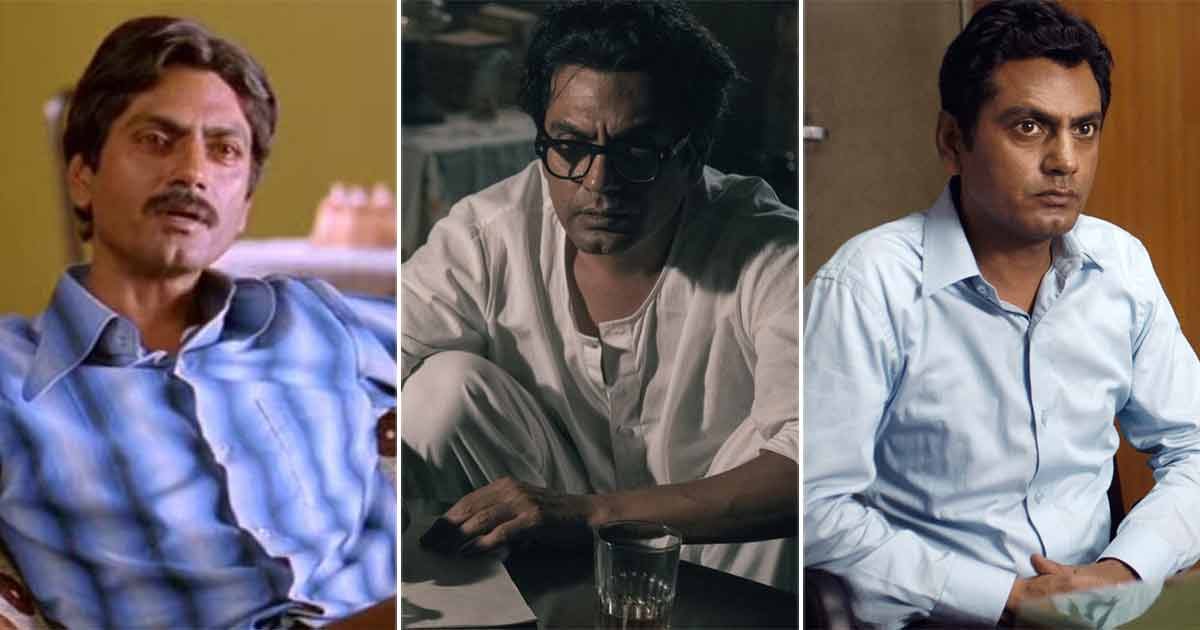
  • ‘Was rejected for the way I look’: Nawazuddin Siddiqui slams ‘racist’ Bollywood

    ‘Was rejected for the way I look’: Nawazuddin Siddiqui slams ‘racist’ Bollywood

    Indian actor Nawazuddin Siddiqui has stated in a recent interview that the greater problem in the Indian film industry is racism, even more than nepotism.

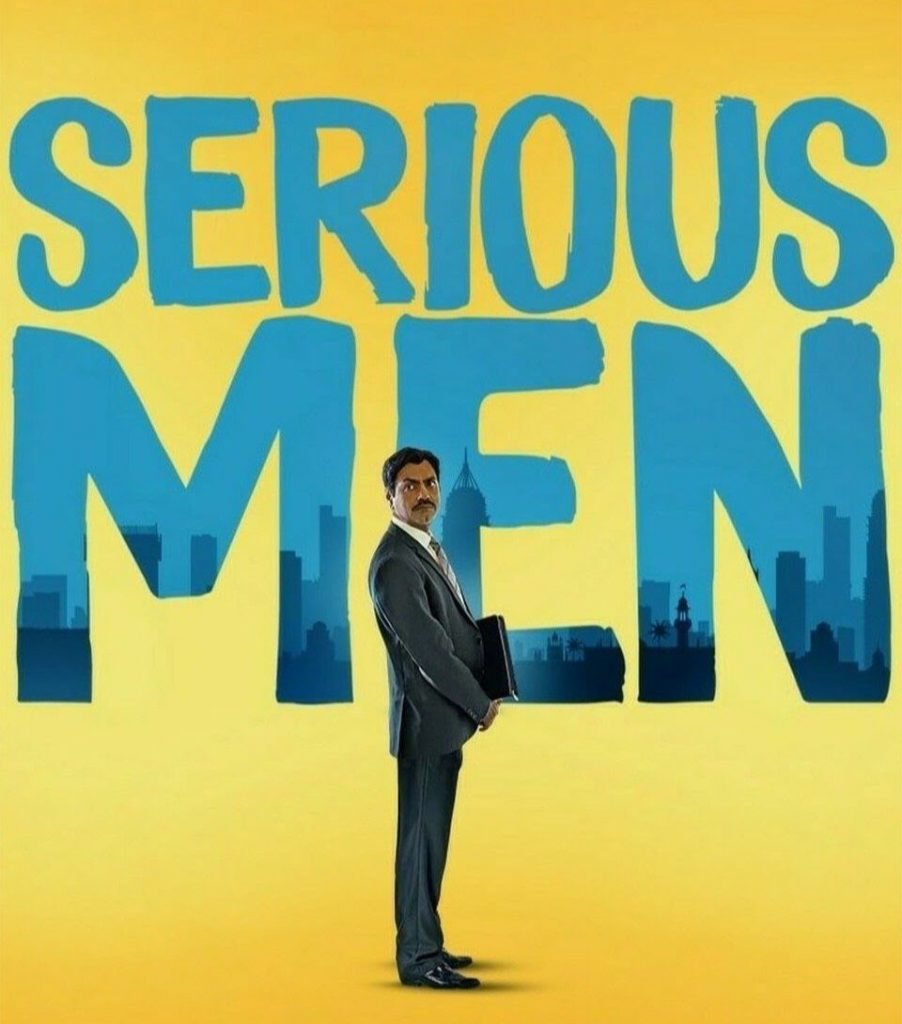
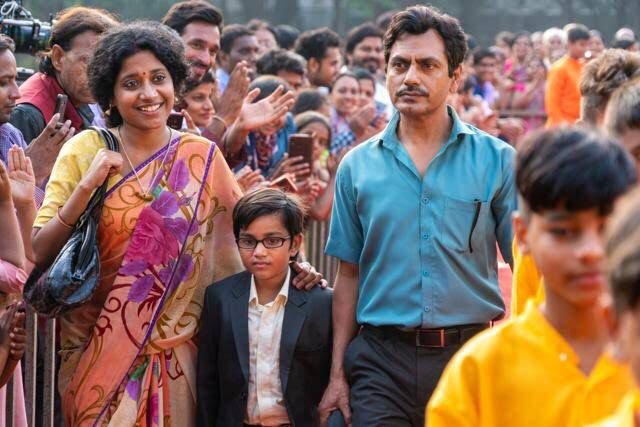
    The Kick star while speaking to Bollywood Hungama praised his Serious Men co-star Indira Tiwari for her phenomenal role in the movie, hoped that she gets similar recognition in the future, blaming Bollywood for having a problem of racism.

    “Sudhir Saab [Sudhir Mishra, director of film Serious Men] has immense knowledge about cinema, and his thought process is very practical. He cast her as the heroine, and I can guarantee you that there is so much racism in our industry,” said Nawaz

    Sudhir Mishra did it, but what about the head honchos in charge? More than nepotism, we have a racism problem,” added the Bajrangi Bhaijaan actor

    “I fought against it for many years, and I hope that dark-skinned actresses are made heroines; it’s very important. I’m not even talking about skin colour; there is a bias that exists in the industry which needs to end for better films to be made.”

     “I was rejected for many years only because I’m short and I look a certain way, although I can’t complain now. But there are so many other great actors who fall prey to this kind of bias.”