Tag: Ramzan

  • Ramzan Miracle: ‘Mystery baby’ from Turkey earthquake reunited with mother previously declared dead

    Turkey’s ‘miracle baby’, rescued after nearly 128 hours under the rubble in the Turkey earthquake, has been reunited with her mother who was previously believed to be dead.

    The baby was handed over to her mother Yasemin Begdas at a hospital in the city of Adana, where she is receiving treatment.

    The baby had been named Gizem (Mystery) by the medical authorities who took care of her.

    “54 days of longing is over. Vetin Begdaş, who was rescued from the wreckage after 128 hours and named Gizem Bebek by our nurses, was reunited with her mother after 54 days. Vetin is now our baby too. As the Ministry, our support will always be with you,” Turkey’s Ministry of Family and Social Services, Derya Yanık tweeted.

    The baby’s father and two brothers lost their lives in the earthquake. The death toll from the February 6 earthquake and subsequent tremors in Turkey and Syria has risen to at least 44,000 according to Disaster and Emergency Management Authority (AFAD).
  • PM Shehbaz orders two free flour bags instead of one for citizens

    PM Shehbaz orders two free flour bags instead of one for citizens

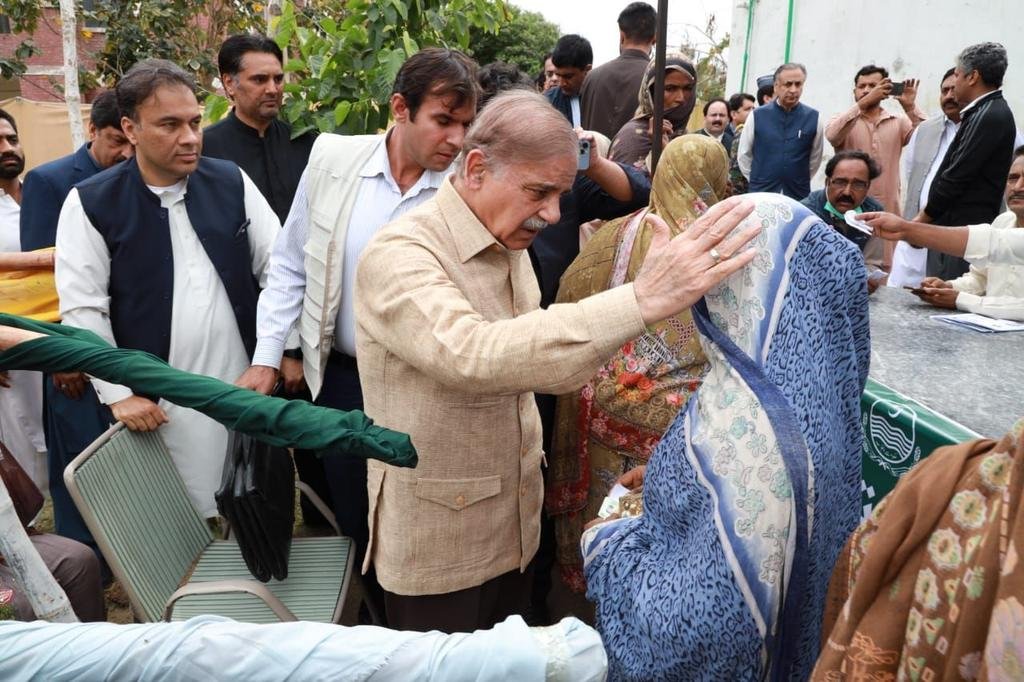
    Prime Minister (PM) Shehbaz Sharif paid a visit to a flour distribution centre in Islamabad on Friday to oversee the work.

    During the visit, the premier directed authorities to give priority to the distribution of flour bags to aged persons and women.

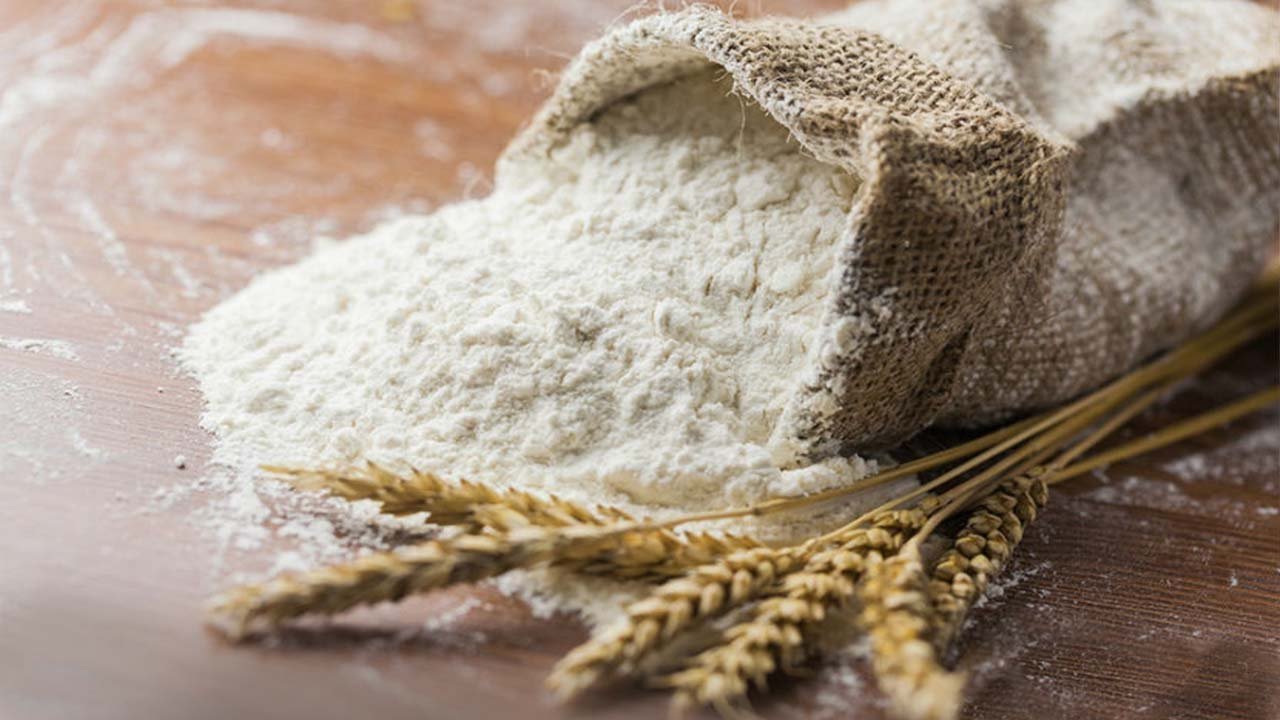
    He also decided to provide two flour bags instead of one so that the people do not need to visit the distribution centres frequently.

    He asked relevant authorities to chalk out a facilitatory mechanism for the person who can only present the photocopy of CNIC in case the original card is missing.

    Under the Ramzan package jointly initiated by the prime minister and the Punjab government, 20 million bags of free flour have been distributed among deserving citizens by the 10th day of the programme.

  • Stampede for ration kills 11 in Karachi including three children

    Stampede for ration kills 11 in Karachi including three children

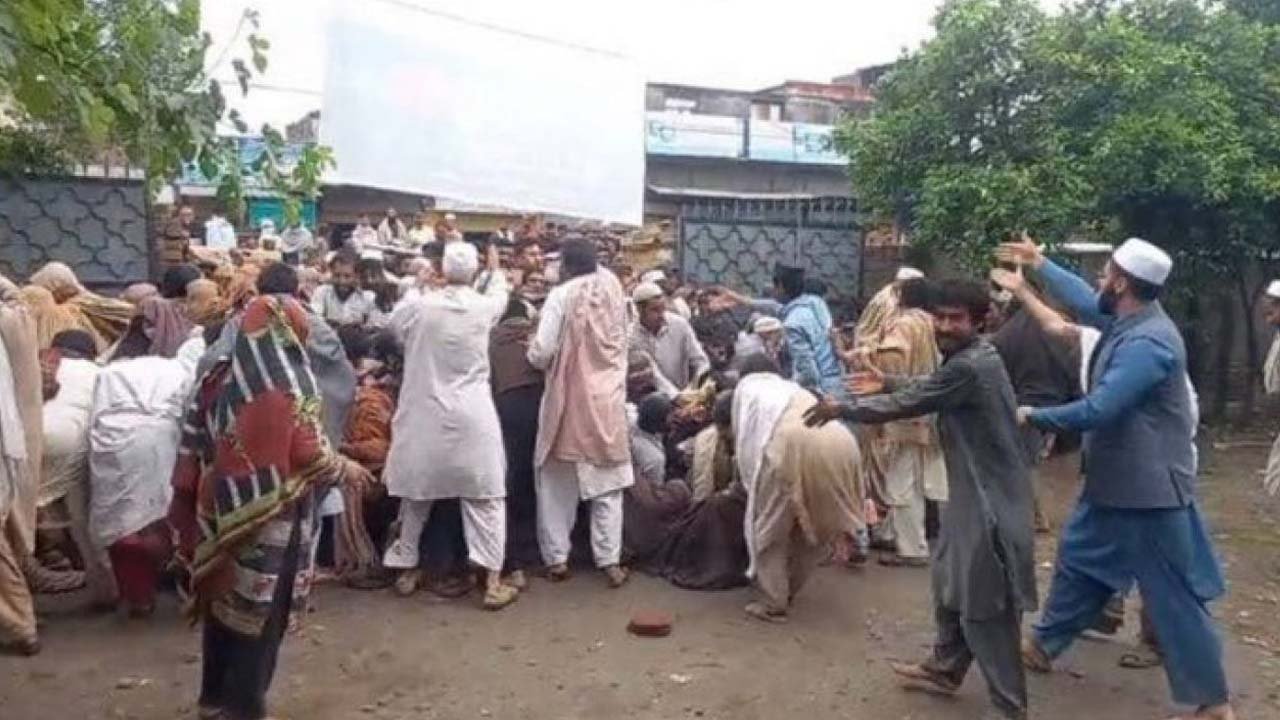
    A stampede at a private charity food ration distribution site in Karachi’s SITE industrial area on Friday left at least 11 people dead, including three children.

    Eyewitnesses and rescue workers reported that several people fell into a nullah at the location during the stampede. Reports suggest that some of the victims were electrocuted as an electricity power-line had fallen into the nullah.

    Several people, including women and children, also fell unconscious during the incident.

    The Abbasi Shaheed Hospital received nine bodies and six injured victims, while the Civil Hospital received two dead bodies, bringing the death toll to 11.

    The incident is one of several recent deadly stampedes at free food and flour distribution sites across the country as the population struggles with rising inflation.

    The government launched the flour distribution programme to reach millions of families in need during the holy month of Ramzan that began last week.

    Sindh Chief Minister Murad Ali Shah has ordered an inquiry into the incident and expressed sorrow over the loss of lives.

    Leader of the Opposition in the Sindh Assembly Khurram Sher Zaman demanded a transparent inquiry and action against those responsible for the incident, blaming the government for the people’s carelessness.

  • Love, honour and respect: Pakistani Sikh community arranges iftar for Muslims

    Love, honour and respect: Pakistani Sikh community arranges iftar for Muslims

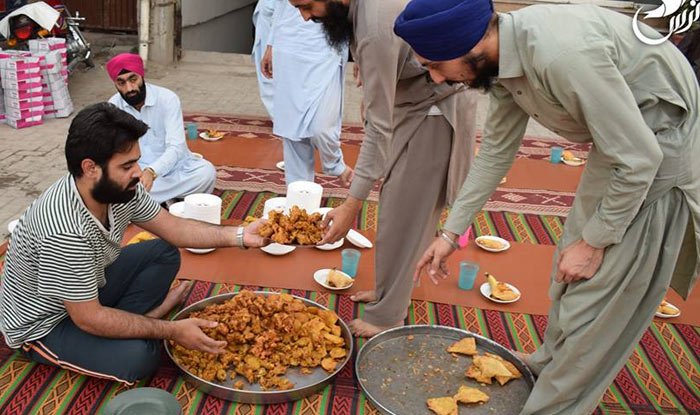
    In the spirit of Ramzan, the Sikh community in Peshawar has continued its tradition to serve Iftar to fasting Muslims with the objective of promoting love, fraternity, respect, and honour among people of different faiths.

    Sikh families living in the Mohalla Jogan Shah area of the walled city take turns to arrange food; as a result these ‘dastarkhawans’ work round the month.

    The community not only makes arrangements for Muslim brothers but also distributed rations among the needy and poor. Each of the ration packs consists of essential items including cooking oil, rice, pulses, chickpeas, beans, sugar, and tea.

    Chairman Khyber Pakhtunkhwa chapter of the National Peace Council for Interfaith Harmony Jatinder Singh said that the objective behind this practice by Sikhs is “to promote love, fraternity, respect, and honour among people of different”. Pointing out that his community had lived in the country for generations, he said they wanted to convey a message of mutual coexistence among its citizens.

    Sikh traders also announce special discounts in their shops during Ramzan besides donating money to the needy.

  • Unchecked overcharging: Shopkeepers set their own rates for essential items during Ramzan

    At the start of Ramzan, prices of essential food items have witnessed an uncontrolled surge, with little intervention from the authorities concerned. Shopkeepers are selling essential food items at their desired rates instead of selling at government-announced rates.

    A recent survey of markets in Peshawar reveals an alarming increase in prices of food items, which have continued to soar with each passing day in this holy month.

    A vendor reported that the price of live chicken has surged to Rs350 per kg, while rice prices have increased by Rs70 per kg, reaching Rs335 per kg. Split chickpeas (chana dal) are now selling at Rs220 to Rs260 per kg, and the cost of beans has gone up by Rs60 per kg, with rates jumping from Rs281 to Rs339 per kg. According to a shopkeeper, the cost of spices has surged from Rs150 to Rs200 per kg and now stands at Rs600 per kg in the city.

    Oil and ghee prices have also skyrocketed by Rs62 per kg. Vegetables and fruits have become unaffordable for many, with garlic being sold at Rs360 and ginseng at Rs620 per kg. Peas cost Rs200, Arvi Rs180, Zucchini Rs170, green capsicum Rs150, and tomato Rs120 per kg.

    Fruits have also witnessed an upward trend in prices, with sweet oranges priced at Rs440 per dozen, oranges at Rs400 per dozen, banana at Rs300 per dozen, pomegranate Rs400, Iranian apple at Rs340 per kg, Kohati guava at Rs350, and strawberry costing Rs280 per kg.

    The meat market has also been hit hard by price hikes, with beef now selling at Rs800 to Rs1,000 per kg from its previous price of Rs700 per kg before Ramzan, while mutton prices have increased from Rs1,400 to Rs1,600 per kg and now stand at Rs1,800 per kg.

    Many shopkeepers have been charging prices of their own choosing, as district administration officials have not been able to check rates due to heavy rain and mud-stranded water. Butchers in the local market have expressed their dissatisfaction with the rates issued by the district administration, and have not faced any fines or raids from officials.

  • This Ramzan, Ayesha Omar wants Pakistanis to learn discipline and self-control

    This Ramzan, Ayesha Omar wants Pakistanis to learn discipline and self-control

    Ramzan is a month of restraint and patience, which, actress Ayesha Omar thinks is important for us to learn in order to refrain from being quick to pass judgement and hurting others.

    In an Instagram post, the ‘Bulbulay’ actress called this her favourite month because it helps her practice self-control and discipline, as well as purify the mind, body and soul:

    “My favourite month has started. Time to practice self-control and discipline, time to reset, to detox, to purify the body, mind and soul, time to find our centres and our ground, time to ponder over our being and our habits, time to practice compassion and kindness towards ourselves and others, time to pray and meditate and set a precedence for the rest of the year.”

    Read her complete caption here:

  • Punjab govt to provide free flour to 15.8 million deserving households during Ramzan

    Punjab govt to provide free flour to 15.8 million deserving households during Ramzan

    Prime Minister (PM) Shehbaz Sharif has announced a scheme to provide free flour to impoverished individuals during the holy month of Ramzan. The premier stated that the distribution of free flour will encompass 15.8 million households throughout Punjab from 25 Sha’ban to 25 Ramzan.

    To ensure effective implementation of the scheme, the Prime Minister directed the utilisation of 8,500 utility stores and the establishment of an additional 20,000 distribution points for public convenience.

    Moreover, PM Shehbaz stressed the need for the transparent and modern distribution of free flour among the poor while also emphasising that the quality of flour provided should be of the highest standards.

    Eligibility for the program can be confirmed through SMS, and the federal government will also support other provinces in this regard.

    During a review meeting to discuss the distribution of free flour under the Ramzan package, chaired by the Prime Minister himself, the Punjab government provided a detailed briefing on the program.

    The meeting was attended by the Caretaker Chief Minister Punjab Syed Mohsin Raza Naqvi, Adviser to the Prime Minister Ahad Cheema, and other relevant senior officials.

    This decision is expected to bring much-needed relief to the underprivileged during the holy month of Ramzan. By utilising modern technology and additional distribution points, the distribution of free flour can be carried out efficiently and transparently, ensuring that the benefits reach those who are most in need.

  • No loadshedding during Sehri and Iftar times, PM Shehbaz passes instructions

    No loadshedding during Sehri and Iftar times, PM Shehbaz passes instructions

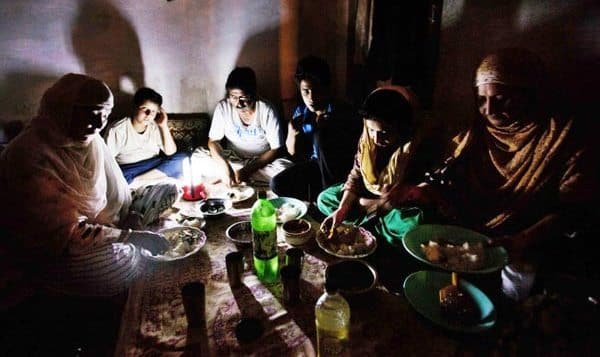
    Prime Minister (PM) Shehbaz Sharif has directed his government to ensure that there is no loadshedding during Sehri and Iftar times in the holy month of Ramzan— set to start at the end of March.

    He also gave directions that there should be minimum loadshedding in the upcoming summer season and directed authorities to accelerate the process of solarising government buildings.

    He asked for the completion of all projects in the power sector and solarisation in the country within the stipulated time.

    Earlier this year, Pakistan faced an energy crisis when a major power outage left the entire country without electricity for more than 12 hours.

    Amid the energy crisis, last year, the premier formed a committee that worked on reducing electricity consumption in government offices by 30 per cent. He also ordered officials to convert federal government buildings to solar energy at the earliest.

  • No more load shedding in Pakistan from today: Ministry of Energy

    No more load shedding in Pakistan from today: Ministry of Energy

    After long hours of power outages across Pakistan in the month of Ramzan, the Ministry of Energy has announced that power load-shedding has been reduced to zero from 5am today (Monday).

    In a tweet, the ministry said, “As per the promise made by Prime Minister Shahbaz Sharif, load shedding in the country has been reduced to zero from 5am on May 1. The ministry has worked hard to add more than 2500 Megawatt of additional power to the national grid system.”

    “The ministry is constantly striving for uninterrupted power supply during the Eid holidays and beyond”, the tweet further said.

    In April, PM Shehbaz took notice of the situation and directed the concerned departments to reduce power outages by May 1. He said until the problem is resolved, he would not leave for China and would not allow anyone to relax.

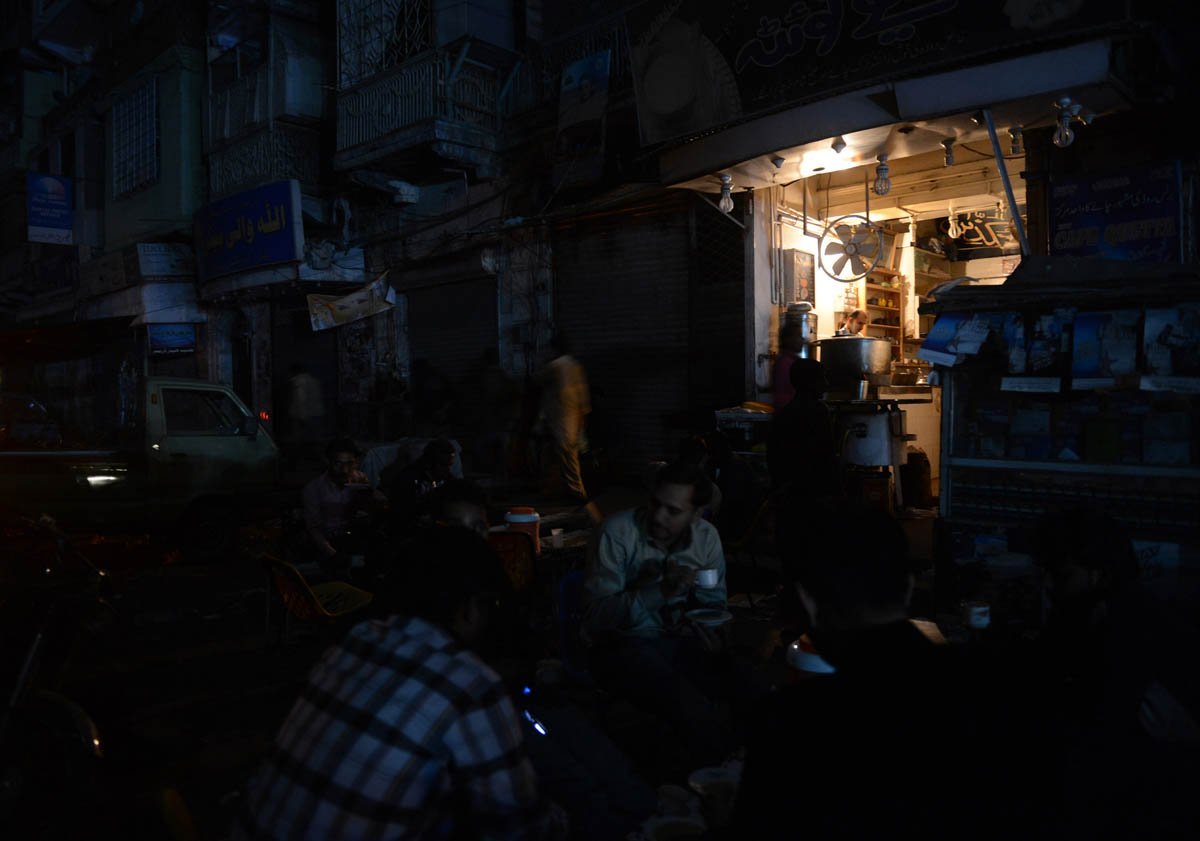
    Last month, due to higher demand and reduced generation due to fuel shortages and reduced gas supplies to power plants, Pakistan experienced 6-10 hours of electricity load-shedding in various areas.

    As of April 25, generation was 17,976 Megawatt (MW), compared to the demand of almost 21,000 MW, indicating a significant discrepancy between demand and generation.

  • Open market: Lemon being sold at Rs1,100 per kg in Lahore

    Open market: Lemon being sold at Rs1,100 per kg in Lahore

    The local price of lemon increased by Rs105 per kg, to Rs770 to 775 per kg, and was sold at an unbelievable price of Rs1,100 per kg in open markets and a few online stores with available stock.

    Due to the district administration’s inability to impose official rates at Ramazan bazaars, consumers are unable to get relief from overbilling and skyrocketing rates of fruits and vegetables in Lahore. 

    High prices of perishable commodities are massively affecting the urban population due to rising production costs and transportation costs from rural production centers to urban areas.

    Read more: Shopkeepers fined in Islamabad for not adhering to DC rates

    Senior administrators and Prime Minister Shehbaz Sharif paid surprise visits to Ramazan bazaars, but shoppers were not relieved. Containing volatility and successfully administering official rate lists to bring inflation relief to the public is a task for the new government.