Tag: raw material shortage

  • Pak Suzuki halts motorcycle production amidst raw material shortage

    In response to an acute shortage of raw materials, Pak Suzuki Motor Company (PSMC) has once again announced the suspension of its motorcycle production. This marks the third production halt in the current fiscal year, underscoring the challenges faced by Pakistan’s automotive industry.

    According to a report by The News, the automobile manufacturer formally communicated its decision through a notice to the Pakistan Stock Exchange (PSX). The production halt will extend for 12 days, commencing on September 1 and concluding on September 12, 2023. This move follows previous shutdowns from August 18 to 31 and from July 31 to August 15, 2023, due to inventory constraints, as reported by the company’s secretary.

    It’s worth noting that while production may be on hold, regular operations will persist at the vehicle manufacturing plant, as clarified in the bourse filing.

    Pak Suzuki’s ongoing struggle with raw material shortages can be traced back to July of the preceding year, primarily resulting from challenges in importing essential components. The nation’s dwindling foreign exchange reserves have further exacerbated these import disruptions.

    Sunny Kumar, an analyst at Topline Securities, provided insight into the impact of these disruptions: “PSMC produced 19,293 units with capacity utilisation of 26% in 1H2023 compared to 76,325 units produced with capacity utilisation of 102% in 1H2022.”

    In a glimmer of hope, the company’s management anticipates an economic rebound in FY24, driven by an upturn in agriculture output and eased import restrictions, with expected improvements in manufacturing and construction activities.

    Pak Suzuki’s predicament is not unique, as other prominent automakers such as Honda Atlas and Indus Motor Company, the local manufacturer of Toyota vehicles, have also faced repeated production stoppages due to raw material shortages. This scarcity has had a cascading effect, impacting the automobile parts industry and causing intermittent production halts.

    In a related development, Agriauto Industries Limited, a prominent automotive parts manufacturer, has announced a partial plant closure in September due to decreased production. Furthermore, Agriauto Stamping Company Pvt. Ltd., a wholly-owned subsidiary of the company, will also undergo a partial shutdown during the same period, as confirmed by the company secretary.

    The announcement of Pak Suzuki’s latest production halt has raised concerns among employees, stakeholders, and the general public. The motorcycle plant, a significant division within the company, plays a pivotal role in employment generation in the country.

    This situation has far-reaching implications, as experts anticipate that the closure will not only impact the company’s workforce but also reverberate through the broader economy. An industry observer emphasised the need for coordinated efforts between stakeholders and government bodies to address the root causes of raw material shortages and prevent further disruptions in Pakistan’s automotive sector.
  • Pak Suzuki halts motorcycle production amidst ongoing inventory shortage

    The Pak Suzuki Motor Company (PSMC) is once again grappling with the repercussions of the ongoing raw material shortage, which has forced the company to halt production at its motorcycle plant for at least 15 days. The decision, announced in a statement released to the Pakistan Stock Exchange (PSX), comes as the company struggles to maintain adequate inventory levels due to the scarcity of essential components.

    The company secretary revealed that the motorcycle plant will remain non-operational from July 31, 2023, to August 15, 2023. This recent shutdown follows a previous closure earlier in July when both the motorcycle and automobile plants were shut down until July 19, which was subsequently extended. The persistent lack of raw materials has been plaguing Pak Suzuki since July of the previous year, primarily due to difficulties in importing these crucial components caused by a reduction in the nation’s foreign exchange reserves.

    Unfortunately, Pak Suzuki is not the only automaker facing such challenges. Honda Atlas Cars and Indus Motor Company, responsible for manufacturing Toyota cars in Pakistan, have also experienced several shutdowns due to the shortage of essential raw materials. Furthermore, automotive parts manufacturers have been compelled to temporarily halt their production lines, exacerbating the crisis across the entire automotive industry.

    The repercussions of these closures extend beyond the affected businesses, as the entire automotive industry faces unproductive days due to interrupted raw material imports arising from postponed credit letter openings. This situation has led to reduced operational capacities and an overall decrease in productivity across multiple sectors of the economy.

    The recent shutdown of Pak Suzuki’s motorcycle manufacturing plant has raised concerns among employees, stakeholders, and the general public alike. The motorcycle plant is a significant division within the company and serves as a major employer in the country. As a result, the closure is expected to have a considerable impact on both the company’s workforce and the overall economy.

    An analyst specialising in Pakistan’s automotive sector highlighted that the closure of the motorcycle plant serves as a stark reminder of the larger problems plaguing the industry. Addressing the underlying causes of the raw material scarcity requires a collaborative effort from stakeholders and the government to implement permanent solutions and avert further disruptions.

  • Steel prices surge to record high in Pakistan, posing a major challenge for construction sector

    Steel prices surge to record high in Pakistan, posing a major challenge for construction sector

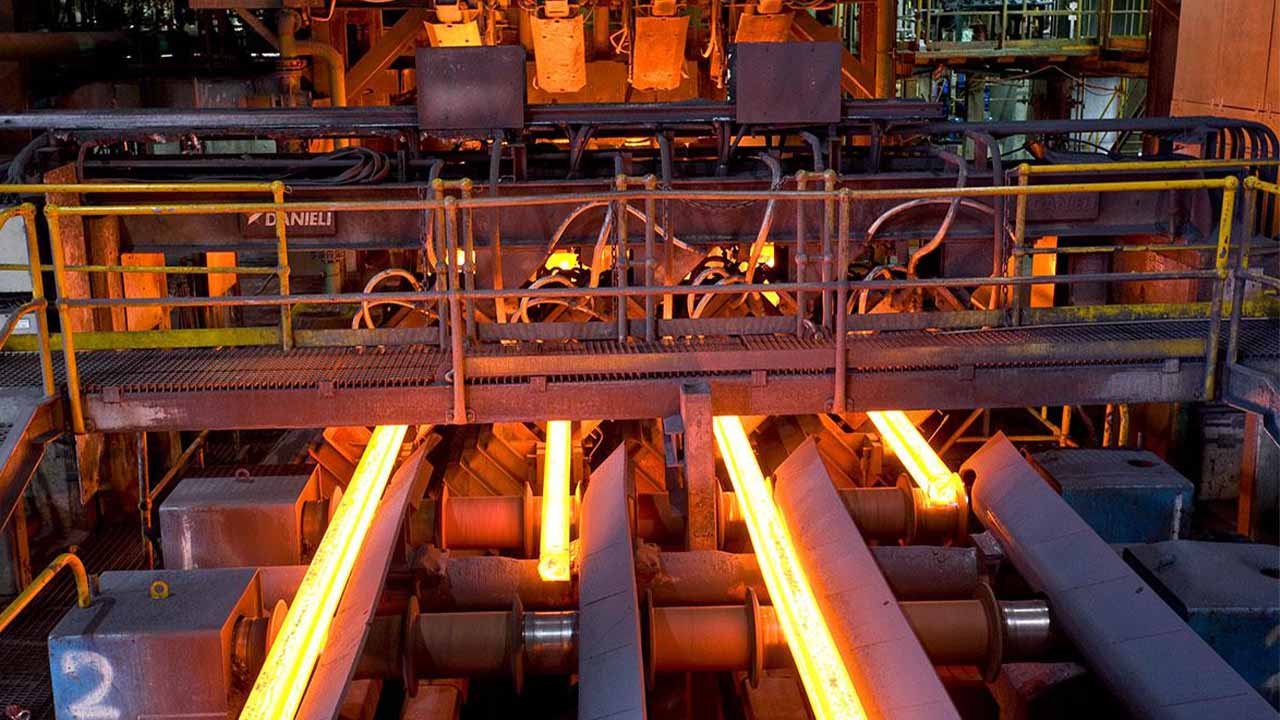
    The construction industry in Pakistan is currently grappling with a formidable challenge as the price of steel, its primary raw material, reaches an unprecedented high. On Monday, leading steel rebars producers announced a substantial increase of Rs5,000 per metric ton, attributing it to a scarcity of raw materials and a significant surge in the basic power tariff.

    According to Samaa, this decision to raise steel prices has sparked concern throughout the construction sector, as the cost of steel now stands at a staggering Rs260,000 per metric ton. Such a sharp escalation in costs has understandably raised eyebrows and placed industry players under mounting pressure to navigate these burgeoning challenges.

    Adding to the predicament is the recent increase in electricity tariffs, further exacerbating the situation and intensifying the strain on steel manufacturers as they grapple with soaring production costs.

    As a result, the construction industry finds itself confronting a multifaceted burden due to the surge in steel prices, impacting various aspects of their operations.

  • Inventory shortage forces Pak Suzuki to extend motorcycle plant shutdown

    Pak Suzuki Motor Company (PSMC) has officially announced the extension of the shutdown of its motorcycle plant until June 16, 2023. The decision was conveyed to the Pakistan Stock Exchange (PSX) through a notice on Tuesday. The company attributed this action to ongoing government restrictions on imports, which have negatively impacted the automotive industry and resulted in a shortage of inventory.

    The notice stated, “Due to shortage of inventory level, the management of the company has decided to shut down motorcycle plant from June 12, 2023 to June 16, 2023.” However, the automobile plant will continue its operations as usual.

    Previously, PSMC had temporarily closed its motorcycle plant until June 10, 2023, due to a shortage of raw materials. Furthermore, both the automobile and motorcycle plants had experienced a shutdown from May 2 to May 9. Similarly, the automobile plant underwent closure from April 7 to April 28.

    As an assembler, manufacturer, and marketer of Suzuki cars, pickups, vans, 4x4s, motorcycles, and related spare parts, PSMC plays a crucial role in the automotive sector. The Suzuki brand, originating from Japan, holds prominence in the company’s product lineup.

    Earlier in April, PSMC reported its highest-ever quarterly loss of Rs12.9 billion for the first quarter of 2023. The decline in sales and substantial finance costs were cited as contributing factors. In comparison, the company had incurred a loss of Rs460.227 million during the same period last year.

    The auto industry in Pakistan is currently grappling with numerous challenges. Indus Motor Company Limited and Honda Atlas Cars, two other prominent listed companies, have also halted production in recent months due to economic hardships.

    The country’s auto sector heavily relies on imports, making it particularly vulnerable to the government’s import restrictions and the tightening of Letters of Credit iissuance. Furthermore, soaring finance costs and significant increases in car prices have dampened consumer demand.