Tag: raw materials

  • Pakistan’s merchandise exports dive for ninth consecutive month, drop by 16.69% in May

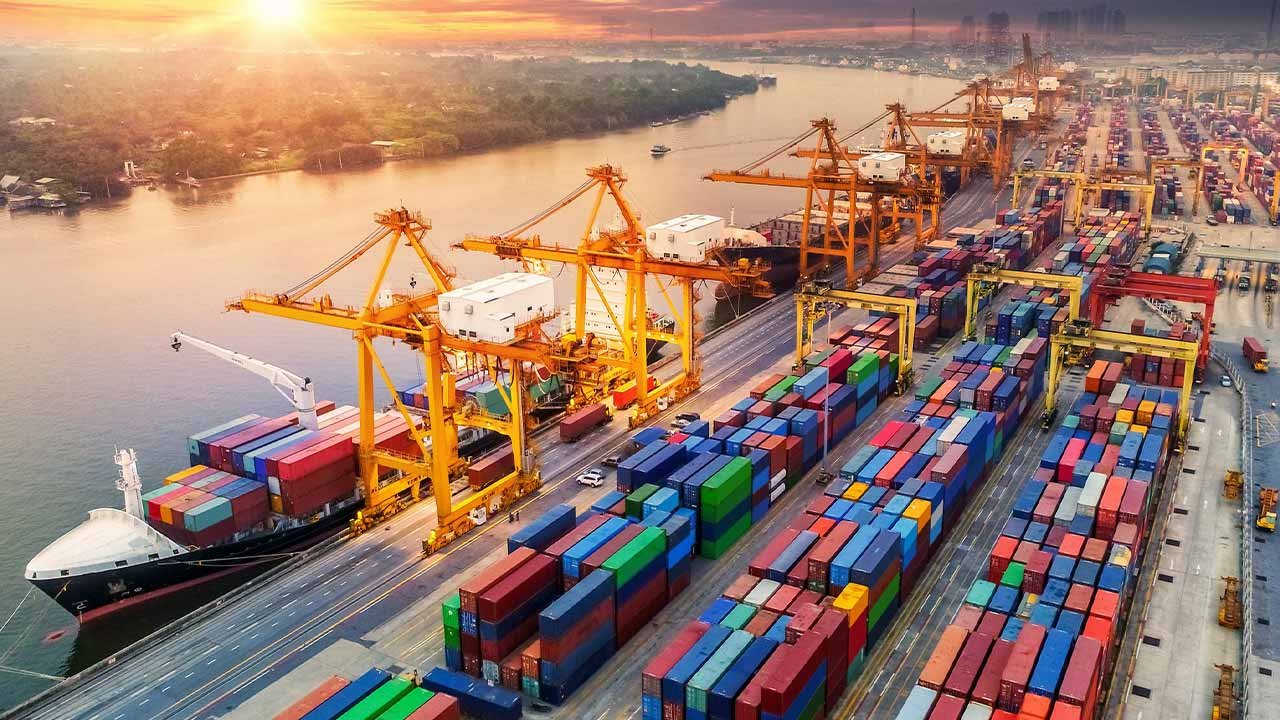
    Pakistan’s merchandise exports continue to decline for the ninth consecutive month, plunging by 16.69 per cent year-on-year to $2.18 billion in May, according to data released by the Pakistan Bureau of Statistics.

    The downward trend has persisted throughout the first 11 months (July to May) of the 2022-23 fiscal year, with exports experiencing a dip of 12.14 per cent to $25.36 billion compared to $28.87 billion during the same period the previous year.

    The decline in export proceeds can be attributed to a combination of internal and external factors, raising concerns about the potential closure of industrial units, particularly within the textile and clothing sector.

    In line with this, imports also experienced a significant decrease of 36.76 per cent to $4.27 billion in May compared to $6.76 billion in the corresponding month last year. From July to May, imports fell by 29.22 per cent to $51.15 billion, down from $72.28 billion during the same period last year.

    The government has implemented restrictions on luxury and non-essential goods while promoting imports of raw materials, semi-finished products, pharmaceuticals, food, and energy products. This policy shift has resulted in a substantial decline in the import bill over the past 11 months.

    As a result of these developments, the trade deficit has narrowed by over 40 per cent, reaching $25.79 billion between July and May of the fiscal year 2022-23, compared to $43.40 billion during the corresponding months of the previous year. In May, the trade deficit saw a year-on-year decline of 49.49 per cent to $2.08 billion.

    According to Dawn, the textile and clothing sector, which constitutes over 60 per cent of total exports, has been severely affected, making it challenging for the government to achieve its export target for the current fiscal year. Exporters have pointed out that the federal government lacks a clear strategy and effective prioritization, leading to a decline in textile exports.

    Exporters have also highlighted several root causes contributing to the export decline. These include shortages in working capital and liquidity, delayed refunds of taxes and levies, technology upgradation fund, and duty drawbacks.

    The promised faster refund system has not functioned as intended, resulting in refund processing times of 3-5 months instead of the expected 72 hours. The sector is also grappling with increased financial and energy costs.

    In addition, exporters are facing challenges in procuring raw materials and other inputs, both domestically and through imports. The State Bank of Pakistan’s hurdles in opening letters of credit have further contributed to the decline in exports.

    The negative growth in exports, except for a slight increase in August due to backlog clearance, poses a significant concern as it threatens the balance of the country’s external account.

    The government needs to address these issues promptly and formulate effective policies to revive the export sector and stimulate economic growth.
  • Pak Suzuki extends shutdown of motorcycle plant due to lack of raw materials

    The Pak Suzuki Motor Company (PSMC) has confirmed that it will keep its motorcycle plant closed until April 28 due to ongoing import restrictions that have impacted the auto sector, resulting in low inventory levels. A notice to the Pakistan Stock Exchange (PSX) stated that “the management of the company has decided to extend the shutdown period of its motorcycle plant till April 28, 2023.”

    The company had already shut down its motorcycle plant from April 4 to April 15 due to a lack of raw materials, while the automobile plant was shut from April 7 to April 14. PSMC assembles, manufactures, and markets Suzuki cars, pickups, vans, 4x4s, motorcycles and spare parts. The Suzuki brand originates from Japan.

    Pakistan’s auto sector is facing several crises, with other listed companies such as Indus Motor Company Limited and Honda Atlas Cars halting production in recent months due to economic difficulties. Honda Atlas Cars Pakistan extended the shutdown of its plant by another 15 days. Similarly, other automakers, including Indus Motor Company Limited, have announced temporary production shutdowns. According to the Pakistan Automotive Manufacturers Association (PAMA), Pakistan’s auto industry reported a 66 per cent decline in car sales in March 2023 compared to March 2022.

    JS Research analyst Wasil Zaman has predicted a cumulative volume decline of over 50 per cent year-on-year in fiscal year 2023, extending to the first half of fiscal year 2024. Zaman stated that “with foreign exchange reserves at critically low levels leaving little room for improvement on the supply side for auto manufacturers.”

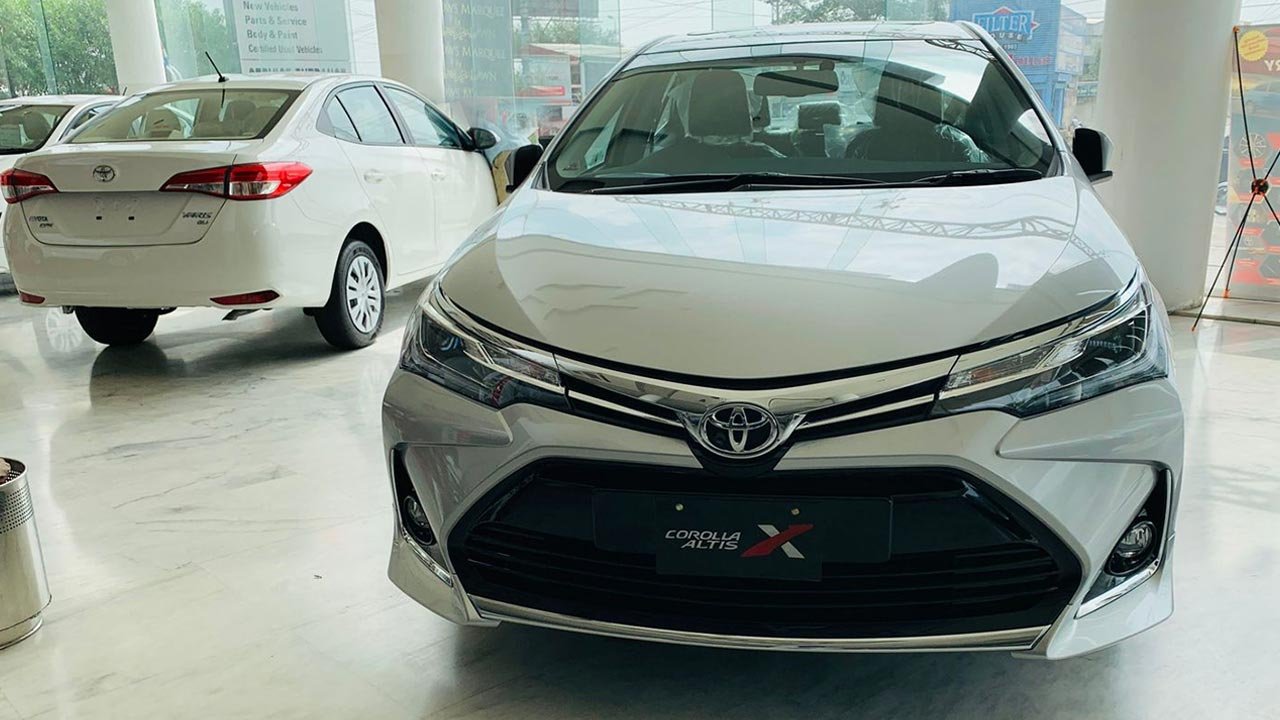
  • ‘Insufficient inventory levels’ force Toyota IMC to suspend car production for two weeks

    ‘Insufficient inventory levels’ force Toyota IMC to suspend car production for two weeks

    Due to the continuing economic crisis, Pakistan’s automobile industry is struggling much like all other businesses. In the most recent development, Toyota Indus Motor Company (IMC) has temporarily halted automobile production.

    Non-production days (NPDs) will be observed by the automaker from February 1 to February 14, 2023. Due to limited supply, the corporation will also switch to single-shift manufacturing from February 15, 2023.

    An official notification from Toyota IMC reads:

    The company and its vendors continue to face major hurdles in import of raw materials and receiving clearance of their consignments from commercial banks. This has disrupted the entire supply chain and the vendors are unable to supply raw materials and components to the company. Accordingly, the company has insufficient inventory levels, therefore, the company is unable to continue its production activities.

    Last month, the State Bank of Pakistan decided to withdraw the restrictions placed on imports with effect from January 2, 2023. The SBP said that Authorised Dealers (ADs) may prioritise or facilitate imports under essential imports, energy imports, imports by export-oriented industry, imports for agriculture inputs, deferred payment / self-funded imports and import for export-oriented projects near completion.

    However, import restrictions due to dollar shortage are still hampering many industries including the auto sector.

    The prices of Toyota IMC’s vehicles have already increased twice in a single month. The uncertainty caused by the continued economic decline is now casting doubt on the future of Pakistan’s auto sector.

  • Pakistani mobile manufacturing businesses are laying off workers due to economic challenges

    Pakistani mobile manufacturing businesses are laying off workers due to economic challenges

    There has been significant upheaval in the economy as a result of the new tax structure, rising inflation, and the power shortage.

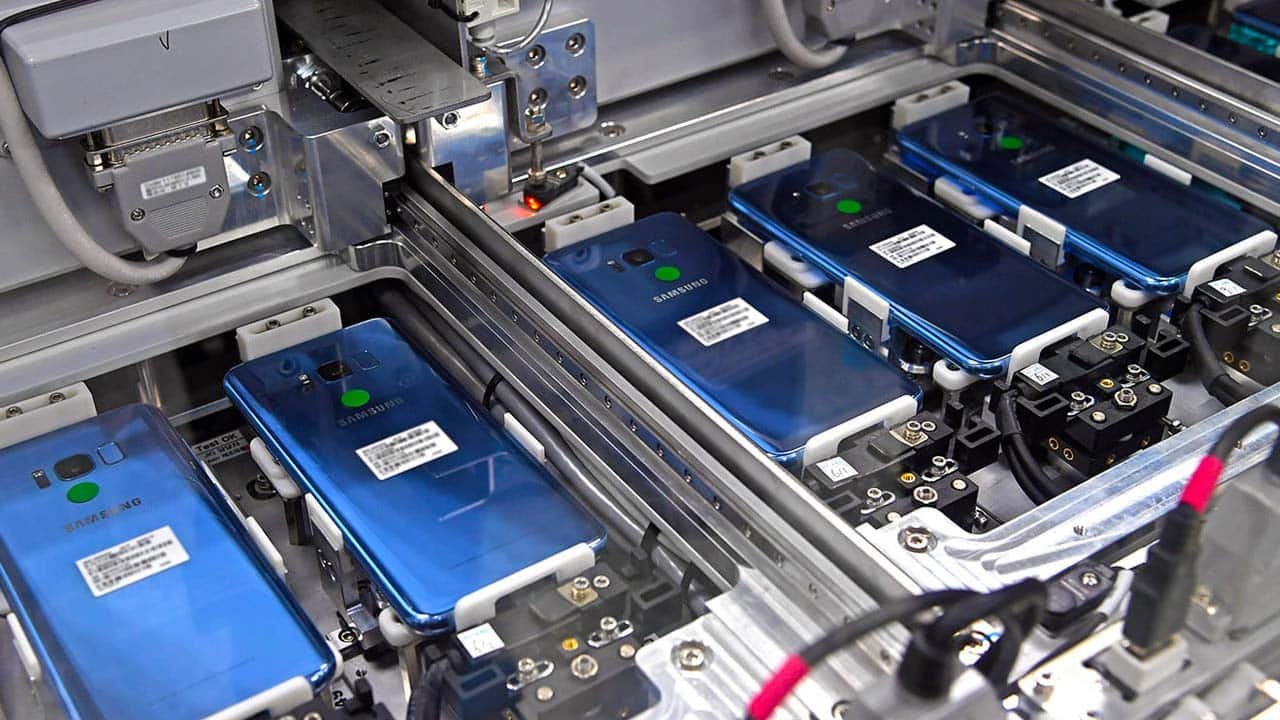
    The Samsung mobile factory, which is owned by Lucky Motors, experienced a similar situation when it had to lay off a number of employees because Pakistan was short on raw materials.

    In addition to Samsung, there have also been reports of firing close to 1,000 workers at the Vivo mobile factory.

    Lucky Motor Corporation was permitted by PTA to manufacture Samsung mobile devices in August 2021, which sounded like a great news in terms of job creation and GDP contribution, among other things.

    In various economic sectors, each economic measure can have numerous impacts. As per economic theory, a nation’s high rate of inflation discourages investment since it makes it less certain that those investments will be lucrative. Humongous unemployment is being caused by this, along with an import ban and a recently implemented “super tax” in Pakistan.

    Additionally, businesses like Careem and Airlift recently stopped operating in some sectors and let go of a number of employees.

    In the year 2020, Careem fired 31 per cent of its workforce due to a pandemic. A number of the staff members at SVWL, Airlift, and Careem Food were let go in 2022. limited their operations or nearly shut down.

  • PM Shehbaz directs to eliminate taxes on raw materials used by export industries

    PM Shehbaz directs to eliminate taxes on raw materials used by export industries

    Prime Minister (PM) Shehbaz Sharif, urged authorities to abolish all taxes on raw materials used in the export industry and to set up task teams to attract investment in a variety of local industries.

    The new government has been attempting to put in place a long-term plan to resuscitate Pakistan’s struggling economy, with the premier reaffirming his plea for increased exports to alleviate the country’s growing cash constraint yesterday.

    The premier met with a team from the American Business Council, which included officials from the pharmaceuticals, food processing, IT, e-commerce, retail, textile, sports, and logistics sectors, according to APP.

    Federal ministers Syed Naveed Qamar, Makhdoom Murtaza Mahmood, and Marriyum Aurangzeb were also present at the meeting.

    Task groups were constituted by the prime minister to solicit investments in a variety of areas. Tourism, pharmaceuticals, information technology, e-commerce, large-scale manufacturing, and agriculture will all have task teams constituted.

    He reminded the team that the government was working hard to guarantee that high-quality agricultural products were produced for export. The government was pushing for policy consistency for the first time, he said, because “subjects of the national economy and public welfare are above politics”.

    Shehbaz Sharif also asked the secretary of trade and the secretary of the Board of Investment to guarantee that the investors’ concerns were addressed immediately, and he requested a compliance report within a week.

    Business representatives, on the other hand, told state media that government initiatives had helped them regain investor confidence, and that the pre-budget dialogue with stakeholders was a “positive step”.

    PM Shehbaz has called all stakeholders to get together on Tuesday, ahead of the budget declaration on June 10, to finalise a long-term plan to rebuild the ailing economy. Top businessmen, agriculturists, and economists attended the day-long pre-budget meeting, where they offered advice on how to lift the country out of its unparalleled economic crisis.

    During the meeting, the premier pledged that their suggestions would be taken into consideration and that separate plans for agricultural, industrial, and financial expansion would be developed.

    PM Shehbaz also stated that political stability cannot be attained without economic stability and that it was past time for the elite class to make sacrifices and for non-productive assets such as real estate to be taxed. He advised businesses to invest in renewable power rather than relying on the country’s vast coal reserves for power generation.

    The prime minister also emphasised the importance of reducing imports while increasing exports, assuring attendees of the government’s full support in expanding local business and eradicating any barriers.