Tag: record high

  • Pakistan stock market continues bullish run, nearing 55,000-point mark

    Pakistan stock market continues bullish run, nearing 55,000-point mark

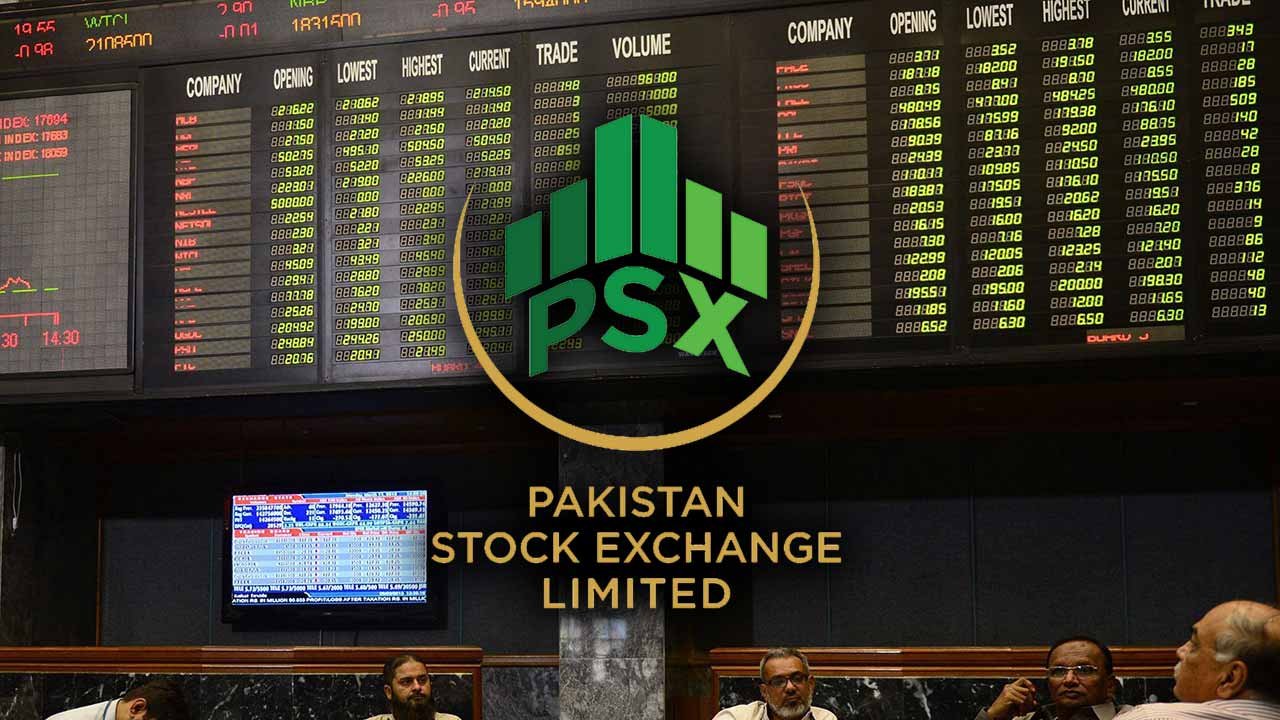
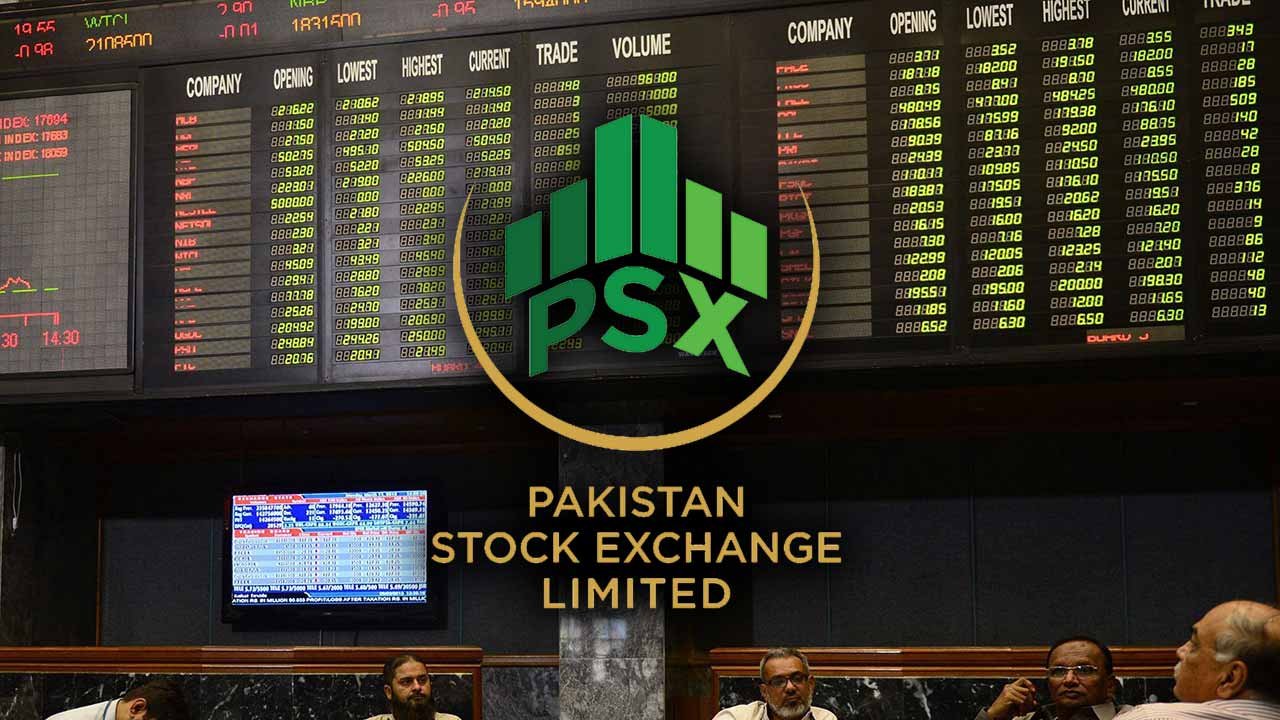
    The Pakistani stock market is expected to surge past 55,000 points, continuing its bullish run at the Pakistan Stock Exchange (PSX). The benchmark KSE-100 Index reached a new historic high of 54,261 points on Wednesday amidst record trading activity.

    Institutional buying drove the index past the 54,000 mark during intraday trading. Maintaining momentum throughout the day, the KSE-100 Index settled at 54,261.42 points, an increase of 525.69 points, or 0.98 per cent.

    Profit-taking erased some gains at the PSX on Tuesday, with the benchmark KSE-100 Index falling by 125 points to settle at 53,735.73 at the end of trading.

    However, buying resumed on Wednesday, particularly among index-heavy sectors such as automobile assemblers,cement, chemicals, commercial banks, oil and gas exploration companies, and OMCs.

    Analysts attribute the bullish trend to expectations of a decline in the policy interest rate in the coming weeks.

    Experts believe that interest rates may come down sooner than expected due to the fall in global oil prices.

    Improved macroeconomic indicators, including a decline in the country’s current account deficit to $8 million in September 2023 (down from $360 million in the same month in 2022) and a drop in CPI-based inflation, have also contributed to the positive sentiment at the bourse.

  • Pakistan’s stock market surges to all-time high of 53,123.04 points

    Pakistan’s stock market surges to all-time high of 53,123.04 points

    The Pakistan Stock Exchange (PSX) continued its impressive performance, with the benchmark KSE-100 index surging by over 700 points and approaching the historic milestone of 54,000 during Monday’s trading session.

    As the closing bell neared, the KSE-100 Index stood at 53,860.36, reflecting a remarkable gain of 737.33 points, or 1.39 per cent.

    In the preceding week, the KSE-100 index achieved a then-record high, driven by robust buying primarily from local investors, bolstered by institutional support.

    The benchmark index witnessed a substantial week-on-week increase of 2,179.20 points, breaching the 53,000 mark and concluding at an all-time high of 53,123.04 points, a historic first.

    Monday’s trading session witnessed broad-based buying, with key sectors such as cement, chemicals, commercial banks, and OMCs all trading in positive territory.

    Market analysts attributed this positive momentum to an overall improvement in economic indicators, notably the State Bank of Pakistan’s (SBP) decision to maintain interest rates at 22 per cent during the last Monetary Policy Committee (MPC) meeting.

    Additionally, a decrease in the inflation rate, with the October 2023 Consumer Price Index (CPI) at 26.9 per cent year-on-year and favourable feedback from the International Monetary Fund (IMF) mission currently visiting Pakistan, further enhanced market sentiment.

    Furthermore, the announcement of final election dates by the country’s election commission, signifying political stability, also played a significant role in creating favourable conditions within the market.

  • Pakistan Railways increases train fares amid record-high fuel prices 

    Pakistan Railways increases train fares amid record-high fuel prices 

    Pakistan Railways has announced a second fare increase this September in response to a significant surge in petrol and diesel prices. 

    According to ARY News, effective tomorrow, September 19th, train fares will see a 5 per cent hike across all categories, encompassing shuttles, passenger trains, express services, and freight. It’s worth noting that this increase excludes shuttle and passenger trains covering distances of 250 kilometres or less. 

    Over the past 1.5 months, the railway ministry has already implemented a cumulative 20 per cent fare increase. The previous increments occurred on August 10th (10 per cent) and September 2nd. 

    This decision by Pakistan Railways closely follows an earlier announcement this month, wherein a 5 per cent fare increase was revealed for all shuttle, passenger, express, and inter-city trains. 

    These adjustments coincide with a recent decision by the caretaker government to raise petroleum product prices by up to Rs14 per litre. This move is seen as contradictory to previous promises of relief to the general populace. 

    Of particular note is the substantial increase in petrol and diesel prices, with petrol rising by Rs26.2 per litre to reach a new price of Rs331.38 per litre and diesel increasing by Rs17.34 per litre, now priced at Rs329.18 per litre. 

    Within the span of just one month, the caretaker government has raised petrol prices by Rs58 per litre and diesel prices by Rs56 per litre, raising concerns among economic experts regarding a potential fresh wave of inflation triggered by these drastic fuel price hikes. 

  • Sugar prices soar to record highs, adding to woes of inflation-hit masses in Pakistan

    Sugar prices soar to record highs, adding to woes of inflation-hit masses in Pakistan

    Sugar prices across Pakistan have hit an all-time high, casting a cloud of concern and inconvenience among its populace. In a dramatic turn of events, the sugar market landscape underwent significant fluctuations, causing consumers to feel the pinch while traders and policymakers raced to decipher the root cause. 

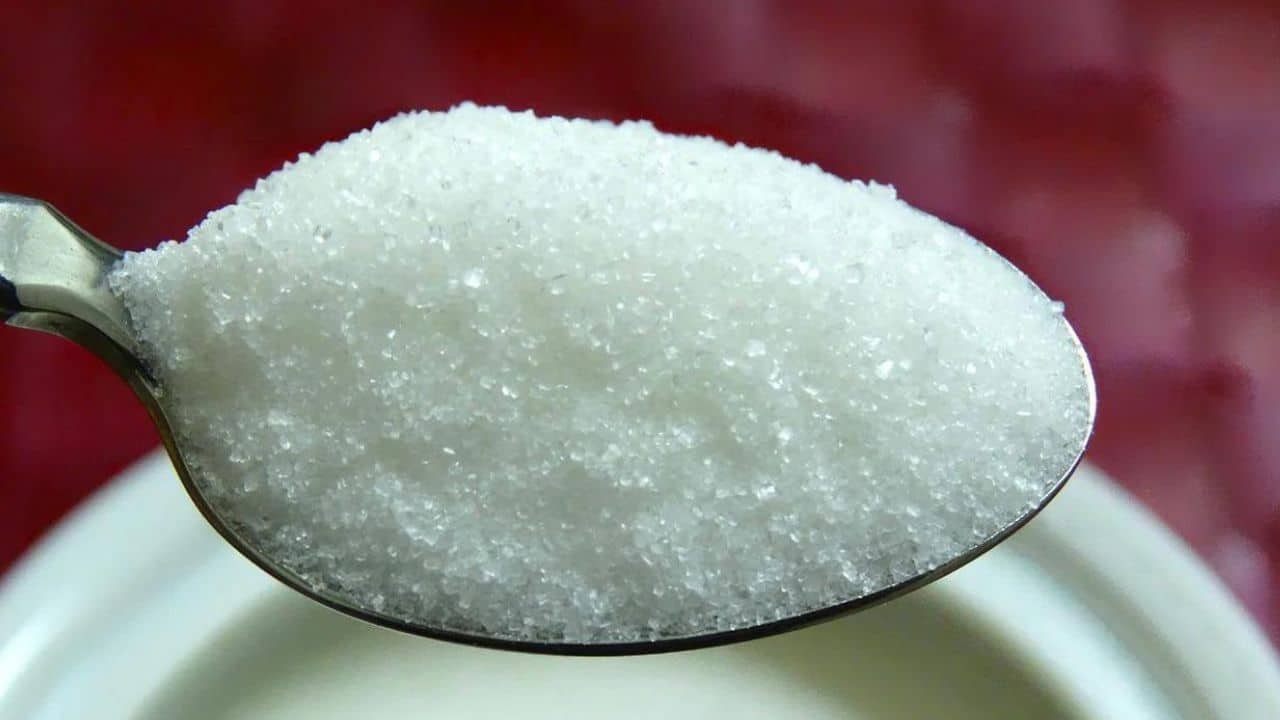
    Reports from various regions of the country reveal staggering price disparities. In the southwestern province of Balochistan, the town of Chaman witnessed the highest sugar prices, with the sweet commodity soaring to an astonishing PKR 230 per kilogramme. Meanwhile, in the central Punjab town of Arifwala, the price of sugar reached PKR 185 per kilogramme, perplexing both buyers and sellers alike. 

    However, amidst this tumultuous surge in sugar prices, Karachi experienced a minor respite as wholesale prices dropped by PKR 2 to settle at PKR 176 per kilogram. Yet, the relief was not fully passed on to consumers, with the retail price stubbornly clinging to PKR 190 per kilogramme, as reported by the PPI news agency via Dawn. 

    The question on everyone’s mind: What led to this unprecedented rise in sugar prices? 

    The shocking escalation in sugar prices came on the heels of growing concerns expressed by Pakistan’s caretaker government regarding depleting sugar stocks. Dawn’s report identifies rising sugarcane prices and court orders as the primary contributors to the spiralling sugar prices. 

    Furthermore, dealers have attributed the surge to a logistical nightmare, where the supply of sugar was severely disrupted due to vehicles getting stranded on national highways following the suspension of permits.

    Senator Taj Haider added another layer of complexity to the issue, alleging that former minister Rana Sanaullah allowed a massive 1.4 million tonnes of sugar to be smuggled, thus exacerbating the crisis.

    In this blame game, Haider emphasised that Naveed Qamar, Pakistan’s former Commerce Minister, had officially authorised the export of approximately 250,000 metric tonnes of sugar to bolster foreign exchange reserves. He vehemently defended his party colleague, rejecting any implication that Qamar was responsible for the ongoing sugar shortage. 

    Read more: Saudi Arabia to invest $25 billion in Pakistan over five years

    The repercussions of the sudden sugar price surge have further deepened the financial woes of the Pakistani people, who are already grappling with the burdensome weight of inflation. The situation has prompted policymakers, traders, and citizens alike to closely monitor the ever-changing dynamics of the sugar market. 

    As Pakistan grapples with the sugar crisis, the nation remains hopeful for a sweet resolution that can alleviate the hardships faced by its people in these challenging times. 
  • Steel prices surge to record high in Pakistan, posing a major challenge for construction sector

    Steel prices surge to record high in Pakistan, posing a major challenge for construction sector

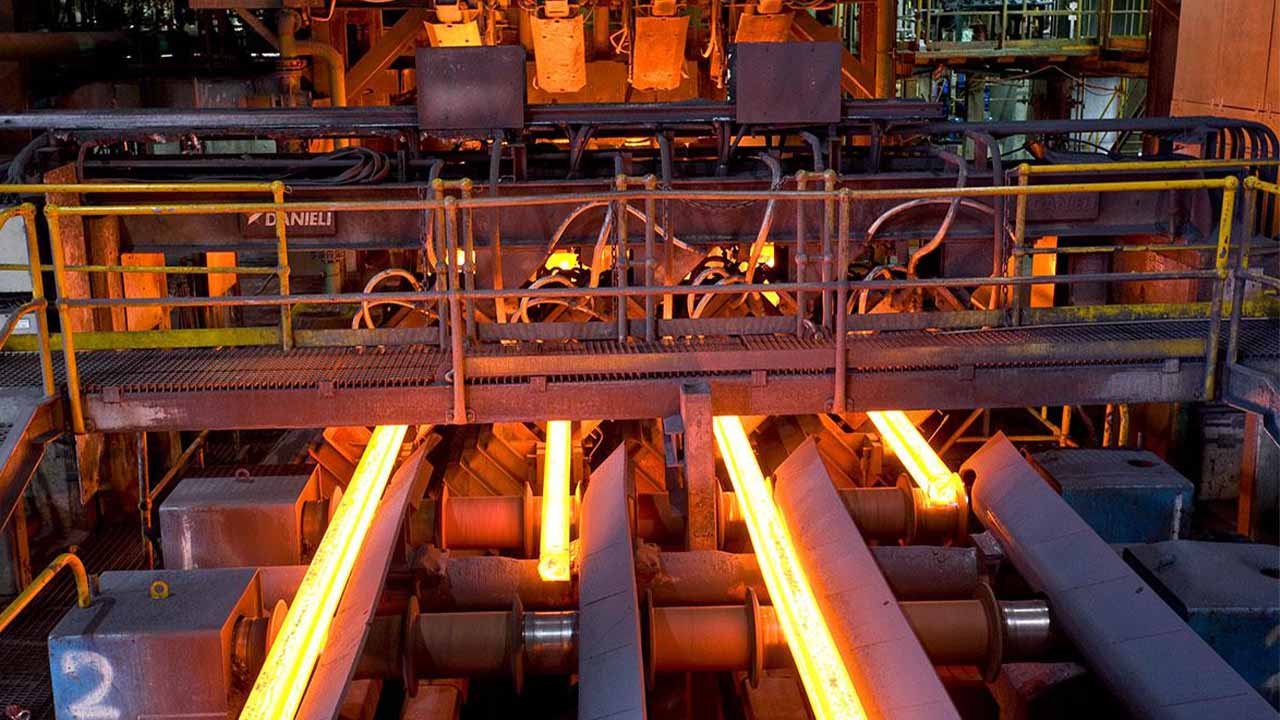
    The construction industry in Pakistan is currently grappling with a formidable challenge as the price of steel, its primary raw material, reaches an unprecedented high. On Monday, leading steel rebars producers announced a substantial increase of Rs5,000 per metric ton, attributing it to a scarcity of raw materials and a significant surge in the basic power tariff.

    According to Samaa, this decision to raise steel prices has sparked concern throughout the construction sector, as the cost of steel now stands at a staggering Rs260,000 per metric ton. Such a sharp escalation in costs has understandably raised eyebrows and placed industry players under mounting pressure to navigate these burgeoning challenges.

    Adding to the predicament is the recent increase in electricity tariffs, further exacerbating the situation and intensifying the strain on steel manufacturers as they grapple with soaring production costs.

    As a result, the construction industry finds itself confronting a multifaceted burden due to the surge in steel prices, impacting various aspects of their operations.

  • Pakistan’s weekly inflation reaches record high of 48.35%

    Pakistan’s weekly inflation reaches record high of 48.35%

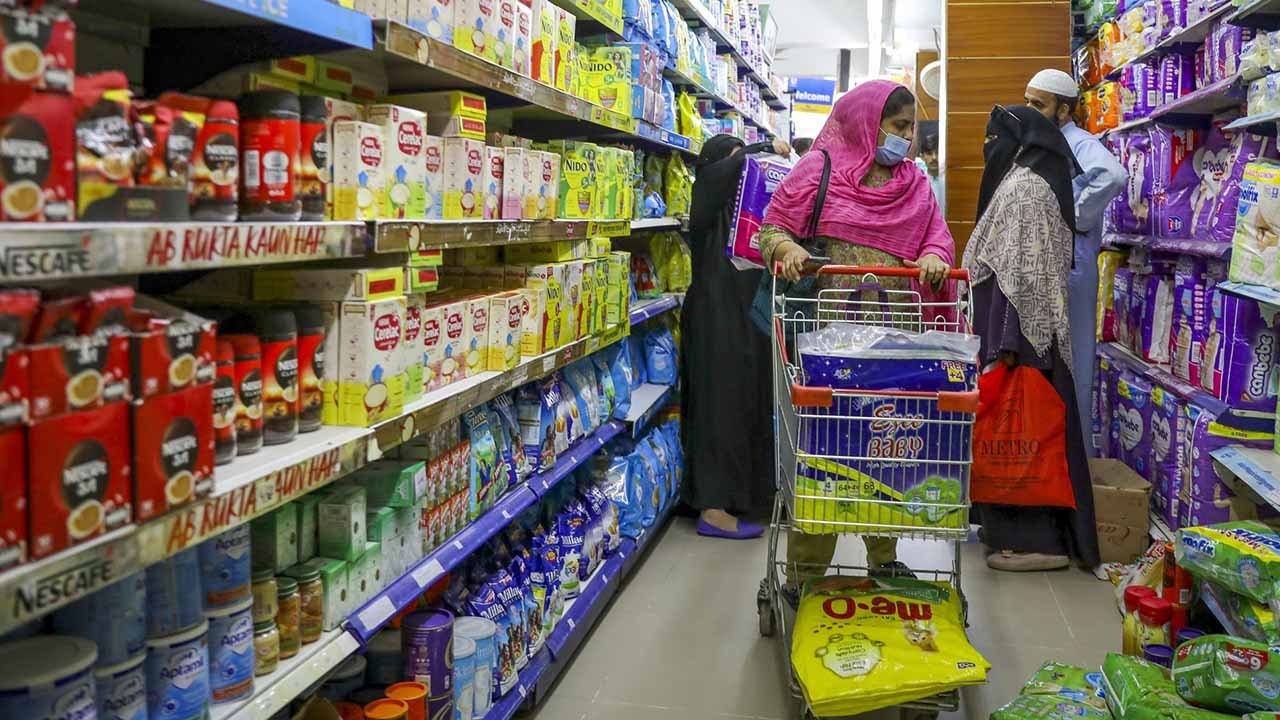
    According to data from the Pakistan Bureau of Statistics (PBS), the Sensitive Price Indicator (SPI) has risen by 1.05 per cent to reach a record high of 48.35 per cent year-on-year for the week ending May 4. The SPI for the aforementioned week was recorded at 254.84 points, compared to 252.2 points the previous week.

    Of the 51 monitored items, 30 items experienced an increase in average price, while 9 items decreased, and 12 items remained unchanged during the week.

    The items that experienced an increase in average prices on a week-on-week (WoW) basis were chicken (8.91 per cent), potatoes (3.99 per cent), powdered milk (3.81 per cent), pulse gram (1.96 per cent), pulse masoor (1.83 per cent), eggs (1.81 per cent), mutton (1.71 per cent), pulse mash (1.58 per cent), cooked daal (1.36 per cent), and bread (1.13 per cent). The non-food items that saw an increase were gents sponge chappal (58.05 per cent), gents sandal (33.36 per cent), ladies sandal (14.31 per cent), and washing soap (1.27 per cent).

    On the other hand, a decline was seen in the prices of onions (16.69 per cent), garlic (3.44 per cent), tomatoes (3.41 per cent), diesel (1.70 per cent), mustard oil (0.99 per cent), LPG (0.96 per cent), cooking oil 5 litre (0.40 per cent), and vegetable ghee 2.5kg & 1kg (0.10 per cent each).

    Monitored Items Average Price Increase/Decrease
    Chicken +8.91%
    Potatoes +3.99%
    Powdered Milk +3.81%
    Pulse Gram +1.96%
    Pulse Masoor +1.83%
    Eggs +1.81%
    Mutton +1.71%
    Pulse Mash +1.58%
    Cooked Daal +1.36%
    Bread +1.13%
    Onions -16.69%
    Garlic -3.44%
    Tomatoes -3.41%
    Diesel -1.70%
    Mustard Oil -0.99%
    LPG -0.96%
    Cooking Oil 5L -0.40%
    Vegetable Ghee 2.5kg -0.10%
    Vegetable Ghee 1kg -0.10%
  • Gold price in Pakistan hits new record high of Rs214,500 per tola

    Gold price in Pakistan hits new record high of Rs214,500 per tola

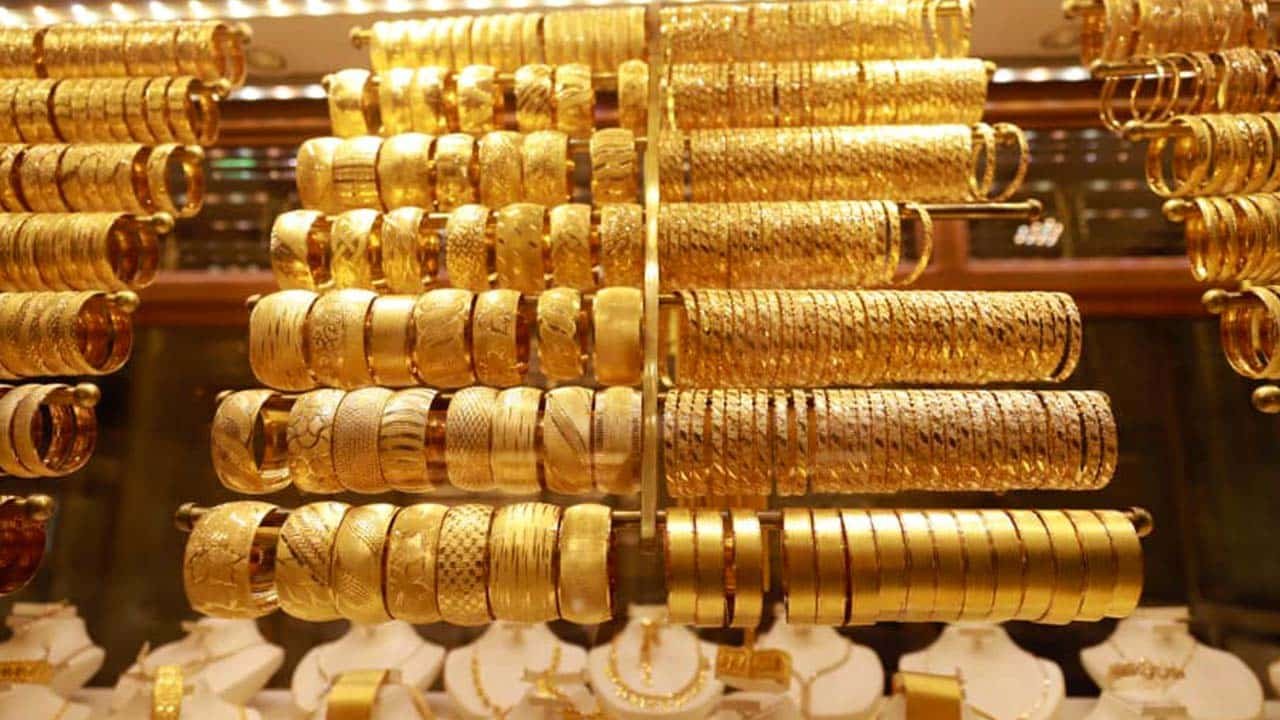
    Tuesday saw a historic moment for Pakistan as the price of gold soared to an all-time high, hitting Rs214,500 per tola (11.66 grammes). The cause of this surge was multifaceted, with the global market’s uptrend playing a part, alongside the rupee’s historic low against the US dollar in the interbank trade.

    The rupee had plummeted to a never-before-seen low of Rs287.29 against the US dollar in the interbank market, and the surge in gold prices was a reflection of this movement. The ripple effect was felt across the country as traders scrambled to adjust to the new reality of the local bullion market.

    In a surge that grabbed headlines across Pakistan, the price of 24-carat gold soared to an all-time high on Tuesday, hitting Rs214,500 per tola and Rs183,900 per 10 grams, according to the All-Pakistan Sarafa Gems and Jewellers Association (APSGJA). It was a clear reflection of the rupee’s movement, which had plummeted to a historic low of Rs287.29 against the US dollar in the interbank market, as well as an uptrend in global markets.

    As inflation rates in Pakistan reached a nearly all-time high of 35.4 per cent in March, people felt the pinch of rising consumer prices on their budgets, prompting them to turn to gold. This precious commodity has always been considered a hedge against inflation, with its value increasing as the purchasing power of the dollar declines. During the two-day period from Monday to Tuesday, gold gained Rs5,200 per tola.

    Economic tensions have been on the rise, with the International Monetary Fund (IMF) scrutinizing external financing commitments from friendly countries before releasing bailout funds. The delay in the revival of the program had a negative impact on the currency market, which, in turn, fueled demand for gold. Investors’ attention turned to this precious commodity as a safe haven in these uncertain times.

  • Inflation in Pakistan reaches nearly 50-year high, raising concerns for citizens

    Inflation in Pakistan reaches nearly 50-year high, raising concerns for citizens

    Pakistan’s inflation, as measured by the consumer price index (CPI), surged to a record-breaking 31.5 per cent in February, largely driven by steep price hikes in food, housing, and transportation groups. This concerning development was recently reported by the Pakistan Bureau of Statistics (PBS), and has heightened expectations of an increase in interest rates during the upcoming monetary policy committee (MPC) meeting, which the central bank has scheduled for March 2.

    The February inflation rate marks the highest figure since available data dating back to July 1965, surpassing the previous record of slightly over 29 per cent in April 1975. The unexpected pace of price increases has surpassed the finance ministry’s expectations, who had projected an inflation range of 28 per cent to 30 per cent just a day before the report.

    According to Geo, the monthly inflation rate surged by 4.3 per cent in February compared to January, primarily due to increased average prices of food items such as poultry, fruits, pulses, oil, vegetables, ghee, LPG, gas charges, and domestic petroleum products.

    The inflation reading raises concerns that the government will need to review its strategy to secure the critical $1.1 loan tranche from the International Monetary Fund (IMF). Despite repeated efforts, the government has been unable to regain lost ground with the IMF and is continually delivering financial shocks to the people.

    According to PBS, the inflation rate rose in both urban and rural areas. Urban inflation increased to 28.8 per cent in February, while rural inflation soared to 35.6 per cent compared to the same month last year. In February of the previous year, urban inflation was recorded at 11.5 per cent, while rural inflation was at 13.3 per cent.

  • Gold price hits new all-time high of Rs187,200 per tola

    Gold price hits new all-time high of Rs187,200 per tola

    For the first time in Pakistan’s history, the price of gold passed Rs187,000 per tola.

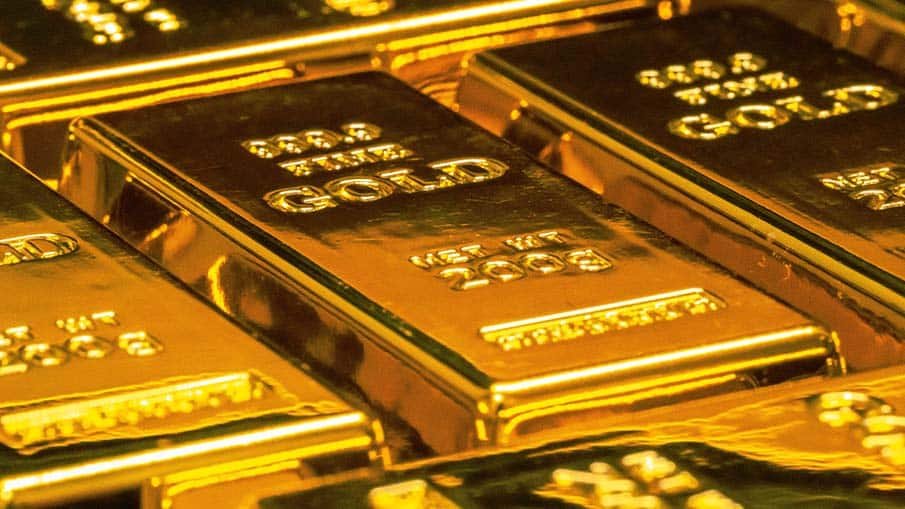
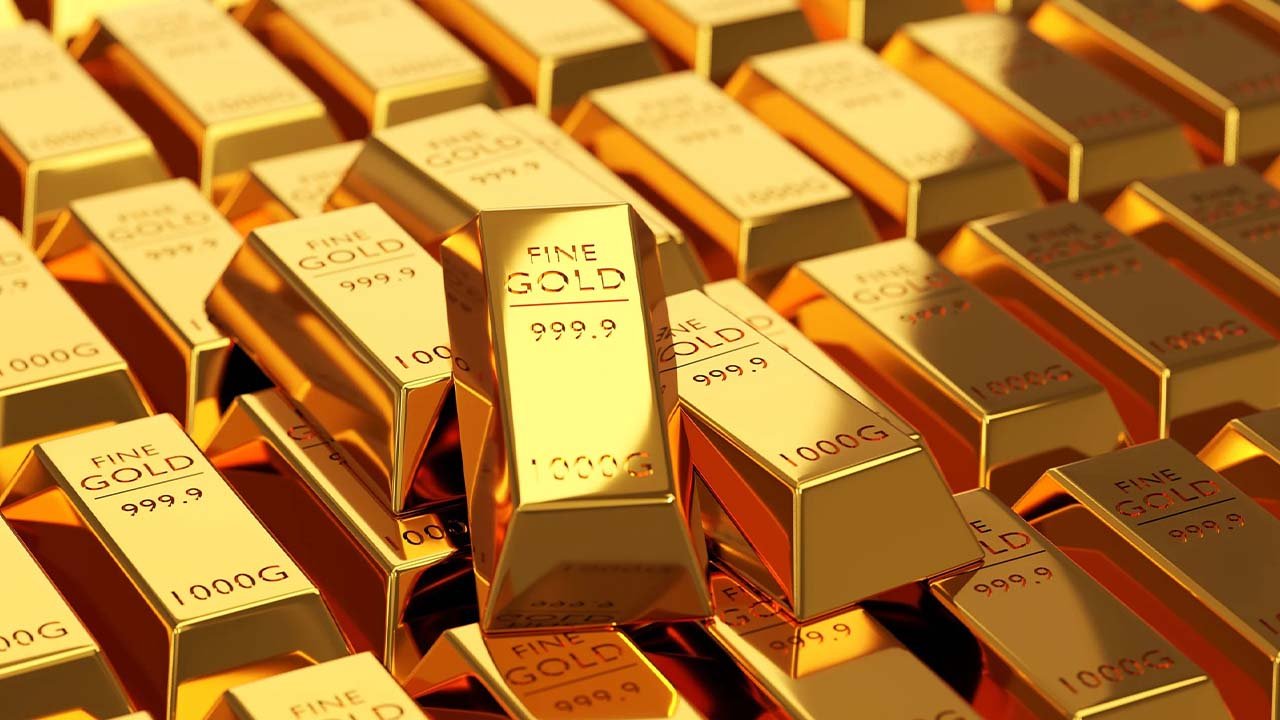
    On Monday, the price of 24-carat gold per tola increased by Rs3,300, reaching an all-time high of Rs187,200 compared to the last trading day’s sale of Rs183,900.

    According to the All-Pakistan Sarafa Gems and Jewellers Association (APSGJA), the price of gold increased by Rs3,300 per tola and Rs2,829 per 10 grammes, respectively, to settle at Rs187,200 and Rs160,494.

    From Rs126,000 per tola on December 31, 2021, the yellow metal has increased by Rs57,900, or 45.95 per cent .

    According to the group, the price of gold in Pakistan has been “overcost” by Rs6,500 per tola when compared to pricing in Dubai. This indicates that the price of gold in Pakistan is currently higher than it is on the global market.

    The discrepancy between the official price of gold and the price it is being sold for is growing. The official price in the Sarafa market, as announced by the association, is Rs187,200 per tola. But the price at which it is being sold is reportedly higher.

    According to Geo, due to the rupee’s depreciation against the US dollar during the present cycle, financial experts and goldsmiths predict that the price of gold may increase to Rs200,000 per tola.

  • Gold surges to Rs147,250 per tola in local market

    Gold surges to Rs147,250 per tola in local market

    On Monday, gold prices in the local market rose by Rs1,450 per tola to a new all-time high, pushed up by the Pakistani currency’s continued depreciation against the US dollar.

    Despite no change in gold rates in the international market, gold rates in the local market increased to Rs147,250 per tola, according to data released by the All Sindh Saraf Jewelers Association. Similarly, the price of a gramme of gold increased by Rs1,243 to Rs126,243.

    However, gold prices on the international market remained unchanged at $1,840 per ounce.

    The price of silver per tola remained unchanged at Rs1,560. The price of a gramme of silver also remained unchanged at Rs1,337.44. When compared to rates in the Dubai gold market, local jewellers said prices in the local market remained below Rs3,000 per tola.

    Pakistani rupee dips to new lows

    Experts predict that the Pakistan rupee will continue to fall against the US dollar and other major currencies owing to concerns regarding the IMF’s $6 billion program’s restoration, the country’s expanding current account deficit, and dwindling foreign exchange reserves.

    The PKR which lost 32.5 per cent of its value in the current financial year 2021-22 is forecasted to remain under stress as the dollar is in high demand in the market due to economic crises.

    The central bank appears helpless to stem the rupee’s speculative fall, as demand for the US dollar continues to rise due to quarter-end payment strain.