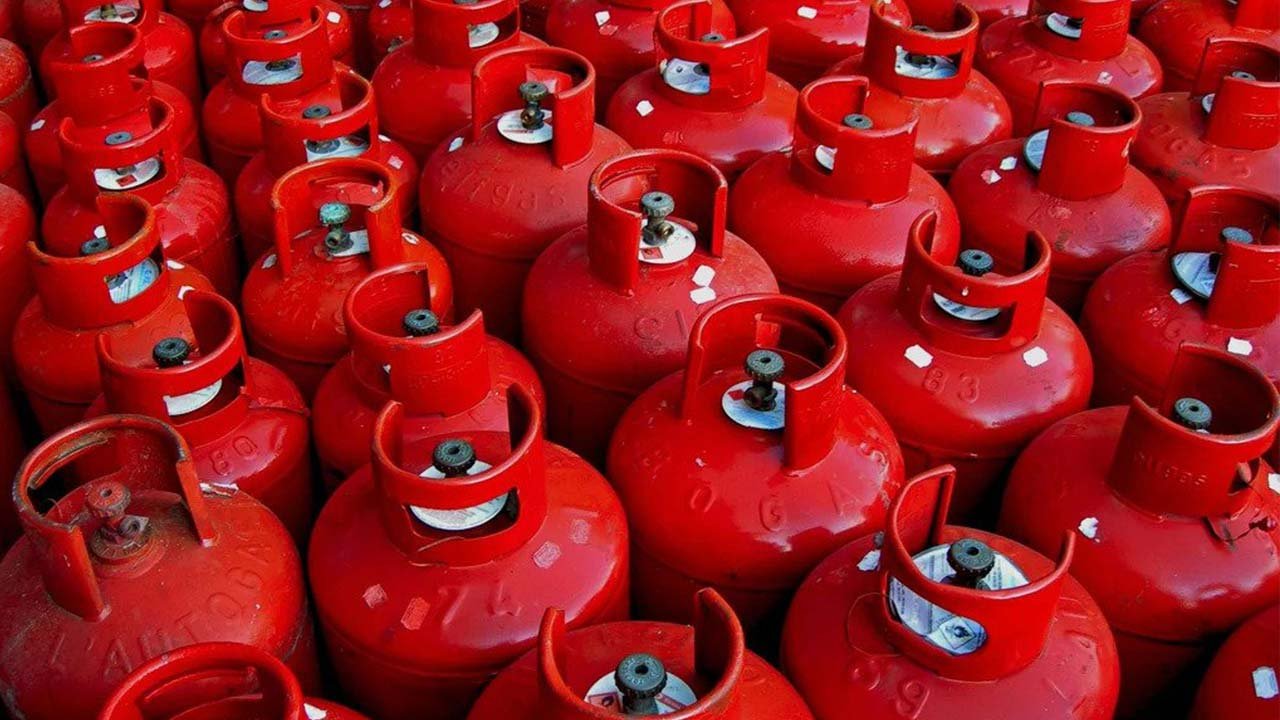
Tag: reduction

  • Here are the revised diesel and petrol prices effective July 16, 2023

    Here are the revised diesel and petrol prices effective July 16, 2023

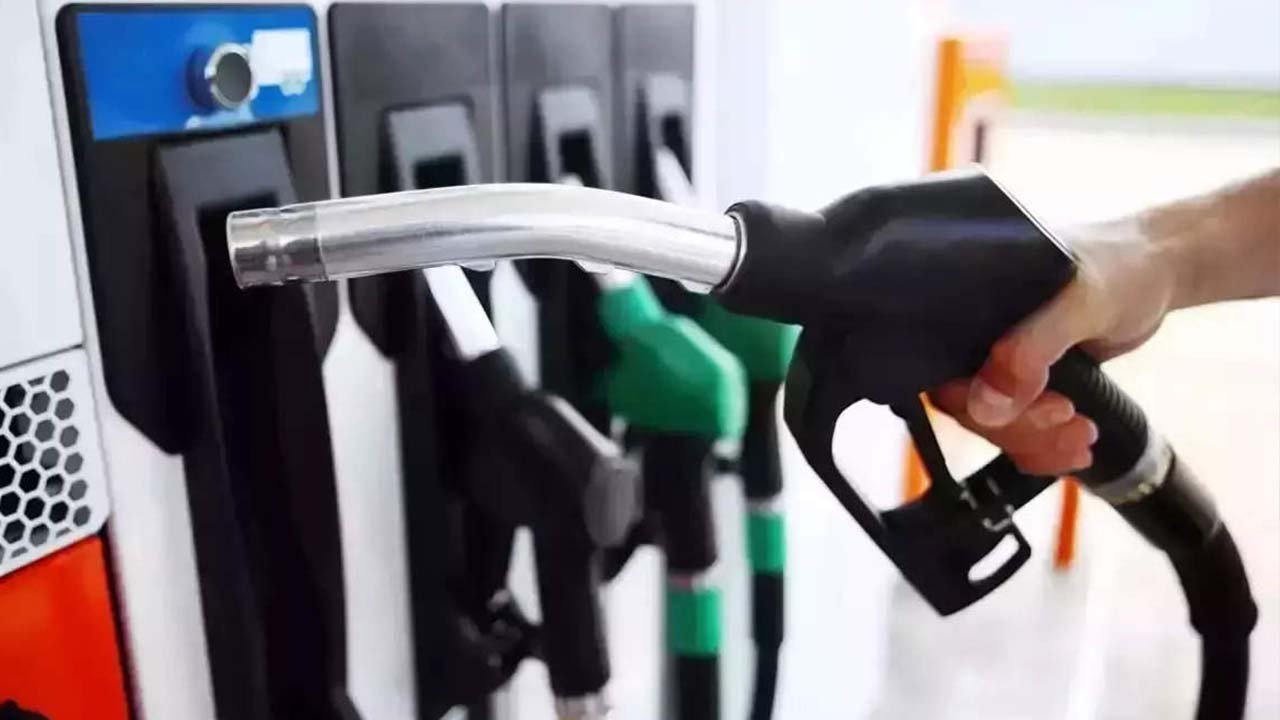
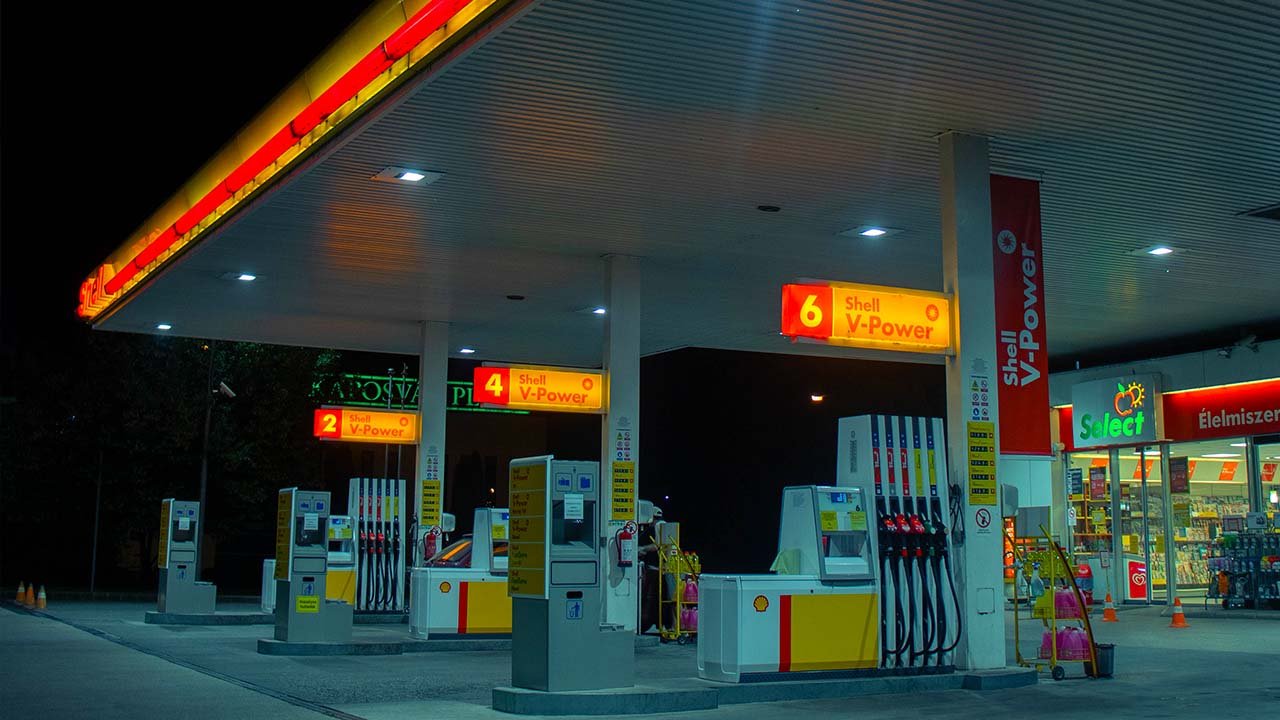
    Finance Minister Ishaq Dar announced on Saturday that the prices of petrol and diesel will be reduced in the upcoming fortnightly review.

    During a televised address, the minister said that petrol prices will be reduced by Rs9 per litre, while diesel prices will see a decrease of Rs7 per litre. These adjustments were made due to changes in the international market over the past 15 days, with one petroleum product’s price increasing and the other decreasing.

    Following these revisions, the new price for petrol will be Rs253 per litre, and high-speed diesel (HSD) will be priced at Rs253.50 per litre. Minister Dar clarified that the petroleum development levy (PDL), which was previously raised to Rs60 per litre in response to the International Monetary Fund’s (IMF) request, will remain unchanged.

    The new prices will take effect on July 16, Sunday. Minister Dar also highlighted that the local currency has strengthened against the US dollar in the last 15 days, following Pakistan’s successful negotiation of a $3 billion Stand-By Arrangement (SBA) with the IMF.

    Here are the new diesel and petrol prices effective from tomorrow (July 16, 2023):

    Petroleum Product Previous Price Reduction Revised Price
    Petrol Rs263 per litre Rs9 per litre Rs254 per litre
    Diesel Rs260.50 per litre Rs7 per litre Rs253.50 per litre
  • International petrol, diesel prices drop, but no relief for Pakistanis

    The government has decided not to reduce the prices of diesel and petrol for local consumers, despite a significant decrease in their international prices. This decision is intended to offset previous exchange losses and raise taxation.

    On February 28, 2023, the average fortnightly prices of petrol and diesel in the global market will be used for the next price revision. According to industry sources, the average price of diesel for the next fortnightly review has dropped by $7 per barrel, which equates to a reduction of Rs30 per litre for domestic diesel prices.

    The global average price of diesel has fallen to approximately $100 per barrel compared to $107 per barrel in the previous fortnight. Similarly, the average price of petrol has dropped to $90 per barrel for the next review of prices compared to $93 per barrel in the last fortnightly review, which translates into a reduction of Rs10 per litre for consumers in the local market.

    According to Geo, the appreciation of the Pakistani rupee against the dollar in the last two weeks has also contributed to the reduction in import prices of diesel and petrol. However, industry sources do not expect any significant reduction in the prices of diesel and petrol for domestic consumers.

    The government is expected to adjust the exchange losses, which were not passed on fully to the oil sector in the last several reviews. For example, an exchange loss adjustment of Rs88 per litre was due on diesel, but the government only transferred Rs12 per litre on this head, leaving the remaining amount to be adjusted. The same is true for petrol, with an exchange loss adjustment of Rs34 per litre due, but only Rs12 per litre being given to the oil industry.

    Under the conditions set by the International Monetary Fund (IMF), the government may increase the petroleum levy (PL) on diesel to Rs50 per litre, as it now has room to do so. Currently, the PL on diesel is Rs40 per litre.

    If the government does not impose GST, sources expect a cut of Rs10 per litre in diesel prices, which would otherwise deprive local consumers of the drop in diesel prices in the global market.

    However, official industry sources do not anticipate any reduction in the price of petrol for local consumers, which would otherwise have been down by Rs10, as per the trends of its price in the global market.

  • Govt slashes petrol price by Rs10 to Rs214.80 per litre

    Govt slashes petrol price by Rs10 to Rs214.80 per litre

    The federal government on Thursday announced a reduction in the price of petroleum products by up to Rs10.

    Finance Minister Ishaq Dar said that the price of high-speed diesel (HSD) will be decreased by Rs7.5, petrol by Rs10, kerosene oil by Rs10, and light diesel oil (LDO) by Rs10.

    After the reduction, the new price of HSD would be Rs227.80 per litre, petrol Rs214.80 per litre, kerosene oil Rs171.83 per liter, and LDO Rs169 per litre.

    According to the details, new prices would be implemented at midnight tonight.

    The reduction follows a decline in global oil prices. Brent crude prices were down 33 cents or 0.4 per cent at $82.37 a barrel as of December 15 at 1453 GMT, while US crude futures were down 43 cents or 0.6 per cent at $76.85.

    After a Pakistani delegation visited Moscow earlier this week, sources indicated that Russia had confirmed the availability of 100,000 barrels of crude oil per day to Pakistan.

    They also stated that a delegation from Moscow would travel to Islamabad in January to negotiate the terms of a deal, including prices and the method of payment.

  • Experts predict reduction in prices of petrol, diesel

    Experts predict reduction in prices of petrol, diesel

    According to oil price forecasts from energy experts, the price of petrol is likely to go down by Rs7.50 per litre, while the price of High-Speed Diesel (HSD) may be reduced by Rs12.37 per litre for the rest of this month.

    However, there won’t be a reduction in the price of petrol and high-speed diesel if the government increases the petroleum levy (PL) and corrects the backlog of exchange loss on a free-on-board (FOB) basis, according to Brecorder.

    Sources said that the price of petrol is likely to go down by Rs7.50, from Rs224.80 to Rs217.30 per litre, while the price of HSD is expected to slide by Rs12.37, from Rs235.30 to Rs222.93 per litre.

    The government is also poised to raise the tax on HSD, Superior Kerosene Oil (SKO), and Light Diesel Oil, according to sources in the Petroleum Division (LDO).

    It is also possible that the exchange loss arrears in fuel prices would be adjusted.

    There are lower prospects of the price of gasoline and HSD decreasing if the government raises the PL and corrects the exchange loss arrears. When petroleum goods reach the maximum level for PL, which is Rs50 per litre on each petroleum product, the government has promised the International Monetary Fund (IMF) that it will apply general sale tax (GST).

    Currently, the government is charging a petroleum levy of Rs50 per litre on petrol, Rs25 per litre on HSD, Rs7.01 per litre on SKO and Rs15.39 per litre on LDO.

    The government, however, has promised the international lender that it will hike the levy on diesel to Rs50 by April 2023.

  • Govt may announce revised petrol prices today

    Govt may announce revised petrol prices today

    After Prime Minister (PM) Shehbaz Sharif returns to Pakistan from Uzbekistan today, the federal government is expected to announce revised petroleum product prices.

    Amid these rumours, fuel pump owners have stopped buying petroleum goods, according to Geo News.

    Reportedly, the Prime Minister’s Office has notified the Finance Ministry of the POL price announcement.

    According to sources, the Oil and Gas Regulatory Authority (OGRA) did not advise lowering gasoline and diesel prices in its brief given to the finance division. Instead, a minor increase in POL costs is predicted. However, the final decision on POL prices is likely today.

    Previously, it was expected that the price of petrol would fall from Rs235.98 per litre to Rs226.36 after a Rs9.62 per litre reduction over the next two weeks.

    Moreover, the price of diesel is likely to rise by Rs3.04 per litre, raising the rate from Rs247.26 to Rs250.30 during the specified period.

    KP Finance and Health Minister Taimur Khan Jhagra took to Twitter to criticise the government’s delay in announcing revised POL pricing, sparking a debate on the social media platform.

  • OGRA lowers RLNG cost by $4.6 per MMBTU

    OGRA lowers RLNG cost by $4.6 per MMBTU

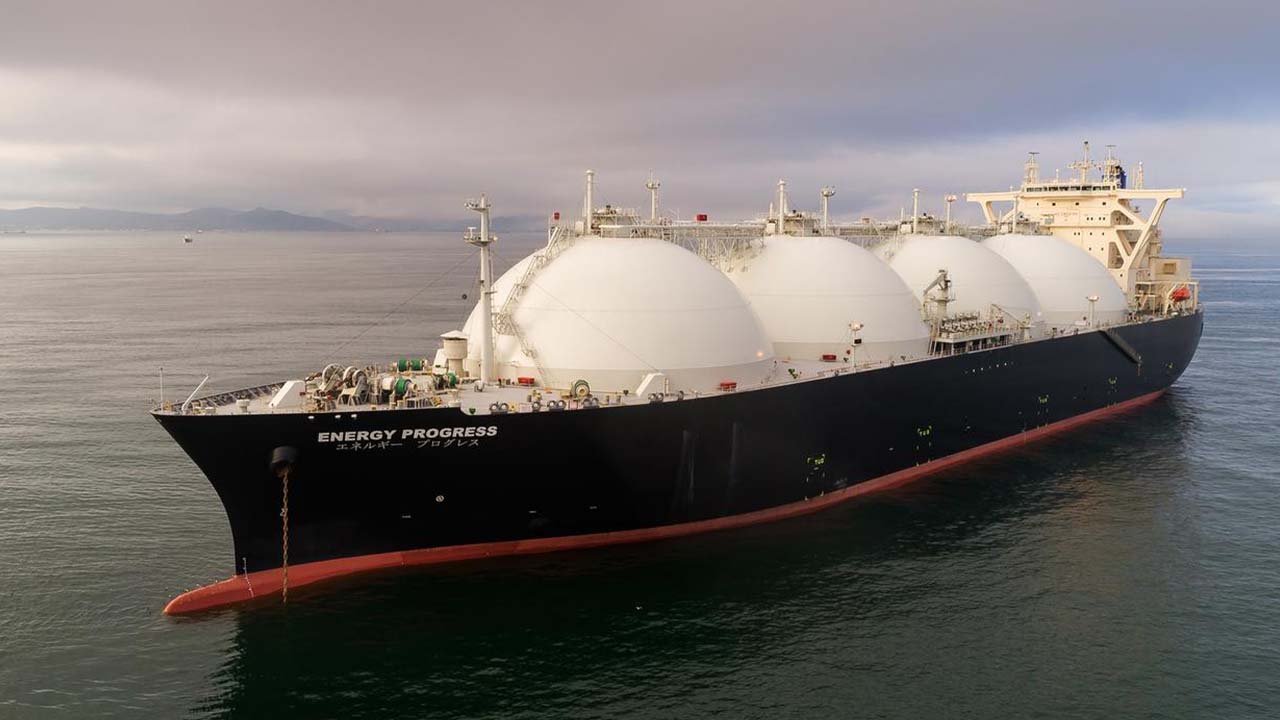
    Re-gasified liquefied natural gas (RLNG) will cost consumers of public gas utilities 20.57 per cent less in July 2022 than it did in June, according to a notification from the Oil and Gas Regulatory Authority (Ogra).

    The government has set the RLNG price for Sui Northern Gas Pipelines Limited’s (SNGPL) customers at $17.4603 per metric million British thermal units (MMBTU), according to a notification released on Friday.

    Compared to the rate of $20.7691 per MMBTU for June 2022, the new price is $3.3088 less. The general sales tax (GST) is not included in the weighted average sale price.

    The RLNG price will be $17.9575 per MMBTU for Sui Southern Gas Company (SSGC) customers as opposed to the SNGPL consumer price, which represents a $4.6501 per MMBTU decrease for July over $22.6076 per MMBTU.

  • Pakistan Railways to reduce train fares by up to 10 per cent

    Pakistan Railways to reduce train fares by up to 10 per cent

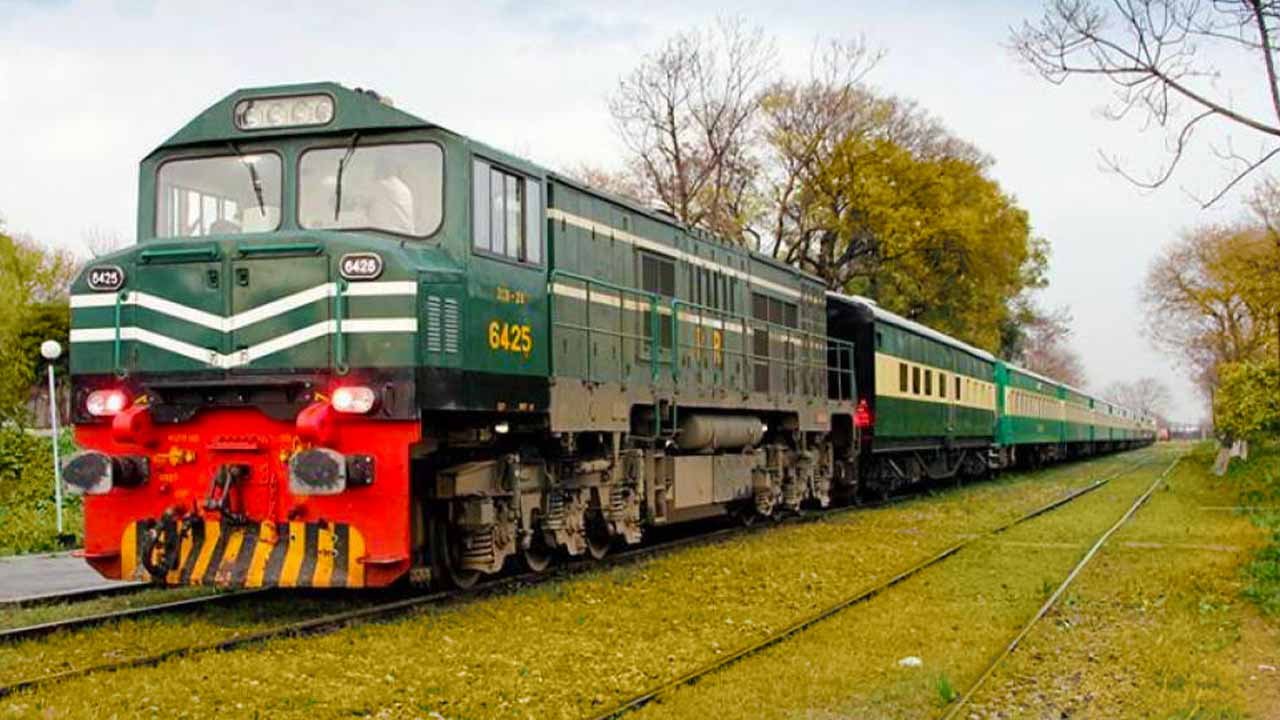
    The Ministry of Railways has decided to lower fares by up to 5 to 10 per cent as a result of the recent drop in the cost of petroleum products.

    Samaa reports that Secretary of Railways Zafar Ranjha will preside over a meeting on Friday to review and announce the train fares.

    Prime Minister (PM) Shehbaz Sharif made an update to the discounted price schedule for petroleum products late on Thursday.

    The price of diesel is reduced by Rs40.54 and that of petrol by Rs18.50 per liter beginning on July 15.

    Khawaja Saad Rafique, the minister of railways, has given instructions to lower the train fare in light of the aforementioned discount.

    Earlier, to assist travellers on the occasion of Eid-ul-Azha, Pakistan Railways also offered a 30 per cent discount on train tickets. A notice posted before Eid noted that all customers travelling by train during the three days of Eid-ul-Azha would be eligible for the reduced tickets.

  • Edible oil and ghee prices may decrease soon: Miftah Ismail

    Edible oil and ghee prices may decrease soon: Miftah Ismail

    The price of edible oil and ghee has decreased, according to Finance Minister Miftah Ismail, who expressed hope that the reduced costs will result in a reduction of Rs100 to Rs150 in the price of edible oil in the local market.

    The finance minister expressed optimism about lower petroleum product prices in the near future while speaking at a press conference alongside Bilal Kayani, a member of the Ministry of Finance’s Privatization Committee.

    He claimed that because the price of crude on the international market had dropped to $100, Pakistan’s citizens would “benefit” from lower prices at the “right time.”

    Miftah noted that lower pricing will also result in lower import costs for Pakistan.

    The finance minister continued to criticise the Pakistan Tehreek-e-Insaf (PTI) administration, stating that the previous administration had left an economic minefield but that despite difficulties, the economy was now stabilising and foreign exchange reserves were increasing.

    Imran’s administration left behind a “record trade deficit,” Miftah continued. The finance minister explained the $6 billion loan package for Pakistan from the International Monetary Fund (IMF) and expressed optimism that any outstanding concerns will be handled quickly so that the nation may get the next instalment.

    Additionally, he stated that because wheat prices were stabilising on the global market and that tenders will soon be opened, flour prices would decrease on the local market.

    Due to the fact that Russia and Ukraine are two of the world’s top producers of wheat, wheat prices reached historic highs at the commencement of the Russo-Ukrainian War in February of this year.

    The country’s persistent power shortage was also brought up by the finance minister, who noted that current generation levels are below the necessary 30,000, but expressed optimism that the problem would be resolved in the upcoming weeks.

    He claimed that the PTI government failed to release LNG tenders in a timely manner, which is why there is currently a shortage of liquified gas, and blamed the Imran-led government for the power problem.

    Major LNG producers throughout the world are now supplying Europe with LNG as a result of the continent’s reduction in its reliance on Russian gas, and fuel is in short supply for other consumers.

    The government is vigorously supporting the use of solar energy, Miftah continued, and a nuclear power plant will soon be put into operation.

  • Elimination, reduction of withholding taxes in budget 22-23

    On June 10, 2022, Pakistan will present its federal budget for 2022-2023. A number of new taxes measures are expected to be announced in the budget to raise additional income.

    It has been learned that a number of withholding taxes would be removed or lowered in the coming budget.

    The Federal Board of Revenue (FBR) will choose those withholding taxes that have lower revenue implications without jeopardising the goal of documenting as part of the budget planning process.

    According to Brecorder, to document future withholding transactions, a new Directorate-General for Synchronized Withholding Agents System would be developed.

    Withholding taxes cause inconsistencies will be reduced by the FBR, as all withholding taxes will be examined to see whether there are any distortions produced by income tax withholding, and adjustments will be made to correct them.

    This will be accomplished by making modifications to guarantee that all withholding tax received is either claimed or reimbursed in the return filed in response to the tax demand.

    Elimination of Taxes in budget 21-22

    The government had eliminated multiple withholding taxes, including the tax on royalty payments to residents during budget 21-22 such as cash withdrawals, banking tools, money transfers other than cash, tax collection from persons remitting funds abroad via credit, debit, or prepaid cards, tax collection on domestic and international air travel, mineral extraction, tax collection by a stock exchange registered in Pakistan, tax collection on marginal financing by NCCPL, CNG stations, and tax collection on certain petroleum products.

    Income Tax Ordinance

    The Income Tax Ordinance of 2001 contained 38 withholding tax measures. This large number of requirements adds to the complexity and places an excessive strain on different withholding agents to comply. It also has an impact on a country’s ease of doing business rating. In the last budget, 12 withholding taxes were eliminated in an effort to improve company ease and simplify tax rules.

    The Overseas Investors Chamber of Commerce and Industry (OICCI) advocated that the withholding tax (WHT) structure be overhauled and reduced from its current twenty-six rates to just five for filers.

    Only inactive taxpayers should be subject to this tax. Alternatively, the 8% WHT rate on services is a minimum tax that applies regardless of the service provider’s actual taxable revenue. This tax effectively becomes an indirect tax, raising the cost of doing business for service providers; as a result, service tax should be flexible.

    Withholding Tax Regime

    The Withholding Tax Regime (WHT) is a worldwide phenomena, and it is the primary source of federal revenue received at the national level in Pakistan. The collection of withholding taxes, as well as the reliance on them, has increased throughout time. Various Withholding Taxes, which are distinguished by their adjustable and presumptive nature, collected Rs422(b) out of total Direct Taxes collection of Rs740(b) for the financial year 2012, accounting for 57 per cent of total Direct Taxes collection.

    Since the imposition of direct taxes by governments and taxpayers on two counts, the withholding tax regime has been a feature of the tax system in some form or another:

    1. The government receives revenue on a consistent basis throughout the year to fund its expenditures and operations.
    2. Provides taxpayers with the opportunity to pay down their debts in affordable installments.

    Many countries have been obliged to change their economies in recent years as a result of globalisation, in order to unify tax laws and align them with new trade and investment policies represented in free trade agreements. “Hang Together” is more relevant today than it has ever been. Neither countries’ borders nor their economies can be closed. Tax policies are also inextricably linked to foreign economies.

    Due to the requirement for an entity to oversee and manage the Withholding Tax Regime in such a competitive climate, the Directorate General of Withholding Taxes was established by the Finance Act of 2008 under section 230A of the Income Tax Ordinance 2001.
  • OGRA slashes LPG prices by Rs13 per kilogram

    OGRA slashes LPG prices by Rs13 per kilogram

    The Oil and Gas Regulatory Authority (OGRA) has announced a Rs13 per kilog price cut for liquefied petroleum gas (LPG).

    The cost of an LPG household cylinder has been decreased by Rs155, according to a notification released today. Under the revised tariffs, it will be offered for Rs2,581.35, which includes the sale of a commercial cylinder for Rs9,931.65.

    Chairman of the LPG Distributors Association Pakistan, Irfan Khokhar, commented on the matter, claiming that LPG is 45 per cent cheaper than petrol and diesel at present pricing.

    If the government focuses on the sector, he claims that LPG prices can be decreased by another 60 to 65 per cent.

    This is somewhat good news, as many house owners in developing housing societies lack access to Sui Gas connections and rely on LPG cylinders, which are offered at exorbitant costs. The recent price reductions may help consumers cope with the effects of inflation.

    It is important to note that LPG is an alternative and fuel that is mostly utilised for cooking, heating, and lighting especially in rural and hilly sections of the country where natural gas pipelines are not available.