Tag: refugee crisis

  • Pakistan extends stay of registered Afghan refugees by one year

    Pakistan extends stay of registered Afghan refugees by one year

    The Ministry of States and Frontier Regions (SAFRON) issued a notification to extend the period that card holding Afghan refugees can stay in Pakistan.

    According to the notification, the extension will be applicable from July 1, 2024 to June 30, 2025. The extension of POR will be applicable to registered Afghan refugees residing in Pakistan.

    Sources said that the registration card for registered Afghan refugees had expired on June 30, 2024 and the number of registered Afghan refugees in Pakistan is about 1.45 lakh.

  • 44,000 Afghans in Pakistan still awaiting US, foreign resettlement

    44,000 Afghans in Pakistan still awaiting US, foreign resettlement

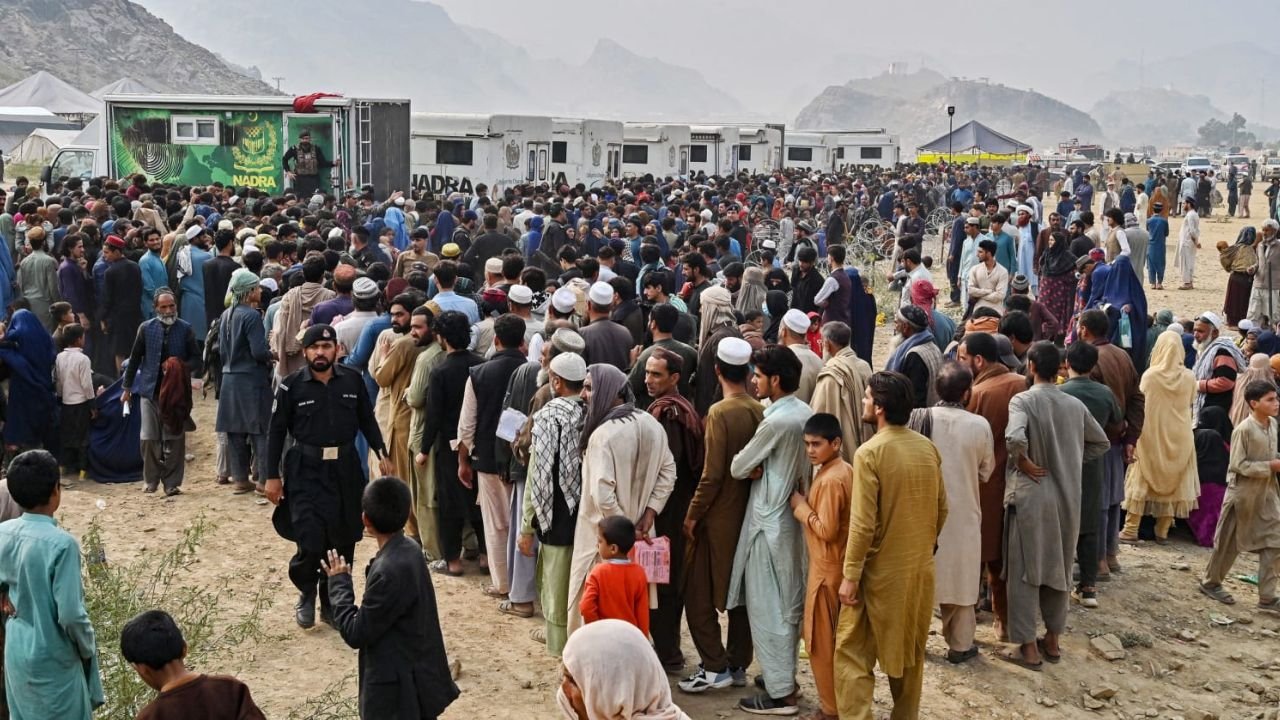
    At least 44,000 Afghans approved for relocation to Western nations following the Taliban’s return to power are still waiting in limbo in Pakistan, Islamabad said Thursday.

    In the days after the NATO-backed government collapsed in August 2021, more than 120,000 people, mostly Afghans, were airlifted from Kabul in a chaotic evacuation.

    Hundreds of thousands more Afghans have fled Taliban rule since then, with many promised new lives in the nations involved in their country’s 20-year occupation.

    Pakistani foreign office spokeswoman Mumtaz Zahra Baloch said that three years after the Taliban takeover, there were still 25,000 Afghans approved for relocation to the US living in Pakistan.

    A further 9,000 Afghans resident in Pakistan have been accepted by Australia, as have 6,000 by Canada, 3,000 by Germany, and more than 1,000 by Britain – all yet to be relocated.

    “We have urged them to expedite the approval and visa issuance process for these countries, for these individuals, so that they are relocated as early as possible,” Baloch told reporters at a weekly press briefing.

    Most countries shut their Afghan embassies as Kabul fell, and as a result, many parked Afghan migrants in Pakistan while their Islamabad embassies processed their cases.

    Many of the Afghans who were promised relocation were involved in the foreign-backed government and are fearful of reprisals by Taliban authorities.

    On Tuesday, Pakistani Prime Minister Shehbaz Sharif pressed the UN High Commissioner for Refugees Filippo Grandi over the backlog of Afghans awaiting relocation, as well as the large numbers of refugees who have arrived with no plans for onward travel.

    According to a statement released by his office, Sharif told Grandi that “the international community must recognise the burden being shouldered by Pakistan while hosting such a large refugee population, and demonstrate collective responsibility”.

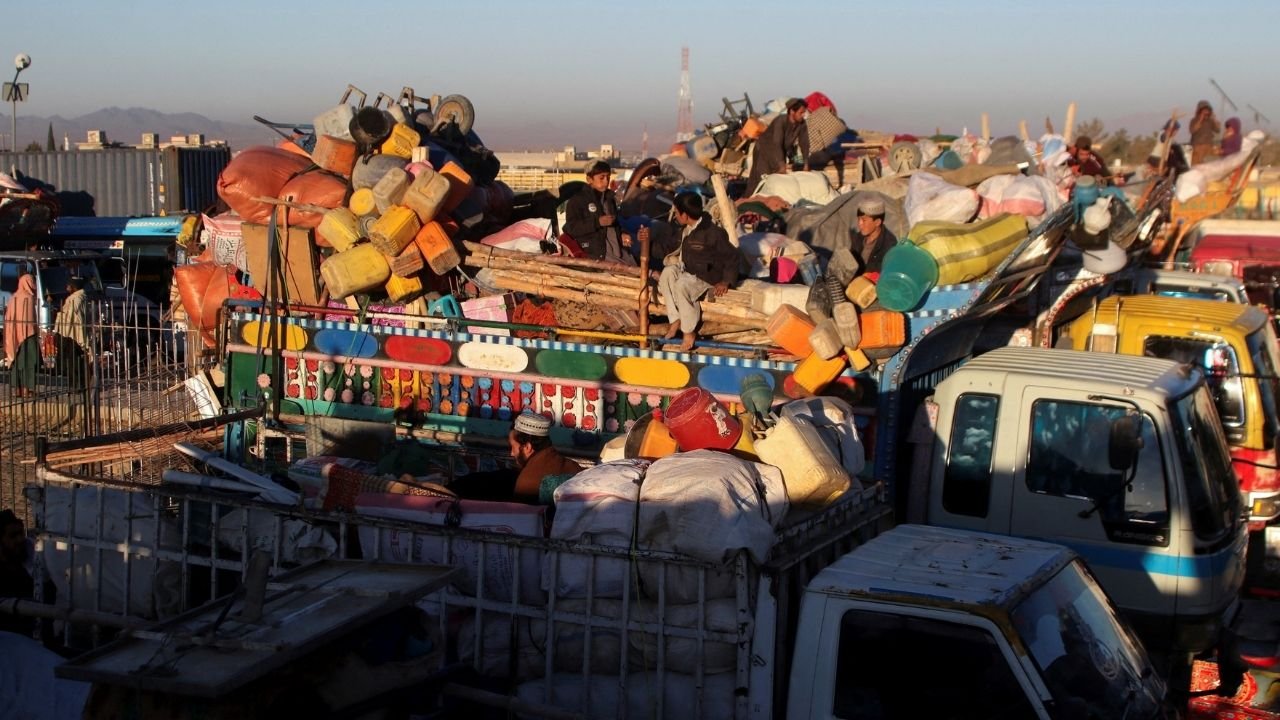
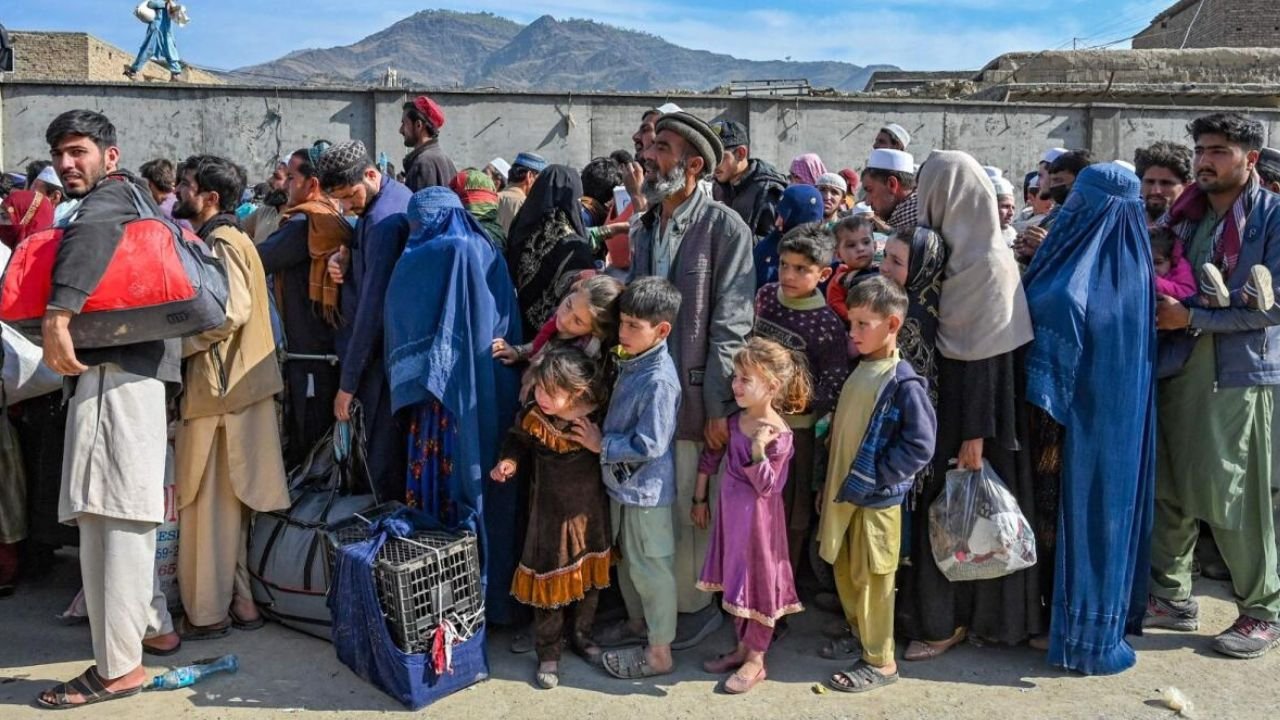
    Some 600,000 Afghans have travelled to Pakistan since the Taliban took over and implemented their austere version of Islam.

    Millions more came in the four decades before that, fleeing successive conflicts including the Soviet invasion, a civil war, and the post-9/11 US-led occupation.

    Since last year, however, Islamabad has waged a campaign to evict huge numbers of undocumented Afghans, as relations with Kabul soured over security.

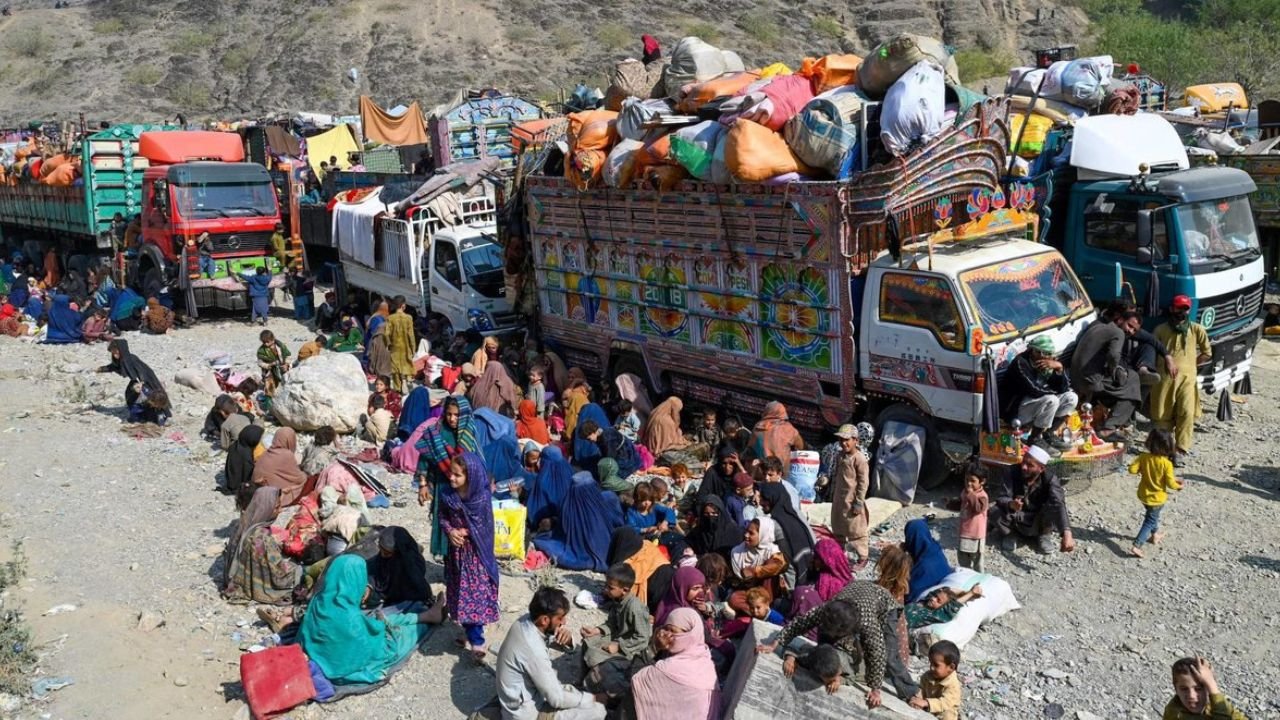
    More than half a million have crossed back into Afghanistan, fearing arrest. On Wednesday, Islamabad said it would extend the right of registered Afghan refugees to stay for another year — but continue its push to send those without papers back home.
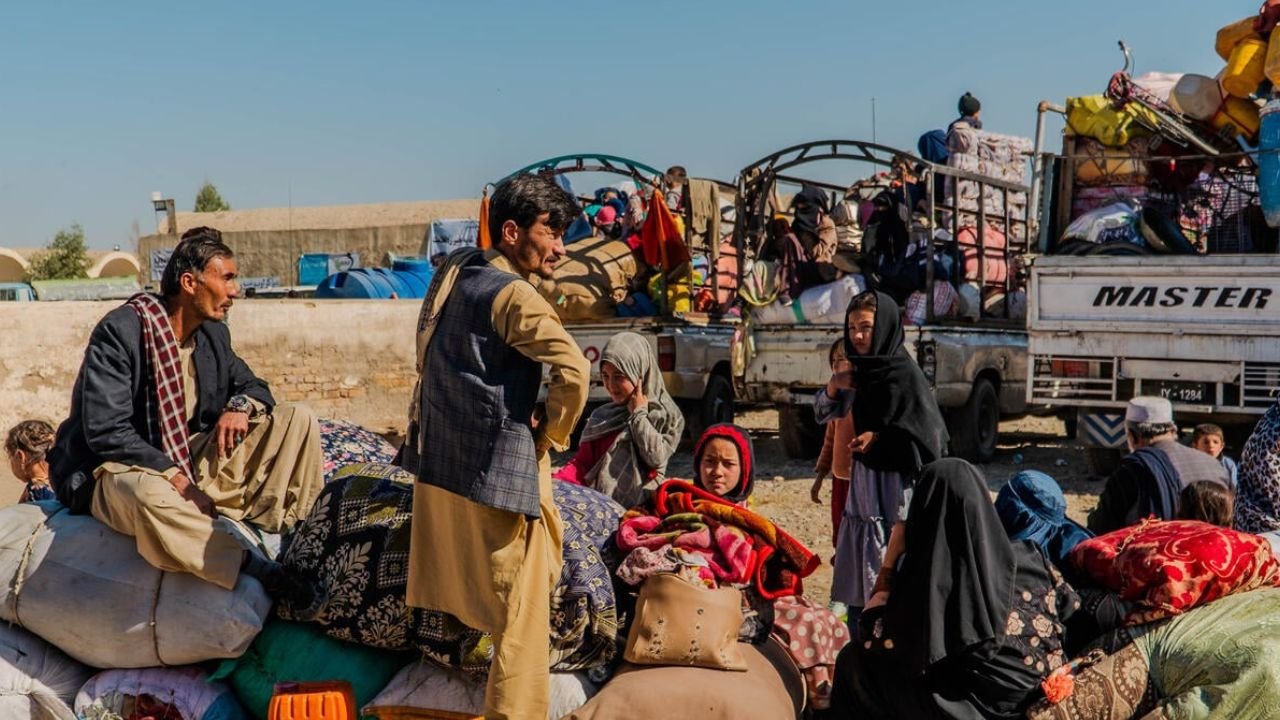
  • How many Afghans have left Pakistan till now?

    How many Afghans have left Pakistan till now?

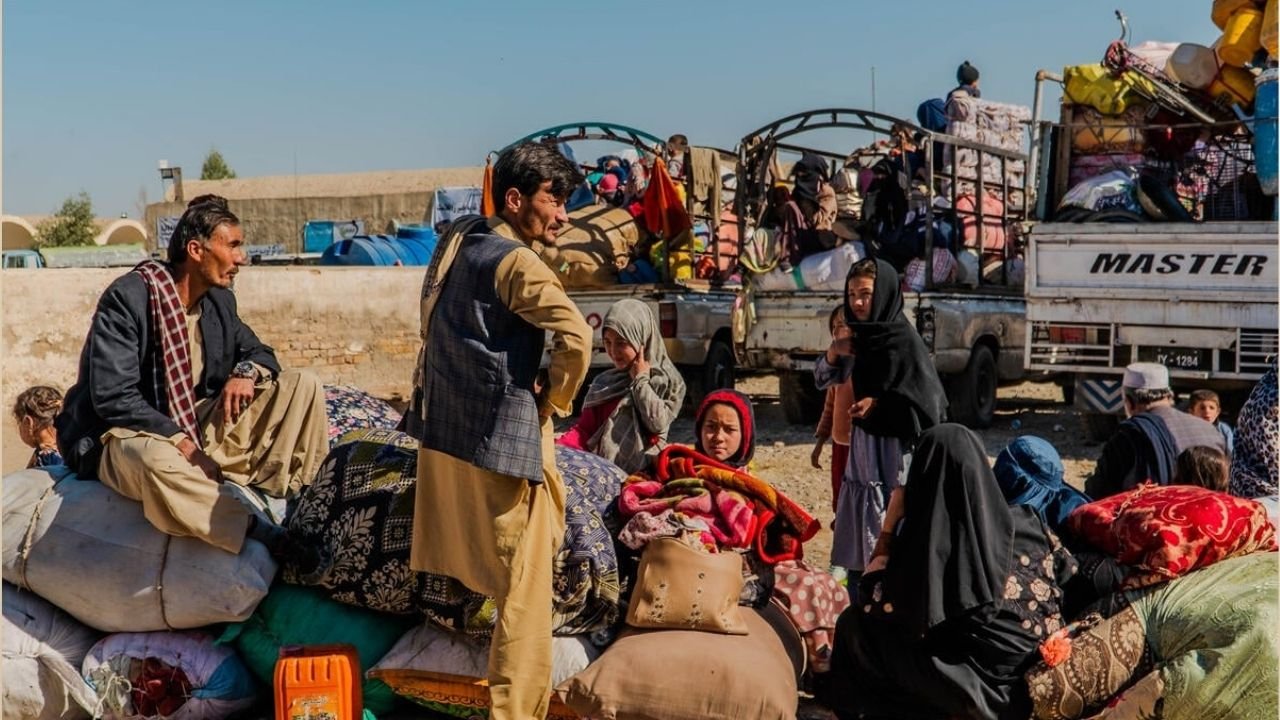
    The repatriation of illegal Afghans is under way. As of July 3, 2024, a total of 637,427 illegal Afghans have returned from Pakistan.

    Between June 1 and July 3 alone, 7,345 men, 4,732 women, and 4,369 children returned, with 432 families repatriated using 496 vehicles.

    Aaj News reports that a significant number of illegal Afghans chose to return to Afghanistan from Pakistan to avoid arrest even before the federal government’s announcement of expelling illegal foreigners.

  • Taliban government in Kabul urges Islamabad to show restraint over Afghan migrants

    Taliban government in Kabul urges Islamabad to show restraint over Afghan migrants

    Taliban authorities urged Pakistan on Thursday not to make a unilateral decision on repatriating Afghan migrants, saying they shouldn’t be “harassed,” after reports Islamabad would renew an eviction campaign.

    More than half a million Afghans fled Pakistan last year after the former government ordered undocumented migrants to leave or face arrest as Islamabad-Kabul relations soured over security.

    Islamabad initially set a November 2023 deadline but official sources, who asked not to be identified, told AFP in March that Pakistan is gathering data on Afghan migrants – including those residing legally in the country – ahead of a renewed push slated to start after the Islamic holy month of Ramadan.

    A final decision has not been made on a repatriation push, according to Pakistan officials, but the Afghan deputy minister for refugees urged restraint in a meeting with a top Pakistani diplomat in Kabul.

    “The issue of refugees is bilateral and decisions regarding them should be made through an understanding between both countries,” said Abdul Rahman Rashed, according to a ministry statement on social media platform X on Thursday.

    “They shouldn’t be harassed until a joint mechanism is reached.”

    Taliban authorities have urged Afghans to return home since taking power in 2021 but they also have condemned Pakistan’s actions, saying nationals are being punished for tensions between Islamabad and Kabul, and have called for people to be given more time to leave.

    Millions of Afghans have poured into Pakistan over the decades, fleeing successive conflicts and political upheaval.

  • Pakistan ‘mapping’ resident Afghans before eviction push

    Pakistan ‘mapping’ resident Afghans before eviction push

    Pakistan is gathering data on Afghan migrants – including those legally resident in the country – ahead of a renewed eviction push slated to start after Eid, official sources told AFP on Tuesday.

    More than half a million Afghans fled Pakistan last year after the former government ordered undocumented migrants to leave or face arrest, as Islamabad-Kabul relations soured over security.

    Islamabad initially set a November 2023 deadline, however two officials, who asked to remain anonymous, said evictions would resume in the coming weeks.

    “This time, instructions have been given to also collect data and conduct mapping of legally resident Afghan citizens,” said a top government official in Khyber Pakhtunkhwa province, bordering Afghanistan.

    A senior Khyber Pakhtunkhwa police official said whilst “a final decision” has not yet been taken by the government, “police have sprung into action regarding Afghan citizens”.

    “The federal government has directed to not only collect data of legal and illegal Afghan citizens but also to conduct their mapping,” he said.

    Two officials, who asked not to be named, previously told AFP the renewed push to evict migrants will begin after Eid, the holiday marking the end of the Muslim fasting month of Ramazan, set to be celebrated in April’s second week.

    Pakistan’s interior ministry did not respond to a request for comment.

    Islamabad has previously said the massive eviction scheme is justified by security concerns and its faltering economy.

    The Taliban government has consistently denied the allegations.

    Millions of Afghans have poured into Pakistan over the years, fleeing decades of cascading conflict.

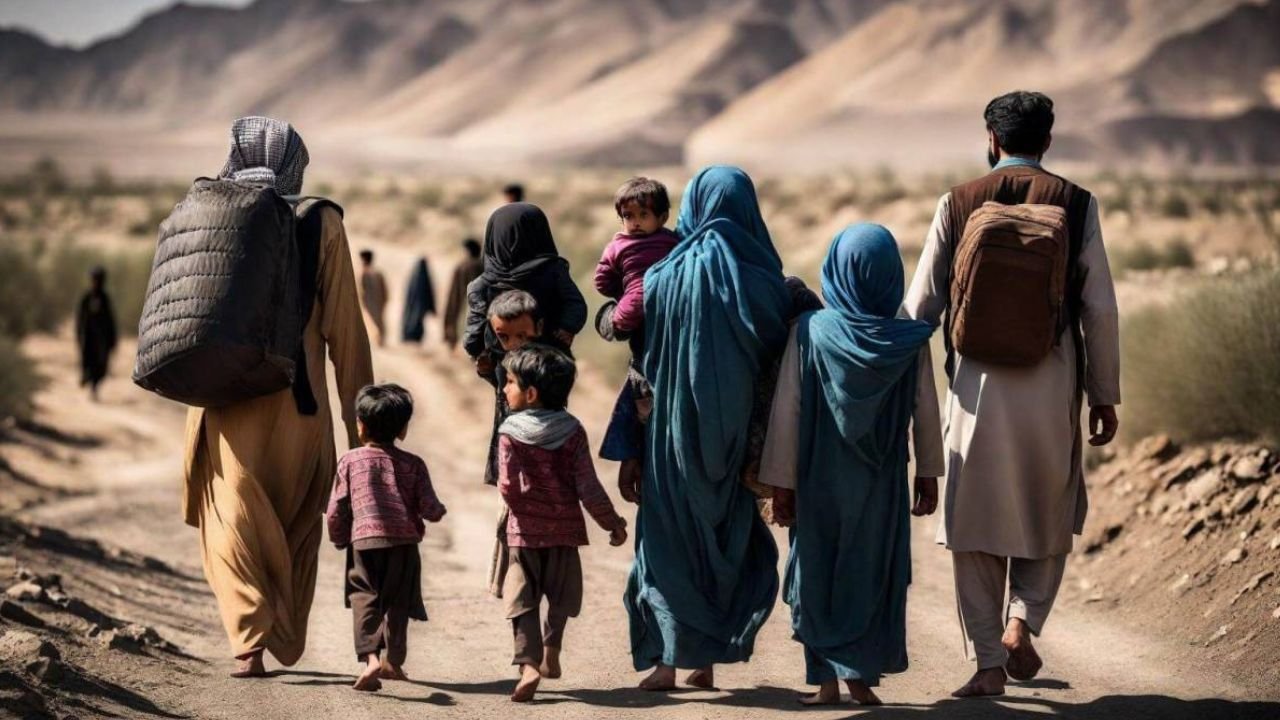
    Afghans who left Pakistan last year were only allowed to cross the border with limited belongings and cash, and arrived in the midst of one of the world’s worst humanitarian crises.

    Some had never set foot in Afghanistan before, having been born in Pakistan to Afghan parents.

    An estimated 600,000 arrived since the Taliban government seized power in August 2021 and imposed its stark interpretation of Islamic law.

    Before the first wave of evictions began, Pakistan estimated there were 1.7 million Afghans living illegally in the country.

    The stand-off between Islamabad and Kabul worsened last week when eight civilians were killed in Pakistani air strikes in Afghanistan’s border regions, according to Taliban officials.

  • European Conservatives want asylum-seekers transferred to third countries

    European Conservatives want asylum-seekers transferred to third countries

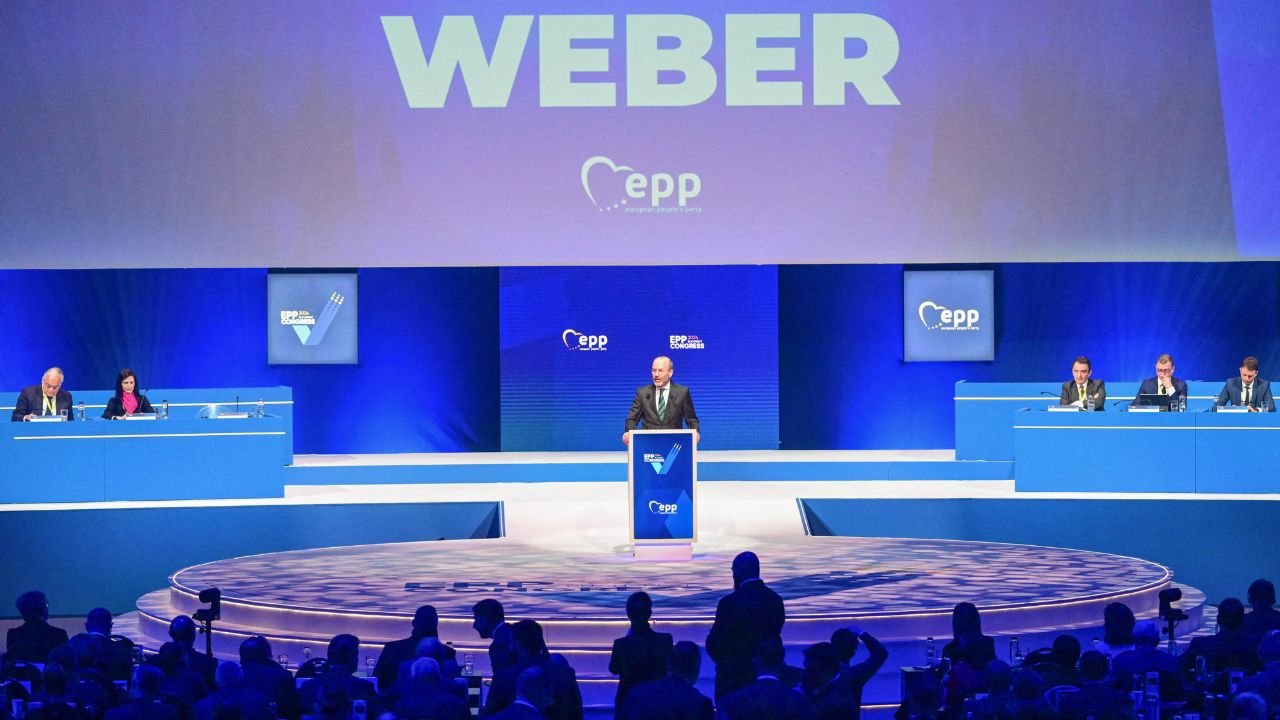
    The main conservative group in the European Union parliament will call for asylum-seekers to be moved to “safe third countries” to assess their claims in its  manifesto to be approved Wednesday for elections in June.

    The programme of the European People’s Party — which will formally back European Commission president Ursula von der Leyen as its candidate for a second term — picks up controversial proposals by several conservative parties across Europe.

    Britain, no longer an EU member, has notably embarked on plans to send undocumented migrants to Rwanda. Italy has a deal with Albania to set up centres to process migrants rescued in the Mediterranean.

    Asylum applications in EU countries surged to over one million last year, a seven-year high, with Syrians and Afghans remaining at the top of the list, as the EU works through an overhaul of its rules on asylum-seekers.

    Rules approved in December aim to share hosting responsibilities across the 27-country bloc and to speed up deportations of irregular migrants deemed ineligible to stay.

    In its manifesto, which is expected to be adopted at a congress in Bucharest, the EPP called for a “fundamental change in European asylum law”.

    “We want to implement the concept of safe third countries,” the manifesto reads.

    Under the proposal, those applying for asylum in the EU could be transferred to a third country, and if their claim is deemed valid will receive protection there.

    “A comprehensive contractual agreement will be established with the safe third country,” the manifesto details.

    Some of them could be admitted into the EU “through annual humanitarian quotas of vulnerable individuals,” allowing “us to address both security and integration requirements in the selection process”, it adds.

    Germany’s opposition Christian Democrats (CDU) — von der Leyen’s party — in its draft manifesto presented in December has also proposed sending asylum seekers to third countries.

    The move aims to bring down the numbers of migrants arriving in the EU, CDU official Jens Spahn told German media then.

    He mentioned Africa’s Rwanda and Ghana and Europe’s Georgia and Moldova as possible third countries.

    Britain has started negotiations with Rwanda to send migrants to Rwanda but there have been court objections.

    The scheme has been widely criticised as undercutting basic rights principles, with EU home affairs commissioner Ylva Johansson also expressing some reservations.

    In a different case, Italy signed a controversial deal with Albania — which is not part of the European Union — in November under which asylum seekers rescued at sea would be held in two migrant centres in Albania.

    The EPP meets Wednesday and Thursday in Bucharest and is to choose von der Leyen as their lead candidate for European Commission president.

    The EU elections are scheduled to take place from June 6-9.

  • How many Afghans have left Pakistan so far?

    How many Afghans have left Pakistan so far?

    The repatriation of Afghans living across Pakistan continues.

    According to official data, from February 15 to February 19, another 3,396 Afghans left Pakistan, including 1,245 men, 1,025 women, and 1,914 children. 210 families have reportedly been repatriated in 124 vehicles to Afghanistan.

    A large number of illegal Afghans have been returning to Afghanistan from Pakistan fearing arrest, even before the announcement by the government of Pakistan.

    According to official data released on February 19, a total of more than 493,000 Afghans have returned to their country as of yet.

  • Number of repatriated Afghans exceeds four lakh

    The deportation of illegally residing Afghans from across the country continues with another 2,473 Afghan citizens returning to Afghanistan yesterday alone.

    This included 232 families travelling in around 126 vehicles. Whereas on December 7, 2,473 Afghans were sent back, including 825 men, 523 women and 1,125 children.

    Samaa News reports an additional figure of 2,055 Afghan citizens who have returned among whom were 426 women and 1,045 children.

    Anadolu Agency reports that over 460,000 undocumented Afghan refugees left Pakistan last month while according to the latest UN figures, 1.3 million Afghans are registered refugees and 880,000 have legal permission to stay in Pakistan.

  • More than 90,000 Afghan refugees leave Pakistan via Torkham

    More than 90,000 Afghan refugees leave Pakistan via Torkham

    Following the federal government’s decision to send undocumented foreigners back to their countries, more than 90,000 Afghan refugees have voluntarily returned home via the Torkham border.

    Khyber Pakhtunkhwa Interior Department has set up temporary camps in Peshawar, Haripur and Khyber district for repatriation of illegal Afghan refugees.

    From November 1, illegal foreigners will be arrested and transferred to camps, after which they will be sent to Afghanistan via Torkham.

    The temporary camp in Peshawar reportedly has a capacity of housing 2,000 people, while food and water will be provided along with medical aid. Special security arrangements have also been made in the temporary camp.

    On the other hand, the Department of Home Affairs has also established a ‘control room’ from where the process of return is being monitored. A helpline has also been launched, on which guidance can be provided in case of other problems besides identification of illegal foreigners.

    The number of Afghan refugees residing in Khyber Pakhtunkhwa is more than 900,000, while visas were issued to 116,418 Afghans this year.

  • The Weight of a Life

    The Weight of a Life

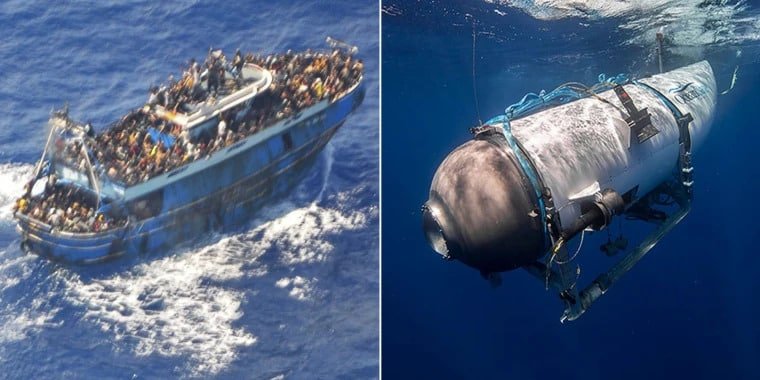
    In the last week alone, the world has been witness to two immense tragedies that played out at sea. Tragic as both events were, the public seems to be divided on which party to extend their empathy and/or sympathy toward: the 300+ Pakistani migrants that drowned after a trawler capsized off the south coast of Greece, or the Pakistani billionaire and his 19 year old son that died in an implosion thousands of metres below the surface of the North Atlantic Ocean?

    One only need to peruse through the comments under The Current’s reporting on the tragedies to understand what the two sides believe in. On the one hand, individuals are calling out the difference in response to both calamities and suggesting that Shahzada Dawood, Vice-Chairman of Engro Corporation, made a choice to die when he paid $500,000 for him and his son to travel to see the Titanic’s wreckage. Yet, this side maintains, the migrants aboard the trawler had ‘no choice’ but to embark on such a perilous journey to better fortune. 

    On the other hand, people are shocked by the Pakistani public’s ability to extend and withdraw empathy on the basis of an individual’s wealth – or lack thereof. The Dawoods were renowned philanthropists in the country, donating millions of their wealth to education and healthcare (notwithstanding the argument that, admittedly, it’s probably because they had those millions to spare). Should empathy not be extended to the wealthy that donated vast amounts to projects providing higher-education opportunities to Pakistanis? Should empathy only be extended if the wealthy are charitable?

    What is perhaps most interesting – and also practically self-evident – is the anger drawn from the media coverage of both tragedies. The OceanGate submersible was dominating global headlines the second it was announced ‘missing’, up until the moment they realised there was no hope. Meanwhile, the Greek migrant boat tragedy only saw a couple days of reporting – even though there is currently an ongoing investigation concerning the complicity or negligence of both Greek authorities and border authority Frontex on the discrepancies found in communication. 

    While there is more than plenty to criticise in regards to the stark difference with which both calamities were responded to, it is hugely counterintuitive to compare the loss of lives. It is indeed likely that the migrants were condemned to their deaths by the authorities. In transcripts published by AlarmPhone, and analyses of vessels in the area around the time the trawler sent out an alarm signal, discrepancies in official statements made by the European authorities are enough to merit investigations. Moreover, accusations have abounded regarding the Greek coast guard’s role in the eventual capsize. Pakistani survivors of the wreck reported that the boat only capsized after the Greek coast guard started towing it. 

    Of course, anger is bound to arise when one compares that scenario to a full-blown military-scale search for the five individuals onboard the missing submersible. However, the people offering no sympathy to Shahzada and his young son Suleman,  simply because they paid a lot of money to be in that position, are largely misplacing their anger. The tragic plight of migrants and refugees is not new to us: they were not simply left to their deaths only because they are poor as compared to the Dawoods. 

    Anti-immigrant sentiment is on the rise in Europe. Far-right parties with anti-immigrant policies have risen in popularity and have become quite verbose on how unwelcome immigrants are. Within such a growing sentiment – while it by no means justifies the tragedy – one simply cannot expect the same level of frantic search. It isn’t because those lives were not worth the search: it’s because those lives, in the clinical eyes of the Europeans, simply meant a burden on their existing economy and resources. 

    So yes, we should be angry. We should be absolutely livid at such blatant disregard for life. But to redirect that anger to two completely innocent Pakistanis who also encountered a tragic fate, simply because they’re rich, is quite unfounded. It could have made sense if the two incidents were correlated beyond just their occurrence in the sea – say, if the authorities meant to search for the migrants were redirected to the submersible. 

    At the end of the day, the families of the migrants have seen their entire world shatter, much like the Dawood family. To weigh the worth of lives on such a material basis such as wealth is counterintuitive to the anger felt by the loss of them. And to compare such tragedies distracts us from the larger, more pertinent structural issues that led to the worst migrant boat disaster in recent history.