Tag: regulation

  • AirCar technology purchased by Chinese company for exclusive use

    AirCar technology purchased by Chinese company for exclusive use

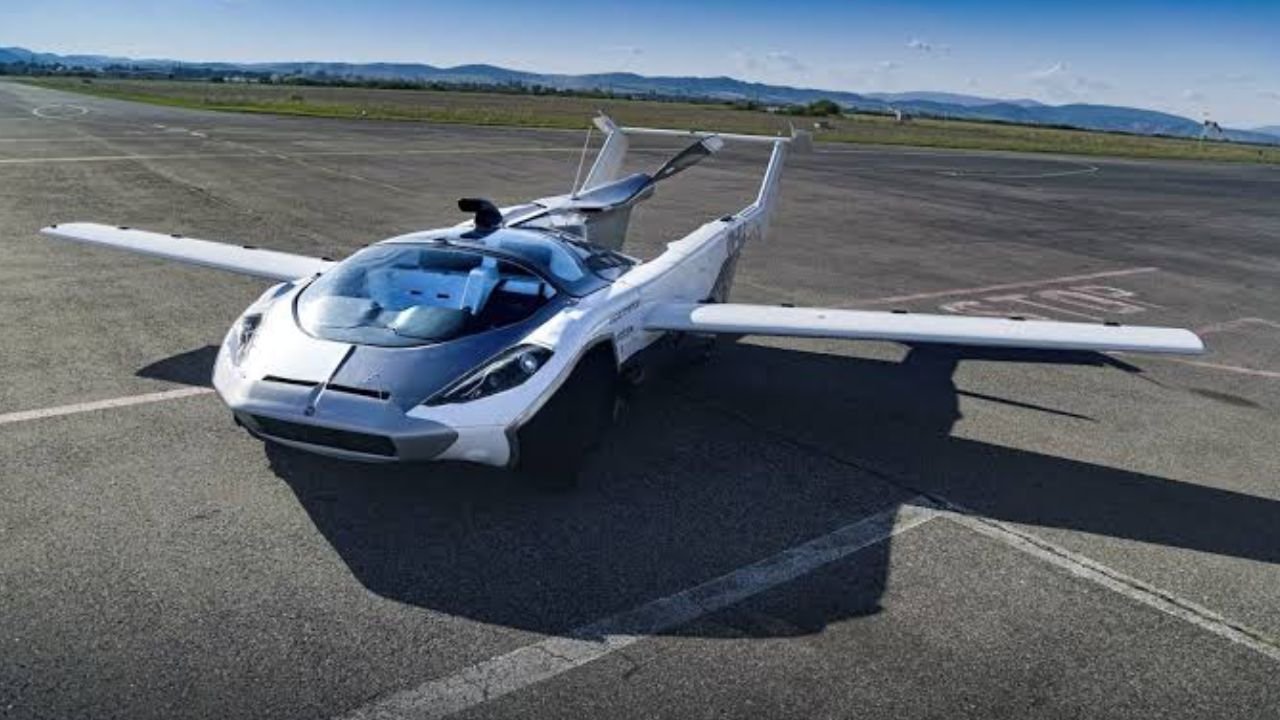
    A Chinese firm has acquired the technology behind a flying car, originally developed and tested in Europe. This AirCar, powered by a BMW engine and conventional fuel, completed a 35-minute flight between two Slovakian airports in 2021, utilising standard runways for take-off and landing. Its transformation from car to aircraft took just over two minutes.

    The Hebei Jianxin Flying Car Technology Company, based in Cangzhou, has obtained exclusive rights to manufacture and operate AirCar aircraft within a designated region in China. The company, after acquiring technology from a Slovak aircraft manufacturer, has established its own airport and flight school.

    China, known for spearheading the electric vehicle revolution, is now actively pursuing aerial transport solutions. Recently, Autoflight conducted a successful test flight of a passenger-carrying drone, drastically reducing travel time between Shenzhen and Zhuhai. Meanwhile, eHang, another Chinese firm, received safety certification for its electric flying taxi in 2023, with the UK government anticipating regular flying taxi operations by 2028.

    Unlike vertical take-off and landing drones, AirCar operates on traditional runways, presenting challenges in infrastructure, regulation, and public acceptance. While the sale details remain undisclosed, AirCar received airworthiness certification in 2022 and gained attention through a video by YouTuber Mr. Beast.

    Despite the excitement surrounding prototypes like AirCar, practical implementation may involve mundane aspects such as queues and security checks, according to experts. However, similar concerns once surrounded electric cars, which China has since dominated in the global market. The sale of AirCar raises speculation about China’s potential influence in the flying car industry.
  • PTI’s new social media laws: Are you in some sort of danger?

    PTI’s new social media laws: Are you in some sort of danger?

    The Pakistan Tehreek-e-Insaf (PTI) government in centre has approved a new set of rules to regulate social media, requiring companies such as Facebook, Twitter, YouTube and even TikTok, to register themselves and open offices in Pakistan to provide the government data of accounts found guilty of targeting state institutions, spreading fake news and hate speech, engaging in harassment, issuing statements that harm national security or uploading blasphemous content, Geo reported.

    But similar to claims of proponents of internet freedom, who fear that the legal document would be used to keep social media companies in check and curb dissent over the internet, is your freedom over the web really at risk?

    According to reports, the rules and regulations have been included in the Prevention of Electronic Crimes Act, 2016, and senior officials in the Ministry of Information Technology have confirmed that the cabinet has already given green light to the legal document.

    Further, IT & Telecommunication Federal Secretary Shoaib Siddiqui confirmed that after the cabinet’s approval, the rules and regulations need not be presented in the parliament for approval.

    According to the law, all global social media platforms and companies would have to register in Pakistan within three months and open offices in Islamabad within the same time period. The law requires digital media companies to appoint a representative in Pakistan to deal with a national coordination authority, which would be responsible to regulate content on social media platforms.

    It further requires the companies to set up data servers in Pakistan within a year and makes it compulsory for them to provide data of accounts found guilty of various crimes — including targeting state institutions, spreading fake news and hate speech, engaging in harassment, issuing statements that harm national security or uploading blasphemous content — to intelligence and law enforcement agencies (LEAs).

    It, however, is safe to say that only time would tell if the government can actually convince any digital media outlets to actually operate under these new regulations.

    Follow this link to give the new set of rules a read.

  • Regulating Freedom

    Regulating Freedom

    Earlier this month, Pakistan Electronic Media Regulatory Authority (PEMRA) uploaded a draft proposal on its website on regulating web and over the top television (OTT) content services.

    After going through the 25-page draft proposalThe Current is of the view that this is yet another effort by the government to silence independent voices. First of all, PEMRA has no authority and/or mandate to regulate social media. Secondly, Pakistan’s mainstream media is going through its worst period of censorship –- that too under a “democratic” dispensation. Pakistan is ranked 142 out of 180 countries in RSF’s 2019 World Press Freedom Index, i.e. three places lower than it was in 2018.

    Many Pakistani journalists have taken to social media to share their uncensored views online due to media censorship. Now, the government wants to regulate the internet by charging a hefty amount in fees for web TVs (both news and non-news) and OTTs and also issue licenses. They are also proposing a code of conduct without giving out any details. Reporters Without Borders rightly said that this draft proposal by PEMRA “betrays an intent to censor online video content relentlessly”. If this draft is not to discourage online content creators then what is? We, at The Current, firmly believe in freedom of expression and thus any moves to curtail our freedoms, our fundamental rights and our right to dissent, are unacceptable. Period.

    It is quite disappointing to see that a government that fully utilised social media and mainstream media before coming to power is now trying to shut down critics’ voices. Prime Minister (PM) Imran Khan recently said that he has stopped reading newspapers and watching evening news/current affairs shows because the media hammers him all the time is surprising, given that PM Imran has been media’s darling from the first day. His government is being criticised for its lack of performance and delivery. We believe the premier should not demonise media that helped him during his struggling days in politics and made him relevant.

    It is also quite alarming to see that peaceful protesters in Islamabad were arrested and charges of sedition were levelled against them. Their only crime was to be a part of a protest seeking the release of Pashtun Tahafuz Movement (PTM) Manzoor Pashteen. Some were released, but 23 political activists and human rights defenders, including Ammar Rashid and Nawfal Saleemi, are still under arrest — not to mention citizens like Khurram Qureshi who was there for solidarity. Their families are not being allowed to meet them despite the fact that it is their legal right. We would like to ask the government how it is sedition to protest peacefully when it is our fundamental right to do so. Releasing these protestors would be the right thing to do.

    From censorship in media to curbing online dissent to booking peaceful protesters under sedition charges, the state of Pakistan is acting more like a police state and less as a democracy. Let’s not go down this path.