Tag: remittances

  • PM Kakar highlights the positive aspect of Pakistanis going abroad for ‘better opportunities’

    PM Kakar highlights the positive aspect of Pakistanis going abroad for ‘better opportunities’

    The issue of emigration from Pakistan has gained significant traction as more than 450,000 Pakistanis have departed the country in pursuit of improved job prospects overseas during the first half of 2023. Caretaker Prime Minister Anwaar ul Haq Kakar addressed this pressing concern, emphasising the dual nature of this trend as both a challenge and an opportunity for the nation.

    Speaking to an audience at the University of Harvard’s interactive session in Islamabad, Prime Minister Kakar acknowledged the historic pattern of individuals leaving Pakistan in search of better livelihoods abroad. He highlighted the positive contributions that these expatriates make to the country through remittances, underscoring the integral role they play in supporting their families and contributing to Pakistan’s economy.

    Amid discussions about Pakistan’s desire for a constructive long-term partnership with the United States, the premier also turned the spotlight on the phenomenon of emigration. He stressed that the exodus of individuals seeking better opportunities was a recurrent trend and not exclusive to the present time. Prime Minister Kakar further asserted that the pursuit of a better life beyond national borders was a valid aspiration, echoing the sentiment that the success of these individuals, whether at home or abroad, was of paramount importance.

    Prime Minister Kakar’s address touched upon the challenges posed by high expenditures and limited resources in Pakistan. In this context, he emphasised that democracy served as a cornerstone of the nation’s strength and resilience. He commended the Pakistani populace for their ability to navigate crises with determination.

    The premier’s discourse extended to the issue of unemployment, which he identified as a concern shared by individuals both within the country and those who have sought opportunities abroad. However, Prime Minister Kakar also shed light on the positive aspects of this migration trend.

    “This is not only a challenge but also an opportunity, as these individuals bring benefits to the country through remittances,” Kakar said.

    “It is not wrong for them to go to other countries in search of better opportunities,” he said, adding that when individuals return to Pakistan, they bring not only financial assets but also valuable professional skills, enriching the country’s human capital.

    While the emigration trend remains a matter of significance, Prime Minister Kakar drew attention to the historical context. In the past, the country has witnessed varying levels of emigration, with the highest numbers recorded in 2015 and 2016. He underlined that this movement was a testament to individuals’ quest for better prospects and should be understood in that light.

  • Remittances to Pakistan decline by 19.3% to $2 billion in first month of fiscal year

    Remittances to Pakistan decline by 19.3% to $2 billion in first month of fiscal year

    Pakistan has experienced a notable decline in remittances during the first month of the current fiscal year, as data released by the central bank reveals a year-on-year drop of 19.3 per cent, amounting to $2 billion. This concerning trend was further accentuated by a month-on-month reduction of 7.3 per cent.

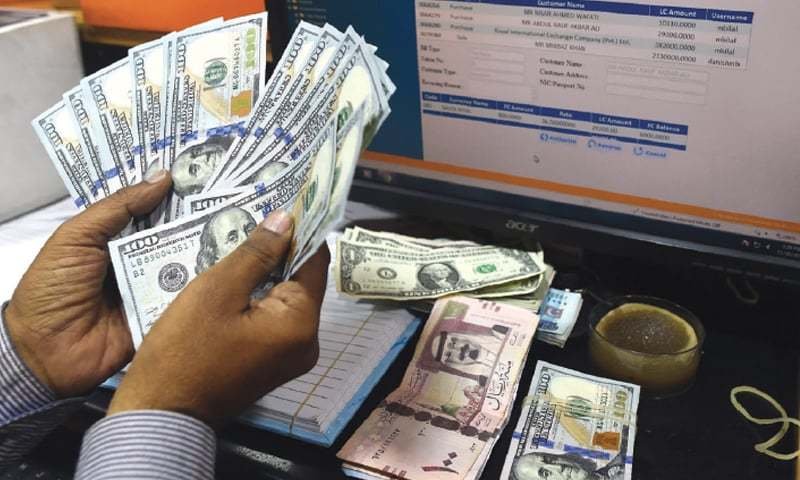
    In the month of July, remittance inflows from Pakistanis residing abroad amounted to $2.2 billion. The distribution of these remittances showed that Saudi Arabia held the top spot with a contribution of $486.7 million, followed by the United Arab Emirates with $315.1 million. The United Kingdom and the United States of America followed closely with $305.7 million and $238.1 million, respectively.

    Economic analysts anticipated this decline in remittances for the month of July, given the post-Eid ul Adha period. The reduction was expected, as Pakistani expatriates tend to increase their cash transfers back home during festive seasons. Interestingly, it seems that some of these remittance inflows have been diverted to the grey market due to more favourable exchange rates for dollars.

    Samiullah Tariq, the head of research at Pak-Kuwait Investment Company, shed light on this shift: “In my view, as this was the month after Eid ul Adha, flows were relatively subdued. Some Pakistanis are opting for unofficial channels to transfer money.” The continuous devaluation of the Pakistani currency is also impacting investment sentiment among overseas Pakistanis, discouraging them from contributing more significantly to the economy.

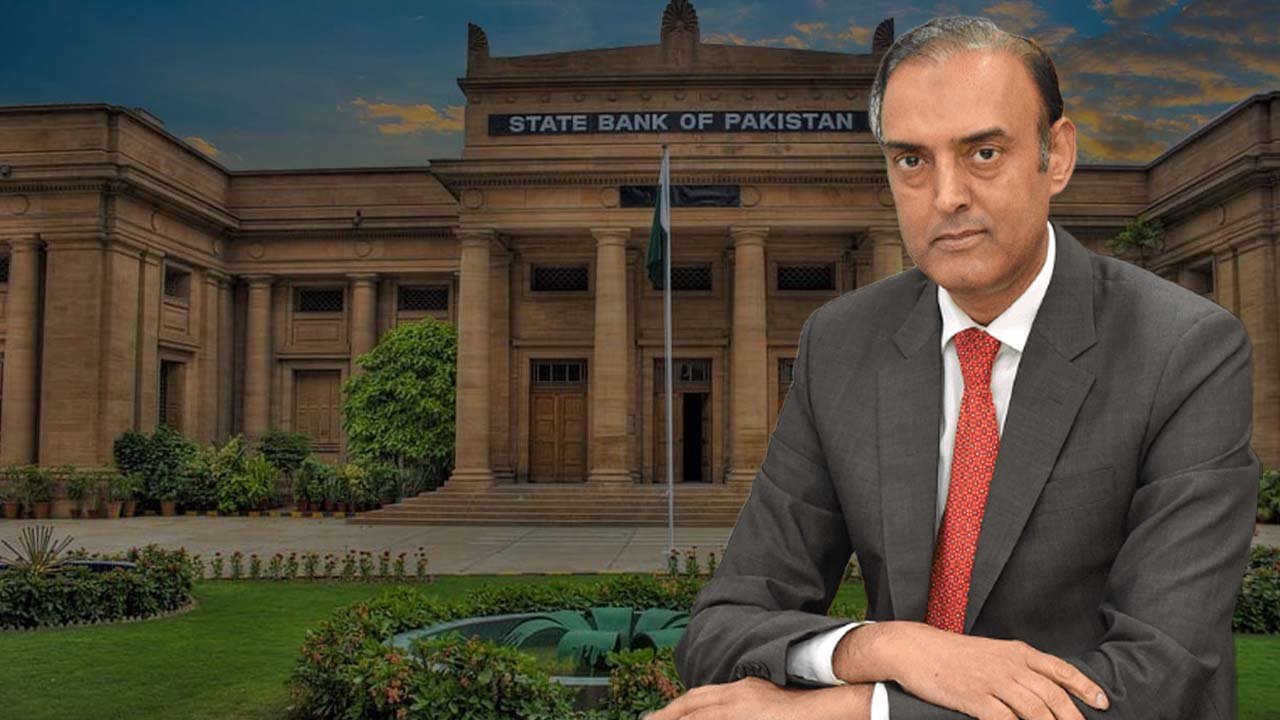
    The recent release of these remittance statistics coincides with the International Monetary Fund’s (IMF) approval of a $3 billion bailout package for Pakistan. The nation’s economy had been teetering on the edge of default due to mounting debt obligations. Governor Jameel Ahmad of the State Bank of Pakistan (SBP) reassured that the SBP remains committed to upholding its obligations, including maintaining a controlled difference between the interbank and open market exchange rates, as specified in the agreement with the IMF.

    Fahad Rauf, the head of research at Ismail Iqbal Securities, voiced his concern over the decline in remittances: “The extent to which remittances have declined is indeed worrying. Unofficial channels offering higher rates have played a role in this scenario.” He also highlighted the SBP’s efforts to attract more remittances through proposed changes in incentive schemes, including a 50 per cent increase in the reimbursement rate for Saudi Riyal conversions.

    The SBP’s latest monetary policy statement forecasts the current account deficit for fiscal year 2024 to range between 0.5 per cent and 1.5 per cent of the gross domestic product. This projection takes into account both evolving domestic and global economic conditions. The SBP remains optimistic about the prospects of multilateral and bilateral inflows following the IMF’s stand-by arrangement, which is expected to bolster external buffers and address short-term external financing requirements.

    As the nation navigates through these challenges, the market-determined exchange rate will continue to play a pivotal role as the first line of defence against external shocks, further supporting the buildup of reserves. With a cautious eye on global commodity prices and a moderate domestic economic recovery, Pakistan aims to manage its imports and strengthen its economic stability.

  • Remittances in June 2023 decline by 21.4%, hitting $2.2 billion: SBP

    Remittances in June 2023 decline by 21.4%, hitting $2.2 billion: SBP

    In June 2023, remittances experienced a year-on-year decrease of 21.4 per cent, falling to the $2.2 billion mark compared to $2.8 billion in June 2022, according to data released by the State Bank of Pakistan (SBP).

    Simultaneously, cumulative remittances sent by overseas Pakistanis for the 12-month period ending on June 30, 2023, diminished to $27 billion, reflecting a 14 per cent decline in the financial year 2022-23 when compared to the record-high inflows of $31 billion reported in the previous financial year.

    In terms of monthly trends, remittances received by the country from overseas Pakistanis increased by 3.85 per cent from $2.102 billion in May to $2.18 billion in June 2023.

    The primary sources of remittance inflows during June 2023 were Saudi Arabia ($515 million), the United Kingdom ($343 million), the United Arab Emirates ($325 million), and the United States ($272 million).

    Moreover, proceeds from expatriates residing in European Union countries showed an 11 per cent month-on-month increase in June 2023, amounting to $272 million. Similarly, remittances from other GCC countries (Bahrain, Kuwait, Qatar, and Oman) totaled $271.9 million.

    The decline in inflows reported for FY23 can be attributed to various austerity measures implemented by the coalition government and the banking regulator. These measures included high taxes on cash held in banks and exchange companies, aimed at increasing remittance collections.

    Import restrictions, coupled with unfavorable domestic economic conditions during FY23, had a detrimental impact on remittance inflows. These factors resulted in reduced demand and led to a diversion of a significant portion of expatriate inflows towards informal currency exchange channels.

    Fundamentally, the contraction in imports caused by policy measures, along with demand suppression, exchange rate depreciation, and the preference for undocumented channels to maximise profits, all contributed to curbing remittance inflows during FY23. As a consequence, the expatriate Pakistani community residing in various countries faced inadequate facilitation.

  • Pakistan lifts import restrictions to satisfy IMF demand

    Pakistan lifts import restrictions to satisfy IMF demand

    In a recent development, the State Bank of Pakistan (SBP) has taken the decision to lift all import restrictions as part of fulfilling a condition set by the International Monetary Fund (IMF).

    The central bank issued a circular to officially end these restrictions, thereby satisfying another requirement put forth by the IMF.

    To facilitate the release of over 6,000 containers, the federal government has granted permission to banks for remittance provision. The circular issued by the SBP states that remittances will be provided for all imports following the implementation of this latest order. The central bank has instructed authorised dealers to process remittances based on the recommendations of stakeholders.

    It came to light yesterday that Pakistan and the IMF are facing challenges in reviving a loan program, leading to disagreements between the Ministry of Finance and the IMF. Sources revealed that the plan to bridge the external financing gap relied on funds received from a donor conference held in Geneva.

    The primary objective of the conference was to garner support and contributions for Pakistan’s financial requirements. As part of this plan, the IMF was tasked with securing $500 million by June through the Geneva Donor Conference. However, efforts to obtain funds for the Ministry of Planning and Treasury have encountered obstacles. Delays in finalising contracts and agreements under the Donor Conference have further impeded the financing process.

    Sources within the Ministry of Finance report that the amount received through the Geneva Donor Conference currently stands at $150 million, falling short of the expected sum. This has raised concerns from the IMF, which has expressed dissatisfaction with the level of financial support obtained through the conference.

    According to ARY News, the funds acquired from the Donor Conference will be allocated to crucial recovery and rehabilitation projects in regions affected by floods. The aim is to address the needs of these communities and provide support for their restoration efforts.

  • Pakistan receives $3 billion in remittances, highest in history

    Pakistan receives $3 billion in remittances, highest in history

    The State Bank of Pakistan (SBP) announced on Friday that remittances from Pakistani employees overseas have surpassed $3 billion for the first time, with Saudi Arabia and the United Arab Emirates contributing the most.

    Saudi Arabia ($707 million), the United Arab Emirates ($614 million), the United Kingdom ($484 million), and the United States of America ($346 million) were the largest sources of remittances in April 2022.

    “Remittances crossed the monthly mark of US $3 billion for the first time. Cumulatively, at $26.1 billion, remittances grew by 7.6 % in the ten months of FY22 compared to last year,” says a statement issued by the SBP.

    In terms of growth, remittances have been increased by 11.2 per cent on a month-on-month basis, and 11.9 per cent on a yearly basis

  • Budget explained: How it will affect you

    Budget explained: How it will affect you

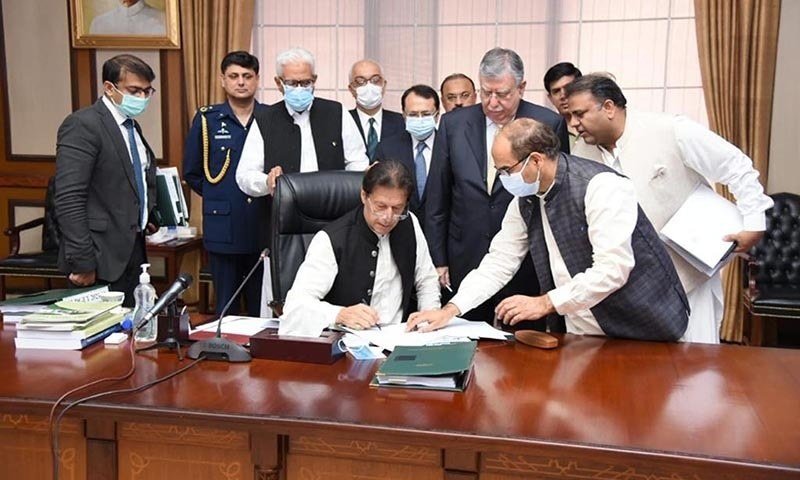
    Finance Minister Shaukat Tarin unveiled the budget 2021-22. The total expenditure of the budget had been kept at Rs 8,478 billion and had set the tax collection target at Rs 5,829 billion. 

    Leader of the Opposition in the National Assembly Shehbaz Sharif and Pakistan People’s Party (PPP) chief Bilawal Bhutto Zardari were in the house. Opposition members continued to bang desks and shouted slogans of “Go Niazi Go!” as the minister spoke.

    Earlier, Bilawal met Sharif at his chamber in the assembly and they decided both parties would jointly oppose the PTI’s budget.

    Tarin began his speech by saying it was an honour for him to present the Pakistan Tehreek-e-Insaf (PTI’s) third budget.

    The minister paid tribute to the PTI government for stemming the spread of the coronavirus pandemic and taking steps to ensure businesses did not suffer massive losses in the country due to the lock downs.

    Pension

    Pensioners will get 10 per cent rise. Integrated allowance for Grade 1-5 has been raised from Rs 450 to Rs 900.

    Defence budget

    He said the defence budget of the country had been allocated Rs 1,370bn while the government had earmarked Rs 1,168 bn for development and non-development grants for provinces. 

     Subsidies

    The government had allocated Rs 682bn for subsidies to various sectors of the economy, adding that Rs 479bn had been allocated to run the civil government. 

    Coronavirus

    The government was serious in stemming the spread of the coronavirus and keeping its adverse effects at bay, adding that the government had set aside Rs100bn for it. 

    He announced the government’s initiative to earmark $1.1bn to procure coronavirus vaccines, adding that the government aimed to vaccinate 100mn people by July 2022.

    Ehsaas Emergency Cash Program

    “The government, through the Ehsaas Emergency Cash Programme, provided cash to 12mn people across the country,” he said. The finance minister announced that the government had set aside Rs260bn for the Ehsaas programme in the budget. 

    Remittances

    Tarin said remittances had increased in Pakistan to record levels, adding that these are expected to rise to $29bn by the end of this month. “This is proof of the love that overseas Pakistanis harbour for Prime Minister Imran Khan,” he said.

    Tax Collection

    Speaking about tax collection, he said it had grown by 18% and had crossed Rs4,000bn, adding that critics had no response to the government’s impressive performance in this regard. 

    Growth Sector

    Finance minister announced that the country’s economy was now entering the growth period, adding that almost every sector is growing. 

    He said Pakistan was seeing a “historic growth” in agriculture, stating that apart from cotton, all other crops saw extraordinary increases. He said that growth in the services sector helped improve numbers pertaining to poverty and had also played a major part in generation of wealth in Pakistan. 

    Tarin said the government had kept the growth target at 4.8% for the fiscal year, adding that the government will not leave the poor and the destitute at the mercy of inflation.  “Never in our economic history, were poor people able to realise their dreams,” he said, adding that PM Imran Khan wanted to uplift the poor. 

     Interest-free loans

    He said the government had decided to provide interest-free loans of up to Rs500,000 to the poor. 

     Development package

    He announced that the Public Sector Development Programme will be increased from Rs630 billion to Rs900 billion to counter the adverse impact of the coronavirus pandemic. 

    Tarin announced a development package for 14 districts in Sindh, adding that these will focus on improving education, solving the province’s water issues, and carrying out development in these districts. Rs16.5 billion have been allocated for Karachi-based projects for the fiscal year 2021-22.

    For developmental projects in Gilgit-Baltistan, the government has allocated Rs 40 billion. Meanwhile, Rs 54 billion have been allocated for Khyber-Pakhtunkhwa. Rs 601 billion will be given to South Balochistan for uplift programs, he added.

    Sales Tax

    The minister announced that the government has slashed sales tax on locally manufactured cars from 17% to 12.5%. The government has also exempted Federal Excise Duty (FED) on 850cc cars and will slash duty on electric cars.

    Tarin said the government was slashing withholding taxes on mobile phones, adding that it will be reduced to 10% at first and then 8% later. 

    If mobile phone call duration exceeds three minutes, one rupee per call in addition to the rates of duty will be charged. For SMS service, ten paisa per SMS in addition to the rates of duty will be charged.

    Tax on Internet services not approved by the Cabinet. FED reduced to 16 per cent from 17 per cent . IT and IT-enabled services given zero duty regime status. Data storage and Cloud computing included in the definition of IT enabled services.

    Third-party audit

    Tarin said the government was introducing third-party audits which would thwart the Federal Board of Revenue (FBR) harassing any individual or business entity. He said those who are found guilty of evading taxes or deliberately hiding their income will be fined severely. 

    Energy sector

    In the budget for the next fiscal year, a special plan for the elimination of circular debt would be introduced. “The government plans to reduce line losses through investment,” Tarin added. Moreover, an electric vehicle policy would also be announced.

    Development expenditures

    In the next fiscal year, the government has increased the PSDP budget to Rs 900 billion from Rs 630 billion. Tarin assured that the government would improve road infrastructure. Furthermore, through PSDP, it will invest in high return projects.

    Agriculture

    Talking about agriculture, the minister said that the agriculture sector witnessed historic growth.

    Unveiling the federal budget, the finance minister announced a national agriculture emergency program. The government plans to enhance livestock on modern lines and has decided to allocate Rs12 billion for the most important sector.

    Dasu, Diamar-Bhasha and Mohmand dams are a part of the budget. Rs91 billion have been allocated for water resources. Moreover, Rs14 billion have been allotted for the Neelum Jhelum power project. Tarin mentioned that the ML-1 project will be completed in three packages.

    Sharing the allocations for next year, he mentioned that Rs22 billion have been allocated to produce 100 MW electricity at Jamshoro. Moreover, Rs22 billion have been allocated for coal-based power projects, Rs16.5 billion for Tarbela fifth extension and Rs118 billion for different power transmission lines.

    Climate change

    The federal minister stated that Pakistan is one of the 10 countries most hit by climate change. Highlighting PM Imran’s vision of planting trees, he said Rs14 billion have been allocated for the government’s vision of “One Billion Tree Tsunami.”

    Rs 118 billion have been allotted under PSDP for the social uplift. Non-tax revenues to rise by 22% during FY22, meanwhile federal expenditures to rise 15%.

    Under the budget, $1.1 billion have been allocated for vaccine import.