Tag: renewable energy

  • UAE pledges $10 billion investment in Pakistan’s key economic sectors

    UAE pledges $10 billion investment in Pakistan’s key economic sectors

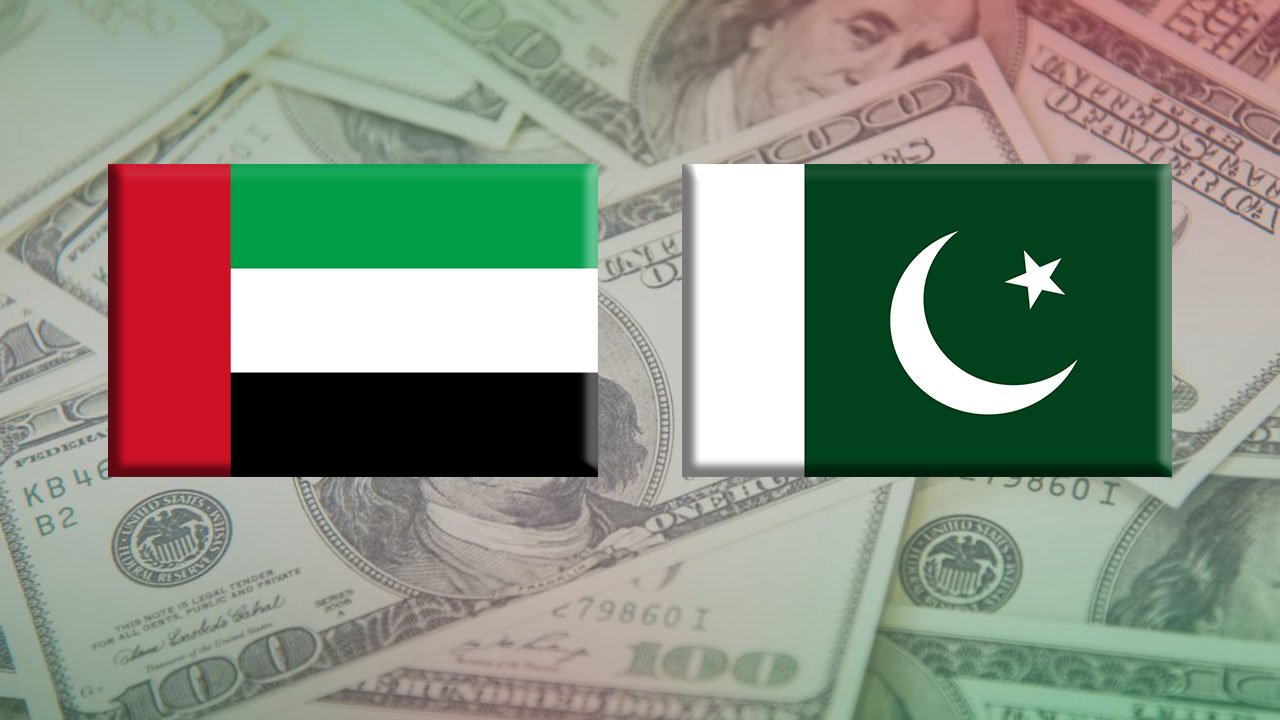
    The United Arab Emirates (UAE) has pledged $10 billion for investment in promising economic sectors in Pakistan.

    Pakistani Prime Minister Shehbaz Sharif met with UAE President Sheikh Mohamed bin Zayed Al Nahyan in Abu Dhabi today, according to a post by Pakistan Television (PTV) on X.

    The meeting focused on a wide range of bilateral issues, including cooperation in political, economic, social, cultural, and defence sectors.

    During the discussion, Prime Minister Sharif emphasised the need to enhance existing cooperation and strengthen the strategic partnership between the two nations. He highlighted key areas such as information technology, renewable energy, and tourism as potential fields for increased collaboration.

    Sharif also outlined steps his government has taken to ensure socio-economic stability and boost investor confidence in Pakistan.

    He reaffirmed Pakistan’s commitment to effectively implement investment cooperation agreements in sectors like energy, port operations, wastewater treatment, food security, logistics, minerals, and banking and financial services.

    Sheikh Mohamed bin Zayed Al Nahyan expressed the UAE’s unwavering support for Pakistan and confirmed the UAE’s commitment to investing $10 billion across various sectors in the country, as stated by PTV.

    The Prime Minister expressed his gratitude to the UAE leadership for hosting 1.8 million Pakistani expatriates and underscored Pakistan’s significant human resource potential that could be utilised in diverse sectors.

  • Pakistan grapples with 23% surge in power generation costs amidst economic woes

    Pakistan grapples with 23% surge in power generation costs amidst economic woes

    In a startling development, the cost of power generation in Pakistan has surged by a staggering 23 per cent in January 2024, compared to the same period last year, reports the brokerage house Topline Securities.

    The average cost per kilowatt-hour (KWh) soared to Rs13.8, marking a significant increase from Rs11.20/KWh recorded in January 2023.

    The substantial hike in costs is attributed primarily to elevated expenses in power generation from gas and nuclear sources, which witnessed a spike of 43 per cent and 24 per cent, respectively, on a yearly basis. Moreover, the fuel cost for furnace oil (FO) also surged by 22 per cent year-on-year, according to data from Topline Securities.

    This surge comes as a severe blow to the populace, which is already grappling with high inflation and sluggish economic activity. Rising electricity bills have compounded the financial burden on citizens.

    In terms of power generation, Pakistan witnessed a marginal decline of over 2 per cent in January 2024 compared to the same period last year, with total generation amounting to 8,313 GWh (11,175 MW).

    The decline in power generation was predominantly due to a decrease in coal-based generation, which plummeted by 20 per cent year-on-year. Gas and wind power generation also witnessed declines of 10 per cent and 55 per cent, respectively.

    However, there was a 9 per cent increase in power generation on a monthly basis, indicating some fluctuation in the generation patterns.

    Coal emerged as the primary source of power generation in January 2024, constituting 23.4 per cent of the total generation mix, surpassing nuclear and RLNG (re-gasified liquid natural gas). Nuclear energy accounted for 20.8 per cent of the overall generation, while RLNG contributed 18.2 per cent.

    Renewable sources like wind, bagasse, and solar collectively made up a modest portion of the generation mix, indicating a potential for further development and investment in sustainable energy solutions.

    Overall, the surge in power generation costs coupled with a slight decline in generation highlights the challenges facing Pakistan’s energy sector and underscores the need for strategic measures to ensure an affordable and sustainable power supply in the country.

  • BYD, global electric vehicle leader, explores investment in Pakistan’s EV sector

    BYD, global electric vehicle leader, explores investment in Pakistan’s EV sector

    BYD, the prominent Chinese automotive conglomerate renowned as the world’s foremost electric vehicle (EV) manufacturer, engaged in discussions regarding the potential of Pakistan’s EV sector.

    This revelation surfaced through a modified series of posts released by the Board of Investment (BoI) on Thursday. Initial posts hinted at BYD’s enthusiastic interest in investing in Pakistan’s EV sector, but these posts have since been removed.

    The development follows a meeting between a delegation from BYD Company China, featuring Cai Xiao Xu, Head of the Dealer Division (South Asia), Lei Jian, Country Head (Pakistan), and Sohail Rajput, Secretary at BoI.

    In a statement shared on X, formerly Twitter, the Fortune 500 company and global EV manufacturing leader BYD Company highlighted its substantial presence in key industries, including automobiles, rail transit, new energy, and electronics.

    The ongoing exploratory visit to Pakistan by the BYD delegation, facilitated by BoI, includes pivotal discussions with potential local partners.

    Secretary BOI, during the meeting, warmly welcomed the company’s interest, underscoring the significance of EVs in Pakistan.

    He reassured the BYD delegation of the Government of Pakistan’s steadfast commitment to facilitating foreign investors.

    BYD, recognised as the world’s largest EV manufacturer, produces a diverse range of vehicles, including battery-electric and hybrid cars, buses, and trucks, as well as battery-powered bicycles, forklifts, solar panels, and rechargeable batteries.

    In the previous month, Dr Gohar Ejaz, the Caretaker Minister for Commerce and Industries, disclosed that BYD is actively considering investment opportunities in Pakistan.

    During this period, the caretaker minister briefed the BYD delegation on government policies and the Special Investment Facilitation Council (SIFC), offering unequivocal support for their new ventures.

    This move aligns with Pakistan’s strategic goal to expand its presence in the renewable energy sector, curtail its energy import expenditure, and fulfil climate change objectives.

    Caretaker Prime Minister Anwaar-ul-Haq Kakar has separately extended an invitation to Chinese businesses to invest in Pakistan’s solar parks.

  • Govt not reducing solar net metering rate of Rs19 

    Govt not reducing solar net metering rate of Rs19 

    In an official statement, Muhammad Ali, the Caretaker Minister for Energy and Petroleum, has provided clarity on the government’s stance regarding incentives for solar net metering. Addressing recent speculation in the media and on social platforms, he affirmed that the government has no intentions of reducing the incentives associated with solar net metering, particularly the rate of Rs19.  

     “There were talks of a change in the rate of solar net metering in media and social media that the government is reducing the net metering rate from Rs19. I want to clarify and ensure that we are not taking any such measure,” he said. 

    Furthermore, Ali announced the government’s upcoming initiative to introduce a special incremental tariff for industrial electricity users before October 31. This endeavor is aimed at ensuring affordable electricity for industrial sectors, thereby relieving some of the financial burden on energy consumers. 

    In its ongoing efforts to support energy consumers during the winter season, the government is actively working on devising a special tariff designed to mitigate expenses for this specific period. 

    Ali also disclosed the government’s rigorous measures to combat electricity theft, which includes a nationwide crackdown on the illegal activity. He reported that individuals implicated in electricity theft within distribution and other utility companies have been reassigned, and comprehensive actions are being taken against them. Additionally, a crackdown against gas theft has been initiated to curb such practices. 

    Previously, reports had suggested that the government was contemplating the issuance of an ordinance to further regulate net metering. This decision was prompted by concerns that the installation of solar panels on rooftops had inadvertently increased capacity payments to Independent Power Producers (IPPs). Notably, the proposed ordinance is expected to include provisions criminalizing non-payment of electricity bills, as reported by Geo News

  • Growing Saudi-India partnership: MBS and Modi discuss expanding trade goals

    Growing Saudi-India partnership: MBS and Modi discuss expanding trade goals

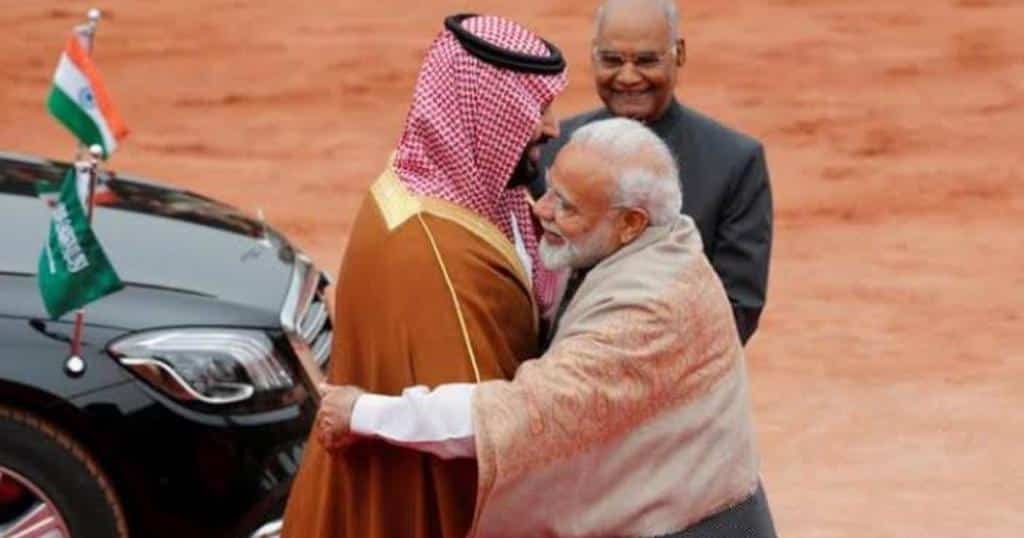
    Indian Prime Minister Narendra Modi and Saudi Crown Prince Mohammed bin Salman held discussions on trade ties in New Delhi after the G20 Summit. The leaders met at the Hyderabad House, New Delhi, for the Saudi-Indian Strategic Partnership Council meeting. During the talks, they covered various areas of cooperation and regional and international topics of mutual interest.

    Modi expressed satisfaction with the discussions, highlighting synergy with Saudi Arabia. He emphasized the potential for collaboration in grid connectivity, renewable energy, food security, semiconductors, and supply chains.

    The meeting involved senior officials from Saudi Arabia, including Minister of Energy Prince Abdulaziz bin Salman, Foreign Minister Prince Faisal bin Farhan, and Minister of Investment Khalid al-Falih. Falih mentioned the possibility of establishing an office for Saudi Arabia’s sovereign wealth fund, the Public Investment Fund, in India’s tax-neutral financial services center, Gujarat International Finance Tec-City.

    Furthermore, the Saudi Export-Import Bank (Saudi EXIM) and the India Export-Import Bank (India EXIM) signed an agreement to boost exports and mutual market presence.

    This gathering followed the announcement of a multinational rail and ports deal involving India, Saudi Arabia, the United States, the European Union, the United Arab Emirates (UAE), and other global leaders. The deal aims to connect the Middle East and South Asia through the India-Middle East-Europe Economic Corridor, enhancing connectivity and reducing shipping costs.

    US President Joe Biden viewed this agreement as a significant step and a counter to China’s Belt and Road Initiative.

  • Nepra approves Rs2.31 per unit tariff increase for K-Electric consumers

    The National Electric Power Regulatory Authority (Nepra) has approved a tariff increase of Rs2.31 per unit for K-Electric (KE) consumers due to June 2023’s monthly fuel charges adjustment. This is slightly below KE’s requested Rs2.34 per unit hike. The new tariff takes effect in August and excludes lifeline consumers and electric vehicle charging stations.

    A public hearing on July 26, 2023, discussed KE’s proposal to address higher fuel costs for electricity generation in June. KE generated electricity at Rs24.90 per unit internally, while government-supplied electricity cost Rs11.56 per unit during that period. Nepra’s analysis resulted in an upward revision of Rs2.31 per unit for June, compared to KE’s requested increase.

    Conversely, Nepra raised the power tariff by Rs1.81 per unit for ex-Wapda distribution companies (DISCOs) in June’s fuel charges adjustment, slightly less than the hike for KE consumers. The Central Power Purchasing Agency-Guarantee (CPPA-G) requested a tariff increase of Rs1.88 per unit on behalf of DISCOs.

    This tariff adjustment, effective in August, applies to all DISCOs customers except lifeline consumers and electric vehicle charging stations. It follows a public hearing held by Nepra on July 26. Earlier, DISCOs customers paid Rs1.90 per unit under May 2023’s fuel charges adjustment, making the new rate Rs0.09 per unit lower.

    While the tariff increase has raised concerns among consumers, it has also spotlighted the delay in approving renewable energy projects. During KE’s petition hearing, an industrial consumer, Rehan Javed, highlighted pending Requests for Proposals (RFPs) with Nepra, which could expedite affordable electricity production through renewables, benefiting Karachi’s businesses.

    Nepra member Rafique Ahmed Shaikh expressed disappointment in KE’s slow progress in embracing renewable energy. Delayed approval of RFPs has hindered renewable energy initiatives.

    The Ministry of Energy’s bid to raise the base tariff for the new fiscal year, potentially leading to record-high prices, underscores the urgency of integrating renewable energy into the national energy mix.

  • Rural areas in Pakistan are facing up to 10 hours of load shedding due to massive power shortfall

    Rural areas in Pakistan are facing up to 10 hours of load shedding due to massive power shortfall

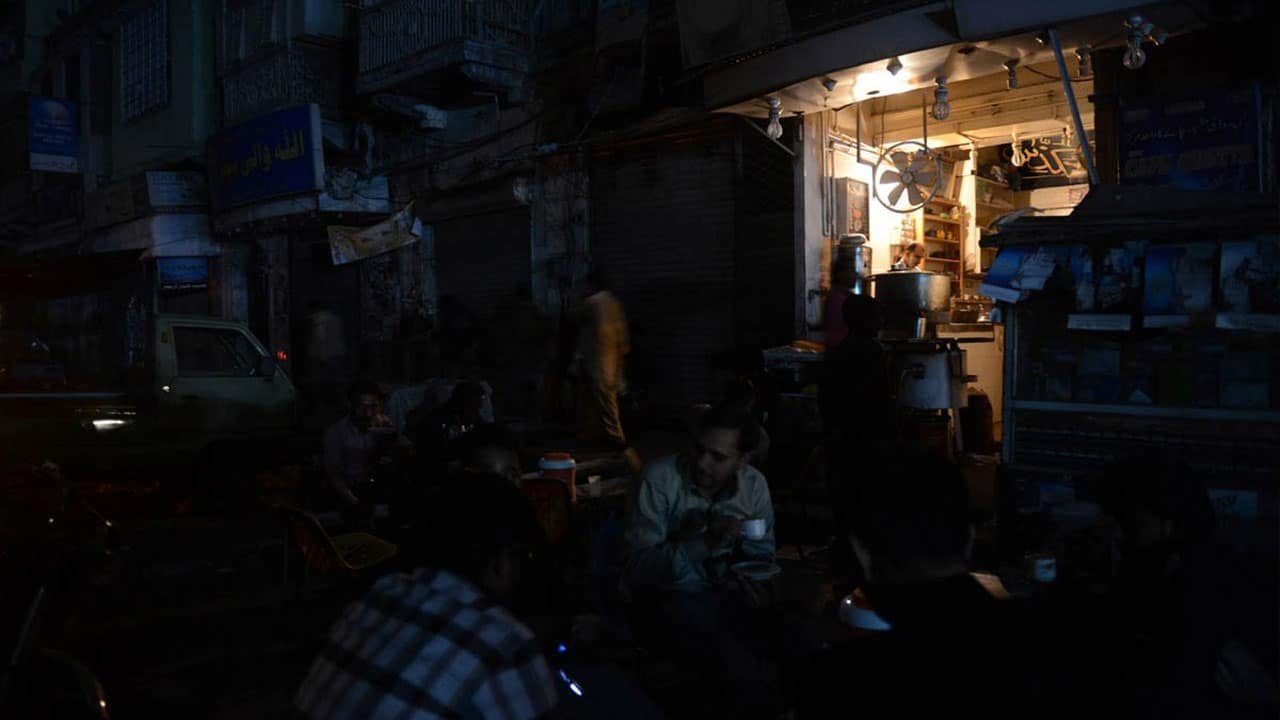
    Amidst a severe heatwave sweeping across the nation, the persistent electricity crisis shows no signs of relenting, with a power shortfall of 6,000 megawatts being recorded. The demand for electricity stands at 28,500 megawatts, while the actual production amounts to 22,500 megawatts.

    Reports indicate that cities are currently enduring load shedding periods lasting from three to five hours. In rural areas, outages are even more prolonged, stretching from eight to 10 hours, whereas urban regions experience load shedding for approximately two to four hours, according to officials from the power division.

    These officials further emphasise that the duration of load shedding is extended on feeders where there are reports of theft and outstanding recovery of line losses.

    As reported by the power division officials, the electricity production breakdown is as follows: 6,900 megawatts from hydroelectric sources, 10,800 megawatts from private power plants, 1,500 megawatts from thermal sources, and 2,300 megawatts from wind, solar, and nuclear plants.

  • PM Shehbaz confident of positive outcome in IMF loan talks

    PM Shehbaz confident of positive outcome in IMF loan talks

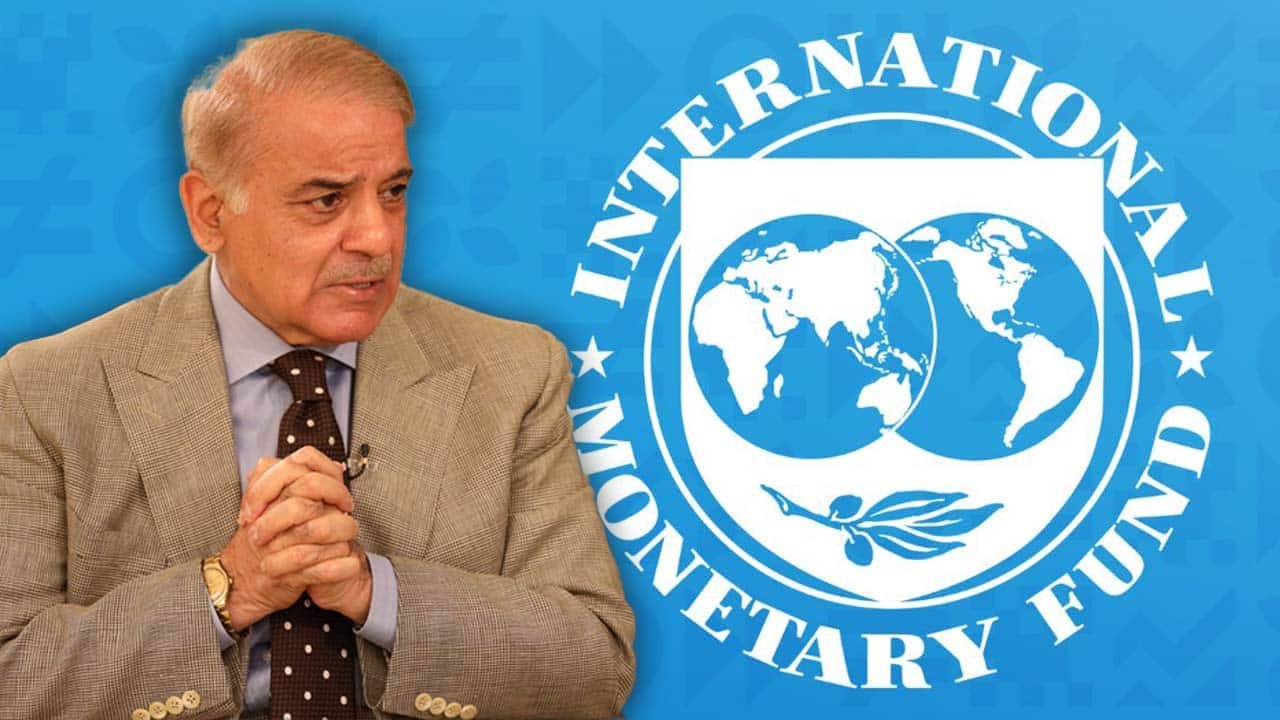
    Pakistan and the International Monetary Fund (IMF) are on the verge of finalising a long-awaited loan deal, according to Prime Minister Shehbaz Sharif. In an interview with Turkish news agency, the premier expressed hope that the ninth review by the IMF would align with all the terms and conditions, leading to positive news this month.

    Prime Minister Shehbaz Sharif said that Pakistan has diligently fulfilled each and every requirement set by the IMF as prior actions. The country’s commitment to meeting these obligations demonstrates its determination to address economic challenges head-on.

    However, in the event of the IMF talks falling through, the prime minister assured the nation that Pakistan possesses the resilience and fortitude to overcome any obstacles. He drew attention to the fact that the people of Pakistan have faced and triumphed over numerous challenges in the past. If necessary, they are prepared to tighten their belts and rise once again. Shehbaz Sharif credited the government’s ability to navigate these difficulties to the unwavering support of the Pakistani people and the assistance of brotherly and friendly nations.

    Highlighting the close bilateral relations between Pakistan and Turkiye, the prime minister described them as “one soul, two hearts that beat together.” He took the opportunity to congratulate the people of Turkiye on President Erdogan’s re-election, considering it a “wonderful development.” The deep bond between the two nations sets the stage for enhanced cooperation in the near future.

    PM Shehbaz Sharif outlined plans for Pakistan and Turkiye to strengthen their collaboration, particularly in the areas of biogas, solar energy, and hydropower. By focusing on these sectors, both countries aim to bolster trade and achieve mutual growth. The emphasis on renewable energy sources aligns with the global trend towards sustainable development and underscores the commitment of Pakistan and Turkiye to fostering a greener future.

    As Pakistan and the IMF move closer to finalising the loan deal, there is renewed hope for the country’s economic stability and growth. The government’s determination to meet the IMF’s requirements and the unwavering support of the Pakistani people serve as strong foundations for overcoming challenges and securing a brighter future. Furthermore, the prospects for increased cooperation with Turkiye in key sectors pave the way for mutually beneficial partnerships and contribute to regional progress.

    With anticipation building, all eyes are now on the impending announcement that will mark a significant milestone in Pakistan’s economic journey. The successful conclusion of the loan deal will not only provide much-needed financial assistance but also serve as a testament to Pakistan’s commitment to reform and progress.

  • Pakistan buys Russian oil amid chronic energy shortages

    Pakistan, which is facing a severe economic crisis and chronic energy shortages, has turned to Russia for oil imports. However, Pakistan’s petroleum minister, Musadik Malik, believes that the future of energy lies in diversification, particularly towards green energy sources.

    During his visit to the United States, Malik confirmed that Pakistan had placed an initial order for Russian oil, which will arrive within a month, and based on the results, the country will assess how much to import in the future.

    Pakistan, which imports 84 per cent of its petroleum products, mainly from Gulf Arab allies Saudi Arabia and the United Arab Emirates, has been transparent about its dealings with Russia. Malik stated that their initial dealings with Moscow were far less than those of other countries, particularly China and India, whose enthusiastic buying of Russian oil has cast a shadow over India’s warming relationship with Washington.

    Malik spoke with US companies during his visit about buying shale liquified natural gas, upgrading Pakistani refineries and storage facilities, exploring offshore oil and gas and starting horizontal drilling, a method that Pakistan has not yet used.

    However, he emphasized that his talks with the United States also included support for green energy sources, in line with Pakistan’s goal of generating 30 per cent of its electricity from renewables by 2030, including a plan for widespread solar power on rooftops.

    Pakistan is one of the nations most vulnerable to climate change, with floods last year submerging one-third of the country. Geoffrey Pyatt, the assistant secretary of state for energy resources, has promised US backing for Pakistan’s renewable goals during his visit to the country.

    According to France24, Malik also believes that the future of energy security lies in green energy sources. Although Pakistan’s share of Russian oil imports is small, it helps, and the country is open to cheaper sources of energy.

  • Pakistan’s energy transition gets a boost with $240 million loan from Saudi Fund for Development

    Pakistan’s energy transition gets a boost with $240 million loan from Saudi Fund for Development

    On Friday, the Saudi Fund for Development (SFD) signed a loan agreement worth $240 million to support Pakistan’s energy transition through the Mohmand Multipurpose Dam Project.

    The project, which is co-financed by the SFD, OPEC, the Islamic Development Bank, and the Kuwait Fund for Arab Economic Development, is expected to contribute to Pakistan’s energy security, increase sustainable water supply for agriculture and human consumption, and improve resilience to floods.

    The agreement was signed by the SFD CEO, Mr Sultan Abdulrahman Al-Marshad, and the Federal Secretary for the Ministry of Economic Affairs, Dr Kazim Niaz. According to a statement from the Ministry of Economic Affairs, the loan aims to promote sustainable development in Pakistan and achieve the Sustainable Development Goals (SDGs).

    The statement further highlighted that the Mohmand Multipurpose Dam Project will be of great assistance to the people of Khyber Pakhtunkhwa (KP), where almost 80 per cent of the population resides in rural areas. The project will enhance water and food security, improve the standard of living for people, and boost the region’s socioeconomic development by creating employment opportunities and reducing poverty levels.

    The project will also generate 800 MW of electricity production capacity by using renewable energy sources, contributing to Pakistan’s energy security. Additionally, the storage of 1.6 million meter cube of water will support sustainable agricultural practices, enable irrigation of 6,773 hectares of new land, and increase the total cropping area from 1,517 hectares to 9,227 hectares in the province, facilitating agricultural activities.

    During the agreement-signing ceremony, the SFD CEO emphasised the strong developmental ties between Saudi Arabia and Pakistan and highlighted the significance of joint cooperation between development funds.