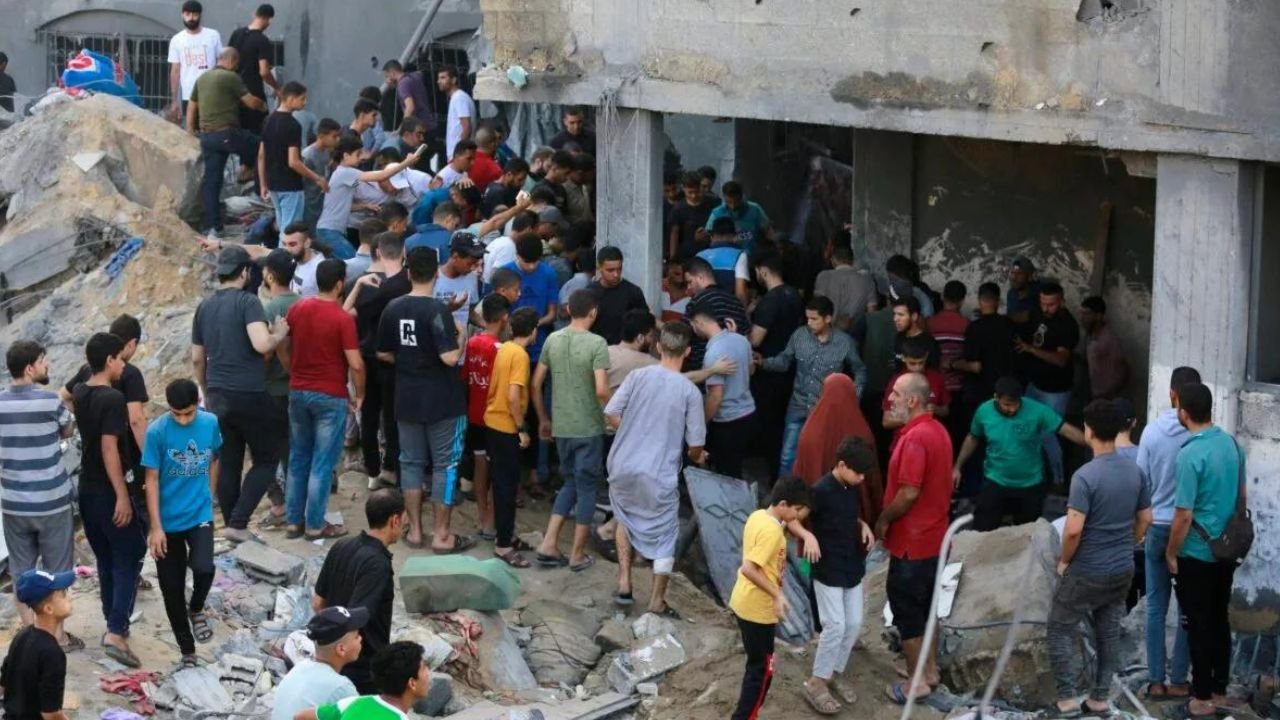
A Pakistan delegation led by the Secretary of Human Rights, Senator Mumtaz Zehri, and Senator Khalil on Thrusday will submit reports drafted by the National Commission on Human Rights (NHCR) on the implementation of all forms of racial discrimination at Geneva.
The report highlights the fact that the country lacks an understanding of racial discrimination as it is not defined under any domestic statute.
Over the last three and half years, NHCR indicates an “exponential rise in the numbers imprisoned for blasphemy in Pakistan, from nine cases in 2021 to 750 cases in 2023.”
During 2023, in Sindh, allegedly, “136 forced conversion cases occurred, the majority of whom were Hindu women and girls,” the report stated Quoting civil society, the report mentions, ‘‘Terrorism cases against minority communities in Punjab were 142 and 47 in Sindh, which is higher than the previous year’’.
Chairperson (NCHR) Rabiya Javeri Agha said, ‘’Pakistan is a home to the rich tapestry of ethnic groups and religious minorities; while the diversity is a source of cultural richness, it also presents significant challenges related to ethnic and racial discrimination’’.
The report calls for introducing programmes to curb extremism and hate speech, establishing special police units, emphasising tolerance, reforming Madrassa education, and promoting human rights responsibilities.
Pakistan has been ranked 161st out of 191 countries on the UN Human Development Index, scoring 0.544 points. This marks a slight improvement from 2023, when Pakistan was ranked 164th with 0.540 points, three places below its 2022 ranking.
The report also highlights that Pakistan’s HDI rank remained steady at 161st globally from 2019 to 2021. The index comprises health, education, and income indicators, each ranging from 0 to 1.
In South Asia, Sri Lanka leads at 73rd place with 0.782 points, followed by Bangladesh at 129th with 0.661 points, and India at 132nd with 0.633 points. Nepal ranks 143rd, while Afghanistan trails at 180th with 0.478 points, although it’s slightly above the bottom 10.
Globally, South Sudan ranks last at 191st with 0.385 points, while Switzerland tops the list at 0.962 points, followed by Norway at 0.961 points.
The report observes that while global development has returned to pre-pandemic levels, a growing gap between rich and poor countries persists. This rebound follows two years of decline, primarily due to the COVID-19 crisis which reversed five years of progress.
Despite overall positive trends, inequality persists, with the poorest nations falling behind, exacerbating global polarisation.
“The result is a dangerous gridlock that must be urgently tackled through collective action,” the United Nations warned in a post on social media.
The report also recognizes that “rich countries experienced unprecedented development, yet half of the world’s poorest nations continue to languish.”
The United Nations’ Human Development Index (HDI) combines economic and non-economic factors to measure a country’s prosperity, including life expectancy, educational attainment, and gross national income per capita.
The report underscores a reversal in the trend of reducing inequalities between wealthy and poor nations, emphasising the need for collective action to address shared challenges and ensure people’s aspirations are met.
Additionally, the report identifies a “democracy paradox,” wherein support for democracy coexists with endorsement of leaders who may sabotage democratic principles, increasing political polarisation and inward-looking policy approaches.
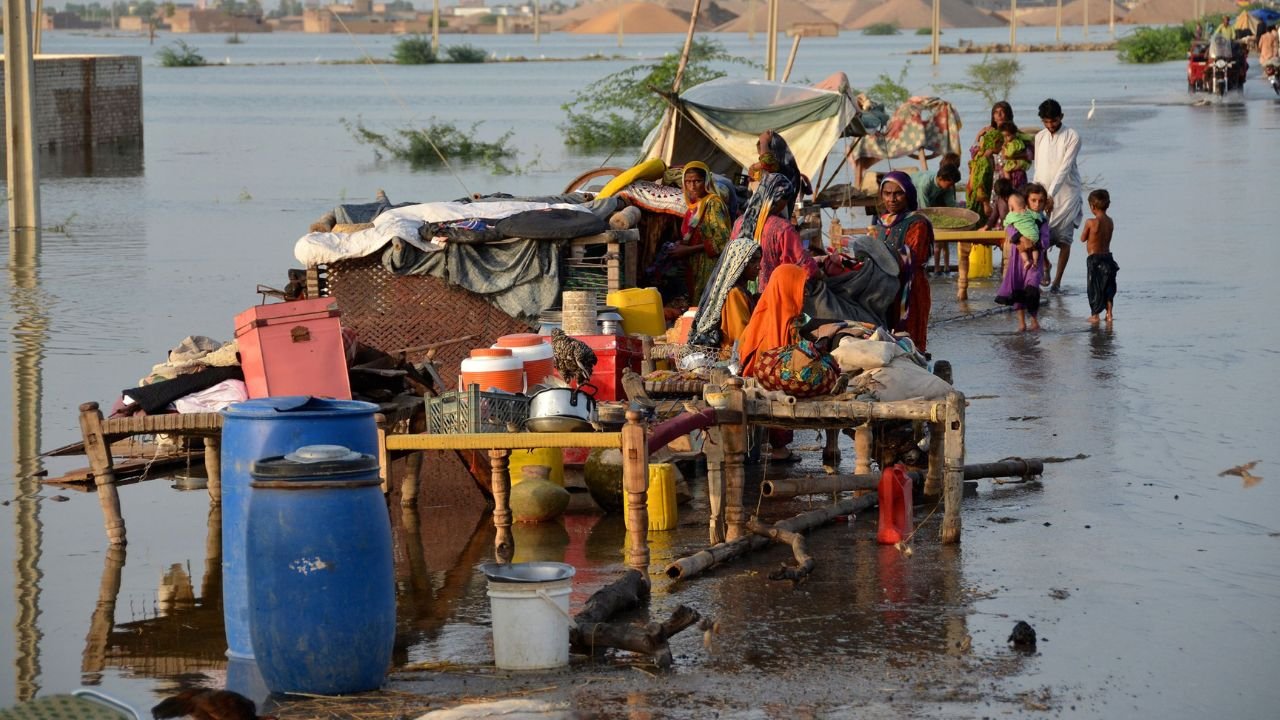
The Centre for Peace and Development Initiatives (CPDI) has stated in a report that over 10 million individuals faced displacement while 2.1 million homes were damaged in Sindh and approximately 100,000 in Balochistan in the devastating floods that hit Pakistan in 2022. The findings of the report reveal that due to financial constraints, there is a possibility that low-income migrated families will not return to cast their votes in the upcoming general elections.
The lack of Computerised National Identity Cards (CNICs) and damaged pathways to polling stations jeopardise participation of the flood-affected communities, reports Dawn.
A study by CPDI, conducted in Sindh and Balochistan, identifies multiple problems faced by flood-affected communities which may adversely affect voter turnout. It shows key issues, notably the absence of CNICs and damaged pathways to potential polling stations or school buildings.
While highlighting the issues, CPDI urged authorities to take immediate measures to facilitate voter turnout in the flood-affected areas specifically in Khairpur, Naushahro Feroz, Naseerabad and Jaffarabad.
The qualitative assessment was undertaken in the severely affected provinces of Sindh and Balochistan, highlighting various critical issues, including the absence and delays in obtaining national identity cards, damaged infrastructure such as roads and designated polling stations/school buildings, waning interest in political leaders due to insufficient post-disaster rehabilitation efforts, and concerns about the displaced community’s return to exercise their voting rights.
Additionally, individuals with lifelong injuries may be bedridden, posing a challenge for their participation in the general election (GE) 2024. These findings underscore the multifaceted challenges affecting the electoral landscape in flood-affected regions.
A significant number of flood victims lost their CNICs (at least one in every household), delays in renewal of CNICs are primarily because of the crowded and limited number of Nadra centres established at village level, residents added that mobile registration vans of Nadra initially helped but were later discontinued.
“Furthermore, daily wage earners also find it financially burdensome to visit Nadra centres. CPDI urges the authorities to take immediate action to ensure that eligible voters in flood-affected regions receive their CNICs before elections. Moreover, damaged roads and access tracks force voters to take longer alternative routes to reach polling stations, reported in all villages of selected districts in Sindh and Balochistan.
“Increased distances, combined with high transportation costs, will likely discourage voters, particularly women, elderly, differently-abled and low-income individuals, from travelling to cast their votes. With over 40 per cent of school buildings damaged and incomplete recovery efforts, newly designated polling stations may be distant, posing accessibility challenges for flood-affected residents on polling day without adequate transportation,” the report stated.
Extreme weather events in countries vulnerable to climate change drove more than 27 million children into hunger last year, Save the Children said on Tuesday.
The figure represented a sharp 135 percent increase over 2021, the UK-based charity said in an analysis ahead of the COP28 climate summit opening in Dubai on Thursday.
It said children made up nearly half the 57 million people pushed into crisis levels of acute food insecurity or worse across 12 countries because of extreme weather in 2022, according to data from the IPC hunger monitoring system.
Out of the 12, countries in the Horn of Africa were most affected, with Ethiopia and Somalia accounting for about half of the 27 million children facing hunger, Save said.
“As climate-related weather events become more frequent and severe, we will see more drastic consequences on children’s lives,” Save’s CEO Inger Ashing said in a statement.
The charity called on leaders meeting at COP28 in Dubai to take action on the climate crisis by recognising children as “key agents of change” but more broadly to address other causes of food insecurity such as conflict and weak health systems.
Save highlighted the situation in Somalia, which is considered one of the most vulnerable countries to climate change, locked in a vicious cycle of drought and floods.
It said the recent torrential rains and flooding that have engulfed many parts of the country had displaced about 650,000 people, about half of them children.
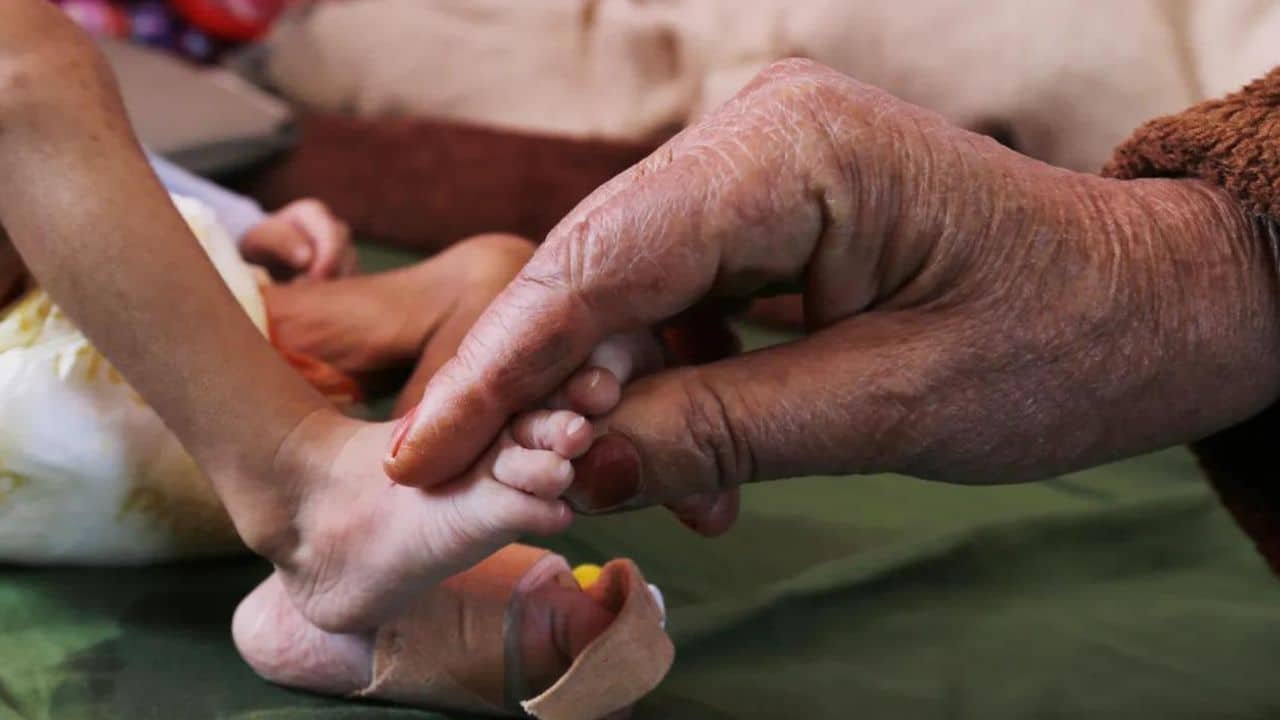
Elsewhere, Save noted that two million children in Pakistan remained acutely malnourished after floods that swamped a third of the country last year.
Across the planet, Save estimated that 774 million children -– or one third of the global child population — are living with the dual impacts of poverty and high climate risk.
In a report issued last week, Save said that more than 17.6 million children will be born into hunger this year, one-fifth more than a decade ago.
State-of-the-art climate models drastically underestimate how much extreme rainfall increases under global warming, according to a study published Monday that signals a future of more frequent catastrophic floods unless humanity curbs greenhouse emissions.
It comes as countries prepare to meet at the COP28 summit in Dubai beginning later this week, amid fears it could soon be impossible to limit long-term warming to the 1.5 degrees Celsius scientists say is necessary to curb the worst effects of human-caused climate change.
Researchers from the Potsdam Institute of Climate Impact Research (PIK) looked at the intensity and frequency of daily precipitation extremes over land in 21 “next generation” climate models used by a UN body in its global assessments.
They then compared the changes projected by the models with those observed historically, finding that nearly all climate models significantly underestimated the rates at which increases in precipitation extremes scaled with global temperature rise.
“Our study confirms that the intensity and frequency of heavy rainfall extremes are increasing exponentially with every increment of global warming,” said Max Kotz, lead author of the paper published in the Journal of Climate.
The changes track with the Clausius-Clapeyron relation in physics, which established that warmer air holds more water vapor. This finding underpinned the fact that temperature and not wind dominate the global change in extreme rainfall events, according to the authors.
Stronger increases in rainfall intensity and frequency were found across the tropics and high-latitudes, like in Southeast Asia or Northern Canada, according to the study.
Oxfam has released a new report, “Climate Equality: A Planet for the 99%”, revealing that “The richest one per cent of the world’s population produced as much carbon pollution in 2019 as the five billion people who made up the poorest two-thirds of humanity.”
While fighting the climate crisis is a shared challenge, not everyone is equally responsible and government policies must be tailored accordingly, Max Lawson, who co-authored the report, told AFP.
“The richer you are, the easier it is to cut both your personal and your investment emissions,” he said. “You don’t need that third car, or that fourth holiday, or you don’t need to be invested in the cement industry.”
Among the key findings of this study are that the richest one percent globally—77 million people—were responsible for 16 percent of global emissions related to their consumption.
That is the same share as the bottom 66 percent of the global population by income, or 5.11 billion people.
Pakistan
The difference in recent floodings in Germany and Pakistan unveils how a country’s wealth can “enable or hinder its ability to respond to a climate emergency”.
German floods affected a population of 40,000 people, resulting in damage and economic costs of 40 billion dollars. They were able to mobilise funding through federal and state government flood relief funds for reconstruction of 35 billion dollars within weeks.
On the contrary, Pakistan floods affected a population of 33 million people, leading to damage and economic costs of 30 billion dollars. International donors pledged a funding of 8.57 billion dollars as of January 2023 for the next three years.
While Germany could easily manage the financial and technical resources required, debt-troddened Pakistan was unable to allocate the necessary resources resulting in suffering from “the lasting impacts of the floods”.
The report explains that this comparison between the two countries shows “a common double standard practised by many Global North countries: they rapidly find the funds needed when disasters hit within their borders, but fail to do so when they occur in the Global South”.
An Israeli minister was suspended from government meetings “until further notice” Sunday, Prime Minister Benjamin Netanyahu’s office said, after suggesting in an interview dropping a nuclear bomb on Gaza.
The comments by Heritage Minister Amichay Eliyahu advocating a fierce military response to Hamas’s October 7 attacks even at the cost of the lives of hostages believed to be held in Gaza also drew rebuke from families of the captives.
Eliyahu, an ultranationalist politician part of Netnayahu’s ruling coalition, told Israel’s Kol Barama radio he was not entirely satisfied with the scale of Israel’s retaliation in the Palestinian territory after Hamas fighters carried out their deadly attacks inside southern Israel.
The attacks killed 1,400 people, mostly civilians, Israeli officials say.
Israel’s military campaign in Gaza since October 7 has killed 9,488 people, most of them women and children, the Hamas-run health ministry says.
When the interviewer asked whether the Israeli minister advocated dropping “some kind of atomic bomb” on the Gaza Strip “to kill everyone”, Eliyahu replied: “That’s one option”.
Prime Minister Benjamin Netanyahu’s office quickly responded in a statement, describing Eliyahu’s remarks as “disconnected from reality” and adding that Israel was trying to spare “non-combatants” in Gaza.
In a follow-up question about the estimated 240 hostages held in Gaza, Eliyahu said that “in war we pay a price.”
“Why are the lives of the hostages… more important than the lives of the soldiers?” he said.
“International law, along with fundamental principles of human morality and common sense, strictly prohibits the use of mass destruction weapons,” it said in a statement, calling for the release of all the hostages.
Following the outcry over his remarks, Eliyahu said in a post on X, formerly Twitter, that his statement about the atomic bomb was “metaphorical”.
He also said that Israel was “committed to doing everything possible to return the hostages safe and sound”.
Israel has never admitted to having a nuclear bomb.
The Hostages and Missing Persons Families Forum, representing relatives of people snatched to Gaza by Hamas militants, slammed Eliyahu’s “reckless and cruel” statement.
As the world marks the International Day to End Impunity for Crimes against Journalists, Pakistan’s journalistic community continues to grapple with an alarming surge in violence and impunity.
Several reports have highlighted the deteriorating situation, shedding light on the challenges faced by media professionals in the South Asian nation.
According to the recently released annual report by the Islamabad-based independent media watchdog, Freedom Network, Pakistan has failed to combat the rising impunity of crimes against journalists, painting a grim picture of the state of press freedom in the country.
The report titled ‘One Step Forward, Two Steps Back,’ outlines the harrowing experiences faced by journalists, including incidents of kidnapping, physical assaults, and unjust legal cases.
Pakistan made history in 2021 by passing two special laws to protect journalists.
The Sindh Assembly passed the “Sindh Protection of Journalists and other Media Practitioners Act-2021” while the National Assembly passed “Protection of Journalists and Media Professionals Act-2021” in space of few months.
Azad Jammu and Kashmir, Gilgit-Baltistan, Balochistan, Khyber Pakhtunkhwa, and Punjab have not passed a similar law for their jurisdictions.
According to the Freedom Network’s report at least 37.5 percent of the violations in Pakistan – 93 out of the total 248 cases in the period between August 2021- August 2023 – were recorded in Islamabad alone.
The report further states that during this period there were 11 cases of murders of journalists, plus another 20 unsuccessful assassination attempts.
25 instances of legal cases registered against journalists.
11 cases of abductions, plus another case of an unsuccessful kidnapping attempt.
25 cases of arrests, detentions, or illegal confinements of journalists by the State.
59 cases of physical assaults, 26 of which caused bodily injuries.
05 cases of attacks on the homes of journalists.
30 cases of specific threats of murder or other dire consequences issued to journalists.
59 cases of harassment of journalists.
At least 37.5% of the violations (93 out of a total 248 cases) were recorded in the federal capital Islamabad alone.
Sindh was the second worst with 22.5% of the violations (56 cases) and Khyber Pakhtunkhwa (KP) was a close third at 18.5% (46 cases).
These were followed by Punjab with 17.3% (43 cases), Balochistan with about 2.5% (6 cases), Azad Kashmir (AJK) with 1.2% (3 cases) and Gilgit-Baltistan (GB) with 0.5% (1 case).
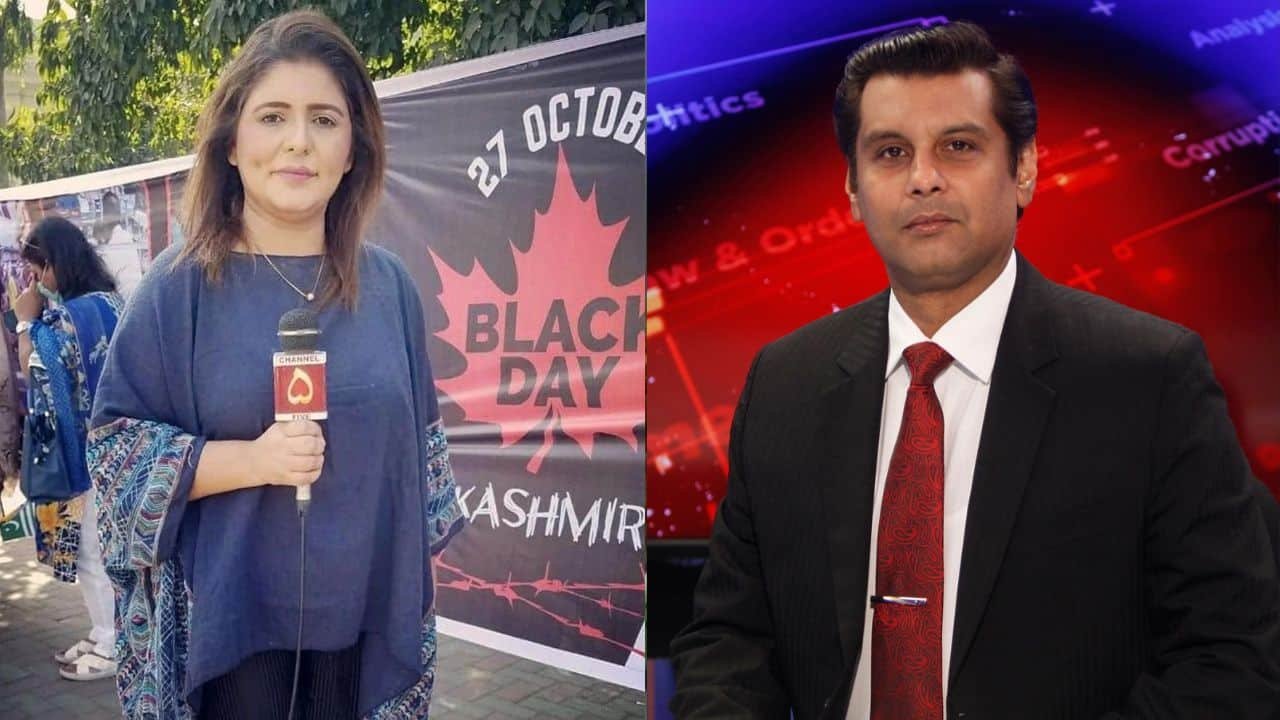
The report also cited specific incidents, such as the tragic death of Channel 5 reporter Sadaf Naeem during the coverage of former Prime Minister Imran Khan’s rally in Punjab in October 2022.
The report notes that another Pakistani journalist Ashad Sharif was killed in Kenya on October 23, 2022, and there is still no clarity on his murder.
Pakistan Press Foundation has also documented at least 157 media-related attacks, including 16 instances of arrests, five instances of detention, and 44 cases of assault this year.
Between January and September 2023, PPF has documented at least 157 attacks on the media in connection with their work, including 16 instances of arrests and five instances of detention, 44 cases of assault, two cases of damage to property, four instances of raids, 18 instances of registration of cases against media professionals and two instances of legal action, 26 instances of censorship, 20 instances of harassment of journalists or media practitioners, 13 cases of threats, seven confirmed cases of kidnappings and three unconfirmed cases.
While the country witnessed an improvement in its ranking in the World Press Freedom Index, climbing from 157 in 2021 to 150 in 2023, this progress is overshadowed by the failure to effectively implement the laws designed to protect journalists.
Last week, Gaza’s Health Ministry released a list of Palestinians killed by the on-going Israeli attacks on the besieged strip.
The list was released a day after US President Joe Biden questioned the accuracy of the death toll of the Palestinian health ministry in Gaza.
“I have no notion that the Palestinians are telling the truth about how many people are killed,” he said.
This was followed by a release of a comprehensive report on October 26, detailing the names, ages, gender and ID numbers of 6,747 of the victims.
From October 7 to October 25 alone, a span of 19 days, at least 7,028 people were killed in Israeli attacks which included 2,913 children.
Al Jazeera has now broken down the data, revealing that 7,028 deaths in 19 days means 370 average daily deaths. While 16,297 injuries indicated 858 average daily injuries.
Moreover, 73 per cent of those killed in the attacks were women, children and the elderly.
Among the victims are: 133 babies below the age of one 482 toddlers (1-3 years old) 344 preschoolers (4-5 years old) 1,042 primary school children (6-12 years old) 664 high school children (13-17 years old) 966 young adults (18-25 years old) 2,506 adults (26-55 years old) 521 Nakba survivors (56-74 years old) 89 Nakba survivors (75+ years old)
The proceedings of senior journalist Arshad Sharif’s murder trial have been put to halt in District and Sessions Courts Islamabad.
According to the details reported by Samaa news, witnesses have failed to appear and there is a lack of interest on their behalf; and so the case’ file was sent to the record room.
Judicial Magistrate Abbas Shah issued the written decision of the previous hearing.
According to the decision, on March 16, the court received a challan of Penal Code Section 512 in the Arshad Sharif murder case. On April 5, the court summoned witnesses to record their statements. They were summoned several times, but no one appeared.
The court says that they are not interested in recording the statements of the witnesses in the Arshad Sharif murder case; the prosecution was given an opportunity to submit evidence 15 times. And so, at the previous hearing, the prosecution was given notice that perhaps the file should be sent to the record room. According to the prosecutor, private and official witnesses are not coming to the court to record their statements.
In the judgement, it has been said that the prosecution can file an application for a new date considering the appearance of the witnesses, till further orders the Arshad Sharif murder case file is sent to the record room.